


RC Willey Appliances Laundry Washing Machines
Shop Types of Washing Machines: How to Choose the Right Washer at RC Willey
Upgrade your laundry room with one of these feature-packed washers and get your clothes cleaner even faster.











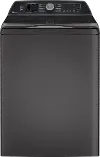


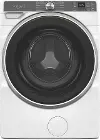

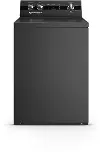


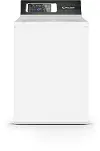



#myrcwilleyhome
See how real customers are transforming their spaces with RC Willey. Get inspired, share your style, and create a space that's Your Home. Your Way.
Explore NowYour Search for the Best Washing Machine Ends at RC Willey
The main types of washing machines are front-load washers, top-load washers, washer and dryer sets, all-in-one washer dryer combos, and pedestal washers. Top-load washers also come in two styles: agitator and impeller. The best washer for you depends on your available space, your household size, your budget, and how much laundry you do.
This guide explains the washing machine types in plain terms. You'll learn how front-load and top-load washers compare, what washer capacity you need, and how long a washing machine lasts. When you're ready, shop washers online or see them in person at an RC Willey appliance showroom. Find one near you on our Store Locations page.
What Types of Washing Machines Are Available?
There are five main types of washing machines, plus pedestals that raise your washer to a more comfortable height. Each type has its own benefits.
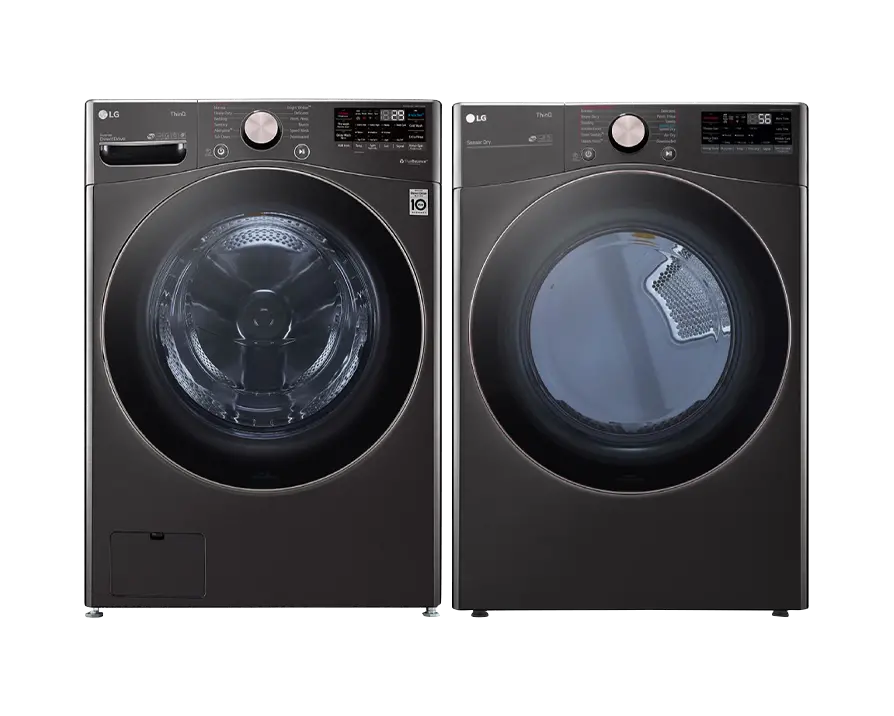
Front-Load WashersFront-load washers have a door on the front and a drum that tumbles clothes through a small amount of water. They are known for their energy efficiency and cleaning performance. They use less water and detergent than traditional top-load washers, and the tumbling action is gentle on fabrics. Many front-load washers are stackable washers, which makes them a great choice for eco-conscious shoppers and homes with limited space.
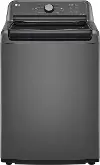
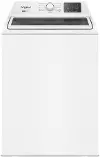
Top-Load WashersTop-load washers have a lid on top, so you can load clothes without bending down. They are popular for their ease of use and typically shorter wash cycles. Many offer a large capacity at a lower upfront cost, making them a good fit for families with heavy laundry loads. Top-load washers come in two styles, agitator washers and impeller washers. We explain the difference below.
Washer and Dryer SetsWasher and dryer sets are matched pairs designed to work well together in both performance and style. Buying a set gives your laundry room a clean, matching look. It also means you shop for both machines at once instead of trying to match them later. Ask about Buy More, Save More savings when you buy a washer and dryer together.
Washer Dryer CombosThese compact washers are perfect for small spaces. A washer dryer combo washes and dries in a single drum, so you never move wet clothes from one machine to another. A laundry center is a washer and dryer built together as one stacked unit. Both have smaller capacities than full-size machines, but they save valuable floor space. They're ideal for apartments and homes without a dedicated laundry room. Check each model's specs for hookup needs, since some units are ventless and some need a dryer vent.
Pedestal WashersA pedestal washer is a small second washer built into a pedestal base that sits under a front-load washer. It lets you run a small load, like delicates or a few work shirts, at the same time as a full load in the main washer. You also get the extra height of a pedestal, so you bend less. Pedestal washers are made to pair with certain brands and models, so check that one fits your front-load washer.
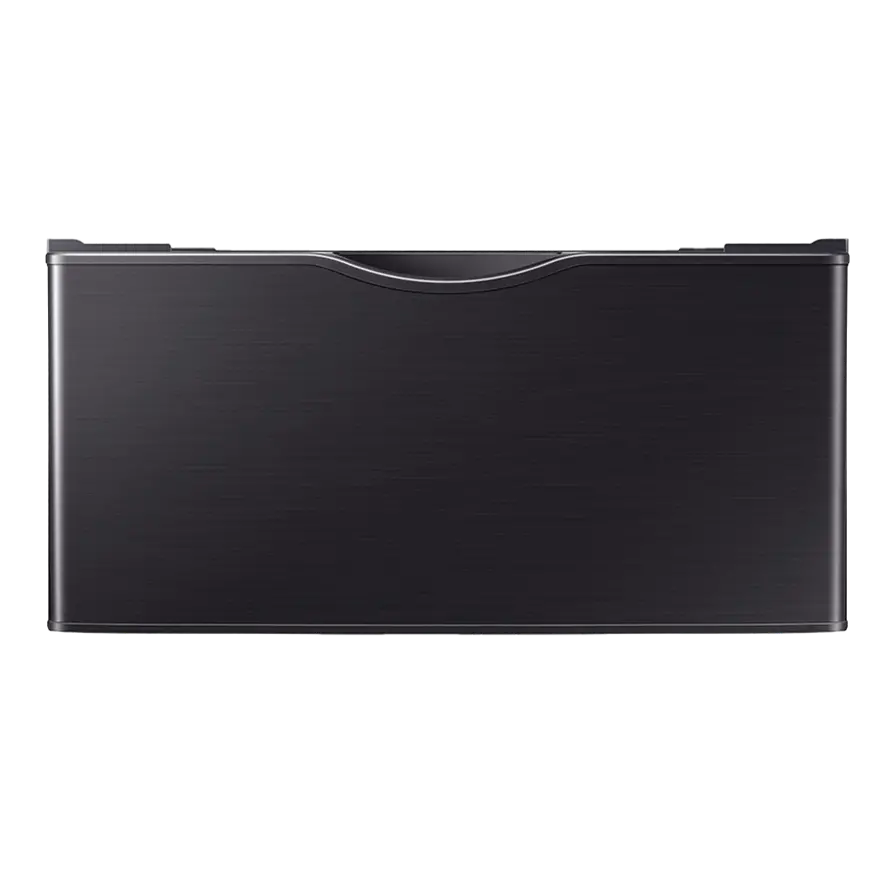
PedestalsA standard pedestal is not a washer. It is a sturdy base that raise a front-load washer and dryer, so you bend less when you load and unload. Pedestals also add storage space underneath for detergent and laundry supplies. If you want a second small washer instead of storage, choose a pedestal washer. Pedestals are often made to fit certain brands and models, so check that a pedestal matches your washer.
Should You Choose an Agitator or Impeller Top-Load Washer?
Choose an agitator washer if you wash lots of heavily soiled clothes and like a traditional, heavy-duty wash. Choose an impeller washer if you want more room for bulky items, gentler fabric care, and lower water usage.
How Agitator Washers WorkAn agitator is a tall post in the center of the drum. It twists and rubs against clothes to loosen tough dirt and stains. Agitator washers often have shorter cycle times. The trade-off is that the post takes up room in the drum, and the scrubbing action can be rougher on delicate fabrics over time.
How Impeller Washers WorkAn impeller is a low cone or disc at the bottom of the drum. It spins to create strong water currents that move clothes through the wash. With no center post, impeller washers have more open space for comforters, pillows, and large loads. Many impeller models are high-efficiency washers that use less water than traditional agitator models.
Which One Is Right for You?Match the washer style to the laundry you do most.
- Pick an agitator washer if you often wash work clothes, sports uniforms, or muddy kids' clothes, and you want fast, familiar wash cycles.
- Pick an impeller washer if you often wash bulky bedding, want to save water, or need gentler care for delicate fabrics.
- Compare the details on each product page, such as capacity and wash cycles, since features vary by model.
How Do Front-Load and Top-Load Washers Compare?
Front-load washers usually use less water and energy, clean more thoroughly, and are gentler on clothes. Top-load washers are easier to load, often have shorter cycles, and usually cost less upfront. Here's a closer look at the advantages and disadvantages of each type.
Top-Load Washer AdvantagesTop-load washers are built for comfort and speed.
- Easy to load and unload: You don't have to bend down, which helps if you have back or knee problems.
- Shorter wash cycles: Many top-load washers finish faster than front-load models.
- Lower upfront cost: Top-load washers tend to be more affordable.
- More basic models: It's easy to find a simple, reliable machine that fits a variety of needs.
- Mid-cycle loading: On many models, you can lift the lid and add a forgotten sock after the cycle starts.
The trade-offs mostly come down to water, energy, and fabric care.
- Higher water usage and energy use: Traditional agitator models use more water than front-load washers. High-efficiency top-load models close much of this gap.
- Rougher on fabrics: An agitator can cause more wear on delicate clothes over time.
- Cleaning performance varies: Some models may not clean heavy or very dirty loads as well.
Front-load washers shine when it comes to cleaning power and saving resources.
- Energy efficiency and water efficiency: They use less water, less energy, and less detergent.
- Better cleaning performance: The tumbling action does a great job on heavily soiled clothes.
- Gentler fabric care: Less wear and tear on your favorite clothes.
- High spin speeds: Faster spins pull out more water, which cuts drying time.
- Advanced features: Many models offer steam cycles, smart app connectivity, and adjustable wash settings.
- Stackable designs: Many models can stack with a matching dryer to save floor space.
Front-load washers ask for a little more time, money, and care.
- Longer wash cycles: Cycles often take more time, which can be hard on busy schedules.
- Higher upfront cost: Front-load washers usually cost more at first than top-load models.
- Bending down: Loading can be harder if bending or kneeling is tough. A pedestal can help.
- More door care: The rubber door gasket seals tight, so trapped moisture can lead to mold. Wipe the gasket and leave the door open a little after each wash.
Which Washer Type Is Best for Your Household?
The best washer type depends on how you live. Use this quick guide to match your household to the right washer.
Large Families and Heavy Laundry LoadsA large-capacity front-load washer or impeller top-load washer gives you room for big loads. A front-load washer can also lower water and energy costs over time, which adds up when you run many loads a week.
Small Homes and ApartmentsA washer dryer combo or laundry center saves floor space. A stackable front-load washer and dryer is another smart choice for a laundry closet.
Households With Lots of Small or Delicate LoadsA front-load washer paired with a pedestal washer lets you wash a small load of delicates while a full load runs in the main washer.
Anyone Who Has Trouble BendingA top-load washer lets you load from above. If you prefer a front-load washer, add a pedestal to raise it to a more comfortable height.
Shoppers Focused on Saving Water and EnergyLook for front-load washers or high-efficiency top-load washers with the ENERGY STAR label.
Shoppers on a Tighter BudgetA top-load washer usually costs less upfront and still handles everyday laundry well.
Households That Wash Bulky Items OftenChoose a washer over 5.0 cubic feet. Front-load and impeller top-load washers have no center post, so comforters have more room to move.
What Size Washer Do You Need?
Most households of one or two people do well with a 3.5 to 4.0 cubic foot washer. Larger families, or anyone who washes heavy loads, should look for a washer over 5.0 cubic feet. Washer capacity is measured in cubic feet, and a bigger drum means fewer loads each week.
Washer Capacity by Household SizeUse these ranges as a starting point.
- 1 to 2 people: About 3.5 to 4.0 cubic feet handles everyday clothes, towels, and sheets.
- 3 to 4 people: About 4.0 to 5.0 cubic feet gives you room for family-size loads.
- 5 or more people, or heavy laundry: Over 5.0 cubic feet lets you wash more clothes at once and save time.
Laundry frequency matters too. How often do you do laundry, and what are the biggest items you wash? If you often wash comforters, sleeping bags, or heavy winter coats, size up. Overloading a small washer leaves clothes less clean and strains the drum, motor, and suspension.
Compare Capacity Model to ModelCapacity can vary by brand and design. For example, an agitator post takes up some room in the drum. Compare cubic feet on each product page and follow the manufacturer's load guidance.
What Washer Features Matter Most?
The features that matter most are capacity, energy efficiency, spin speed, and wash cycles. Smart features and steam cycles are nice extras that add convenience.
- Capacity: Choose a washer that fits your typical laundry loads.
- Energy efficiency: Look for ENERGY STAR certified models that save water and electricity.
- Spin speed: Faster spin speeds remove more water, which cuts drying time and energy use.
- Wash cycles: More cycles give you flexibility for different fabric types and soil levels.
- Steam cycles: On many models, steam helps loosen tough stains and release wrinkles.
- Smart features: Some washers offer app connectivity for remote monitoring, cycle customization, cycle-done alerts, and maintenance alerts.
- Design and finish: Many washers come in different colors and finishes to match your laundry room.
How Do Washer Dimensions Affect Installation?
Your washer has to fit the space, the doorways on the way in, and your home's hookups. Measure before you shop so there are no surprises on delivery day.
Measure Your Laundry SpaceCheck these washer dimensions and clearances first.
- Width, depth, and height: Measure the spot where the washer will sit.
- Room behind the washer: Leave a few inches for hoses and connections.
- Room on the sides: A little space on each side helps reduce noise from vibration.
- Door clearance: Make sure the door or lid can fully open without hitting walls, cabinets, or shelves.
- Path into your home: Measure hallways, doorways, and stairs so the washer can reach your laundry room.
Make sure your laundry room is ready for the washer you choose.
- Water: Hot and cold water connections.
- Drain: A drain pipe or laundry sink the drain hose can reach.
- Power: A properly grounded outlet near the washer.
- Floor: A level, sturdy floor helps limit shaking during high-speed spins.
- Stacking: If you plan to stack a washer and dryer, confirm the pair can be stacked and whether a stacking kit is needed.
Product pages list the dimensions and specs for each washer. Check the manufacturer's installation guide for exact clearance needs.
Stackable Options for Small SpacesIf you have a small laundry area, a stackable front-load washer and dryer can save floor space without giving up capacity or cleaning performance. A laundry center is another space-saving choice.
Why Do ENERGY STAR Ratings Matter?
ENERGY STAR certified washers use less water and energy than standard models, which helps lower your utility bills. The ENERGY STAR label goes to appliances that meet strict energy efficiency guidelines set by the U.S. Environmental Protection Agency (EPA).
Read the EnergyGuide LabelThe yellow EnergyGuide label shows a washer's estimated yearly energy use and operating cost. Use it to compare models side by side.
Long-Term Cost BenefitsEfficient washers keep saving you money long after you buy them.
- Lower utility bills: An efficient washer may cost more upfront, but it saves water and energy with every load.
- Shorter drying time: High spin speeds leave clothes less wet, so your dryer runs less.
- Environmental impact: Using less water and electricity shrinks your household's carbon footprint.
Popular Washing Machine Brands at RC Willey
RC Willey carries washing machines from trusted brands, including Whirlpool, LG, Samsung, Maytag, and GE. Each brand stands out for its reliability, innovation, and customer satisfaction.
- Whirlpool: Known for durable, affordable models, Whirlpool offers a variety of both top-load and front-load washers.
- LG: LG washers are famous for their innovative features, sleek designs, and high energy efficiency ratings.
- Samsung: Samsung is a leader in smart home technology, and its washers offer features like Wi-Fi connectivity and powerful cleaning systems.
- Maytag: Maytag is celebrated for rugged, heavy-duty washers built to last, a great choice for families with tough laundry needs.
- GE: GE washers offer a wide range of models with user-friendly features and excellent cleaning performance.
The best brand for you depends on the features, design, and budget you want. Many product pages include customer reviews to help you compare.
How Long Do Washing Machines Last?
Most washing machines last about 10 to 15 years. Washing machine lifespan depends on the brand, model, how often you use it, and how well you care for it. Overloading the drum, using the wrong detergent, and skipping maintenance can shorten its life.
Do Front-Load or Top-Load Washers Last Longer?Neither type always lasts longer. Model quality and care matter more than whether the door is on the front or the top. Top-load washers often have simpler designs, which can mean fewer parts to wear out. Front-load washers can last just as long, but they need more regular care, like wiping the door gasket and leaving the door open to dry. Whichever type you choose, follow the owner's manual and avoid overloading.
Signs It's Time to Replace Your WasherWatch for these warning signs.
- Your washer is near the 10 to 15 year mark and needs frequent repairs.
- It leaks again and again.
- It shakes or bangs during the spin cycle, even when it's level and loaded evenly.
- Clothes come out dirty, too wet, or smelly, even after you clean the washer.
- A major part, like the motor or transmission, fails.
- Replacement parts are hard to find.
Compare the repair quote with the price of a new washer and the years your washer has left. A minor fix, like a new drain pump, is often worth it. If a major repair would cost about half the price of a new washer, or your washer is near the end of its life, replacing it usually makes more sense. Repair costs add up fast on an older machine.
How Do You Care for a Washing Machine?
Use HE detergent in a high-efficiency washer, clean the washer about once a month, and keep the door gasket dry. Always check your owner's manual first, since care steps vary by model.
Use the Right DetergentAll front-load washers and many top-load washers are high-efficiency (HE) washers. HE washers use less water, so regular detergent makes too many suds. That can cause detergent buildup, poor rinsing, and performance problems. Look for detergent with the HE logo. It's low-sudsing, quick-dispersing, and fast-rinsing.
Clean the Drum MonthlyWashers, especially front-loaders, stay damp inside, which can lead to mold, mildew, and odors. Detergent and fabric softener residue can also build up. Many washers have a self-clean or tub-clean cycle for drum cleaning. Run it about once a month with the cleaner your manufacturer recommends.
Mold Prevention TipsA few quick habits keep your washer fresh.
- Wipe the door gasket and the inside of the door after the last load of the day.
- Leave the door or lid open a little so the drum can dry.
- Take wet clothes out soon after the cycle ends.
- Clean the detergent dispenser now and then.
If you have hard water, regular cleaning matters even more. Minerals can build up inside the washer over time.
How to Buy a Washing Machine at RC Willey
Shop online or in store, check current prices and availability, and choose the delivery and payment options that work for you.
- Check prices and stock: Every product page shows the current price and availability, plus dimensions and specs.
- See washers in person: Visit an appliance showroom at one of our Store Locations to compare sizes and features.
- Choose delivery or pickup: Learn about your choices on our Delivery Options page. Free in-store pickup is also available.
- Ask about installation: Professional installation is available for an additional fee and is provided by a third-party technician.
- Save on sets: Ask about Buy More, Save More savings when you buy a washer and dryer together.
- Pay over time: RC Willey Financing makes it easier to get the washer you need now. Get Pre-Approved before you shop.
- Get member benefits: Blue Rewards benefits are available on nearly all products. With Blue Rewards, all products above $299 are eligible for delivery for $99.
- Review our policies: See our Policies page for return and warranty details.
Frequently Asked Questions About RC Willey Washing Machines
What are the main types of washing machines?The main types are front-load washers, top-load washers (agitator or impeller), washer and dryer sets, all-in-one washer dryer combos, and pedestal washers. Standard pedestals are an add-on that raise a front-load washer to a more comfortable height.
What brand of washing machine is the best?The best brand depends on your needs, budget, and preferences. Whirlpool, LG, Samsung, Maytag, and GE are all known for reliability, performance, and features. Compare models by capacity, efficiency, and features to find your best match.
How much does a washing machine cost?Washer prices depend on the type, capacity, brand, and features. Top-load washers usually cost less upfront. Front-load washers and models with smart features or steam cycles usually cost more. Product pages always show the current price, so you can compare models side by side. RC Willey Financing can help you spread out the cost.
Does RC Willey deliver washing machines?Yes. Learn about your choices on our Delivery Options page. Free in-store pickup is also available. With Blue Rewards, all products above $299 are eligible for delivery for $99. Blue Rewards benefits are available on nearly all products.
Can I finance a washing machine at RC Willey?Yes. RC Willey offers in-house Financing to help you get the washer you need now. Get Pre-Approved to see your options before you shop.
How can I check if a washer is in stock?Every product page shows the current price and availability. For more help, visit one of our Store Locations.
Can I see washing machines in person before I buy?Yes. Visit an RC Willey appliance showroom to see washers up close, open the doors, and compare sizes. Find a showroom near you on our Store Locations page.
Can a 4.5-cubic-foot washer wash a king-size comforter?Usually, yes, but it can be a tight fit. Check the comforter's care label first, and don't pack the drum. The comforter needs room to move to get clean. If you wash bulky items often, a washer over 5.0 cubic feet is a better choice. Always follow the manufacturer's guidance for large items.
Is it worth repairing a 7-year-old washing machine?It can be. At seven years, a washer may still have several good years left. A minor fix, like a drain pump, is often worth it. If the motor or transmission fails, or the repair would cost about half the price of a new washer, replacing it usually makes more sense.
Can I use regular detergent in a high-efficiency washing machine?No, it's not recommended. HE washers use less water, so regular detergent can cause oversudsing, residue buildup, and poor rinsing. Use detergent marked with the HE logo.
How often should a washing machine be cleaned?About once a month. Regular cleaning helps prevent odors, mold, and residue buildup, especially in front-load washers. It also helps your washer run well for longer.
Can I use vinegar and baking soda to clean my washer?Many people use vinegar and baking soda as natural cleaners, but check your owner's manual first. Some manufacturers recommend only a tub-clean cycle or a specific washer cleaner. If your manual allows it:
- Vinegar: Pour 2 cups of white vinegar into the empty drum and run a hot cycle to help remove odors and detergent buildup.
- Baking soda: Add 1/2 cup of baking soda to the empty drum and run a hot cycle to help freshen the machine.
About 10 to 15 years, depending on the brand, model, usage, and maintenance.
Do washing machines use a lot of electricity?It depends on the model, load size, and cycle. Most of a washer's energy goes to heating water, so washing in cold water saves the most. Shorter cycles for lightly soiled clothes help too. An ENERGY STAR certified washer can help keep your electricity bills lower.