Shop Beds and Bed Frames at RC Willey
RC Willey sells beds and bed frames in every standard size, from twin to California king. Shop platform beds, storage beds, upholstered beds, canopy beds, bunk beds, daybeds, trundle beds, and cribs. Choose from solid wood, metal, and upholstered frames in styles from modern to rustic.
The right bed comes down to four choices: the bed type, the size that fits your room, the frame material, and your budget. This guide walks through each one so you can shop with confidence and sleep well for years.
Types of Beds
The best bed type depends on your space and how you use the room. Here are the most popular types of beds and who each one suits best.
Platform Beds
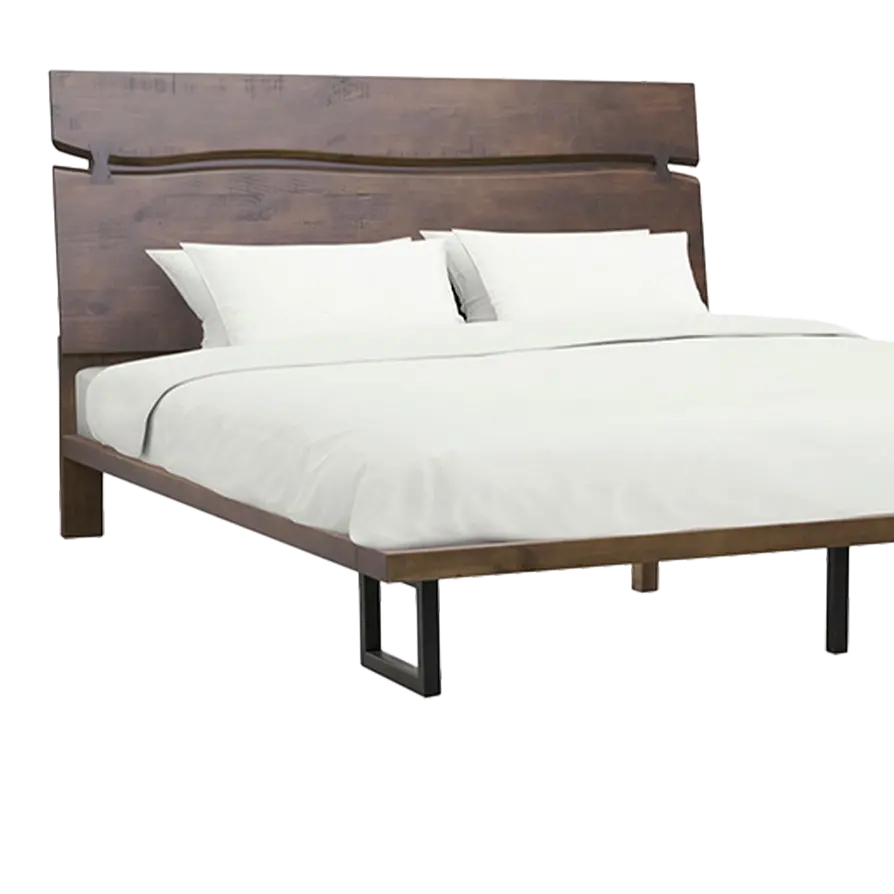
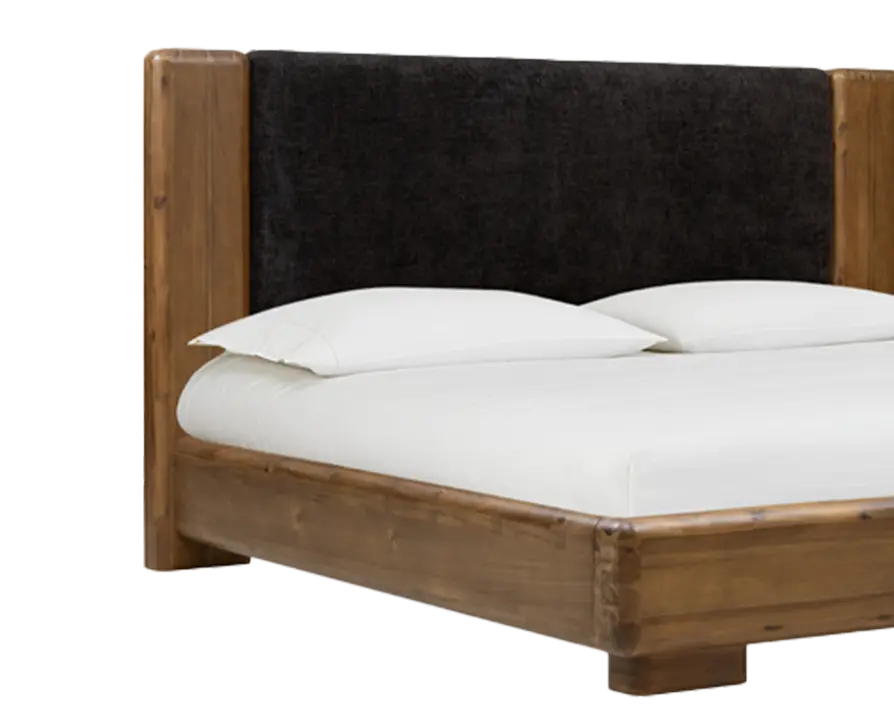
A platform bed has a built-in base made of wood slats or a solid panel. Your mattress sits right on the frame, so you don't need a box spring. Platform beds sit low to the ground. That low profile looks clean and modern, and it can make a small room feel bigger.
Storage Beds
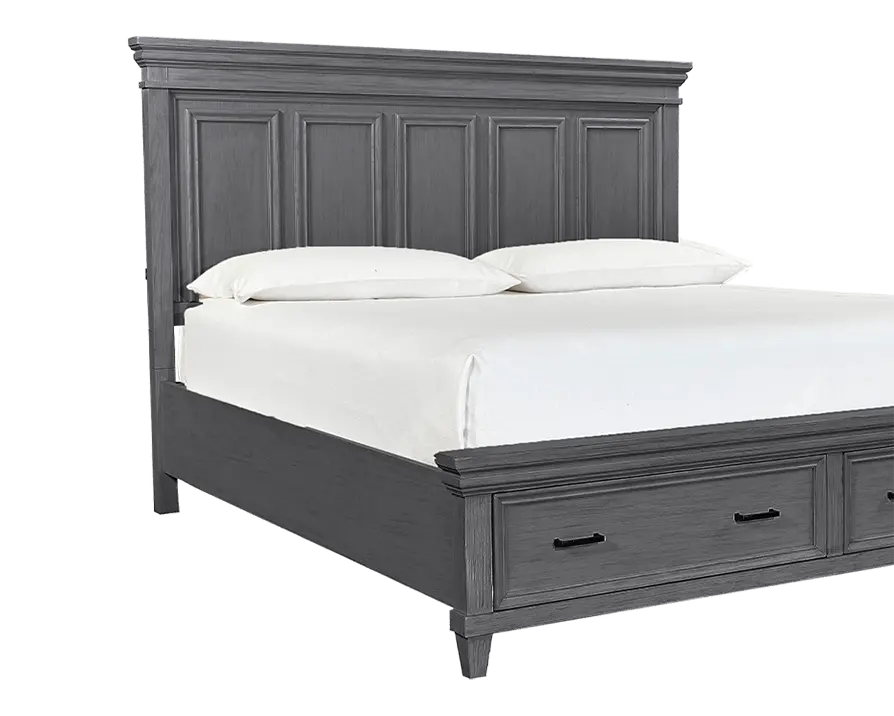
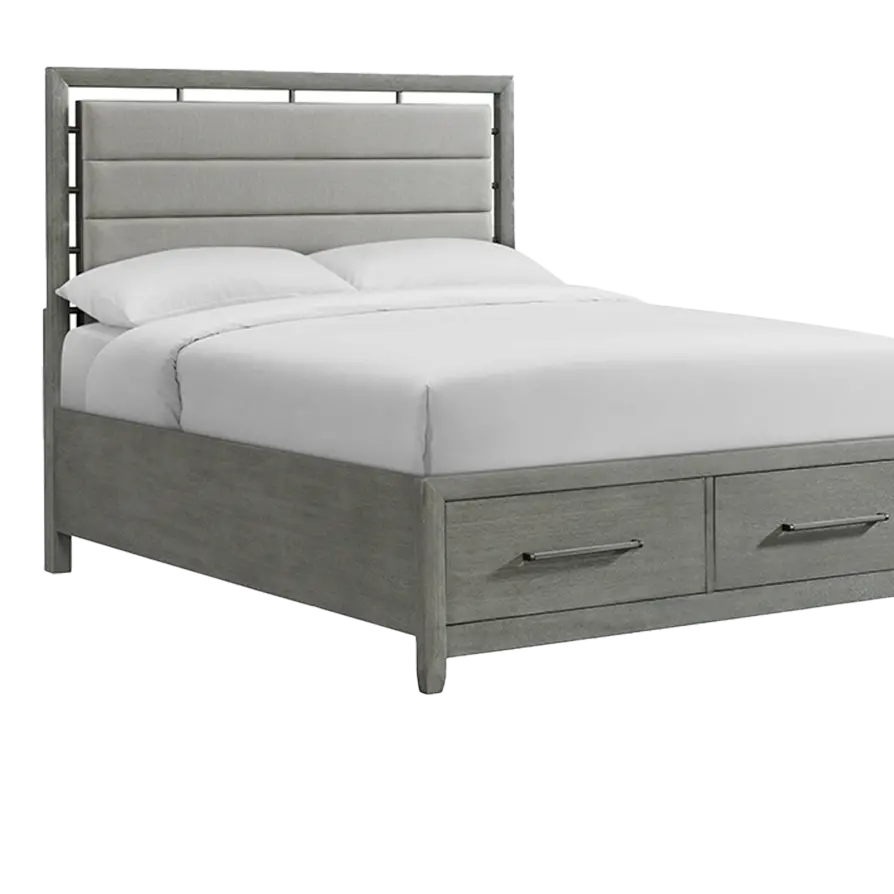
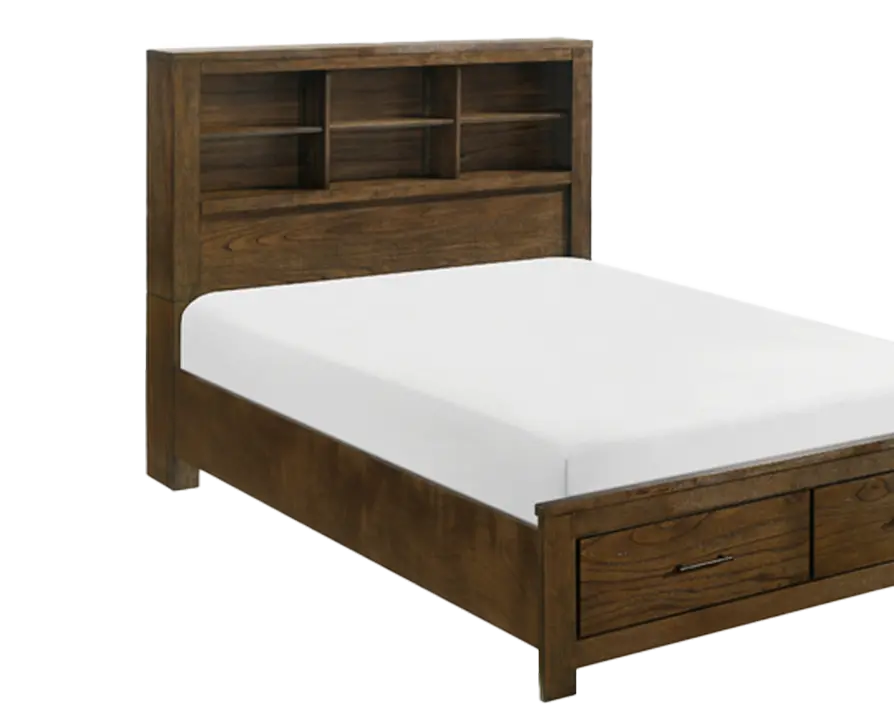
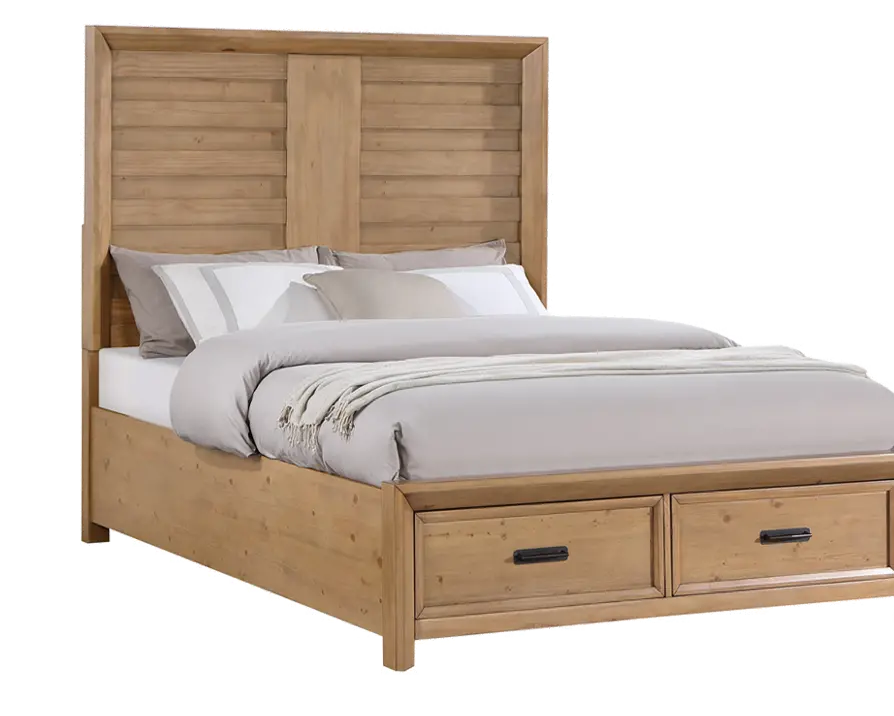
A storage bed has drawers or a lift-up base built into the frame. Bed drawers usually slide out from the sides or the foot of the bed. A lift-up storage bed raises the mattress platform to reveal a large space underneath. Storage beds are a smart pick for small bedrooms, apartments, and anyone who needs more room for extra linens.
Upholstered Beds
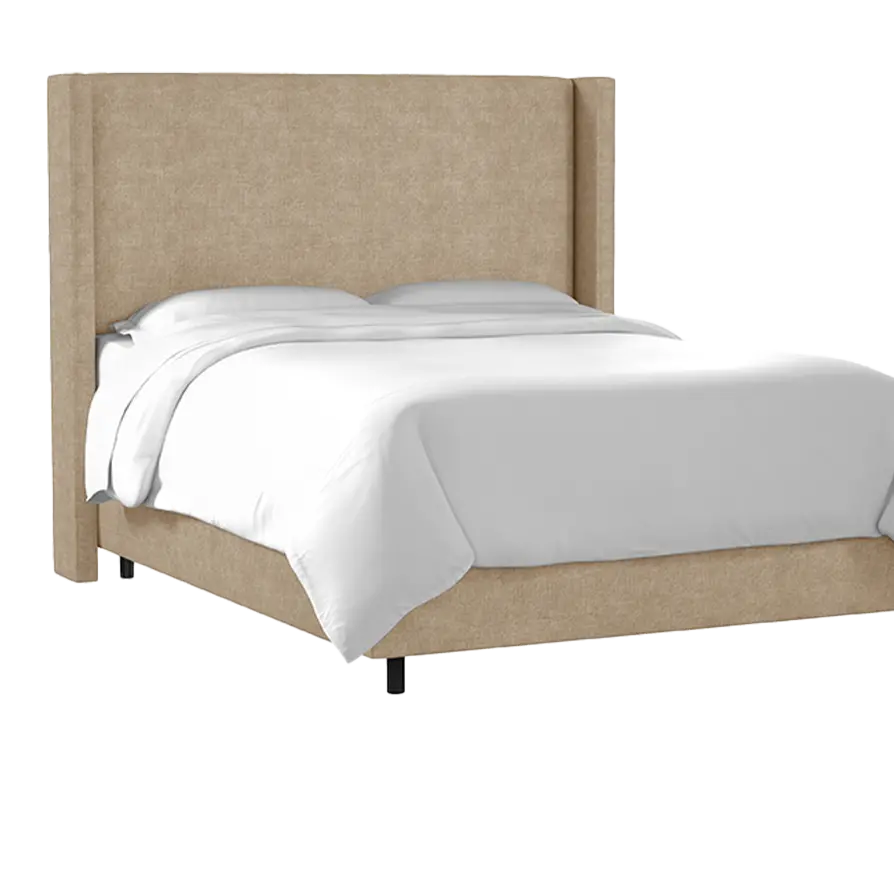
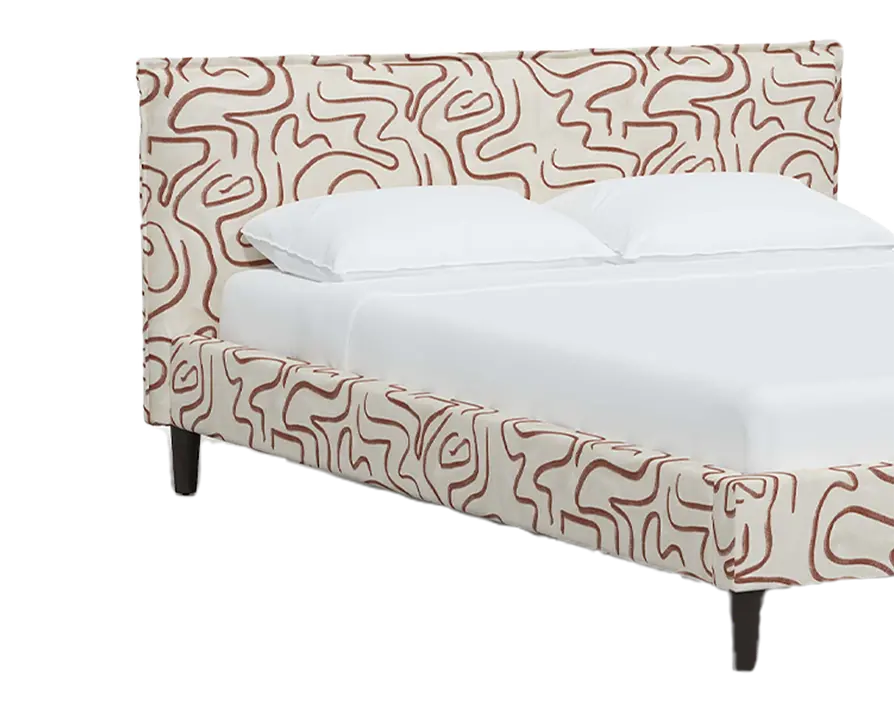
An upholstered bed has a padded frame and headboard covered in fabric or faux leather. Popular looks include tufted upholstered beds, smooth headboards, velvet beds, linen fabrics, and faux leather beds. A cushioned headboard makes a comfortable backrest for reading or watching TV in bed.
Canopy Beds
A canopy bed has four tall posts joined by rails at the top. It's similar to a four-poster bed. Leave the frame bare for a modern look, or hang fabric for a cozy, enclosed feel. Canopy beds look best in rooms with higher ceilings.
Panel Beds
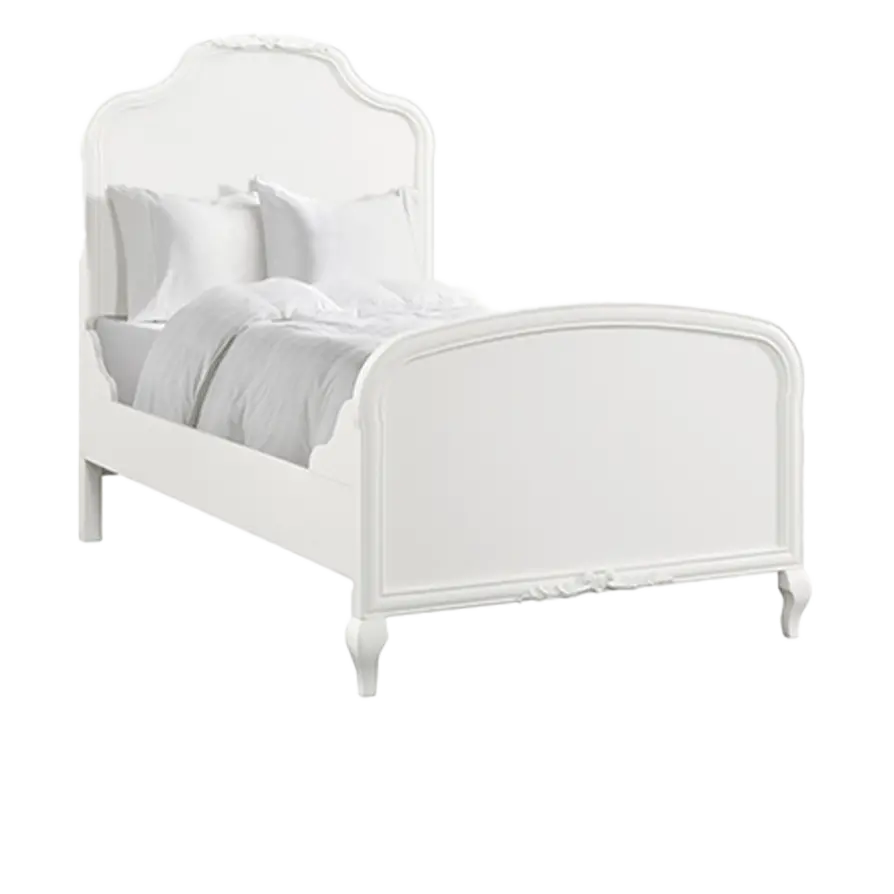
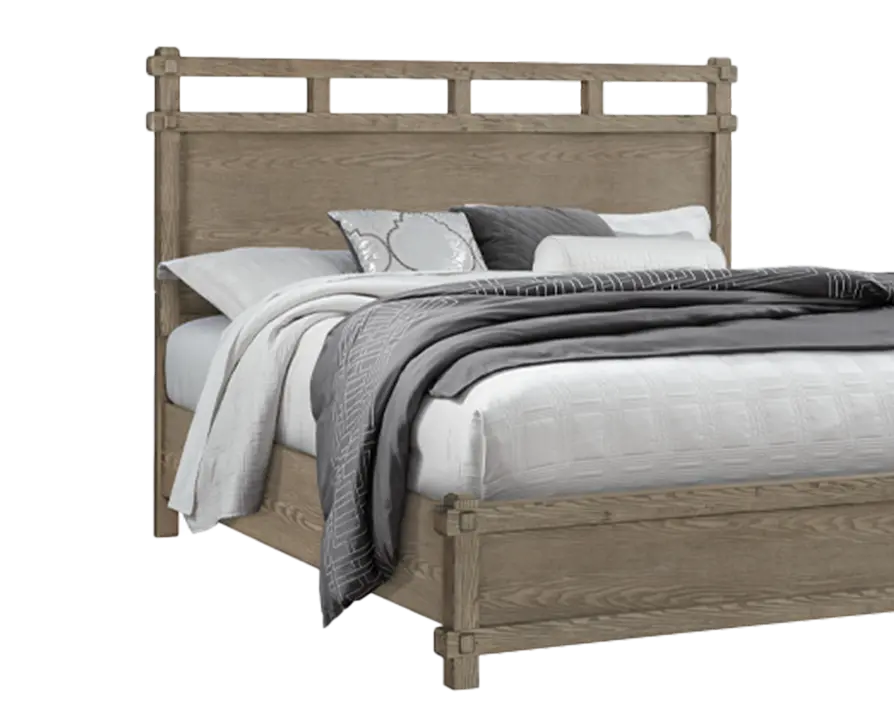
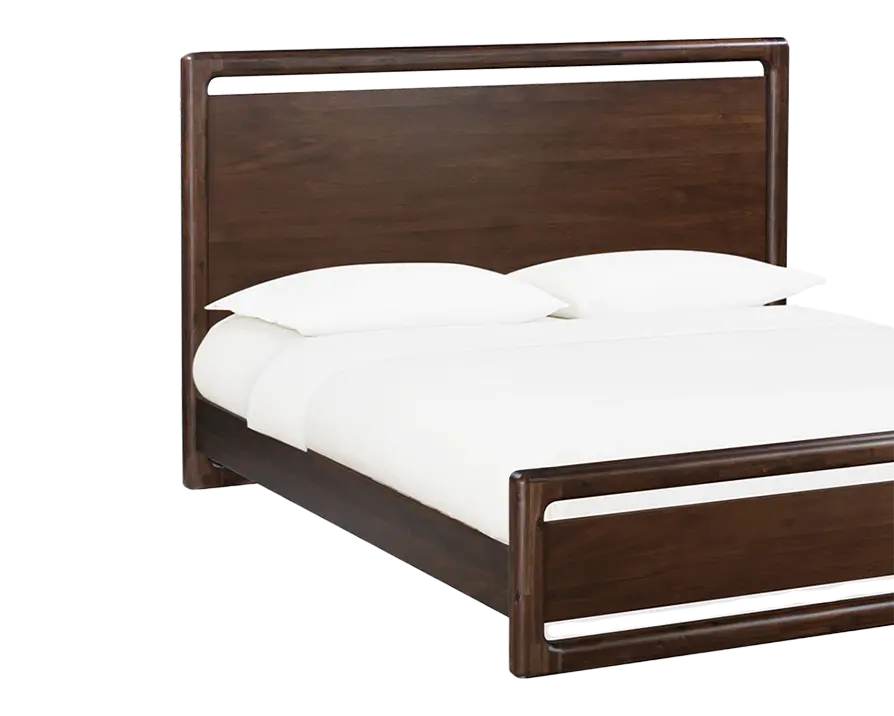
A panel bed has a flat, framed headboard and footboard. It's a classic look that fits both traditional and modern rooms. Most panel beds use a box spring or foundation to support the mattress and add height.
Sleigh Beds
A sleigh bed has a headboard and footboard that curve outward, like an old-fashioned sleigh. Sleigh beds are often made of wood or upholstered in fabric. They make a bold, traditional statement. The curved footboard adds length, so measure your room before you buy.
Bunk Beds
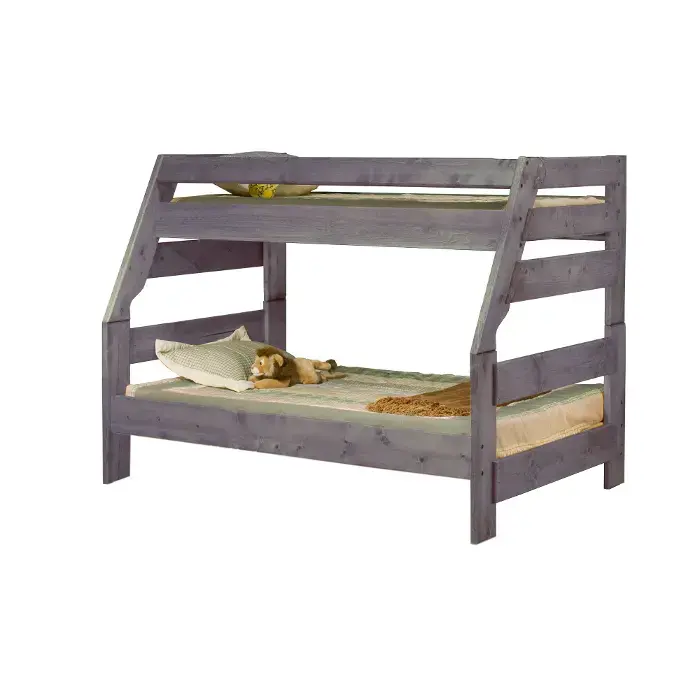
A bunk bed stacks one bed on top of another. Bunk beds save floor space in shared kids' rooms and give guests a fun place to sleep. Check the product details for the recommended mattress thickness so the guardrail stays high enough.
Daybeds
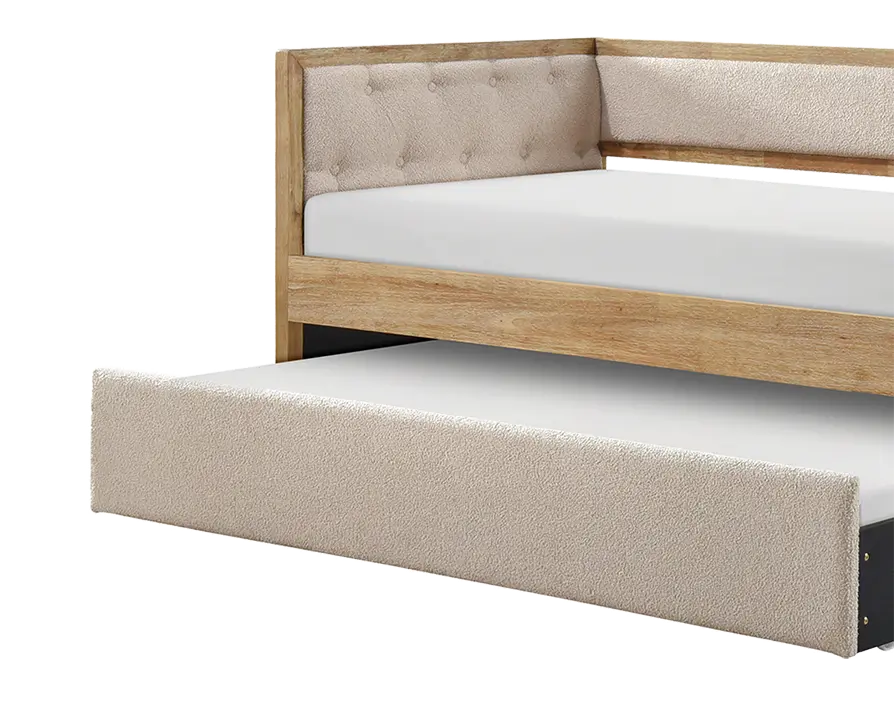
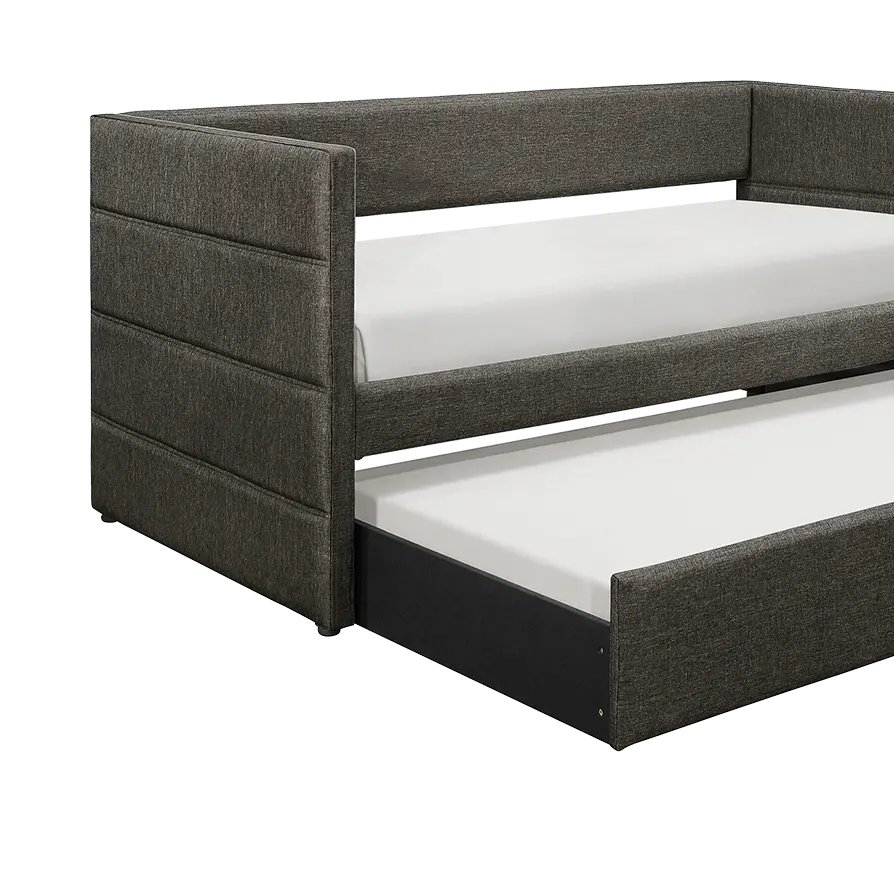
A daybed works like a sofa by day and a bed by night. It has a back and two sides, so it sits against a wall like a couch. Daybeds fit well in guest rooms, home offices, and living spaces.
Trundle Beds
A trundle is a second bed that rolls out from under the main bed. It stays tucked away during the day and pulls out for sleepovers or guests. A daybed with a trundle gives you seating plus two places to sleep in one footprint.
Cribs
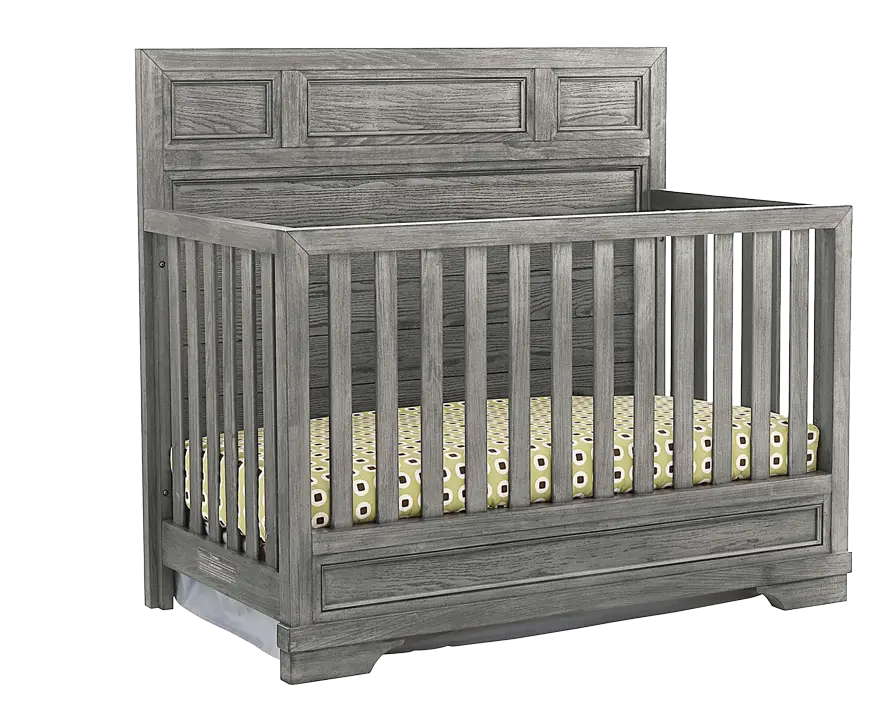
A crib gives a baby a safe, enclosed place to sleep. Many cribs have mattress heights you can lower as your child grows. Some cribs convert to toddler beds, so check the product details for conversion options.
Adjustable Beds
An adjustable bed has a motorized base that raises your head and feet. It's a great fit if you like to read, watch TV, or rest with your head up. An adjustable base needs a compatible mattress, such as many foam, latex, and hybrid models. Some bases fit inside a bed frame, and others stand on their own.
Bed frames also come in different styles:
- Modern and contemporary: Clean lines, low profiles, and simple headboards.
- Traditional: Rich wood finishes, carved details, and taller headboards.
- Rustic: Natural wood grain and a warm, relaxed look.
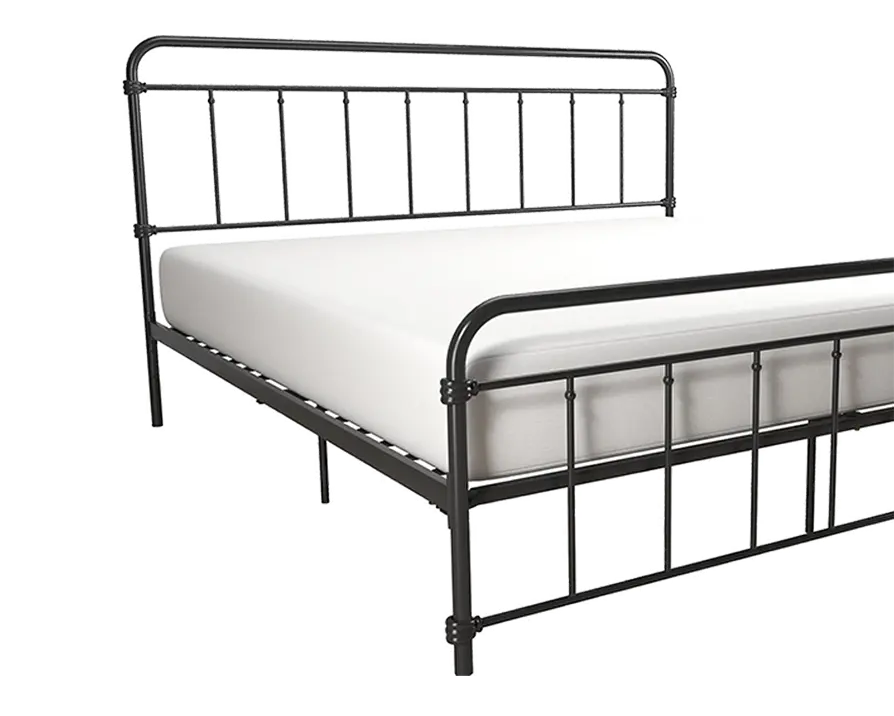
- Industrial: Metal and iron bed frames, often in dark finishes.
Bed Sizes and Dimensions
Queen is the most popular bed size. It fits two adults and still works in an average bedroom. Here are the standard mattress dimensions for each bed size.
Twin (38" x 75")
Best for kids' rooms, bunk beds, daybeds, and small guest rooms. A twin bed fits one sleeper. Need more length? A twin XL mattress is 38" x 80", five inches longer than a twin.
Full or Double (54" x 75")
A full bed, also called a double bed, is good for teens, young adults, and solo sleepers who want more room. It fits small to medium rooms. Two people can share a full bed, but each person gets only 27 inches of width.
Queen (60" x 80")
The most popular bed size. A queen bed is great for couples and for solo sleepers who like to spread out. It fits most primary bedrooms and larger guest rooms.
King (76" x 80")
The widest standard bed size. Each sleeper gets about the same width as a twin bed. A king bed is ideal for couples who want more space or who share the bed with kids or pets. It fits best in large bedrooms.
California King (72" x 84")
Four inches narrower and four inches longer than a king. A California king bed is a good fit for tall sleepers and for rooms that are long but not very wide.
Mattress sizes can vary slightly from brand to brand. Also, a bed frame is always larger than the mattress. Headboards, footboards, and side rails can add several inches. Check the frame's overall dimensions on the product page before you measure your room.
How to Choose the Right Bed Size
Start with who sleeps in the bed, then check your room size:
- One adult: A full bed gives you room to stretch. A queen gives you even more.
- Two adults: A queen is the most common choice. Choose a king for more personal space.
- Couples who share with kids or pets: A king gives everyone the most room.
- Tall sleepers: A California king adds length for couples. A twin XL adds length for one sleeper, like a teen or college student.
- Small rooms: A twin or full leaves more floor space. A daybed or storage bed can do double duty.
Measure Your Room First
Plan for at least 2 feet of open space on both sides and at the foot of the bed. That leaves room to walk around and make the bed. Before you buy:
- Measure the room, then subtract space for nightstands, dressers, and other bedroom furniture.
- Make sure dresser drawers and closet doors can open all the way.
- Note which way the bedroom door swings.
- Think about bed height. A tall bed can be hard for kids to climb into. A very low platform bed can be hard on your knees.
- Measure doorways, halls, and stairs so the frame and mattress can reach the room.
Bed Frame Materials and Durability
Solid hardwood and steel make the most durable bed frames. Each material has its own look and strengths.
Wood Bed Frames
Wood bed frames are strong and timeless. Hardwood bed frames made from oak, maple, or walnut resist dents and can last for decades. Softwoods like pine cost less but scratch and dent more easily. A solid wood bed frame suits traditional, rustic, farmhouse, and mid-century styles.
Metal Bed Frames
Metal bed frames are strong, light, and easy to move. Steel and iron are the most common materials. Metal beds suit modern, industrial, and vintage rooms.
Upholstered Bed Frames
Upholstered frames have a padded cover over a wood or metal frame. They feel soft and look high-end. Fabric can wear or snag faster than wood or metal, so choose the cover with care. See the FAQ below for tips on durable fabrics.
Storage Bed Frames
Storage frames can be made of solid wood, metal, engineered wood like MDF, or a mix. Drawers and lifts move every day, so look for sturdy drawer glides and solid lift hardware.
Signs of a Well-Built Bed Frame
A good frame keeps your mattress flat, quiet, and supported for years. Look for these features:
- Center support: Queen and larger frames should have a center rail with legs that reach the floor.
- Slat spacing: Slats set close together support a mattress better. Check your mattress maker's guidance on slat spacing.
- Strong joints: Bolted, well-fitted joints stay tighter than parts held by small screws.
- Weight capacity: Check the listed weight limit, especially for bunk beds and lift-up storage beds.
- Smooth hardware: Drawers should glide easily. Lift-up bases should rise and lower without strain.
A weak frame can sag, squeak, or wobble. It can also shorten the life of your mattress. A sturdy frame is safer, too, especially in homes with kids and pets.
Box Springs, Foundations, and Mattresses
Not every bed needs a box spring. Platform beds and frames with closely spaced slats support a mattress on their own. Frames with only side rails, or with wide gaps between slats, usually need a box spring or foundation. A box spring or foundation:
- Supports the mattress evenly and helps prevent sagging.
- Raises the bed so it's easier to get in and out.
- Lets air flow under the mattress so it stays fresher.
Some mattress warranties require a certain type of support. Read your mattress warranty before you choose a frame.
Choose the Right Mattress
Your mattress shapes how well you sleep, and its size must match your bed frame. Match the mattress type to what you need most:
- Memory foam: Hugs your body. Best for pressure relief and for not feeling a partner move.
- Innerspring: Coils give bounce, edge support, and good airflow for cooler sleep.
- Hybrid: Coils topped with foam layers. A balance of support, bounce, and pressure relief.
- Latex: Bouncy, responsive, and cooler than many foams. Latex is also one of the most durable options.
Side sleepers often like a softer feel that cushions the shoulders and hips. Back and stomach sleepers usually need a firmer mattress to keep the spine straight. You can try mattresses in person at any RC Willey store.
Bed Accessories That Improve Sleep
Mattress toppers, mattress protectors, and the right pillows change how your bed feels. Other accessories mostly change how your bed looks.
Mattress Toppers and Protectors
- Mattress toppers: A 2- to 3-inch memory foam topper softens a firm mattress and adds pressure relief. A latex topper adds softness with more bounce. A gel topper can help you sleep cooler. A topper can't fix a mattress that sags, though. If your mattress has a dip, it may be time to replace it.
- Mattress protectors: A waterproof protector guards against spills, sweat, dust mites, and allergens. Wash it often and follow the care label. Stains can void some mattress warranties, so a protector helps protect your coverage, too.
- Pillows: Side sleepers usually need a thicker pillow, back sleepers a medium one, and stomach sleepers a thin one.
Style and Storage Accessories
- Bedskirts: Hide the frame and under-bed storage bins for a finished look.
- Bed canopies and drapes: Add fabric to a canopy or four-poster frame for a cozy, private feel.
- Throw pillows and blankets: Add color and texture. Swap them each season for an easy update.
- Under-bed storage: If your bed has open space underneath, rolling bins can hold extra linens and off-season items.
How Much Does a Good Bed Cost?
A good-quality bed frame usually costs $600 to $1,200. You can find solid budget beds for less and luxury beds for more. Price depends on size, material, and features like storage.
Budget-Friendly Beds ($200 to $600)
Often twin or full frames made from engineered wood, MDF, or light metal. Affordable beds like these are a good fit for kids' rooms and guest rooms.
Mid-Range Beds ($600 to $1,200)
Often solid wood or heavy-duty metal, with extras like storage drawers or upholstered headboards. A smart choice for an everyday bed that lasts.
Premium Beds ($1,200 and Up)
Top-grade materials, fine craftsmanship, and standout designs. Luxury beds are built to be the centerpiece of your bedroom for many years.
Ways to Save on a Quality Bed
- Watch for a bed sale: Seasonal sales and clearance events are a great time to find bed frames on sale.
- Shop the mattress and frame together: Choosing a mattress and bed frame at the same time helps make sure the pieces fit and work together.
- Choose simple, timeless designs: Classic wood or metal frames often cost less than ornate styles and won't go out of style.
- Pay for durability: A well-built frame may cost more up front but can save money over time.
Before You Buy: Bed Shopping Checklist
Use this checklist to make sure your new bed fits your room, your mattress, and your budget:
- Measure the room, doorways, and stairs.
- Confirm the frame's overall dimensions, not just the mattress size.
- Check whether the frame needs a box spring or foundation.
- Make sure your mattress works with the frame or adjustable base.
- Check the weight capacity and center support.
- Check the current price and availability on the product page. Prices and stock can change.
- Review delivery options for your area before you check out.
- Ask about financing options if you'd like to spread out your payments.
- Visit a store to test mattresses in person.
Frequently Asked Questions About RC Willey Beds
What size bed is best for a couple?
A queen bed is the best size for most couples. It gives two adults room to sleep and fits most bedrooms. If you want more personal space, or you share the bed with kids or pets, choose a king. Tall couples should look at a California king.
What is the most popular bed size?
Queen is the most popular bed size. At 60" x 80", it fits two adults and still leaves room for nightstands and a dresser in an average bedroom.
What is the difference between a king and a California king?
A king is wider, and a California king is longer. A king measures 76" x 80". A California king measures 72" x 84". Choose a king for more width. Choose a California king if you're tall or your room is long and narrow.
How much space do you need around a bed?
Leave at least 2 feet of space on both sides and at the foot of the bed. If two people share the room or a dresser faces the bed, 3 feet feels more comfortable.
Do platform beds need a box spring?
No. Platform beds have a built-in base of slats or a solid panel, so your mattress sits right on the frame. Adding a box spring can make the bed too tall and may not fit the frame.
Does my bed frame need a box spring?
It depends on the frame. If the frame has a solid base or closely spaced slats, you don't need one. If it has only side rails or wide gaps between slats, you need a box spring or foundation. Also check your mattress warranty, since some require a certain type of support.
How do platform, panel, storage, and adjustable beds differ?
A platform bed has a built-in slat or panel base, so it doesn't need a box spring. A panel bed has a flat headboard and footboard and usually needs a box spring or foundation. A storage bed adds drawers or a lift-up base for hidden storage. An adjustable bed has a motorized base that raises your head and feet. Adjustable beds cost more and need a compatible mattress, but they offer the most ways to sit up and relax. Couples who want different positions can choose a split king, which uses two twin XL mattresses on two separate bases.
What is the best material for a bed frame?
Solid hardwood and steel are the most durable bed frame materials. Hardwoods like oak, maple, and walnut resist dents and can last for decades. Steel and iron frames are strong and won't warp. Upholstered frames are the softest and coziest, but the fabric needs more care.
Which mattress materials keep their comfort the longest?
In general, latex keeps its comfort the longest. High-density memory foam comes next. Hybrids last as long as their foam layers, so look for high-density foams. Traditional innerspring mattresses tend to lose support soonest. To help any mattress last, use a protector, give it proper support, and rotate it if the maker recommends it.
How can you tell if upholstery fabric will hold up to daily use?
Look for a tight weave, a stain-resistant or performance finish, and a high rub count. Rub count, or "double rubs," measures how much wear a fabric can take. Fabrics rated at 15,000 double rubs or more are generally made for everyday use. Check the cleaning code, too. "W" means you can use a water-based cleaner, and "S" means solvent-based cleaner only. Faux leather wipes clean easily, though sharp pet claws can scratch it. Loose weaves snag more easily.
Which bedding materials are best for hot sleepers?
Breathable, natural fibers work best. Cotton percale sheets feel crisp and cool. Linen and lyocell pull moisture away from your skin. Sateen feels smooth and silky but holds more heat. For even cooler sleep, pair breathable sheets with a gel or latex topper and a breathable mattress protector.
How much should a good bed cost?
A good-quality bed frame usually costs $600 to $1,200. Budget frames run about $200 to $600 and work well for kids' rooms and guest rooms. Premium frames start around $1,200. Your mattress is a separate cost.
How do I choose a bed frame?
Start with your mattress size and your room size. Next, pick a bed type that fits how you live, such as a storage bed for a small room or a bunk bed for a shared kids' room. Then choose a material and style you love. Last, check the frame's dimensions, support, and whether it needs a box spring.
How do I check price, stock, and delivery before I buy?
Check the product page for the current price and availability, since both can change. Review delivery options for your area before you check out. You can also learn about financing. For questions about delivery, financing, or a specific bed, contact or visit your local RC Willey store.