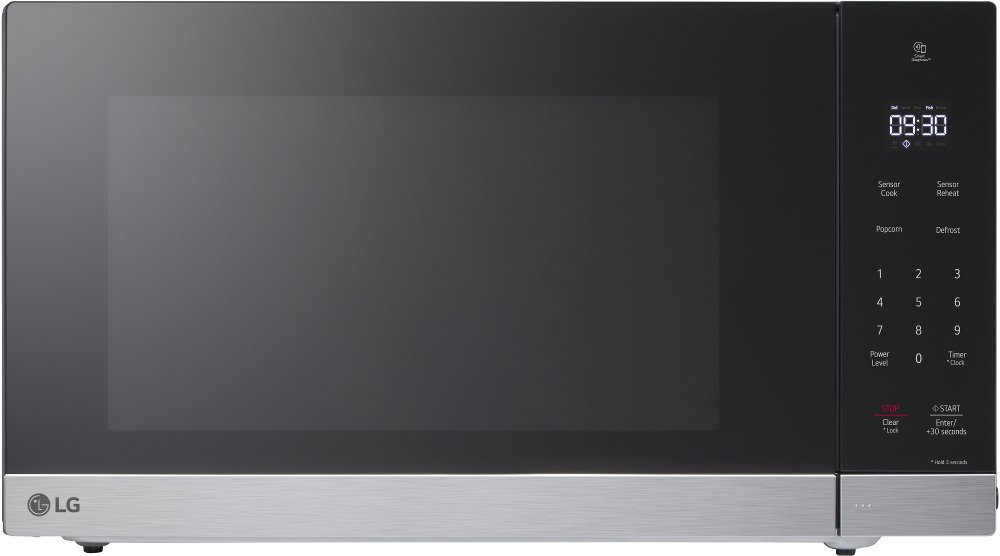
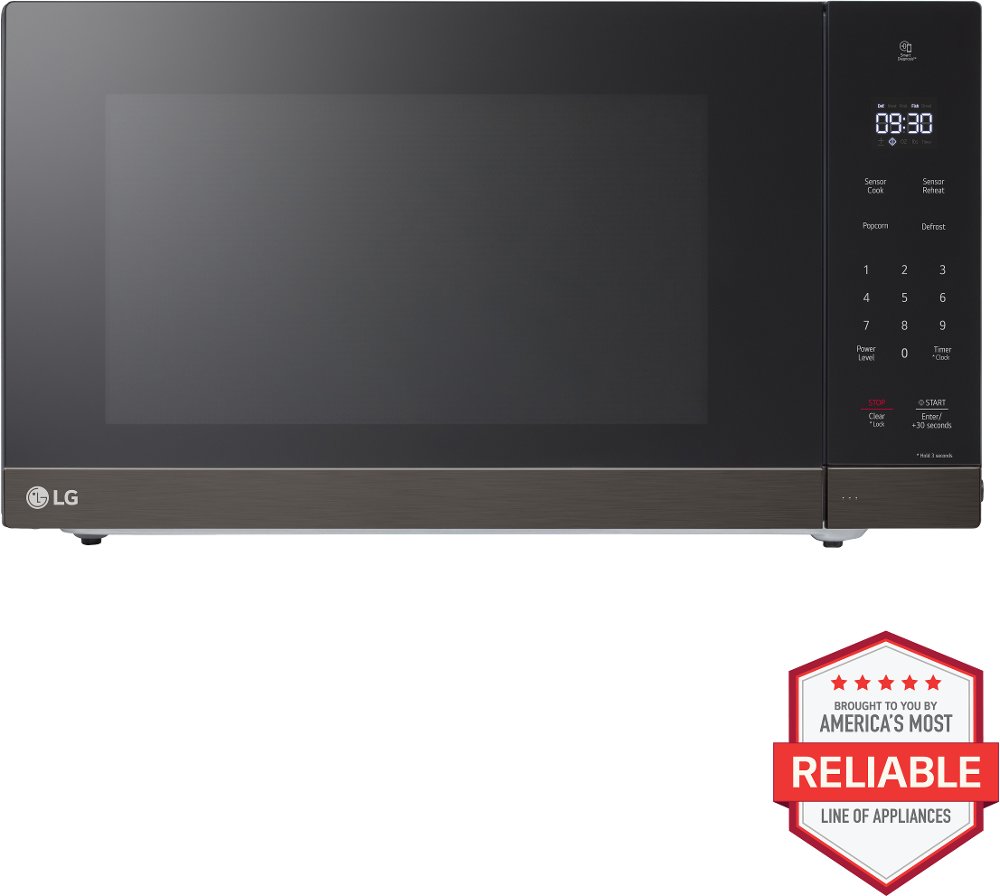
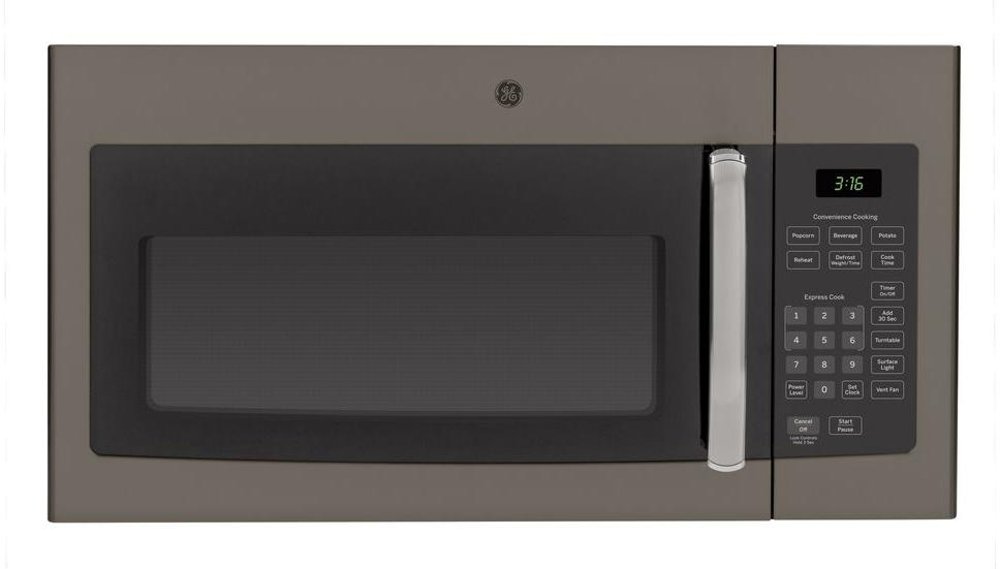
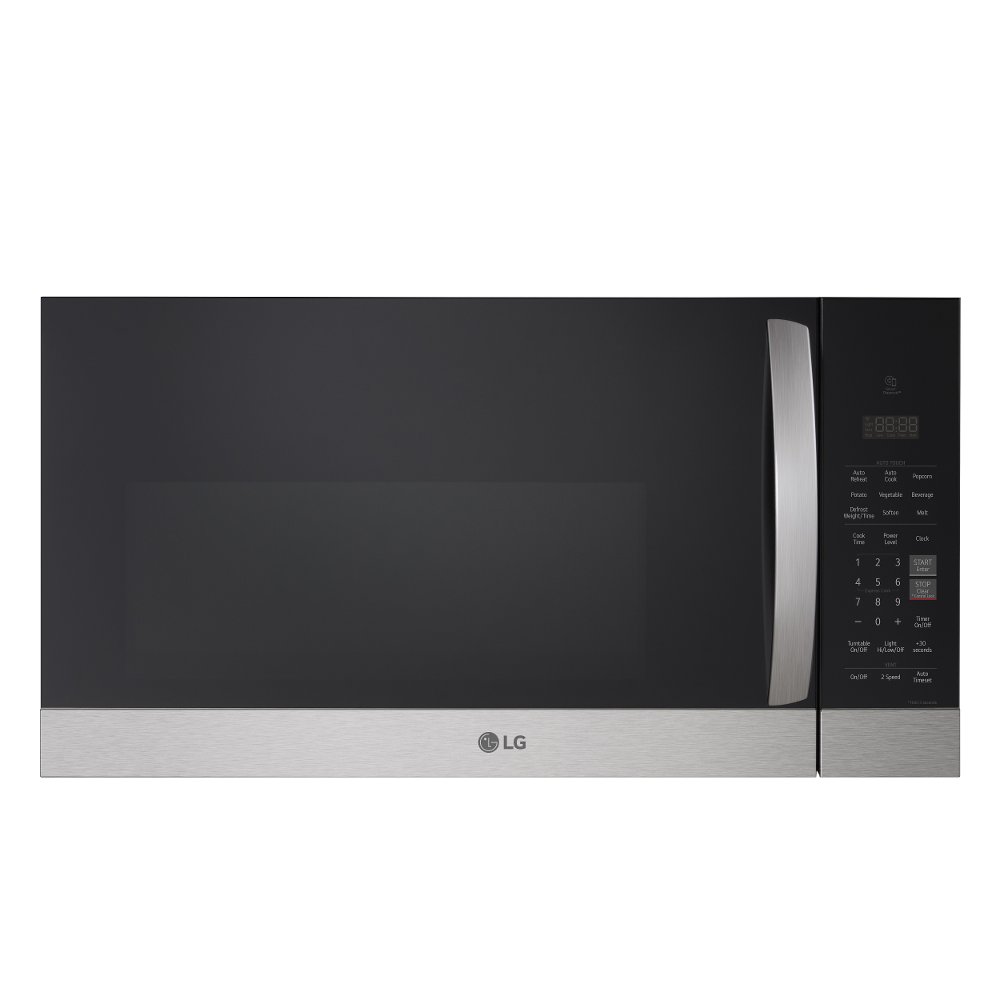
A 2 cu ft microwave offers approximately 2.0 cubic feet of interior cooking space, making it a roomy option for reheating dinner plates, preparing vegetables, and warming leftovers in larger microwave-safe dishes. That capacity describes the cooking cavity, not the appliance’s outside dimensions, so two microwaves with the same capacity can take up different amounts of space in your kitchen. For households that use a microwave throughout the day, the extra room can make everyday meals easier: a bowl of oatmeal before work, a plate of leftovers at lunch, or a side dish while dinner finishes on the stove. Families, couples who batch-cook, and anyone who regularly uses larger dinnerware may appreciate this size. A spacious interior also gives you more flexibility when choosing containers, though the shape of the cavity and the turntable diameter determine what actually fits. Many 2.0 cu ft microwaves have glass turntables around 15 to 16 inches across, but dimensions vary by model. A wide dinner plate may rotate comfortably while a rectangular casserole dish with handles catches against the interior walls. Check the usable interior measurements against the dishes you reach for most often, allowing enough room for them to turn freely when rotation is required. Cooking power is another useful comparison: many microwaves in this size category provide around 1,000 to 1,200 watts of cooking output, although capacity alone doesn’t determine wattage. Higher output generally heats food faster, but even results also depend on the food’s thickness, starting temperature, placement, and the power level selected. A large cavity is useful for generous portions, but it doesn’t eliminate the need to stir soup or rearrange food. For a plate with mashed potatoes, chicken, and vegetables, spreading food evenly and following recommended standing times can help heat reach the center without drying out the edges.
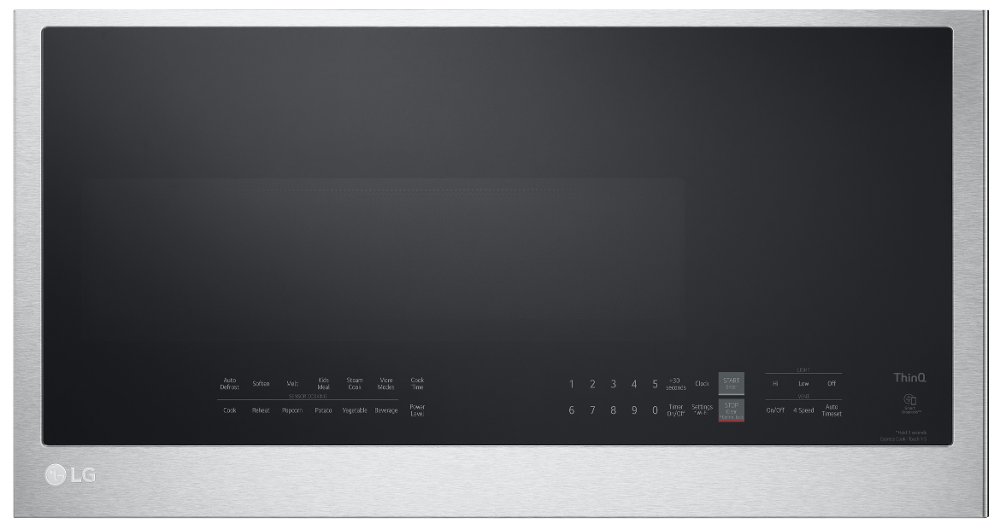
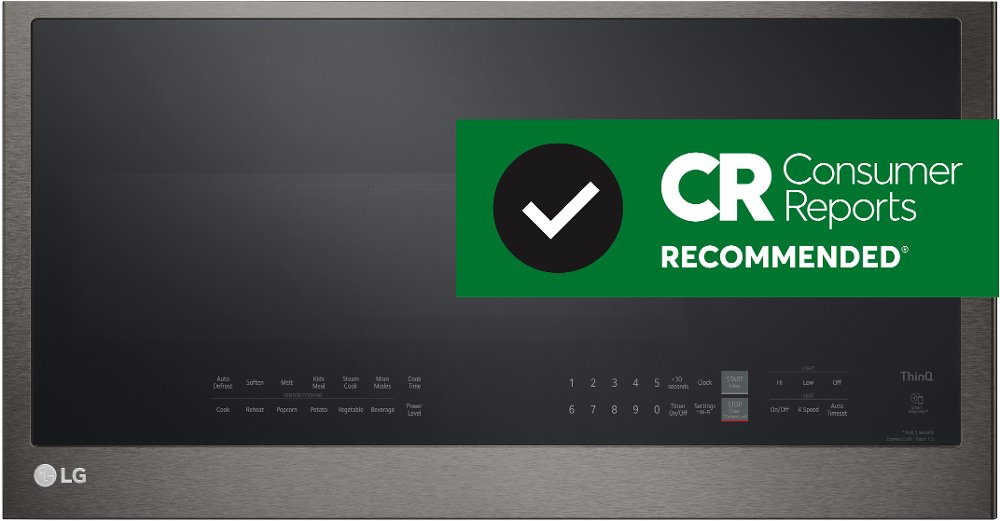
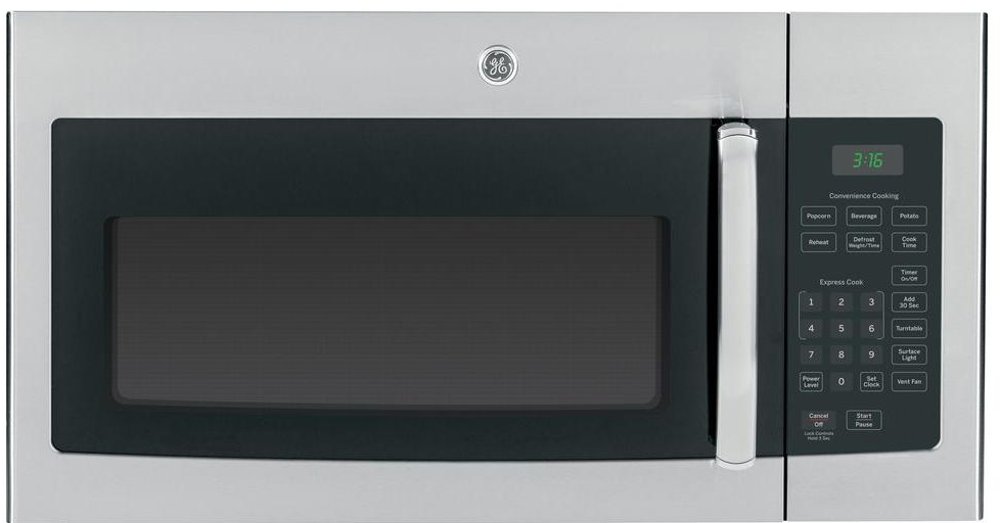
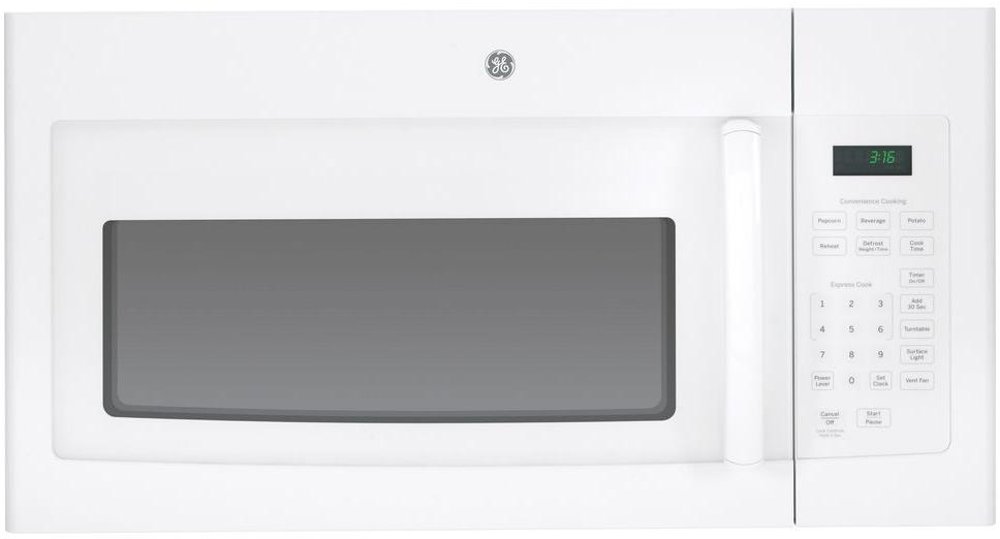
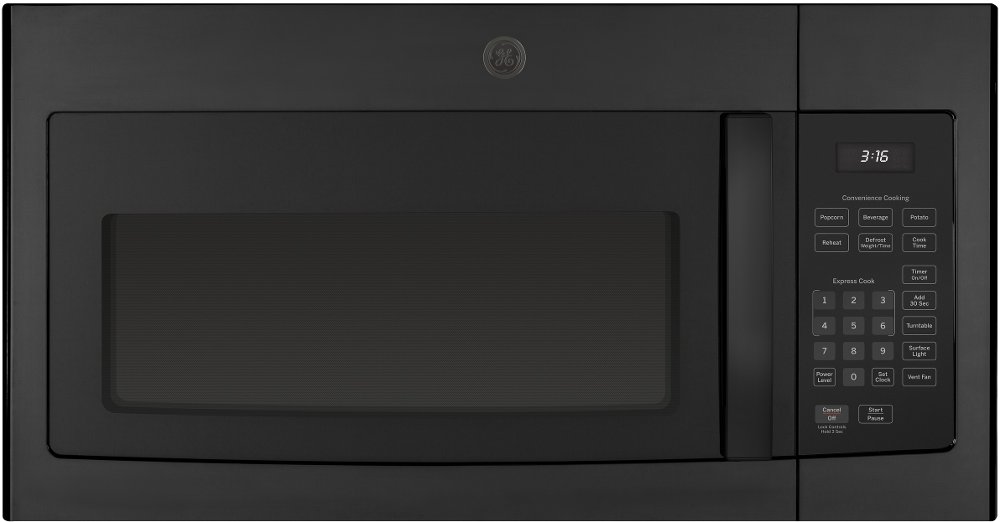
The right fit matters just as much as interior capacity, especially when a 2 cubic foot microwave needs to work around cabinets, outlets, and the rest of your cooking area. Countertop models sit on a stable surface and require the ventilation clearances specified by the manufacturer. Measure the available width, height, and depth, then account for the handle, cord placement, and space needed to open the door fully. A microwave that fits between a backsplash and the counter’s edge may still leave too little room for safe everyday use if the door blocks a walkway or a nearby cabinet prevents it from opening. Keep the controls within comfortable reach and choose a placement that lets you lift out a hot bowl without stretching. If a built-in look suits your kitchen, select a microwave specifically approved for that installation and use the manufacturer’s compatible trim kit when required. An ordinary countertop microwave shouldn’t be enclosed in cabinetry unless its installation instructions allow it. Over-the-range microwaves combine cooking space with cooktop lighting and ventilation, but they have their own mounting, clearance, and ducting requirements. Their fan performance and venting configuration deserve attention alongside cooking features, particularly in kitchens where the stovetop gets frequent use. Electrical requirements also vary, so follow the installation instructions rather than assuming an existing outlet or circuit is suitable. Finish choices help the appliance feel at home once the practical details are settled. Stainless steel offers a familiar match for many kitchen appliances, while black or white finishes can coordinate with cabinetry or other surfaces. Some finishes resist fingerprints better than others, but none removes the need for regular cleaning. If a slightly smaller cooking cavity would better suit your meals or layout, compare 1.7 Cu Ft Microwaves as well, checking their actual exterior dimensions rather than assuming less capacity always means a smaller footprint.
Useful features in a 2 cu ft microwave are the ones that match how you cook. Sensor cooking typically monitors moisture released by food and adjusts cooking time, and sometimes power, within the selected program. It can simplify familiar tasks such as reheating a serving of leftovers, though results still depend on choosing the appropriate setting, container, and covering. Inverter technology, when included, can deliver more consistent reduced-power operation instead of relying solely on cycling full power on and off. That can be helpful for gently softening butter or warming foods that need a lighter touch, but it isn’t a feature of every large-capacity microwave. Adjustable power levels, straightforward time controls, an add-time button, and a readable display often matter more in daily use than a long menu of presets. Defrost functions can help prepare ingredients for cooking; follow food-safety guidance and cook meat, poultry, or fish immediately after microwave thawing. Households with young children may also value a control lock or door-lock feature, while understanding that these functions differ and don’t replace supervision. For care and durability, pay attention to the surfaces and components you’ll handle every day. Smooth interior walls are generally easier to wipe clean, and a removable glass turntable makes it easier to reach spills beneath it. Let the tray cool before washing to avoid sudden temperature changes, and check the care instructions before putting removable parts in a dishwasher. Wipe splatters promptly with a soft cloth and a manufacturer-approved cleaner, keeping the door’s contact surfaces clean and the ventilation openings unobstructed. Use cookware labeled microwave-safe, and use metal only where the appliance’s instructions specifically permit it. A cover designed for microwave use helps contain splashes while allowing steam to escape; open it away from your face when the food is ready. If the door, hinges, latch, or sealing surfaces become damaged, stop using the appliance and arrange qualified service. Whether the microwave serves a busy household or becomes a practical housewarming gift, matching its installation type, dish fit, controls, and maintenance needs to the kitchen helps make it a dependable part of everyday meal preparation.
Read More