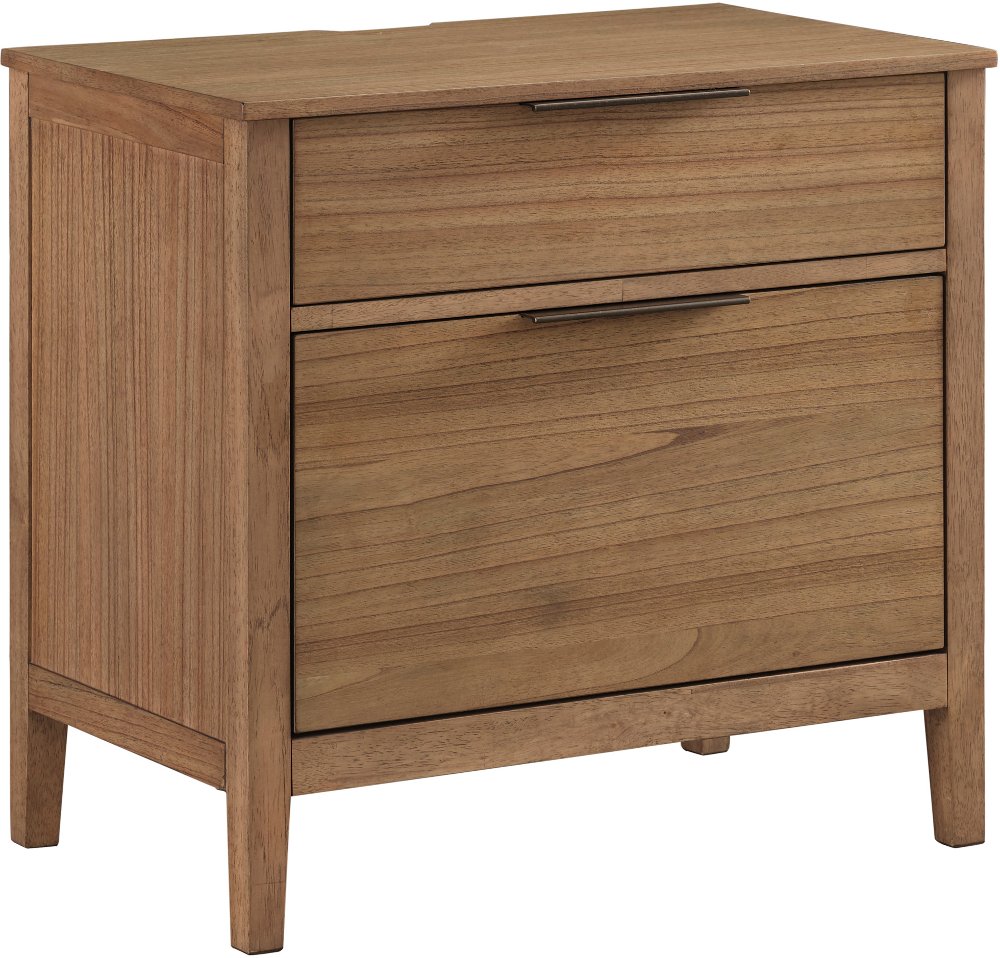
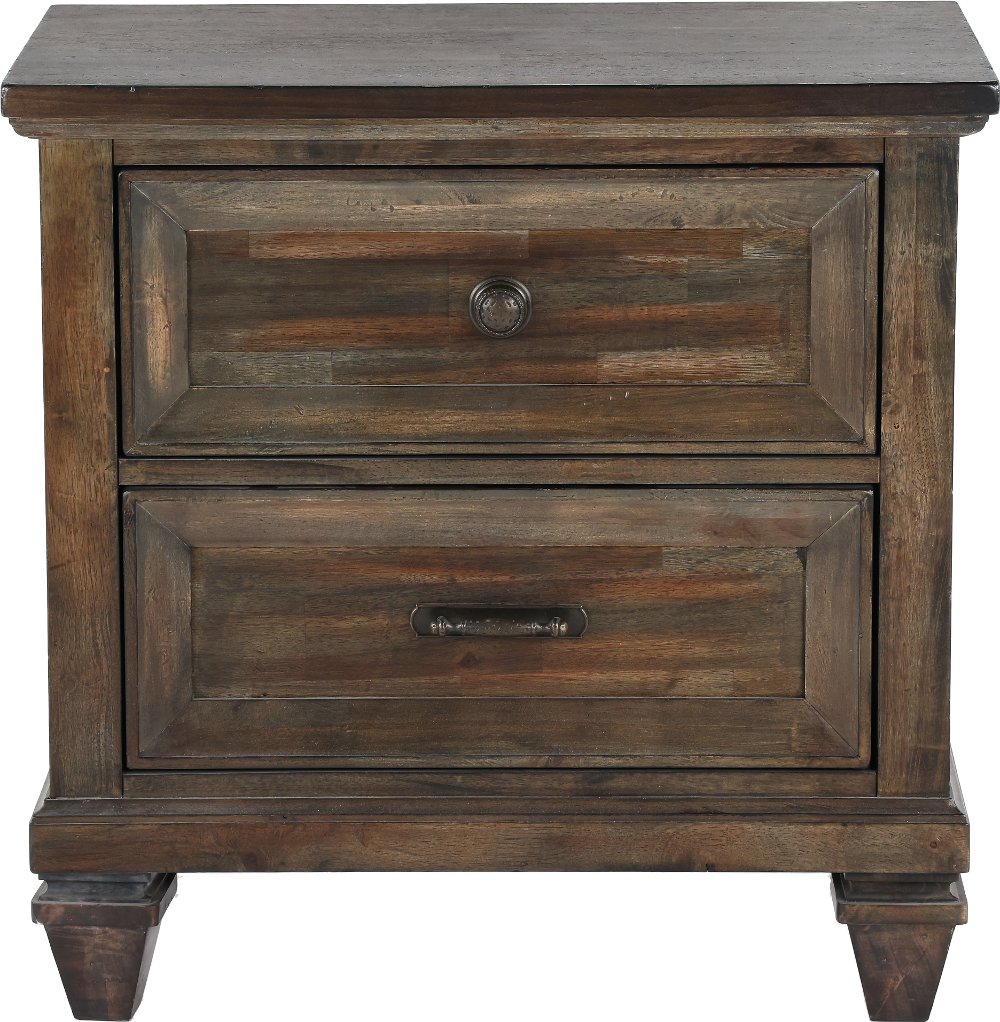
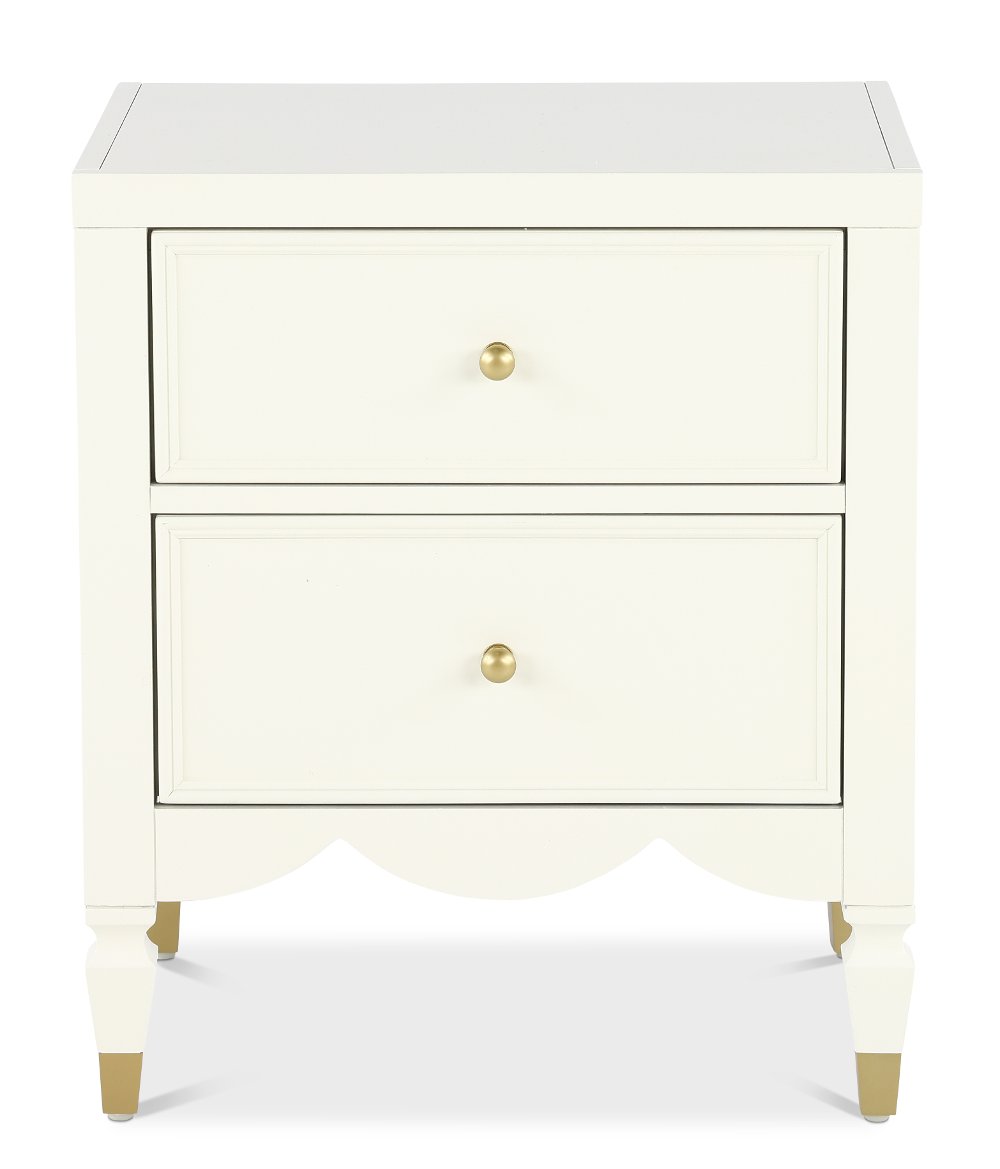
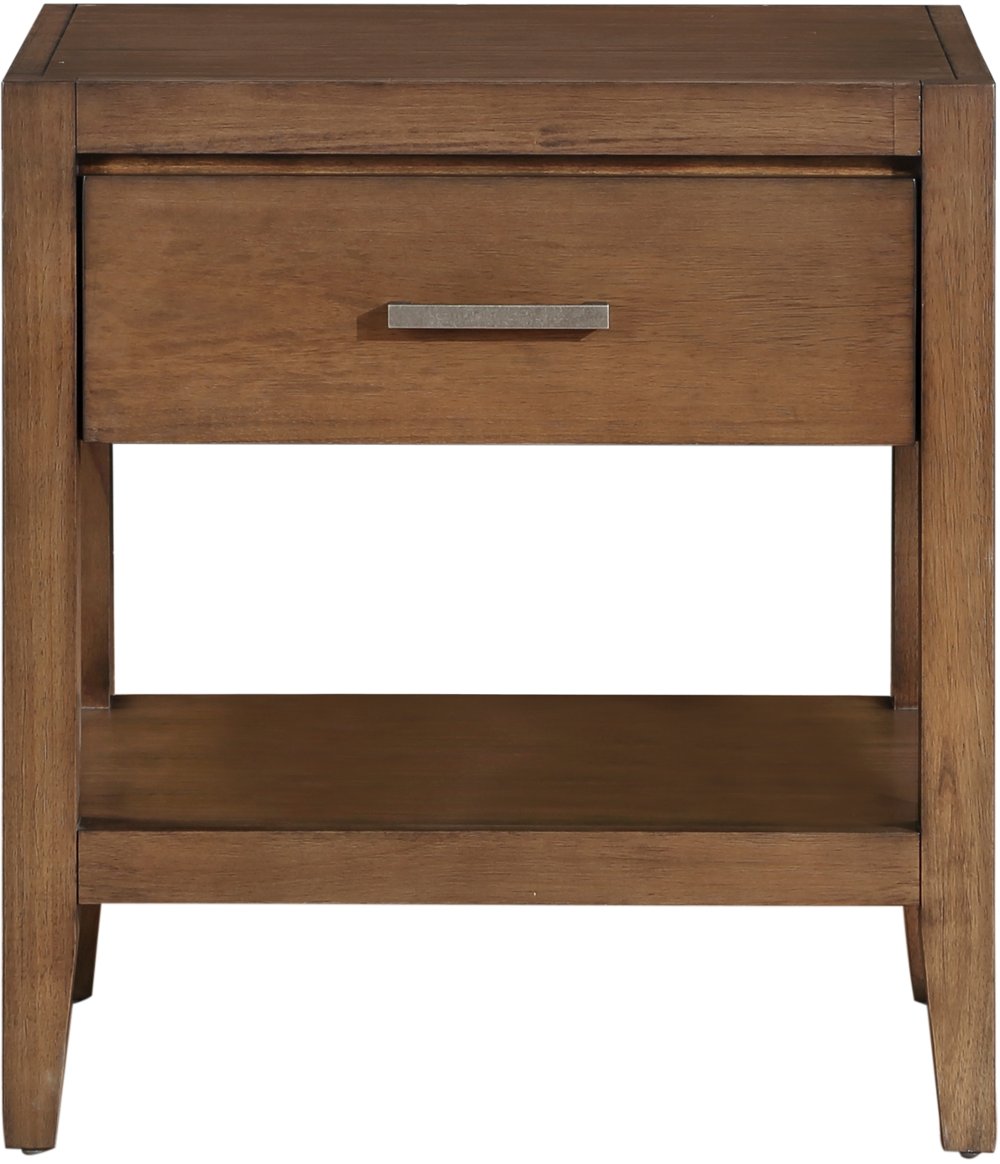
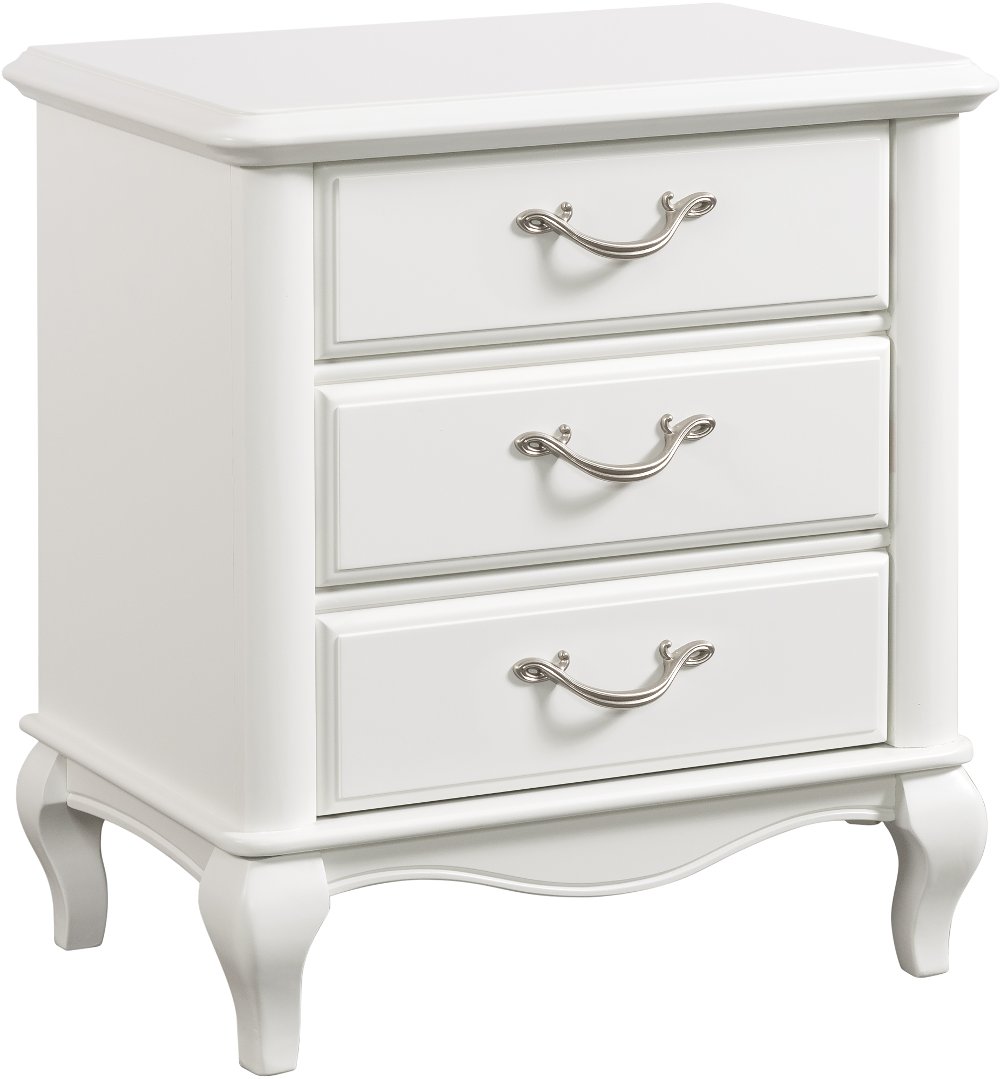
A comfortable bedroom starts with furniture that supports the way you use it, and 2 drawer nightstands bring useful storage to one of the smallest spaces in the room. A bedside surface gives your reading lamp, water glass, and alarm clock a steady home, while two drawers keep the little things from taking over. The upper drawer can hold glasses, a bookmark, hand lotion, and other bedtime essentials; the lower drawer works well for a journal, charging cables, or a few paperbacks, depending on its depth. That separation makes it easier to find what you need without leaving everything in view. Two-drawer designs suit primary bedrooms, guest rooms, and teen bedrooms, giving each sleeper a place to keep personal belongings close. In a guest room, an empty drawer offers a thoughtful spot for a visitor’s book or small travel essentials. In a shared bedroom, separate nightstands help each person maintain a routine without crowding the other’s space. Size matters just as much as storage, especially beside an upholstered bed, a tall mattress, or a headboard that extends beyond the bed frame. A nightstand top close to the height of your mattress generally makes reaching for a lamp or setting down a glass more comfortable. Measure from the floor to the top of the mattress rather than relying on the bed frame’s dimensions alone. Width and depth deserve the same attention: a piece should leave a comfortable walking path and enough clearance for drawers to open without hitting the bed frame or nearby furniture. Painter’s tape on the floor can help you picture its footprint before deciding on a size. Think about the tabletop as usable space, too. A broad lamp base may leave less room than expected for a phone and water glass, while a smaller lamp or wall-mounted reading light can free up space on a narrow bedside table.
The look of a two-drawer nightstand comes from a combination of material, finish, proportions, and hardware, so even pieces with the same basic layout can feel quite different. Wood brings grain and natural variation into the bedroom, with lighter finishes creating a relaxed appearance and deeper tones giving the bedside a more substantial presence. Solid wood can be durable and may allow refinishing, depending on its construction and finish, but it still needs protection from moisture and harsh treatment. Wood veneer places a thin layer of real wood over a supporting core, allowing attractive grain patterns across drawer fronts and tops. Engineered wood can provide a consistent surface for painted, laminated, or veneered finishes; its long-term performance depends on the quality of the core, edge protection, joinery, and everyday care. A material label tells only part of the story, so drawer construction and the stability of the whole piece also matter. Metal legs or pulls can add contrast, while woven accents, shaped fronts, and recessed handles introduce texture or change the profile. For a clean, modern look, straight lines and simple hardware keep the bedside visually quiet. Rounded edges, turned legs, or framed drawer fronts lend a softer or more traditional character. If you’d like a darker accent beside pale bedding or a light wood bed, black nightstands with drawers can create definition without introducing another wood tone. Matching the nightstand exactly to the bed isn’t essential. Repeating one detail, such as a warm undertone, a curved silhouette, or the finish on nearby hardware, can help separate pieces feel connected. A matching pair gives the bed a balanced frame, while different nightstands can accommodate uneven floor space or different storage needs. With mixed pieces, similar heights or coordinated lamps can provide a sense of balance. Consider visual weight alongside measurements: legs that expose more floor may help a tight room feel less crowded, while a full-base design creates a more grounded look. The best fit leaves the bedroom feeling comfortable, not filled edge to edge.
Daily ease often comes down to details that aren’t obvious at first glance. Two drawers of equal height don’t necessarily offer equal usable storage, and the outer dimensions of a nightstand won’t tell you how much fits inside. Interior drawer measurements are especially helpful if you plan to store a hardcover book, a tablet, or a bedside organizer. Shallow compartments suit small essentials, while deeper drawers can accommodate bulkier belongings, provided you stay within the manufacturer’s weight limits. Drawer glides influence how smoothly each compartment moves, and stops help prevent a drawer from being pulled out unintentionally. Soft-close hardware, when included, can make a late-night reach less disruptive. Pulls should feel comfortable in your hand, with enough finger clearance for an easy grip; this can be particularly useful for someone with limited hand strength. For designs with built-in charging or power access, check the connection types, cord length, and outlet placement so the setup works beside your bed. Keep cables clear of drawer mechanisms and walking paths, and follow the manufacturer’s electrical instructions. Durability also depends on sensible placement and care. A coaster beneath a water glass helps protect the top from rings, and spills should be wiped up promptly with a soft cloth. Follow the care directions for the particular finish rather than assuming a general furniture spray is suitable for every surface. Avoid abrasive cleaners, and use protective pads under decorative objects that could scratch the top. Periodically check pulls and assembly hardware for looseness, particularly on furniture that gets daily use. Follow any supplied anchoring instructions, keep heavier contents low, and remember that drawers aren’t steps for children. Whether you’re furnishing a first apartment, refreshing a long-used bedroom, or making room for overnight guests, a thoughtfully chosen two-drawer nightstand gives everyday essentials a dependable place. Useful storage, comfortable reach, and a finish that fits your room can make the bedside feel settled without adding more furniture than you need.
Read More