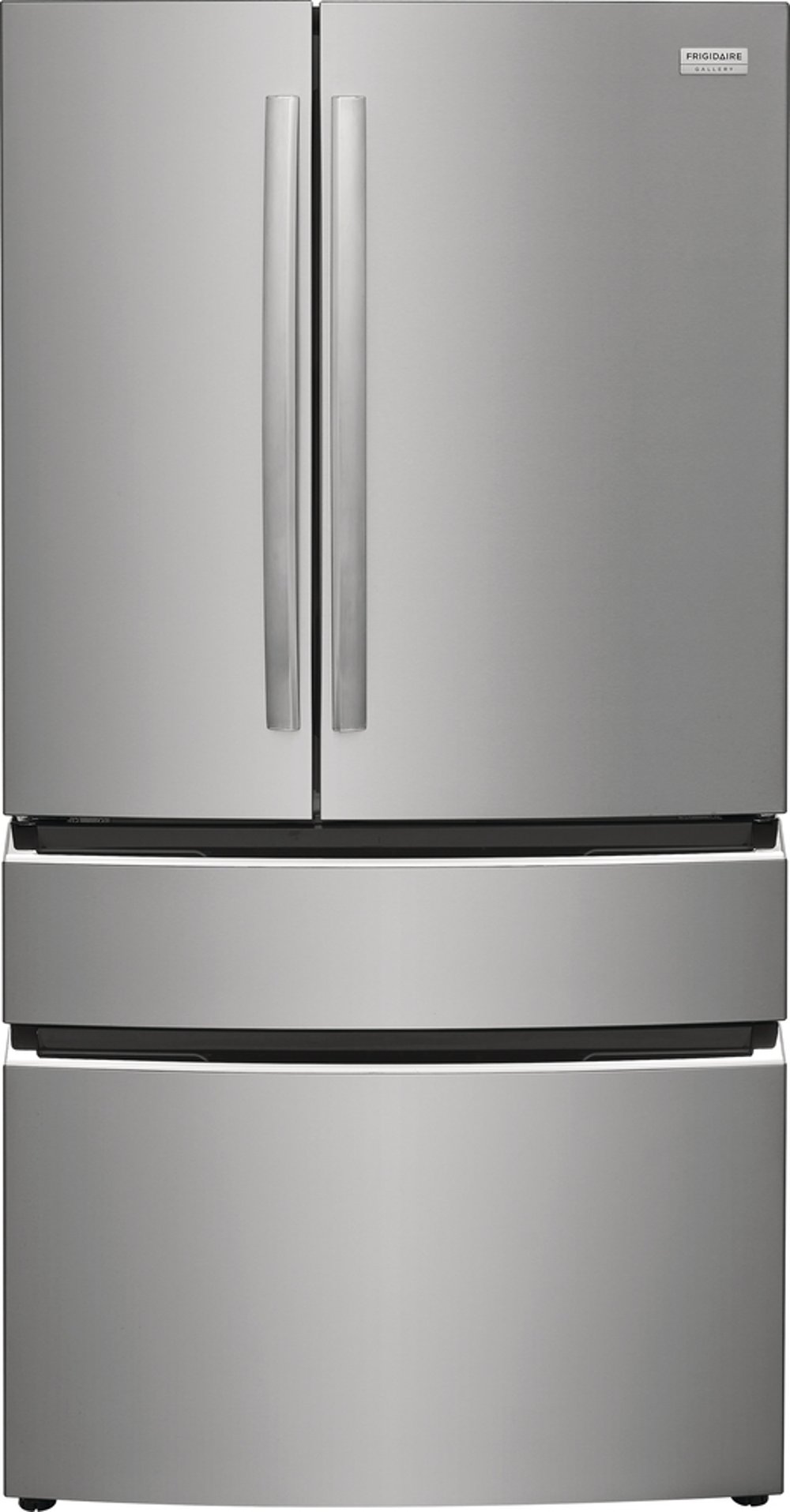
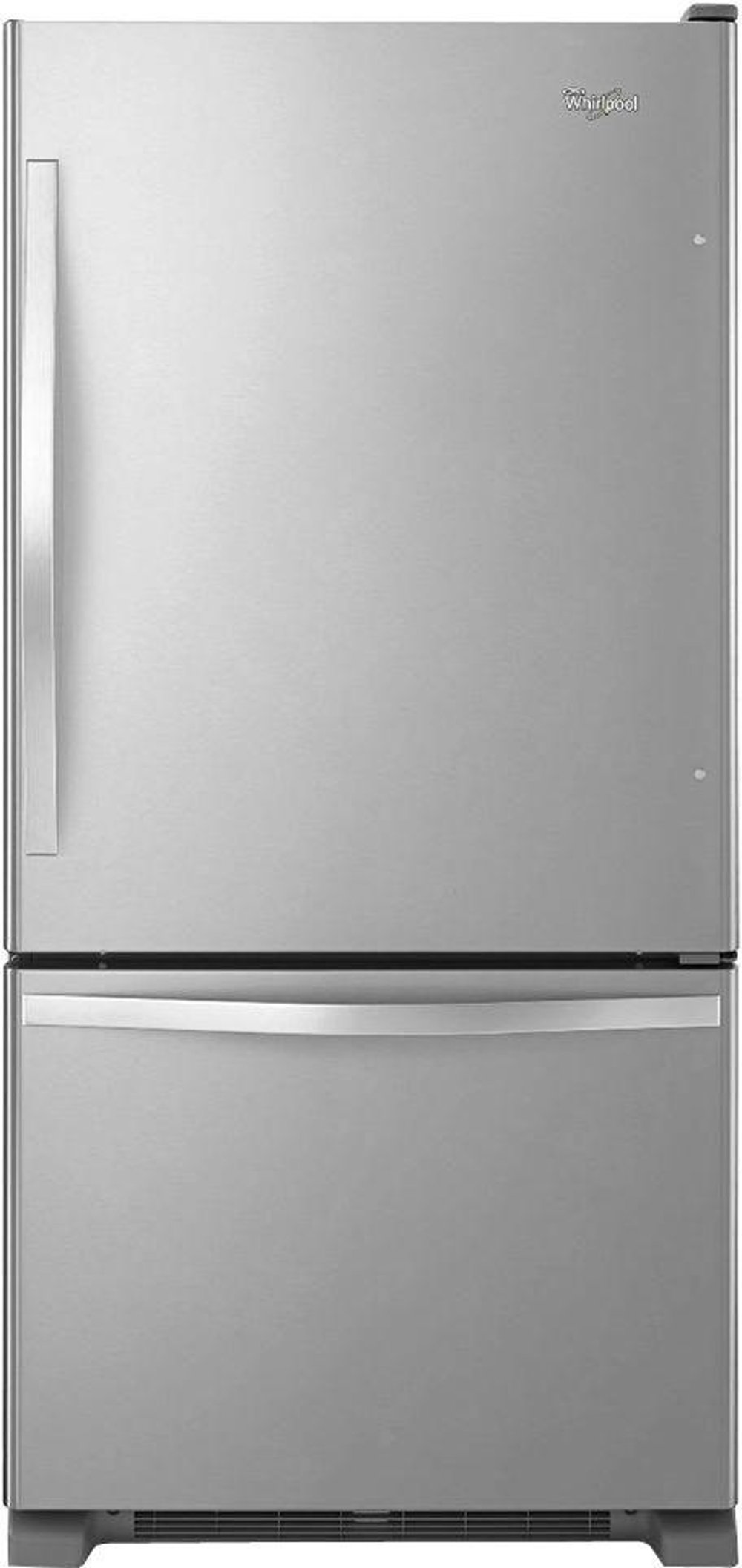
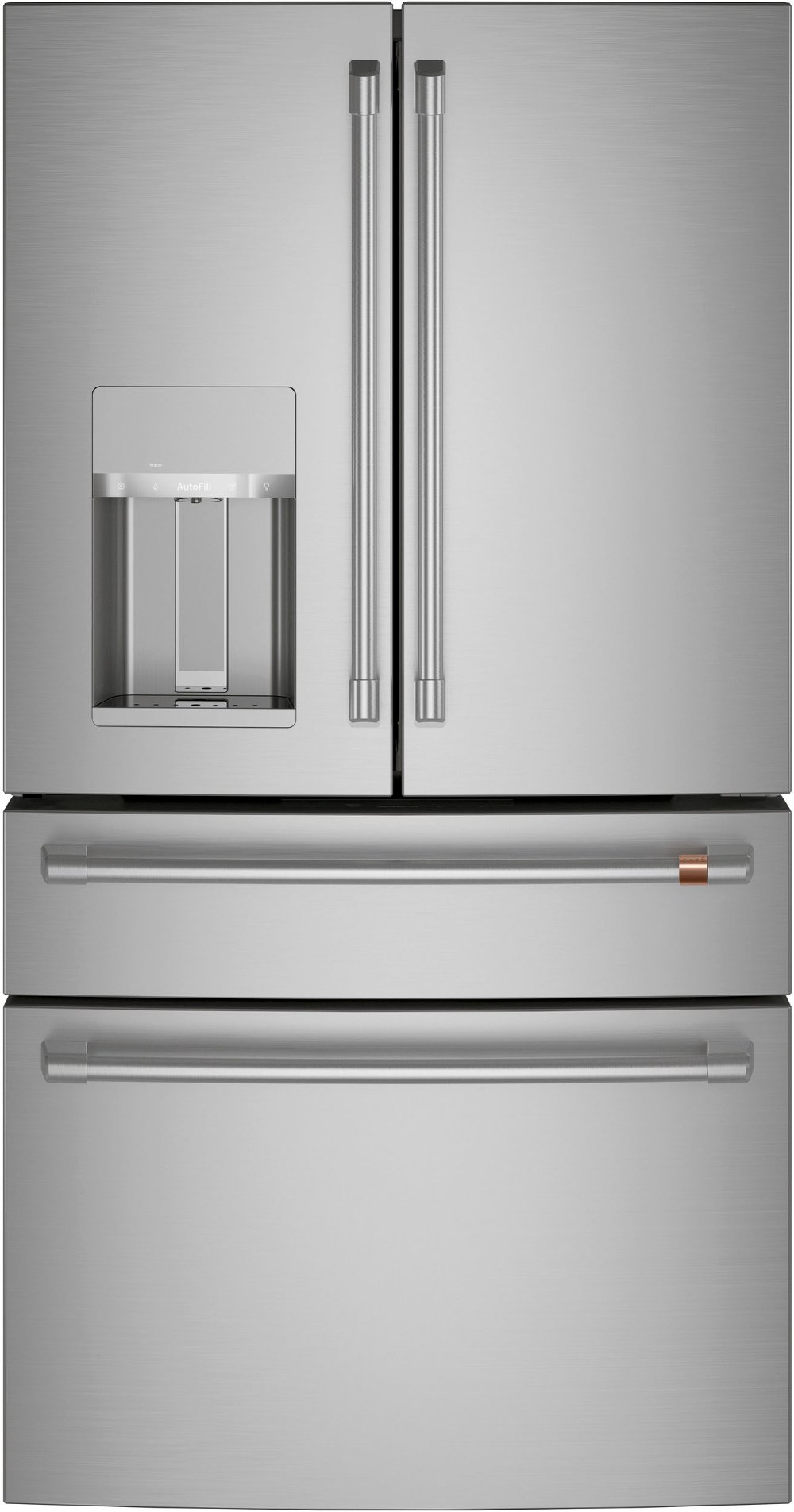
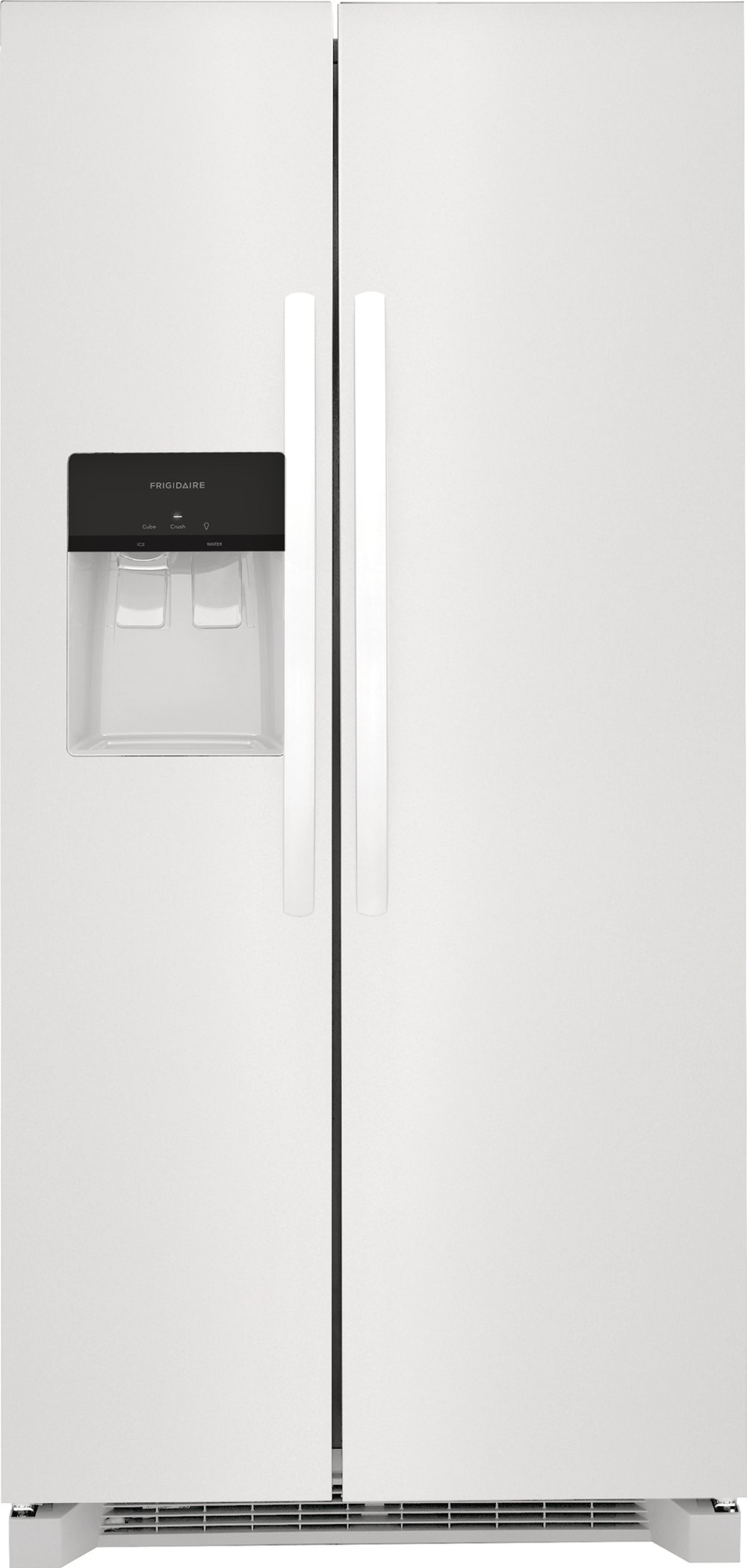
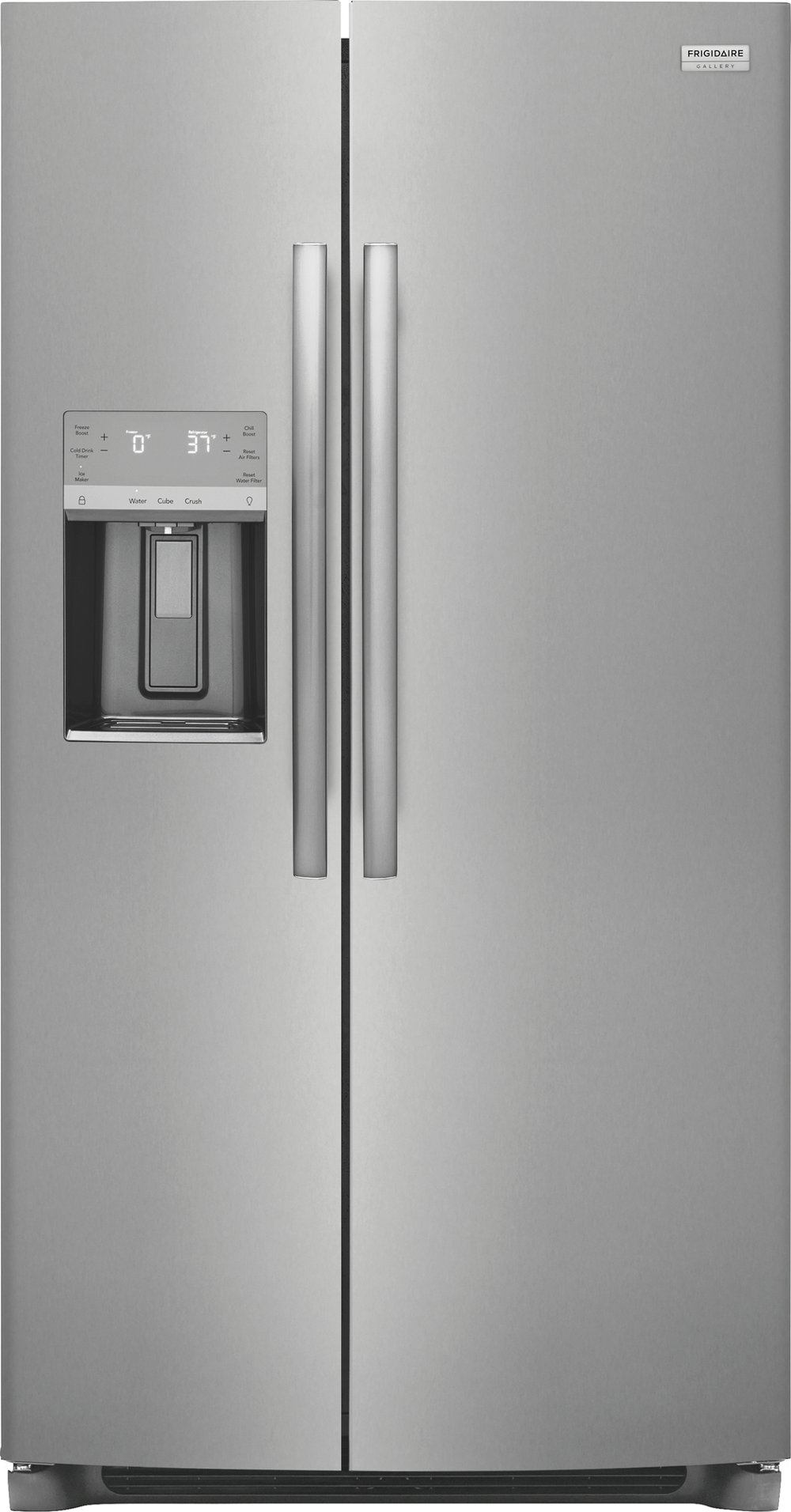
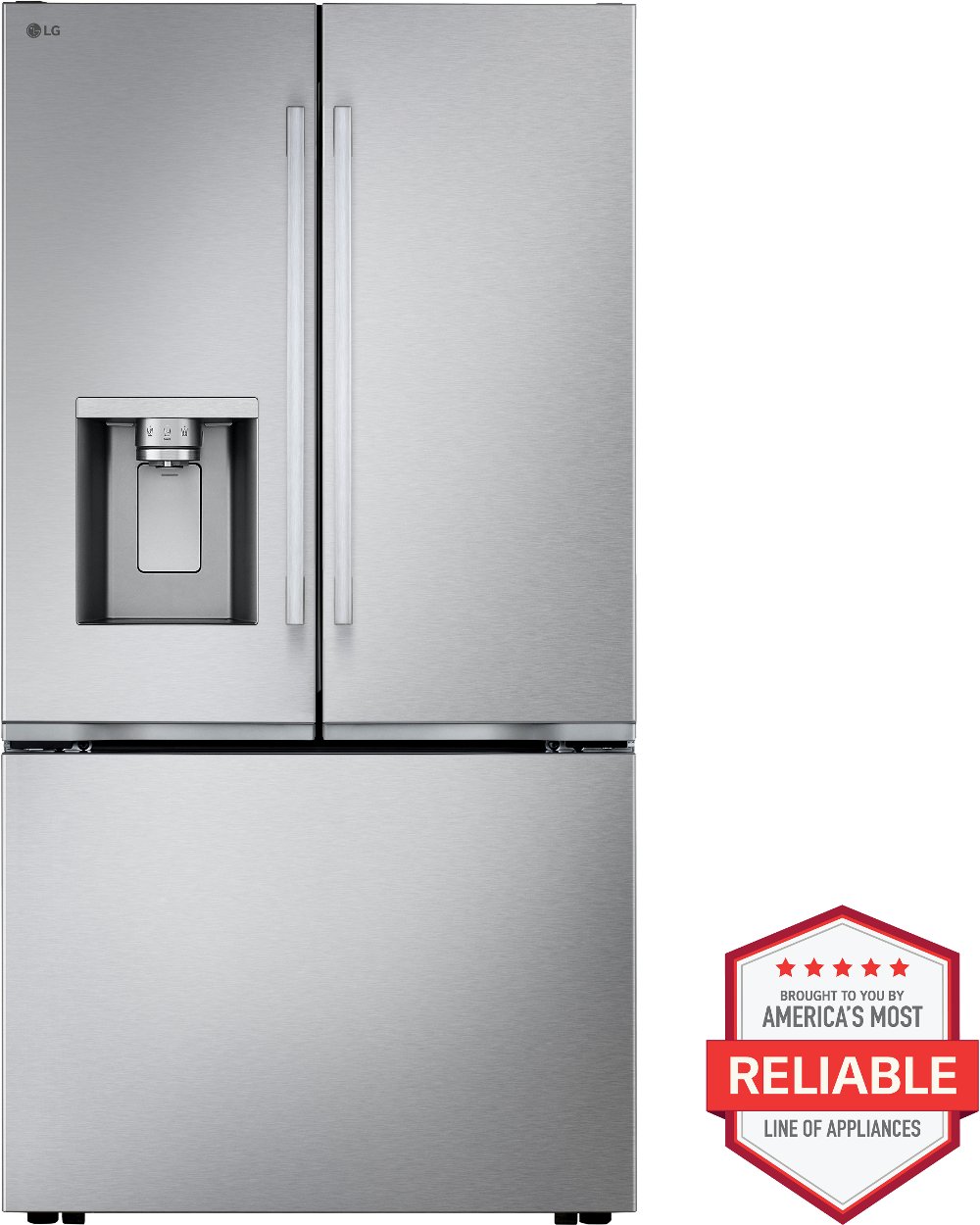
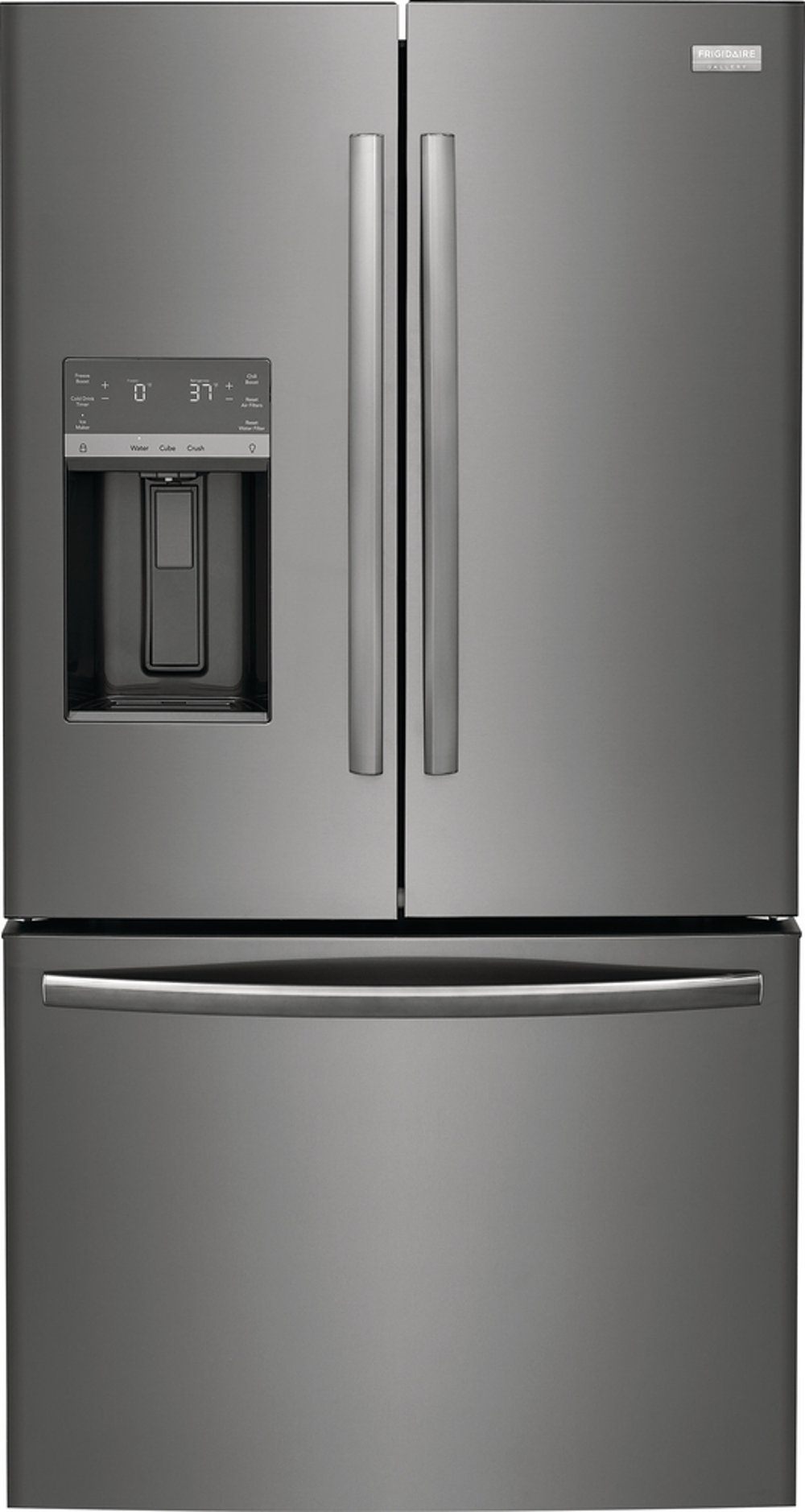
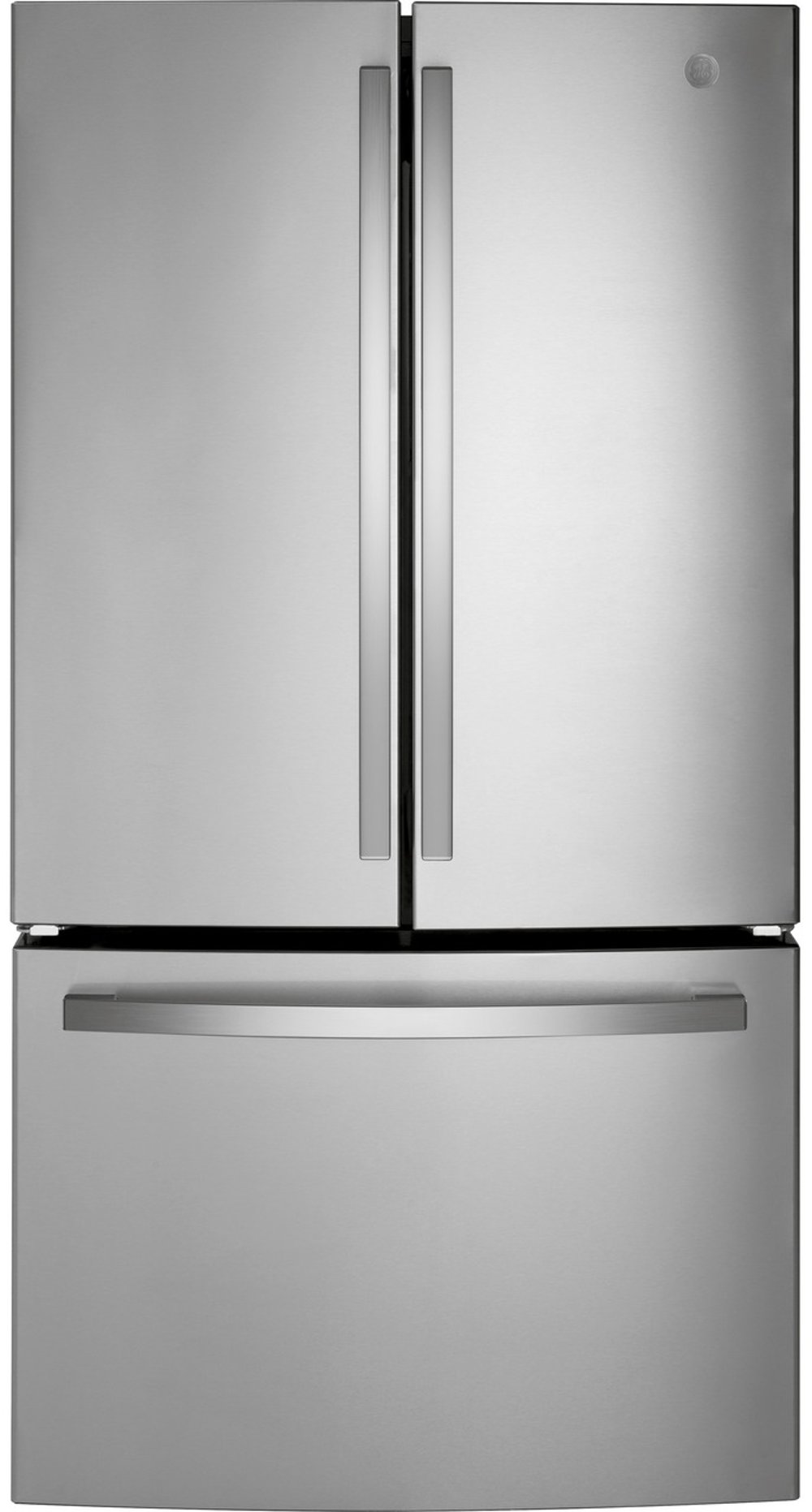
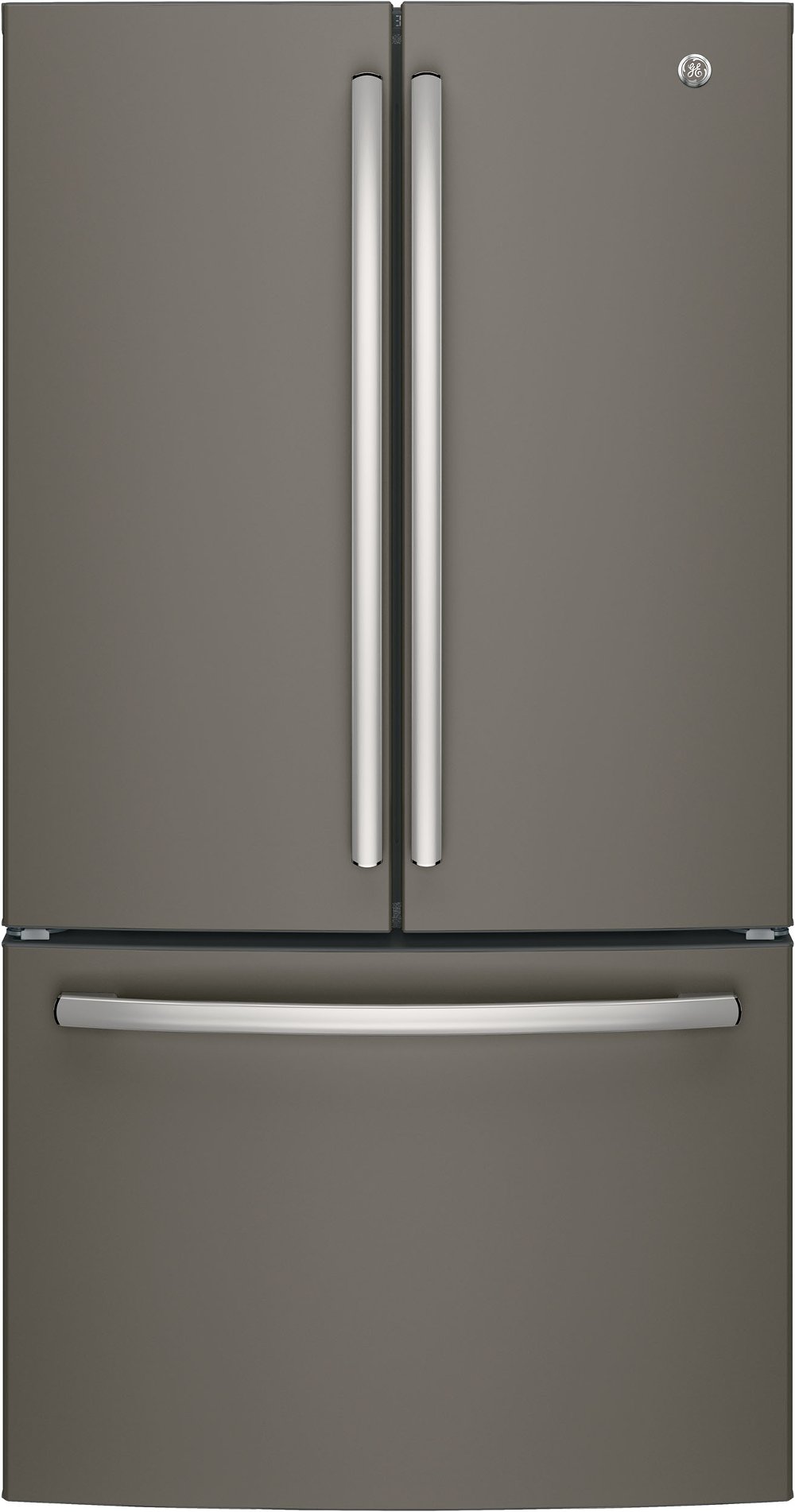
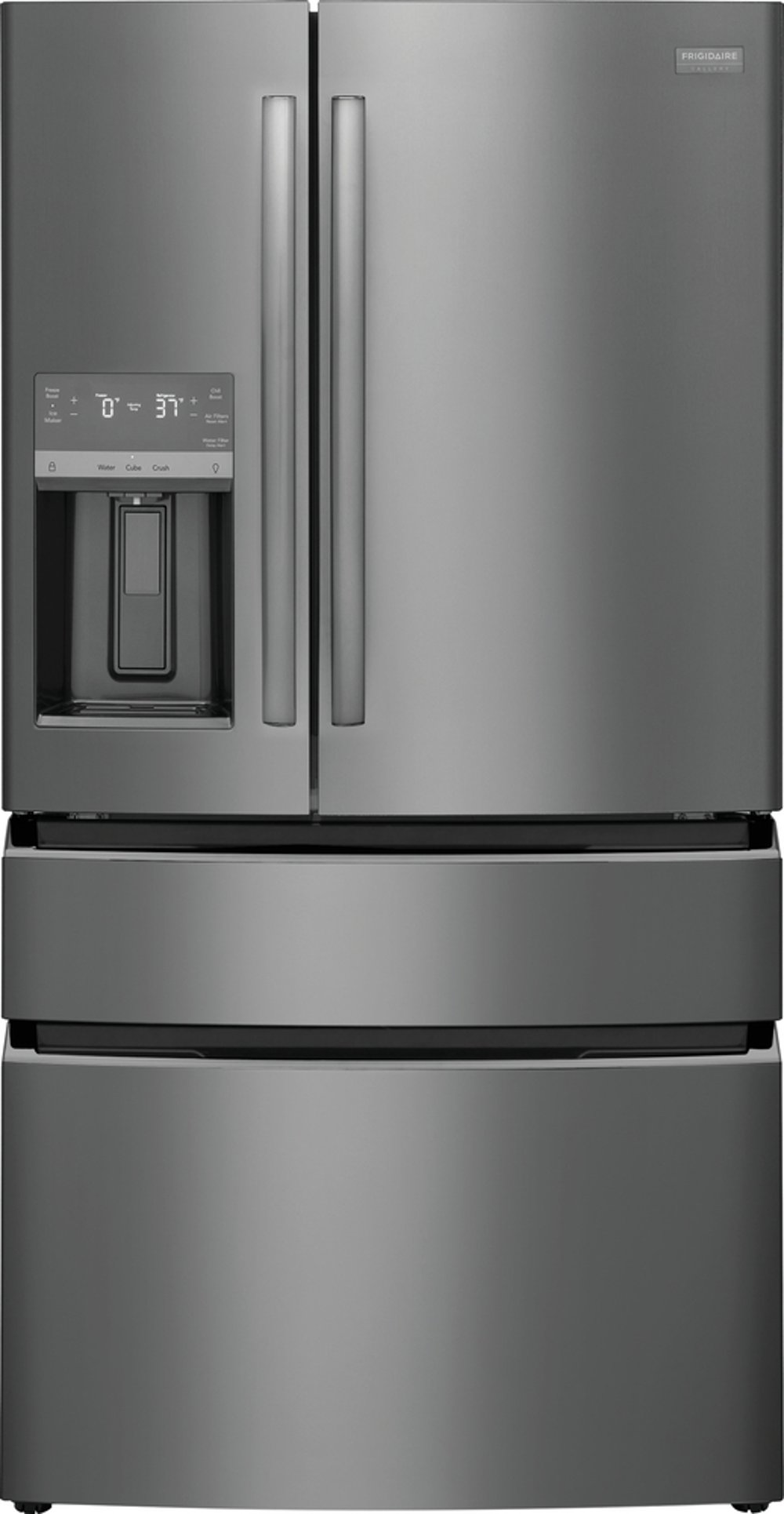
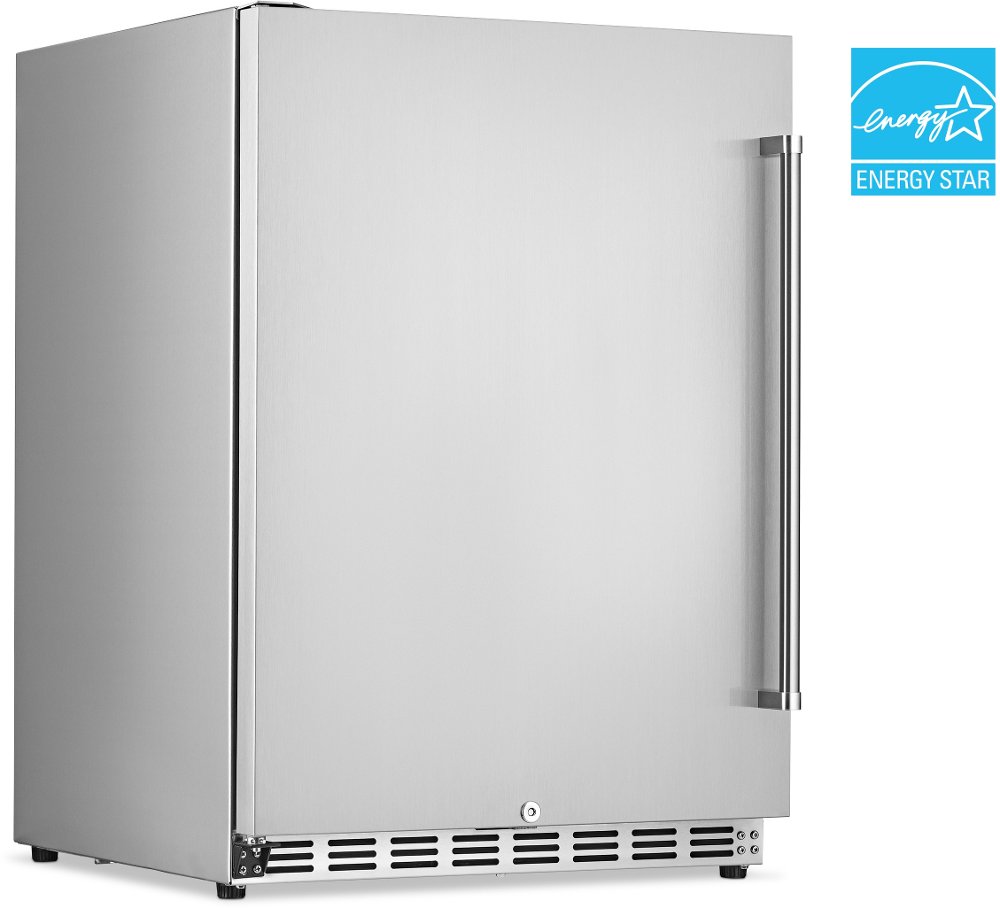
A 22 cu. ft. refrigerator offers about 22 cubic feet of combined fresh-food and freezer storage, making it a practical mid-size choice for many households of two to four people. That capacity can accommodate everyday groceries, meal-prep containers, beverages, and frozen staples without requiring an especially large appliance, though the right fit depends on how you shop and cook. A couple who prepares most meals at home may appreciate the same storage space as a family that shops more frequently and keeps fewer ingredients on hand. Total capacity includes both compartments, so the division between refrigerator and freezer space matters as much as the number on the label. Someone who stores fresh produce, yogurt, and leftovers will have different priorities than someone who relies on frozen vegetables and batch-cooked dinners. In this size range, French door, side-by-side, bottom-freezer, and top-freezer configurations offer different ways to organize those groceries. French door refrigerators generally provide wide fresh-food shelves behind two upper doors, with a freezer below. That layout can make room for a casserole dish or a broad serving platter, depending on the shelf arrangement. Side-by-side refrigerators place fresh and frozen food in tall, separate compartments, keeping more of both within standing reach, although their narrower shelves deserve attention if you store wide pizza boxes. Bottom-freezer refrigerators bring frequently used fresh foods closer to eye level, while top-freezer designs offer a familiar arrangement with frozen storage above the main compartment. The most useful 22 cubic foot refrigerator is one that fits your routine: milk where children can reach it, lunch ingredients grouped together, and enough flexible shelf space for the food you actually bring home. Interior photos and compartment measurements help reveal these everyday differences more clearly than total capacity alone. For a household sharing groceries among roommates, separate door bins and clearly divided shelves can also make a mid-size refrigerator easier to use.
Capacity doesn’t establish a refrigerator’s exterior dimensions. A 22 cu. ft. refrigerator may be around 30, 33, or 36 inches wide, depending on its configuration and design, and height and depth vary as well. The appliance’s listed measurements, required ventilation clearances, and door-opening specifications determine whether it will fit your kitchen. An opening that looks generous can become tight once you account for a nearby wall, cabinet hardware, baseboards, or a countertop edge. Doors need enough room to open for everyday access and, in some designs, to let drawers slide out fully for cleaning. A refrigerator beside a wall may require additional side clearance beyond the space needed for ventilation. Depth measurements also deserve a close look because specifications may list the cabinet alone, the cabinet with doors, and the appliance with handles. Counter-depth refrigerators have shallower bodies designed to align more closely with surrounding cabinetry, but their doors and handles typically extend beyond the counter. Standard-depth refrigerators project farther into the room and may use a different combination of width and height to provide similar capacity. In a kitchen with an island, that difference can affect the walkway and how comfortably someone passes while a door is open. The delivery route matters, too, including the home’s entryway, interior doorways, corners, and stairs. For homes with a compact kitchen opening, comparing 21 Cubic Foot Refrigerators can help put nearby capacities in perspective, though a smaller cubic-foot rating doesn’t automatically mean smaller exterior dimensions. Installation needs extend beyond measurements: an automatic ice maker or water dispenser generally requires a compatible water connection, and the refrigerator needs an electrical supply that meets its installation requirements. A dispenser can make filling a glass convenient, while an interior ice bin or dispenser assembly uses some of the space otherwise devoted to food. These details help distinguish refrigerators that share a capacity rating but serve very different kitchens.
Inside a 22 cubic foot refrigerator, shelf design and storage flexibility shape how much of the space feels genuinely useful. Adjustable shelves can accommodate a tall pitcher or a pot of soup, while split shelves may let you create extra height in one area without sacrificing an entire level. Tempered-glass shelves provide a smooth cleaning surface, and raised edges on some designs help contain small spills before they reach the drawer below. Door bins sized for larger containers can free up main shelves, but their weight limits and recommended uses still matter. Crisper drawers with humidity controls help create different storage conditions for fruits and vegetables; keeping produce visible and easy to reach can also mean fewer forgotten ingredients. Freezer baskets and dividers are useful for separating breakfast foods, proteins, and prepared meals so that a bag of peas doesn’t disappear beneath a stack of containers. Lighting that reaches the back corners makes this organization easier to maintain. Exterior materials and finishes influence everyday care as well as appearance. Stainless steel, coated metal, and fingerprint-resistant finishes each have their own cleaning requirements, and a soft cloth with a manufacturer-approved cleaner is generally a better choice than an abrasive pad. Fingerprint resistance can reduce visible smudges, but it doesn’t eliminate cleaning. Durability involves more than the finish: sturdy shelf supports, secure door bins, smoothly moving drawers, and well-fitting gaskets are worth attention because they handle repeated daily use. Regularly wiping spills, cleaning door seals, and keeping interior air vents unobstructed supports reliable operation. Water filters, when included, need replacement according to the manufacturer’s schedule, and accessible condenser components may require cleaning as directed in the care instructions. EnergyGuide labels help compare estimated annual electricity use, while ENERGY STAR certification identifies qualifying energy-efficient designs. For an open kitchen, published sound information can be another useful consideration, though normal operating sounds vary by appliance. Taken together, the right layout, manageable maintenance, and a comfortable physical fit make a 22 cu. ft. refrigerator a dependable part of everyday cooking, grocery storage, and shared meals.
Read More