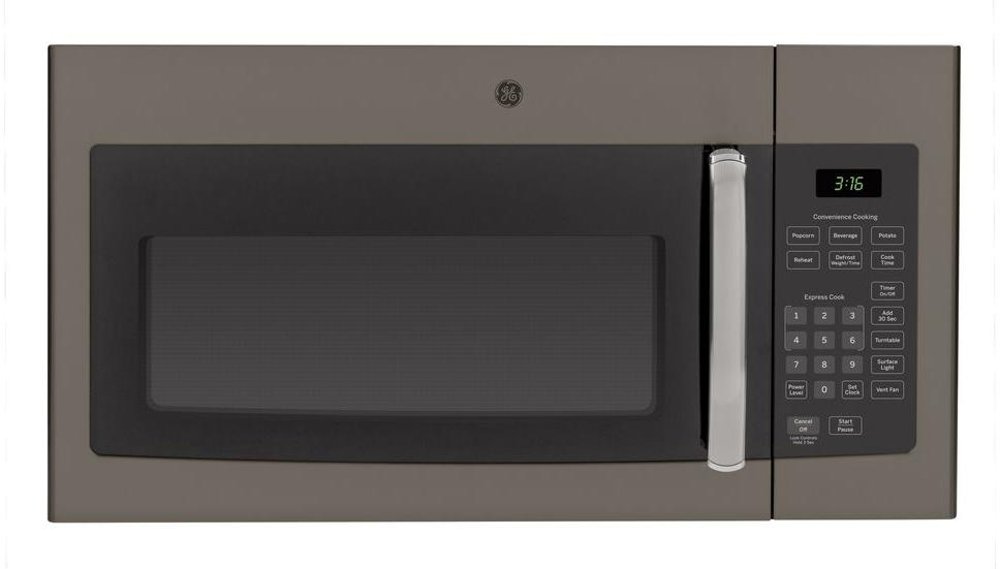
A 30-inch microwave typically refers to an over-the-range microwave designed for the cabinet opening above a standard 30-inch-wide range or cooktop. It brings everyday reheating, defrosting, cooktop lighting, and ventilation into one appliance, leaving more counter space for chopping vegetables, setting out lunch containers, or keeping a coffee station within reach. Many models measure approximately 29¾ to 29⅞ inches wide, with depths around 15 to 16 inches and heights around 16 to 17 inches, although dimensions vary and handles can add depth. Common interior capacities fall between 1.5 and 2.0 cubic feet. The 30-inch designation describes the appliance’s general fit category, not its cooking cavity or a guarantee that it will fit every opening. For a replacement, the existing cabinet width is only part of the picture: cabinet depth, mounting height, door clearance, electrical requirements, and the location of any exhaust duct also matter. A door beside a deep pantry cabinet or wall may need extra room to open fully, and a taller replacement can change the space above the cooking surface. Manufacturer installation instructions establish the required clearances and compatibility with the range below. Existing mounting brackets and bolt locations may differ, even when two microwaves share the same nominal width. Over-the-range installation generally involves a wall-mounted support bracket and attachment through the upper cabinet, so secure mounting and the correct hardware are essential. These appliances also need a suitable electrical connection that meets the manufacturer’s requirements and local codes. For a household replacing an older microwave, matching the installation details can be just as important as choosing familiar controls. For a kitchen remodel, deciding on the microwave’s placement before cabinets are finalized helps create a cleaner fit. A well-matched 30-inch over-the-range microwave becomes part of the kitchen’s working layout, keeping a frequently used appliance close to the cooking area without occupying a separate stretch of countertop.
Inside a 30-inch microwave, usable space and cooking performance depend on more than the exterior width. Capacity in cubic feet gives a useful starting point, but the turntable diameter and interior dimensions determine whether a favorite dinner plate, tall mug, or rectangular casserole dish fits comfortably. A wide dish needs room to rotate without hitting the walls; if a model offers a turntable-off setting, its instructions should explain when and how to use it. Many over-the-range microwaves deliver around 900 to 1,000 watts of microwave cooking power, though ratings vary. Higher wattage can shorten some cooking times, while adjustable power levels help soften butter, thaw ingredients, or reheat delicate foods more gently. Sensor cooking and sensor reheat features use moisture released during cooking to help adjust operation, reducing some of the guesswork when warming leftovers or preparing vegetables. They’re helpful conveniences, not substitutes for following food-safety guidance and checking that food has heated thoroughly. Quick-start controls, an add-time button, and clearly labeled settings can make a noticeable difference when breakfast is moving fast or several people share the kitchen. Some models include convection cooking, which circulates heated air and can add baking or browning capability when used with the appropriate settings and cookware. Those functions vary, so a standard microwave and a convection microwave shouldn’t be treated as interchangeable. Ventilation is another defining feature of over-the-range designs. Fan airflow is commonly expressed in cubic feet per minute, or CFM, with many models rated around 300 to 400 CFM and some offering higher ratings. CFM alone doesn’t establish how effectively a unit will capture cooking emissions; installation height, duct configuration, capture area, and the cooking appliance below also matter. Depending on the model and installation, a microwave may exhaust outdoors or recirculate filtered air into the kitchen. Recirculating systems help filter grease and odors but don’t remove moisture and heat the way outdoor exhaust does. Households that frequently sear, fry, or cook across several burners may need to assess whether a dedicated range hood better suits their cooking habits.
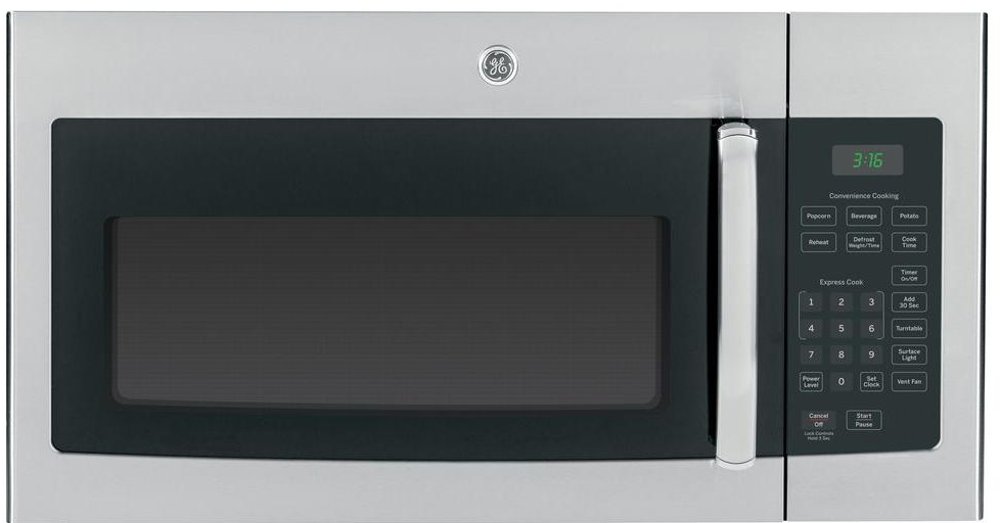
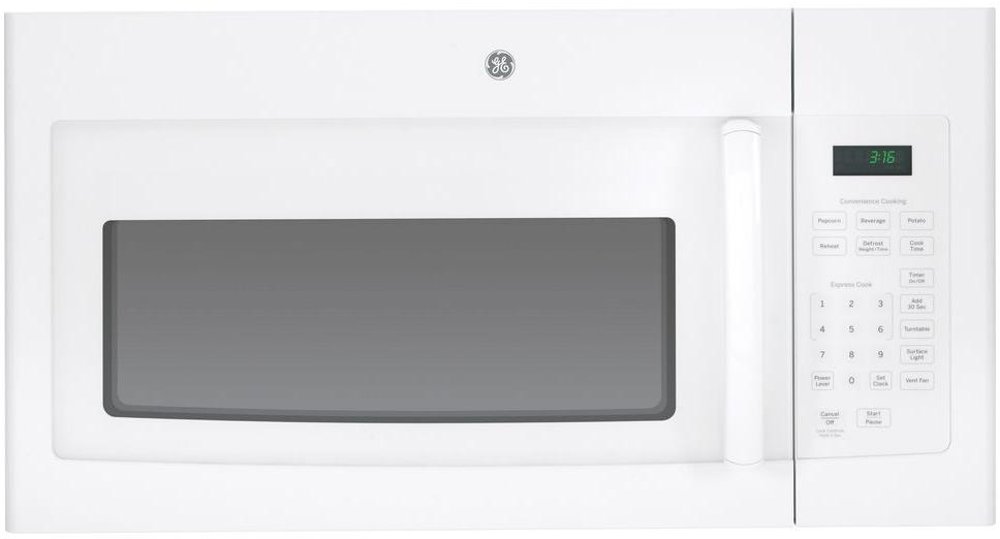
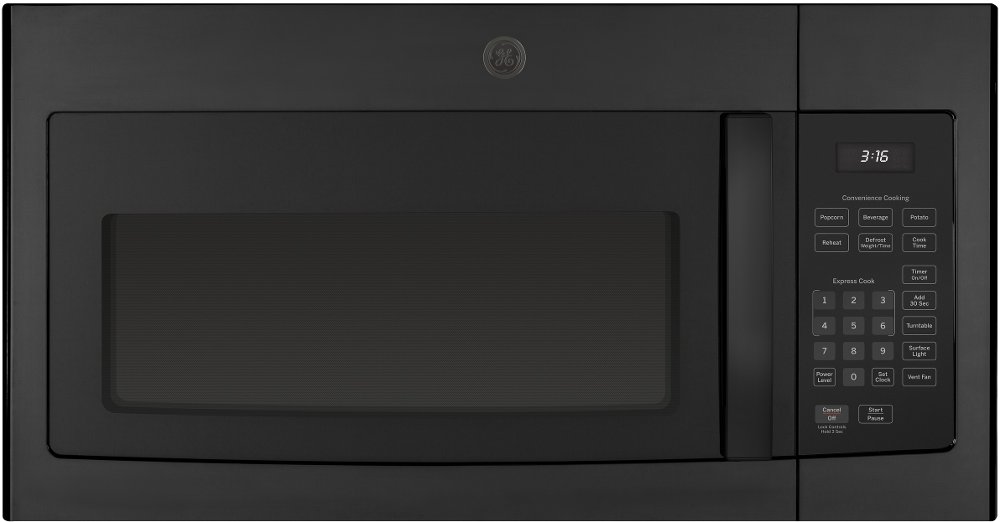
Finish, construction, and everyday upkeep help determine how comfortably a microwave fits into the kitchen over time. Stainless steel creates a familiar connection with other appliances, while black or white finishes can blend with cabinetry or continue an established color scheme. Fingerprint-resistant finishes can make everyday marks less noticeable, although they still need cleaning and may require specific care products. Many microwaves pair a metal exterior with a glass door window, molded controls, and a coated or stainless steel interior. The surface treatment matters when wiping away tomato sauce splatters or steam-softened food residue, but no finish eliminates maintenance. Prompt cleanup with a soft cloth and a manufacturer-approved cleaner helps keep the cavity fresh without scratching protective surfaces. Abrasive pads and harsh chemicals can damage finishes, door seals, and control panels. A microwave-safe cover helps contain splashes while allowing steam to escape, and removable turntables are easier to clean when handled according to their care instructions. Ventilation components need attention, too: grease filters require regular cleaning or replacement as directed, while charcoal filters used for recirculating installations generally need periodic replacement. Keeping vents unobstructed and the door and seal area clean supports reliable operation. Practical comfort deserves equal attention. An easy-to-grip handle, readable display, responsive buttons, and useful lighting can matter more in daily use than an extensive menu of presets. Above-range placement keeps counters clear, but lifting a hot bowl from that height may be difficult for shorter adults or people with limited reach. Children also need supervision around hot food and the cooking surface below. For a layout centered on a separate cabinet installation rather than an above-range appliance, 24 Inch Built In Microwave Ovens offer another category to consider, with their own cutout, ventilation, and trim requirements. Neither category is automatically interchangeable with the other. The right fit balances installation requirements with the dishes, routines, and people the appliance will serve, from a single person reheating dinner to a busy household preparing several meals throughout the day.
Read More