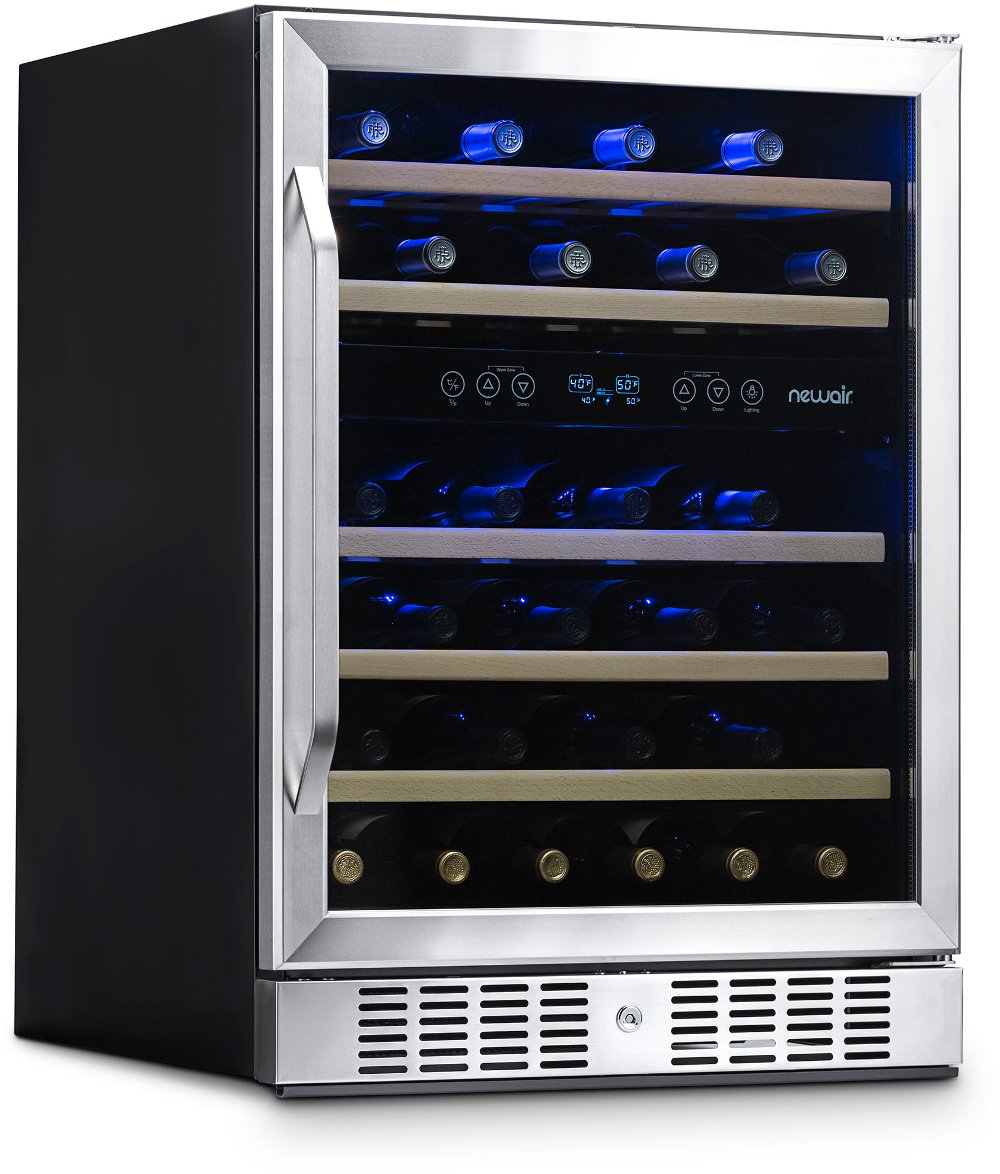
36 Inch Wide Refrigerators offer a practical balance of generous storage and familiar kitchen proportions, making them a popular choice for busy households, growing families, entertainers, and anyone replacing an older refrigerator with more room to organize fresh food. Most models provide approximately 20 to 29 cubic feet of capacity, although usable space can vary depending on the layout, ice maker, shelves, drawers, and freezer design. A French door refrigerator places wide fresh-food doors at eye level with a bottom freezer drawer, creating an easy-to-scan arrangement for produce, leftovers, drinks, and everyday ingredients. A side-by-side refrigerator divides the fresh-food and frozen sections vertically, keeping both compartments accessible without requiring a large door swing. As you compare 36 Inch Wide Refrigerators, consider how your household actually shops and cooks. A family that keeps sheet pans, large platters, and tall beverage containers may appreciate wide adjustable shelves and flexible door bins, while someone who freezes bulk purchases may prefer a spacious freezer drawer with strong organization. Crisper drawers with humidity controls can help keep greens and fruit in better shape, and a full-width drawer can give deli foods, snacks, or quick breakfast items a dedicated place. During the cooler months, extra refrigerator space can make room for soup, baking ingredients, prepared meals, and containers ready to share when friends or family gather. These refrigerators can also be a thoughtful housewarming or new-home upgrade, giving a kitchen the storage and polished appearance that help daily routines feel more settled.
Before choosing among 36 Inch Wide Refrigerators, measure the complete installation area rather than relying on the listed width alone. Check the opening’s width, height, and depth, then account for baseboards, trim, countertops, wall placement, handles, hinges, and the space needed to open doors and drawers fully. A refrigerator that fits between cabinets may still need additional clearance for ventilation or door movement, especially when it sits beside a wall or kitchen island. Standard-depth models generally extend beyond the surrounding counters, often measuring roughly 31 to 35 inches deep, and typically provide the most interior capacity, with many options ranging from about 24 to 29 cubic feet. Counter-depth models usually sit closer to the cabinet line, often measuring around 24 to 30 inches deep, for a streamlined built-in look. They may offer approximately 20 to 23 cubic feet, so compare interior dimensions and shelf layouts instead of judging storage by exterior size. Remember to measure hallways, stairways, entry doors, and the path into the kitchen before delivery; a few minutes with a tape measure can prevent a difficult surprise on installation day. Features deserve the same practical attention. An exterior water and ice dispenser can be convenient for filling a glass while cooking, while an internal dispenser creates a cleaner door appearance and may provide more usable door storage. Adjustable shelving, gallon-size door storage, bright interior lighting, temperature controls, filtered water, fast-freeze settings, and alarm notifications can all support a smoother routine, but the best combination depends on what you will use often. Energy efficiency can help manage long-term operating costs, and a quieter compressor may be especially welcome in an open-concept kitchen. If your space is narrower or your layout calls for a more compact fit, explore 24 Inch Wide Refrigerators as another way to keep food storage organized. With careful measurements and a clear sense of your shopping habits, the right refrigerator can bring calm to a crowded grocery haul, keep fresh ingredients visible, and give your kitchen dependable storage for everyday meals and special gatherings alike.
Read More