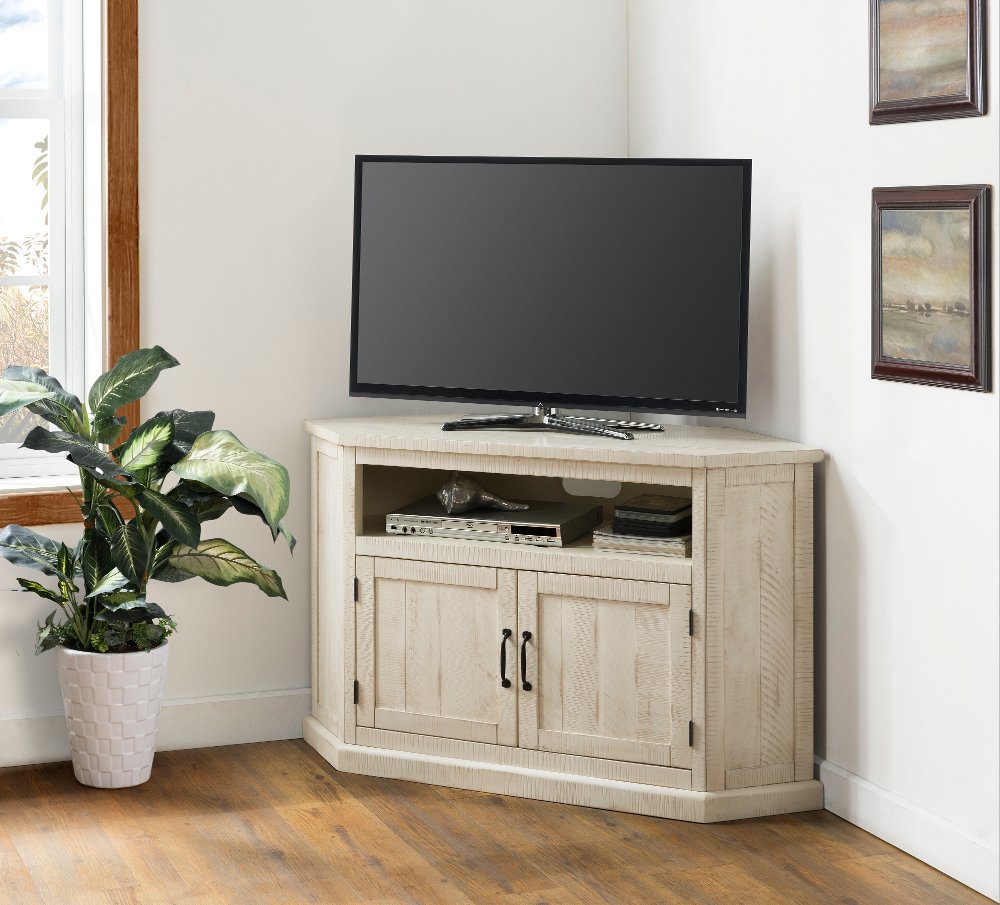
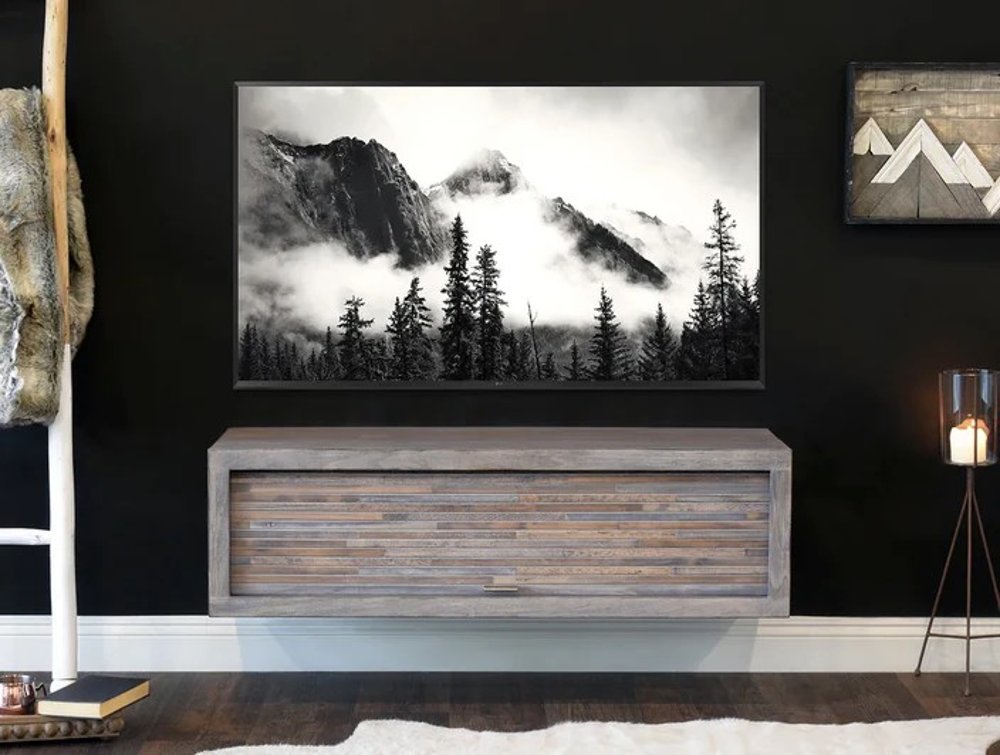
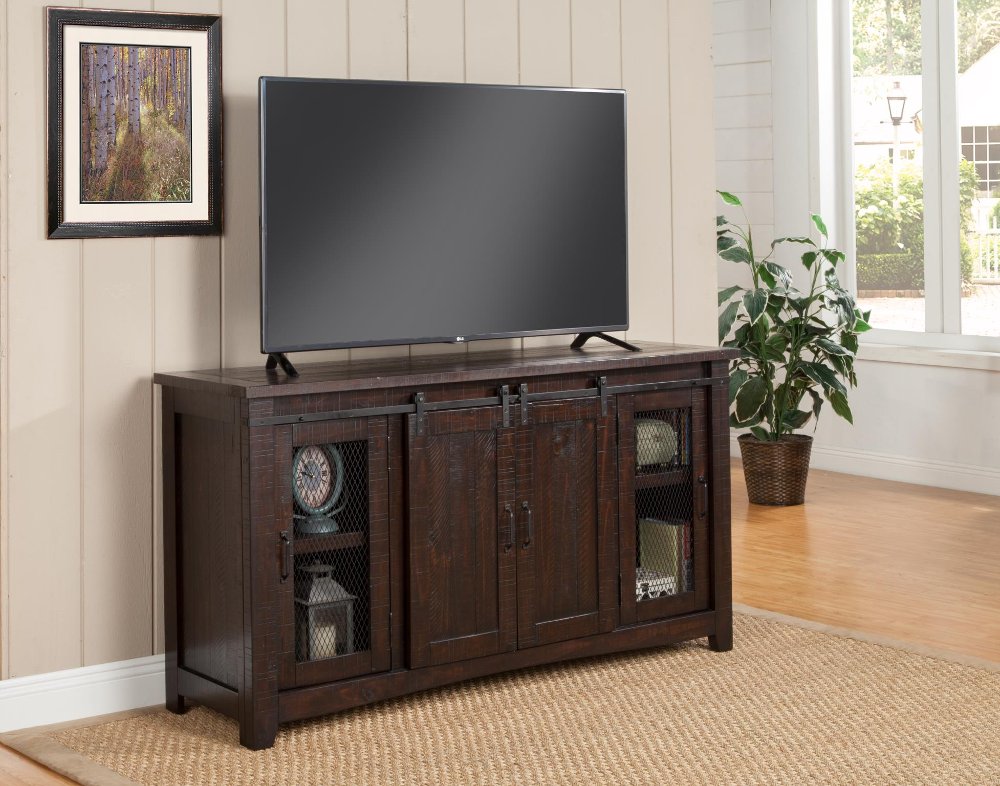
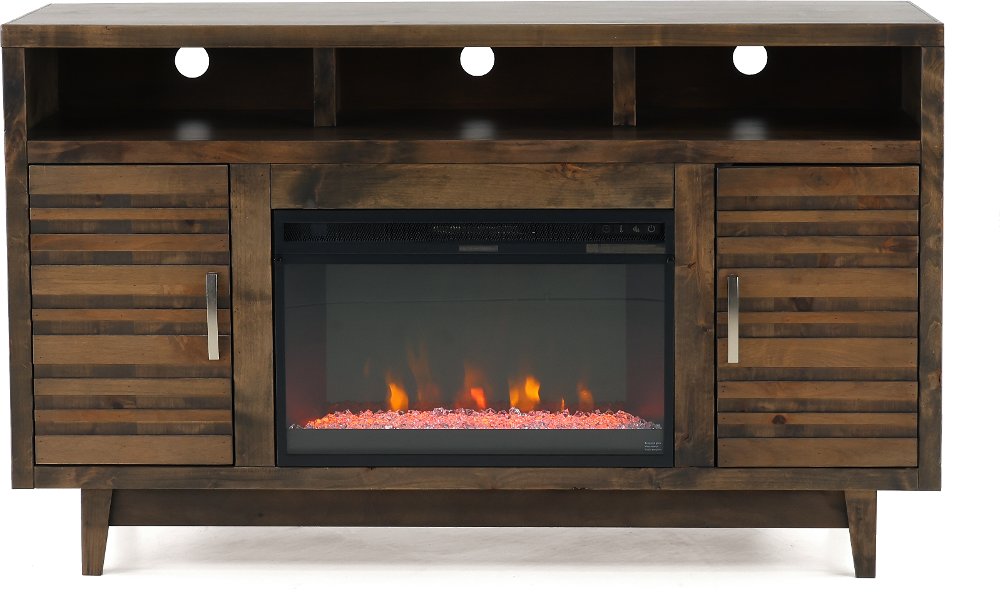
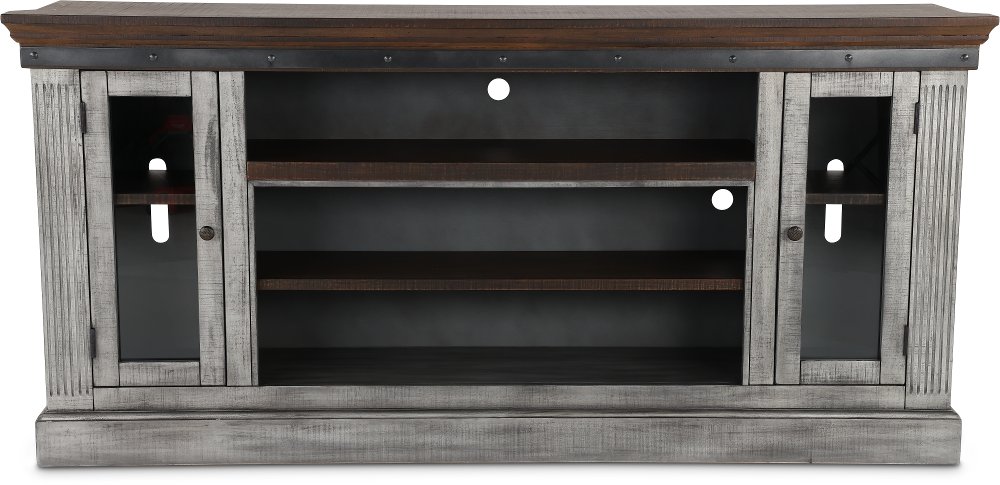
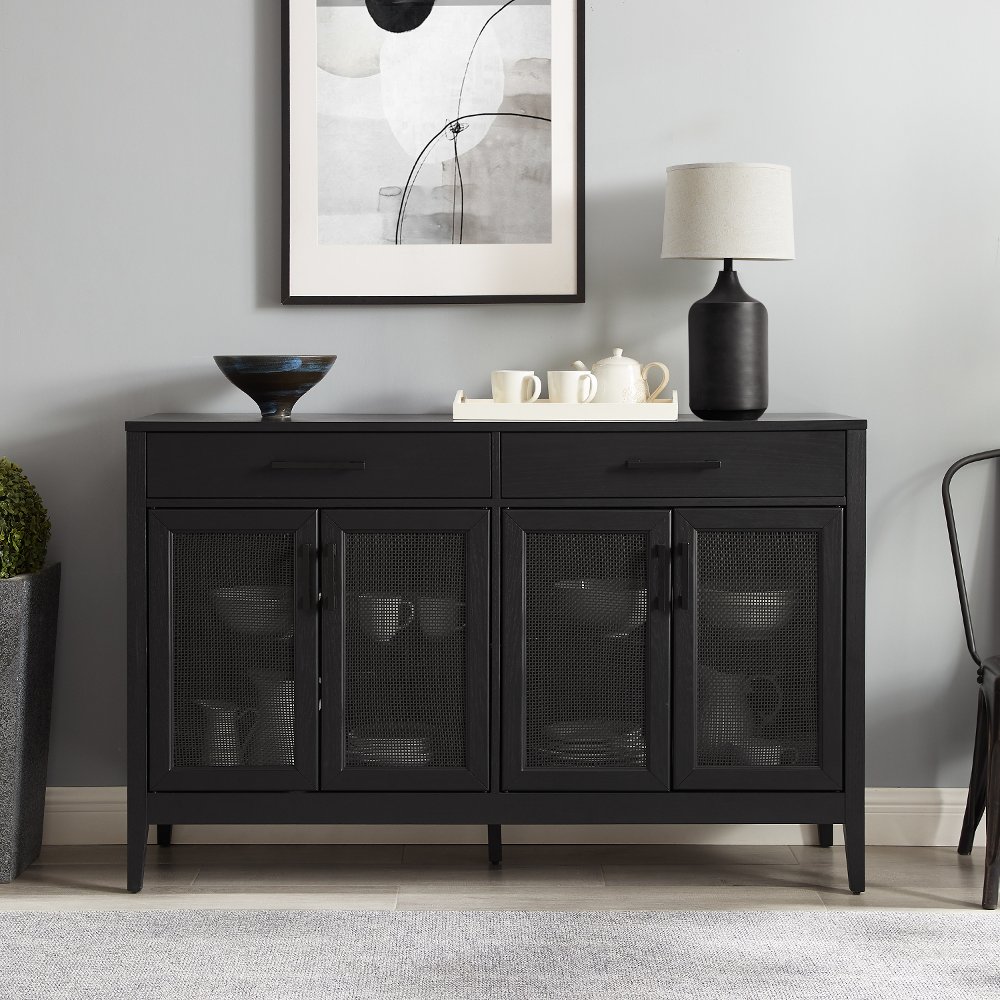
A 47-inch TV stand is generally about 47 inches wide; that measurement describes the furniture, not the diagonal screen size of the television it can hold. This size offers a useful middle ground for living rooms, apartments, bedrooms, and dens where a full entertainment center would take up too much space. Many televisions in the 43- to 50-inch range can be a practical match, provided the stand’s stated TV-size limit, weight capacity, and usable surface dimensions support the particular television. Screen size alone doesn’t tell the whole story. A television with feet near its outer edges needs a different amount of support than one with a central pedestal, and both feet or the entire pedestal should sit securely on the top. A 55-inch television may be wider than a 47-inch console, so checking the manufacturer’s compatibility requirements matters more than matching numbers in a product name. Measuring the room is just as helpful. Include the baseboard, nearby doorways, and the space needed to open cabinet doors or drawers without bumping a coffee table. Depth deserves attention, too: a shallower console can preserve a walkway, while a deeper one may better accommodate larger components and their cable connections. In a bedroom, the viewing position from the bed may call for a different stand height than a low sofa in a family room. Aim for a comfortable sightline rather than choosing height by appearance alone. A console beneath a wall-mounted TV can also provide storage without carrying the screen, though the television still needs a properly installed wall mount. For a larger screen or a room that needs a longer furniture profile, Wide TV Stands provide another proportion to consider. The best fit leaves the television supported, the room easy to move through, and everyday essentials close at hand.
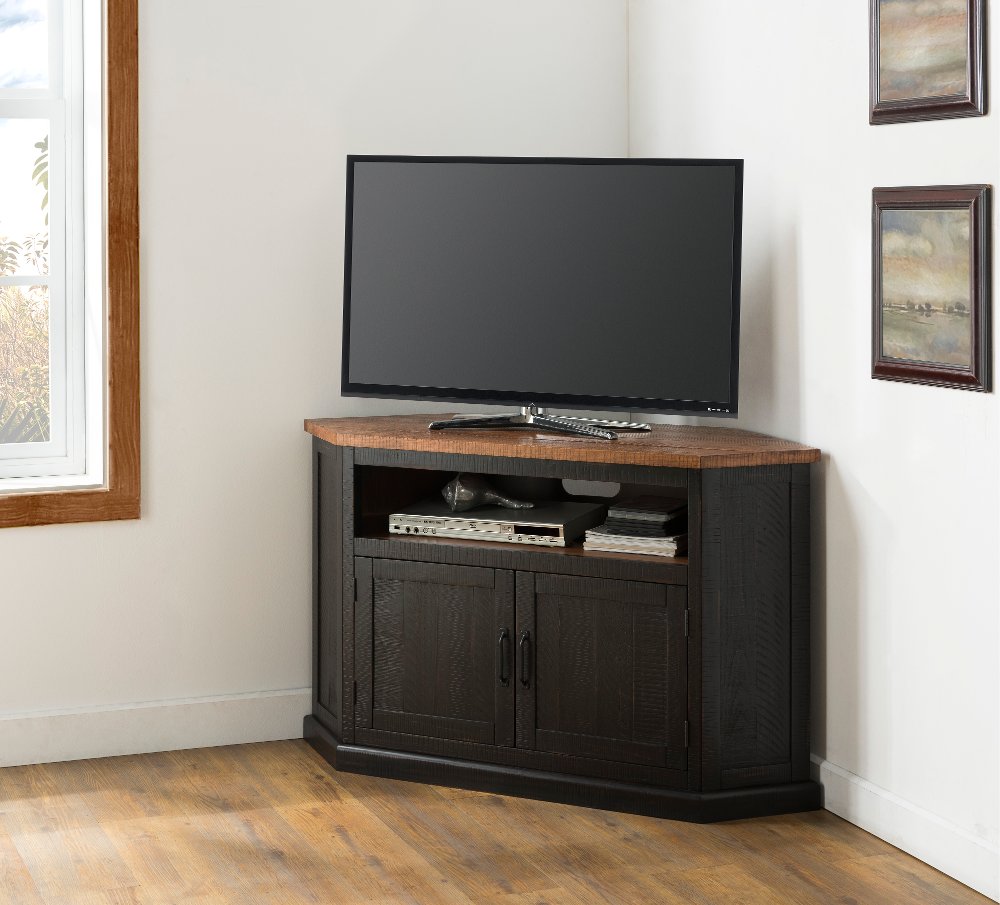
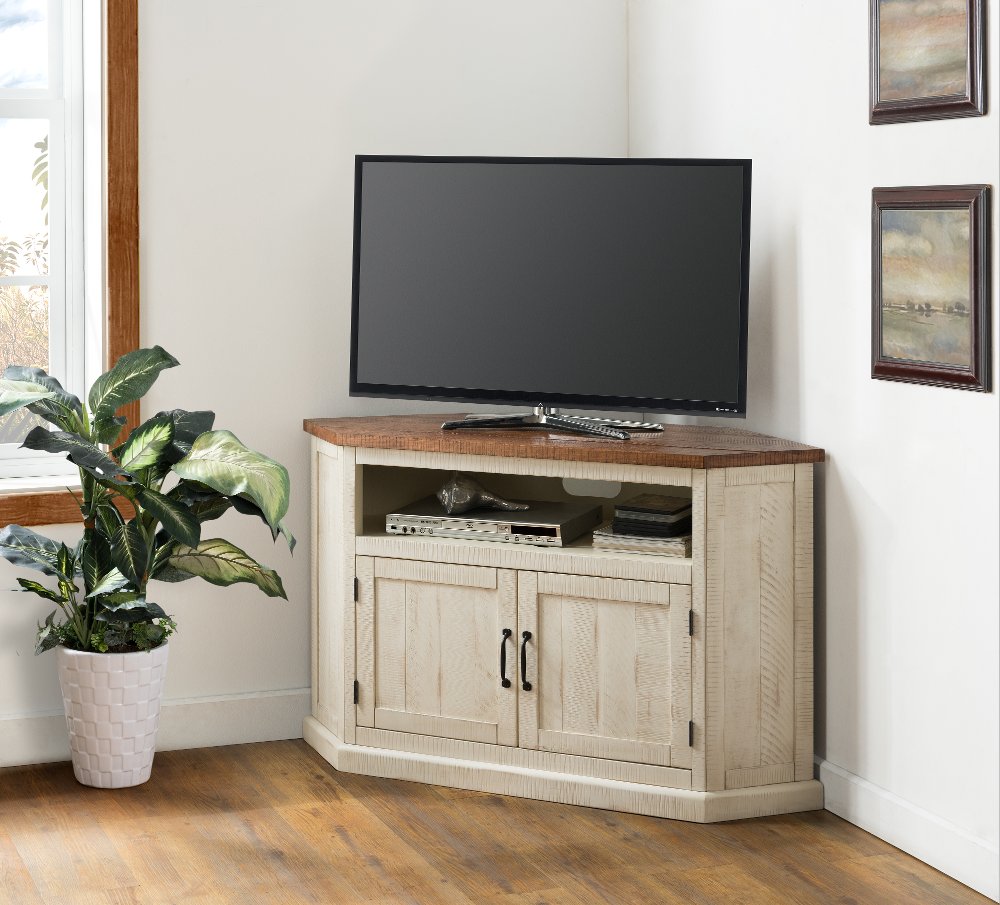
The materials and finish of a 47-inch entertainment console help determine both its appearance and how it handles daily use. Solid wood brings natural grain and character, with variations that make the surface feel less uniform. Wood veneer offers a real-wood surface over a supporting core, while engineered wood with a laminate finish can provide a consistent appearance and a practical surface for everyday living. None of those labels tells the entire durability story; construction, hardware, finish quality, and proper assembly all play a part. Metal frames can create an open, lighter-looking profile, while glass shelves keep components visible and visually reduce bulk. Where glass is used, check whether it’s tempered and follow the stated load limits for each shelf. Style becomes easier to narrow down when it connects with furnishings already in the room. A warm wood finish can complement a leather chair or woven rug, a painted cabinet can blend with trim and bookcases, and a dark frame can echo the legs of nearby tables. Matching every finish isn’t necessary; repeating one color or material often gives the space enough continuity. Storage details make an equally noticeable difference once the room is in use. Open shelves put a game console or streaming device within easy reach, while cabinet doors help conceal controllers, spare cables, and the small accessories that otherwise collect around a screen. Adjustable shelving can make room for components of different heights, but shelf depth and rear clearance still need to accommodate plugs. A soundbar needs an unobstructed position with dimensions that suit the equipment, not simply an empty shelf. Cable openings are especially useful when several devices share the console. They let cords travel toward the outlet without stretching across the front, although an opening alone doesn’t guarantee enough ventilation. Equipment that generates heat needs the clearance recommended by its manufacturer, including space behind and above it.
In everyday use, 47-inch TV stands can serve very different households. In a first apartment, a compact media console may hold the television, a gaming system, and a basket of charging cables without taking over the living area. In a shared family room, enclosed storage can give remotes and controllers a consistent home, making cleanup simpler before guests arrive. In a guest bedroom, a stand with a clean top and a little closed storage can keep the viewing area useful without making the room feel crowded. Open bases may allow easier access for cleaning, while lower cabinets can offer more concealed space; the right balance depends on what needs to live there. Think about how devices actually work before placing them behind doors. Some remotes require a clear line of sight, and networking equipment may perform better outside an enclosed compartment. Keep power strips accessible, protect cords from pinching, and leave enough slack for connections without creating loops where people walk. Stability also belongs in the plan from the beginning. Place the stand on a level surface, follow all assembly instructions, observe the separate weight limits for the top and shelves, and use the manufacturer’s recommended anti-tip restraints. Secure the television as directed, particularly in homes with children or pets, and avoid placing tempting objects where a child might climb to reach them. Routine care helps preserve the finish without making maintenance complicated. Dust with a soft cloth, wipe up spills promptly, and use only cleaners approved for the specific material. Spray cleaner onto the cloth rather than directly near seams, electronics, or cable openings. Lift components when moving them instead of dragging them across the top, and use protective pads beneath accessories when appropriate for the finish. With thoughtful sizing, useful storage, and straightforward care, a 47-inch TV console can make the viewing area feel organized and comfortable while leaving room for the rest of daily life.
Read More