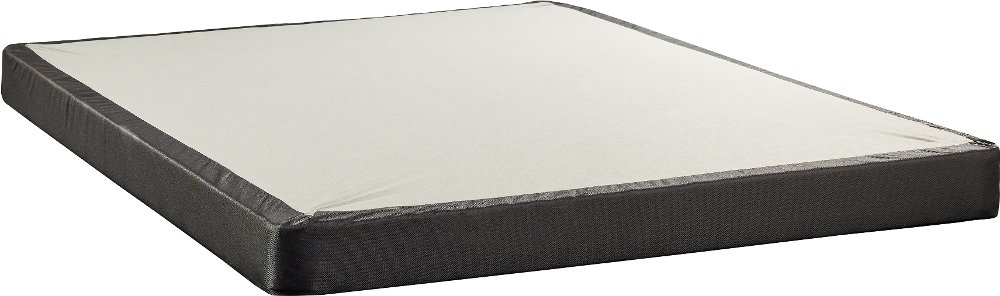
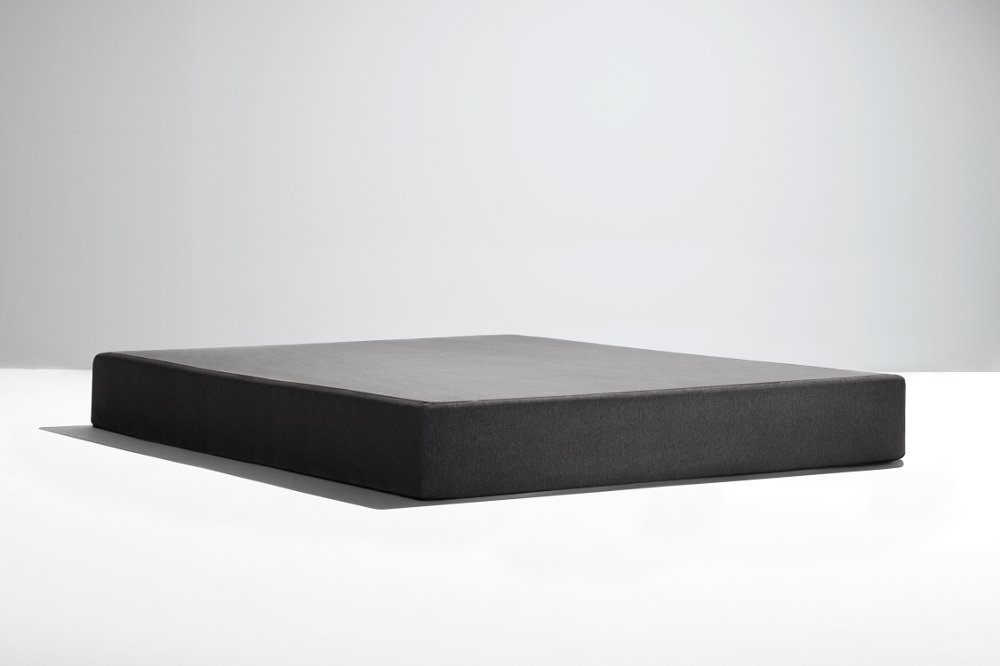
A 5-inch box spring gives your mattress a supportive base while keeping the overall bed height lower than a traditional, taller foundation. That smaller profile can make a noticeable difference when a thick mattress leaves the bed feeling higher than you’d like. Instead of replacing a mattress that otherwise suits your needs, a compatible low-profile foundation may help bring the sleep surface to a more comfortable level. Compared with standard box springs, which are often around 9 inches tall, a 5-inch option can reduce the height of the same bed setup by roughly 4 inches. The difference is easy to picture: more of the headboard stays visible, the mattress sits closer to the bedside table, and getting into bed may feel less like climbing up onto it. The right height depends on the entire arrangement, including the bed frame, foundation, and mattress—not the foundation alone. A tall upholstered frame with a deep mattress will still sit differently from a simple metal frame with a thinner mattress, even when both use a 5-inch box spring. For everyday comfort, consider whether the finished sleep surface lets you sit at the edge with your feet resting comfortably on the floor. A lower setup can suit someone who prefers easier access, a teenager moving into a larger bed, or a guest room where a substantial mattress needs a less bulky base. It can also work well in bedrooms with a low headboard or a streamlined furniture style, where extra foundation height would change the proportions of the bed. Low profile describes the foundation’s height rather than its firmness or support quality, so a shorter base isn’t automatically a compromise in durability. The goal is a foundation that fits the mattress and frame correctly, provides the support the mattress requires, and leaves the bed at a height that feels natural to use. Appearance matters, but a comfortable, stable setup should lead the decision.
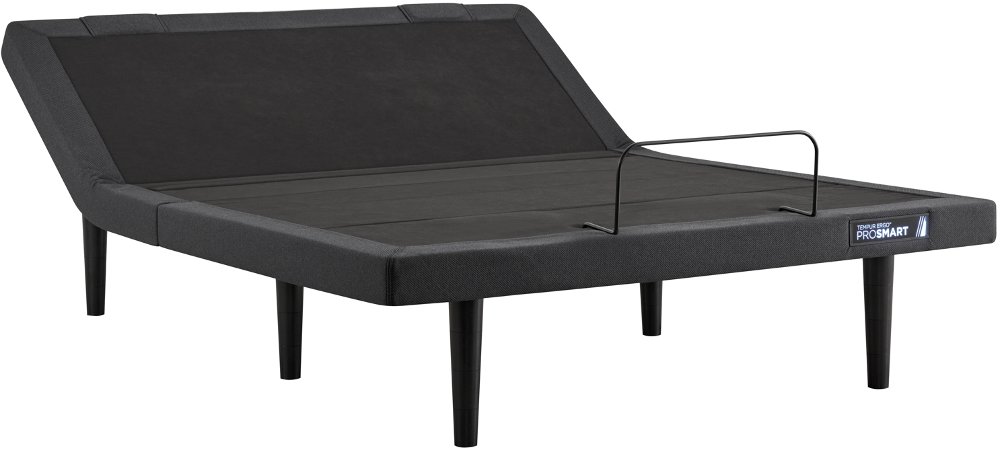
Construction is especially important because “box spring” is often used as a general name for mattress foundations, even though the internal designs can differ. A traditional box spring contains springs that add some give, while many modern foundations use a rigid wood or metal structure with a supportive surface and fabric covering. Wood framing, metal reinforcement, slat spacing, and the design of the top surface all affect how the base supports the mattress. A neat fabric cover gives the foundation a finished appearance, but the structure underneath does the essential work. Some mattresses are designed for a particular type of foundation, and many foam and hybrid mattresses require firm, evenly distributed support rather than a spring-based base. The mattress manufacturer’s requirements should determine whether a 5-inch box spring or foundation is suitable; height alone doesn’t establish compatibility. Those requirements may also specify slat spacing, center support, or other conditions needed to maintain warranty coverage. Fit deserves the same attention. The foundation should match the mattress size and sit securely within the bed frame without overhanging its supporting edges. Nominal size labels are a starting point, but checking actual dimensions helps prevent surprises, especially with older frames or beds that have decorative side rails. Queen and king setups commonly need center support, with support legs reaching the floor as specified by the frame and mattress manufacturers. A platform bed may already provide the support a mattress needs and may not require an additional foundation at all. Likewise, an adjustable base generally supports a compatible mattress directly, rather than using a conventional box spring between the two. Room access can matter as much as the finished fit: a rigid foundation needs to pass through doorways, around stair landings, and into the bedroom. Split foundations can make that process easier for larger beds, though a split design doesn’t necessarily make each section compact enough for every staircase. For a guest bedroom, apartment, or primary bedroom, the best match combines the right dimensions, appropriate construction, and a frame that supports the foundation as intended.
A well-matched 5-inch box spring should feel steady in daily use, whether the bed serves as your regular sleeping space or welcomes occasional overnight guests. Durability depends on sound construction, proper support underneath, and use within the manufacturer’s stated limits. A low-profile foundation still needs to carry the combined load of the mattress and sleepers, so it’s worth checking any listed weight capacity and assembly requirements rather than judging strength by thickness. If a foundation requires assembly, secure connections and correctly installed supports are essential to the finished structure. Replacing an older base can also be appropriate when its frame is cracked, its surface is uneven, or it makes persistent noises after loose bed-frame connections have been addressed. A new mattress won’t correct a worn or poorly supported foundation, and a shorter foundation won’t resolve an unstable bed frame. Routine care is usually straightforward: keep the surrounding area clean, gently vacuum the fabric with an upholstery attachment when the care instructions allow, and address spills according to the manufacturer’s directions without soaking the covering or interior. Let any cleaned area dry fully before covering it again, and avoid trapping moisture against the foundation. During a move, protect the fabric from snagging and support the structure rather than dragging it or forcing it through a tight opening. Periodic checks of the bed frame and center supports can help identify loosened hardware before movement becomes more noticeable. The lower profile also changes how bedding sits, so a bed skirt should match the distance from its attachment point to the floor, not simply the foundation height. Small details like that help the finished bed look intentional rather than oversized or crowded. Whether the priority is showing more of a favorite headboard, keeping a thick mattress within easy reach, or creating a balanced guest-room setup, a 5-inch foundation offers a practical way to adjust bed height. Its value comes from getting the whole bed arrangement right: compatible mattress support, a secure frame, manageable dimensions, and comfortable everyday access.
Read More