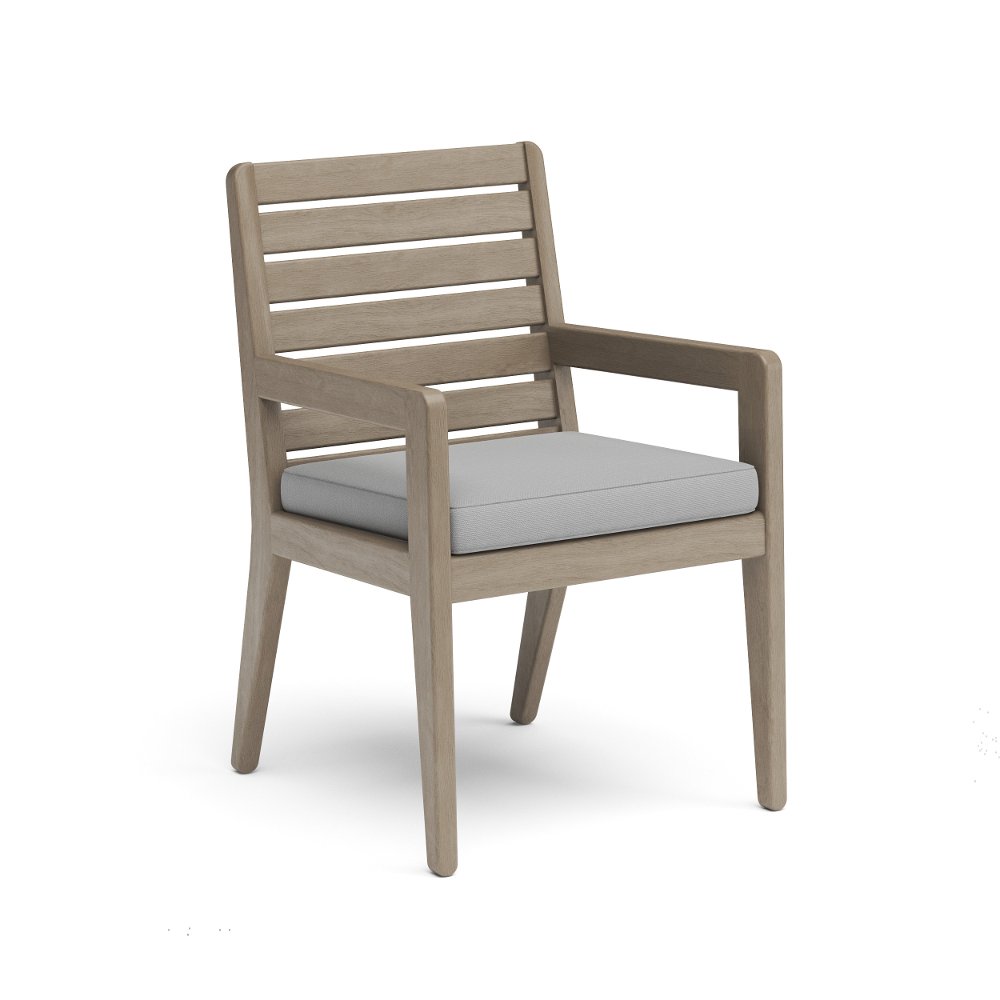
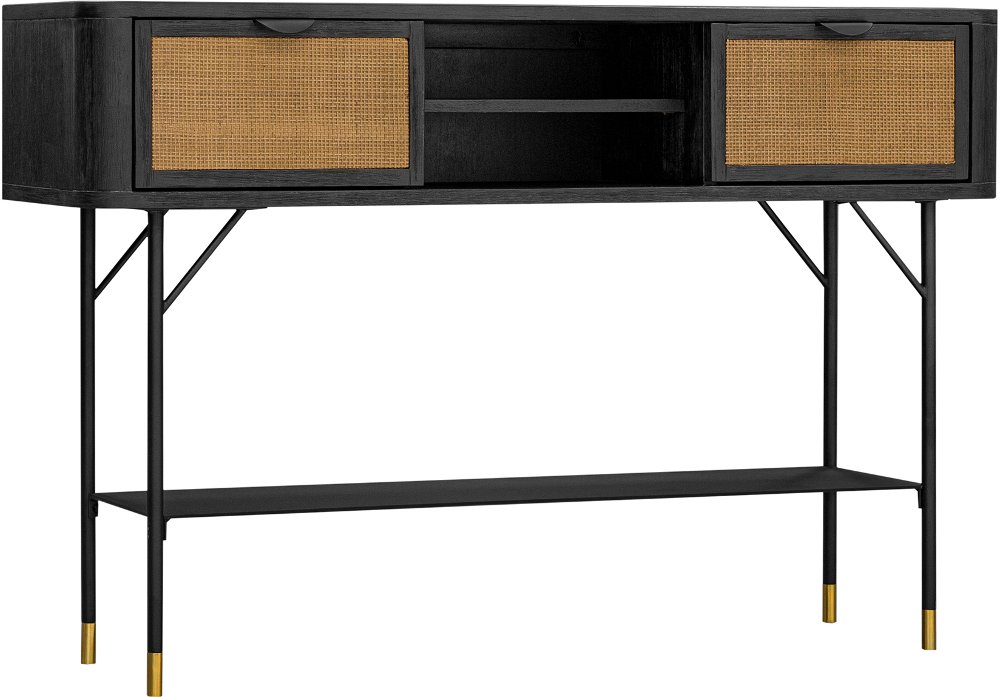
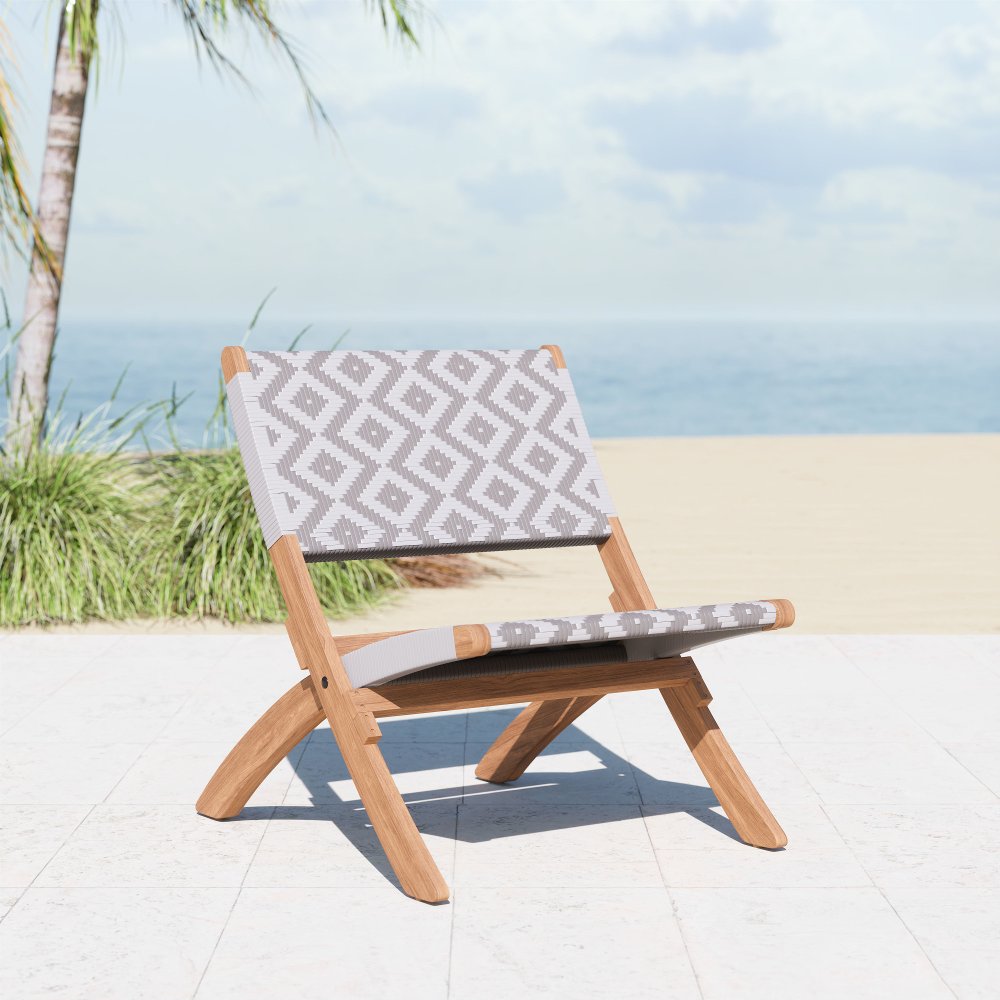
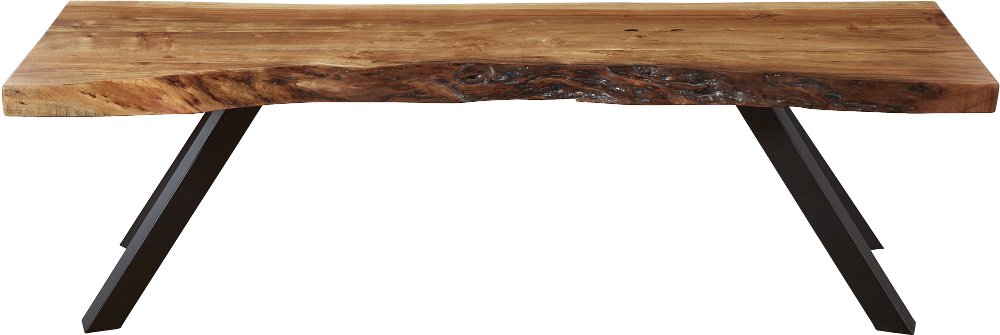
Acacia wood patio furniture brings the warmth of natural wood to the places where everyday life spills outdoors: a covered porch for morning coffee, a backyard dining area for family meals, or a quiet corner with room to stretch out after work. Its appeal starts with the grain. Acacia can show flowing lines, knots, and shifts from golden brown to deeper reddish tones, giving each piece a character that painted or molded surfaces don’t quite replicate. Color varies with the wood species, stain, and finish, so the overall look can range from light and relaxed to rich and substantial. As a hardwood, acacia is generally dense and well suited to furniture construction, though outdoor performance depends on much more than the material name. Sound joinery, appropriate hardware, a protective finish, and thoughtful placement all contribute to how a piece handles regular use. Natural resistance to wear and some moisture makes acacia a practical choice for outdoor settings, but it isn’t waterproof or maintenance-free. That balance is worth keeping in mind: you get a real wood surface with depth and texture, along with the responsibility of caring for it as conditions change. Visually, acacia works with a wide range of homes. Simple wood frames and neutral cushions feel comfortable beside brick, stone, or siding, while combinations of wood and metal can bring a cleaner, more contemporary feel to a deck. Woven accents soften the look, and textured outdoor pillows can make a seating area feel connected to the rooms just inside the door. You don’t need every finish to match exactly. Repeating a cushion color or choosing wood tones with similar warmth often creates enough continuity. For households that use the patio as an extension of the living room, acacia offers an inviting foundation without making the space feel overly formal. It’s equally at home around a lively dinner table or beside a single chair tucked under the porch roof.
The best fit starts with what actually happens in your outdoor space. If meals are the main event, focus on comfortable chair heights, enough tabletop space for serving dishes, and room for people to sit down without squeezing past a railing. Measuring the furniture footprint alone won’t tell the whole story; allow space behind chairs when they’re pulled out, and preserve a clear route to the door, grill, and steps. Painter’s tape can help outline a dining or seating arrangement before you commit to its scale. On a narrow balcony, a compact arrangement may feel more comfortable than a larger one that technically fits but leaves little room to move. On a broad deck, distinct dining and lounging areas can keep a serving tray from competing with someone’s place to put their feet up. When shared meals are your priority, acacia wood patio dining sets offer a coordinated starting point for creating a gathering space. Pay attention to table aprons and arm heights, especially if you want chairs to tuck neatly underneath. For conversation areas, seat depth, back angle, and cushion thickness matter just as much as appearance. A deep seat invites lounging, while a more upright chair may feel better for reading, eating, or getting up frequently to check on dinner. Someone who prefers extra support may appreciate sturdy arms and a seat height that makes standing easier. Families with young children may favor rounded edges and surfaces that are simple to wipe clean, while frequent hosts may value arrangements that keep guests facing one another. Furniture weight matters, too: dense wood can feel reassuringly substantial, but pieces that need to move often should still be manageable for the person moving them. Check dimensions, weight limits, assembly requirements, and cushion details rather than assuming similar-looking pieces will function the same way. Those practical differences shape how comfortably your patio serves the people using it.
Caring for acacia outdoor furniture is mostly about limiting prolonged exposure and following the directions for its particular finish. A covered patio provides helpful shelter, though wind-driven rain, humidity, and low-angle sunlight can still reach the wood. In an exposed setting, well-fitted, breathable furniture covers can reduce weather exposure when the furniture isn’t in use. Let surfaces dry before covering them, secure covers as directed, and allow airflow so moisture doesn’t stay trapped underneath. For routine cleaning, a soft cloth or brush and a mild cleaning solution approved by the manufacturer are generally a better choice than harsh chemicals or a pressure washer. Clear away leaves and debris, wipe up food and drink spills promptly, and avoid leaving damp cushions pressed against the wood. Standing water beneath furniture legs can also create trouble, so placement on a surface that drains well helps. Sunlight and weather may gradually change acacia’s color, sometimes softening it toward a gray patina. If maintaining the original tone matters to you, check the recommended maintenance schedule and finish requirements before choosing a piece. Not every finish needs oil, and applying an incompatible oil or sealer can create an uneven or sticky surface. Use only treatments suited to the furniture’s existing finish, with any preparation the manufacturer specifies. During the cooler months, especially where freezing temperatures, snow, or extended wet weather are common, clean, dry storage offers added protection. Cushions deserve separate attention: outdoor fabric and filling vary in how they handle moisture, fading, and cleaning, and water resistance doesn’t mean they can stay wet indefinitely. Store cushions somewhere dry when conditions call for it, and periodically check fasteners for loosening as the furniture sees use and seasonal changes. With realistic expectations and steady care, acacia wood patio furniture can support everything from a few peaceful minutes outside to a full table of guests. Choosing the right scale, comfort, and level of upkeep helps make that outdoor space one you’ll enjoy using, not just looking at through the window.
Read More