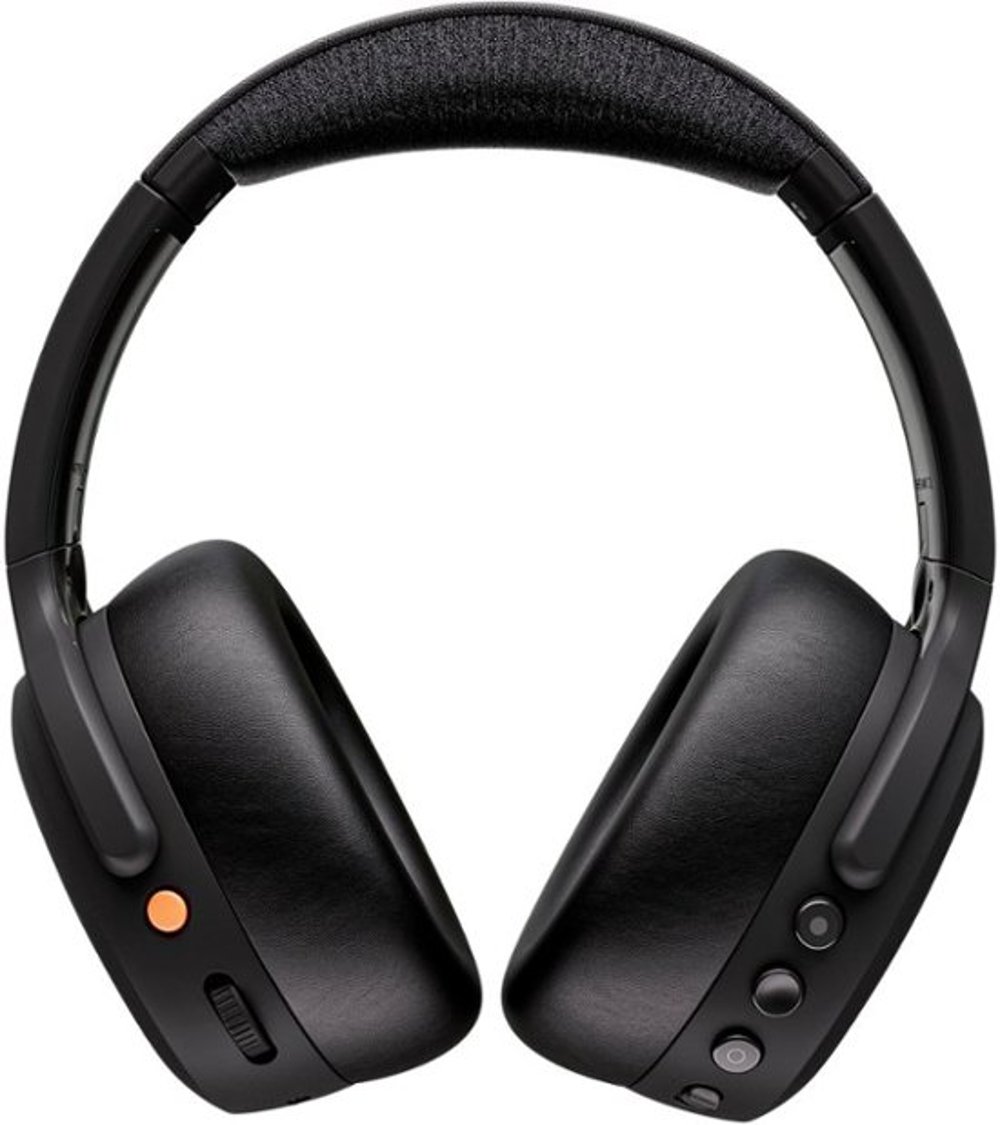
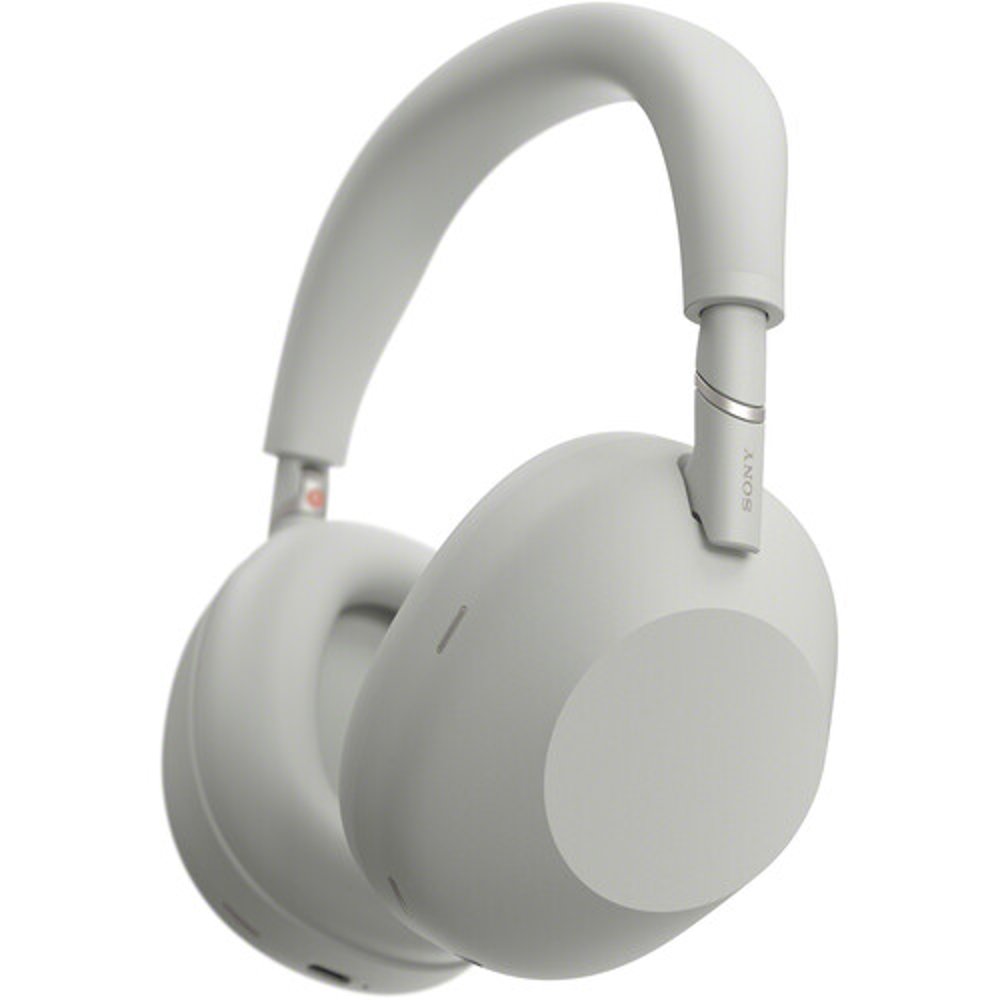
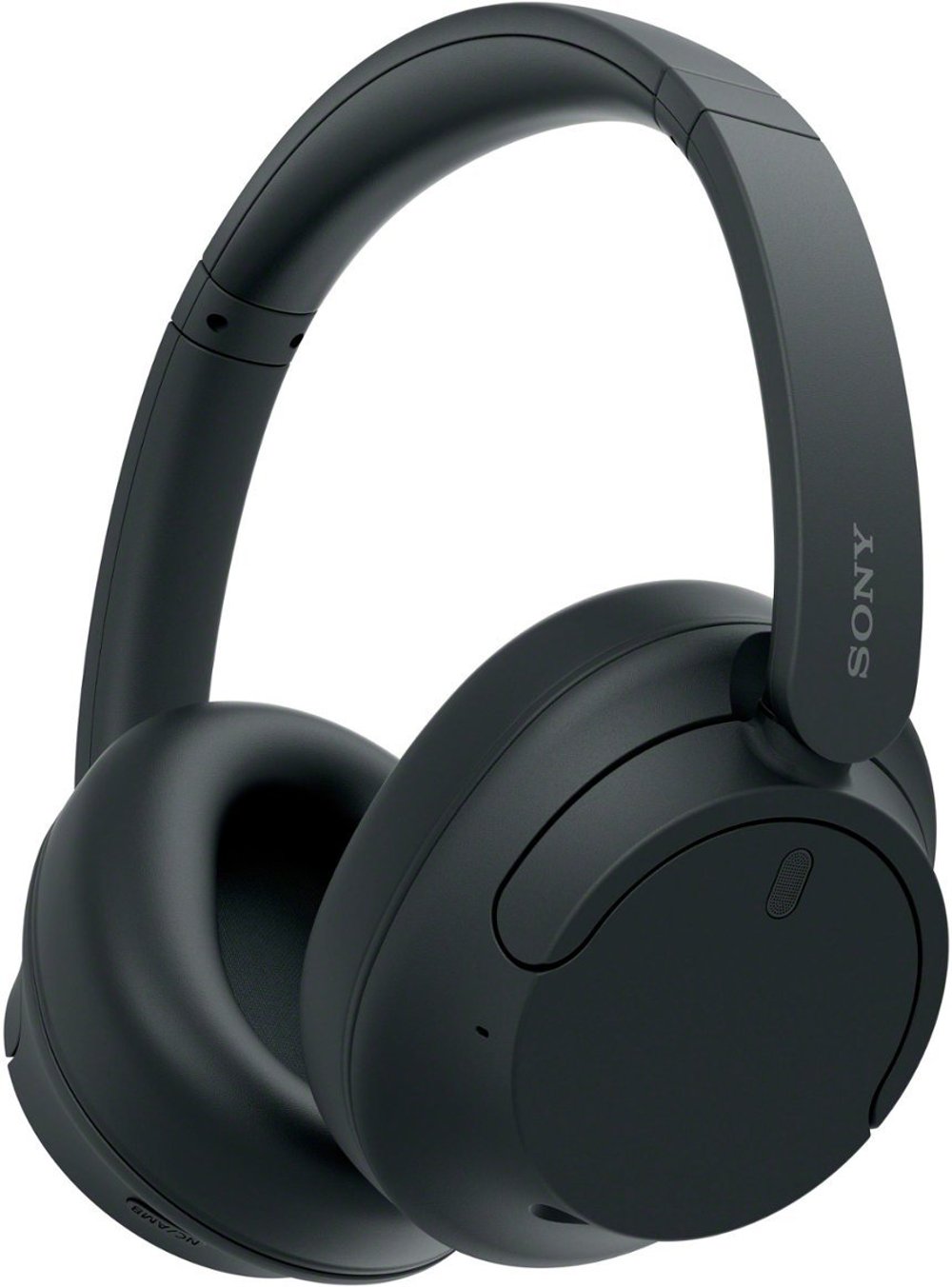
Adaptive noise cancelling headphones are designed to make everyday listening more comfortable by responding to the sounds around you. Built-in microphones monitor nearby noise, while the headphones process that information and adjust their noise-cancelling level in real time. In a steady environment, such as an airplane cabin, train, or busy office, they can provide stronger noise reduction for a more peaceful listening experience. When the surroundings change, the headphones can respond instead of holding to one fixed level. For example, the sound profile may shift as you walk from a loud sidewalk into a quiet café or move between rooms at home. This makes adaptive noise cancellation especially useful for people whose days take them through several different environments. It can help soften the rumble of an engine, the hum of heating and cooling systems, nearby conversations, keyboard tapping, and the general bustle of a shared space. Noise cancellation works best with consistent, low-frequency sounds, so it may not remove every sudden voice, horn, or announcement. Many models also include a transparency or ambient sound mode that lets outside audio in when you need to hear a travel update, speak with a coworker, listen for a child, or stay aware of your surroundings. Since adaptive systems adjust continuously, comfort can feel more natural than wearing headphones with one unchanging level of cancellation. Some advanced designs also account for the fit of the earcups, the shape of your head, or the way glasses affect the seal. Performance still depends on the individual fit, so a comfortable headband, soft ear cushions, and an effective seal deserve as much attention as the technology itself.
When comparing adaptive noise cancelling headphones, start with the way you expect to use them. Over-ear styles generally offer generous ear coverage and plush cushioning, which can be helpful on long flights, extended work sessions, or quiet evenings with music and podcasts. On-ear styles may feel lighter and more compact, though their smaller cushions can allow more outside sound to reach your ears. Consider the weight, adjustability, folding design, and carrying case if the headphones will travel in a backpack or work bag. Battery life matters when you spend time away from an outlet, but the advertised number may vary depending on volume, wireless features, call use, and whether noise cancellation stays active. Some models offer a quick-charge feature for a short listening session, while others can continue playing through a wired connection if the battery runs low. Bluetooth range, connection stability, device compatibility, and multipoint pairing can make a noticeable difference when you move between a phone, tablet, and computer. For video calls, look for a microphone system that supports clear speech in addition to comfortable listening. Controls should be easy to find without removing the headphones, especially when you’re carrying groceries, walking through an airport, or settling into a focused work block. Sound preferences are personal, too. Some listeners enjoy a warm, fuller presentation for music, while others prefer crisp voices for audiobooks, lectures, and calls. Adjustable equalizer settings can help you shape the sound to suit different types of content. If you wear glasses, have a larger or smaller head size, or plan to use the headphones for several hours at a time, pay close attention to cushion depth and clamping pressure. A secure fit should feel steady without creating a distracting squeeze. These practical details often determine whether a pair becomes the one you reach for every day.
Adaptive noise cancelling headphones can support many routines, from commuting and studying to relaxing at home during the cooler months. A remote worker may use them to create a calmer boundary between a busy household and a video meeting, then switch to ambient mode when someone needs their attention. A traveler can use them to take the edge off airport announcements and cabin noise while keeping the option to hear important information. Students may appreciate a more focused listening environment in a library, residence hall, or shared study area; explore Noise Cancelling Headphones For Students for options suited to that routine. They can also make a thoughtful gift for a commuter, frequent flyer, college student, remote professional, music lover, or anyone who enjoys podcasts and audiobooks. For a gift, consider the recipient’s daily habits rather than choosing by appearance alone. A compact design may suit someone who travels light, while a cushioned over-ear pair may be more comfortable for someone who listens at a desk. Parents and caregivers may value easy controls and reliable transparency features, while a frequent traveler may prioritize battery life and a protective case. Noise-cancelling headphones are not intended to replace hearing protection in especially loud work environments, and users should keep volume at a comfortable level for extended listening. It’s also wise to stay alert near traffic, on busy streets, and anywhere outside awareness is important. The right pair can become a small but meaningful part of the day: a calmer train ride, a clearer conversation, a focused hour of study, or a favorite album enjoyed without turning the volume up to compete with the room.
Read More