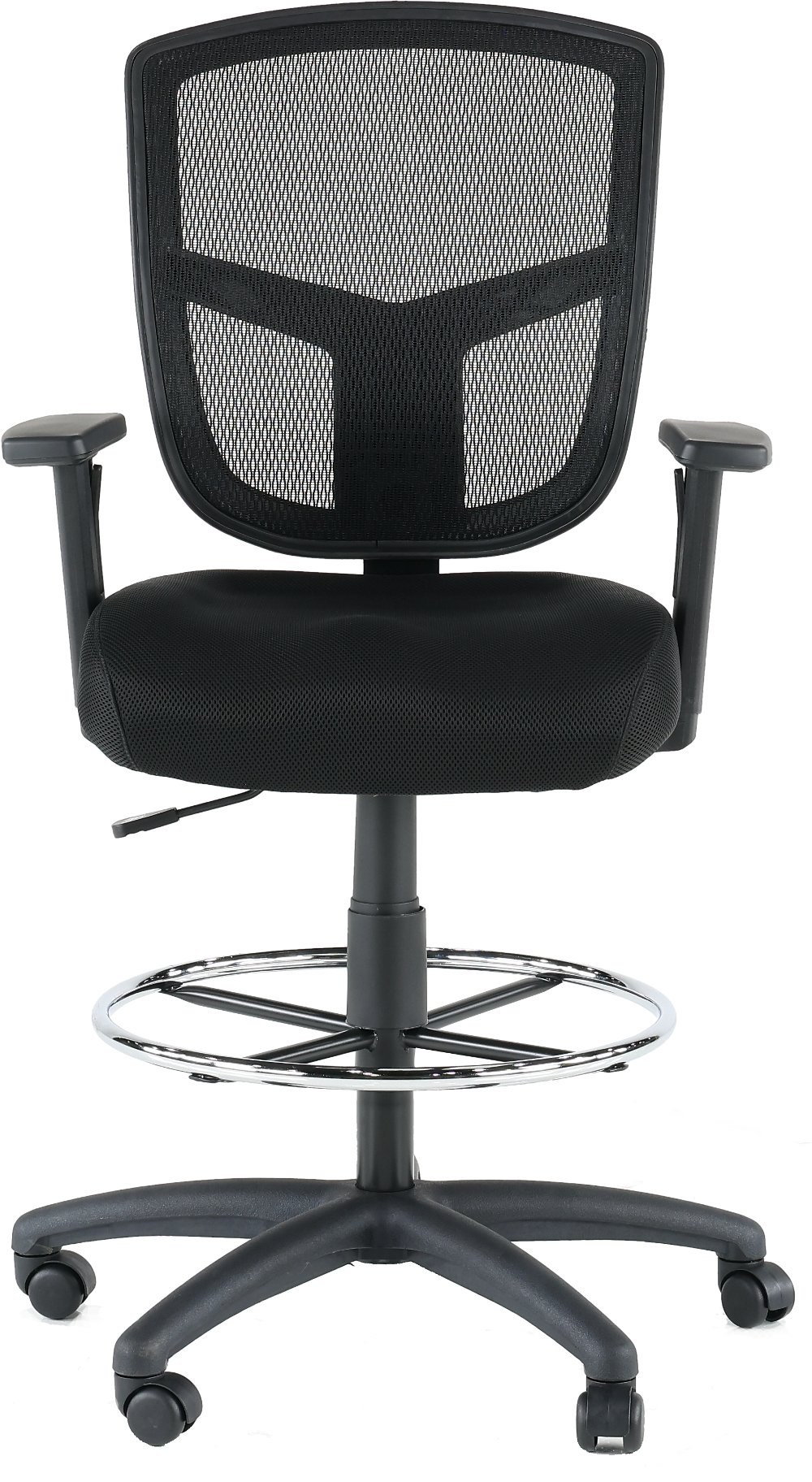
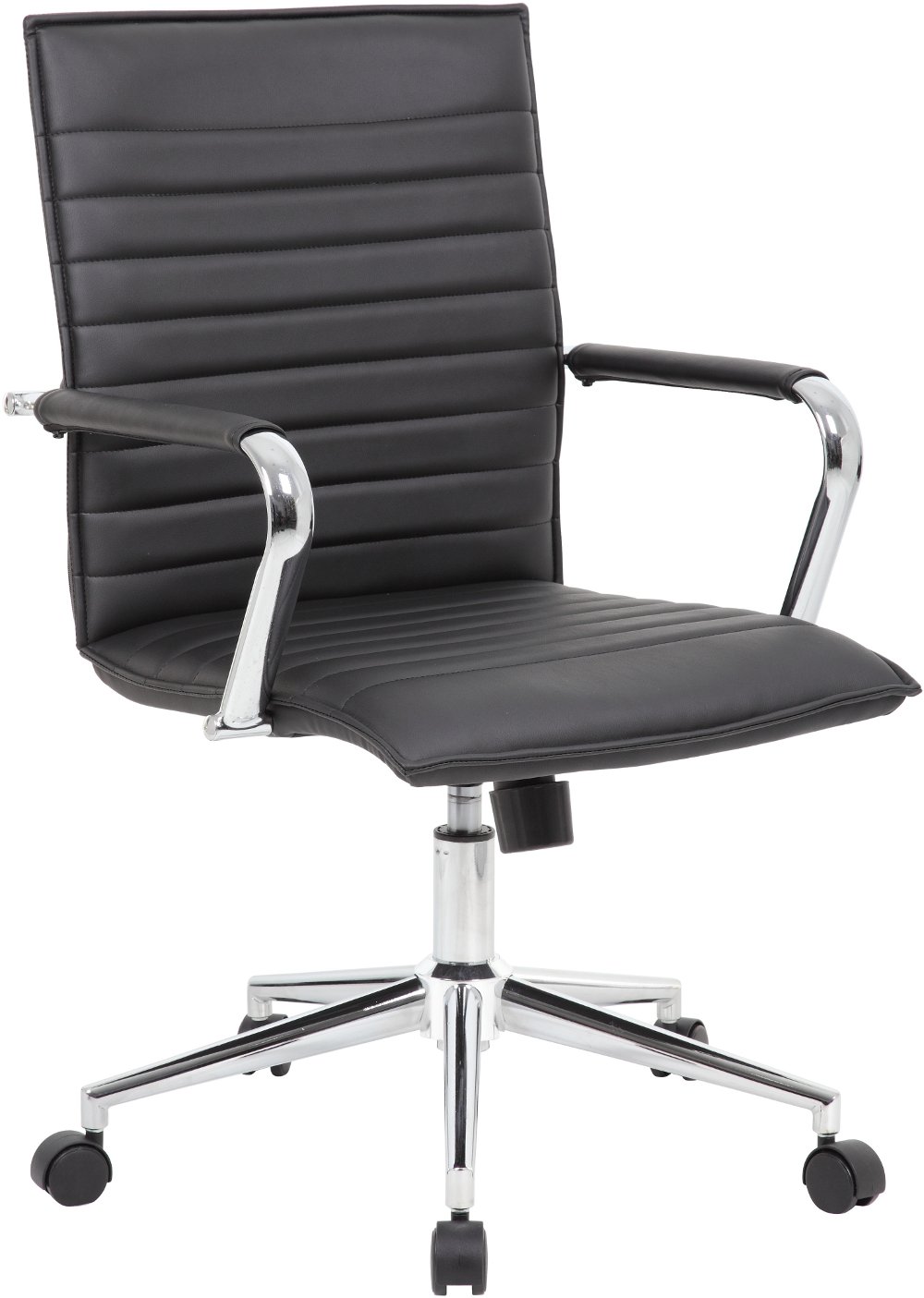
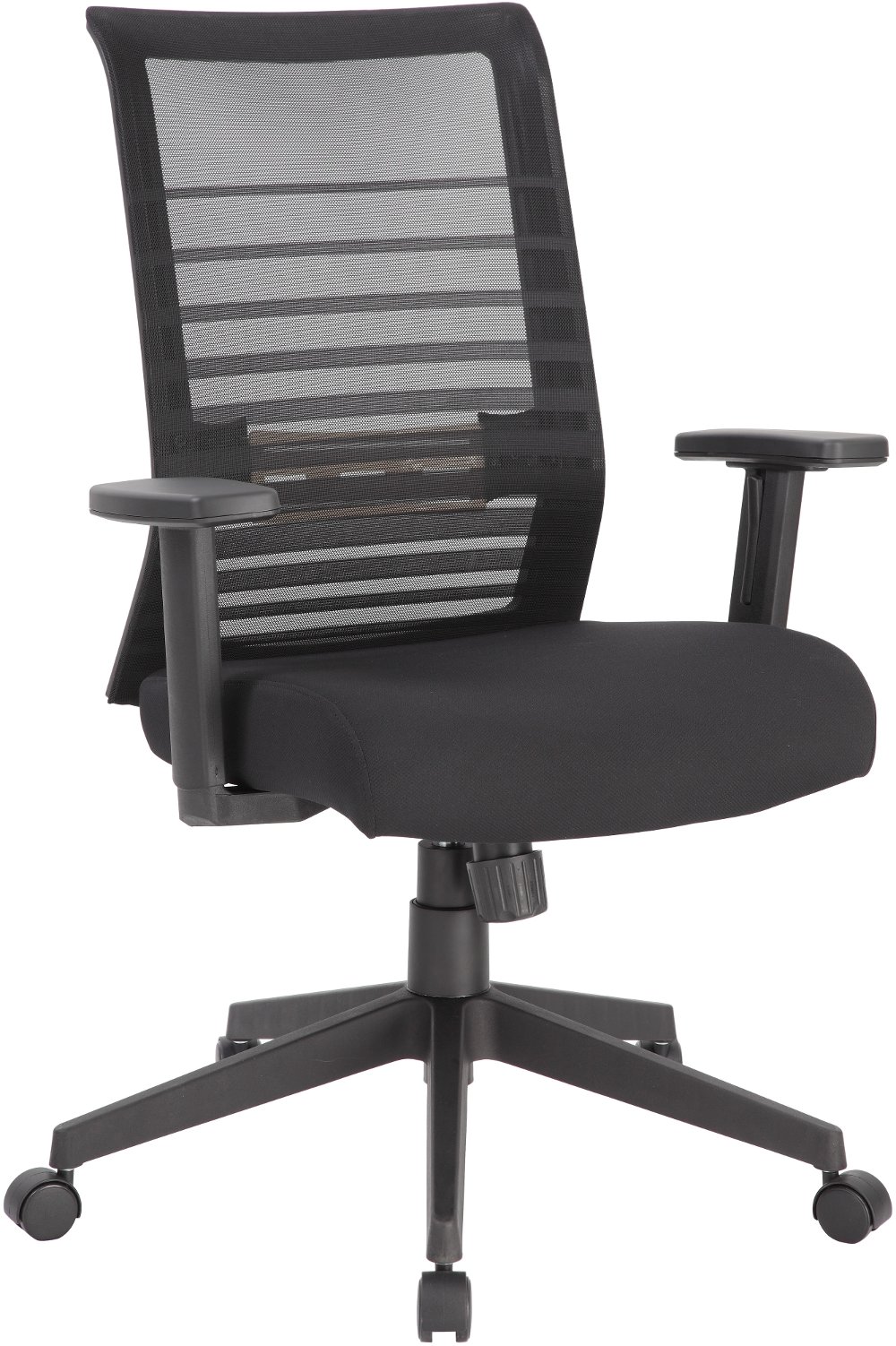
Adjustable ergonomic office chairs help you create a more comfortable, supportive place to work, study, manage household tasks, or enjoy a favorite hobby. Unlike a chair with one fixed position, an adjustable design lets you fine-tune the fit around your body and your daily routine. Start with seat height: raise or lower the chair until your feet rest flat on the floor, your knees sit at about a right angle, and your thighs feel supported without pressure behind the knees. If your desk is tall, you may need to adjust the chair and use a footrest so you can keep your shoulders relaxed rather than lifting them toward your ears. Seat depth also matters, especially if more than one person will use the chair. Slide the seat forward or backward so it supports most of your thighs while leaving roughly two to three fingers of space between the front edge and the backs of your knees. A seat that feels too short can leave your legs unsupported, while one that extends too far may press against your knees. Look for a backrest that follows the natural shape of your spine and a lumbar support you can position to meet the inward curve of your lower back. Some office chairs let you move this support up or down, while others also let you adjust how far it projects. That flexibility can make a noticeable difference during a long afternoon of spreadsheets, online classes, video calls, gaming, or creative work. For shoppers who need more control over the fit, Adjustable Back Height Office Chairs offer another way to align the backrest with your torso. Your ideal setup should feel steady without forcing you into a rigid pose. Sit with your back supported, keep your screen near eye level, and allow your elbows to rest close to your sides as you type or use a mouse.
Armrests can help take weight off your shoulders and upper back when you adjust them thoughtfully. Set them high enough to support your forearms while keeping your shoulders down and relaxed, with your elbows bent at approximately 90 degrees. Height-adjustable armrests work well for shared workspaces, while armrests that move inward, outward, forward, backward, or pivot can accommodate different tasks and body shapes. A person typing for several hours may prefer armrests that sit close to the desk, while someone reading, drawing, or using a controller may appreciate a different angle. Recline and tilt functions add movement to a chair that you use throughout the day. A backrest that tilts can let you lean back for a video meeting, review paperwork, or take a brief pause between tasks instead of holding the same position from morning until evening. Adjustable tilt tension helps you choose whether the chair moves easily or stays more firmly in place, and a tilt lock can provide a stable position when you need focused support. A headrest may appeal to taller users or anyone who enjoys reclining, although it should support the head and neck without pushing your chin forward. Mesh backs can promote airflow during busy work sessions and feel light in a warm room, while upholstered backs may provide a softer, more familiar feel. Consider the chair’s seat cushioning, base construction, caster design, and weight capacity along with its adjustment features. A wide, sturdy base can improve stability, and smooth-rolling casters should match your flooring so the chair moves without skidding or catching. Measure the available space beneath your desk, including the distance between legs, drawers, and other furniture. The most feature-rich chair still needs to fit comfortably in the room and slide beneath the work surface when you finish for the day.
Adjustable ergonomic office chairs suit a wide range of people, from remote workers creating a dedicated office in a quiet corner to students setting up a dependable study station during the cooler months. They can also make a practical gift for a graduate, a first-time remote employee, a freelancer, or someone refreshing a home office after moving. If you’re choosing a chair for another person, pay close attention to adjustability rather than guessing at a single fixed size. A chair with a flexible seat height, adjustable lumbar support, movable armrests, and a reclining back can give the recipient room to find a comfortable fit over time. For a shared family workspace, prioritize simple controls that different users can understand and reset without a struggle. For a compact bedroom office or apartment, consider a streamlined silhouette and a chair that tucks neatly beneath the desk. For a large office, a more substantial seat and durable materials may suit the space and handle frequent use. Think about how the chair will support real habits: a parent answering emails beside a cup of coffee before the household wakes, a student switching between a laptop and printed notes, or a designer leaning back to study a finished project on the screen. Good adjustments help each person settle into the chair with less fuss. Even the best chair works best alongside a properly positioned desk, monitor, keyboard, and mouse, so aim to keep your screen at a comfortable viewing height and change positions throughout the day. Use the chair’s settings as tools for comfort, not as a reason to remain still for hours. With the right combination of support, movement, durable construction, and a fit that feels personal, an adjustable ergonomic office chair can make everyday work feel more organized and inviting from early fall through the colder season and beyond.
Read More