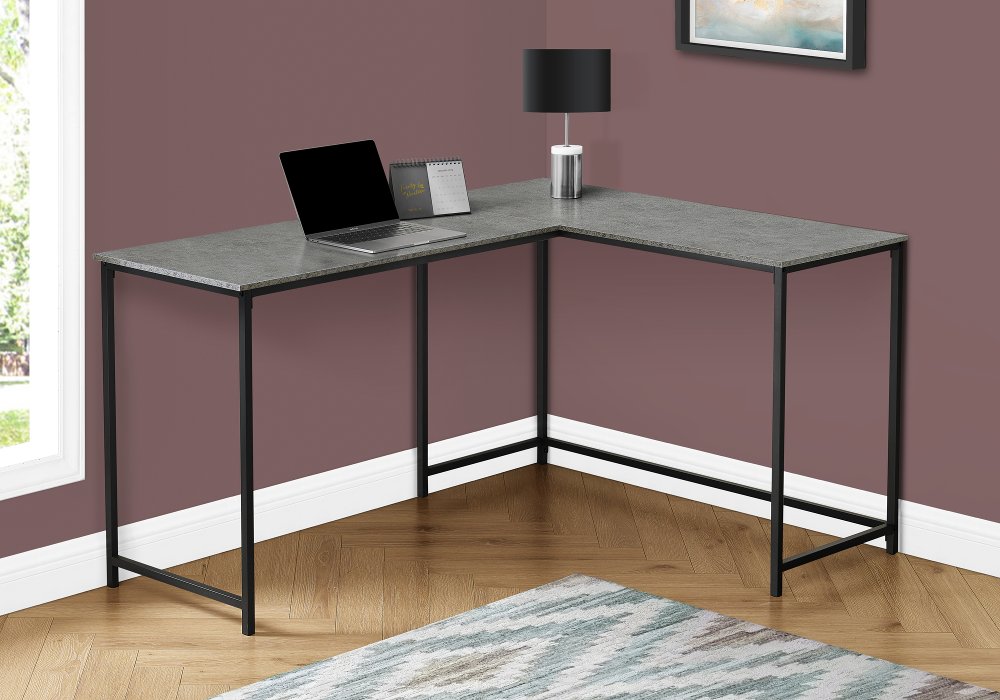
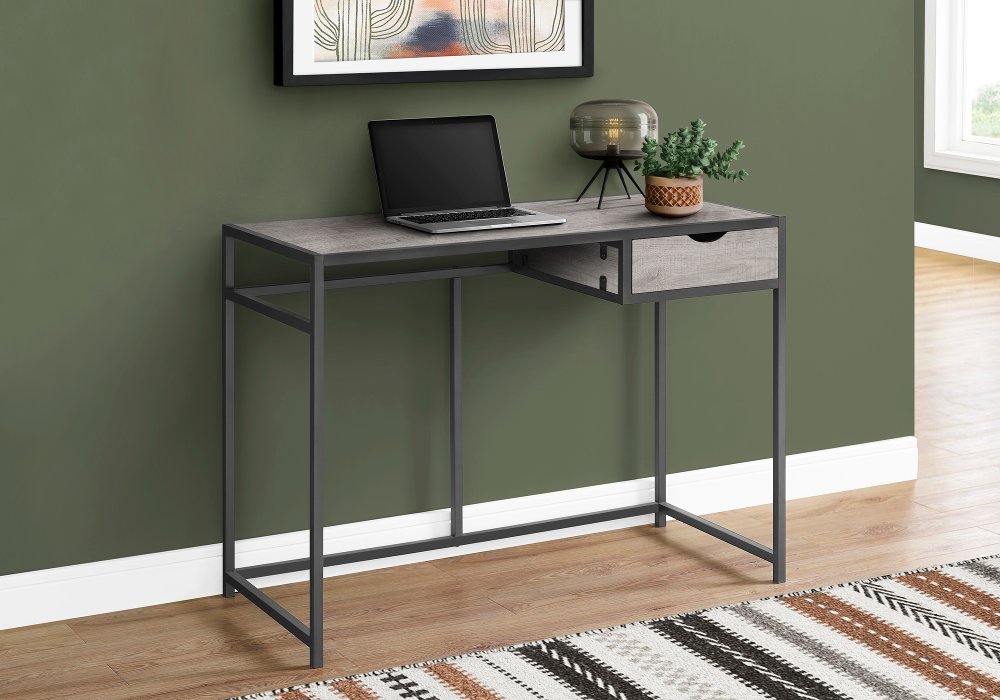
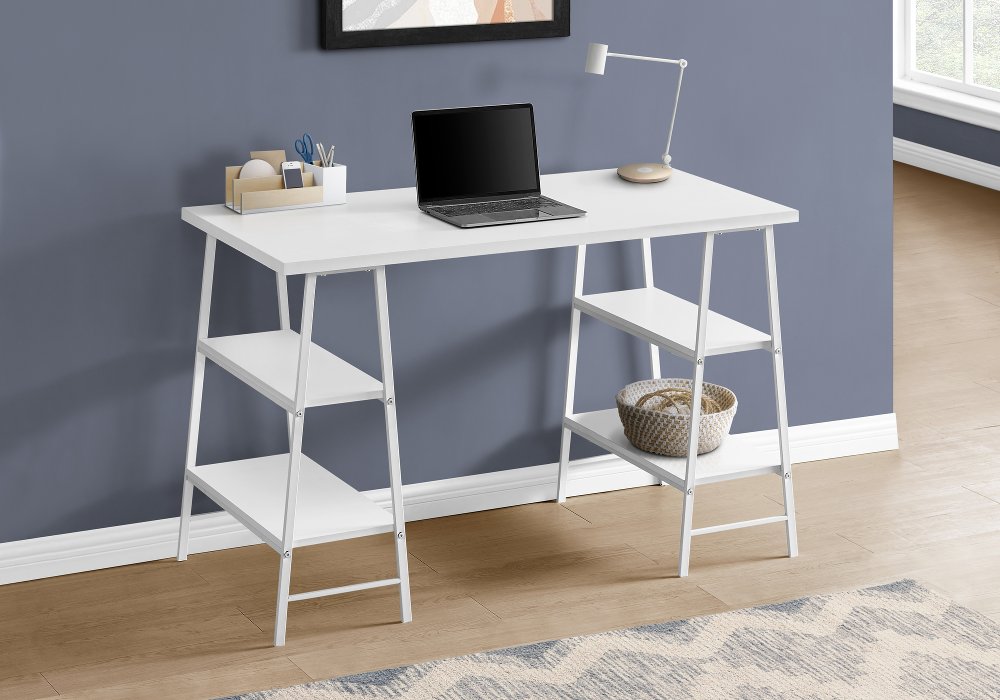
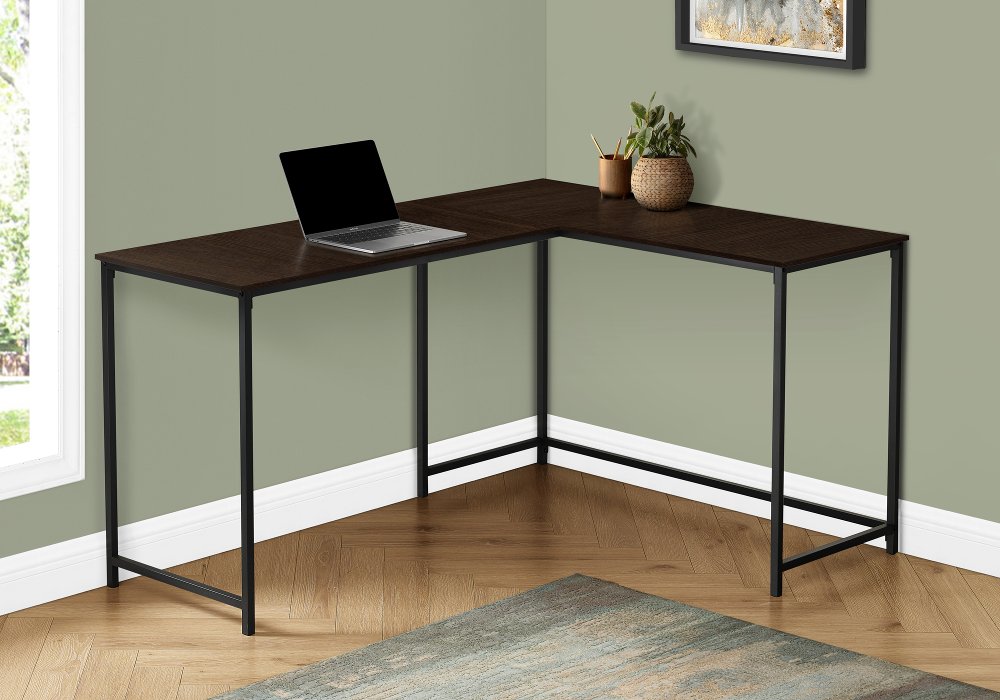
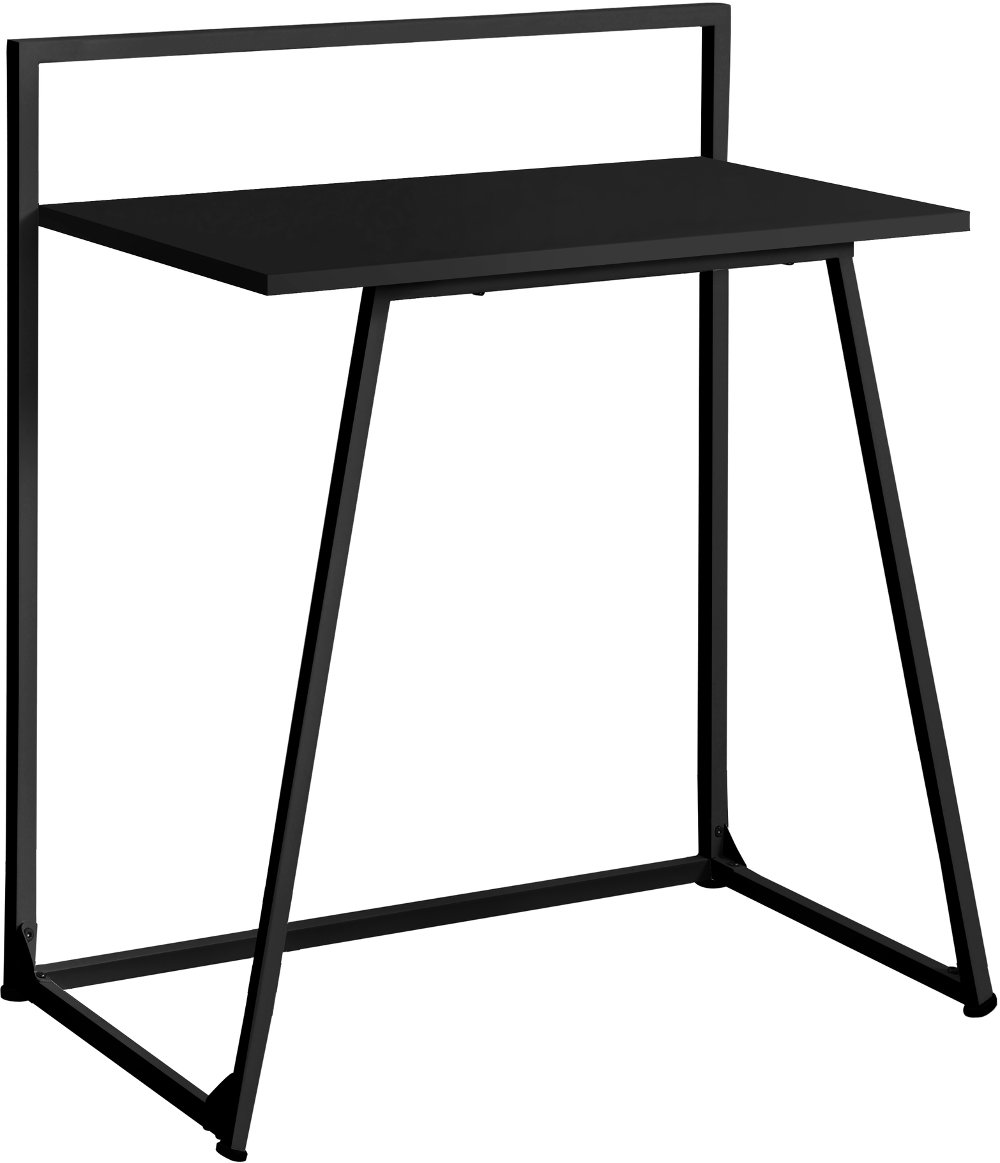
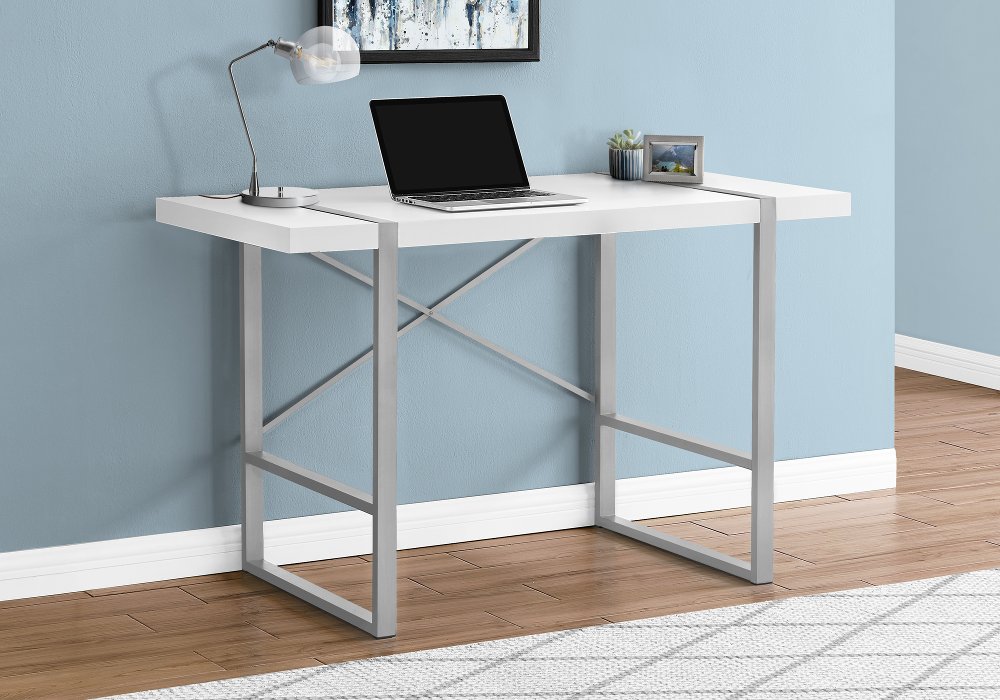
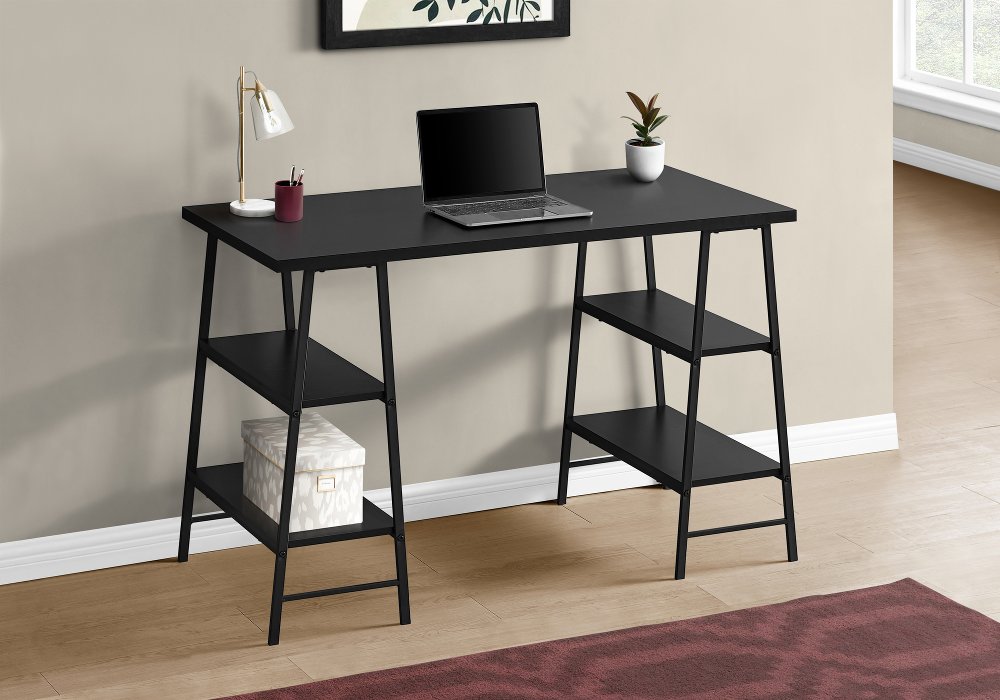
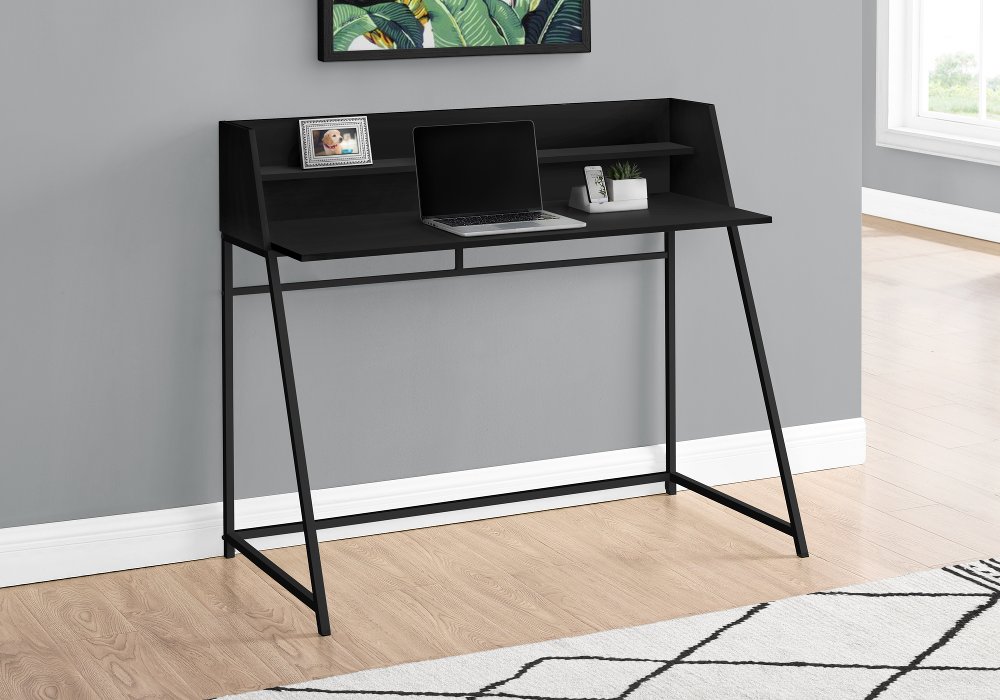
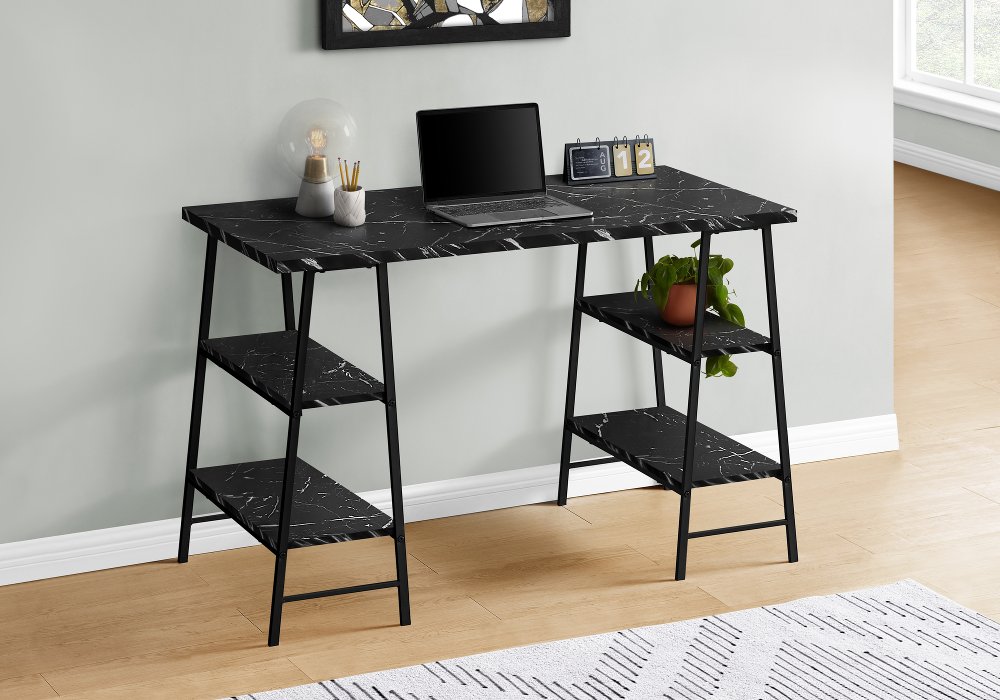
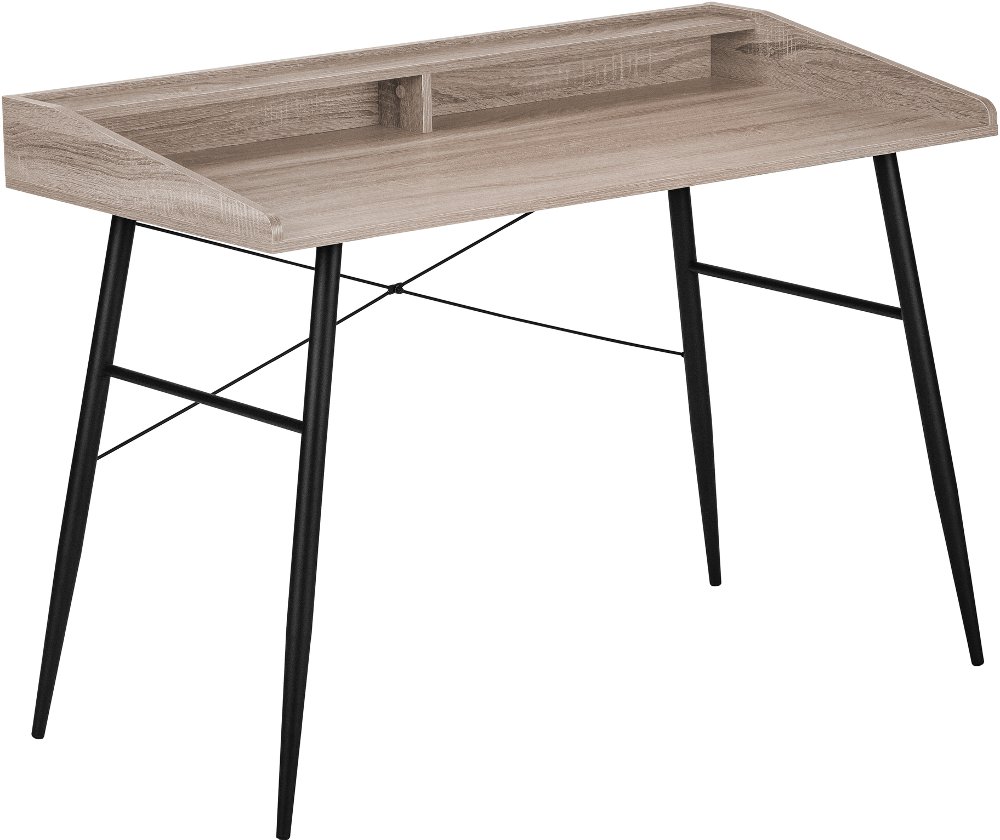
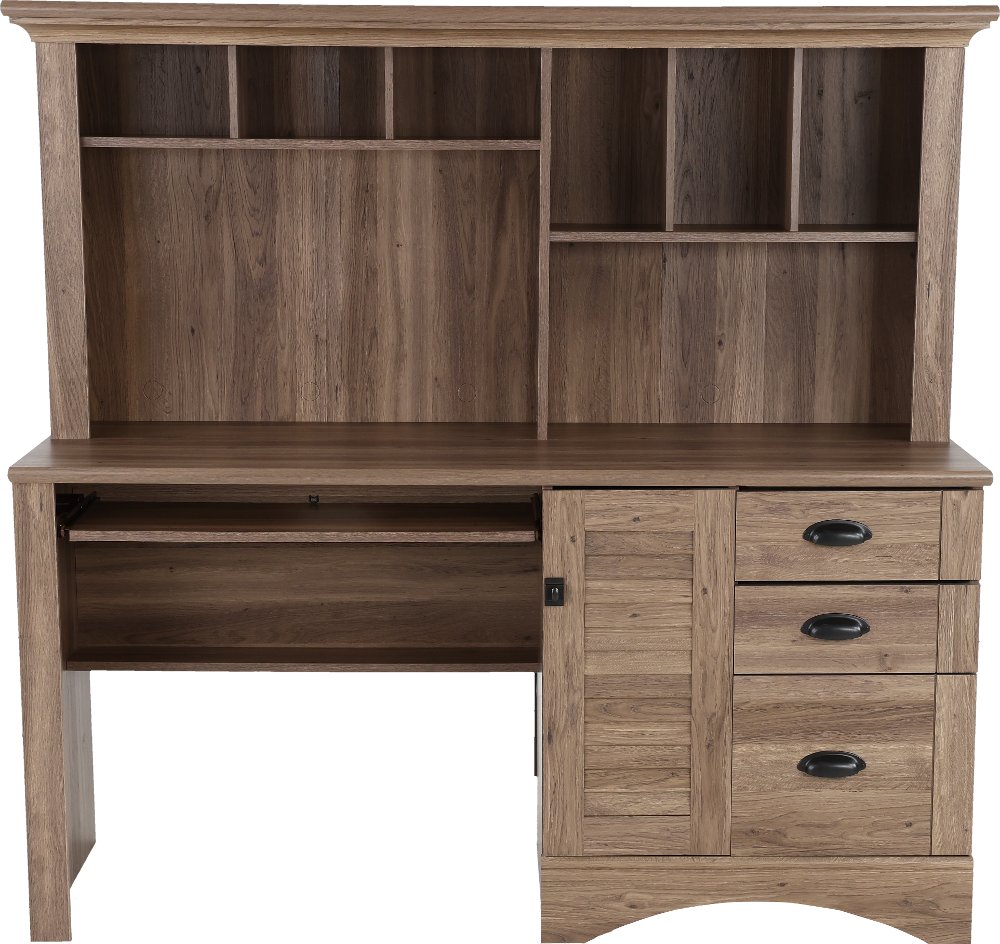
Affordable desks create a dedicated place to work, study, and manage everyday tasks, with designs ranging from simple writing tables to computer desks with built-in storage. The right fit depends less on how many features a desk has and more on how comfortably it supports your routine. A student working with a laptop and notebook may need a compact surface with room to spread out an assignment, while someone working from home may need space for a monitor, keyboard, mouse, and reference materials. Writing desks generally have an open surface and a lighter visual profile, making them easy to incorporate into bedrooms, living rooms, and multipurpose spaces. Computer desks often include features such as cable openings, equipment shelves, or keyboard trays, though layouts vary. An L-shaped desk can separate computer work from paperwork when the room has enough space for both sections. In a smaller room, a rectangular desk with slim legs can leave the floor feeling open without taking over the furniture arrangement. Width matters, but depth and legroom deserve just as much attention. A shallow desktop may fit neatly against a wall yet leave little room between a screen and your eyes. A deeper surface gives equipment, writing materials, and your forearms more space. Many conventional seated desks stand about 28 to 30 inches high, but comfortable positioning also depends on your chair and body proportions. Your feet should rest on the floor or a footrest, with your shoulders relaxed and your keyboard within easy reach. Drawers, crossbars, and storage pedestals can reduce the usable space beneath a desk, even when its overall dimensions seem generous. Room for the chair to pull out matters, too, especially beside a bed or along a shared walkway. A desk that suits the room and the person using it makes everything from a quick email to a longer study session feel less cramped.
Materials and construction influence how a desk looks, feels, and holds up to regular use. Engineered wood, including particleboard and medium-density fiberboard, can provide a smooth, consistent base for painted, laminated, or veneered surfaces. Laminate finishes are often practical for everyday work because they’re generally easy to wipe clean, although scratch and moisture resistance vary by finish. Wood veneer adds a thin layer of real wood over a supporting core, bringing natural grain and variation to the surface. Solid wood has its own character and can develop marks over time; whether refinishing is possible depends on the finish and construction. Metal frames offer another look, with slender supports that can pair well with wood-look tops or painted surfaces. A desk’s material alone doesn’t determine its durability. Secure connections, appropriate support beneath the desktop, and well-fitted hardware all contribute to a steady workspace. That stability becomes especially noticeable when you’re typing, writing by hand, or using a monitor on a raised stand. Manufacturer weight limits matter for heavier equipment, and a monitor arm requires a compatible mounting edge as well as a desktop that can support the concentrated load. Storage deserves the same practical attention. A shallow drawer can keep pens and charging cords close without crowding your knees, while deeper drawers may suit notebooks or larger supplies. Open shelves make frequently used materials easy to reach, but shelf dimensions determine whether a binder, basket, or computer tower will actually fit. Straightforward care helps preserve both appearance and function. Follow the manufacturer’s cleaning instructions, dust with a soft cloth, and wipe up spills promptly rather than letting moisture collect along seams or edges. A coaster protects the spot beside your coffee cup, and a desk mat can reduce everyday surface wear. Moving a desk by lifting it, rather than dragging it across the floor, also helps protect its legs and connections.
A useful workspace can still feel like part of your home. Affordable desks come in styles that can blend into a quiet bedroom corner, anchor a separate office, or give a shared living space a clear purpose. Light wood tones and pale finishes can keep a compact area visually open, while darker finishes create a more defined presence. Simple metal legs lend a streamlined look; framed drawer fronts and warmer wood tones feel more traditional. The desk doesn’t have to match every nearby piece exactly. Repeating a finish, shape, or hardware detail can make the arrangement feel connected alongside complementary affordable furniture. In a bedroom, a restrained design can let the work area recede once the laptop closes. In a family space, storage for chargers, paper, and headphones helps the surface transition from homework to household planning. A desk with open shelving may suit someone who likes books and supplies in sight, while drawers serve someone who prefers a clear desktop. Cable openings and accessible outlets help keep cords from stretching across the work surface, though built-in cable management varies by design. A nearby lamp can provide focused light without requiring a large overhead fixture, and a compact organizer can give small necessities a home. For students, a dedicated desk establishes a consistent spot for assignments instead of requiring the dining table to be cleared each evening. For remote workers, it creates a boundary between work materials and shared household space. For someone who sketches, journals, or handles personal correspondence, an uncluttered writing surface offers room to settle into the task. A desk can also make a thoughtful gift for a college student or someone setting up a first apartment, provided its dimensions and storage suit their space. The most useful design leaves room for the things that person actually does, with a comfortable place to sit and a surface that’s ready for the next task.
Read More