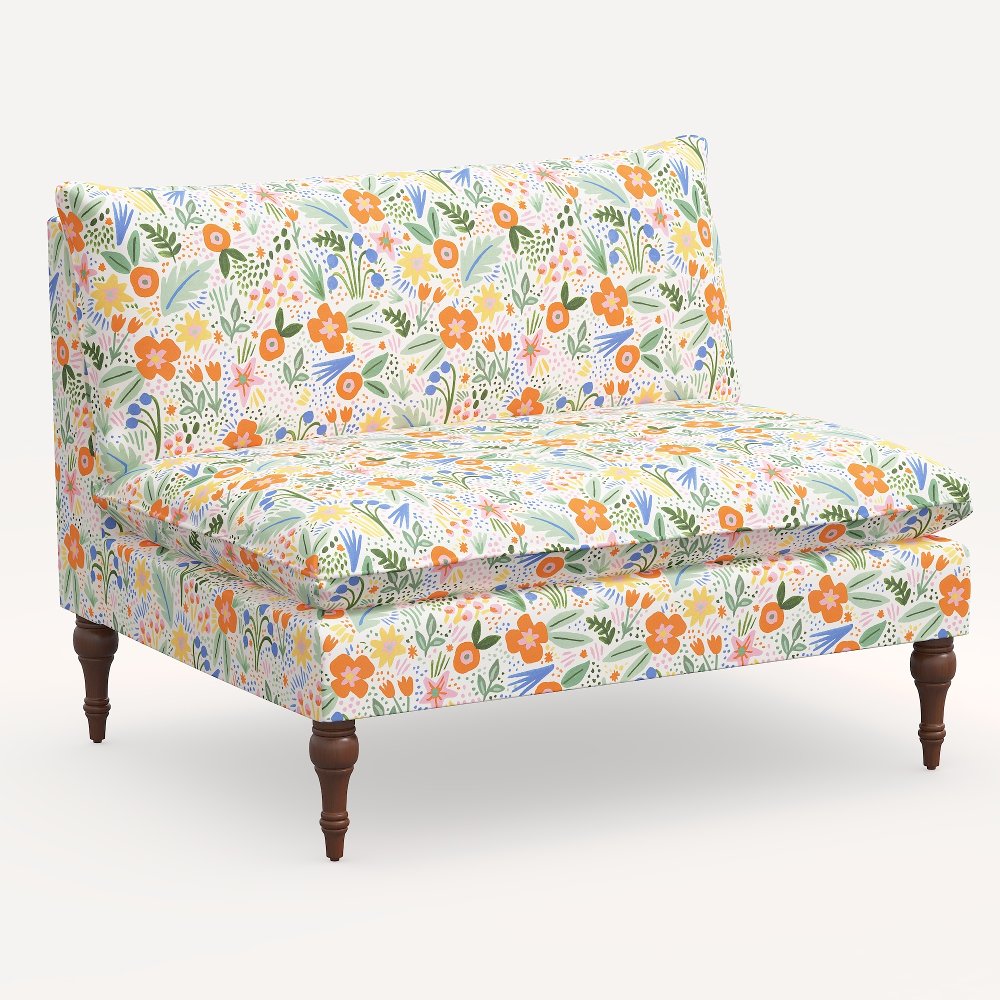
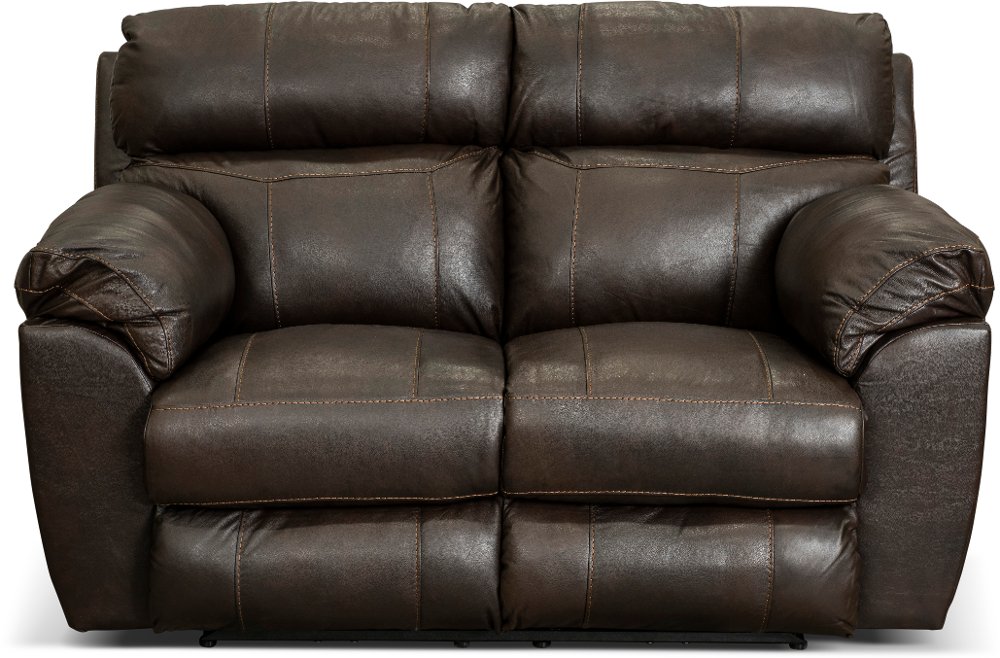
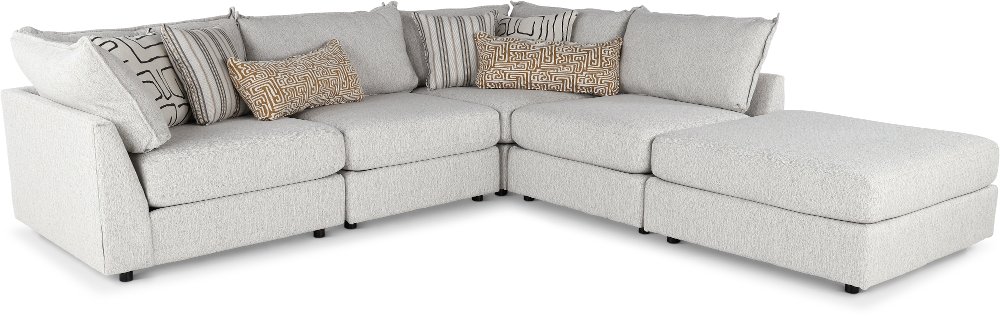
Armless loveseats for small spaces offer seating for two without the side structures of a traditional sofa, making them a practical fit for apartments, studios, bedrooms, and compact living rooms. Removing the arms can reduce overall width while keeping more of the footprint devoted to the seat, though dimensions vary by design. The open ends also create a lighter visual profile, especially on styles with slim legs and space beneath the frame. In a studio apartment, that openness can help a sitting area feel connected to the rest of the room rather than boxed off. In a bedroom, a compact armless loveseat can turn an unused wall into a comfortable spot for putting on shoes, folding a blanket, or sharing a quiet conversation. Some petite designs measure less than 50 inches wide, but “armless” doesn’t automatically mean narrow: generous cushions, angled backs, and curved frames can still take up substantial space. Overall width, depth, and height matter just as much as the absence of arms. Usable seat width is especially helpful when comparing seating for two adults, while seat depth gives a better sense of whether a piece suits upright sitting or relaxed lounging. A shallow profile may leave more walking room beside a bed, while a deeper seat can feel inviting in a dedicated reading corner. Measuring the intended spot, then outlining the footprint with painter’s tape, makes it easier to picture how the loveseat will sit beside a rug, lamp, or coffee table. Doorways, hallways, stair turns, and elevator openings deserve the same attention, along with any furniture assembly requirements. A loveseat should fit the route into the room as comfortably as it fits the room itself. In a tight layout, leaving enough clearance for doors, drawers, and everyday movement makes the difference between a piece that simply fits and seating that genuinely supports the way you live.
Upholstery helps determine both the look and the everyday feel of a small armless loveseat. Woven fabrics offer a familiar, comfortable texture, with choices ranging from smooth, close weaves to more pronounced, nubby surfaces. Polyester and blended upholstery fabrics are common options, but fiber content alone doesn’t tell the whole durability story; weave, backing, construction, and the manufacturer’s care instructions also matter. A closely woven surface may be easier to keep clear of crumbs and pet hair than a deeply textured fabric, while loose loops can catch on claws. Velvet brings a soft touch and subtle changes in color as the pile catches the light, although pressure marks and shading can be part of its appearance. Linen-rich fabrics lend a relaxed character and may show wrinkles, while leather and faux leather provide a different feel and require their own cleaning routines. Genuine leather can develop character with use; faux leather offers a similar visual effect but may wear differently, including peeling or cracking over time. For a loveseat that doubles as the main sofa in a small apartment, upholstery suited to frequent use deserves extra consideration. In a bedroom sitting area used occasionally, texture and appearance might carry more weight. Households with children or pets may appreciate fabrics with documented stain-resistance features, remembering that stain resistance doesn’t make upholstery spillproof. Prompt blotting, regular vacuuming with a suitable attachment, and cleaning methods matched to the upholstery code help preserve the surface. Removable cushion covers aren’t necessarily machine washable, so checking the care label before cleaning can prevent shrinking or damage. Beneath the upholstery, a well-joined frame, supportive suspension, and cushions that recover their shape contribute to lasting comfort. Solid wood, plywood, metal, and combinations of materials can all serve different roles in furniture construction; build quality matters more than a single material claim. Reversible cushions, when included, can help distribute wear, and secure legs help keep the seat steady through daily use. Weight-capacity information is another useful detail, particularly when two people will share the loveseat regularly.
Comfort on an armless loveseat feels different from comfort on a sofa with enclosed sides. The open edges make it easy to turn toward another person or sit without an armrest pressing against your side, but they don’t provide a built-in place to rest an elbow or lean sideways. A small lumbar pillow can add support at the back, while a bolster may offer a softer edge for occasional lounging; neither replaces a structural armrest. For someone who relies on sofa arms when sitting down or standing up, an armed design may be a better match. Seat height, cushion firmness, and back angle also deserve attention. A firmer, higher seat generally makes getting up easier than a low seat with deep, yielding cushions, though the best fit depends on the person using it. People furnishing a first apartment may use an armless two-seat sofa as their main gathering spot, while someone sharing a home office might prefer it as an alternative to sitting at a desk during a conversation. Its compact form can also support a flexible living room arrangement without forcing every seat against a wall. A finished upholstered back matters when the loveseat will face into the room, and a nearby side table gives drinks and reading glasses a dependable landing place. Where a full matching sofa would overwhelm the layout, armless chairs for small spaces can provide separate seats that are easier to arrange around a compact loveseat. Coordinating seat heights and repeating a fabric tone, wood finish, or leg shape helps the pieces feel connected without requiring an exact match. Light neutrals can blend quietly with pale walls, deeper colors can give a small seating area definition, and textured upholstery can add interest without an oversized silhouette. The most useful armless loveseat balances these visual details with comfortable proportions, manageable care, and enough room around it to keep everyday life moving easily.
Read More