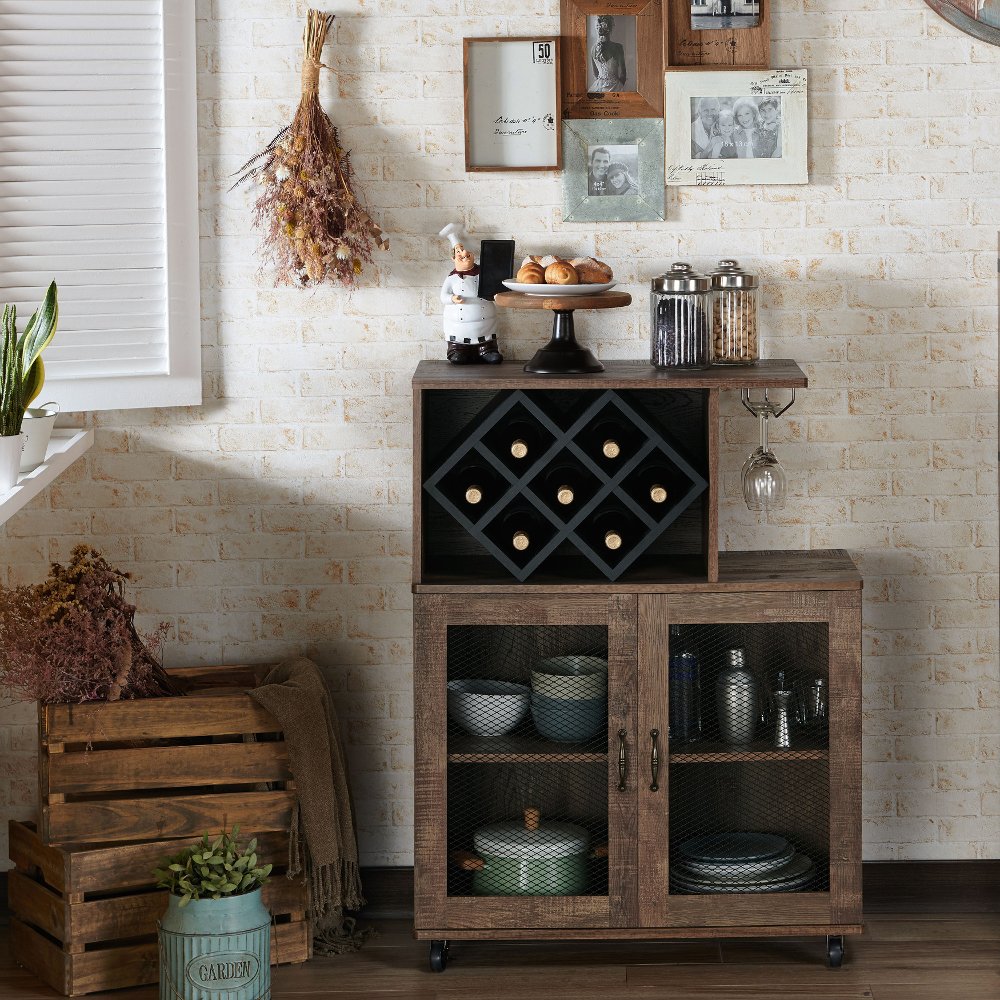
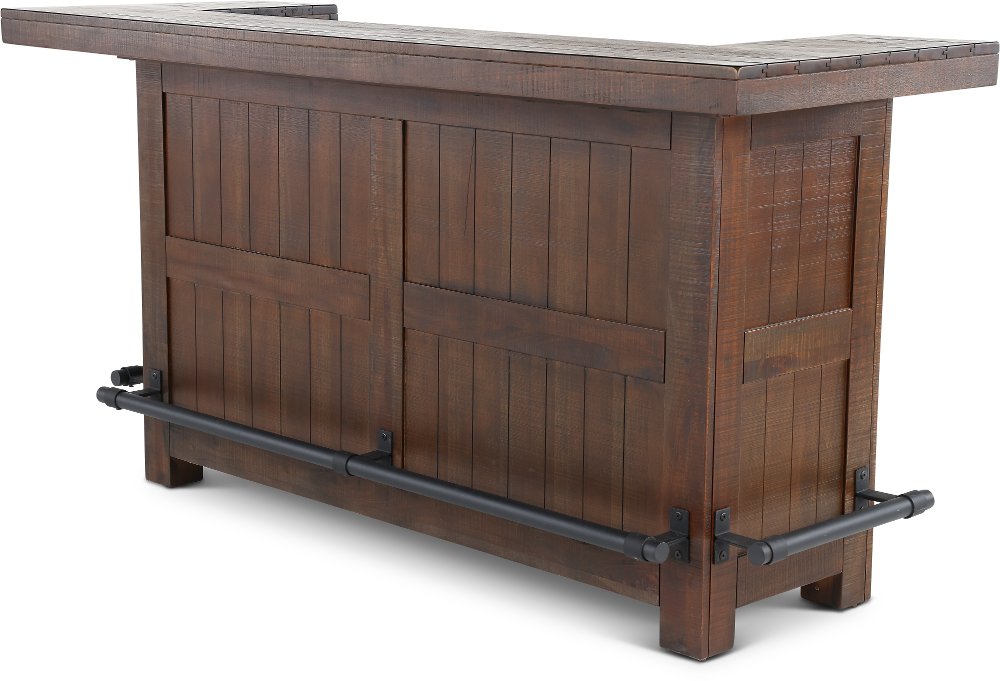
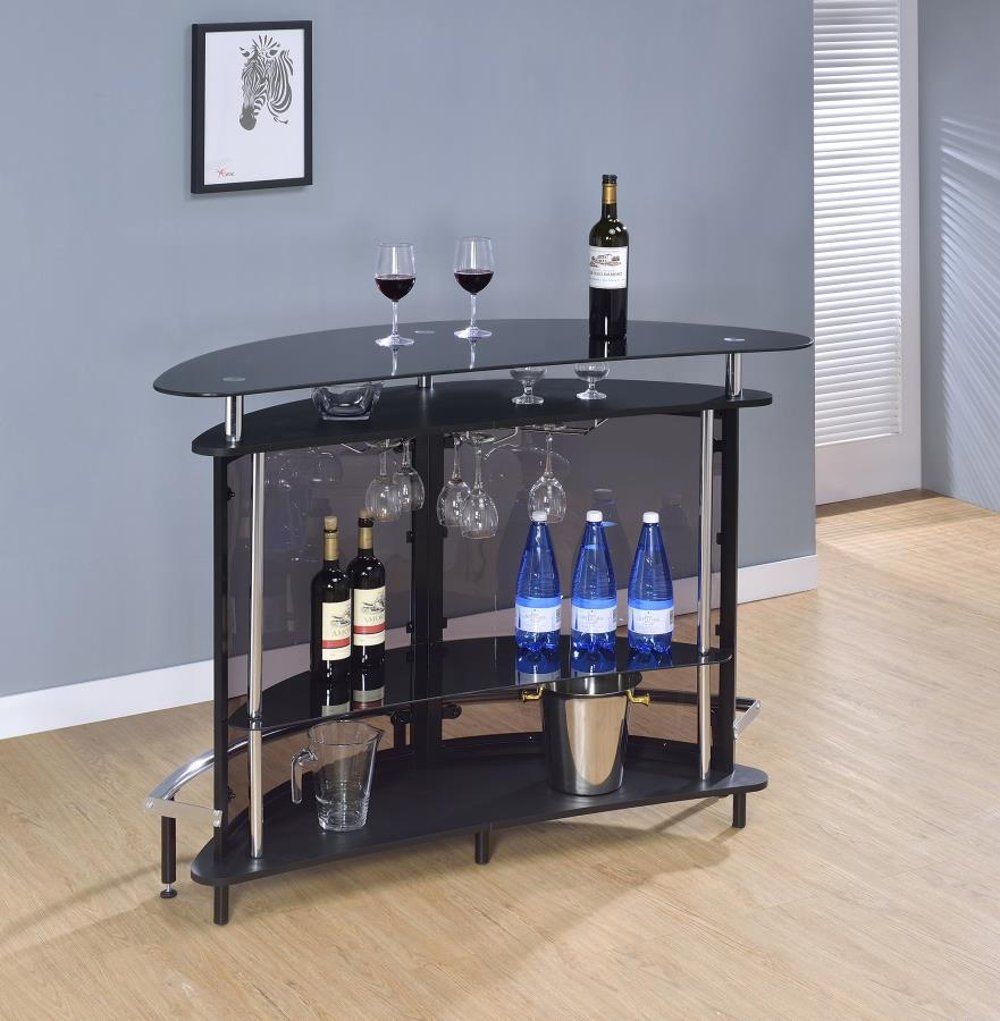
Bar carts for living rooms bring drink storage, serving space, and a decorative focal point into one compact piece of furniture. With space for glassware, bottles, and serving accessories, a cart keeps the essentials close without requiring a full-size home bar. It can sit beside a sofa, fill an open stretch of wall, or create a welcoming refreshment area near a pair of accent chairs. For someone who enjoys hosting, that means less time moving between the kitchen and living room and more time staying part of the conversation. For everyday use, a bar cart can hold sparkling water, favorite mixers, or a tea service just as comfortably as cocktail ingredients. Its usefulness comes from having a defined place for the things that otherwise spread across a coffee table. Open shelves make contents easy to see and reach, while designs with rails, bottle compartments, or glass racks can help organize different serving pieces. The right fit depends on both the room and the way it gets used. A narrow cart can work beside a reading chair, while a wider design provides more room to prepare drinks and set down a small tray of snacks. Overall height matters, too: a comfortable serving surface should be easy to reach from a standing position, and a cart beside seating should feel proportionate rather than towering over the furniture. Measuring the intended spot, including handles and any projecting details, helps keep the arrangement balanced. Leave enough room to walk past comfortably and reach nearby drawers, doors, and seating. In an open living and dining area, a bar cart can connect the two spaces visually, especially when its finish echoes an existing table, cabinet, or light fixture. It doesn’t need to match every piece in the room; repeating one color or material is often enough to make it feel at home.
Materials give a living room bar cart much of its character, but they also affect how it handles everyday use. Wood brings warmth and visible grain, making it a natural companion to upholstered seating and other wood furniture. Wood veneers offer a real-wood surface over a supporting core, while laminate surfaces can provide a consistent appearance with their own care requirements. With any of these materials, the finish matters when it comes to moisture, scratches, and cleaning. Metal frames can create a slim, open profile, whether the look leans industrial, contemporary, or more traditional. Painted, plated, and other metal finishes may need different cleaning methods, so the manufacturer’s instructions should guide routine care. Glass shelves keep a cart visually light and allow decorative pieces to stand out, though fingerprints and water spots can show more readily than they do on an opaque surface. Mirrored surfaces add reflection and shine, while stone tops can bring distinctive pattern and texture; some stone surfaces need sealing or extra protection from acidic spills. Durability depends on the complete construction, not simply the material name. Secure shelf supports, sturdy connections, and a stable frame matter when the cart holds heavy bottles or a full set of glasses. Shelf spacing is equally practical: tall bottles, decanters, and pitchers need enough clearance to move in and out without tilting awkwardly. For flexible room layouts, bar carts on wheels can move the serving area closer to guests and return it to a wall afterward. Check whether the casters suit the flooring and whether locking wheels are included. A smooth path matters, especially where rugs, thresholds, or tight corners interrupt the route. A cart loaded with glassware needs gentle handling, and open drinks are better carried separately. Weight limits apply to both individual shelves and the cart as a whole, making balanced loading an important part of everyday use.
Styling a bar cart works best when the arrangement supports the way it will actually be used. A small grouping of glasses, a few frequently used bottles, and a tray for tools can create an inviting setup without filling every inch. Keeping some surface space clear leaves room to pour a drink, place a pitcher, or set down a serving bowl. Less frequently used supplies can sit below, with heavier pieces low and evenly distributed according to the cart’s instructions. Decorative touches such as a small framed print, a sculptural bowl, or a neatly folded bar towel can connect the cart to the rest of the living room without getting in the way. A household that rarely serves alcohol might prefer a beverage station with water glasses, sealed tea containers, and space for a carafe during visits. For apartment dwellers or people furnishing a multipurpose room, that adaptable setup can make a cart useful beyond entertaining. A bar cart can also be a thoughtful housewarming or wedding gift for someone who enjoys hosting, provided its size and style suit the recipient’s home. In households with children or pets, placement and secure storage deserve special attention; an open cart isn’t a substitute for a locked cabinet for alcohol, sharp tools, or fragile pieces. Day-to-day care is usually easier when spills receive prompt attention and coasters or trays protect surfaces from wet glasses. Use cleaning products appropriate to each material, dry surfaces as directed, and avoid dragging bottles or accessories across delicate finishes. Follow any assembly and maintenance instructions, including checks for loose hardware or caster attachments. With the right proportions, practical storage, and a finish that complements the room, a living room bar cart becomes more than a display. It gives favorite refreshments a convenient home and makes serving feel a little more relaxed.
Read More