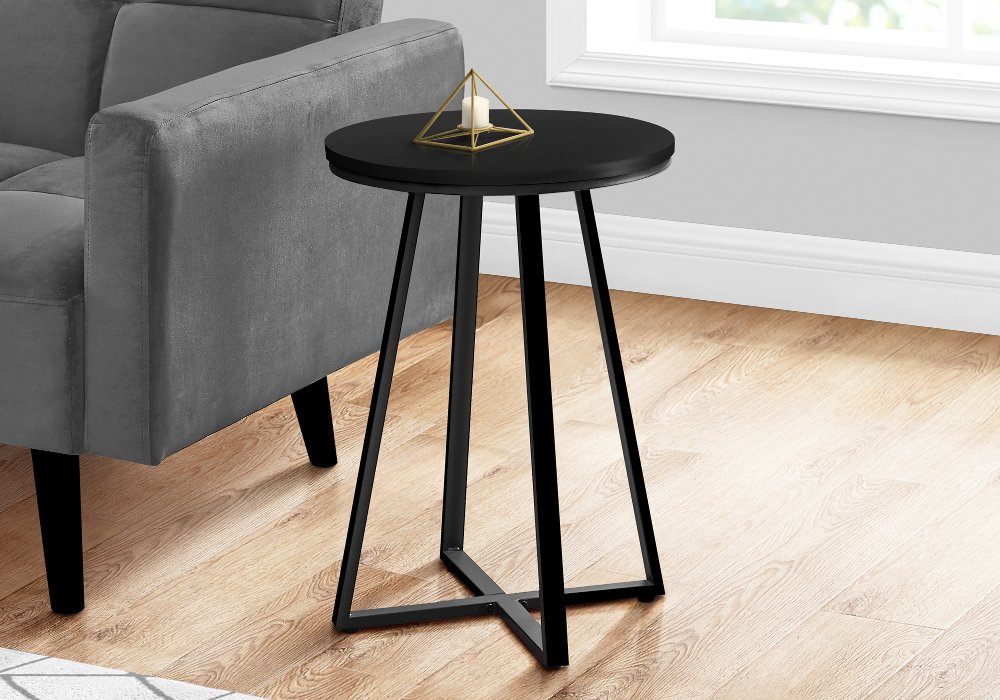
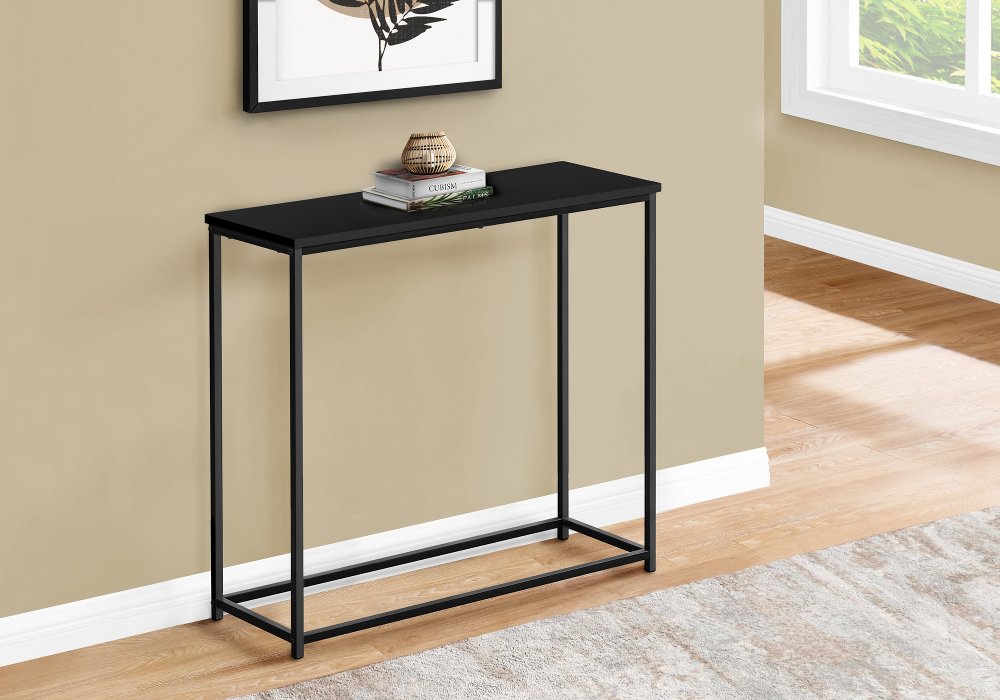
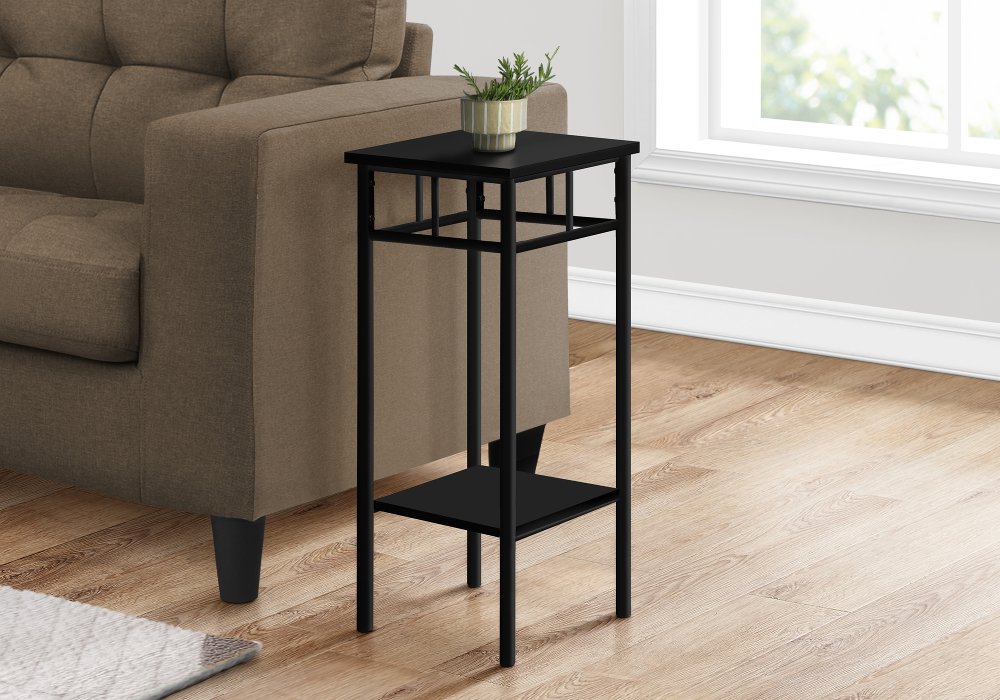
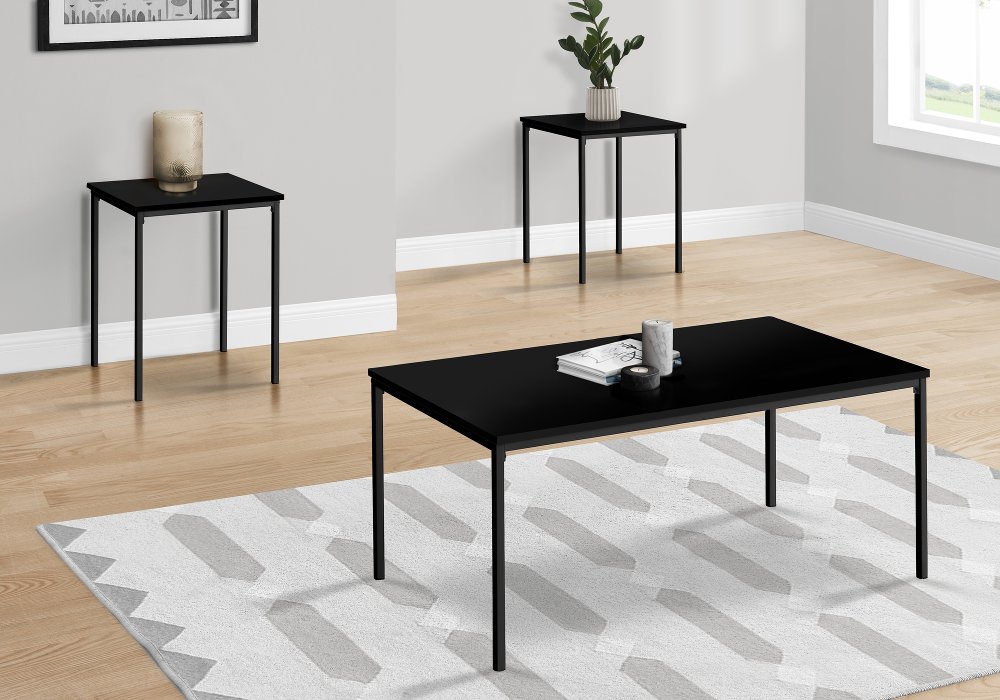
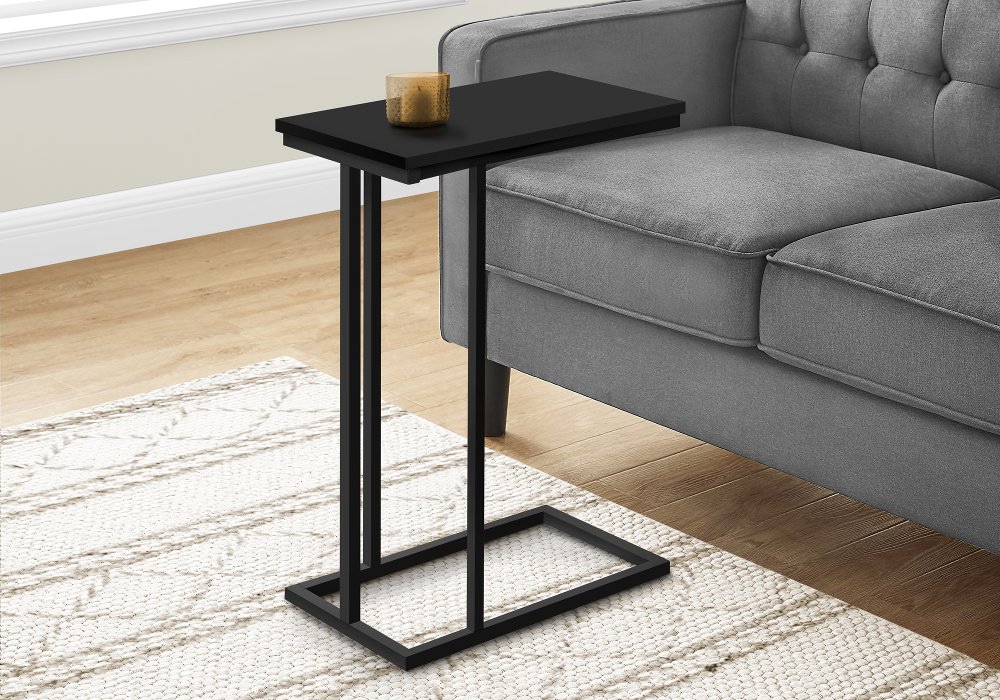
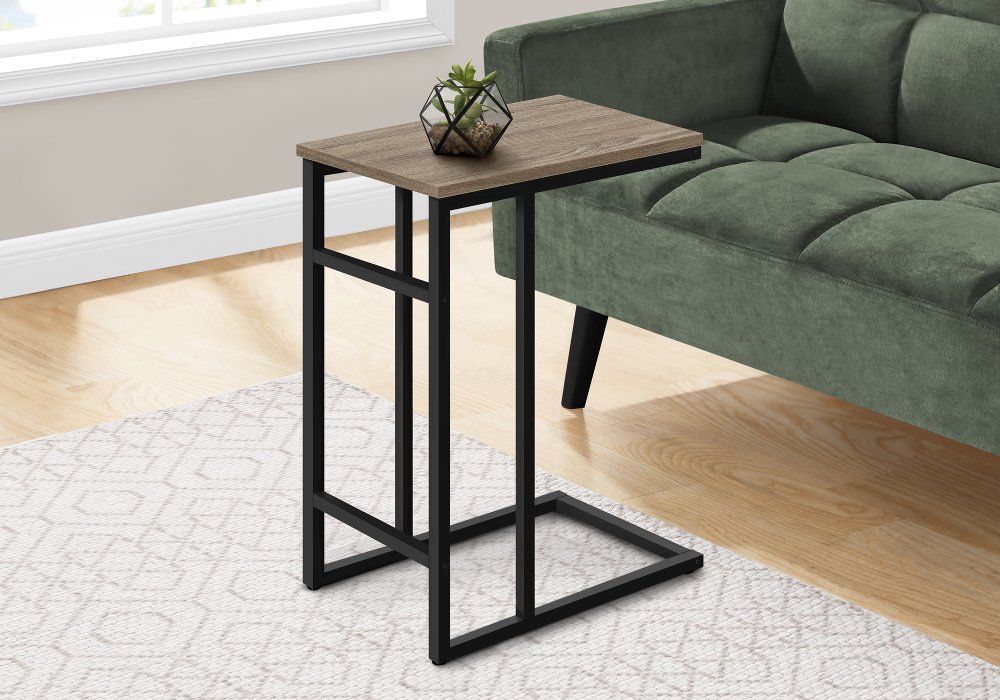
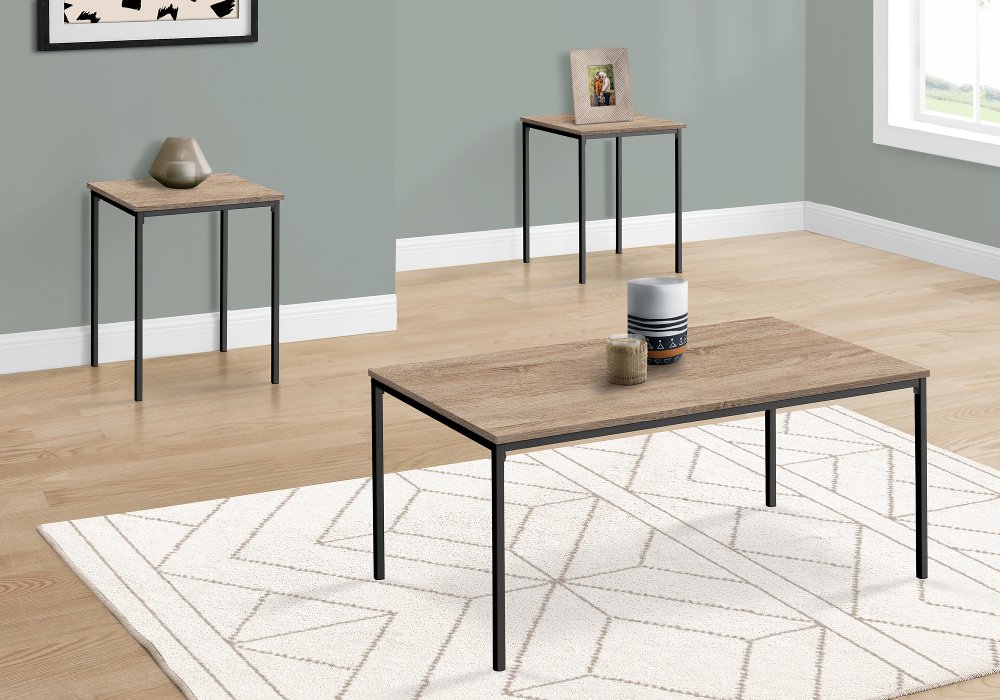
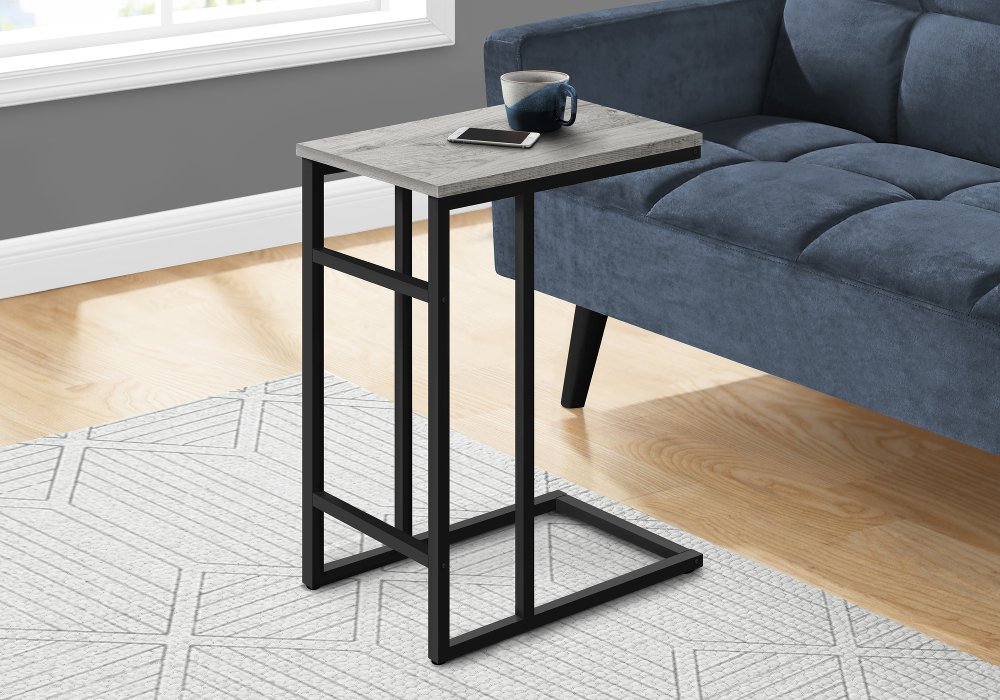
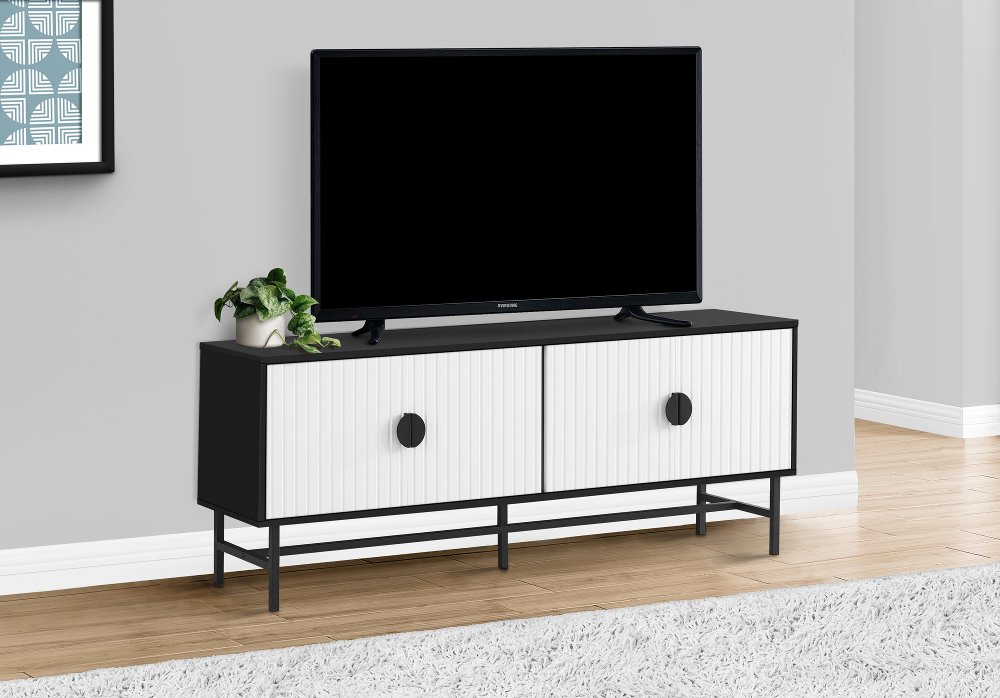
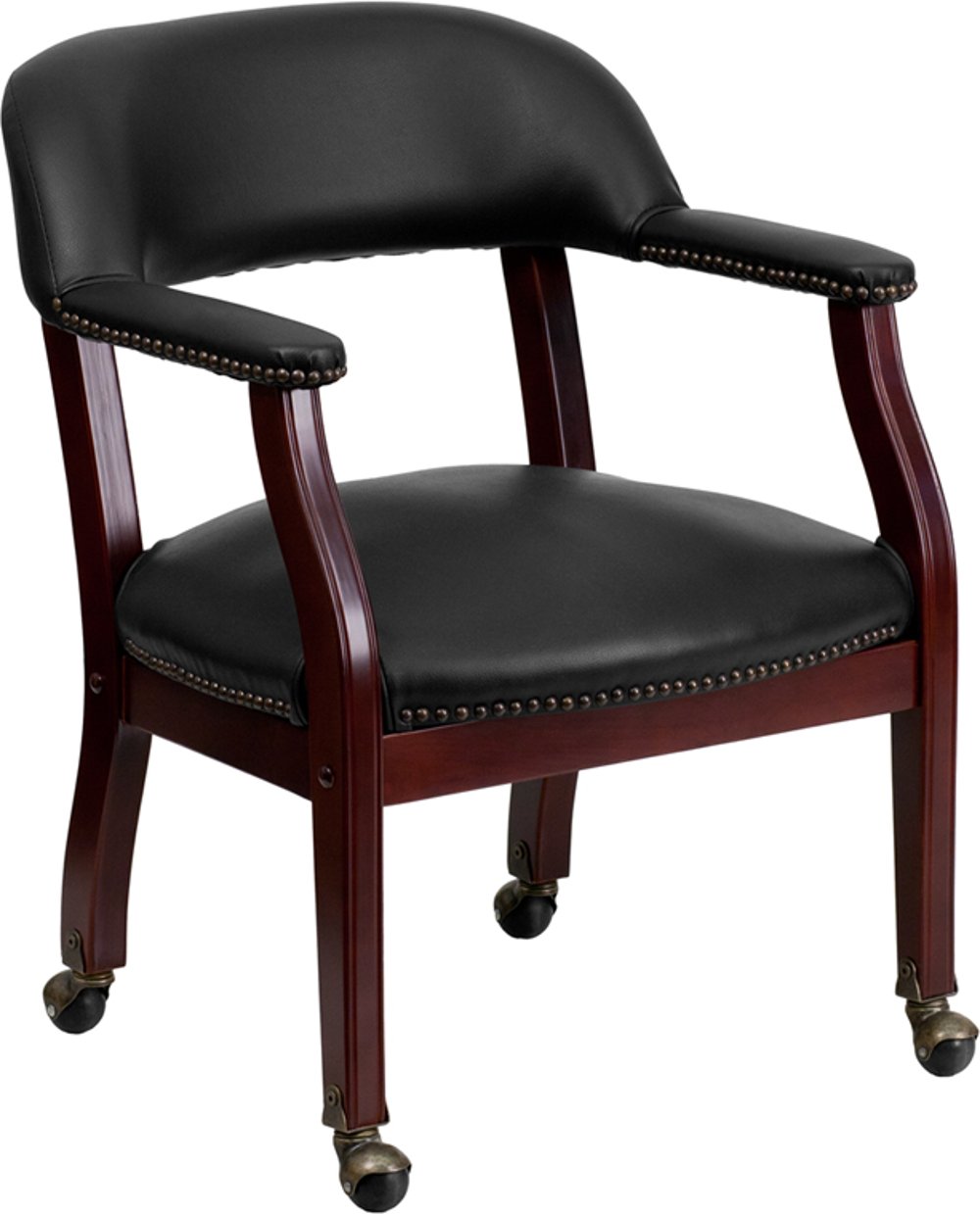
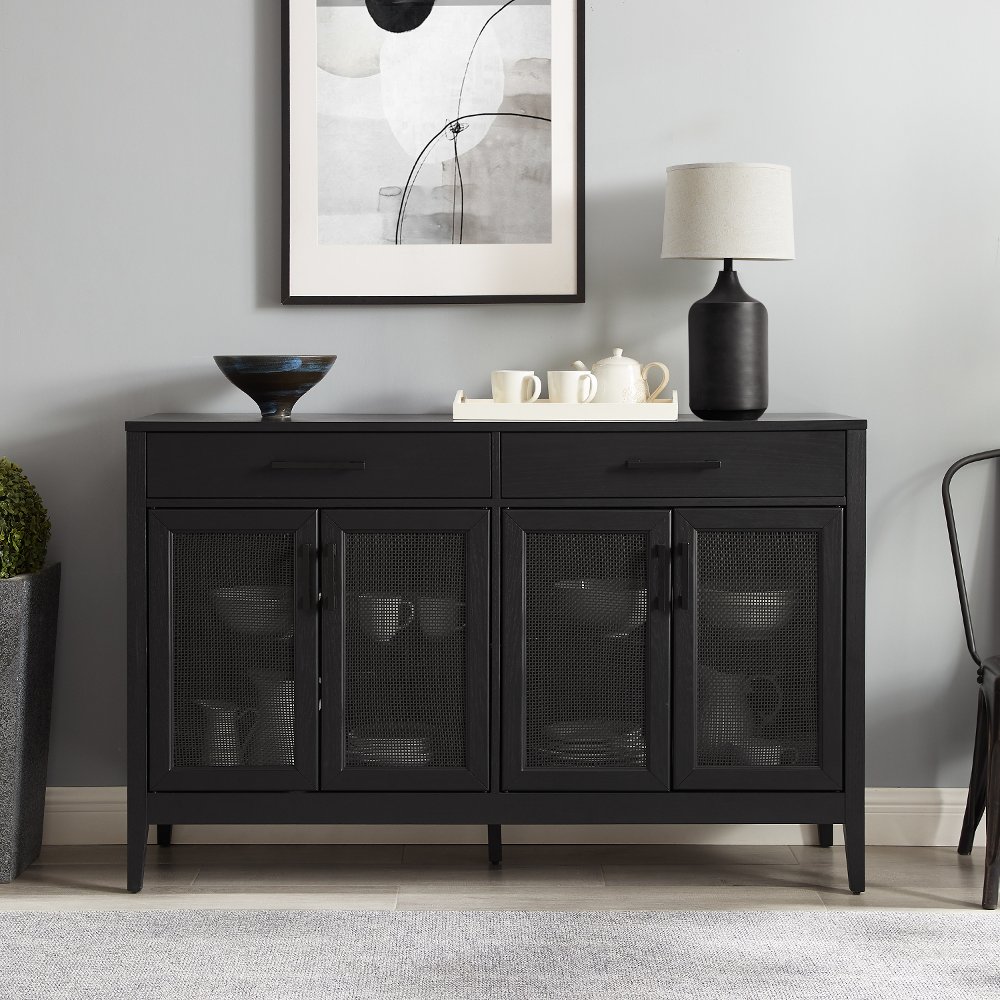
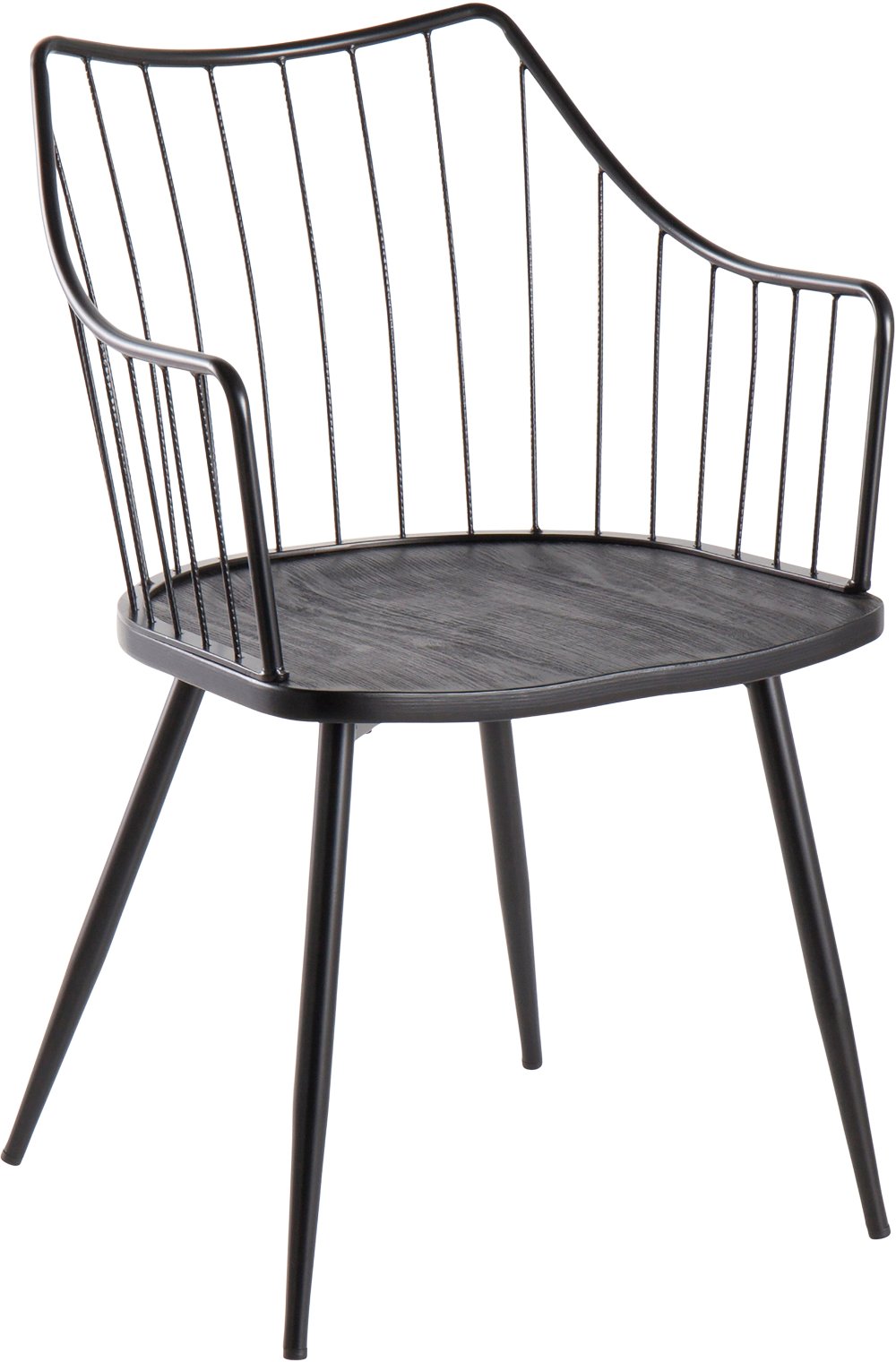
Black living room furniture gives your space a strong visual anchor while working with a wide range of colors, textures, and decorating styles. A black sofa can ground a room with pale walls and an oak floor, while a dark coffee table or media console adds definition beside lighter seating. The effect depends as much on shape and finish as on color: slim metal legs and smooth upholstery feel streamlined, while rolled arms, tufted cushions, and visible wood grain create a more traditional look. Black also works well in relaxed, lived-in rooms, especially when it’s paired with woven rugs, natural wood, and soft fabrics. For a balanced arrangement, larger light-colored surfaces help offset the visual weight of dark furniture. An ivory rug, warm white curtains, or a tan accent chair can keep the room open and inviting without taking attention away from the seating. If you prefer more color, black makes a steady backdrop for rust, olive, emerald, or deep blue. Small touches of brass or brushed metal add contrast without requiring a complete change in your decor. A black living room set creates a coordinated foundation, but pieces don’t have to match in every detail to feel connected. Repeating one element, such as a similar leg shape or finish, can bring together a sofa, occasional tables, and storage furniture with different silhouettes. Texture matters here, too. Pairing matte wood with softly textured upholstery gives the eye something to notice beyond a single dark shade. In rooms with limited natural light, table lamps and floor lamps help define reading spots and keep dark corners from blending together. Black furniture doesn’t automatically make a small living room feel smaller; bulky proportions and crowded pathways often have more influence. Seating with raised legs, tables with open bases, and a few lighter accents can give compact spaces a comfortable sense of breathing room.
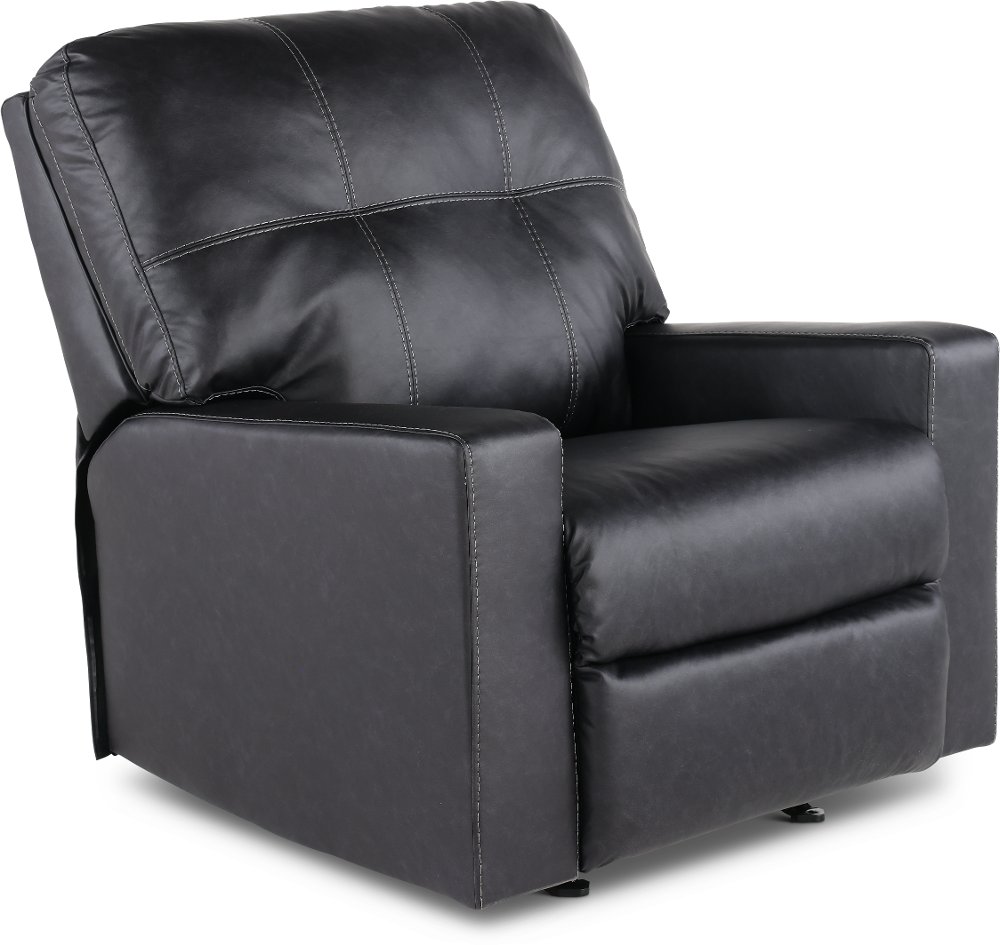
Materials shape how black living room furniture looks, feels, and handles everyday use. Leather upholstery has natural variations and can develop character over time, although its appearance and care needs depend on the leather type and protective finish. Black leather seating suits spaces where you want a substantial look with relatively little visual pattern. Faux leather offers a similar smooth appearance, but its construction and coating affect how well it resists wear, peeling, and cracking. Neither material is automatically scratchproof, so a household with pets benefits from checking care information and keeping claws trimmed rather than relying on color or surface alone. Woven fabric introduces a softer texture, with tightly constructed upholstery often better suited to frequent use than loose weaves that can catch on claws or jewelry. Velvet brings depth to black because its pile reflects light differently as you move around the room; brushing marks and shading are part of that distinctive appearance. Performance fabric can be helpful around children, snacks, and everyday spills, but the term covers different treatments and capabilities, so specific cleaning instructions still matter. For tables and storage pieces, solid wood, wood veneer, engineered wood, metal, and glass each offer different advantages. Solid wood may develop small marks with use, veneer provides a real wood surface over a supporting core, and metal can create a slim profile. Glass keeps a tabletop visually light but tends to show fingerprints. Black finishes can conceal some discoloration while making pale lint, dust, and scratches more noticeable, particularly on glossy surfaces. Routine care is usually simpler than waiting for buildup: use a soft cloth on case goods, vacuum upholstery with an appropriate attachment, and address spills promptly according to the manufacturer’s directions. Coasters help protect tables from moisture rings, and furniture positioned away from direct sunlight may be less prone to uneven fading. Cleaners, conditioners, and disinfectants aren’t interchangeable, so use only products approved for the material and finish.
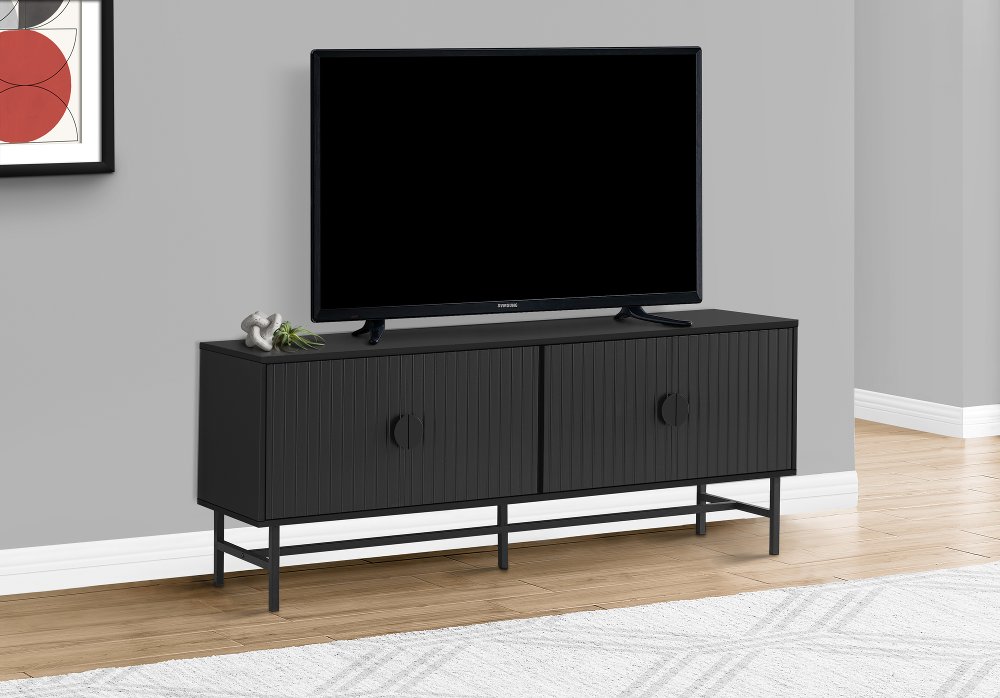
The best fit for black living room furniture comes from matching the arrangement to the way you actually spend time at home. A sofa and separate chairs give guests room to face one another, while a sectional creates a shared place for movie nights, stretching out, or sitting close with family. A chaise can be especially comfortable for someone who likes to put their feet up, provided its position leaves a clear route through the room. Reclining seating needs space for its moving parts, and power-operated features also require access to an outlet with cords kept away from walkways. Seat depth and height deserve as much attention as overall width. Deep cushions may suit lounging, while shallower seats and supportive arms can make sitting upright and standing easier. Before choosing larger furniture, consider the full delivery route, including doorways, stair turns, elevators, and hallway corners, as well as the floor space where it will sit. Leaving roughly 30 to 36 inches for main walking paths and about 16 to 18 inches between a sofa and coffee table can be a useful starting point, adjusted for your household’s accessibility needs. Storage helps the room serve more than one purpose without feeling crowded. Closed compartments give board games, extra throws, and charging accessories a place to land, while open shelves leave room for books and personal objects. Coordinating black living room cabinets can carry the dark finish beyond the seating and help organize a shared family space, apartment living room, or separate sitting area. Check shelf dimensions, door clearance, and ventilation needs if furniture will hold electronics, and follow anchoring instructions for storage pieces. For durability, sturdy joints, appropriate support, dependable hardware, and cushions suited to frequent sitting matter more than color alone. With proportions that suit your room and materials that suit your routine, black living room furniture offers a versatile foundation that can stay in place as artwork, pillows, and other personal details change.
Read More