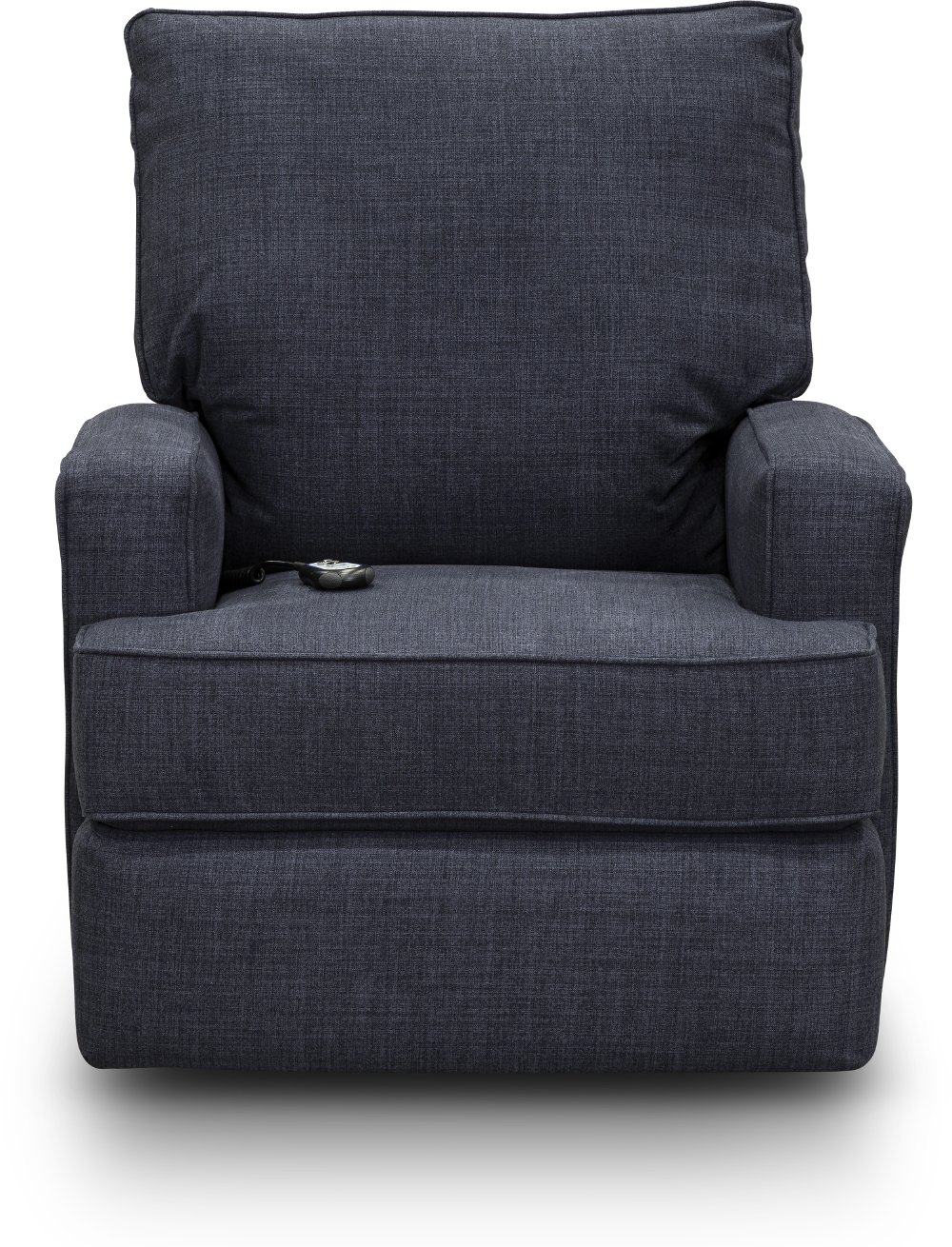
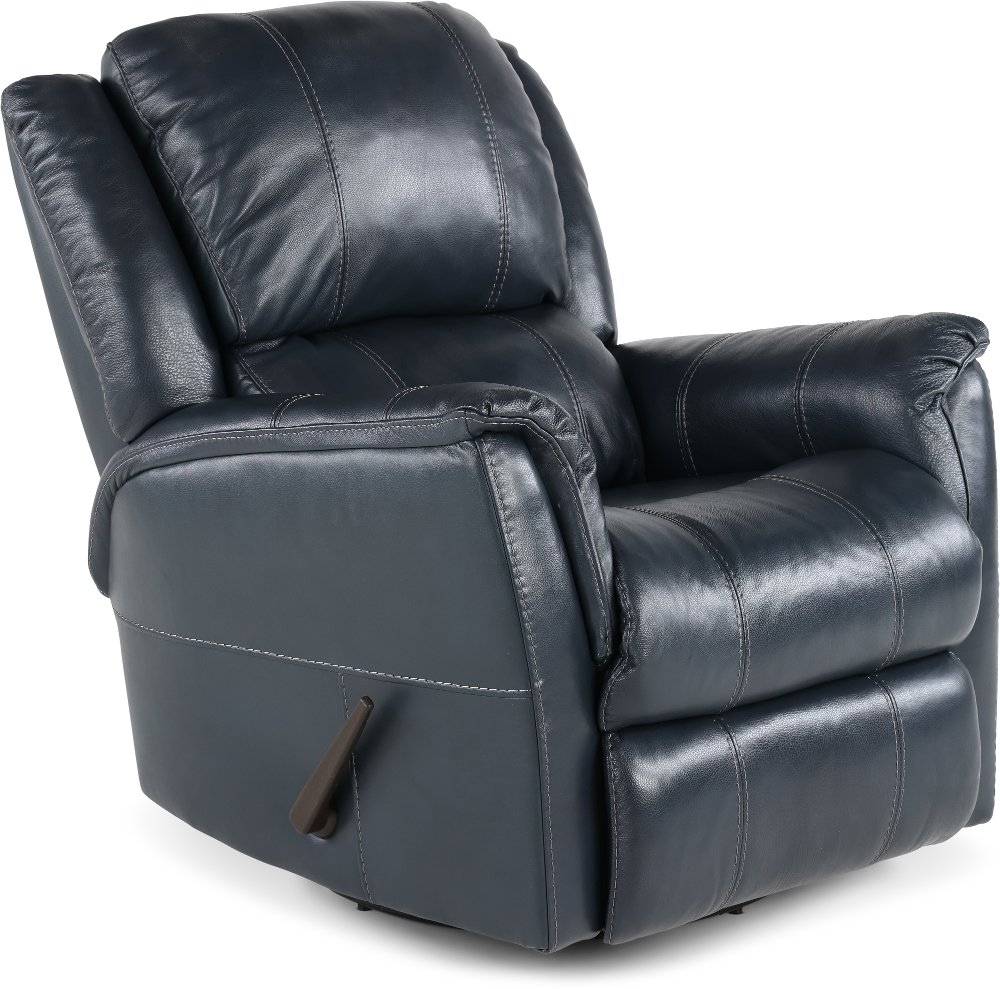
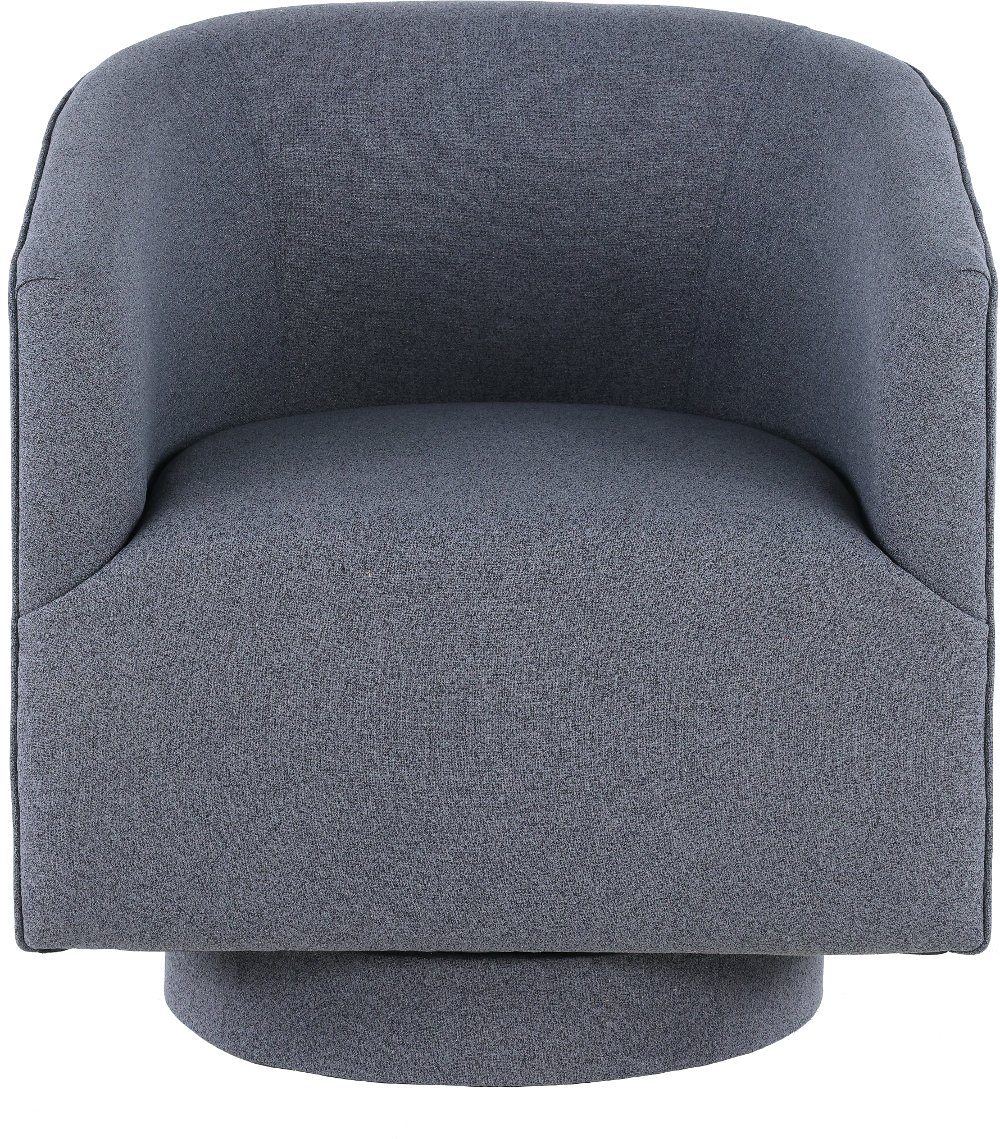
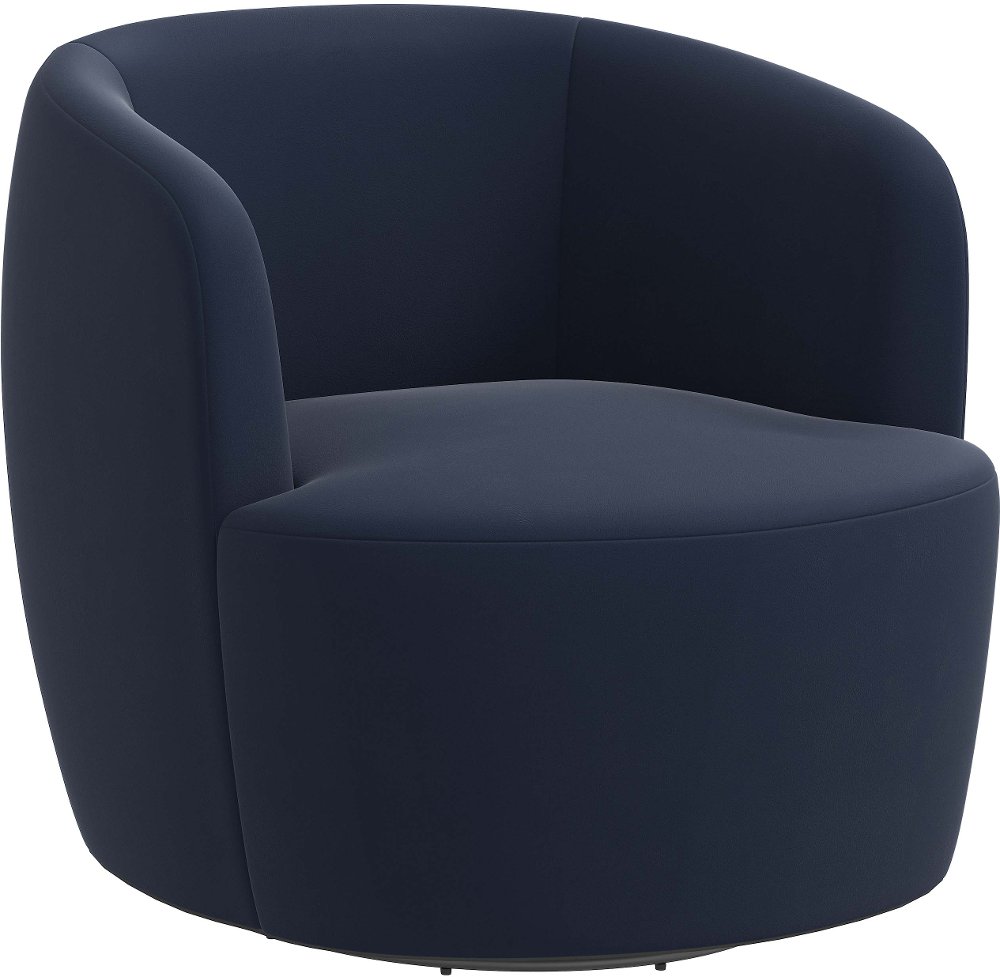
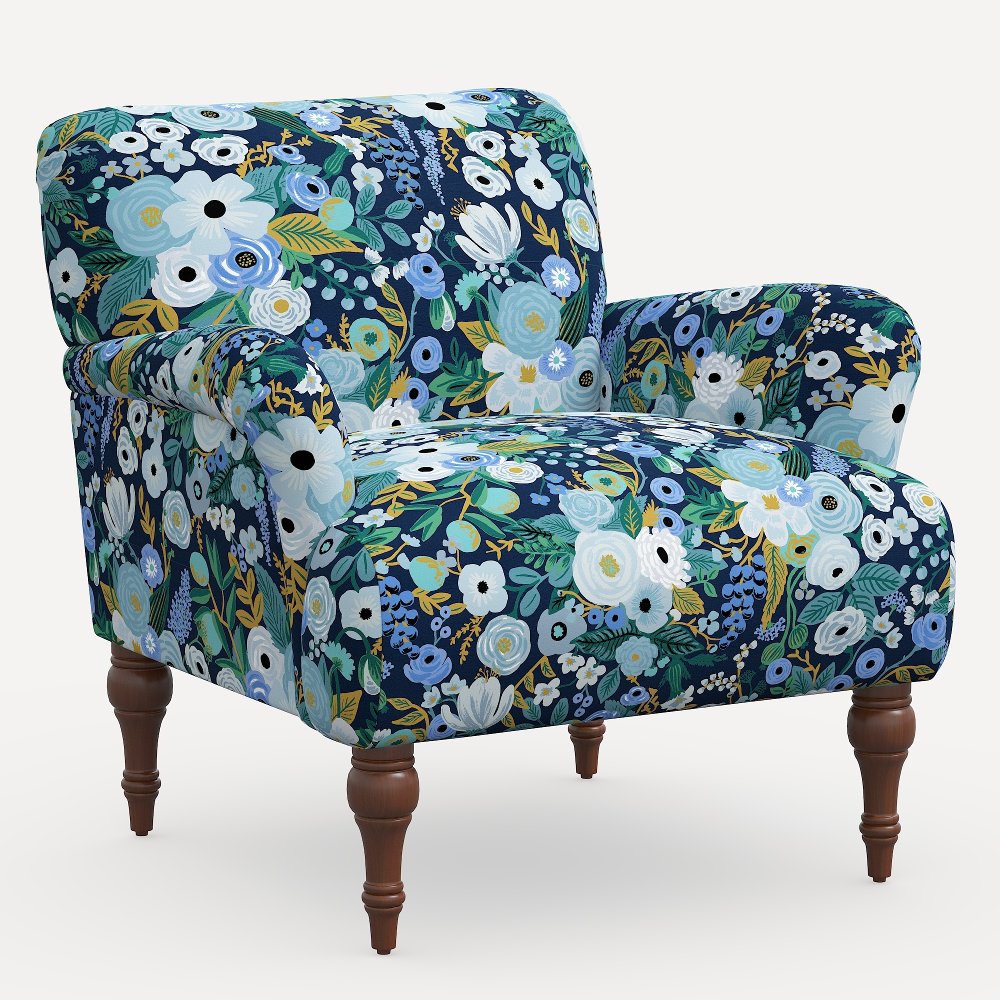
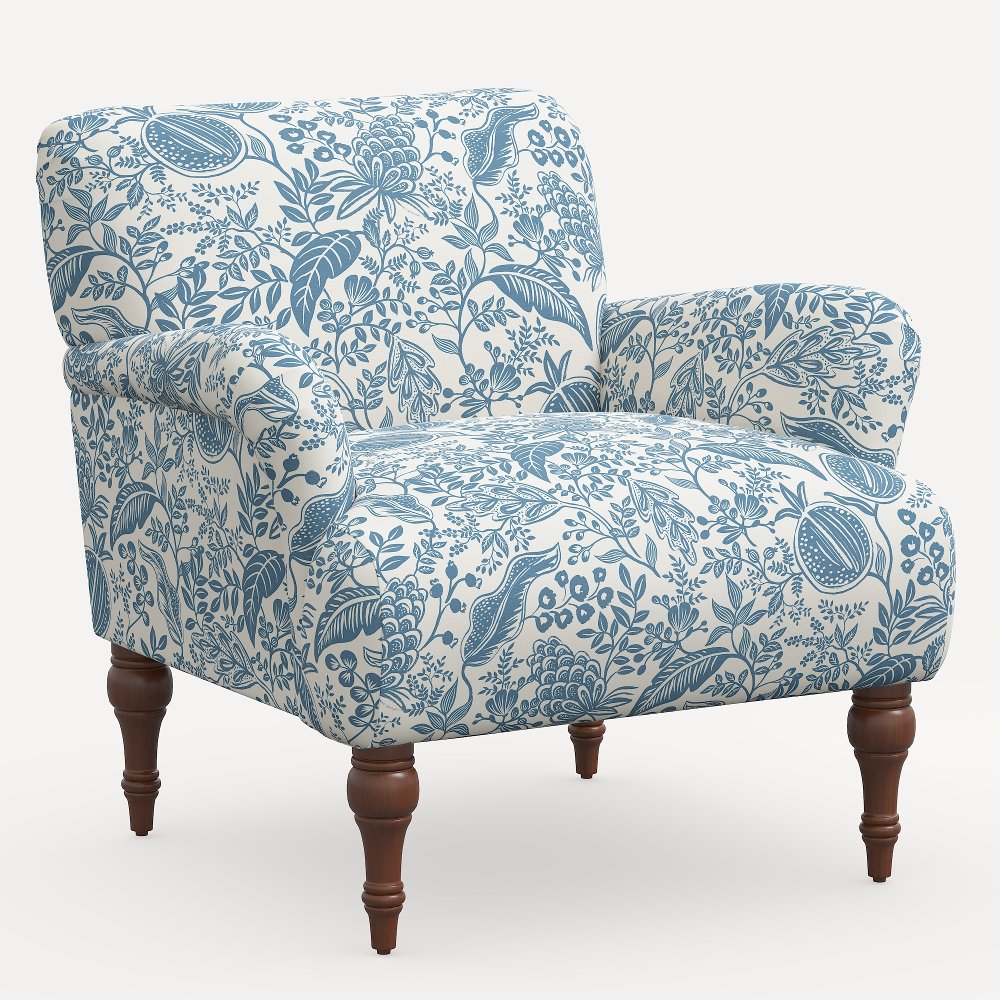
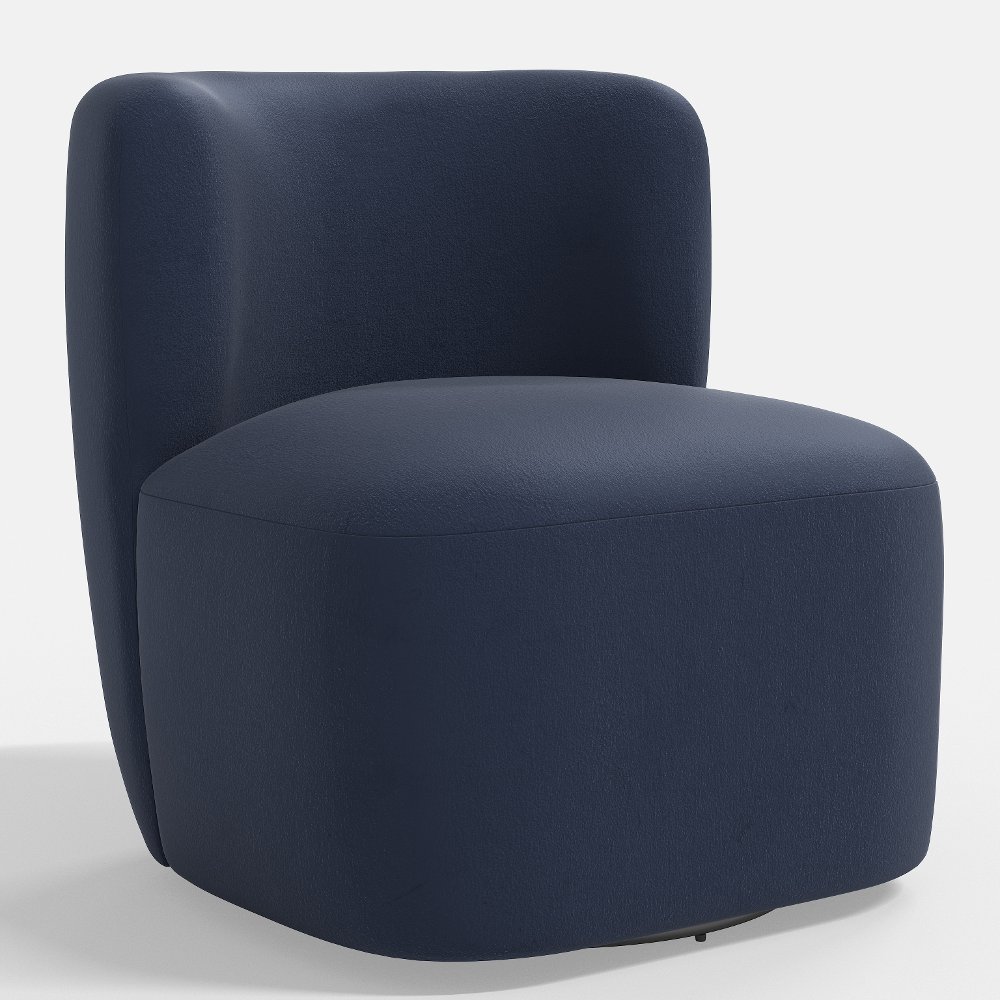
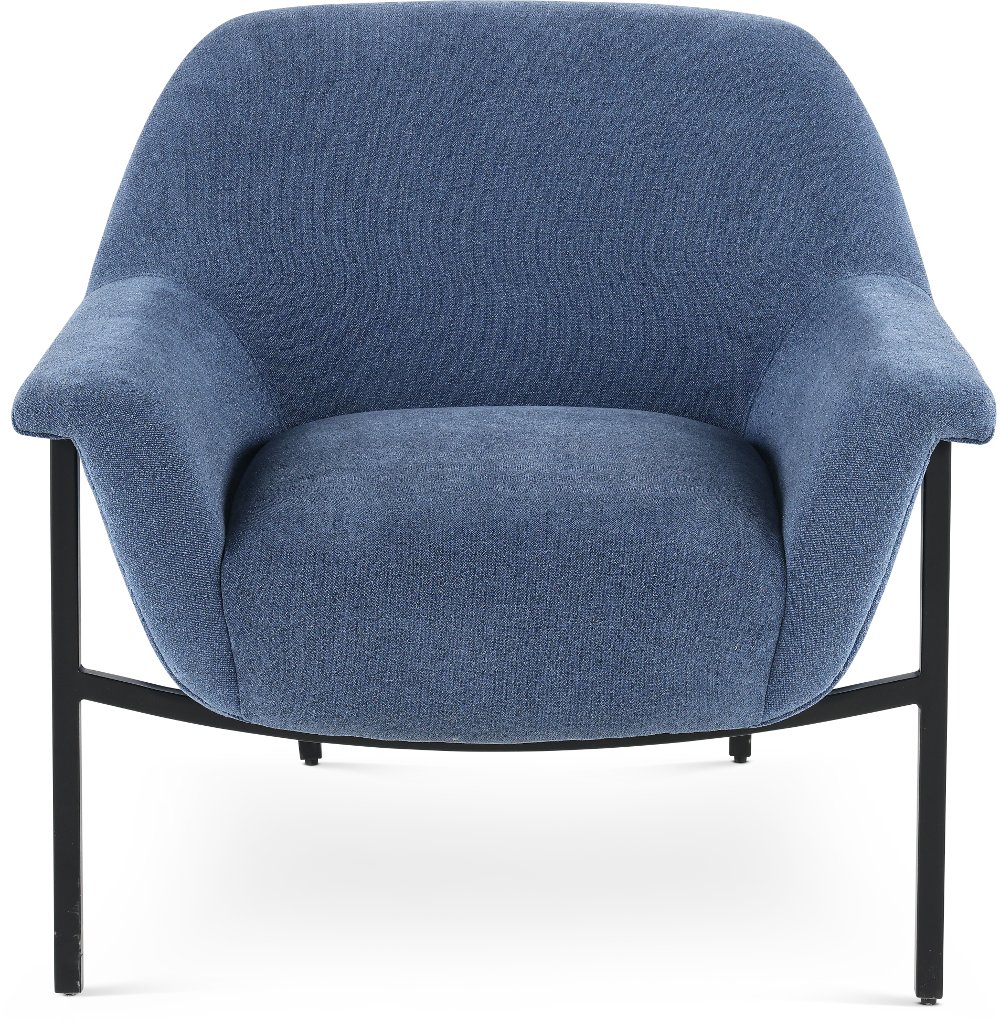
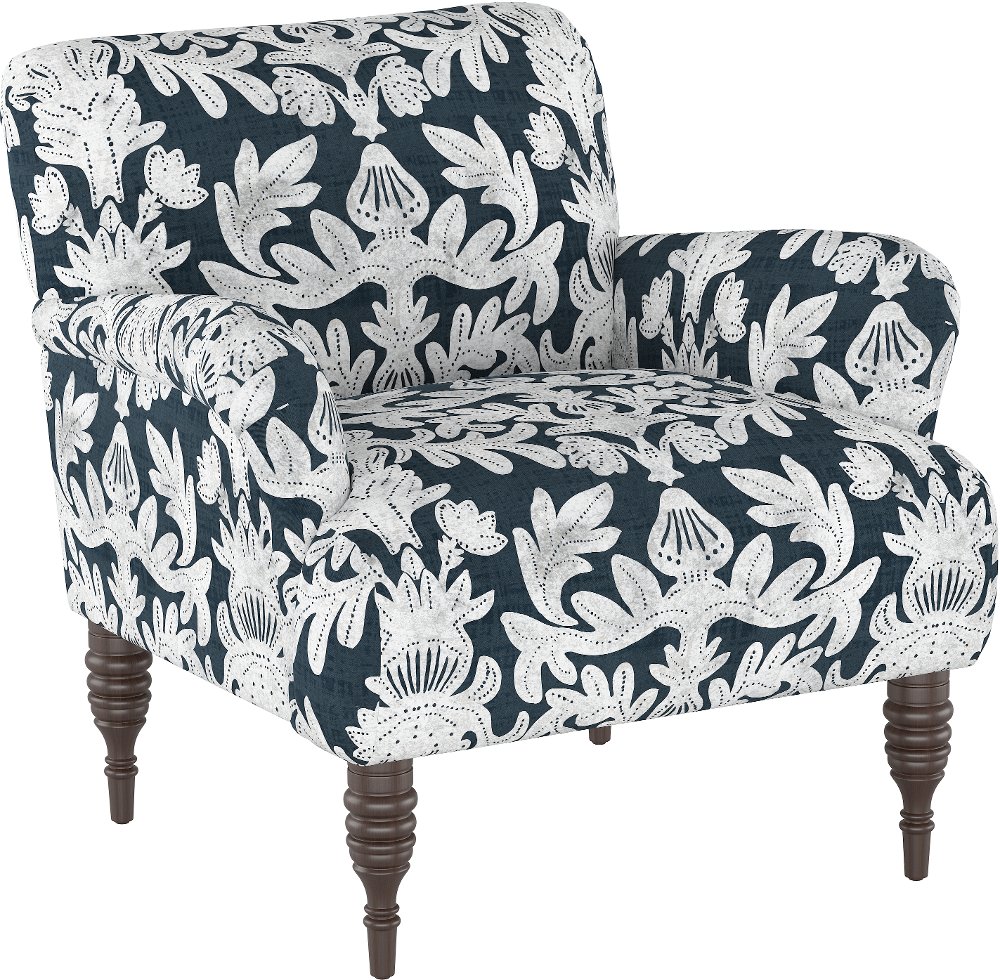
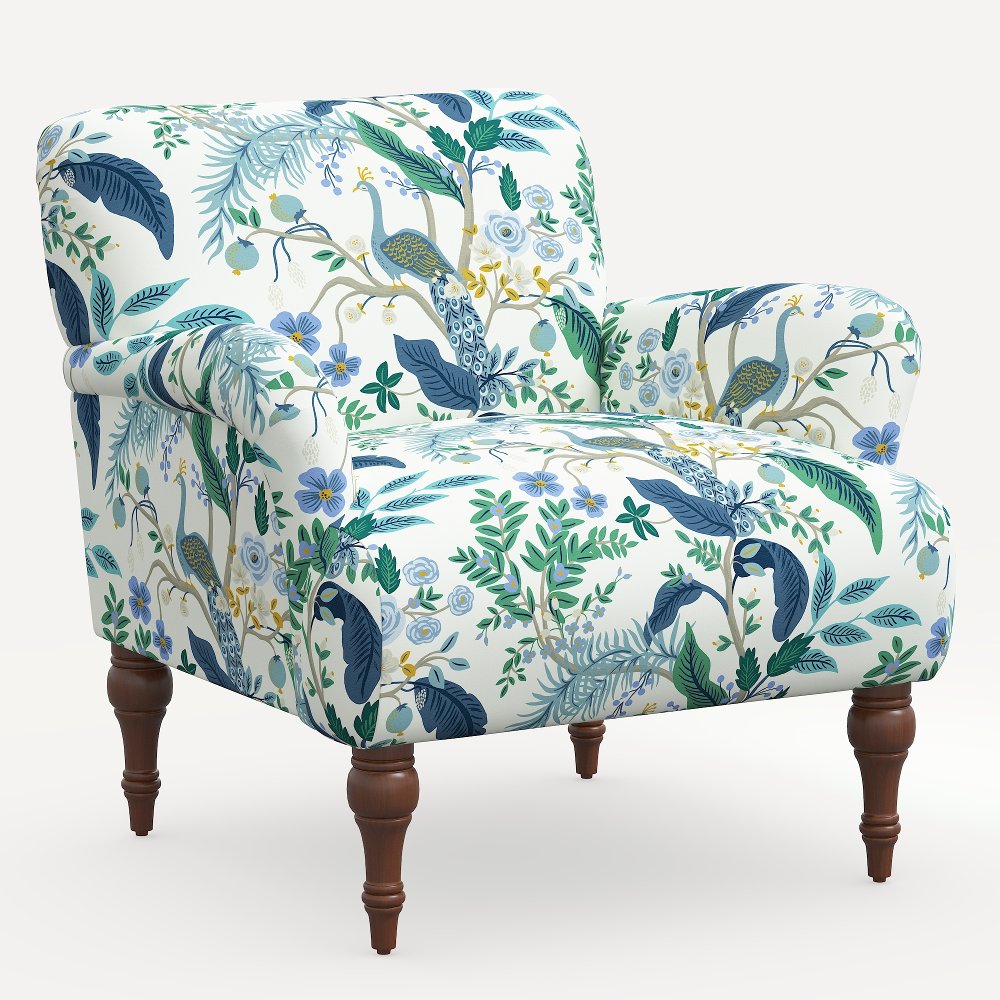
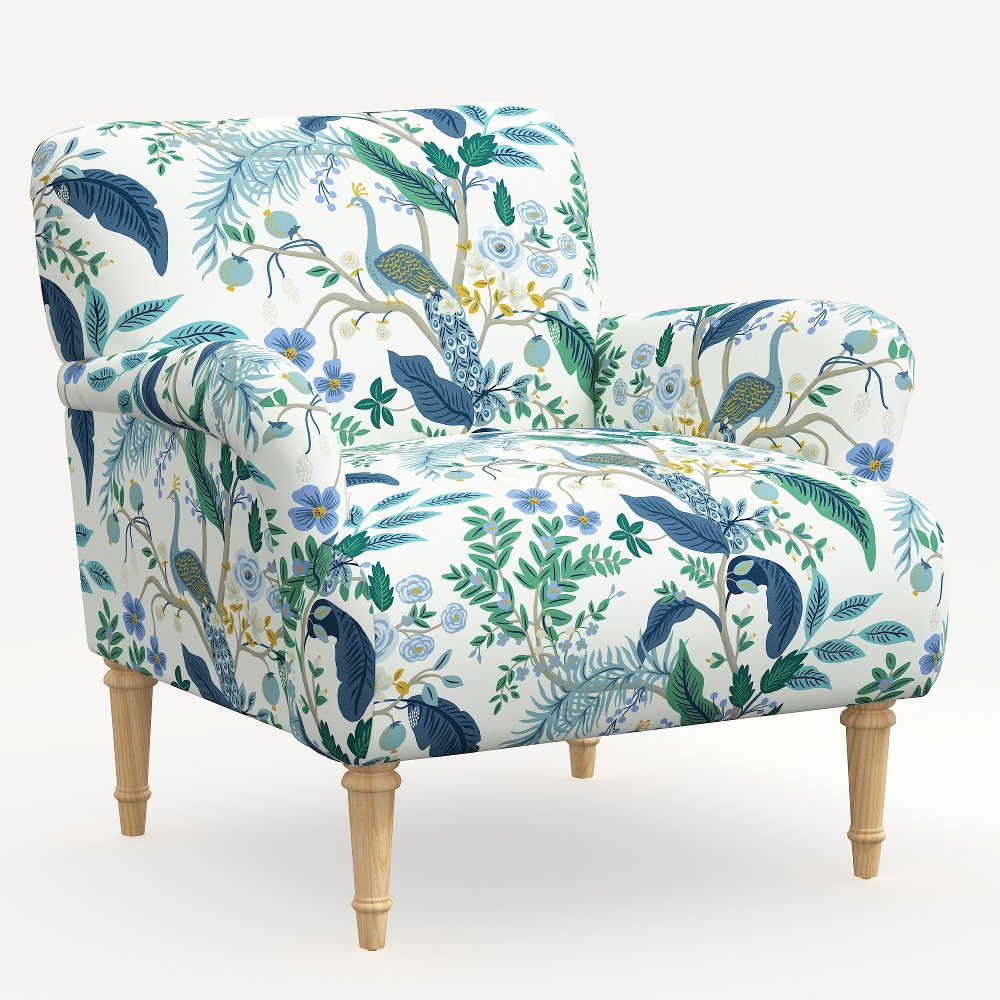
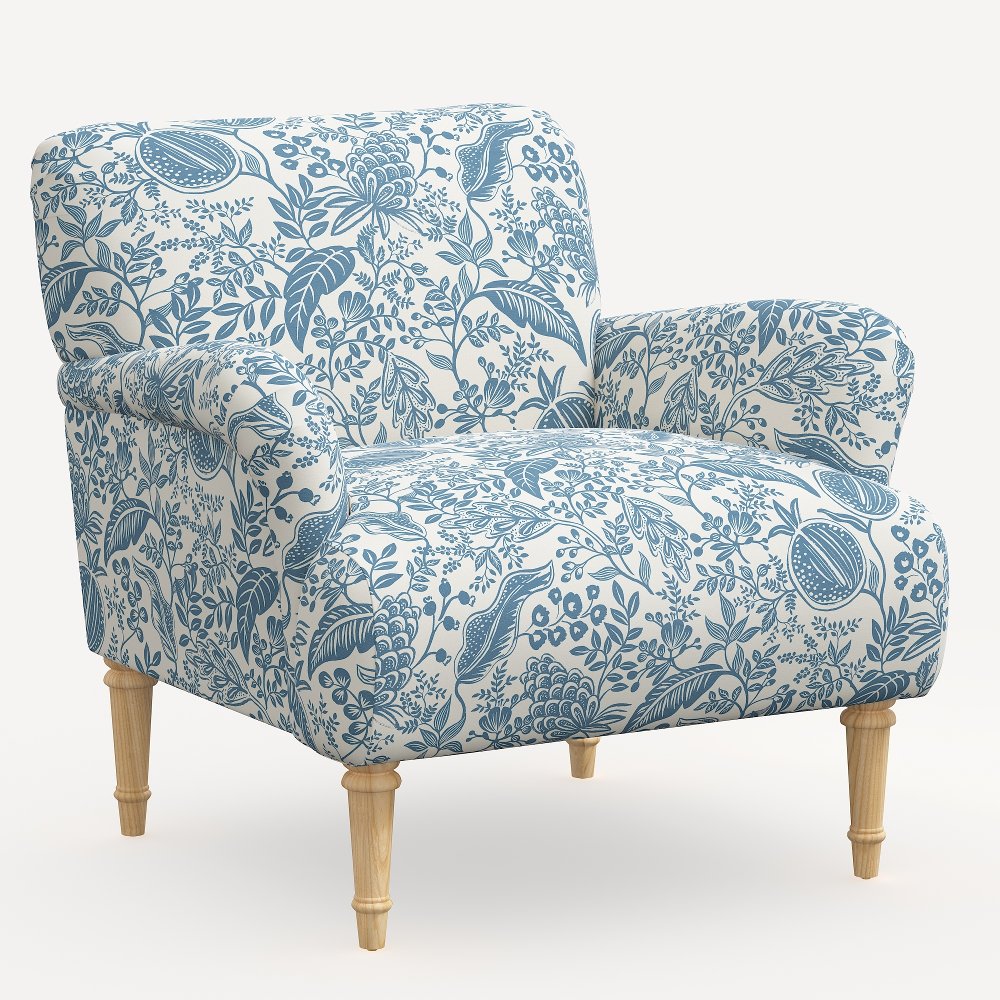
Blue swivel accent chairs bring color, comfort, and a little flexibility to the places where you spend time at home. Unlike a stationary chair, a swivel design lets you turn toward a conversation, a nearby window, or the television without shifting the entire seat across the floor. That movement feels especially useful in an open living area, where one chair might face the sofa during a visit and turn toward the kitchen while someone finishes dinner. Blue gives that practical design plenty of personality. Deep navy can feel grounded and tailored beside a cream sofa, while denim blue has an easygoing quality that works naturally with oak furniture, woven baskets, and soft cotton throws. Dusty blue creates a quieter effect in a bedroom corner, and brighter shades can give a neutral living room a clear focal point. The fabric’s surface changes the color, too: Velvet catches light and can make blue appear richer or lighter as you move around it, while a textured weave often gives the same shade a more relaxed appearance. Consider the room’s daylight and evening lighting when choosing a tone, since a blue that looks crisp near a sunny window may read deeper beneath a shaded lamp. Shape matters just as much as color. A rounded barrel chair can soften the straight lines of a sectional and coffee table, while a more upright silhouette suits a sitting room with tailored furniture. A pair of blue swivel chairs can create a comfortable conversation area across from a sofa, but a single chair is often enough to give an unused corner a purpose. Add a reading light and a small table within easy reach, and that corner becomes a place for a morning coffee, a chapter before bed, or a quiet pause during a busy household day. Repeating a touch of blue in artwork or a patterned rug helps the chair feel connected to the room without requiring every piece to match.
The right fit starts with both the chair’s footprint and the space it needs to turn. Check overall width, depth, and height, then leave enough clearance around the chair for its moving parts and upholstered edges to pass nearby walls, tables, and other furniture. A chair that fits neatly while facing forward may need more room when it rotates, particularly if it has a wide back or arms that extend beyond the base. Painter’s tape can help you mark the dimensions on the floor and picture how the seating area will work, though the turning clearance still needs a separate check. Keep everyday walking paths open, especially between the sofa and a doorway or along the route into an adjoining room. Seat measurements deserve the same attention. A deeper seat can be comfortable for someone who likes to curl up, while a shallower seat may better suit a person who prefers to sit upright with feet resting on the floor. Taller backs offer a different feel from low, wraparound designs, and arm height affects how comfortably you can rest your elbows while reading or chatting. Cushion firmness is personal rather than a simple measure of quality; supportive foam, softer cushioning, and layered constructions can each feel different over a longer sitting session. When possible, sit in a chair as you would at home rather than testing only its front edge. Notice whether the back supports your usual posture and whether the swivel action feels controlled. Some bases rotate fully, while others have a limited range or return to a starting position, so check the details for the movement you prefer. Swiveling also doesn’t automatically mean rocking, gliding, or reclining. A chair for television viewing may need different features than one used mainly for conversation. For someone furnishing a first apartment or refreshing a longtime home, these practical details help turn an attractive accent chair into a seat that gets used every day.
Upholstery and construction influence how a blue swivel accent chair feels and how well it handles everyday life. Woven fabrics offer a broad range of textures, from smooth, closely woven surfaces to more pronounced patterns that add depth to a solid color. Velvet brings a soft hand and a subtle sheen, though its pile may show pressure marks or changes in shading as it’s touched. Chenille can feel cozy and inviting, while some synthetic blends are designed to support easier routine care. Fiber content alone doesn’t tell the whole story: Weave, finish, cushion construction, and the manufacturer’s care instructions all matter. In a room shared with children or pets, look for clearly stated durability and cleaning information rather than assuming that a dark color or a “performance” description makes a fabric resistant to every spill or scratch. Navy may make some marks less noticeable, but light pet hair and lint can still stand out against it. If you’re comparing upholstery textures and chair shapes beyond swivel seating, Blue Fabric Accent Chairs offer another way to explore the look of blue in a room. For a chair that will see frequent use, pay attention to frame construction, base stability, cushion support, and any stated weight limits. Smooth rotation should come from the mechanism, not from the base sliding across the floor. Follow the manufacturer’s recommendations for floor protection, and keep cords, loose rug edges, and small objects away from the moving base. Routine care is usually simpler when it’s consistent: Vacuum with an appropriate upholstery attachment, blot spills promptly instead of rubbing, and use only cleaning methods approved for the fabric. Removable cushion covers aren’t necessarily machine washable, so check before taking them off to clean. Positioning the chair away from prolonged direct sunlight can also help limit fading. With a thoughtful balance of scale, upholstery, and movement, a blue swivel accent chair can serve as a welcoming everyday seat, whether it’s part of a lively family room or a quiet retreat with a favorite book nearby.
Read More