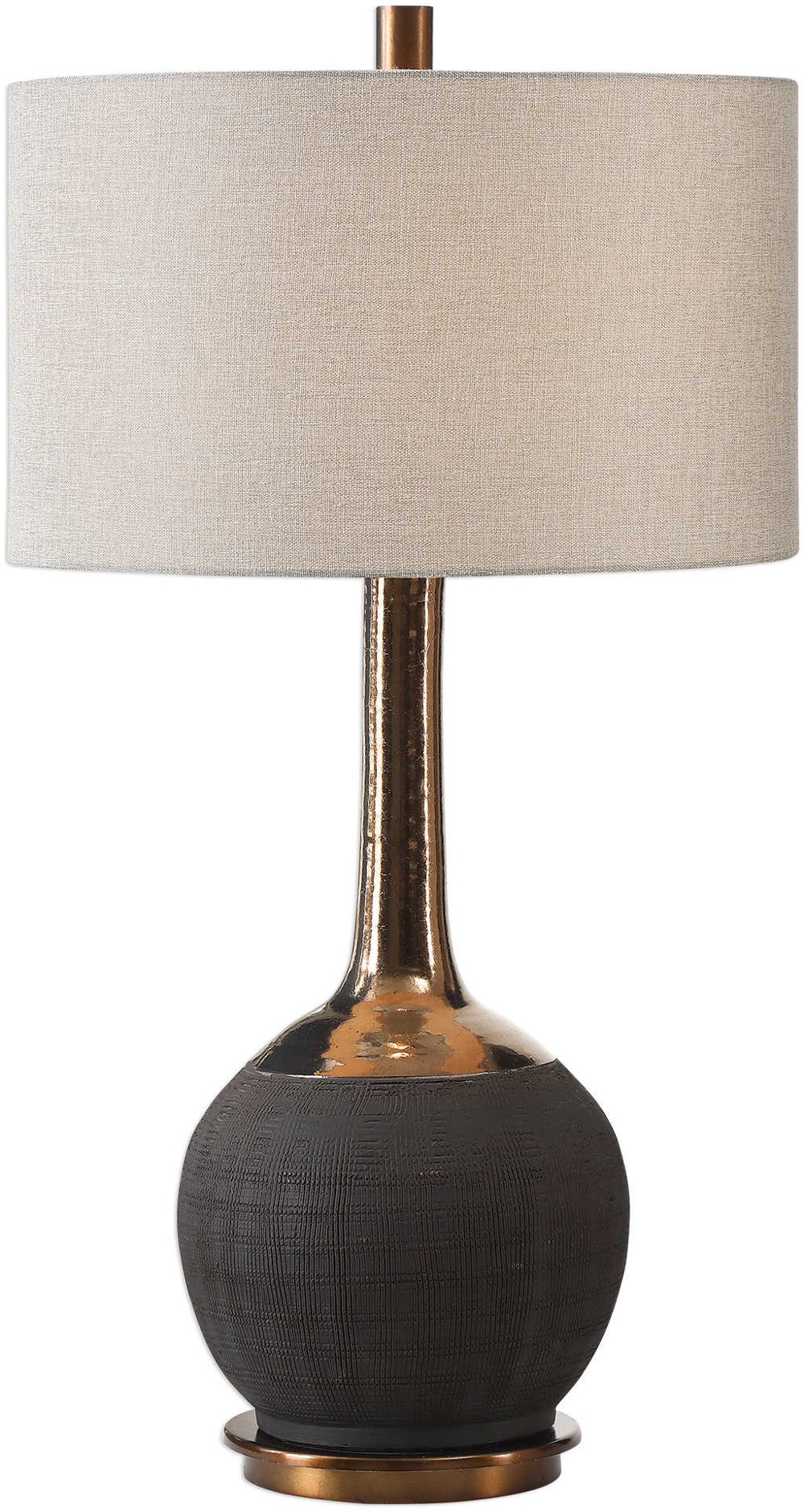
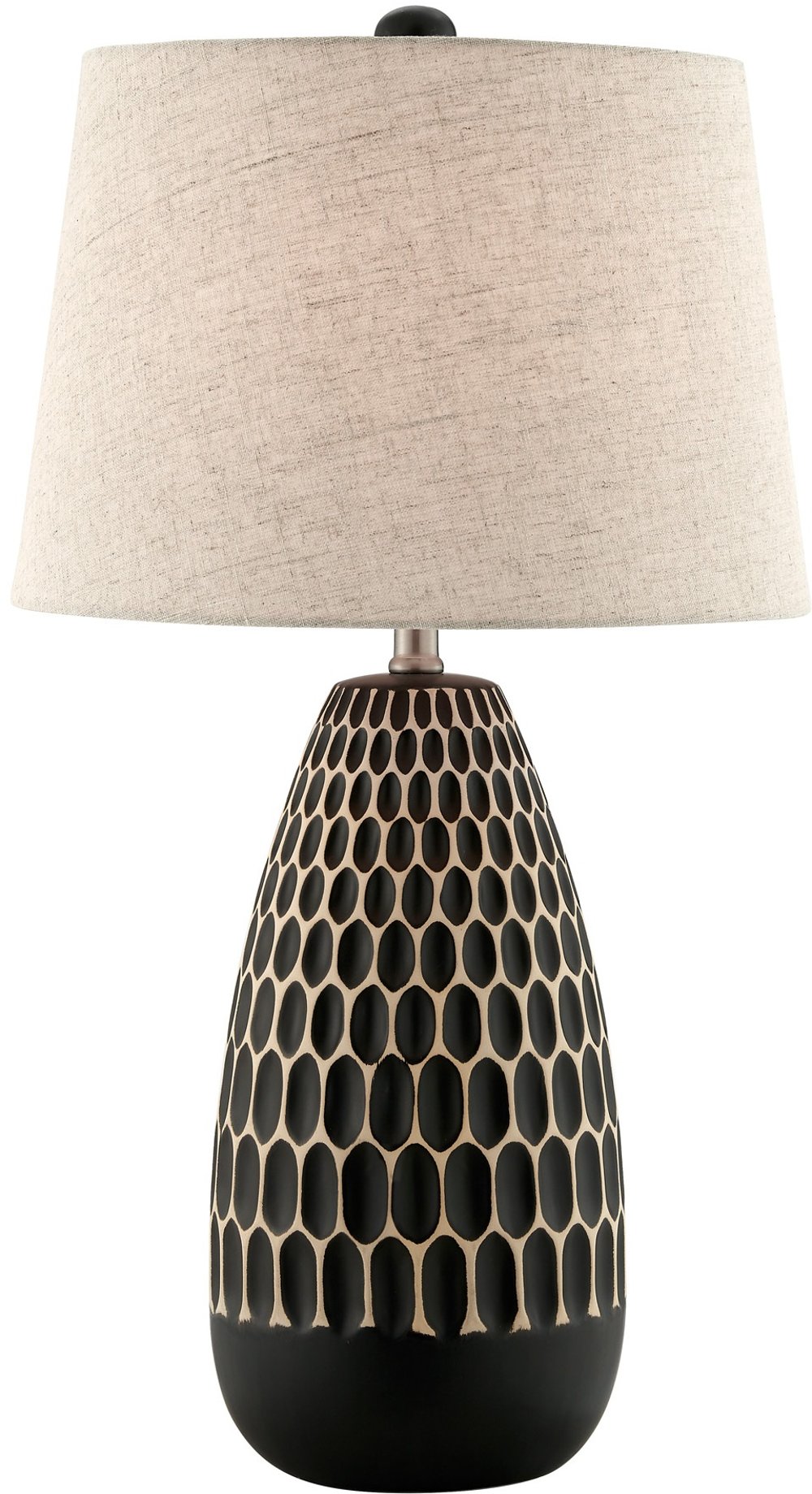
Bronze table lamps add warm metallic tones and useful accent lighting to living rooms, bedrooms, and home offices. Their finishes range from deep brown with subtle copper-colored highlights to lighter, brushed surfaces that catch the light more evenly. That variety makes bronze a flexible choice: a dark, simple base can give a pale room definition, while a softly aged finish can settle comfortably beside walnut furniture, leather upholstery, or a favorite patterned rug. Bronze describes both a metal alloy, primarily made from copper and tin, and a finish applied to other materials. A bronze-colored lamp may have a base made from steel, brass, resin, or another material, so the construction details matter as much as the color name. Solid bronze has its own weight and character, while bronze-finished designs offer different shapes, textures, and decorative effects. Compared with brighter finishes in the broader category of Metal Table Lamps, bronze often creates a softer contrast against wood, fabric, and painted walls. Its appeal extends beyond traditional interiors. Curved bases, turned details, and gently tapered shades suit classic furnishings, while straight columns, open frames, and clean drum shades fit more contemporary spaces. A bronze lamp with a textured base can add interest to a simple console without needing much else around it. On a side table beside a patterned sofa, a quieter silhouette may provide a better balance. Shade color also changes the overall impression: ivory and natural linen tones tend to soften the look, while a dark shade gives the lamp a stronger outline and directs more light through its openings. Bronze doesn't need to match every nearby metal exactly. It can share a room with black hardware, brushed brass accents, or a nickel picture frame when the mix feels intentional. Repeating one detail, such as a dark finish or a rounded shape, helps connect the lamp to the rest of the room without making every piece look alike.
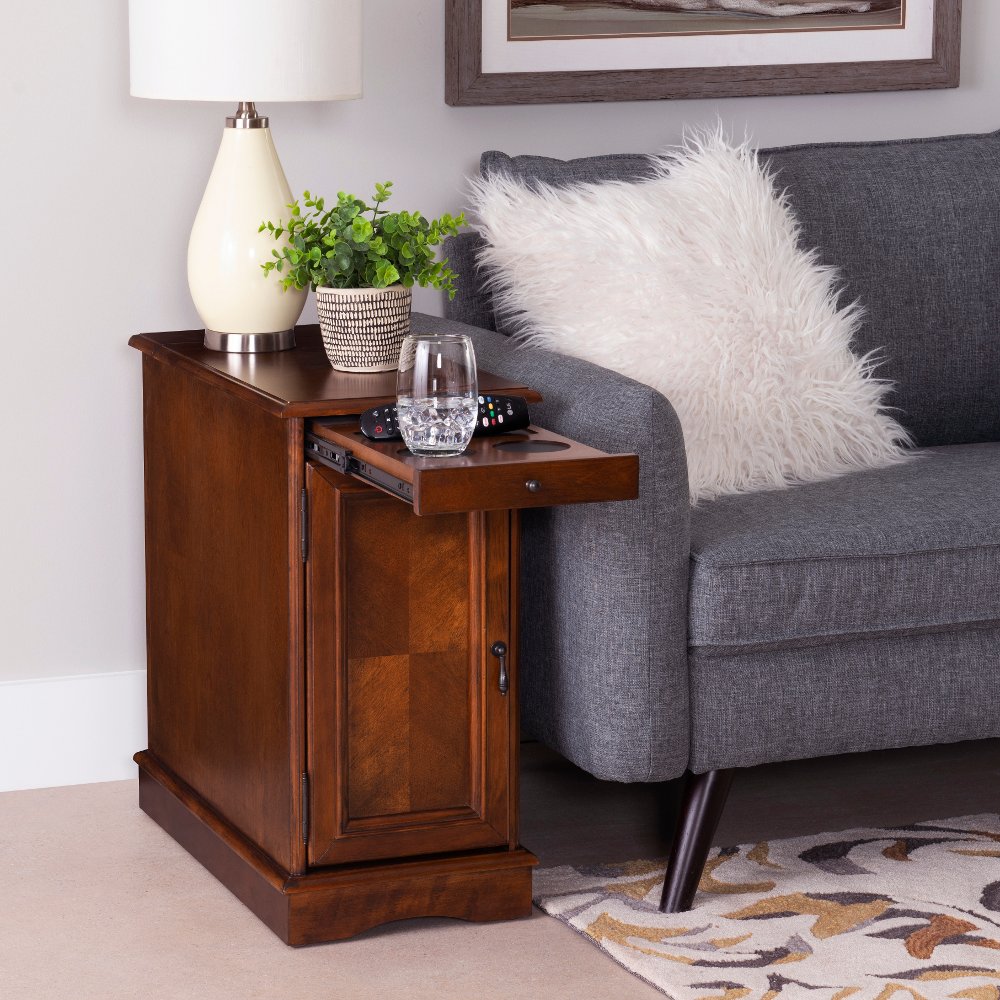
The right bronze table lamp fits both the surface beneath it and the way that corner of the room gets used. Beside a sofa, it can provide a comfortable pool of light for reading while keeping the overhead lighting from doing all the work. On a bedroom nightstand, it offers light within reach for winding down, finding glasses, or getting settled without illuminating the entire room. A console lamp can brighten an entryway and give keys, framed photos, and a small catchall a welcoming backdrop. In a home office, bronze brings a warmer visual note to shelves and desks, although detailed paperwork may call for a more directional task light alongside an ambient lamp. Overall height, shade width, and base footprint all affect how naturally a lamp fits. A broad shade needs enough clearance to sit comfortably beside a wall or sofa arm, and a narrow nightstand benefits from a base that leaves space for daily essentials. The lamp should sit fully on a stable surface, with its cord routed away from walking paths and places where it could snag. From a seated position, a shade that screens the bulb from direct view generally makes the light more comfortable. Reading chairs, deep sofas, and taller beds place people at different heights, so proportions are best considered with the nearby furniture in mind. A pair of bronze bedside lamps can create a balanced arrangement, but identical lamps aren't the only way to make a room feel connected. Different bases with similar finishes and shade colors can work well when nightstands vary in size. In shared spaces, switch placement deserves attention, too. A socket switch tucked beneath a shade, an inline cord switch, or a touch control each offers a different everyday experience. Easy access matters especially when the lamp sits behind an armchair or beside a bed. A lamp that looks beautiful but takes an awkward reach to operate may not be the best fit for a frequently used spot.
Light quality and everyday upkeep are just as important as the finish. A bronze base supplies the visual warmth, but the bulb and shade determine much of the light's color, brightness, and spread. Warm white bulbs, often around 2700K to 3000K, complement bronze's brown and copper tones and create a relaxed setting for conversation or bedside reading. Lumens indicate brightness, while watts describe energy use, so comparing lumen ratings gives a clearer sense of how much light a bulb will produce. The lamp's listed bulb type and maximum wattage still need to be followed. LED bulbs can provide useful light with less energy than incandescent bulbs, and a dimmable setup allows brightness to change with the activity when the lamp, bulb, and any dimming control are compatible. A light-colored fabric shade usually diffuses some light through its sides; an opaque shade concentrates more illumination above and below. Neither approach is automatically better—the right choice depends on whether the goal is broad, gentle light or a more defined glow. Construction influences long-term satisfaction as well. A steady base, secure shade fittings, and a switch that operates smoothly all contribute to a lamp that feels dependable in daily use. Bronze finishes may be painted, plated, lacquered, or treated to look aged, and those surfaces don't all respond to cleaning products the same way. A soft, dry cloth is usually a sensible starting point for dusting the base, with any additional cleaning guided by the manufacturer's care instructions. Metal polish, abrasive pads, and harsh cleaners can damage protective coatings or remove intentional shading, even when the finish looks like solid metal. Fabric shades benefit from gentle dust removal using a method suited to their material, with the lamp switched off and unplugged before cleaning. For someone furnishing a first apartment, refreshing a reading corner, or settling into a new home, a bronze table lamp can also make a thoughtful gift when its size and style suit the space. Its lasting appeal comes from that combination of useful light, adaptable color, and details that make an ordinary tabletop feel more finished.
Read More