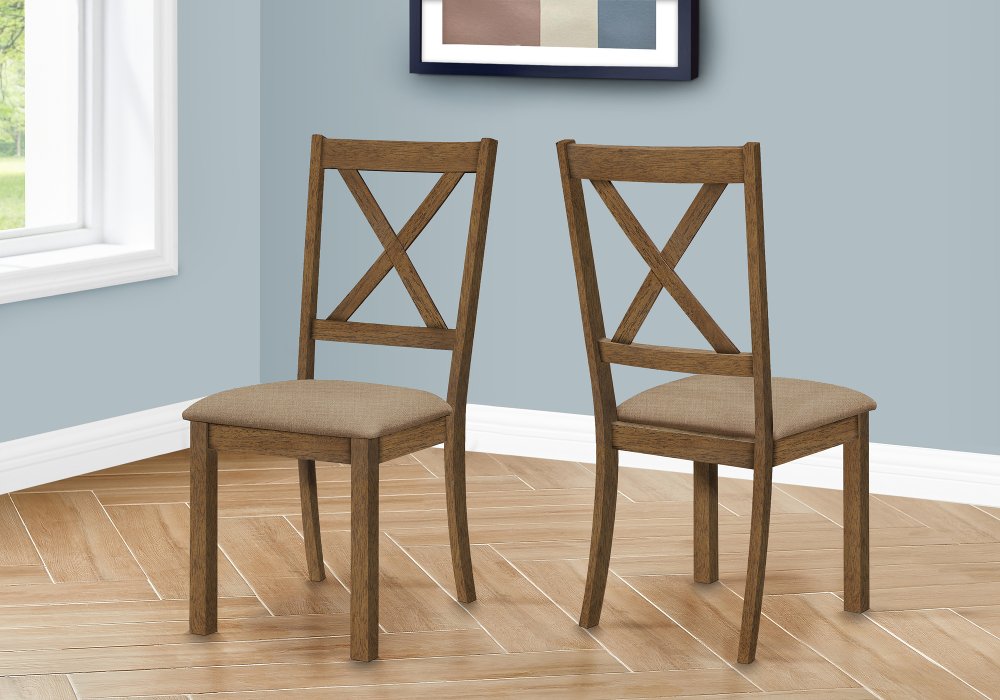
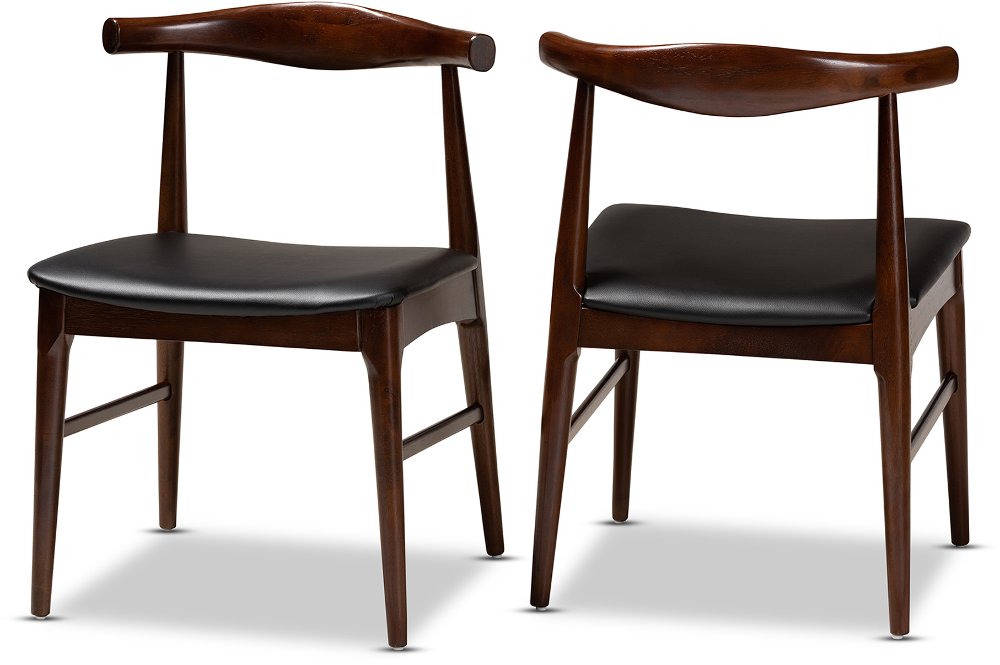
Brown patio chairs bring a warm, grounded look to outdoor seating, with shades ranging from honey and chestnut to walnut and deep espresso. Their earthy color works comfortably alongside brick, stone, wood decking, and leafy landscaping, making them an easy foundation for a coordinated patio or a more collected backyard setting. The brown color may come from natural wood, a protective frame finish, woven resin strands, or sling fabric, so chairs with a similar shade can have very different textures and care needs. Brown outdoor dining chairs generally offer a more upright seat for meals, while lounge chairs tend to have deeper seats and more relaxed back angles for settling in with a book or talking after dinner. Adirondack-style chairs have a recognizable sloped seat and broad arms; rocking and swivel chairs add movement to a porch or conversation area. A pair of compact chairs beside a small table can turn a front entry into a comfortable place for morning coffee, while substantial cushioned seating helps define a gathering spot on a larger deck. Color makes a difference in the finished space, too. Lighter brown tones can soften dark railings and concrete surfaces, while darker brown chairs create a clear contrast against pale pavers or cream-colored cushions. Beige and ivory fabrics keep the look quiet and neutral, olive adds an earthy layer, and rust or blue brings more color without competing with the frame. Matching every brown finish exactly isn’t necessary; repeating a similar undertone or texture often creates a more natural connection between seating and an existing table. For households that use the patio for both meals and downtime, the most useful distinction is how each chair supports the activity. An upright chair that slides neatly beneath a dining table serves a different purpose than a wide, low lounge chair with room for a thick cushion. Both can share the same brown palette while giving different parts of the outdoor space their own function.
Materials determine much of a brown patio chair’s weight, feel, durability, and maintenance requirements. Resin wicker, sometimes described as synthetic rattan, provides a woven appearance without relying on natural plant fibers for the exposed surface. It’s commonly woven over aluminum or steel frames, combining texture with structural support. Products rated for outdoor use may include UV-resistant resin, but resistance to sunlight and moisture varies by construction and material quality. Natural rattan and outdoor resin wicker aren’t interchangeable, so the intended-use description matters, especially for seating on an uncovered patio. Solid wood chairs offer visible grain and variation that give brown seating an organic character. Teak and acacia are common outdoor furniture woods, although their long-term appearance depends on exposure, finish, and care. Teak can develop a silvery patina when left untreated, while maintaining a particular brown tone may require manufacturer-recommended treatments. Metal chairs offer another approach, from slender dining frames to broader lounge silhouettes. Aluminum is generally lightweight and doesn’t develop the red rust associated with steel, though its surface and finish still benefit from routine cleaning. Steel can provide a substantial feel, but scratches or worn coatings may expose it to rust. For a closer focus on this material category, brown metal outdoor chairs offer a way to coordinate a brown palette through the frame itself. Sling chairs pair a supporting frame with taut fabric, creating seating that often needs no separate cushion and allows air to circulate. Brown high-density polyethylene, or HDPE, chairs provide another option, often with textured surfaces that resemble painted wood. They generally don’t need staining, although cleaning and hardware checks remain part of their care. No material makes every chair equally suitable for every location. A lightweight frame is convenient when rearranging seats for guests, while a heavier chair may be less convenient to move between a deck and storage area. Frame joints, hardware, finish quality, and the manufacturer’s stated weight capacity deserve as much attention as the surface color.
A comfortable fit starts with the chair’s full dimensions, not just whether its footprint fits on the patio. Dining chairs need enough space to pull back from the table without blocking a doorway or walkway, and armrests should clear the underside of the tabletop if the chairs will tuck in. Table aprons can reduce that clearance even when the tabletop looks high enough. Deep lounge seating takes up more room than an upright dining chair, and rocking, reclining, or swivel designs need additional clearance for movement. On a narrow balcony, a chair with a modest width and relatively upright back can leave more usable floor space for a side table and a clear walking path. Stackable or folding designs can help when the same area needs to accommodate everyday seating and occasional gatherings; check whether cushions must be removed before storing them. Seat height and depth also affect daily comfort. Someone who prefers an easier transition from sitting to standing may appreciate a higher seat and supportive arms rather than a low, deeply reclined design. Cushions should fit the seat securely, and removable covers can make routine care simpler when their cleaning instructions allow washing. Outdoor fabrics may resist fading and moisture, but water-resistant cushions aren’t necessarily waterproof. Letting wet cushions dry thoroughly and storing them in a dry, ventilated place helps limit trapped moisture. Routine chair care usually starts with removing loose dirt and following the recommended cleaning method for the frame, weave, and fabric. Mild soap and water suit many outdoor surfaces, while abrasive cleaners or pressure washing can damage some finishes and fibers. Suitable protective covers can reduce exposure when chairs aren’t in use, provided the furniture is dry and the covers allow ventilation. Checking fasteners periodically is especially useful for seating that rocks, swivels, folds, or gets moved frequently. With the right proportions and a manageable care routine, brown patio chairs can support anything from a quiet reading corner to a busy family dining area, bringing practical comfort and a welcoming, natural-looking finish to the space.
Read More