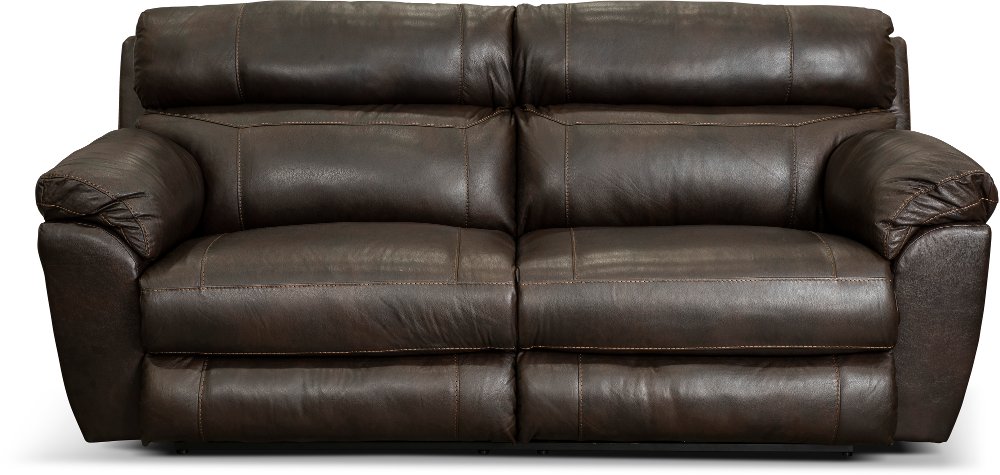
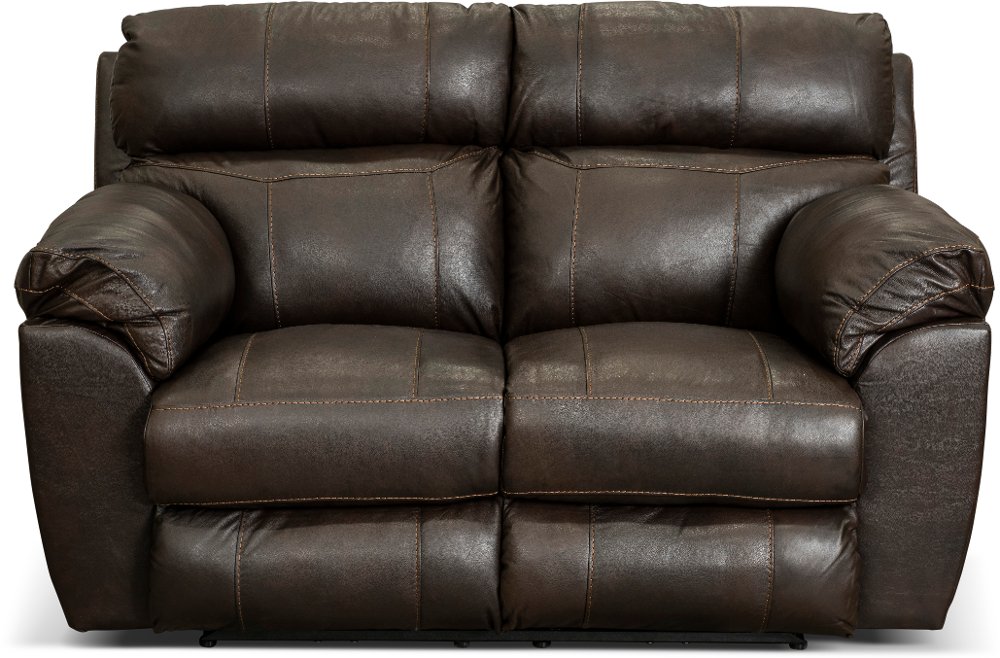
Brown reclining loveseats bring the comfort of a favorite lounge chair into a seat made for two, giving a living room, den, or TV room a relaxed place to land. Their appeal goes beyond putting your feet up. Brown adds warmth without demanding attention, and its range of shades makes it easy to work with the furniture and finishes already in your home. A caramel-colored loveseat can soften a room with dark metal accents, while a deep chocolate shade looks inviting beside cream curtains, a pale rug, and warm wood tables. Medium brown tones sit comfortably between those extremes, pairing with everything from muted green pillows to a blue throw draped over an arm. Upholstery texture changes the effect, too: a smooth surface creates a cleaner look, while a softly grained or woven finish gives the room a more casual feel. The reclining design suits evenings spent watching a movie, catching up with a partner, or settling in with a book during the cooler months. For a couple furnishing a smaller living room, a loveseat can provide two dedicated lounging spots without the footprint of a full reclining sofa. In a larger family room, it can complement a sofa and help create a seating arrangement where more than one person gets a comfortable place to stretch out. Some designs emphasize plush backs and rounded arms; others keep the profile more tailored, making reclining furniture feel at home beyond a traditional media room. If a separate seat would make the arrangement more flexible, brown manual recliners can carry the same warm color into another part of the room. Matching every shade exactly isn’t necessary. Repeating a similar undertone, then varying textures through a rug, pillows, or nearby accent chair, helps the space feel coordinated rather than overly matched. The result is seating that feels comfortable in everyday use and natural within the rest of your home.
The upholstery on a brown reclining loveseat influences both its character and the attention it needs over time. Genuine leather typically has natural variations in grain and color, and some finishes develop a lived-in patina with use. Its surface can make routine dust removal straightforward, but leather still needs protection from direct sunlight, concentrated heat, and cleaning products that aren’t approved for it. Leather-match construction combines leather on designated areas with coordinating material elsewhere, so the upholstery description matters when comparing how different sections should be maintained. Faux leather can provide a similar visual effect, although its composition and coating affect how it responds to friction, scratches, and daily wear. Fabric brings another kind of comfort, from the soft feel of microfiber to the subtle dimension of a textured weave. Performance fabrics may offer particular stain-resistance or cleaning benefits, but those features vary; the care instructions are a better reference than the fabric’s appearance alone. Brown can make some everyday marks less noticeable, yet it won’t make upholstery stainproof, and light-colored pet hair may stand out against darker shades. In a household where a dog curls up beside someone every evening, a tightly constructed surface and a regular vacuuming routine deserve as much attention as color. For snacks during a movie, prompt blotting with an approved method is gentler than rubbing a spill into the material. Removable throws can add a washable layer where permitted, provided they stay clear of the reclining mechanism. Durability also depends on what sits beneath the upholstery: the frame, suspension, cushioning, and moving components all contribute to long-term comfort. A deeply padded seat may feel inviting at first touch, while a more supportive cushion can make changing position easier. Neither feel suits everyone. The best match is the one that supports the way you actually sit, whether that means upright with a crossword or reclined for the second half of a long movie. Consistent care and using the footrest as intended help preserve that everyday comfort.
Fit deserves equal attention because a reclining loveseat occupies more space in motion than it does when closed. Overall width tells only part of the story; arm thickness, seat depth, back height, and any center console determine how much usable sitting room the piece provides. A console can give two people a convenient place for remotes or drinks when those features are included, but it also separates the seats and changes how the loveseat feels for anyone who likes to sit close. Seat height matters when getting up, and seat depth affects whether someone can rest against the back with their feet comfortably supported in the upright position. Taller users may appreciate a higher back or longer extended footrest, while shorter users may prefer a shallower seat that doesn’t require extra pillows behind them. In the room itself, allow for the fully extended position, the manufacturer’s required wall clearance, and a walking path that remains usable while someone reclines. Wall-proximity designs can reduce the space needed behind the back, but they still require the clearance specified for that mechanism. Nearby coffee tables and side tables should stay outside the footrest’s travel. Manual reclining typically uses a handle or release along with body movement, making the control’s location and the effort needed to close the footrest important considerations. Power reclining uses powered controls to adjust position and needs access to a suitable electrical connection; certain designs also offer adjustable headrests or other comfort features. Controls should be easy for the intended user to reach, and cords should stay clear of walkways and moving parts. Delivery access counts as part of fit, too, especially through narrow doorways, around stair landings, or into an upstairs sitting room. Checking those dimensions alongside the loveseat’s measurements helps make the move into your home smoother. With the right proportions, upholstery, and reclining operation, a brown reclining loveseat becomes a practical part of daily life: a welcoming seat after work, a shared spot for quiet conversation, and a comfortable anchor for time spent at home.
Read More