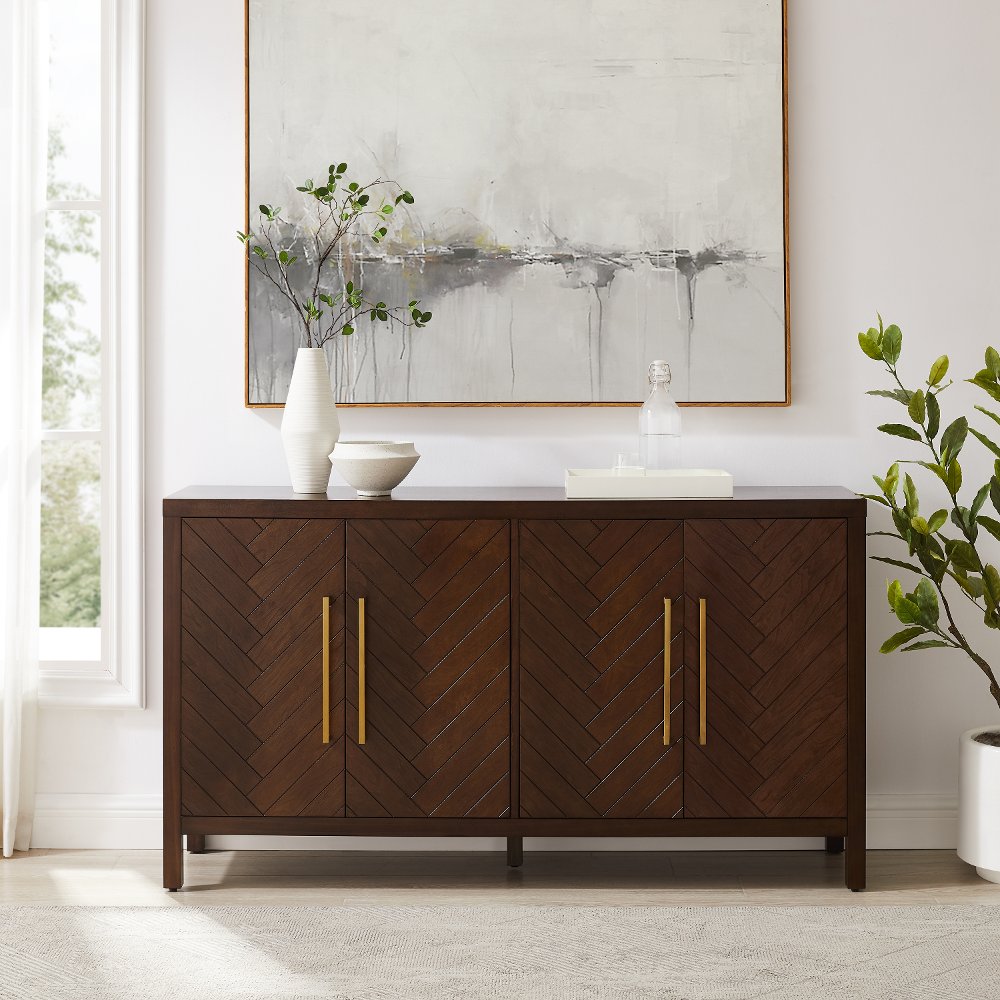
Brushed nickel handles bring a soft silver tone and a lightly textured finish to cabinets, drawers, and furniture, adding definition without the mirrorlike shine of polished metal. Their fine brushed grain diffuses reflected light, creating a subtle sheen that feels comfortable alongside both contemporary and traditional furnishings. Compared with highly polished finishes, brushed nickel can make fingerprints and minor smudges less noticeable, though it still benefits from regular cleaning. The effect is especially appealing on pieces you touch throughout the day: a dresser drawer opened before work, a bathroom vanity holding everyday essentials, or a dining room cabinet used to put away serving dishes. On white or cream cabinetry, brushed nickel hardware creates gentle contrast; against dark wood, it gives drawer fronts a clear, understated accent. It also complements gray finishes, natural oak, and painted furniture without demanding an exact match throughout the room. Handle shape helps set the mood. Straight bar pulls emphasize clean lines, curved handles soften angular furniture, and more detailed profiles suit pieces with framed doors or decorative trim. The same finish can therefore feel sleek on a media console and familiar on a classic chest of drawers. Brushed nickel often coordinates well with stainless steel appliances, but the two finishes aren’t identical, and their undertones can differ. Satin nickel may also look similar while having a smoother surface or a different sheen. Repeating a finish in a few visible places generally creates a more intentional connection than trying to make every metal surface match perfectly. In a living area, brushed nickel living room lamps can echo the hardware on a nearby cabinet or console while adding useful light beside a reading chair. These small connections let your furniture, lighting, and accessories feel related without turning the room into a matching set. The result is a space where practical details contribute to the overall look rather than compete for attention.
The best-fitting brushed nickel handles balance appearance with the dimensions and everyday function of the furniture they accompany. For replacement pulls, center-to-center spacing means the distance between the centers of the two mounting holes, not the handle’s overall length. Common measurements include 3 inches, 96 millimeters, and 128 millimeters. Metric sizes are sometimes described using rounded inch equivalents, so an exact measurement matters more than a close visual estimate. Two handles with the same hole spacing can have noticeably different overall lengths, making one look compact and another feel more substantial on the drawer front. Projection, or how far the handle extends from the surface, also affects comfort and clearance. A pull with enough space behind it is easier to grasp, especially on a drawer that holds heavier contents, while a lower-profile design may suit a narrow walkway or furniture positioned near a wall. Rounded edges can feel comfortable in busy family spaces, and a generous grip opening may be helpful for someone who finds small knobs difficult to hold. On wide drawers, hardware should look proportional without overwhelming the face of the furniture; on small drawers, a bulky handle can make the piece feel visually crowded. Mounting screw length matters as well because drawer and cabinet fronts vary in thickness. Hardware needs a secure attachment without screws extending where they could interfere with use. Material descriptions provide another useful distinction: brushed nickel identifies the finish, not necessarily the metal underneath it. Handles may have a zinc alloy, brass, or steel base, and their weight, construction, and finish quality can differ. Solid and hollow designs each have practical uses, so weight alone doesn’t establish quality. Smooth edges, consistent finishing, secure mounting points, and comfortable proportions are more meaningful signs of thoughtful construction. For a cabinet or dresser that gets frequent use, those details help the handle feel dependable rather than merely decorative. Any furniture modification should also respect the piece’s construction and care requirements, particularly when replacing hardware on an older or finished wood surface.
Everyday care helps brushed nickel handles retain their understated appearance, particularly in kitchens and bathrooms where hands may carry moisture, soap, or cooking residue. A soft cloth is usually enough for light dust and fingerprints. When more cleaning is needed, a small amount of mild soap on a damp cloth is often suitable, followed by drying, provided the manufacturer’s care instructions allow it. Abrasive pads, harsh cleaners, and metal polish intended for other finishes can alter the brushed texture or damage a protective coating. A brushed surface may disguise some marks better than a glossy one, but it doesn’t prevent water spots, scratches, or buildup. Drying splashes promptly and keeping cleaning products from sitting on the hardware supports a more consistent finish over time. Durability also depends on the base metal, the quality of the plating or coating, and the conditions around the handle; a nickel-colored surface alone doesn’t guarantee corrosion resistance. In moisture-prone spaces, construction details and stated care requirements deserve particular attention. Handles on bedroom storage or living room furniture face a different kind of wear, from repeated opening to occasional contact with rings, bags, or household objects. A comfortable grip and secure fit help those pieces remain pleasant to use through daily routines. For shared households, easy-to-grasp hardware can make storage more convenient for different users, while a consistent handle style across neighboring pieces can reduce visual clutter. Brushed nickel also works well for homeowners refreshing an existing room without changing every furnishing: its restrained finish can bridge painted cabinetry, wood furniture, and other silver-toned accents. Replacing worn handles can change a piece’s appearance, but the strongest result comes from hardware that fits its original mounting points and suits its scale. Whether it accents a compact nightstand, a spacious vanity, or a cabinet that keeps the living room organized, brushed nickel offers a practical combination of texture, subtle shine, and everyday usability. Its appeal lies in how naturally it supports the furniture—and how comfortably that furniture fits into your home.
Read More