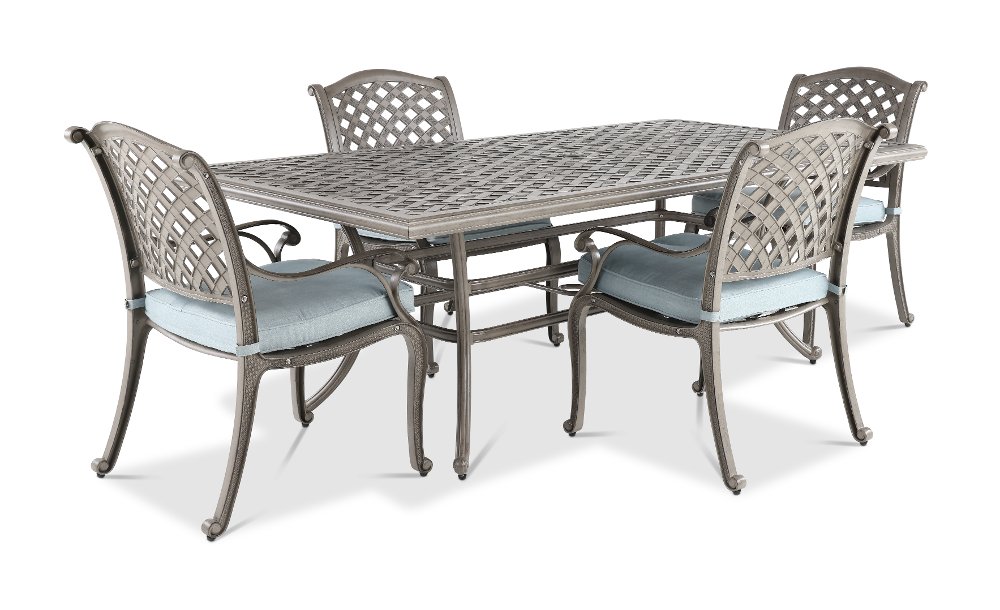
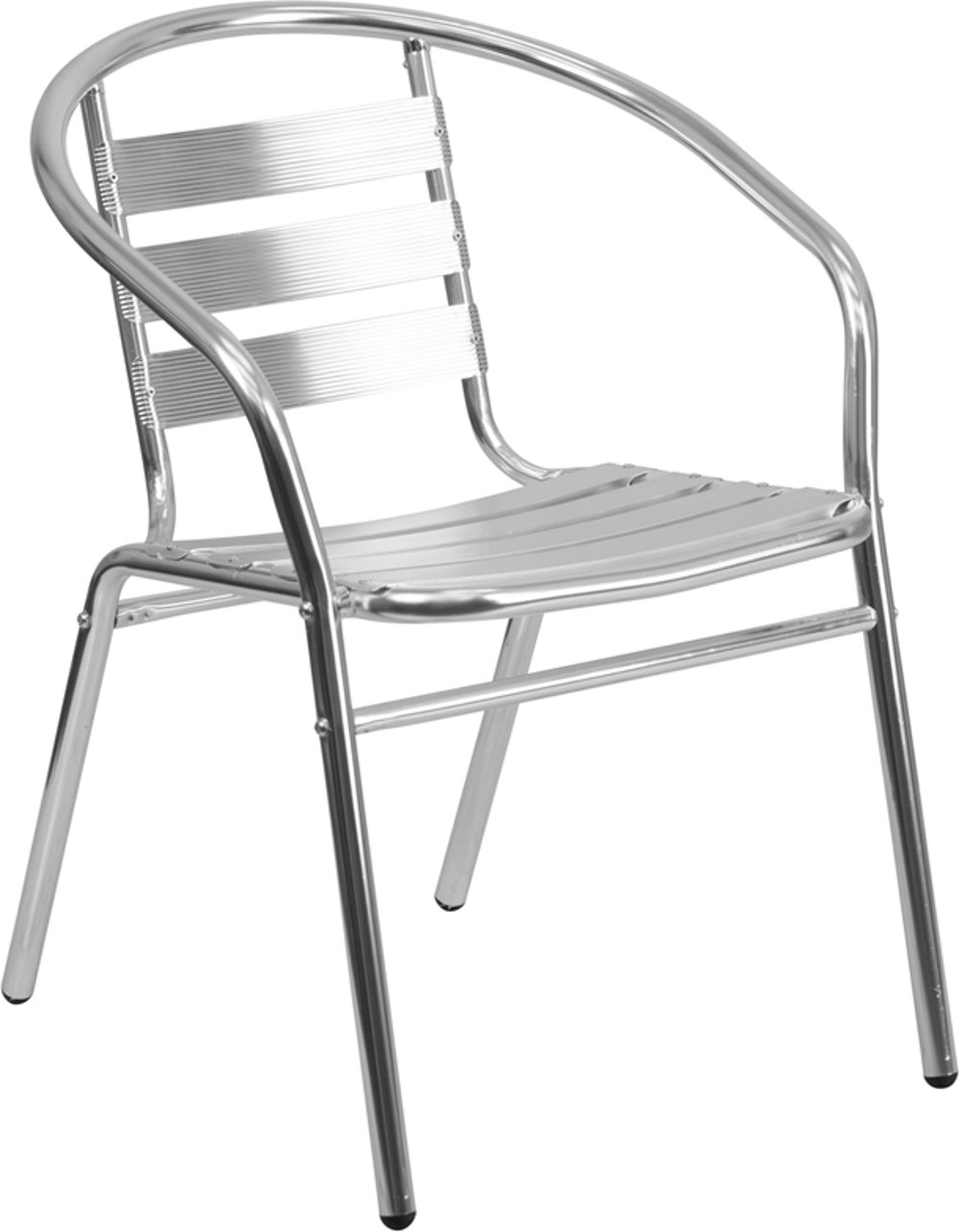
Cast aluminum furniture brings the strength and detail of molded metal to outdoor spaces, from a compact patio with room for two to a spacious deck built for gathering. It’s made by pouring molten aluminum into molds, a process that allows for curved arms, textured surfaces, decorative latticework, and substantial-looking frames. Unlike iron, aluminum doesn’t develop iron rust, which makes it a practical material for outdoor seating and dining furniture. That doesn’t make it immune to every kind of surface damage or corrosion, but a well-maintained protective finish helps it stand up to everyday exposure. Many designs feature a powder-coated finish that adds color and helps protect the metal underneath. Cast aluminum also offers a useful balance between sturdiness and manageable weight. It’s generally lighter than similarly sized cast iron furniture, though the actual weight depends on the frame’s dimensions and construction. A broad dining chair may feel reassuringly solid when someone sits down while still being manageable to pull away from the table. Decorative designs can complement brick courtyards, garden paths, and traditional architecture, while simpler frames look at home beside clean-lined planters and contemporary siding. Openwork backs and tabletops give the material a visually lighter appearance, making them particularly appealing where a solid furniture silhouette would feel crowded. The molding process can also create details that feel intentional from every angle, an advantage when seating sits in the middle of a patio rather than against a wall. For households that want outdoor furniture with a defined shape and relatively straightforward care, cast aluminum is worth considering. Its appeal is as much about everyday use as appearance: a place to set down a book, share dinner, or settle into a conversation without arranging an entire outdoor living room. It suits people who appreciate the character of decorative metal but prefer something easier to reposition than comparable cast iron pieces.
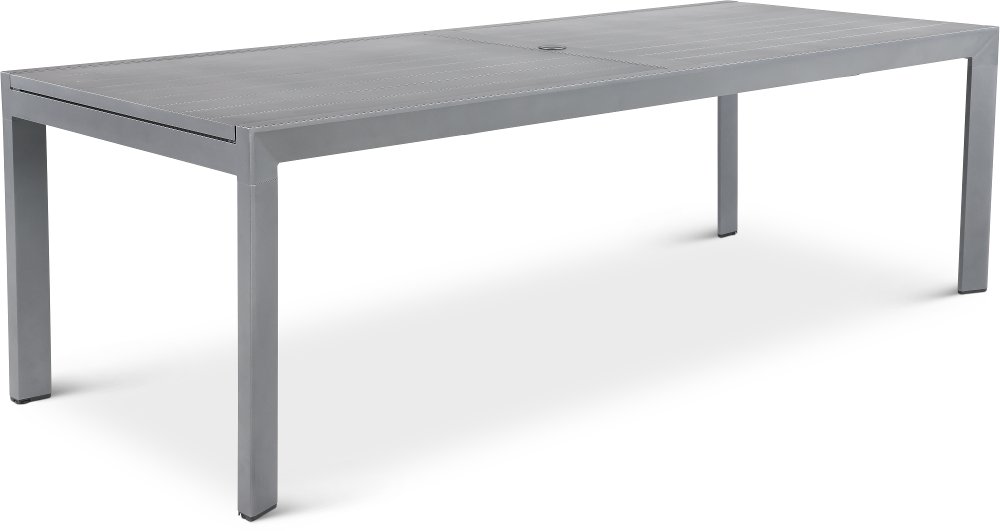
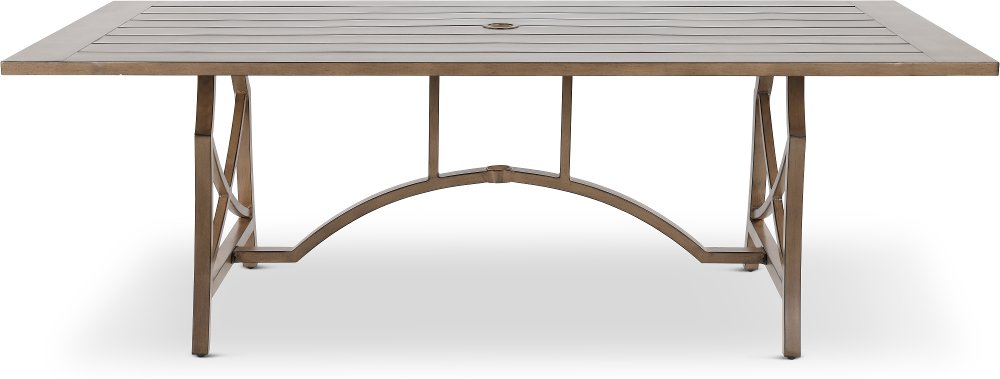
The right cast aluminum patio furniture should fit both the space and the way people use it. A small dining arrangement can turn an unused corner into a comfortable breakfast spot, while a larger table and coordinated seating can give family meals and casual gatherings a natural home outdoors. For a narrow balcony or enclosed patio, the important measurements go beyond the tabletop. Chairs need room to pull out, doors need to swing freely, and walkways should remain comfortable when people are seated. About 36 inches between a table edge and a wall or other obstruction is a useful starting point, with additional space where someone needs to walk behind occupied chairs. Chair arms also matter: their height, including any cushion lift, determines whether the chairs tuck neatly beneath the table. When comparing Cast Aluminum Tables, consider how the tabletop shape and base will work with the surrounding seating. A pedestal base can offer flexible chair placement, while a table with corner legs may require closer attention to chair width and knee clearance. Dining-height furniture usually works well for meals and longer conversations; elevated seating creates a different feel and may be less convenient for young children or anyone who finds climbing onto a seat difficult. For lounging, seat depth, back angle, and arm placement often matter more than an ornate pattern. A contoured metal seat may feel comfortable for a quick coffee, while a cushion can make a longer visit more inviting. Cushions should fit the seat rather than hang over its edges, and secure ties can help keep them positioned. Families who eat outdoors frequently may appreciate surfaces that wipe clean easily, while people furnishing a quiet reading corner may put more emphasis on supportive seating and a nearby place for a drink. A coordinated arrangement feels polished, but matching every detail isn’t essential. Similar finishes, compatible proportions, and enough breathing room can make separate pieces feel comfortably connected.
Cast aluminum outdoor furniture is relatively low maintenance, but its lasting appearance depends on a few sensible habits. Mild soap, water, and a soft cloth or sponge are generally suitable for routine cleaning, followed by a thorough rinse and drying where practical. Decorative openings and textured edges can collect dust, pollen, and food crumbs, so those areas deserve a little extra attention. Harsh abrasives, strong cleaners, and pressure washing can damage some finishes; the manufacturer’s care instructions should always take priority. Although aluminum itself doesn’t rust like iron, scratches can expose bare metal, and salts or other contaminants may contribute to corrosion. Promptly cleaning spills and addressing finish damage with a manufacturer-approved touch-up method can help preserve the surface. Hardware may be made from a different metal than the frame, making occasional checks for loose fasteners or signs of corrosion worthwhile. Furniture should sit securely on a level surface, with adjustable feet set correctly when included. Protective glides help reduce scraping on suitable patio surfaces, and lifting rather than dragging furniture helps protect both the feet and the flooring. Outdoor exposure also affects comfort: metal can become hot in direct sunlight, so placement, shade, and suitable cushions deserve consideration. An umbrella hole in a table provides a place for a compatible pole, but the umbrella still needs the correctly sized support and should be secured according to its instructions. Furniture weight alone isn’t a guarantee against movement in strong wind. Breathable, properly fitted covers can help keep furniture clean when it isn’t being used, provided the furniture is dry before covering and air can circulate. Cushions need their own care routine because outdoor fabrics and fillings aren’t necessarily waterproof; allowing them to dry fully and storing them in a dry, protected place helps prevent lingering moisture. With thoughtful placement and regular attention to its finish, cast aluminum furniture can remain a dependable part of an outdoor seating area. The result is a space that feels ready for everyday life, whether that means a quiet lunch, a lively dinner, or an extra chair pulled up for a neighbor.
Read More