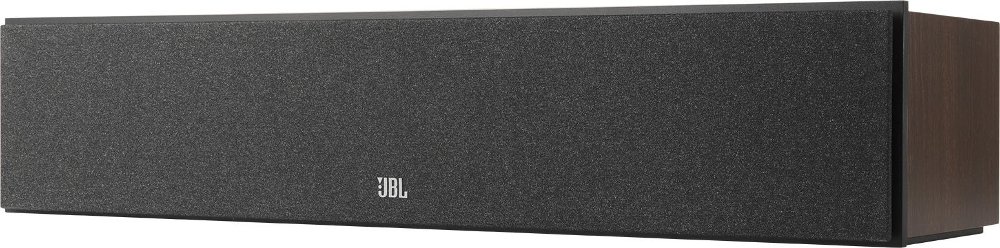
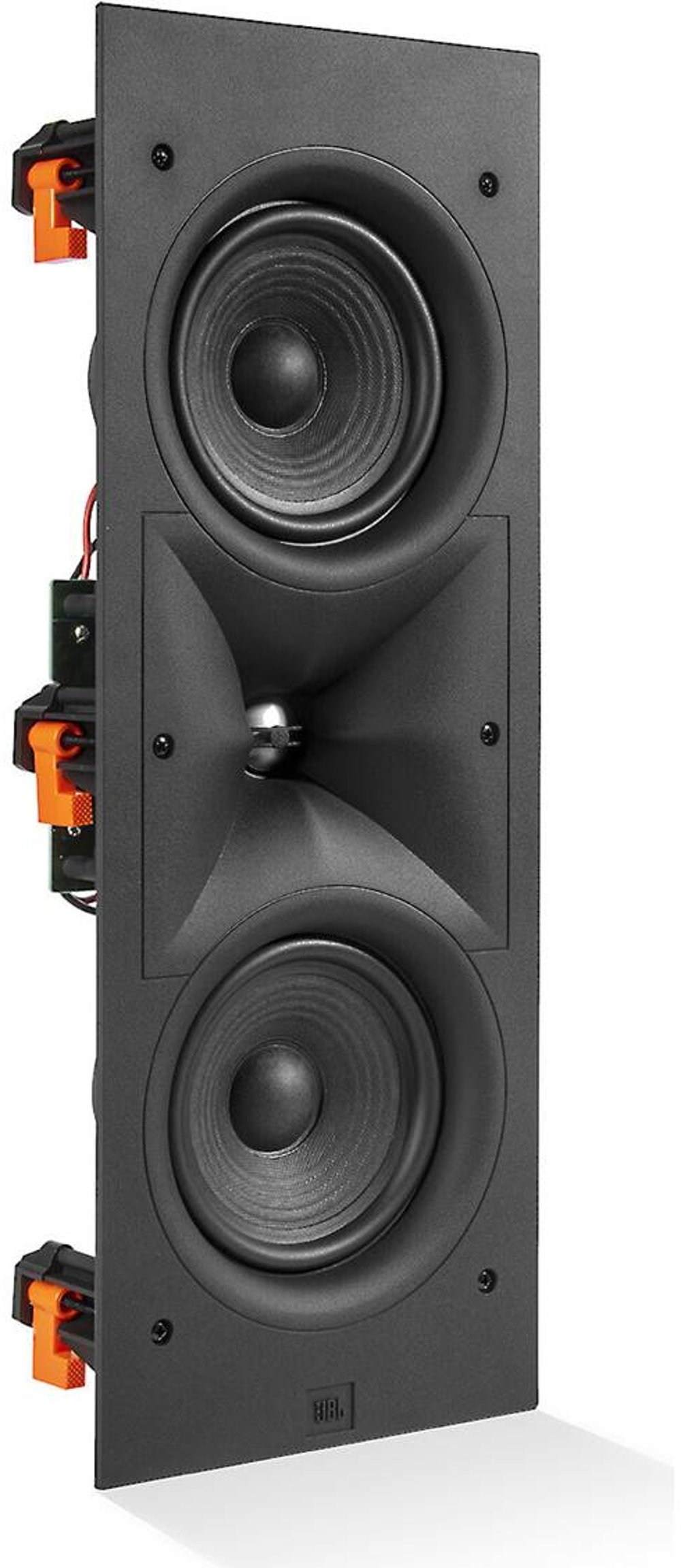
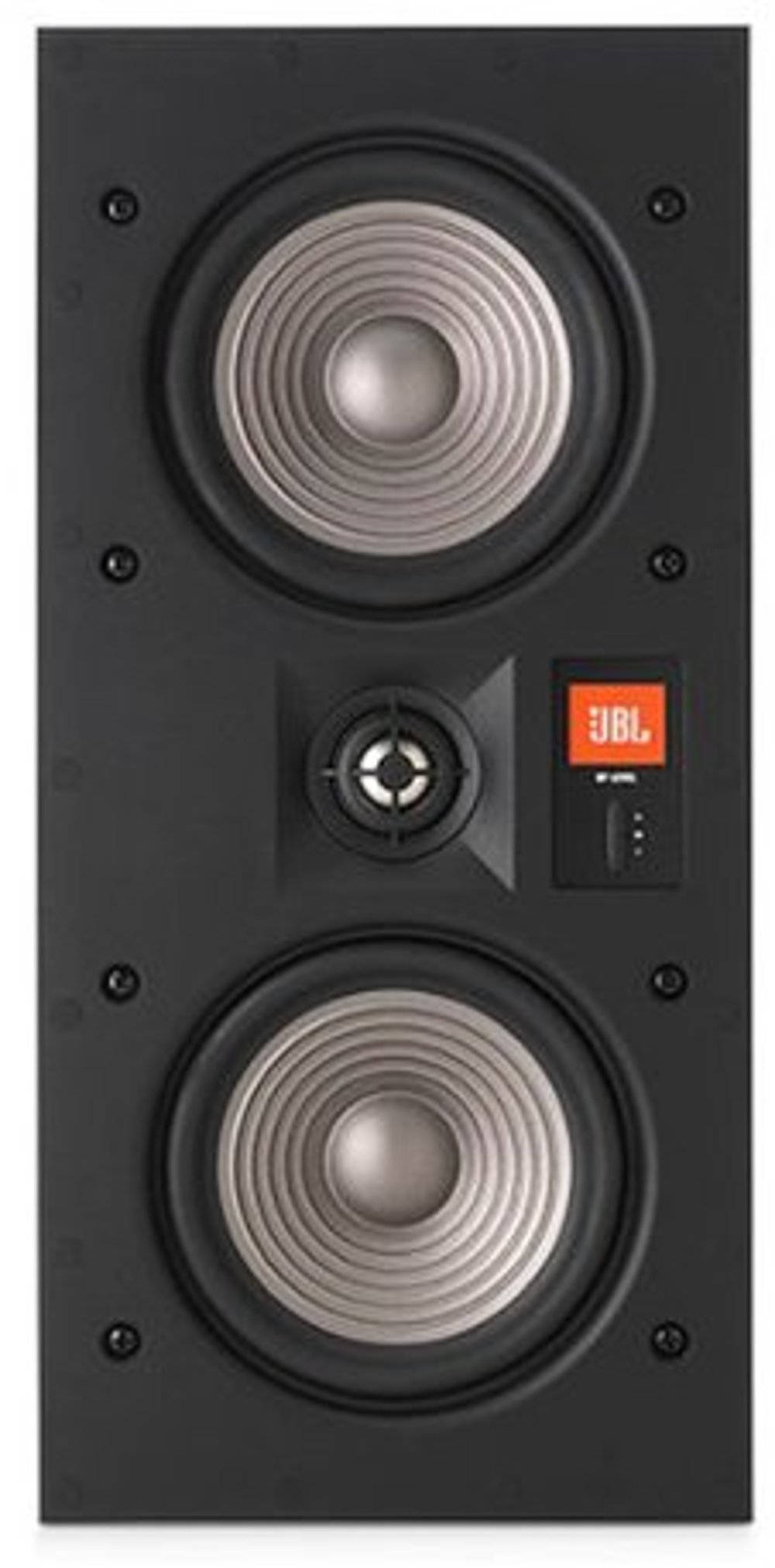
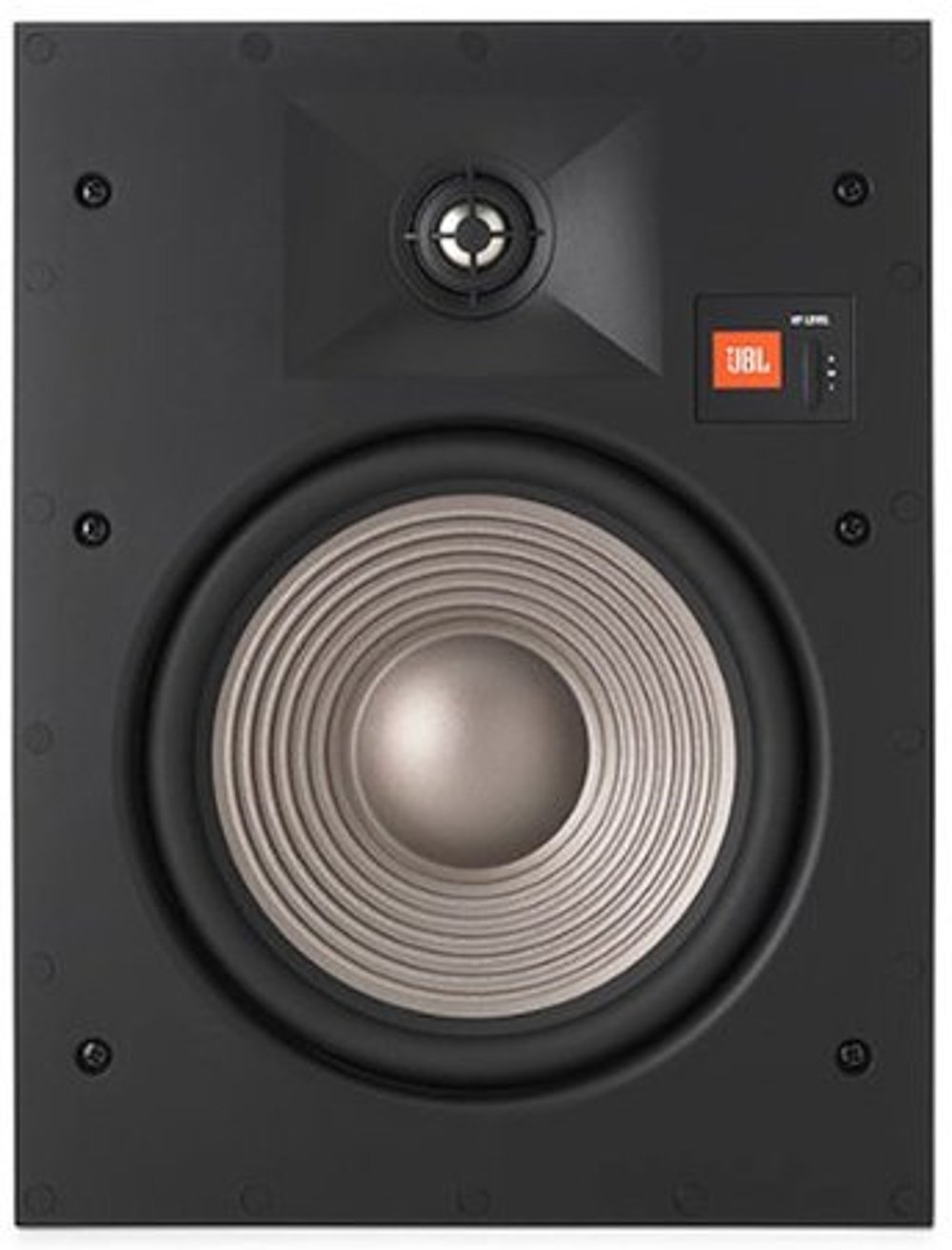
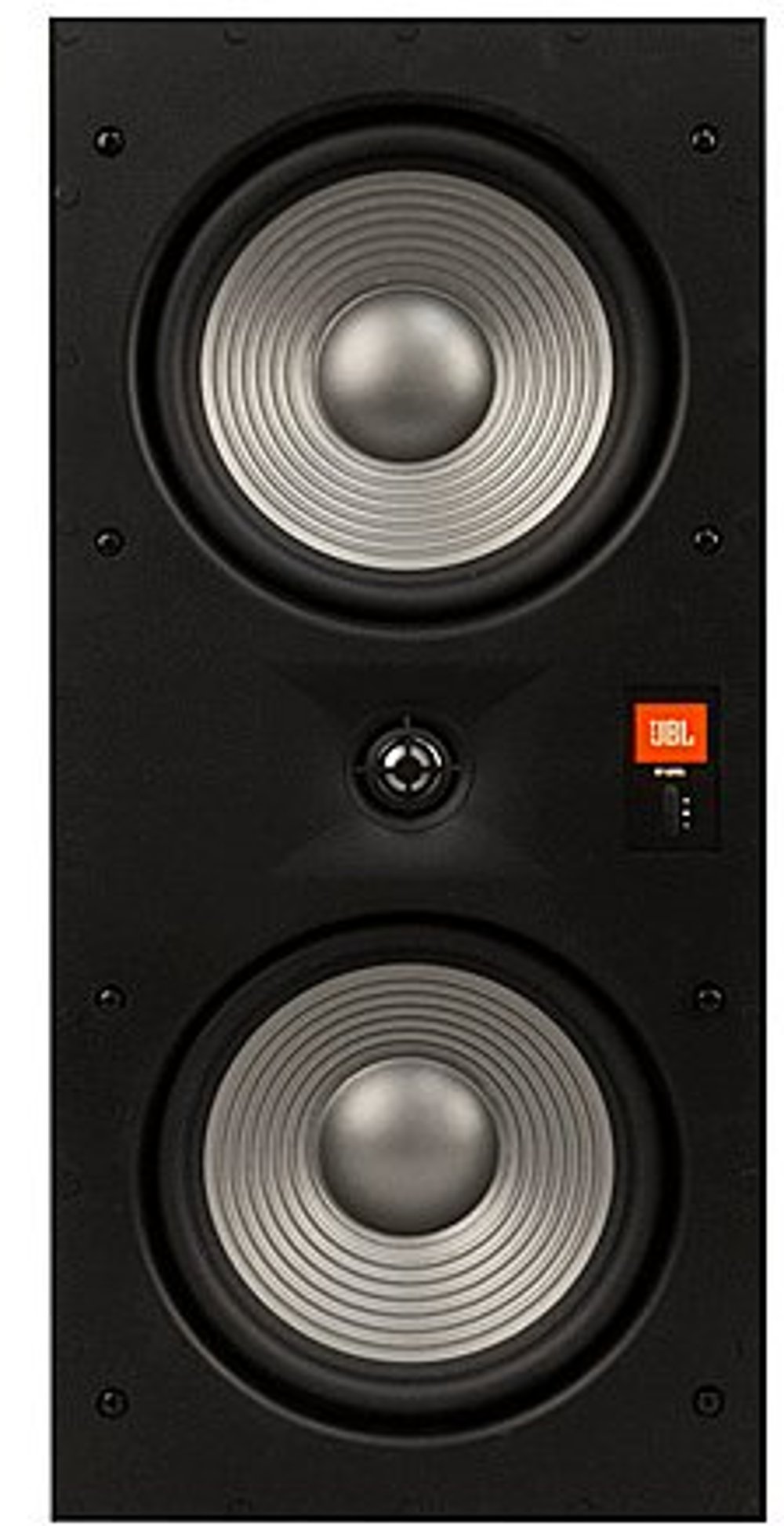
In-wall center channel speakers are built-in home theater speakers that reproduce the center audio channel, keeping most on-screen dialogue and many front-and-center sound effects tied to the picture. Installed flush with the wall near a television or projection screen, they deliver a dedicated place for voices without taking up space on a media console. That makes them a practical choice for living rooms with a clean, uncluttered look, dedicated theater rooms, and shared spaces where furniture needs to serve more than one purpose. During a quiet conversation in a movie, the center speaker helps voices seem to come from the actors rather than from speakers at opposite sides of the room. During a busy action scene, it works with the rest of the system to give dialogue a distinct position among music and effects. Clear speech still depends on the recording, room acoustics, speaker placement, and system settings; a center speaker alone can’t correct every hard-to-hear soundtrack. Unlike a soundbar, a typical passive in-wall center channel speaker connects with speaker wire to an AV receiver or compatible amplifier and functions as one part of a larger audio system. Its job is different from that of the left and right speakers, which help establish the width of the front soundstage, or a subwoofer, which handles deep bass. For households that enjoy movies, sports broadcasts, television dramas, or multichannel concert recordings, this arrangement can make listening feel more connected to the screen. It also leaves the surface below the TV free for everyday essentials or decorative pieces. A low-profile grille helps the speaker blend into its surroundings, and models with paintable grilles can coordinate with the wall when finished according to the manufacturer’s directions. The appeal is both visual and functional: a purposeful home theater component that supports the entertainment experience without becoming a prominent part of the room’s décor.
Choosing a center channel in-wall speaker starts with the relationship between the room, the screen, and the seats people actually use. A family spread across a sectional needs consistent dialogue across a wider listening area than someone watching from a single chair directly in front of the television. Speaker dispersion, or how sound spreads away from the speaker, matters here. Some center speaker layouts maintain more even sound across multiple seats than others, so a horizontal shape alone doesn’t establish how well a speaker will serve a wide room. Use a model approved for the intended mounting orientation, since rotating a speaker can change its coverage. Placement close to the screen helps keep voices associated with the picture, while positioning the speaker as near seated ear height as practical supports direct listening. With a television, that often means a location above or below the display; with a suitable acoustically transparent projection screen, installation behind the image may be possible. Each option needs enough unobstructed wall space and a clear sound path to the seating area. Physical fit involves more than the visible grille dimensions. The required cutout, mounting depth, stud spacing, and clearance for terminals and wiring all affect whether a speaker will fit. Existing plumbing, electrical wiring, insulation, and structural framing can limit placement, especially around a recessed television or built-in cabinetry. A qualified installer can check these conditions before anyone cuts into the wall. Some speakers use the wall cavity as part of their acoustic design, while others include or support a purpose-built enclosure. An enclosure can help control the space behind the drivers, but it doesn’t automatically soundproof the room. Matching the center speaker’s tonal character to the front left and right speakers is another important consideration. Similar voicing helps a voice or moving effect sound consistent as it travels across the screen. Receiver compatibility matters, too: impedance, sensitivity, and recommended amplification should suit the equipment driving the speaker, particularly in larger rooms or systems used at higher listening levels.
Construction details influence both sound and long-term satisfaction. In-wall center speakers typically combine a rigid mounting frame, one or more midrange or bass drivers, a tweeter for higher frequencies, and a protective grille. Driver cones may use materials such as polypropylene, treated paper, woven composites, or metal, while tweeters may use fabric or metal domes. No single material guarantees better dialogue; the complete design, crossover, installation, and room all shape the result. A sturdy baffle and secure mounting hardware help keep the assembly stable, and proper installation reduces the chance of rattles from loose components or nearby wall surfaces. Many designs use mounting clamps that secure the speaker to the wallboard, making the specified wall thickness and careful tightening important. Standard indoor models belong in the dry interior spaces described by their manufacturer; moisture resistance should never be assumed. Once installed, routine care is usually straightforward. Gently remove dust from the grille using the recommended method, keep liquids and cleaning sprays away from the drivers, and avoid pressing on delicate cones or tweeters. If the grille is paintable, follow the finishing instructions so paint doesn’t clog the perforations or coat the speaker components. Keep installation details and model documentation accessible for future service or room updates. For a complete theater layout, coordinating the center with In Wall Speakers For Surround Sound can extend the built-in look to other channels while giving ambient sounds and directional effects their own locations. Receiver calibration, appropriate channel levels, and a crossover suited to the speaker can help the system work together, with a subwoofer handling bass below the selected crossover region. Room furnishings also contribute: a rug, upholstered seating, and curtains can soften reflections that make speech less distinct in a bare room. These speakers are especially well suited to homeowners planning a media-room renovation or a carefully integrated entertainment space. As a gift for a home theater enthusiast, they’re best chosen with the recipient’s involvement because wall fit, wiring, and system matching are essential. The most satisfying setup balances discreet appearance with clear, comfortable listening from the seats that matter most.
Read More