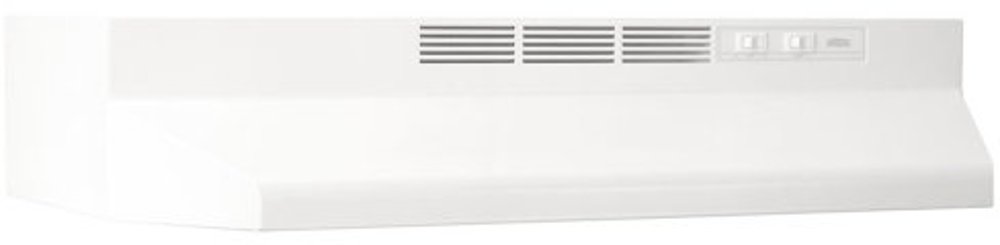
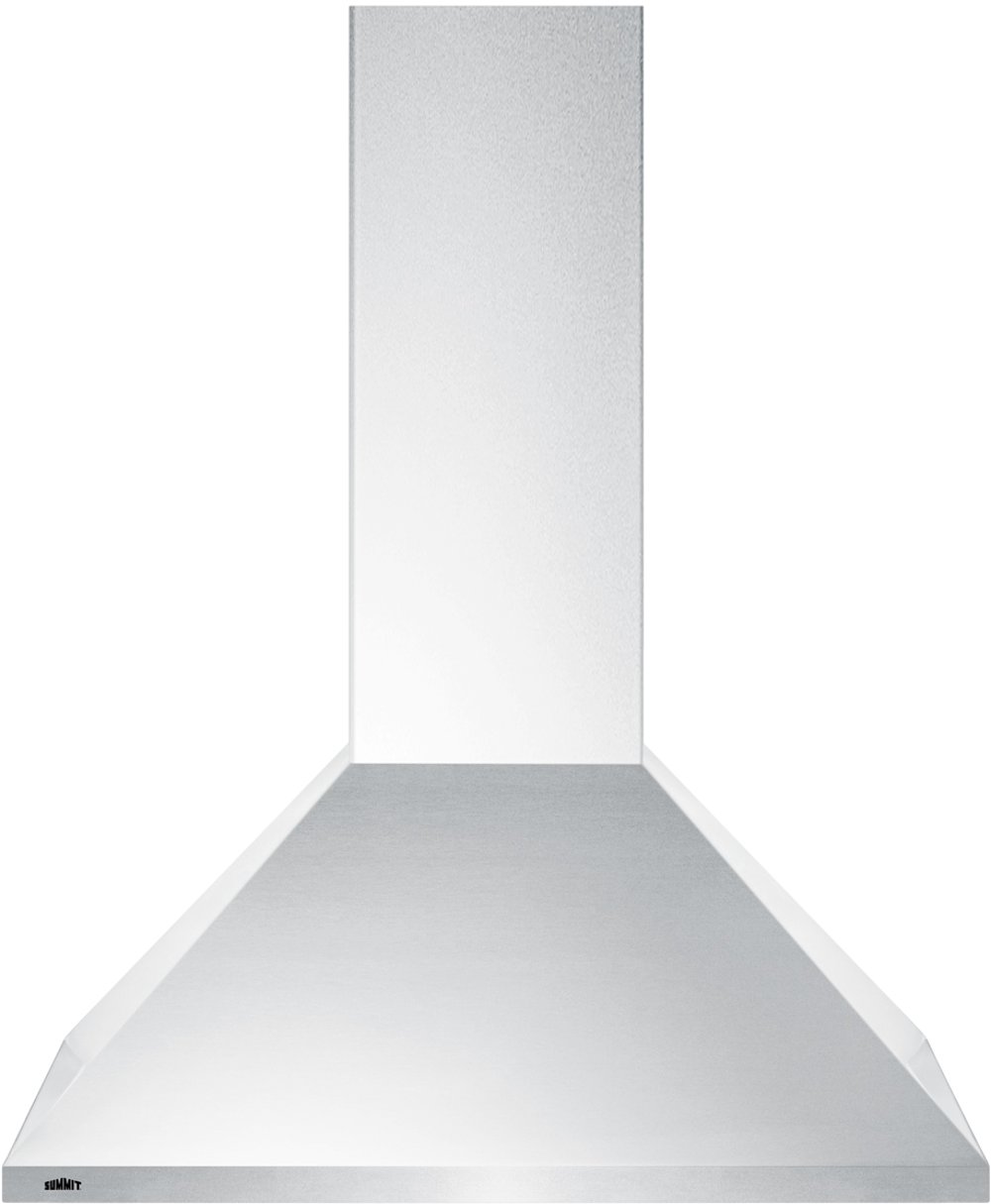
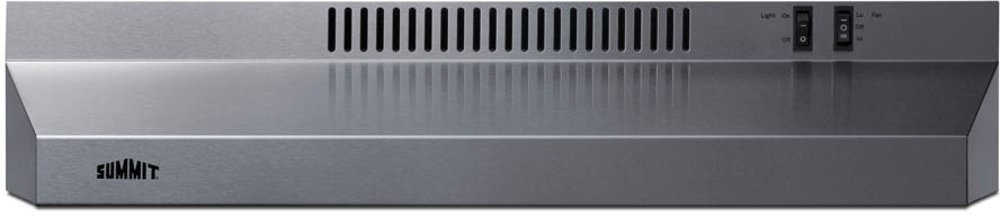
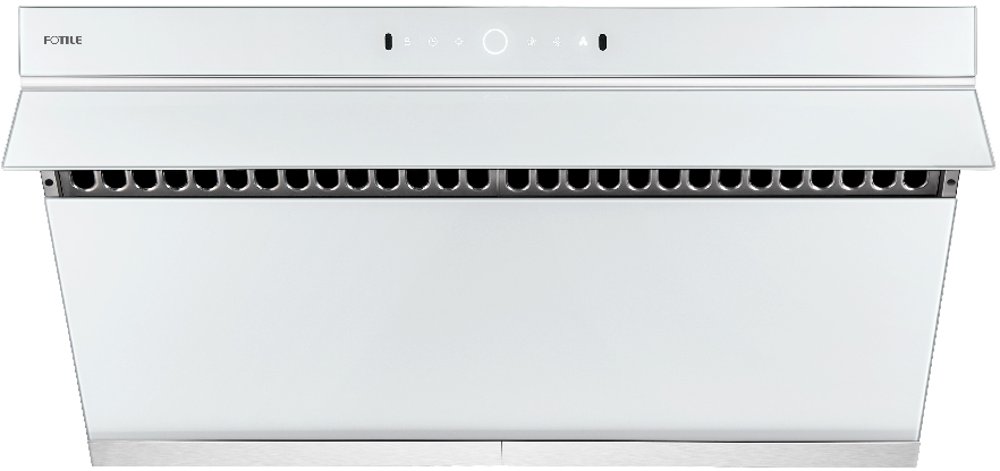
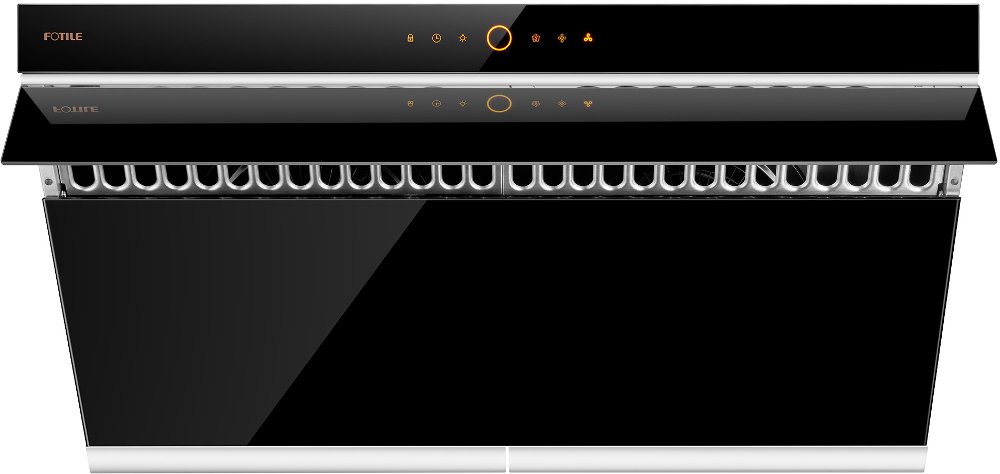
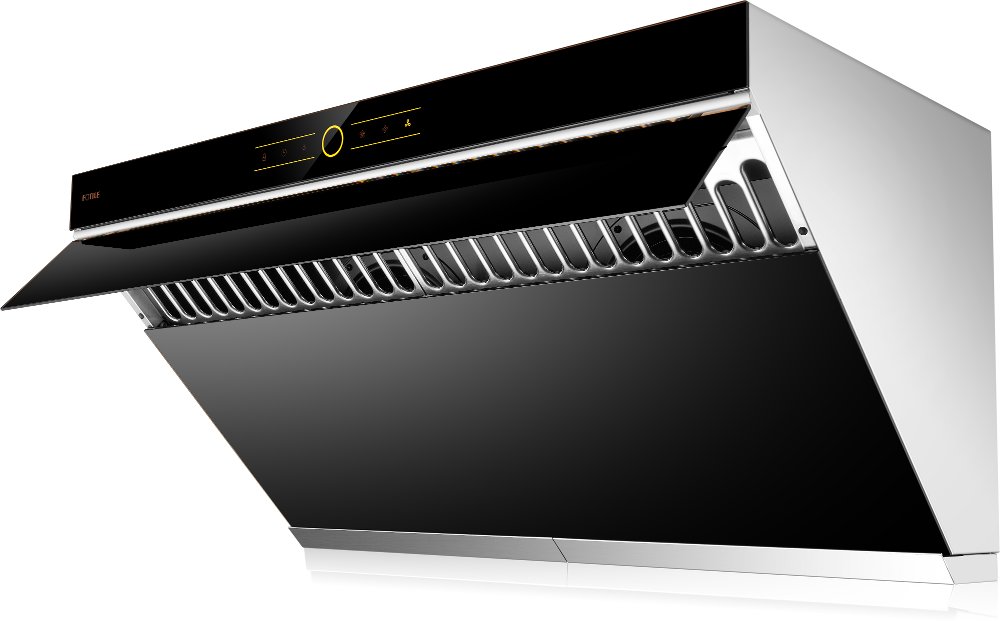
Charcoal range hoods offer a practical way to manage cooking odors when a ducted exhaust system isn’t possible or doesn’t suit the layout of your kitchen. Also called ductless or recirculating range hoods, these appliances pull air upward from the cooktop, pass it through a metal grease filter, and then move it through an activated charcoal filter before returning the filtered air to the room. The charcoal helps capture odors from sautéed onions, seared meat, simmering sauces, and other everyday cooking, making the kitchen feel fresher as meals come together. Because the air stays inside the home, a charcoal range hood doesn’t require an exterior vent or a new opening through the wall or ceiling. That makes it especially useful in apartments, condos, older homes, basement kitchens, and remodeling projects where ductwork would be difficult, expensive, or restricted by the building. It’s also a convenient choice when you’re updating a kitchen without changing its existing footprint. A charcoal hood can help keep cooking smells from drifting into nearby living areas, though it’s important to know what it can and can’t do: recirculating models reduce odors and capture grease, but they don’t remove heat, steam, or moisture from the room in the same way an outdoor-vented hood does. If your kitchen has an existing exterior vent or your cooking style regularly involves high heat, heavy frying, or substantial steam, explore Vented Kitchen Range Hoods for another ventilation option.
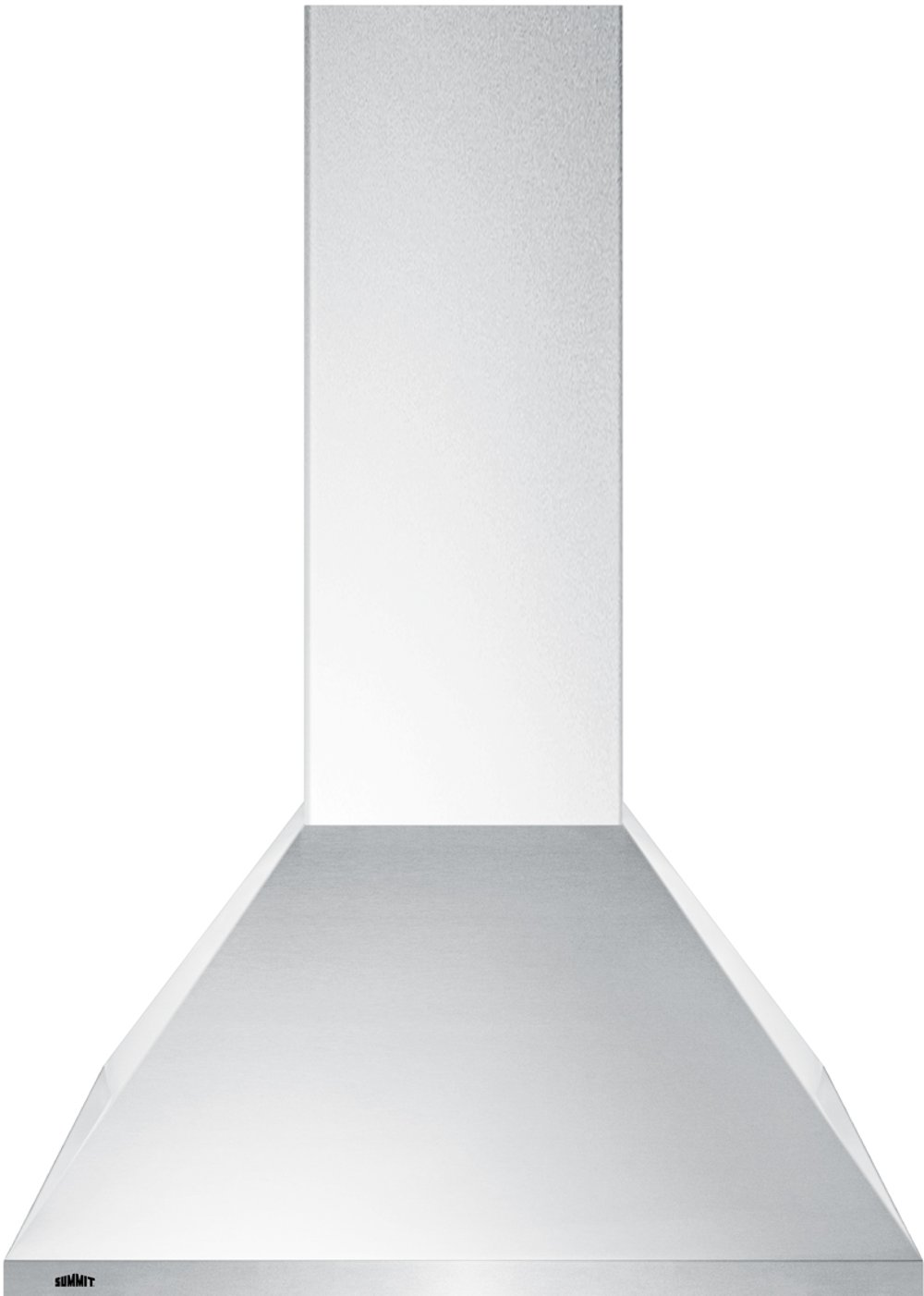
When choosing a charcoal range hood, start with the dimensions of your cooking surface and the available space above it. A hood should generally be at least as wide as the range or cooktop so it can collect rising air effectively, while the installation height should follow the manufacturer’s instructions and the requirements for your appliance. Under-cabinet models fit neatly beneath existing cabinetry and work well in compact kitchens or straightforward replacements. Wall-mount styles can create a more finished focal point when cabinets don’t sit directly above the range, while insert-style units can be integrated into custom cabinetry or a decorative hood surround. Island installations need careful attention to width, mounting, and ceiling support because the hood hangs over an open work area. Consider the fan’s airflow rating, usually listed in cubic feet per minute, along with its sound level. A stronger fan may be helpful for frequent cooking, but a quieter setting can make it easier to enjoy conversation, music, or a family dinner while the hood runs. Multiple speed settings give you more control, allowing a lower setting for warming soup and a higher setting for browning food. Built-in lighting can brighten the cooking surface during the darker part of the day, and simple push-button or touch controls make everyday use more convenient. Measure the cabinet or wall area, check the electrical requirements, and confirm that the hood includes the charcoal filters you need or supports the correct replacement filter size. If installation involves new wiring, cabinet changes, or secure mounting, a qualified installer can help ensure the hood is positioned safely and works as intended.
Regular filter care keeps a charcoal range hood performing at its best. The metal grease filter catches cooking residue before it reaches the charcoal filter, so clean it according to the manufacturer’s instructions; many metal filters can be removed and washed, while some may be dishwasher-safe. Activated charcoal filters work differently. They absorb odors over time and aren’t designed to be washed and reused, so they need replacement when their odor-trapping ability declines. For many households, replacement may be needed every three to four months, although the right interval depends on how often you cook, the foods you prepare, and the manufacturer’s guidance. Homes that prepare fried foods, grilled meals, or strongly seasoned dishes several times a week may need to replace filters more often. A noticeable return of cooking odors, weaker fresh-air performance, or a filter that appears heavily loaded can signal that it’s time for service. During the cooler months, when windows may stay closed and family meals often bring more activity into the kitchen, consistent ventilation can make the space more comfortable. Charcoal range hoods also make thoughtful housewarming or remodeling gifts for someone settling into a new home, especially when the kitchen has limited ventilation options. With the right size, style, airflow settings, and filter plan, a ductless hood can support everyday cooking while fitting naturally into the way the kitchen is built and used.
Read More