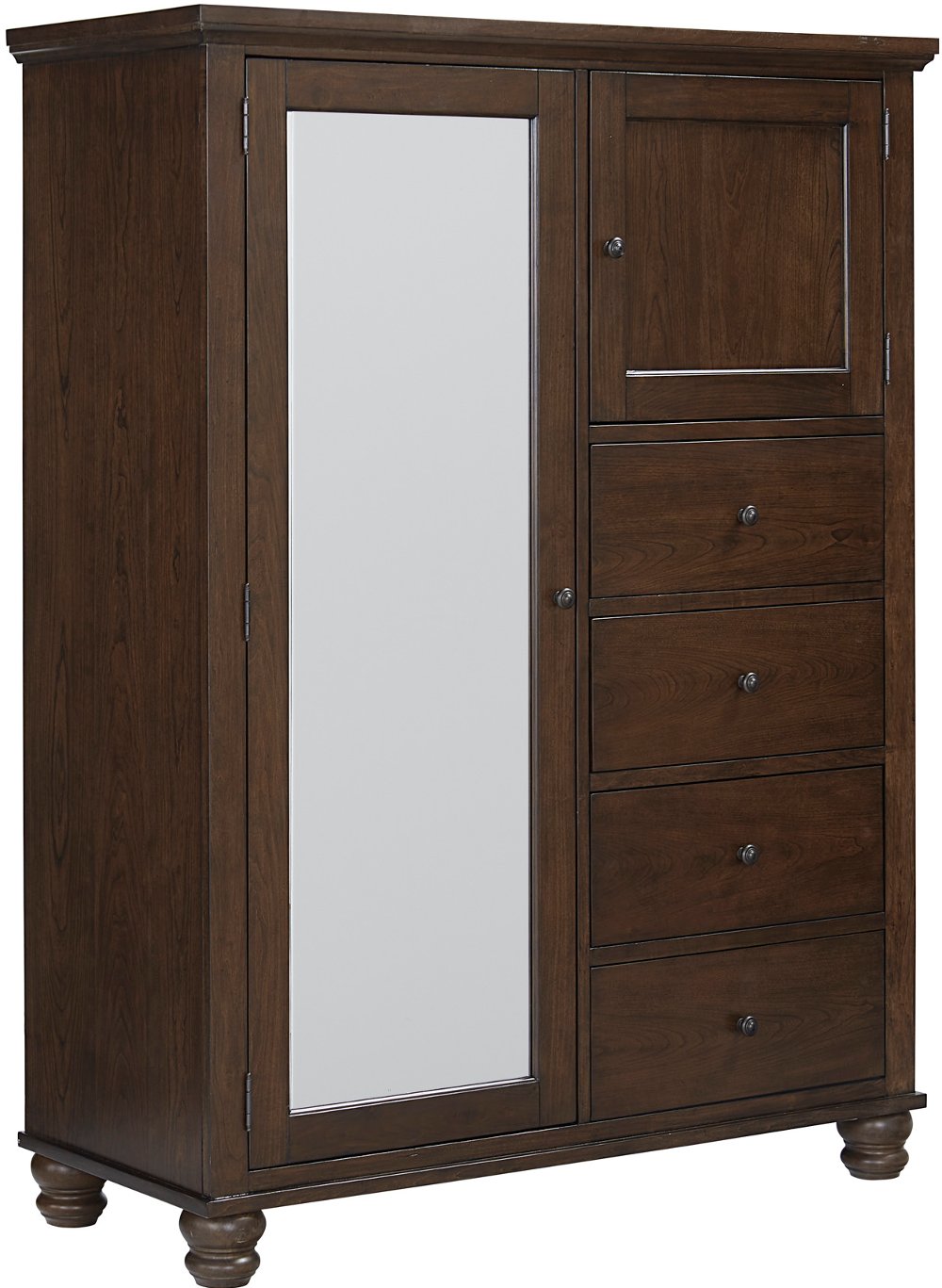
Cherry wood beds bring a warm, grounded presence to the bedroom. Their natural reddish-brown color, fine grain, and smooth finish can make a room feel comfortable and thoughtfully furnished without overwhelming the rest of the décor. Depending on the wood, finish, and construction, cherry tones may range from soft honey and cinnamon to deeper amber-red, giving you plenty of flexibility when pairing a bed with existing furniture. Cherry wood also develops character with age. Exposure to light can deepen its color during the first several years, gradually creating a richer, more mature appearance. That natural change is part of the appeal for many shoppers who appreciate furniture that feels personal and lived in rather than perfectly uniform. When you’re choosing a cherry wood bed, start with the size that fits both your mattress and your room. Full and queen beds work well in many guest rooms, children’s rooms, and primary bedrooms with limited floor space, while king beds offer more room to stretch out and share comfortably. Twin beds can be a practical choice for a child’s room, a compact guest space, or a flexible room that serves more than one purpose. Measure the room, doorways, stairways, and the path to the bed’s final location before ordering, and account for the height and width of the headboard. A substantial sleigh or panel headboard may need more clearance than a simple platform design. It also helps to leave enough space around the bed for making the bed, opening drawers, and walking comfortably, especially when a nightstand or dresser will sit nearby.
The construction details can make a meaningful difference in how a cherry wood bed looks and performs over time. Solid cherry frames are valued for their strength, fine texture, and ability to withstand the daily movement that comes with sleeping, sitting, reading, and getting in and out of bed. Some beds combine cherry components with wood veneers or other materials, which can offer an attractive appearance and a practical price point. Review the product details to understand which parts are solid wood, how the finish is applied, and whether the bed includes a complete support system or requires a separate foundation. A platform bed may support a mattress with slats and provide a clean, lower profile, while a traditional frame may be designed for a box spring or foundation. Slat spacing matters because it can affect mattress support and warranty requirements, so compare the bed’s specifications with your mattress manufacturer’s recommendations. Consider the height of the frame, too. A higher bed can make it easier to sit down and stand up, while a lower profile can create a streamlined look and leave more visual space in a smaller bedroom. Style is another useful way to narrow your choices. A sleigh bed adds curved, classic details and pairs naturally with traditional bedding, while a Shaker-inspired or minimalist platform bed can give cherry wood a cleaner, more contemporary look. Panel beds offer a sense of structure and visual warmth, and rustic details can make the room feel relaxed and welcoming. Cherry wood’s versatile color works with ivory linens, muted greens, navy, charcoal, cream, and many natural textures, from woven blankets to cotton quilts. During the cooler months, layered bedding and a softly lit lamp can highlight the wood’s depth and turn the bed into a comfortable retreat at the end of the day.
A cherry wood bed can be a lasting choice for a primary bedroom, a welcoming addition to a guest room, or a meaningful furniture gift for someone furnishing a first home. It may suit newlyweds setting up a shared bedroom, adult children moving into a new space, or parents creating a more grown-up room for a child. For a gift, confirm the recipient’s mattress size, room dimensions, preferred style, and delivery access before making a decision; a beautiful bed still needs to fit the space and the person’s everyday routines. To care for cherry wood, dust with a soft, dry cloth and wipe spills promptly with a lightly damp cloth, following the care instructions supplied with the bed. Avoid harsh cleaners, abrasive pads, and prolonged moisture, which can affect the finish. Direct sunlight may accelerate color changes, so consider the placement of windows and use curtains or shades when needed. Small differences in grain and tone are natural, particularly with real wood, and the color may continue to become warmer as the finish matures. Pairing the bed with coordinated or contrasting case goods can create a complete bedroom, while mixing wood tones can add a collected, comfortable look when the undertones work together. If you prefer a brighter palette, explore Light Wood Beds for another way to open up the room. Whether your bedroom leans traditional, modern, rustic, or somewhere in between, shopping cherry wood beds with attention to size, support, materials, finish, and care can help you choose a dependable centerpiece that feels inviting season after season.
Read More