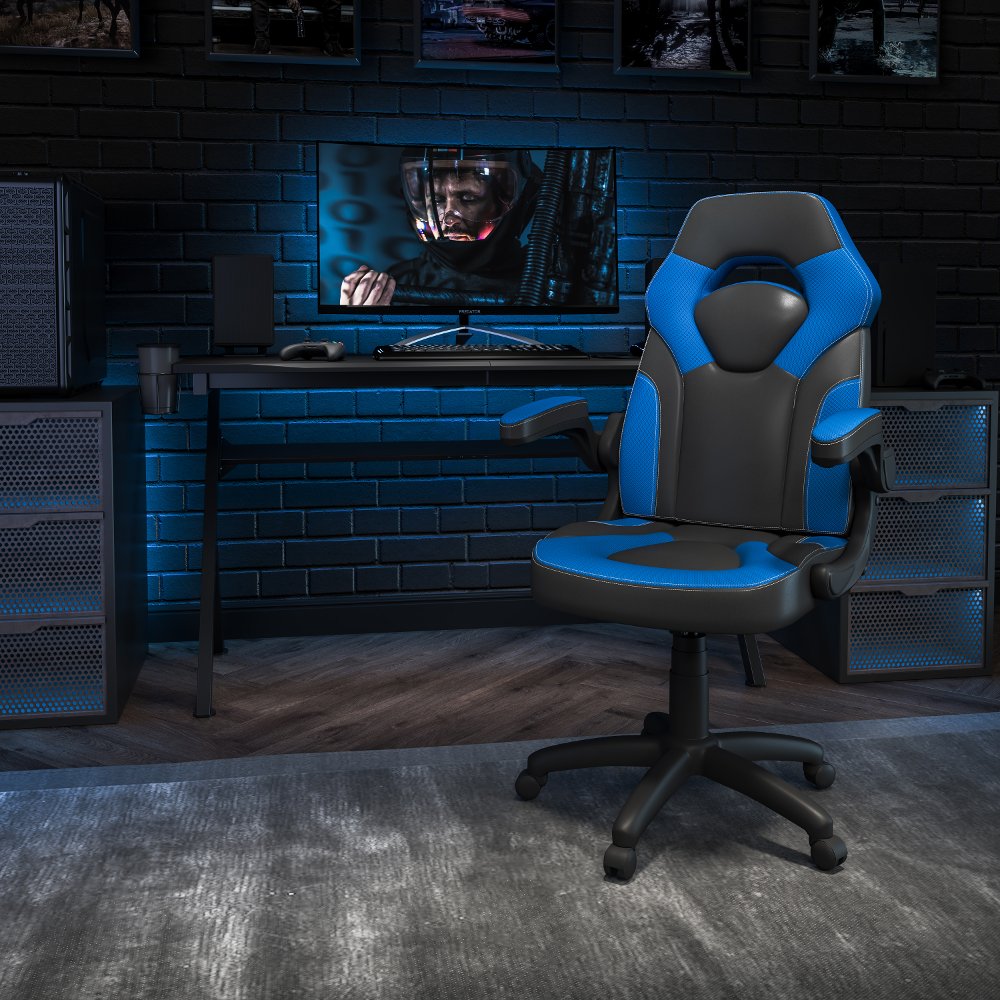
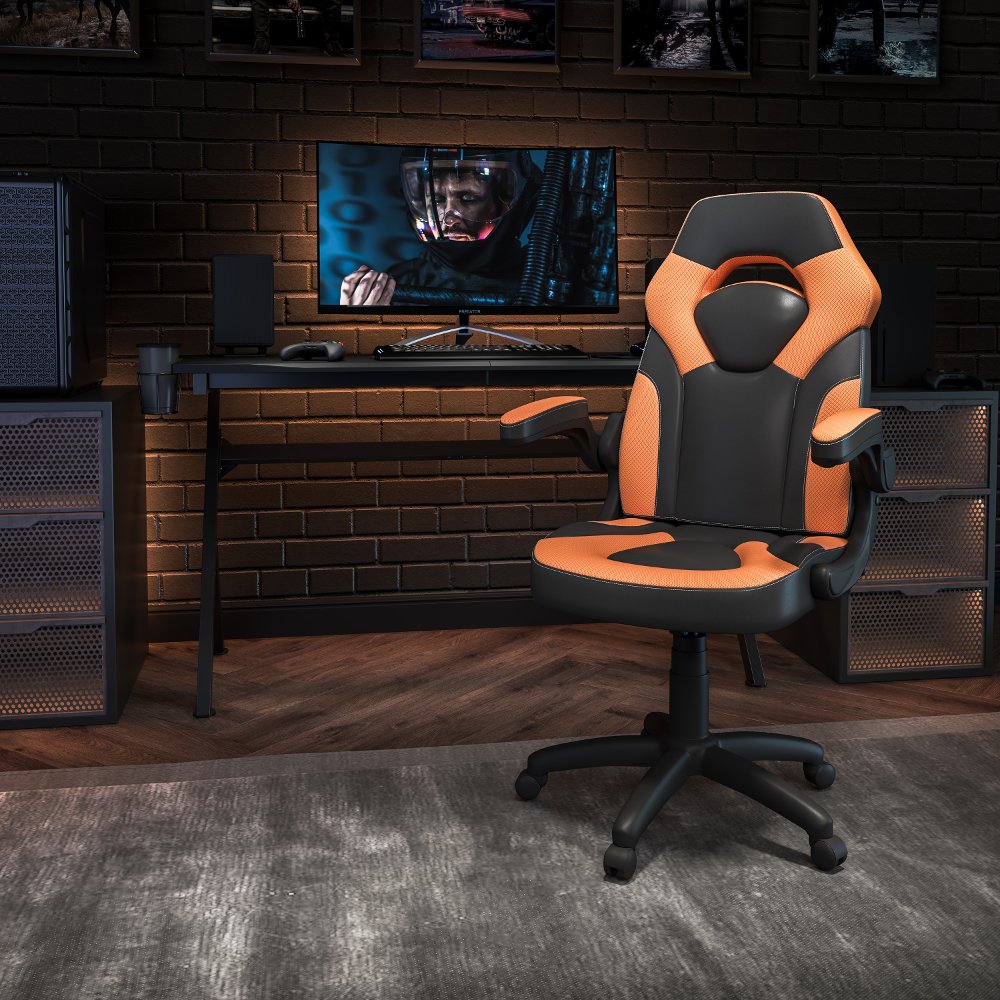
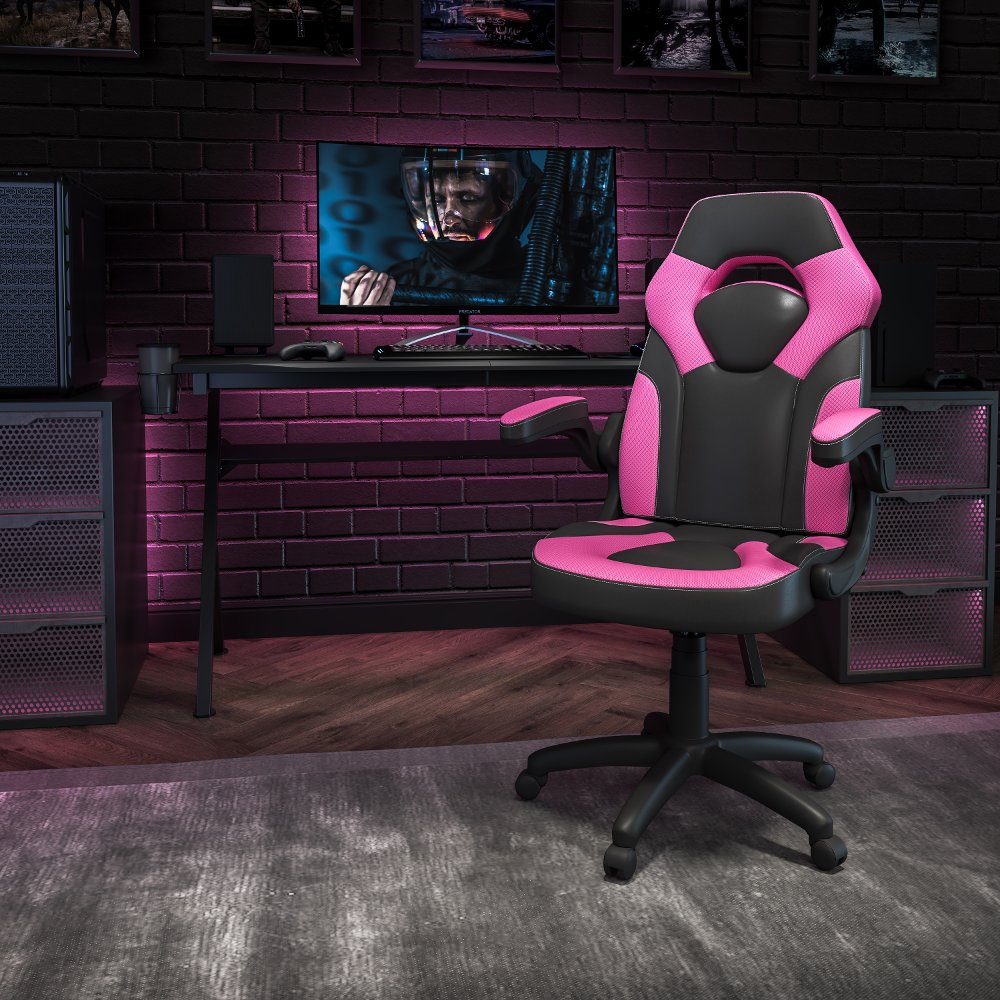
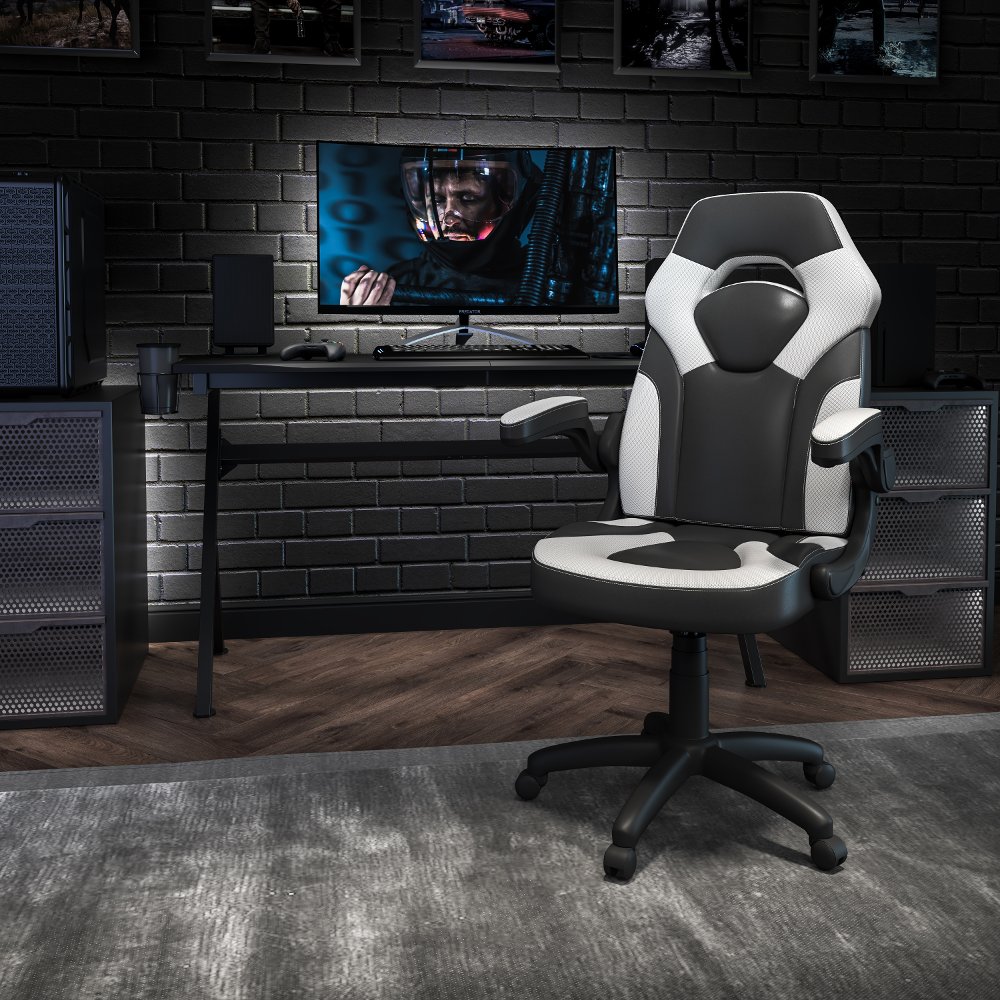
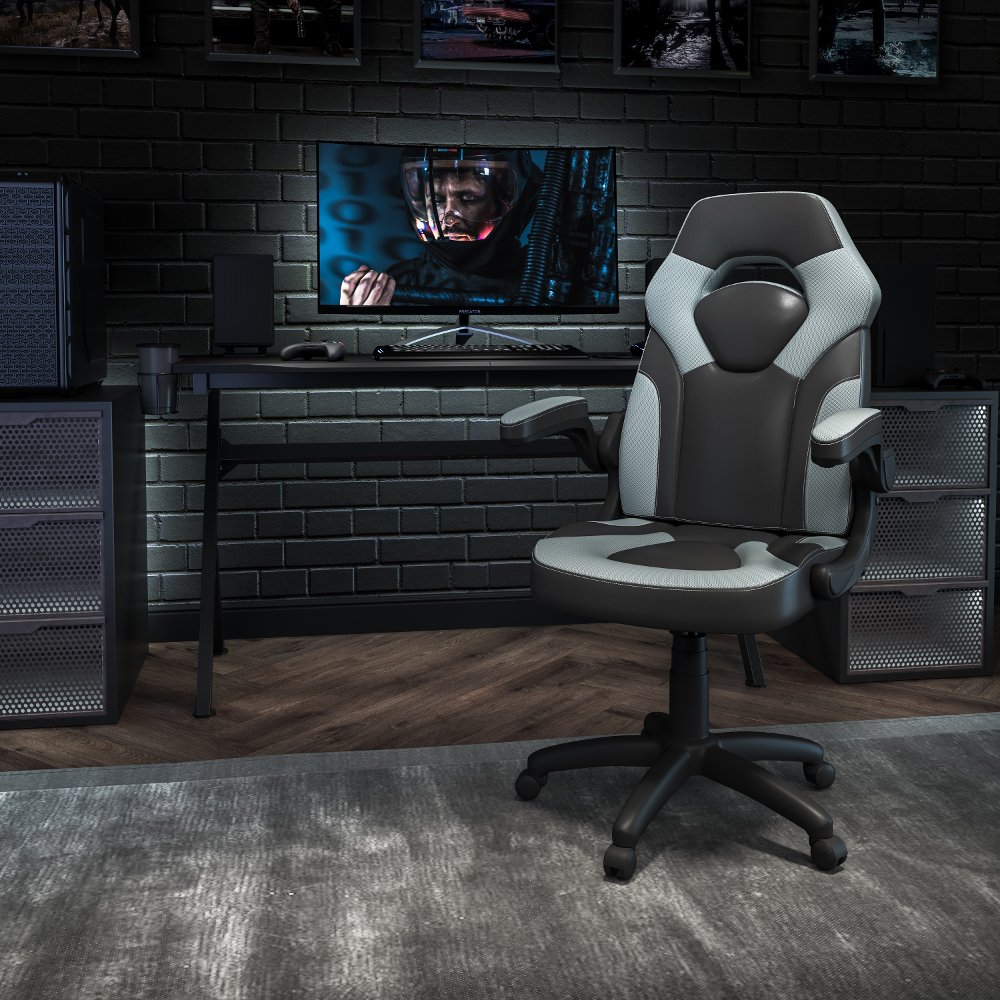
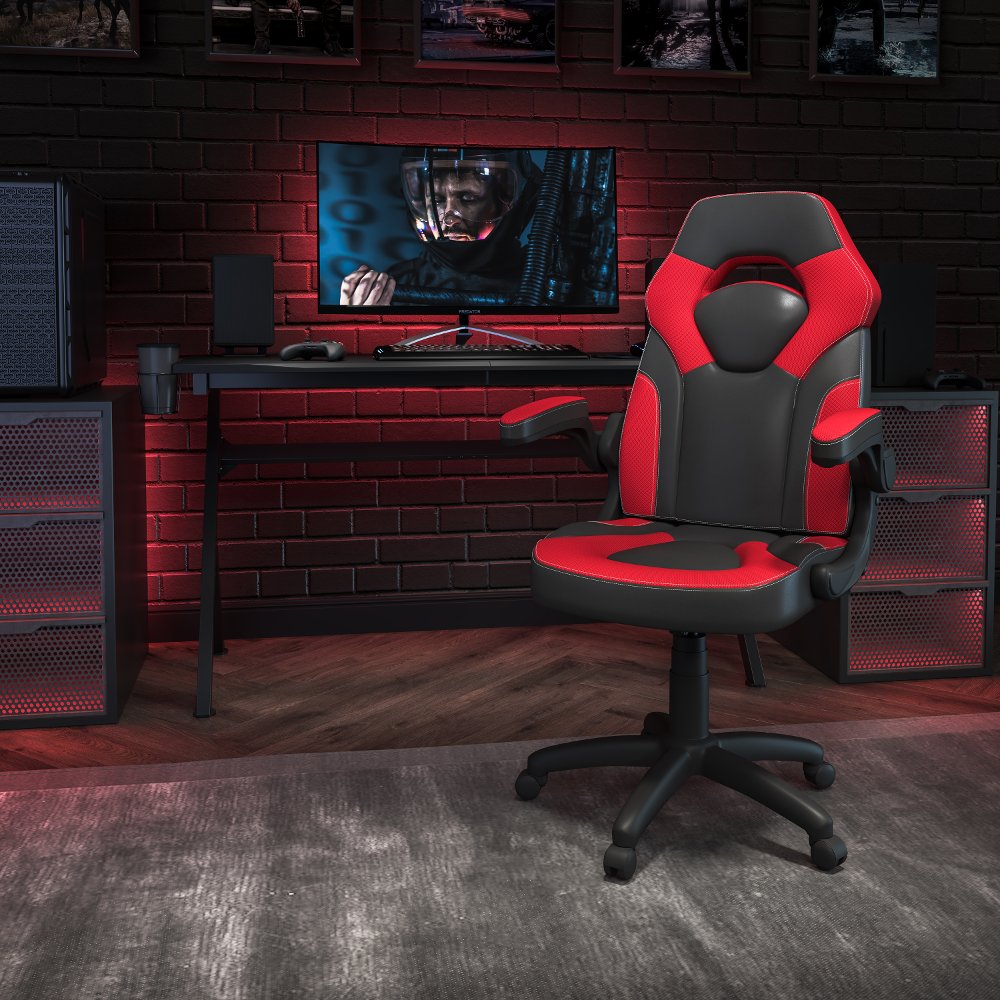
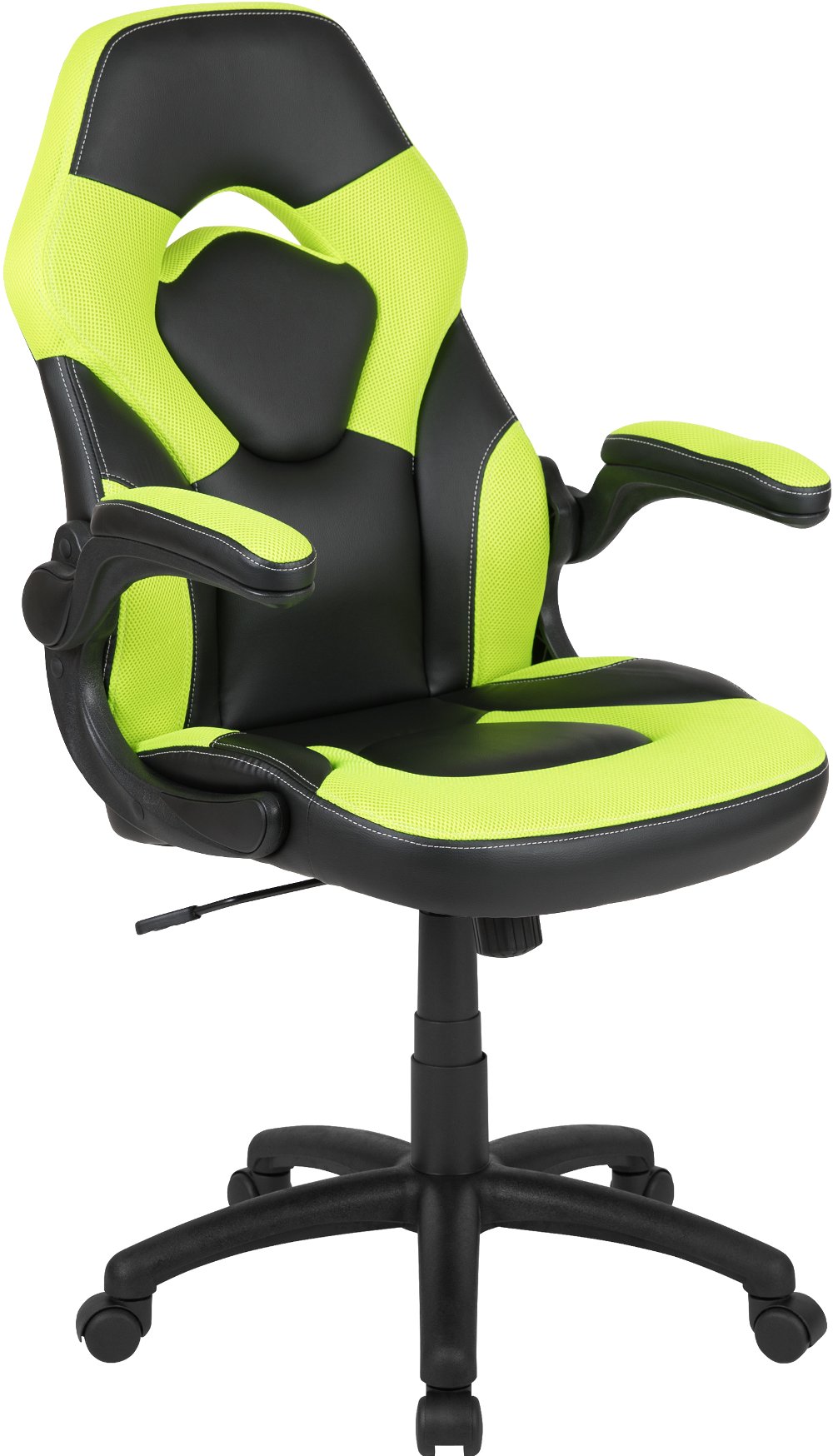
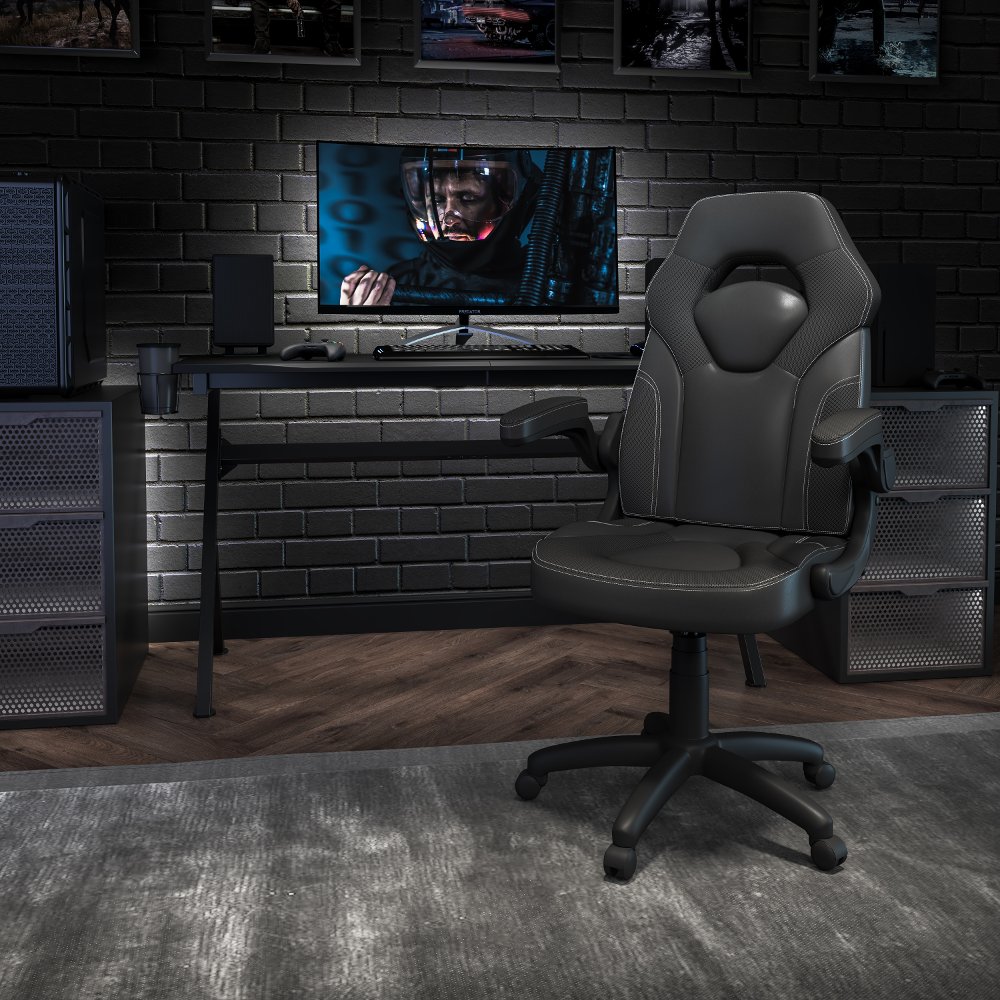
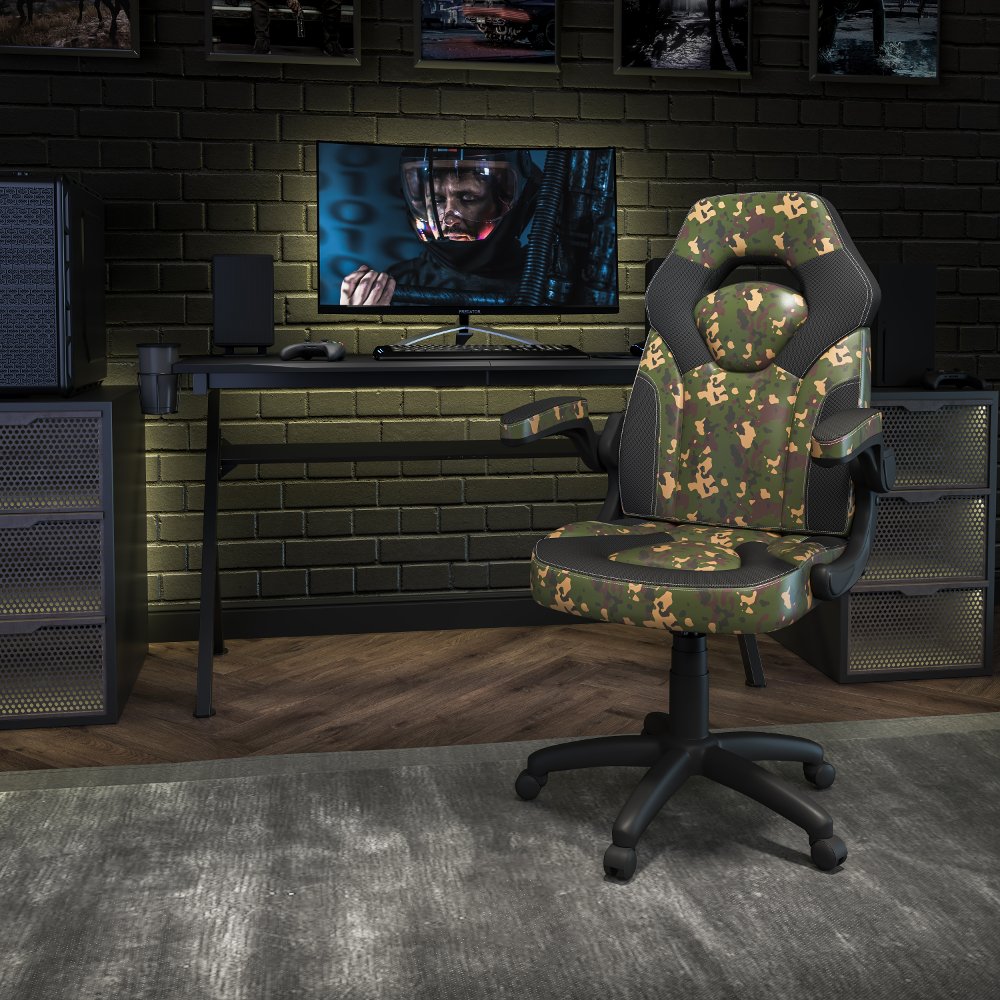
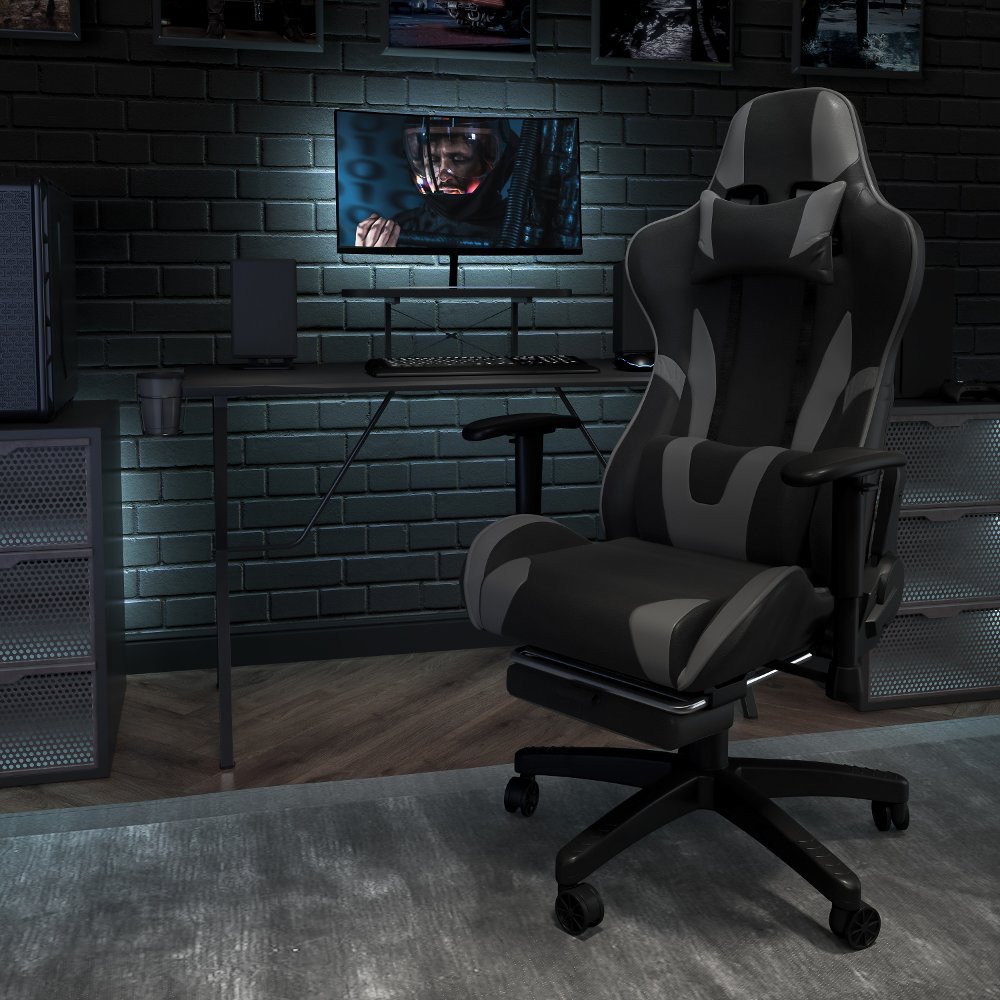
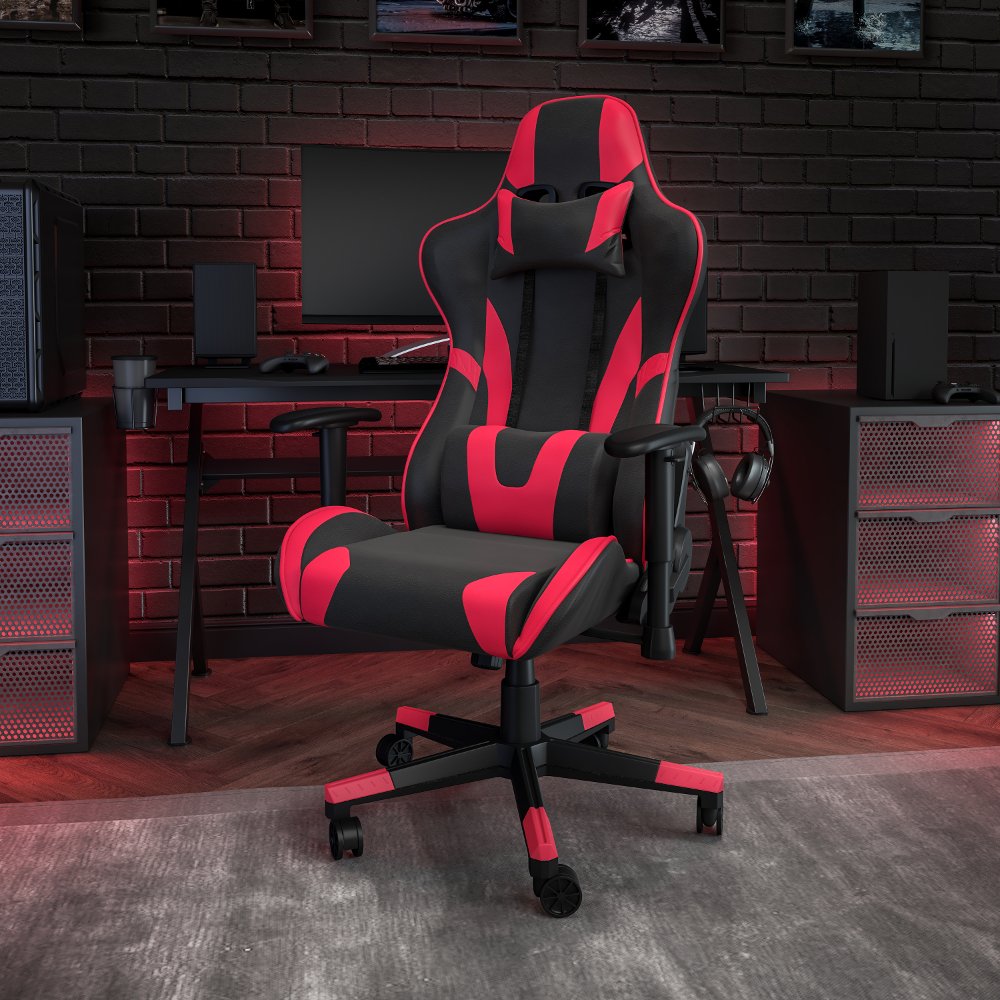
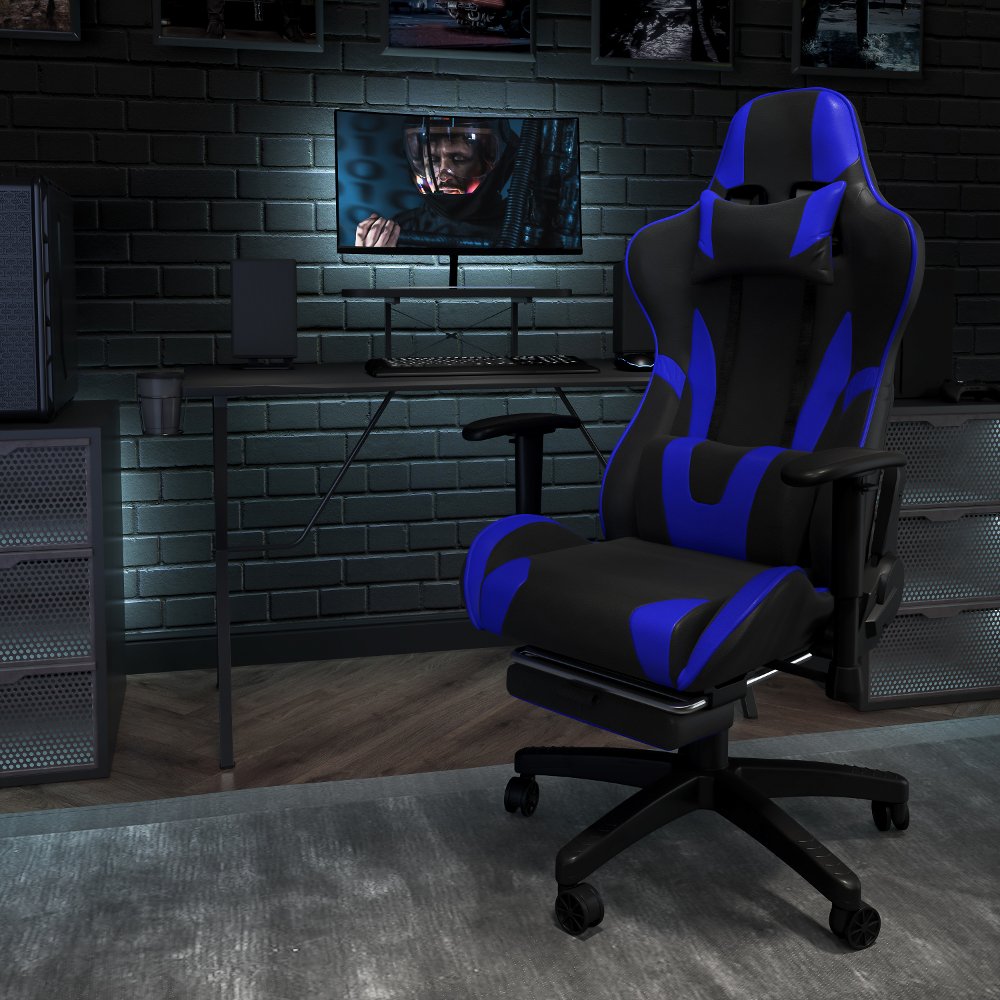
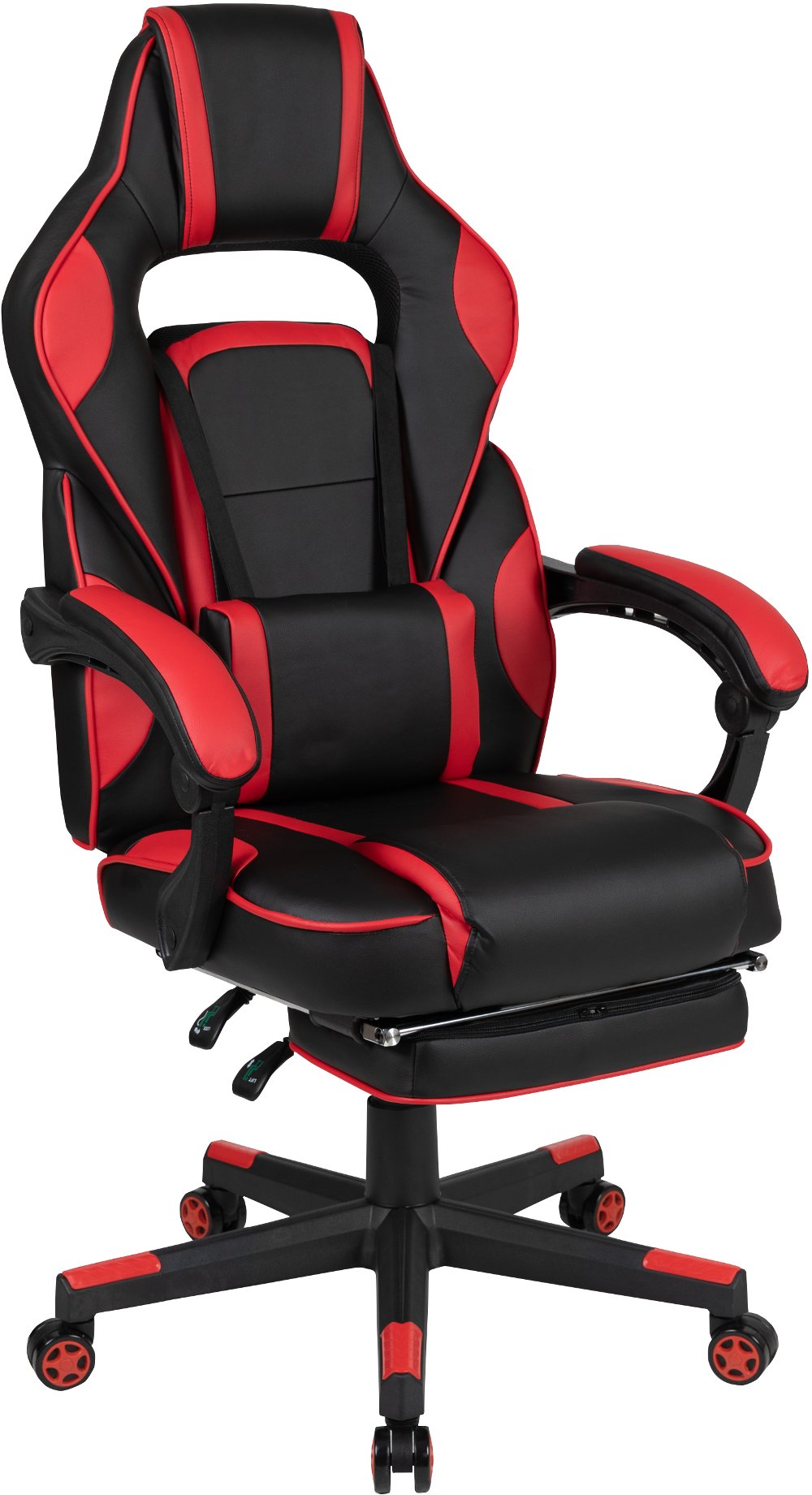
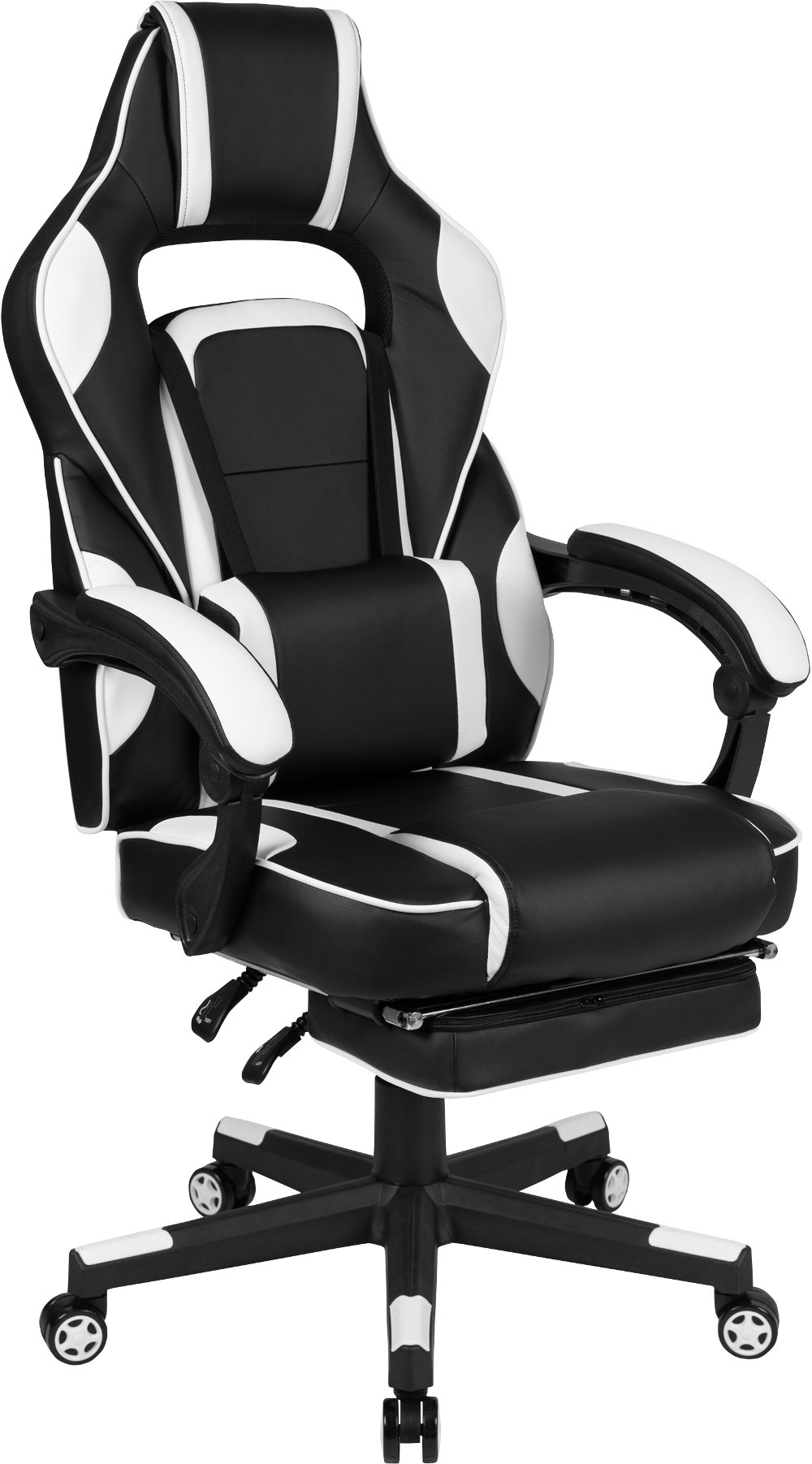
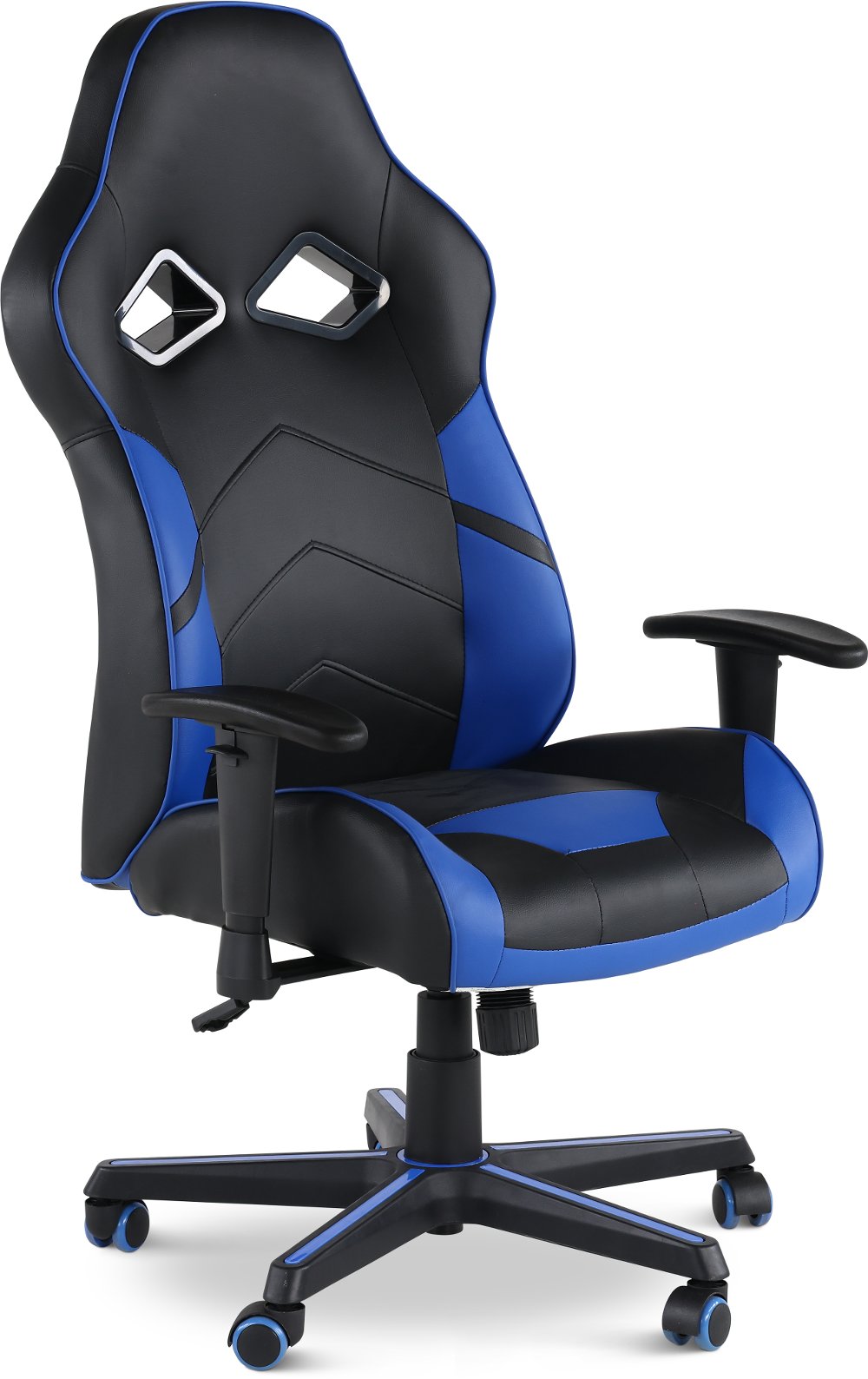
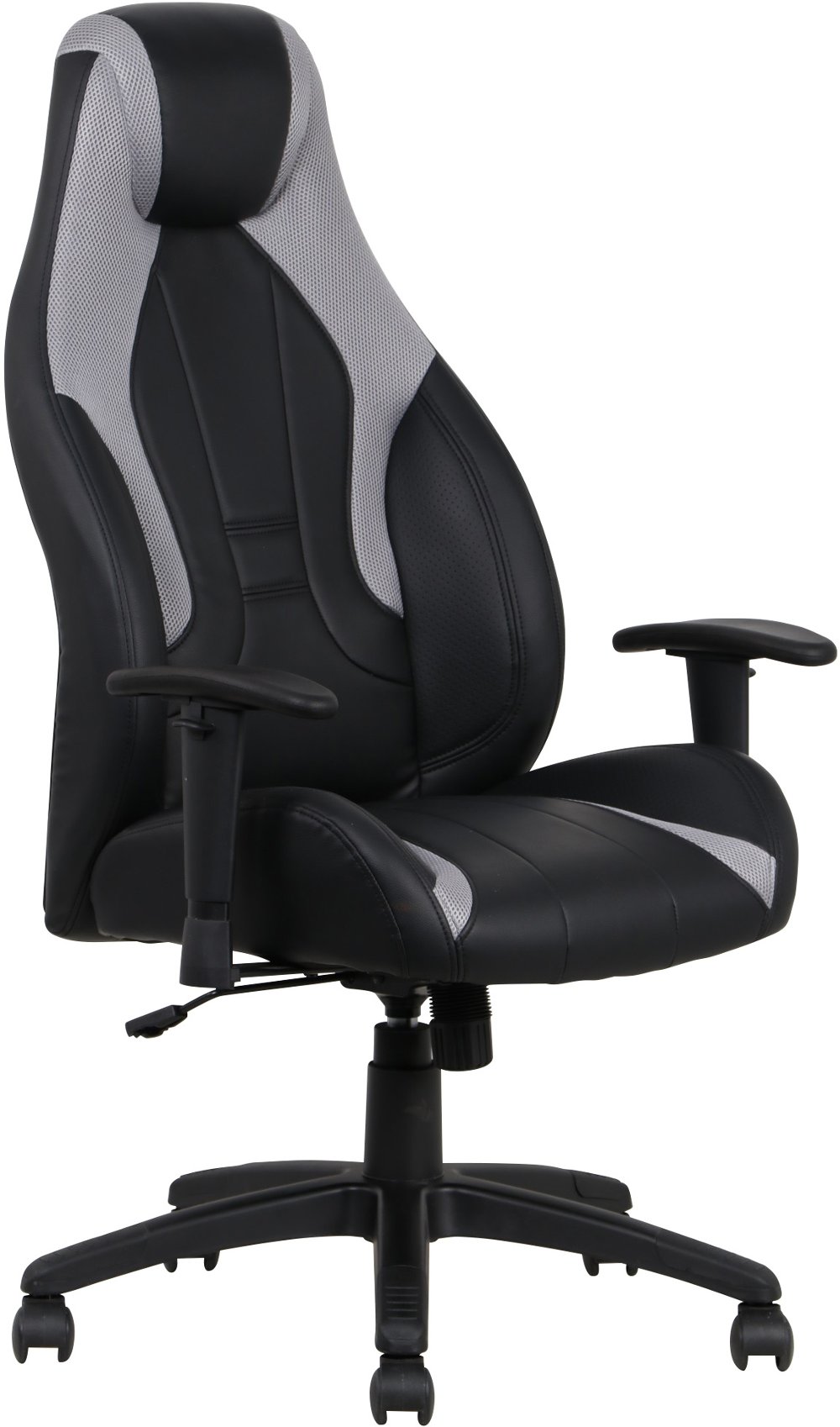
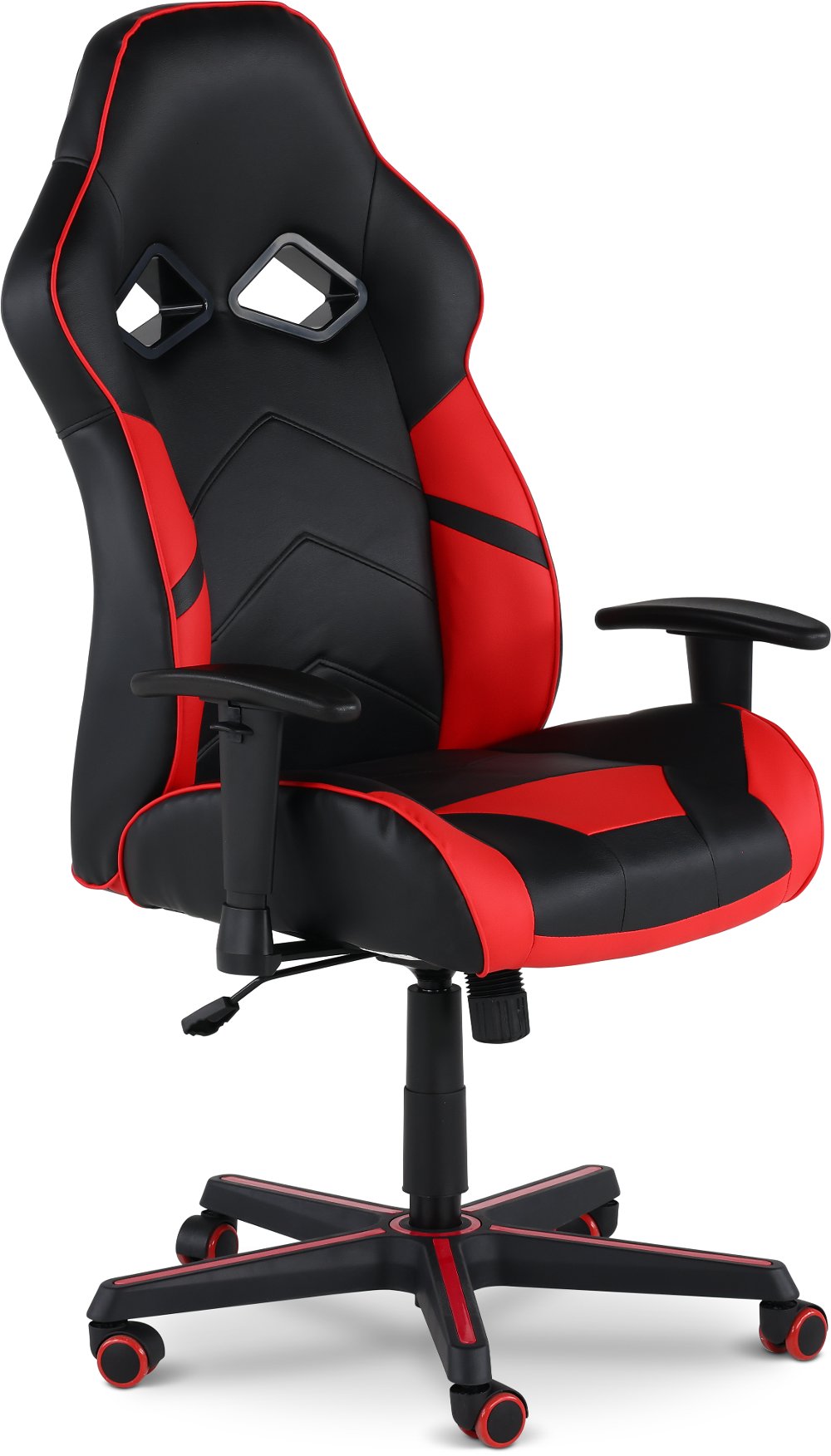
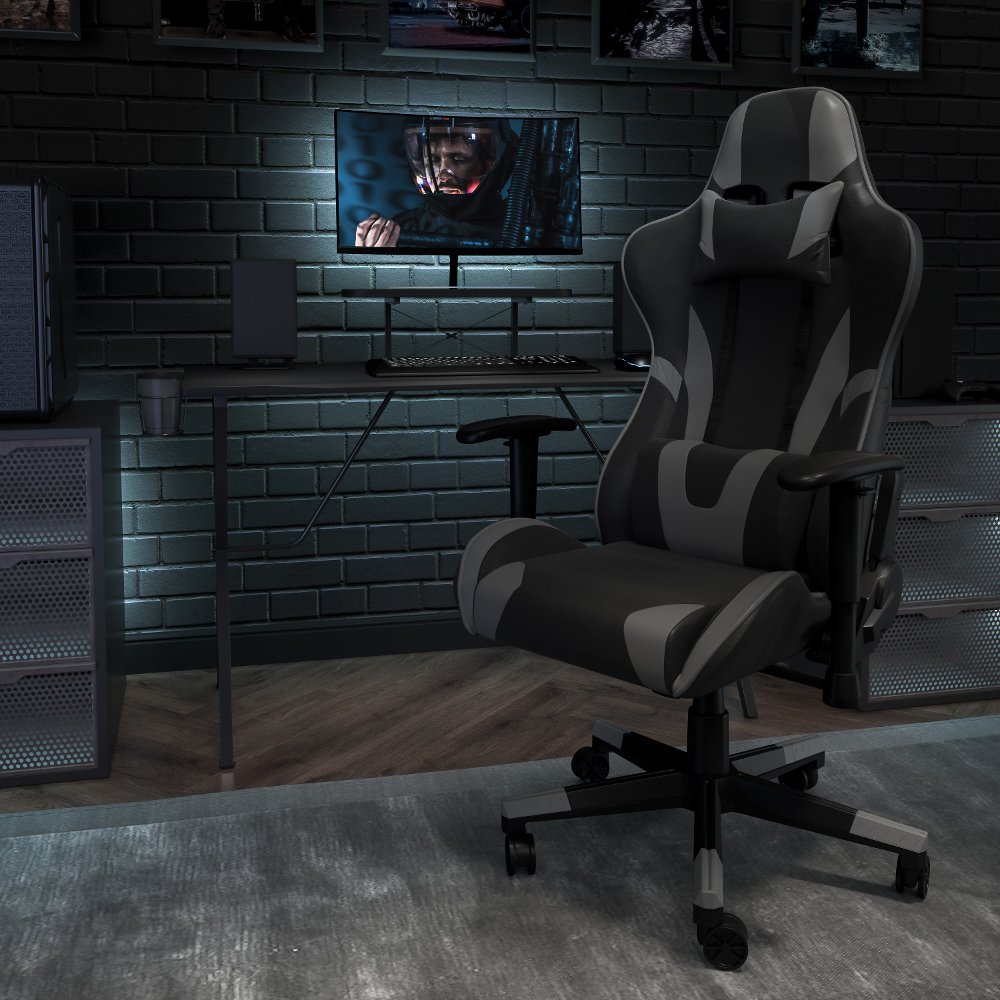
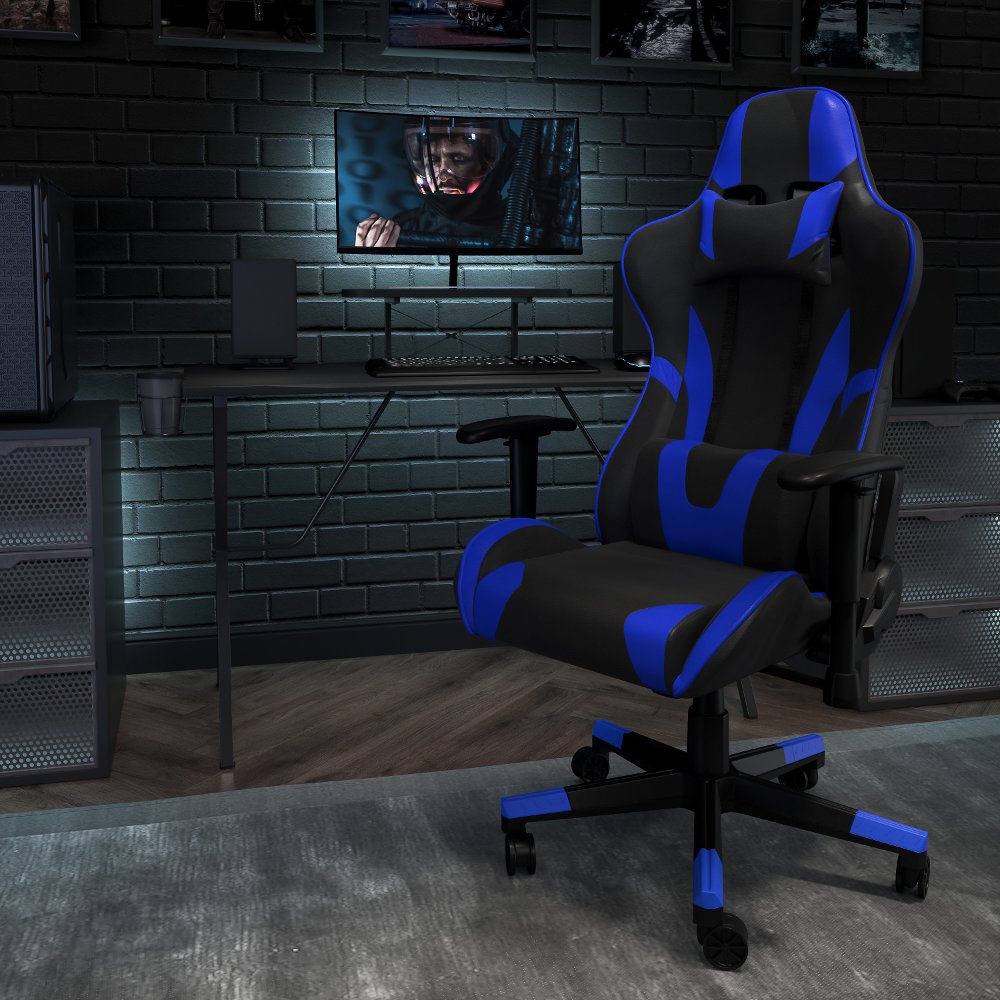
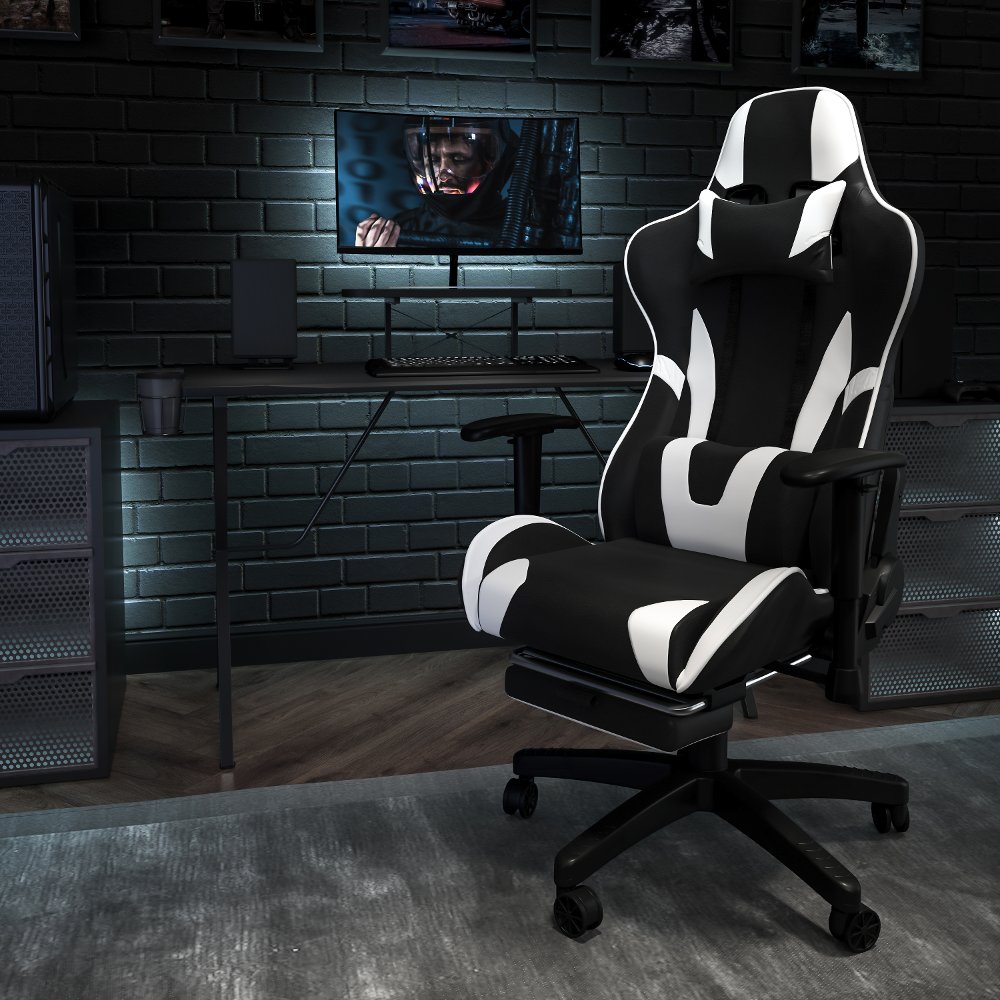
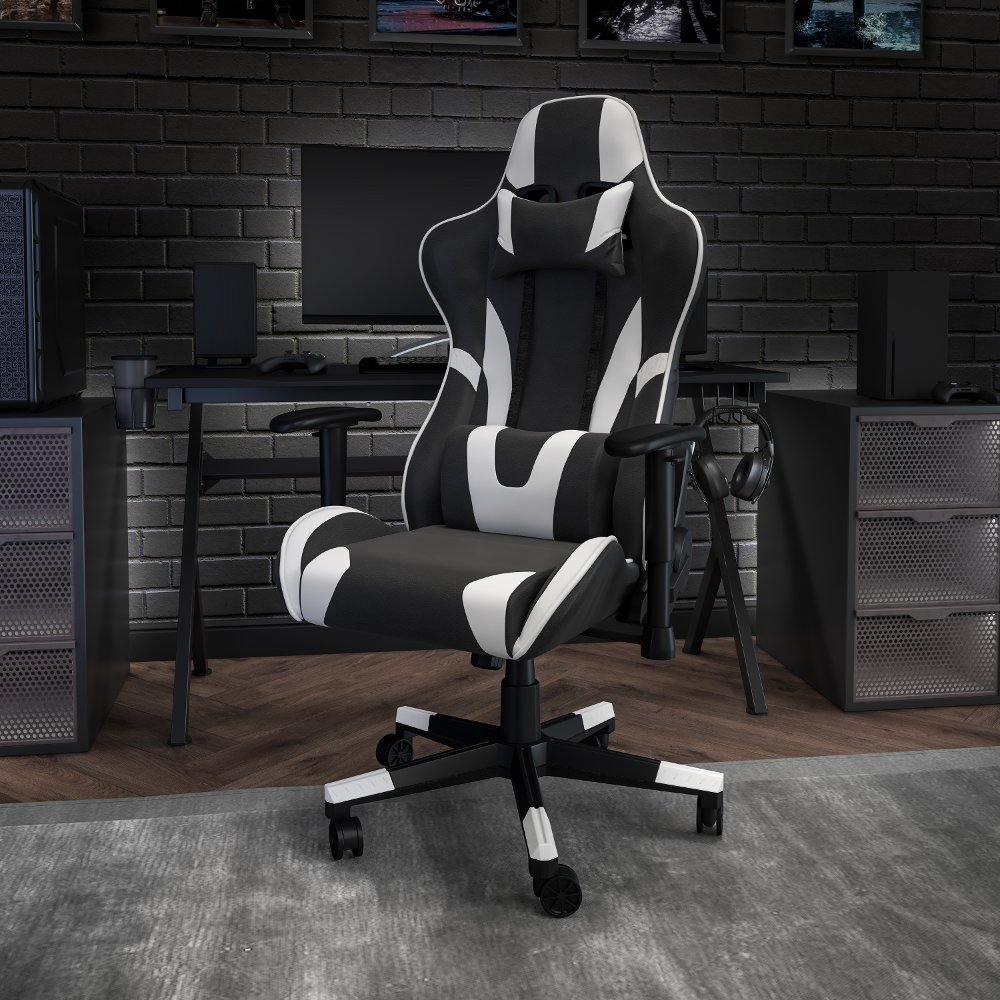
Comfortable gaming chairs give your setup a more supportive place to land, whether you’re settling in for a competitive match, exploring a long story-driven adventure, or handling a few hours of work before switching over to a favorite game. Unlike a basic dining chair or a rigid office seat, a gaming chair is designed around extended sitting, with features that can help you adjust the chair to your body and your space. Look for a generously cushioned seat, a supportive backrest, and a shape that lets you sit with your shoulders relaxed and your feet resting comfortably on the floor. The best fit should feel secure without squeezing your hips or restricting your movement. Seat depth matters, too: when you sit all the way back, you’ll want a small amount of space between the edge of the seat and the backs of your knees. This helps you maintain a natural position instead of perching on the front edge. Height adjustment is useful for lining up your elbows with your desk, while a reclining back lets you lean back between rounds, watch a movie, or take a comfortable break. Tilt tension and a locking mechanism can make the chair feel more personal, especially when different people share the same gaming area. For shoppers who need additional sizing options, check the chair’s recommended height and weight range before purchasing. A chair that suits your proportions will generally feel more supportive than one selected by appearance alone. Comfortable gaming chairs can also make thoughtful gifts for a college student, a first-time PC gamer, a console enthusiast, or anyone building a home office that needs to pull double duty. A chair placed beside a desk can become the anchor of a room: keyboard and mouse within reach, headset hanging nearby, a soft glow from the screen across the wall, and enough support to make an evening at home feel inviting rather than improvised. For more seating options designed with grown-up spaces and proportions in mind, explore Gaming Chairs For Adults.
Comfort comes from more than thick padding. Pay close attention to lumbar support, head and neck support, armrests, and the materials that surround the seat. Built-in lumbar adjustment is especially helpful because it can provide steadier support than a loose cushion that slides away whenever you shift. Some chairs let you adjust the lumbar area with a dial or other integrated control, allowing you to fine-tune the pressure while you sit. A removable cushion can still be useful if you prefer a softer, more familiar feel, but it should stay in place and complement the curve of your back. An adjustable headrest or neck pillow can help support you when you recline, watch a screen, or take a breather after a close match. Armrests deserve careful consideration because they help carry some of the weight from your shoulders and arms. Height adjustment is a practical starting point; more flexible designs may also move from side to side, forward and backward, or pivot to meet your preferred position. Set them so your elbows can rest near a right angle without lifting your shoulders. Material also changes the experience. Fabric upholstery often feels soft and breathable, making it a comfortable choice for warm rooms or long sessions. Mesh encourages airflow and may suit people who tend to run hot. Smooth synthetic upholstery can offer a polished appearance and is often simple to wipe clean after snacks, drinks, or everyday use, though it may feel warmer against the skin. Cushioning varies from firm and supportive to deep and plush, so consider whether you prefer the steady feel of a structured seat or the sink-in comfort of thicker padding. A sturdy base, smooth-rolling casters, and a frame that feels stable when you recline are small details that become important over time. Before making a selection, measure the space around your desk, including the clearance for the chair’s arms and the distance needed to recline. A chair can feel wonderful in a showroom or product image yet become frustrating if it bumps a wall, catches on a rug, or leaves too little room to move. Consider your flooring as well, since a soft mat may help a chair roll smoothly while protecting hard surfaces.
Think about how the chair will fit into real life, not only how it will look beside a computer. It may serve a teenager’s homework station during the afternoon, support a remote workday, and become a comfortable seat for multiplayer sessions when friends visit. In a shared family room, a neutral finish can blend with existing furniture, while a more expressive color can give a dedicated game room its own energy. During warmer weather, breathable upholstery and an adjustable recline can make long sessions feel lighter; as cooler months invite more time indoors, generous cushioning creates a welcoming place for games, streaming, reading, or catching up with friends online. Good posture starts with the entire setup, so position the monitor at a comfortable viewing height, keep the keyboard and mouse close enough that you aren’t reaching forward, and adjust the chair until your back is supported and your feet feel grounded. Standing up, stretching, and changing position throughout the day still matter, even in a well-designed chair. If you’re shopping for someone else, notice the details they mention after a gaming session: perhaps their shoulders feel tense, their old seat gets warm, or they keep shifting because the cushion no longer feels supportive. Those clues can point you toward breathable fabric, stronger lumbar adjustment, deeper padding, or more mobile armrests. For a younger player, confirm that the chair adjusts enough to grow with them and that the base feels stable. For an adult with a larger frame, prioritize published measurements and weight capacity rather than relying on a one-size-fits-all description. Assembly requirements, warranty coverage, cleaning instructions, and return policies are also worth reviewing before purchase. A comfortable gaming chair should make it easier to focus on the game, work, or conversation in front of you while helping your space feel more finished. When the fit, support, materials, and style all work together, the chair becomes more than a place to sit—it becomes the dependable center of a setup made for relaxing, competing, creating, and enjoying time at home.
Read More