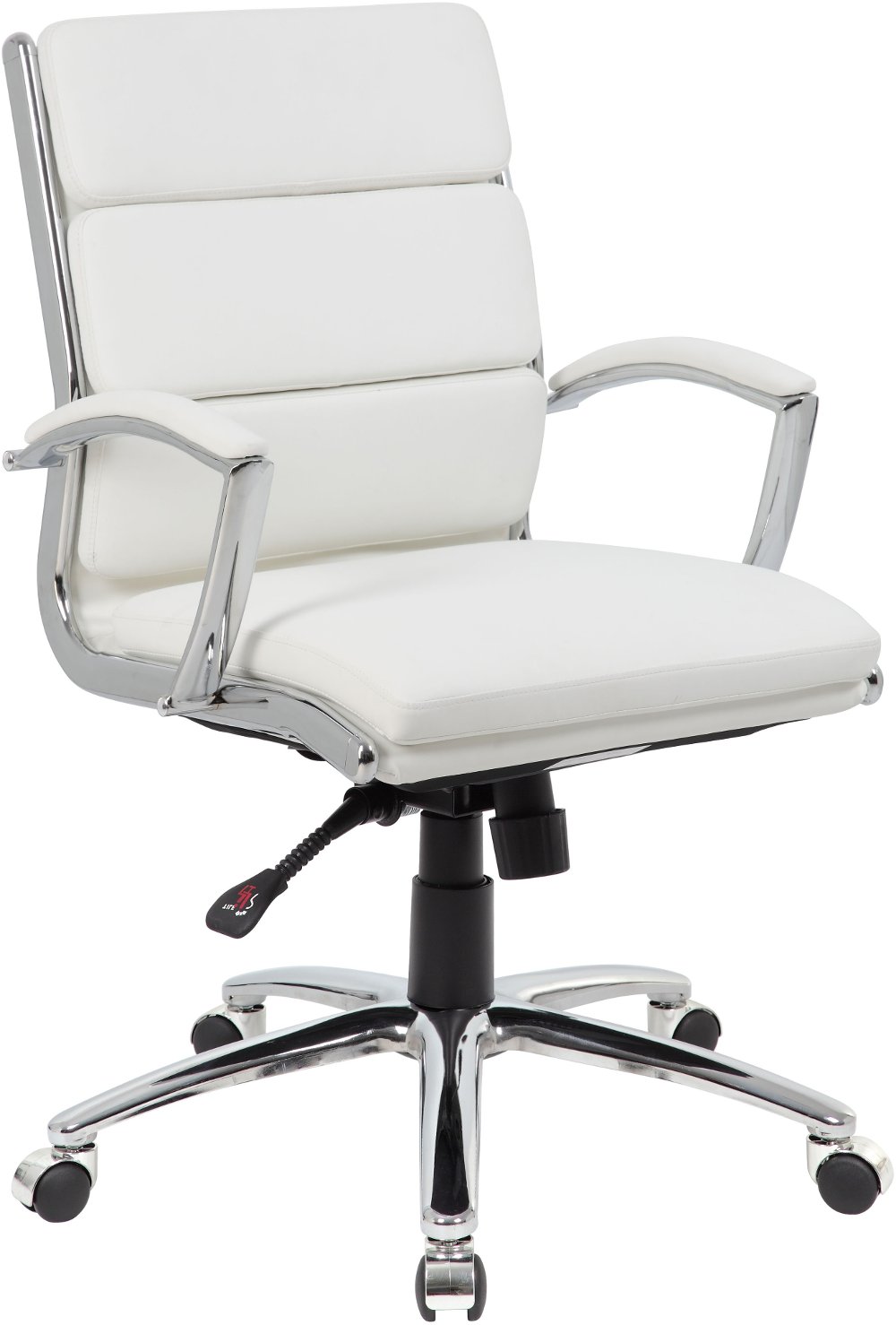
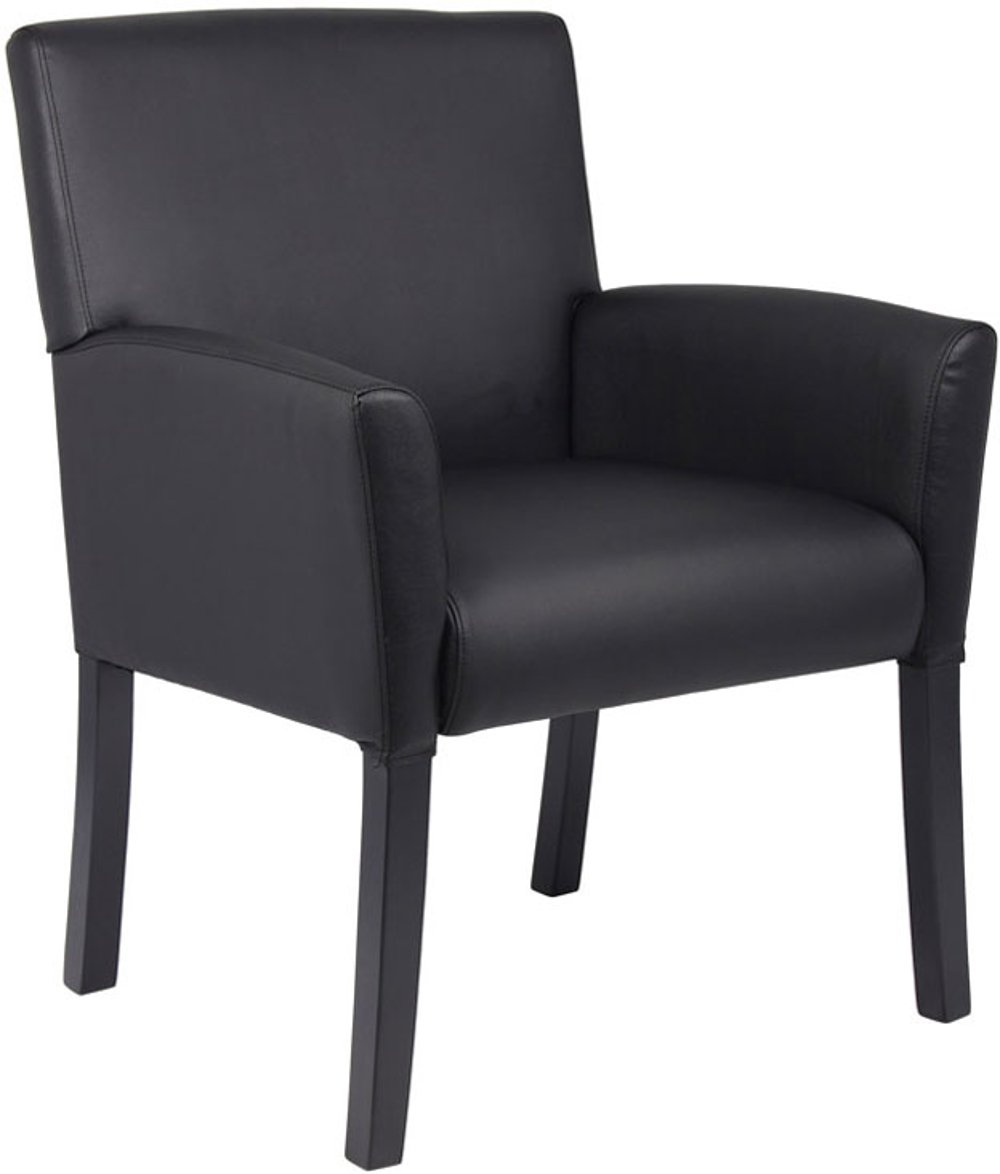
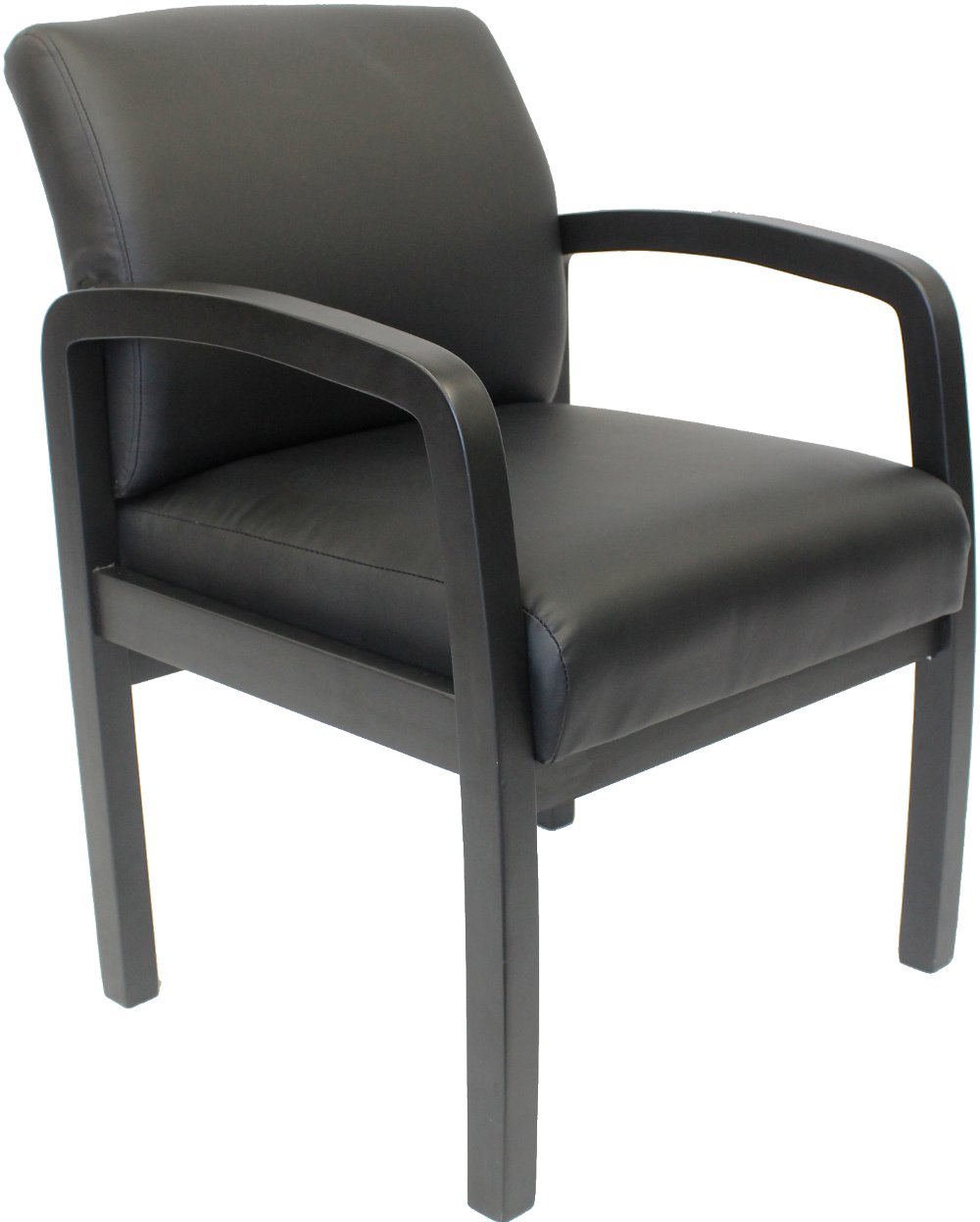
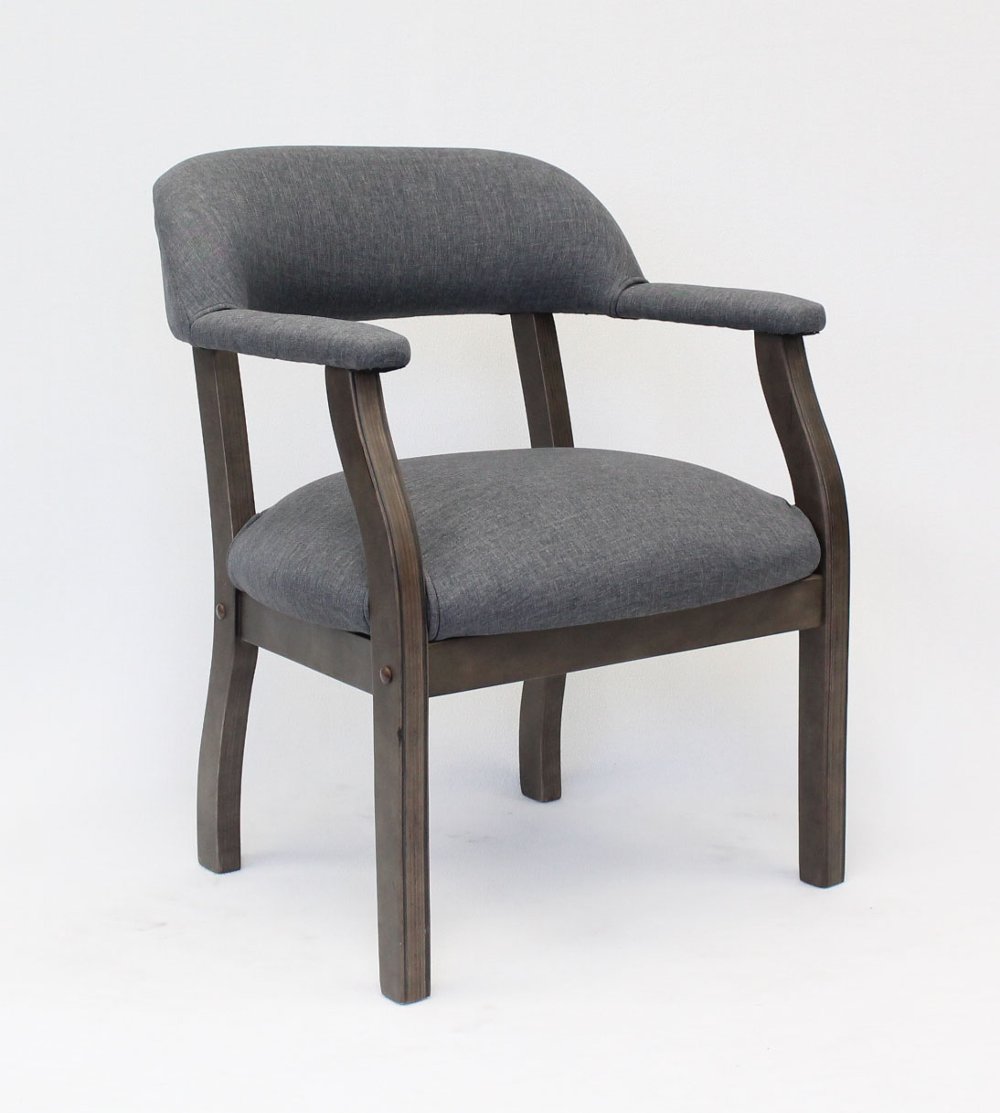
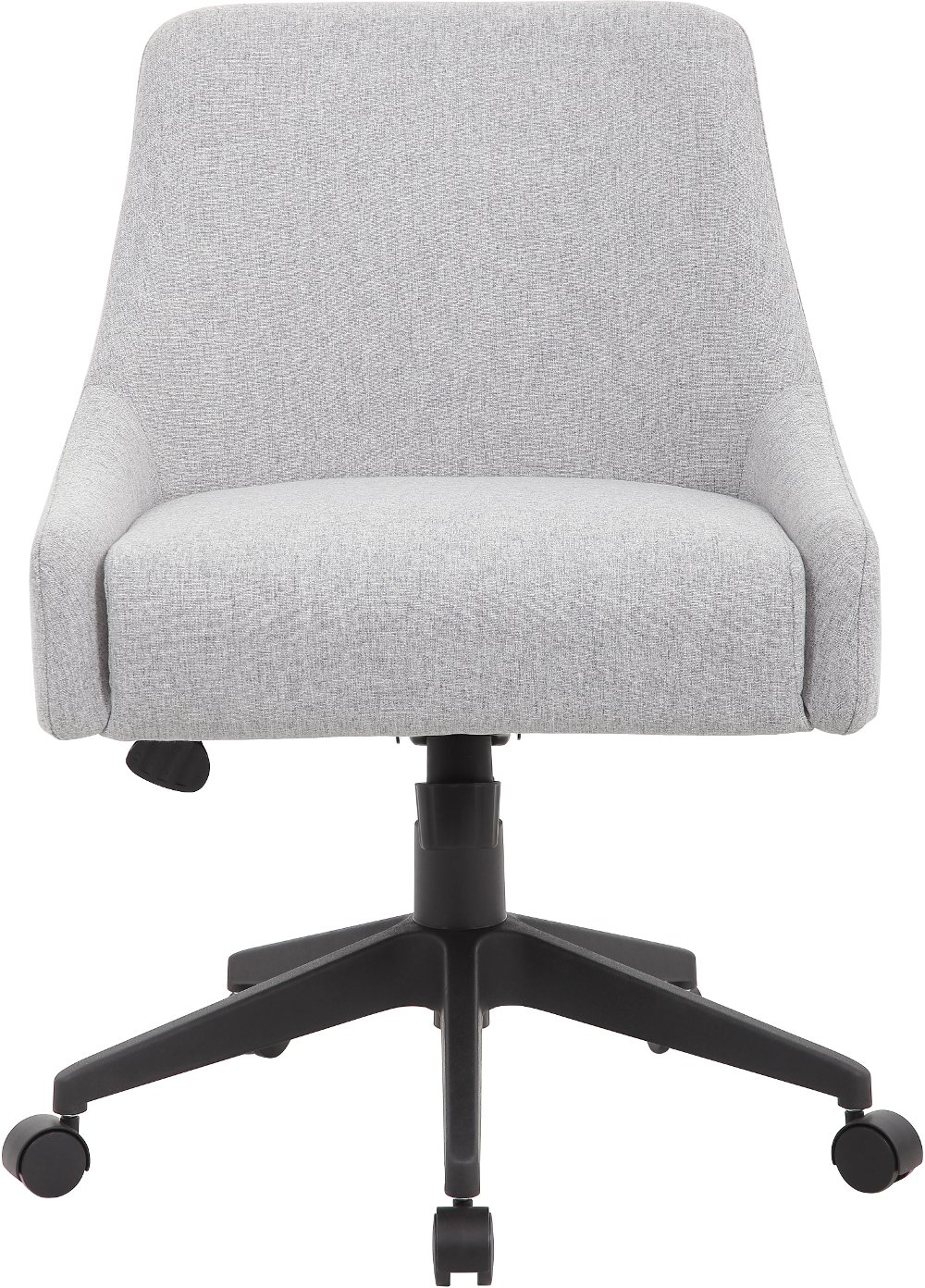
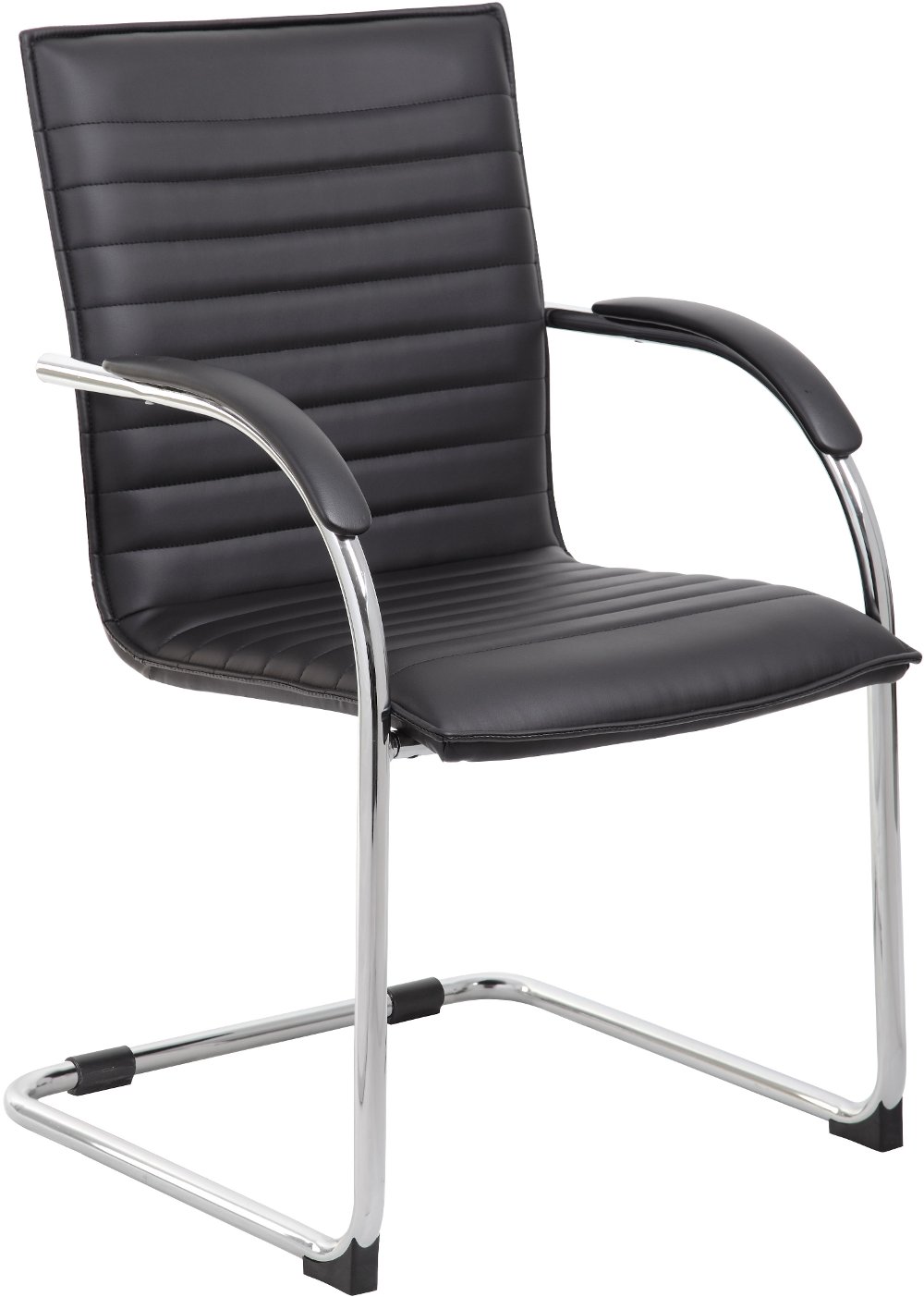
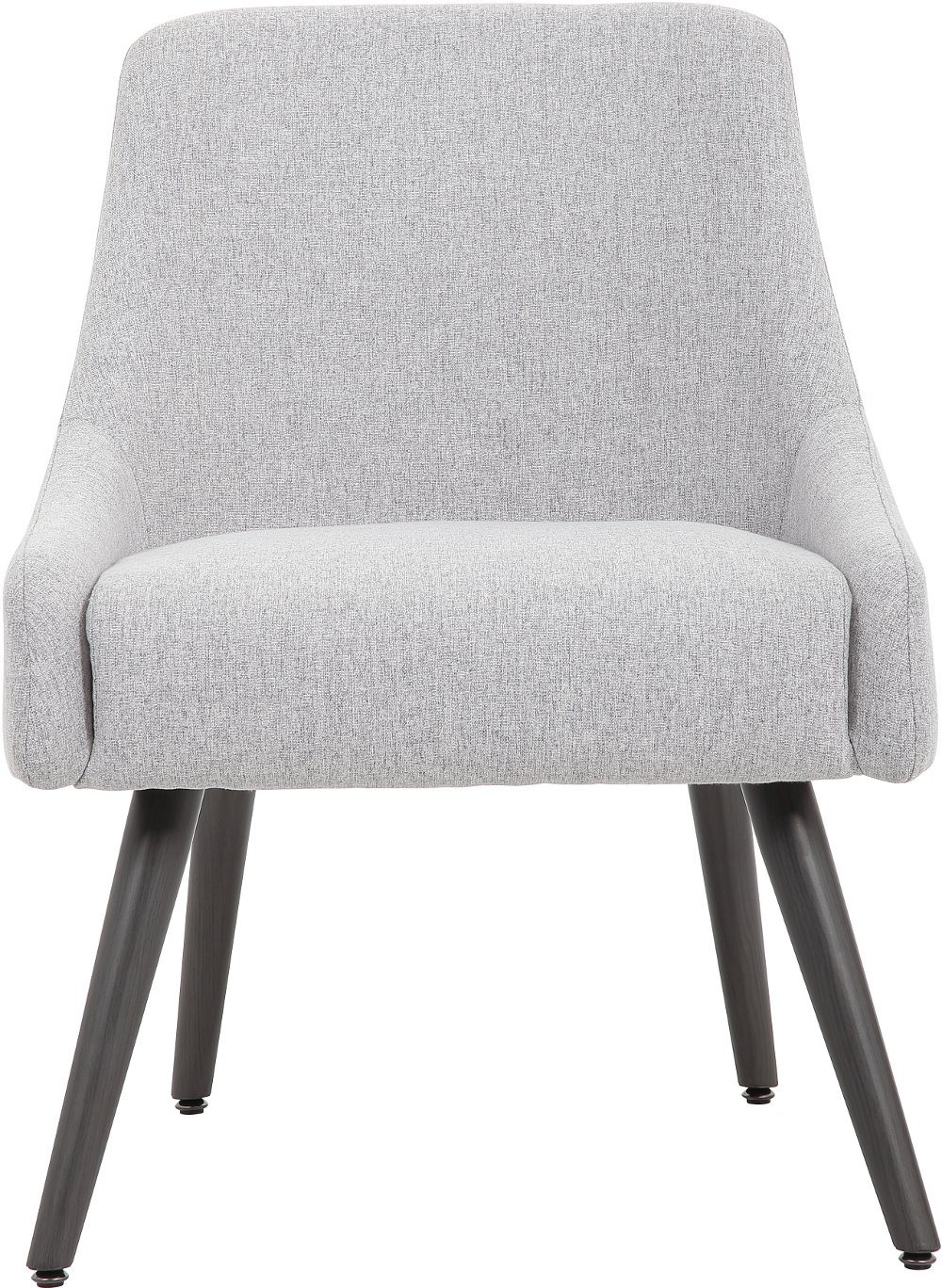
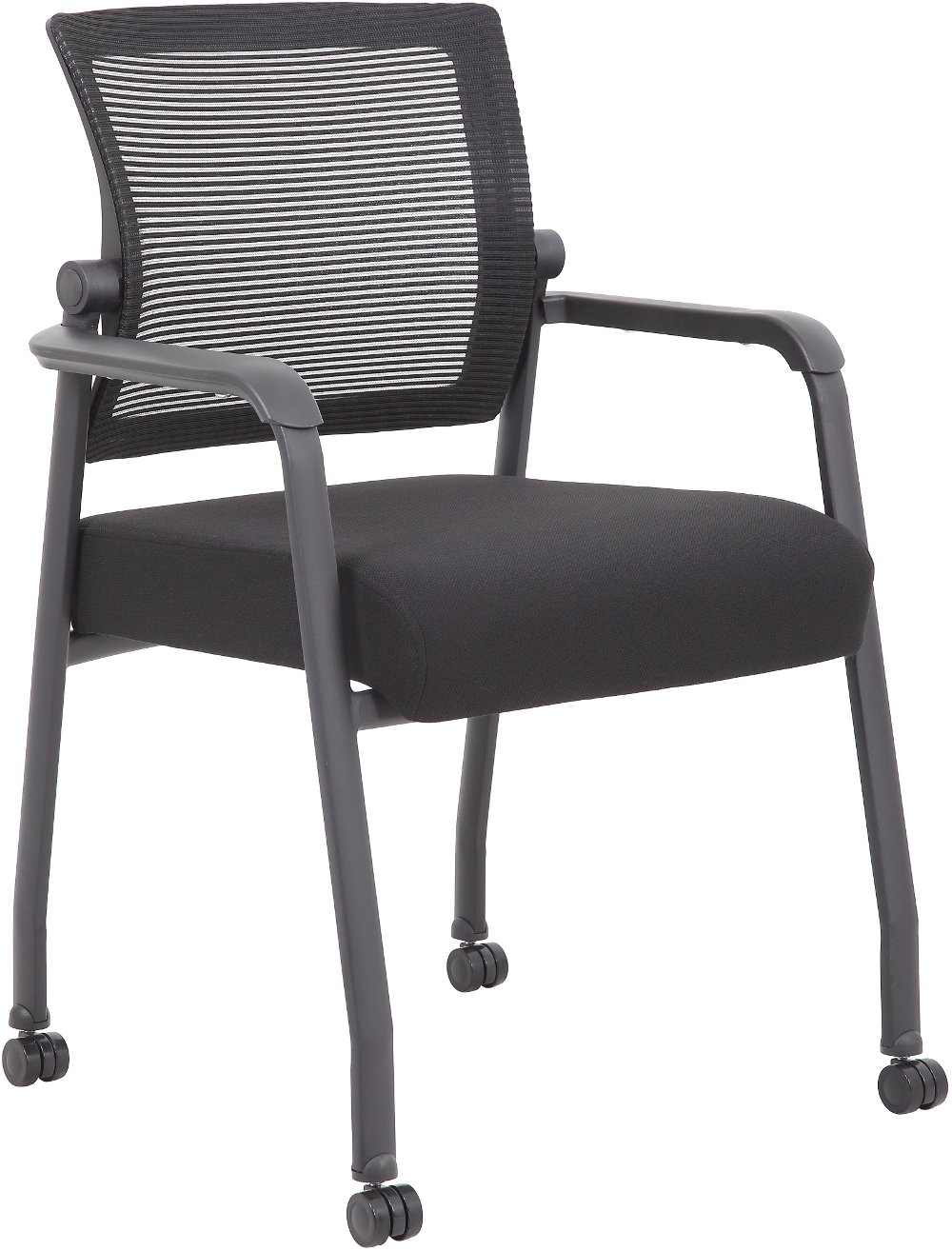
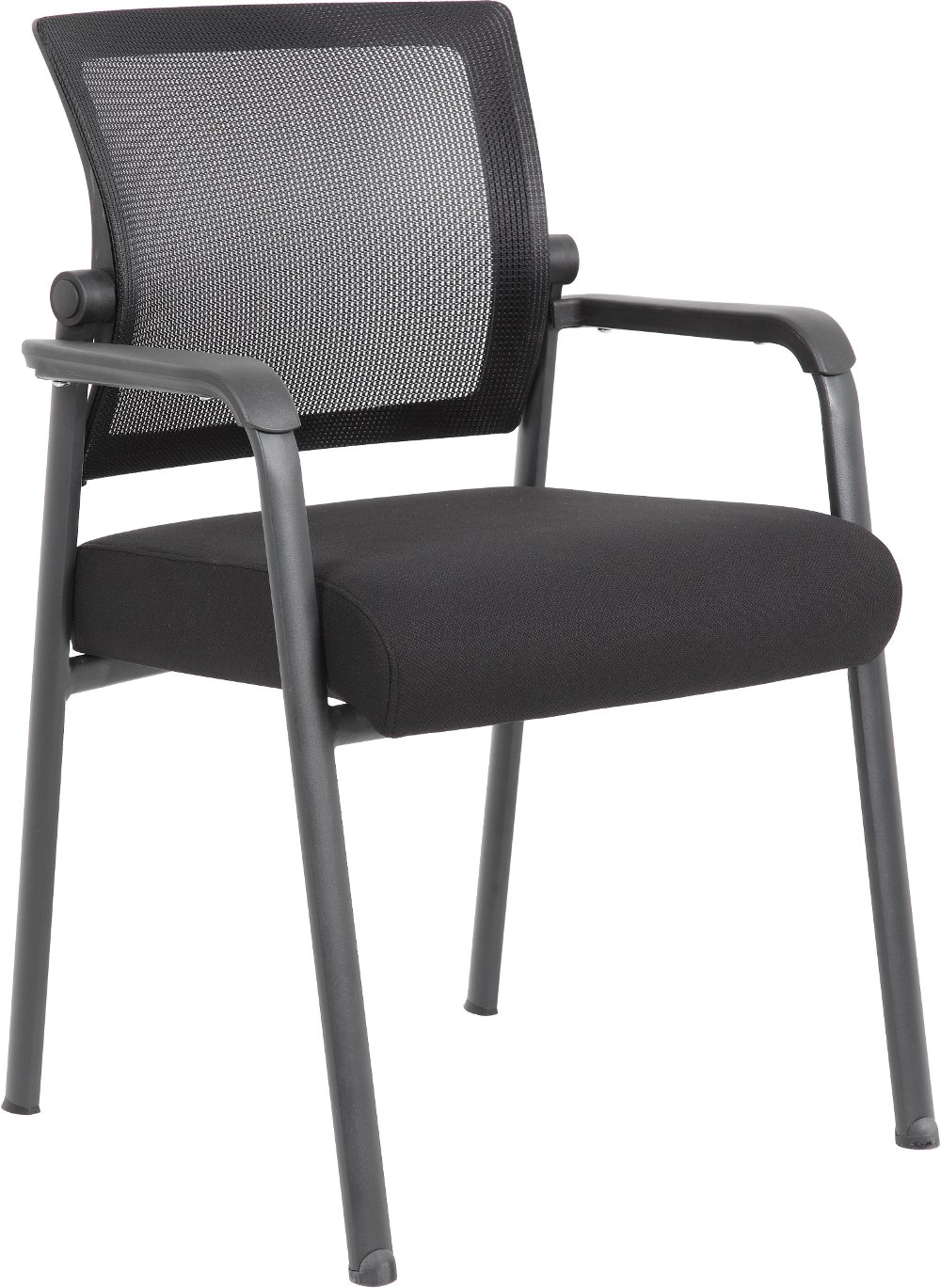
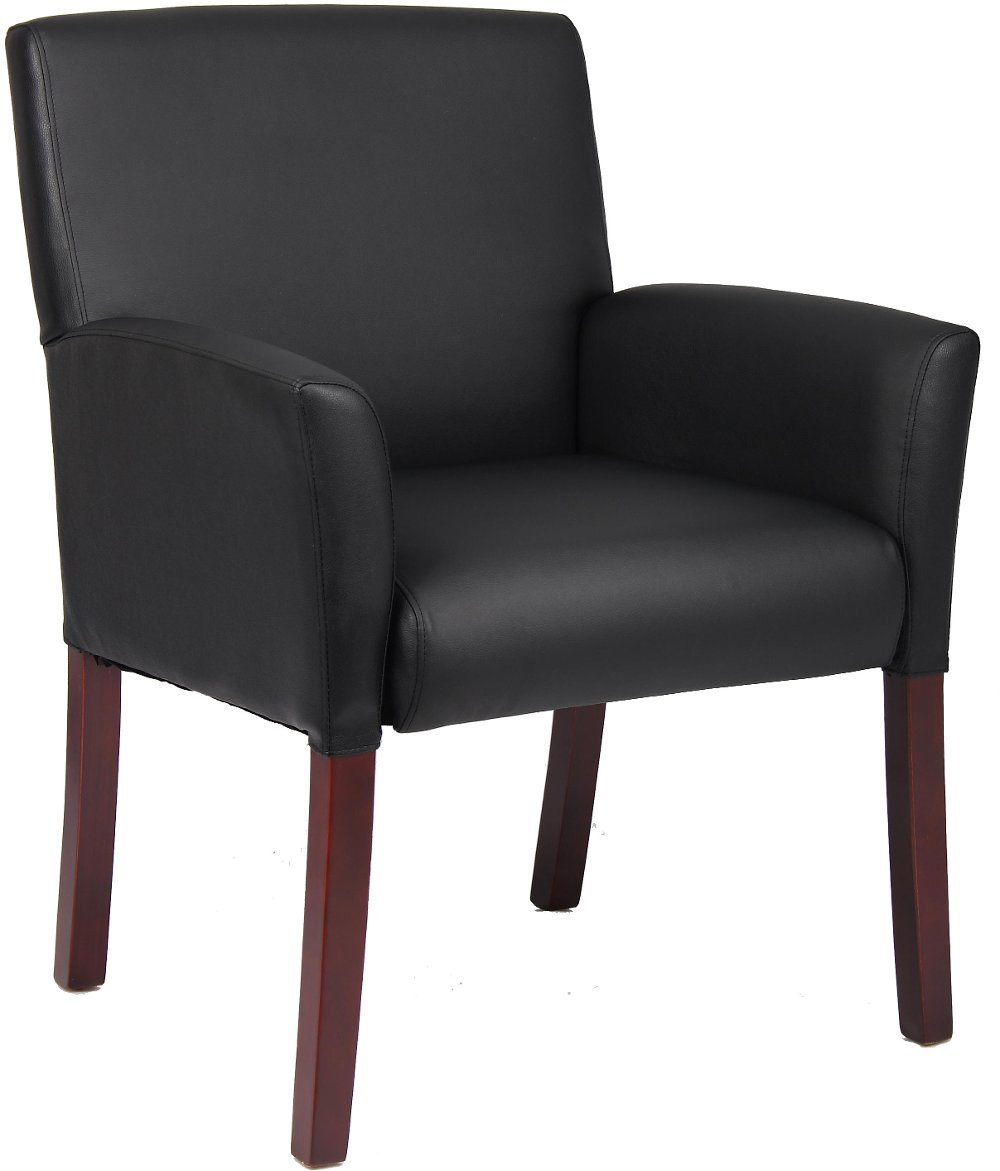
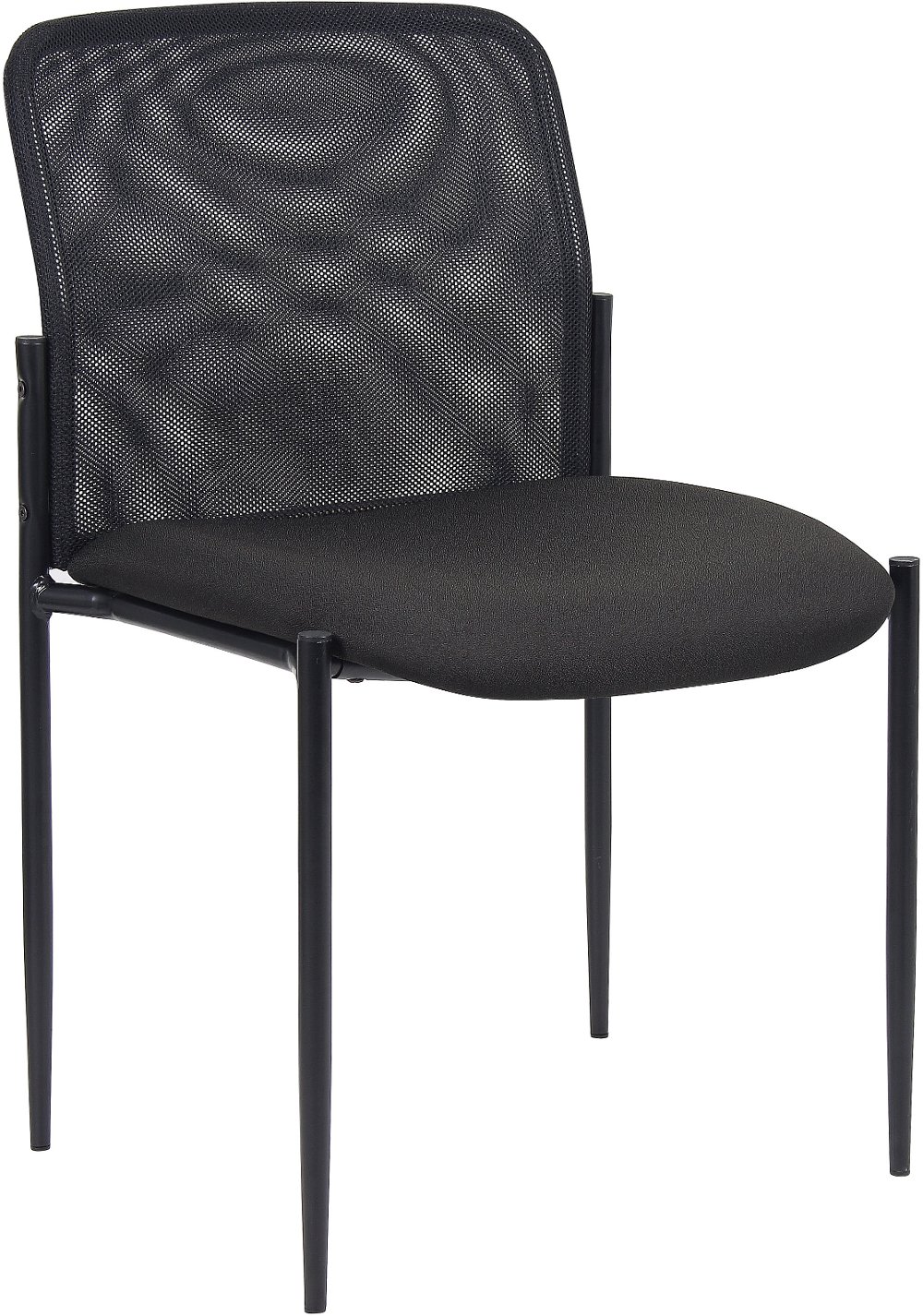
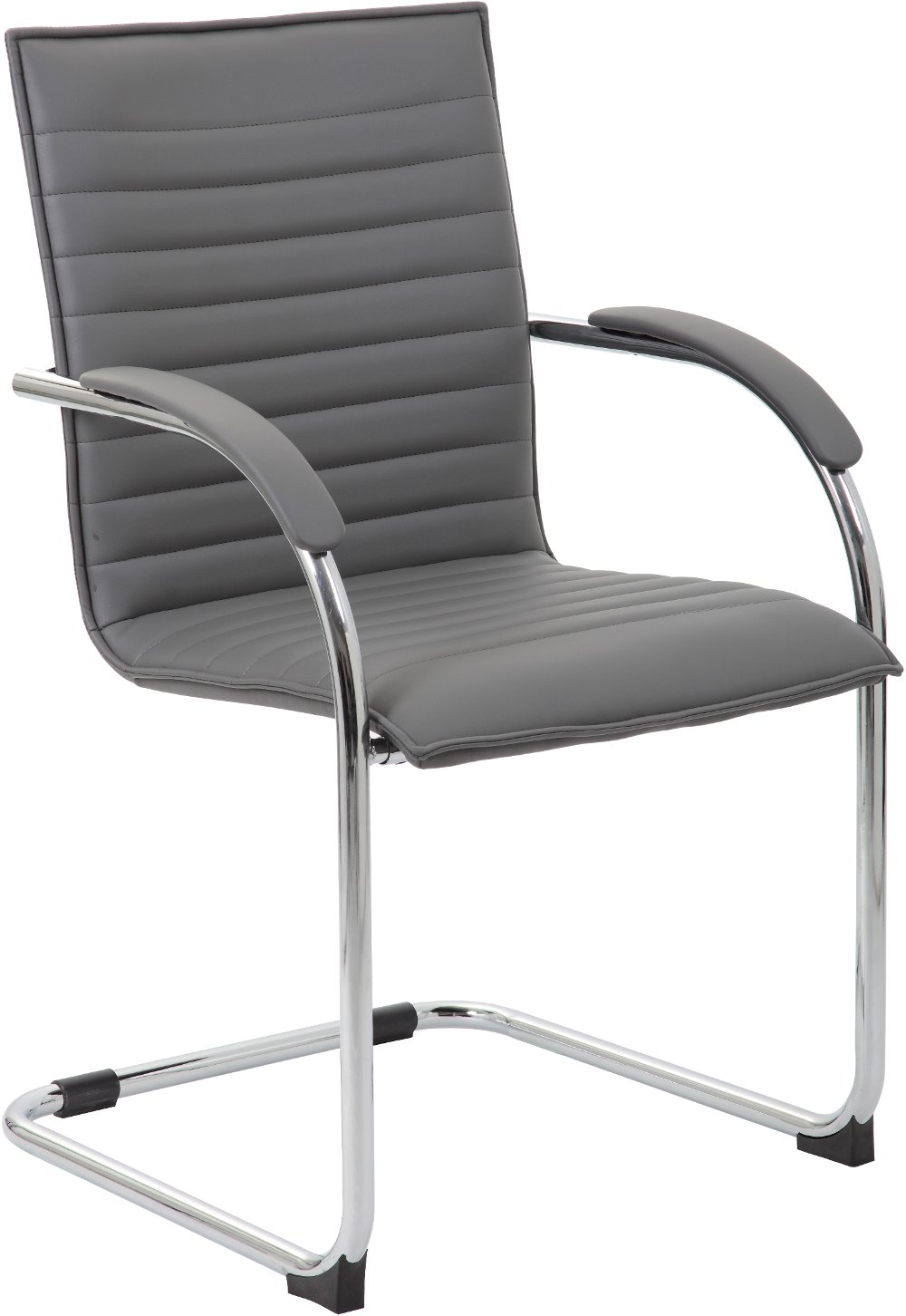
Comfortable office guest chairs help make a workspace feel welcoming from the moment someone sits down. Across from a desk, beside a small meeting table, or along a reception wall, these seats give visitors a place to settle in without feeling like an afterthought. A client reviewing paperwork, a colleague stopping by to talk through a project, and a family member sharing a home office may all need something slightly different from the same chair. The most useful designs balance supportive seating with proportions that suit the room and the length of a typical visit. For a quick conversation, a gently shaped back and a cushioned seat may be enough. For longer appointments, details such as a supportive backrest, comfortable arm placement, and a seat cushion that holds its shape become more important. Softness alone doesn’t tell the whole story: A seat that feels plush at first can become tiring if it lets the sitter sink too deeply or makes standing up awkward. A supportive chair should let guests sit comfortably with their feet on the floor, without the front edge pressing into the backs of their knees. Seat depth matters here, especially when people of different heights use the space. Arms can provide a comfortable resting place during conversation, while an armless silhouette offers more freedom to shift position and may fit more neatly in a compact office. Neither style is automatically better; the right fit depends on who’s visiting and how the room works. In a home office that doubles as a reading nook, a more lounge-like guest chair can make sense, provided it still suits any desk-side tasks. In a professional setting where visitors sign documents or use a laptop, a more upright seat often feels more practical. Pairing guest seating with comfortable office furniture helps create a room where the desk, storage, and seating feel connected, while giving each piece a clear purpose.
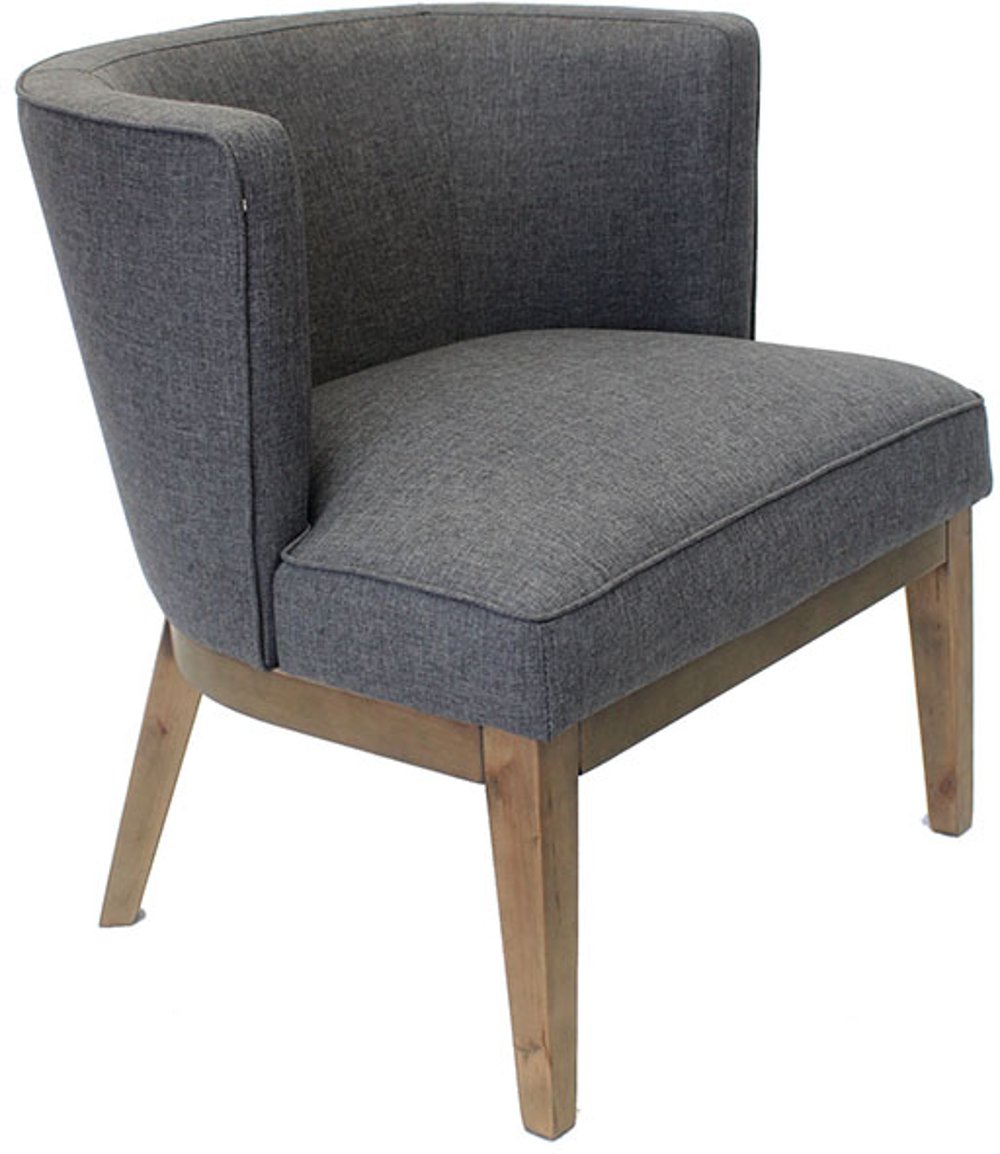
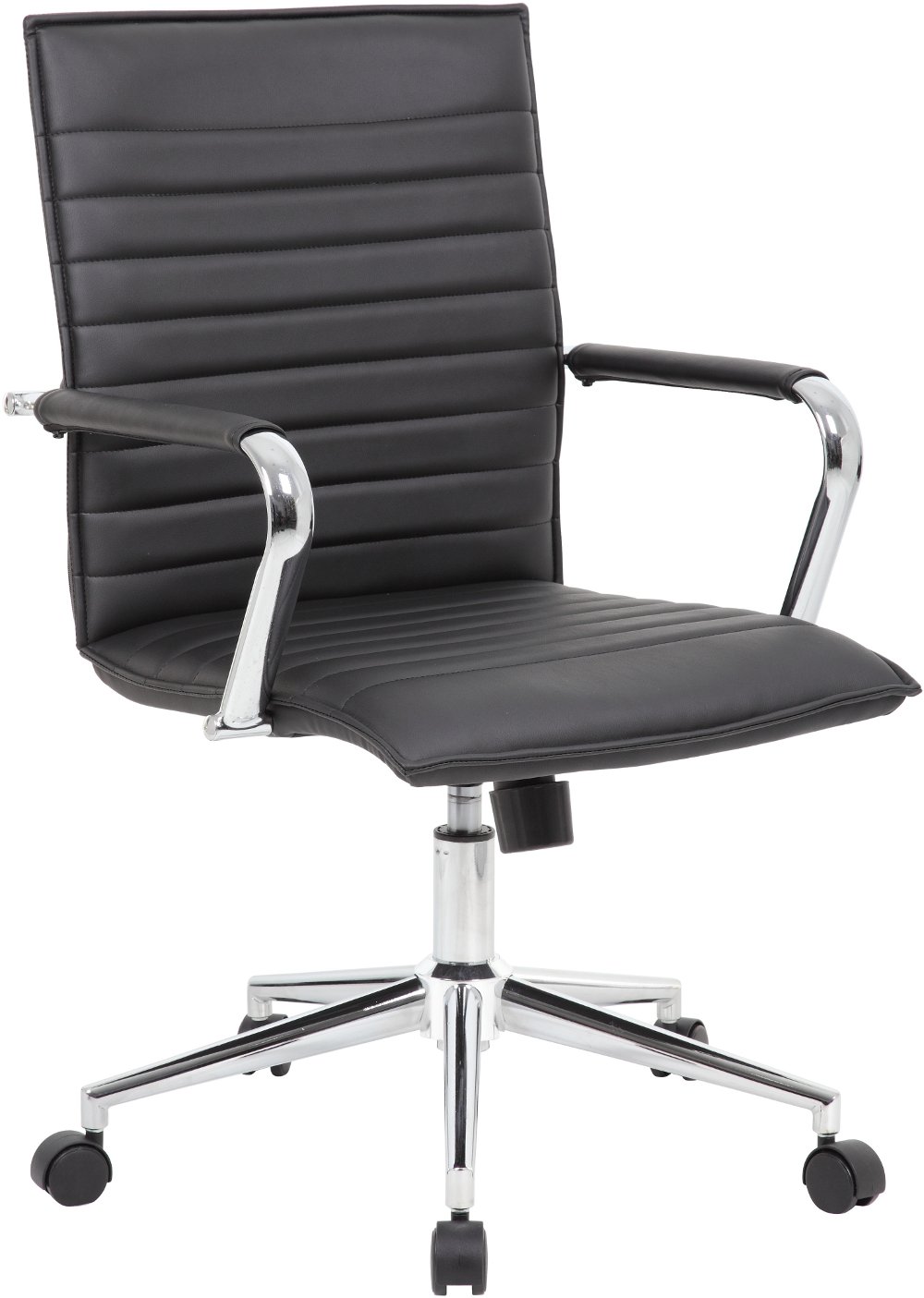
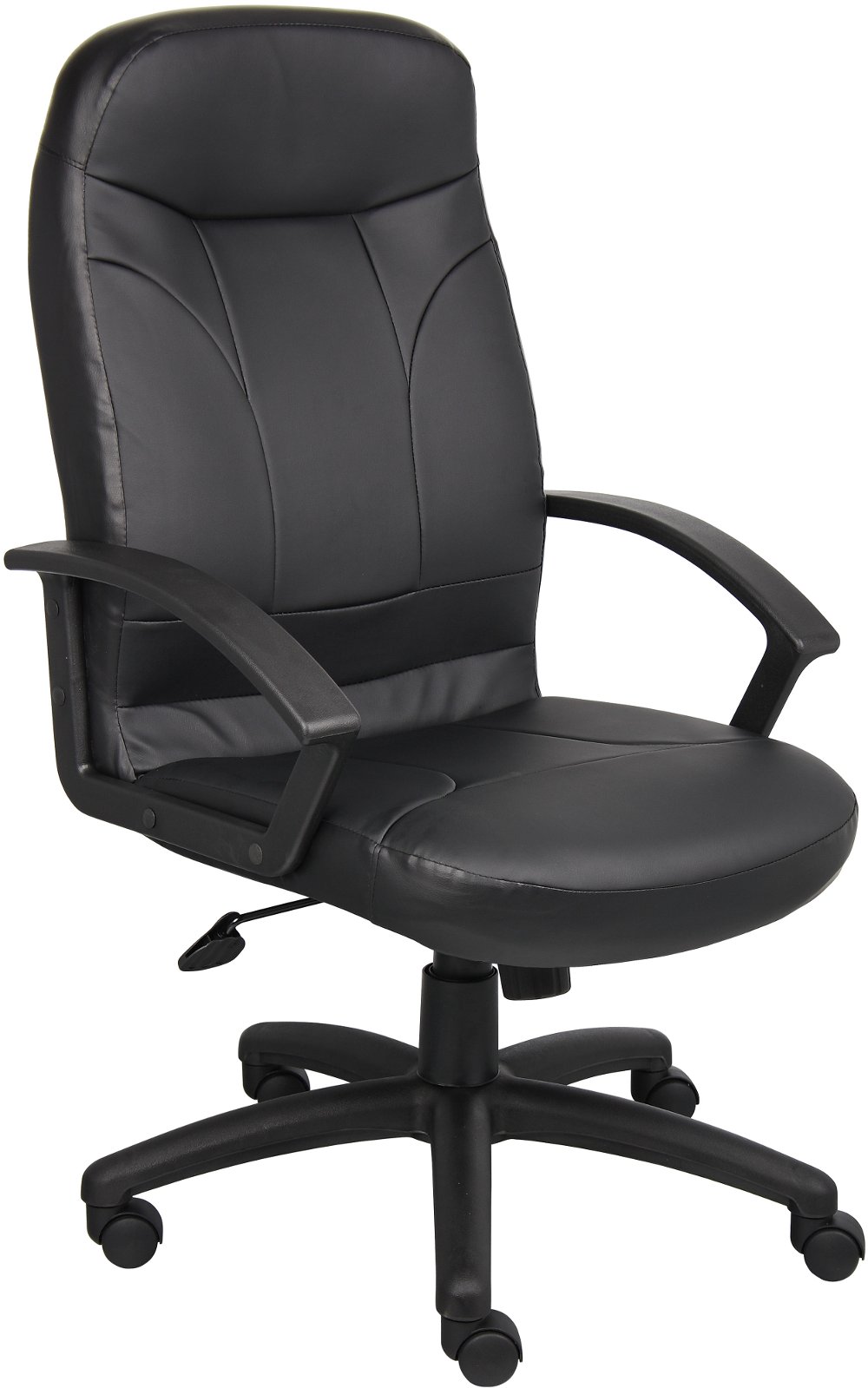
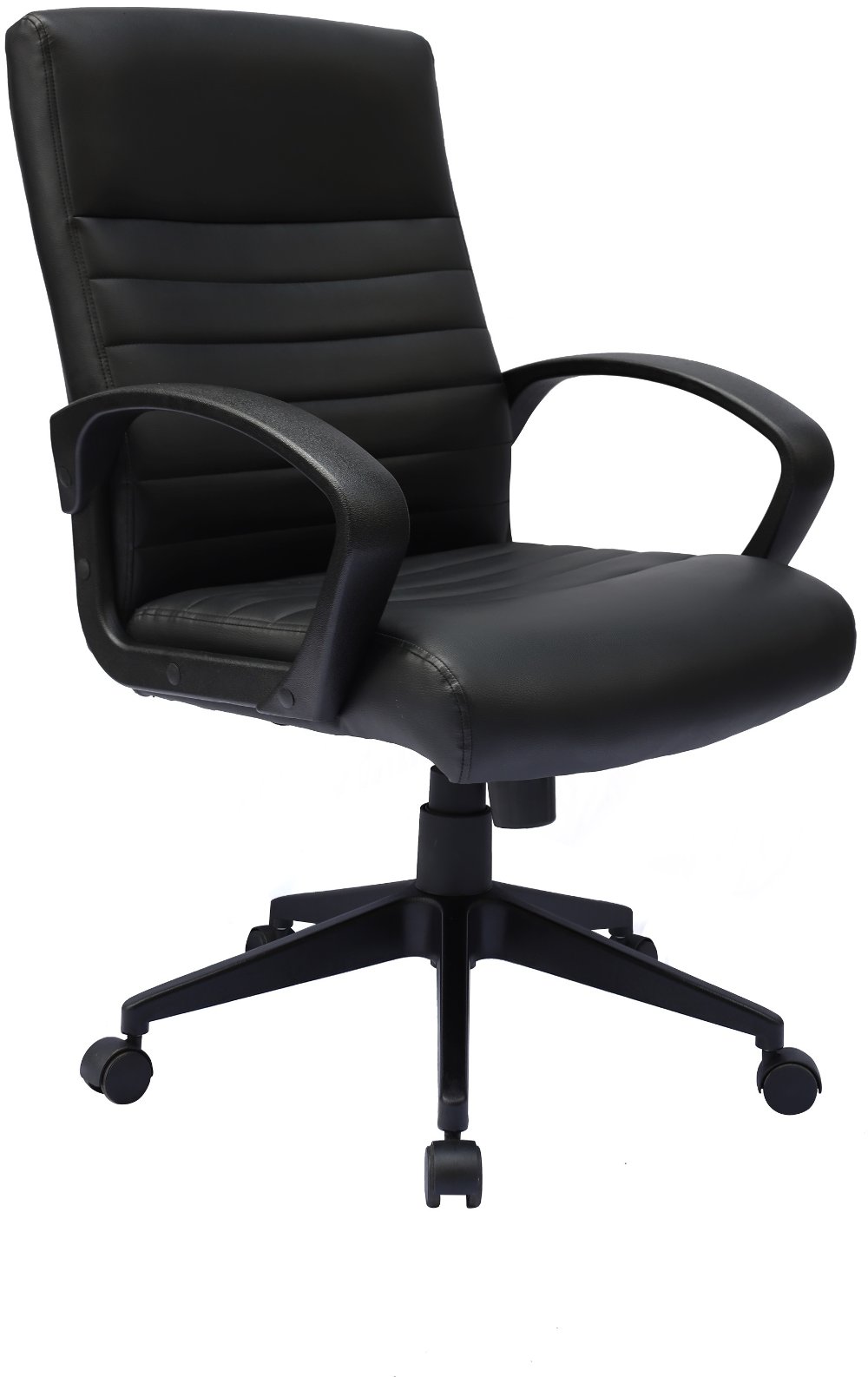
Upholstery and frame materials shape both the feel of an office guest chair and the attention it needs over time. Woven fabric can bring warmth to a room with hard flooring, metal storage, or a large desk, and its texture can make a simple chair feel inviting. A tightly woven upholstery fabric may be a practical choice for regular use, but durability depends on the material and construction rather than appearance alone. Performance fabrics vary, too, so check the stated cleaning instructions and any specific stain-resistance claims instead of assuming every fabric handles spills the same way. Leather offers a distinctive feel and can develop character with use, though its care requirements depend on the finish. Faux leather can provide a smooth surface that’s convenient for some everyday cleanup, but harsh cleaners and repeated friction may damage certain finishes. In a reception area where coats, bags, and denim brush against the seating throughout the day, upholstery durability deserves as much attention as color. Wood frames add warmth and can complement traditional desks or soften a more modern workspace. Metal frames often create a slimmer visual profile, though stability depends on sound construction and secure connections, not just the frame material. For frequently used chairs, look for clearly stated weight limits, appropriate use ratings, and care information that matches the setting. A chair intended for occasional residential use may not suit a busy commercial waiting area. Routine care can stay straightforward: Remove dust and crumbs using methods approved for the upholstery, attend to spills promptly according to the care label, and periodically check accessible fasteners as directed by the manufacturer. Keep upholstered seating away from sustained direct sunlight and heat sources when possible to help protect its appearance. If a chair sits near an office entrance during cooler weather, allowing space for damp coats and bags elsewhere can help keep the seat dry and ready for the next visitor.
The best-fitting guest seating leaves enough room for people to arrive, sit, and stand without navigating around furniture. Before choosing a chair, consider its full footprint, including arms, angled legs, and any space needed for movement. A seat may look compact in a photo yet extend farther into a walkway than expected. In a small home office, placing two chairs opposite the desk can make conversations feel balanced, but a single well-positioned chair may be more comfortable if it preserves an easy path to the door. Allow room for knees beneath a meeting surface, and check arm height if the chair needs to tuck under a table. When paperwork is part of the visit, the relationship between seat height and tabletop height matters more than matching every finish perfectly. A low accent-style seat beside a tall work surface can leave someone reaching upward to write. For shared spaces, consider a mix of seating proportions so more visitors can find a comfortable place, and preserve clear routes and usable space for people with mobility devices. Firm, stable arms may help some guests lower themselves into a seat or stand again, while others may prefer the roomier feel of an armless chair. Stationary seating can keep a desk-side arrangement orderly, while swivel seating may be useful when guests need to turn between a person, a screen, and a table. Floor protection also deserves attention: Choose glides or other protective components suited to the flooring, and follow the chair manufacturer’s recommendations. Visually, guest chairs can echo the desk’s wood tone, pick up a color from the rug, or add a softer texture to a room with clean-lined cabinetry. Matching every piece isn’t necessary for a cohesive result. Consistent proportions and a few shared colors usually do more to make the space feel intentional. Whether the setting is a quiet study, a shared workplace, or a client-facing office, comfortable guest seating supports the everyday moments that happen around the desk: a thoughtful conversation, a careful review, or a welcome pause before the next appointment.
Read More