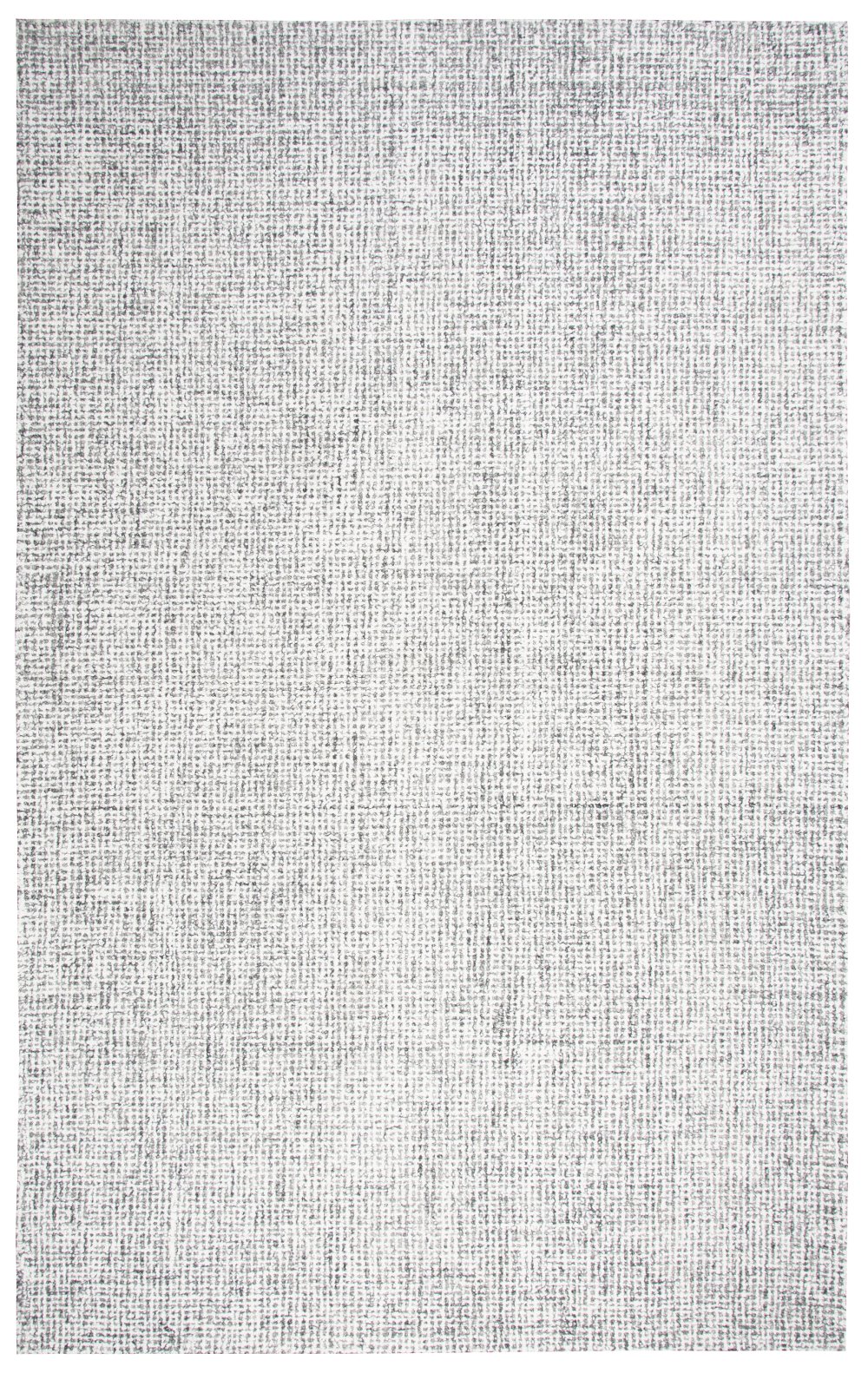
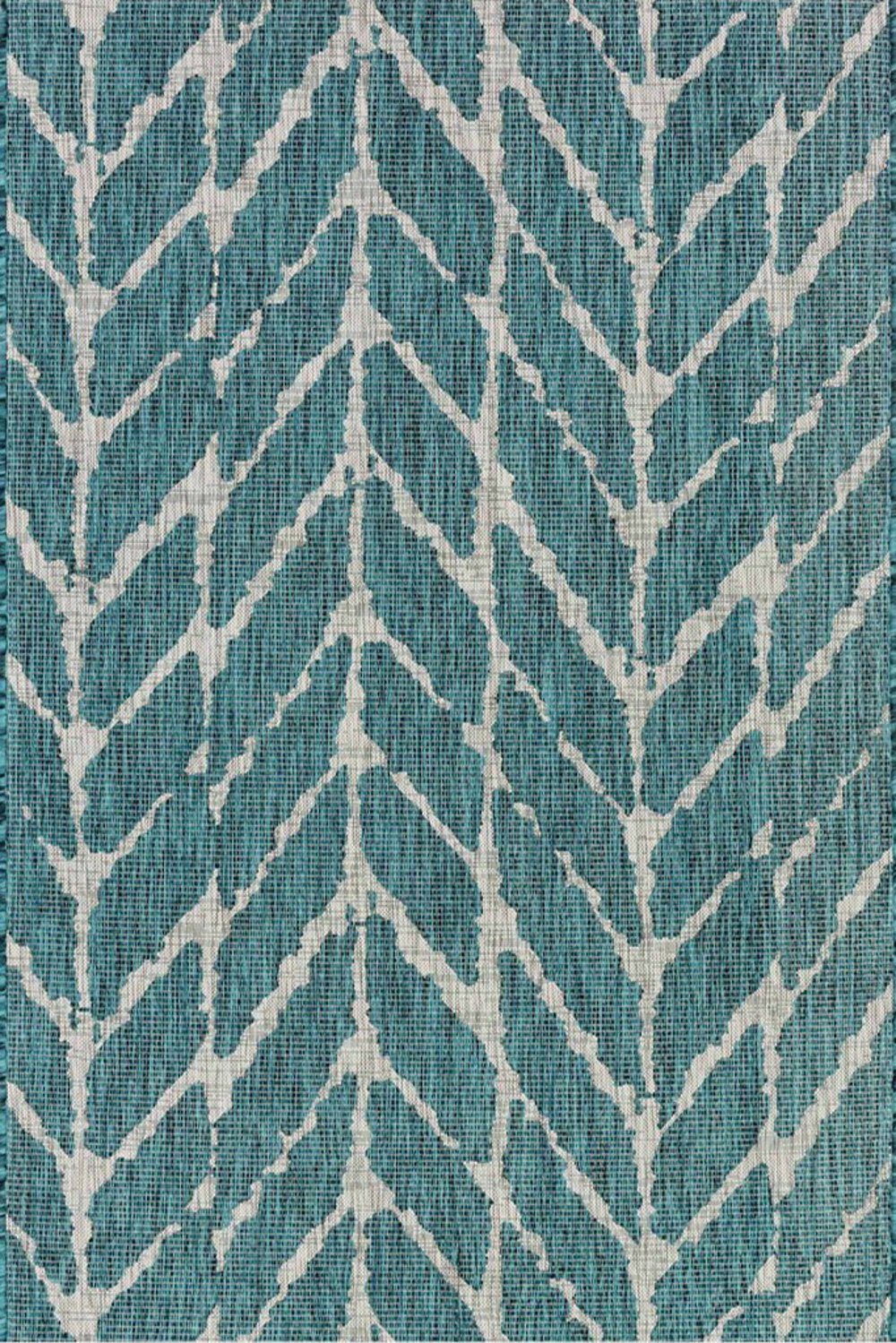
Cotton-backed rugs have a layer of cotton fabric on the underside, separate from the fibers that create the visible pattern, texture, and color. That distinction matters: A rug with cotton backing may have a wool, polyester, polypropylene, viscose, or blended-fiber surface rather than a cotton pile. The backing helps support the rug’s construction, while the face material largely determines how it feels underfoot, how it handles everyday traffic, and how it should be cleaned. Cotton fabric can provide a softer contact surface than some coarse backings, making these rugs worth considering for living rooms, bedrooms, dining spaces, and other areas with hard flooring. A soft backing alone, however, doesn’t guarantee that a rug will stay in place or suit every floor finish. Cotton is naturally breathable, but airflow through the finished rug also depends on its other layers, any adhesives, and the pad underneath. Beyond those practical details, cotton-backed area rugs offer plenty of room for personal style. A faded medallion pattern can bring character to a room with simple upholstery, while a quiet geometric design can add definition without competing with patterned curtains or artwork. Cream, oatmeal, and soft gray tones create a subtle foundation; deeper blues, warm rusts, and layered patterns can give a seating area a more defined presence. Surface texture changes the effect just as much as color. A short, dense pile creates a tailored look, while a more textured surface brings dimension to otherwise smooth furniture and flooring. For a surface with a light-catching sheen, Viscose Area Rugs offer another direction, though viscose generally needs extra care around spills and moisture. Choosing the backing and face fiber together makes it easier to find a rug that feels at home with both the room’s furnishings and the way the space gets used.
The right fit gives a cotton-backed rug a clear purpose, whether it’s anchoring a conversation area or adding a comfortable landing beside the bed. In a living room, a rug that reaches beneath the front legs of the sofa and nearby chairs helps connect the furniture instead of leaving a small rectangle floating under the coffee table. Measuring the seating arrangement, rather than only the open floor, gives a more useful starting point. Painter’s tape can mark the proposed edges so there’s a chance to see how the rug relates to walkways, side tables, and door openings before settling on dimensions. Beneath a dining table, allowing roughly 24 to 36 inches beyond the tabletop on each side usually gives chairs room to pull out while staying on the rug; the exact clearance depends on the chair size and room layout. A lower pile is often more practical here because chair legs move across it more easily and crumbs are simpler to remove. In a bedroom, extending the rug beyond the sides of the bed creates a soft place for bare feet, while runners can work well where a larger area rug would crowd the floor. Entryways, hallways, and home offices call for closer attention to clearance, edge height, and traffic. A door needs room to swing freely, and a rolling chair works best on a surface intended for that use. For households with children or pets, a dense, lower-profile surface may be easier to maintain than a deep pile that catches small debris. Looped textures also deserve consideration around pets whose claws may snag them. Cotton backing isn’t itself a measure of wear resistance, so fiber type, pile construction, edge finishing, and recommended placement all deserve attention. Someone furnishing a first apartment may value flexible sizing and straightforward care, while a busy family room may benefit most from a durable surface and a pattern that makes everyday lint less noticeable.
A separate rug pad is often an important companion to cotton-backed rugs because cotton fabric doesn’t automatically provide a nonslip grip. A pad designed for the flooring underneath can help limit shifting, add cushioning, and reduce movement that contributes to wear. Its compatibility matters as much as its thickness: Hardwood, laminate, vinyl, tile, and carpet can have different requirements, and the flooring manufacturer’s recommendations should guide the choice. A pad cut slightly smaller than the rug stays hidden and allows the edges to rest against the floor. In a narrow passage or beneath dining chairs, a thinner pad may preserve clearance better than a thick cushioning layer. Care starts with the complete rug’s label, not the backing material alone. Cotton backing does not mean a rug is machine washable, and a washable face fiber doesn’t necessarily make the adhesives, dyes, or finished construction suitable for immersion. Machine washing is appropriate only when the manufacturer explicitly allows it, with attention to washer capacity and drying instructions. For routine upkeep, vacuum using the setting recommended for the rug’s pile, and keep rotating brushes away from fringe or delicate surfaces when directed. Turning the rug periodically can spread foot traffic across different areas, especially beside a favorite chair or along the route between the sofa and kitchen. When a drink spills, blot promptly with a clean, white cloth rather than rubbing it deeper into the fibers. Test any permitted cleaner in an inconspicuous area, and avoid saturating the rug, since excess moisture can affect dyes, adhesives, backing, and the floor below. Let any damp area dry completely before putting the rug back into regular use. Professional cleaning may be the better choice for delicate fibers, substantial staining, or constructions that require specialized treatment. With the right placement, a compatible pad, and care suited to every layer, a cotton-backed rug can bring color, texture, and a more settled feeling to the spaces where everyday life happens.
Read More