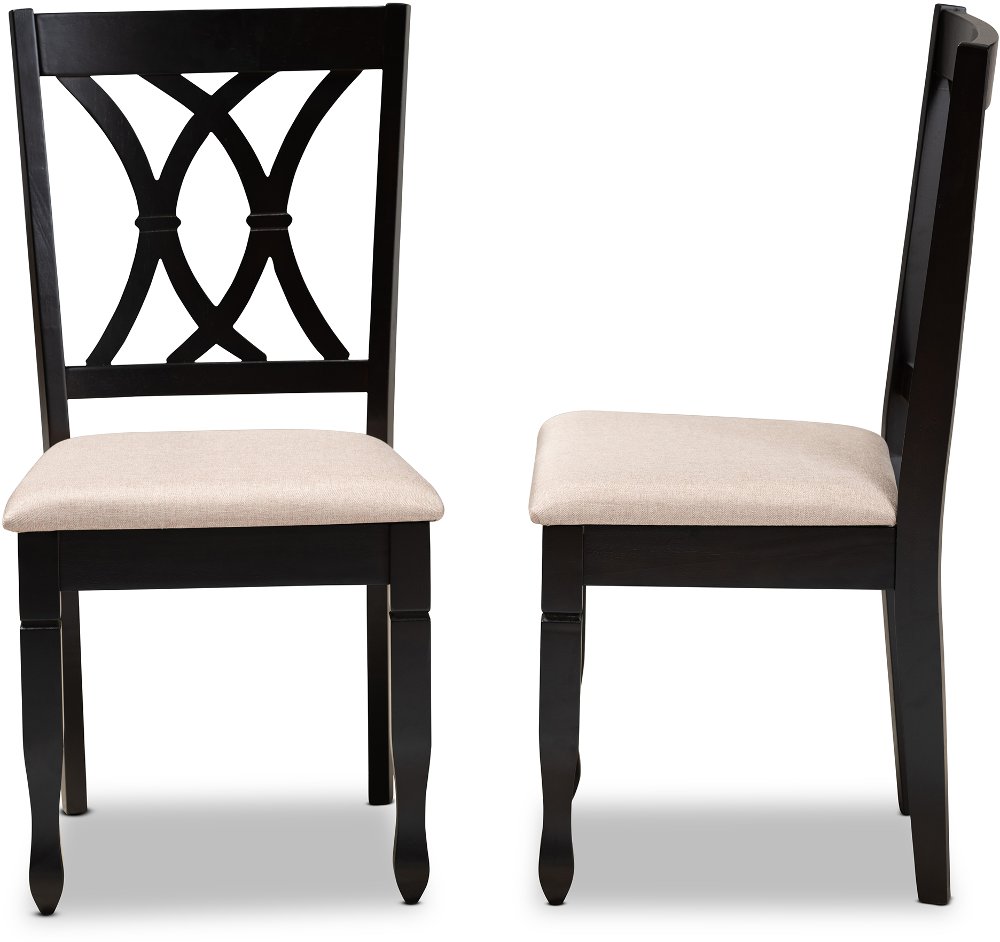
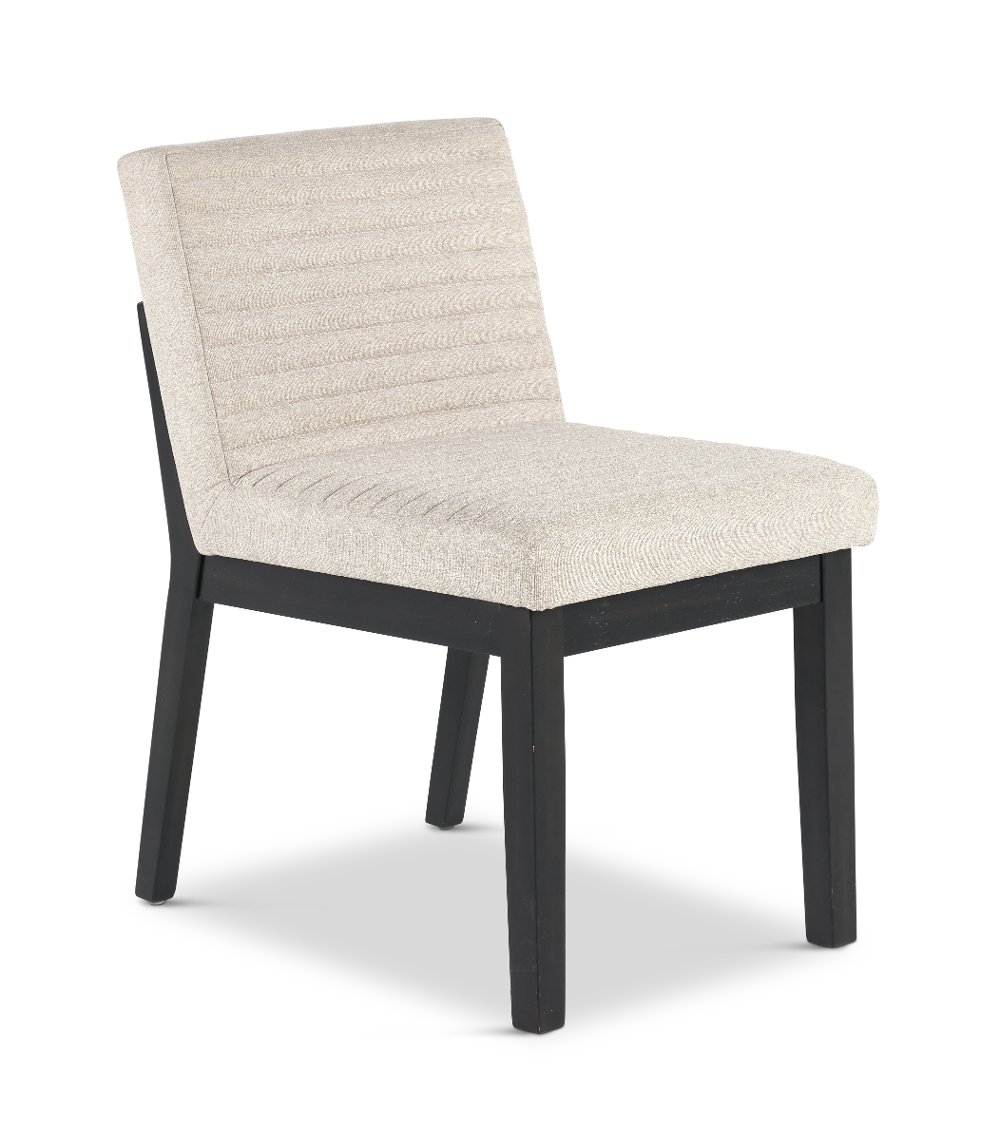
Dark brown dining chairs bring rich, grounding color to a dining room, breakfast nook, or eat-in kitchen without limiting the room to one decorating style. Common designs include solid wood chairs, upholstered seats and backs, and leather or faux leather seating, with finishes that range from warm walnut tones to deep espresso. Each creates a slightly different effect. Visible wood grain adds texture beside a simple table, while a smooth chocolate-brown seat can soften the contrast between a pale tabletop and dark legs. The shade matters as much as the silhouette: reddish browns feel different from cool, nearly black browns, especially beside flooring and cabinets. For a coordinated dining area, look for a shared undertone rather than trying to make every brown surface match exactly. A dark chair can complement a lighter wood table when the two finishes share a similar warmth, and a brown seat with a black metal base can connect naturally with nearby lighting or cabinet hardware. Shape helps establish the mood, too. Straight backs and clean edges suit streamlined spaces, while curved rails, turned legs, and shaped seats bring a more traditional feel. Open-back designs let more of the table and surrounding room show through, which can help a smaller dining area feel less crowded. Taller, fully upholstered backs create a more substantial presence around a large table. Materials also affect how a chair feels in everyday use. Solid wood can provide a sturdy structure and distinctive grain, though performance depends on construction, finish, and care. Veneered and engineered wood components offer other ways to achieve a consistent wood appearance; the visible color alone doesn’t identify the underlying material. When comparing dark brown dining room chairs, consider the whole design, including how the legs, back, seat, and finish work with the furniture that will stay in the room. A chair that echoes one familiar detail can make the space feel connected without turning it into a matching set.
Comfort becomes especially noticeable when dinner stretches into conversation, a board game, or an afternoon of homework at the table. A shaped wood seat offers a firm sitting surface, while upholstery adds cushioning and can make longer meals more comfortable. Seat depth, back angle, and support matter alongside padding; a thick cushion isn’t automatically a better fit for every person. Someone with shorter legs may prefer a shallower seat that allows their feet to rest comfortably on the floor, while a broader seat can give another diner more room to settle in. For seating with a softer look and feel, dark brown upholstered dining chairs can introduce texture through woven fabric, smooth leather, or leather-look coverings. Fabric tends to create a relaxed, tailored appearance, with texture adding depth even when the color stays neutral. Genuine leather has natural variation and may develop a patina, depending on its finish. Faux leather offers a similar visual effect, but its composition and care requirements differ from genuine leather. Neither material should be treated as automatically stainproof or maintenance-free. For a table that sees cereal spills, craft projects, and frequent snacks, the cleaning instructions deserve as much attention as the upholstery color. Dark brown can make some everyday marks less noticeable, but crumbs, dust, and dried spills can still show. Seams, tufting, and decorative trim also create places where debris can collect. A simpler seat surface may be easier to maintain in a busy household. For durability, look beyond the covering to the frame, joints, and intended use. A chair that feels stable, supports the sitter appropriately, and suits the demands of daily meals is a better long-term match than one chosen for appearance alone. Arms can provide a comfortable place to rest during a lingering meal, while armless chairs generally make it easier to move in and out of a closely arranged table. A mix of the two can give the heads of the table a distinct look while keeping side seating straightforward.
The right fit helps dark brown dining chairs feel like a natural part of the room rather than an obstacle to move around. For a table about 30 inches tall, a seat roughly 18 inches high is a common starting point, but actual measurements matter more than the category name. Check for about 10 to 12 inches between the seat surface and the underside of the tabletop or apron, adjusting for the chair’s cushioning and the people who’ll use it. Arms need their own clearance check so they can slide beneath the table if tucked-in seating is important. Allow roughly 24 inches of table edge per person as a starting point, with more space for wider chairs or diners who prefer extra elbow room. Table legs and pedestal bases can change where chairs fit, so the usable space between supports is worth measuring. Behind the seating, about 36 inches from the table edge to a wall or nearby furniture is a common starting point for pulling out a chair; a walkway behind seated diners generally needs more room. In a breakfast nook, a lighter chair may be easier to move several times a day, while floor protectors suited to the flooring can help reduce scratches and scraping sounds. Care should follow the chair’s materials and manufacturer’s directions. Dust wood regularly with a soft cloth, blot spills promptly, and avoid leaving damp cloths against the finish. Vacuum fabric with an appropriate upholstery attachment, and check its cleaning code before applying a cleaner. Use only products approved for the specific leather or faux leather covering, since harsh cleaners can damage the surface. Direct sunlight can alter wood and upholstery color over time, and repeated exposure to heat can affect some finishes and coverings. Periodic checks of accessible fasteners, when recommended, help keep everyday seating secure. With thoughtful proportions, comfortable support, and a manageable care routine, dark brown dining chairs can serve everything from a quick breakfast before work to an unhurried meal with friends.
Read More