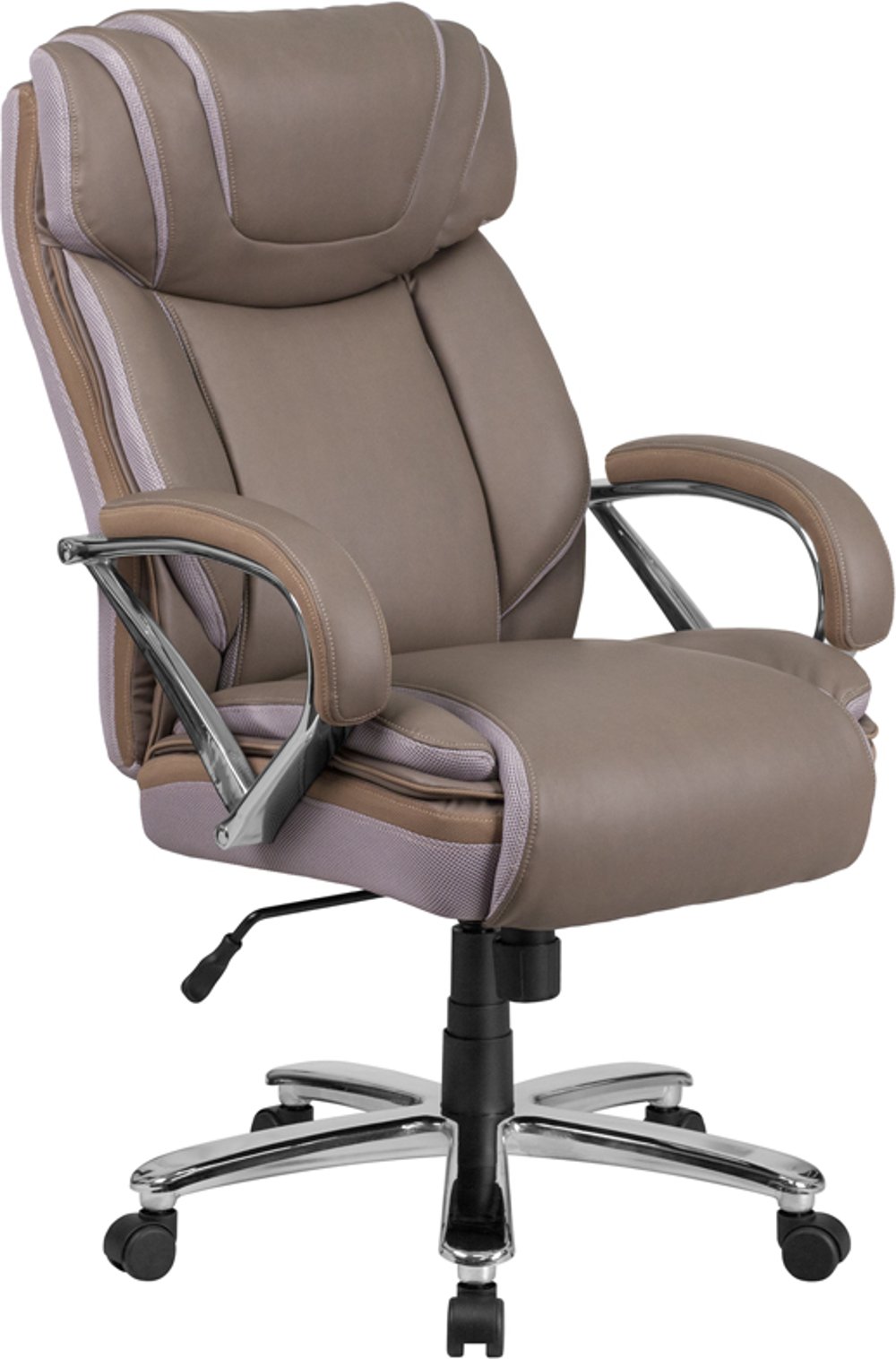
Desk chairs for Labor Day bring the focus back to a part of the workspace that gets used every day: the seat that supports your work, study, and household routines. Labor Day honors the contributions of workers, making it a fitting occasion to give a hardworking home office some attention. Whether your desk holds two monitors and a full day’s assignments or a laptop and a stack of school forms, the right chair should suit both the space and the way you spend time there. Task chairs generally offer a compact shape with practical adjustments, while executive-style chairs often have taller backs, broader seats, and more substantial cushioning. A streamlined upholstered desk chair can blend into a bedroom or shared living area, where office furniture needs to look at home alongside a dresser or bookcase. For longer work sessions, adjustable seating makes it easier to find a comfortable position than a chair chosen for appearance alone. Seat height, usable seat depth, back support, and arm placement all affect how naturally you can settle in at your desk. Your feet should rest securely on the floor or a footrest, with enough room behind your knees to avoid pressure from the seat edge. The backrest should support your lower back without pushing you so far forward that you lose contact with the seat. Armrests can provide a comfortable place to rest your forearms, but their height and spacing matter, especially when you need to pull close to a keyboard. An armless chair offers more freedom of movement and can tuck into a narrow desk opening. These differences become noticeable during ordinary moments, from leaning toward a video call to turning between a writing surface and a printer. A chair that fits those movements helps your workspace feel more useful without requiring a complete room makeover.
Materials give desk chairs much of their character, and they also influence how the seat feels and how much attention it needs. Mesh backs allow airflow and create a visually light profile, making them a practical option for people who prefer less upholstery around their shoulders and back. The feel varies with the mesh tension and the shape of the supporting frame; a mesh back isn’t automatically a substitute for adjustable lumbar support. Fabric upholstery offers texture and a softer appearance, with woven surfaces that can coordinate easily with rugs, curtains, and other furniture. A padded fabric seat may feel welcoming for daily paperwork or homework, though cushion thickness alone doesn’t tell you how supportive it will feel after several hours. Genuine leather brings natural variation and a tailored look, while faux leather provides a similar visual effect with a different surface composition and care routine. Neither material should be treated as maintenance-free. Regular dusting and prompt attention to spills help protect upholstery, and cleaning should follow the chair manufacturer’s instructions rather than a one-size-fits-all method. A vacuum attachment can lift crumbs and dust from suitable fabric surfaces and seams; leather and coated upholstery may require specific cleaners. Harsh chemicals and abrasive tools can damage finishes, and prolonged direct sunlight can affect some materials. Durability also depends on parts you may notice less at first, including the base, seat-height mechanism, arm attachments, and casters. Published weight capacities and dimensions are useful checks, particularly for a chair that will be shared by people of different sizes. A sturdy frame and secure connections matter when the chair rolls, swivels, and changes height throughout the day. Wheels deserve attention, too: casters should suit the flooring, and a compatible chair mat can help protect the surface and support smoother movement. For a workspace where you want the chair to stay put, stationary seating may be a better match than a rolling base. The best material and construction choices reflect your habits, not just a favorite color or silhouette.
A desk chair works best as part of a well-proportioned setup, with enough clearance to move comfortably and enough flexibility for the tasks ahead. Before choosing a larger chair, compare its overall width with the space between your desk legs, and account for armrests that may catch beneath a drawer or apron. Seat height and overall chair height are different measurements; a tall back doesn’t necessarily mean the seat adjusts high enough for your work surface. A standard desk chair also isn’t a substitute for seating designed for a counter-height workspace. Exploring home desks for Labor Day alongside seating can help you picture how the pieces will work together, especially when you’re creating a dedicated office or fitting a study spot into a smaller room. Leave space behind the chair to roll back and stand without bumping into a wall, cabinet, or bed. In a shared office, accessible adjustment controls make it easier for each person to reset the seat, while adjustable arms can accommodate different working positions. Tilt and recline features offer options for changing position between focused typing and reading, although they don’t replace regular movement breaks. A headrest may be useful when leaning back, but its placement should suit your height rather than push your head forward. Students might prioritize a compact chair that moves easily between a desk and a nearby shelf; remote workers may put more emphasis on adjustable support and room to reposition during long stretches of computer work. Someone who handles occasional bills at a bedroom desk may prefer a simple upholstered seat that complements the room. Desk chairs can also make thoughtful gifts for a college student or someone setting up a home office, provided their measurements and preferences guide the choice. Labor Day offers a meaningful connection to work, but the value of a well-matched chair comes from everyday use: sitting down to finish a project, helping with homework, or finally getting the household paperwork in order. Comfortable proportions, manageable care, and dependable construction help that chair earn its place long after the occasion has passed.
Read More