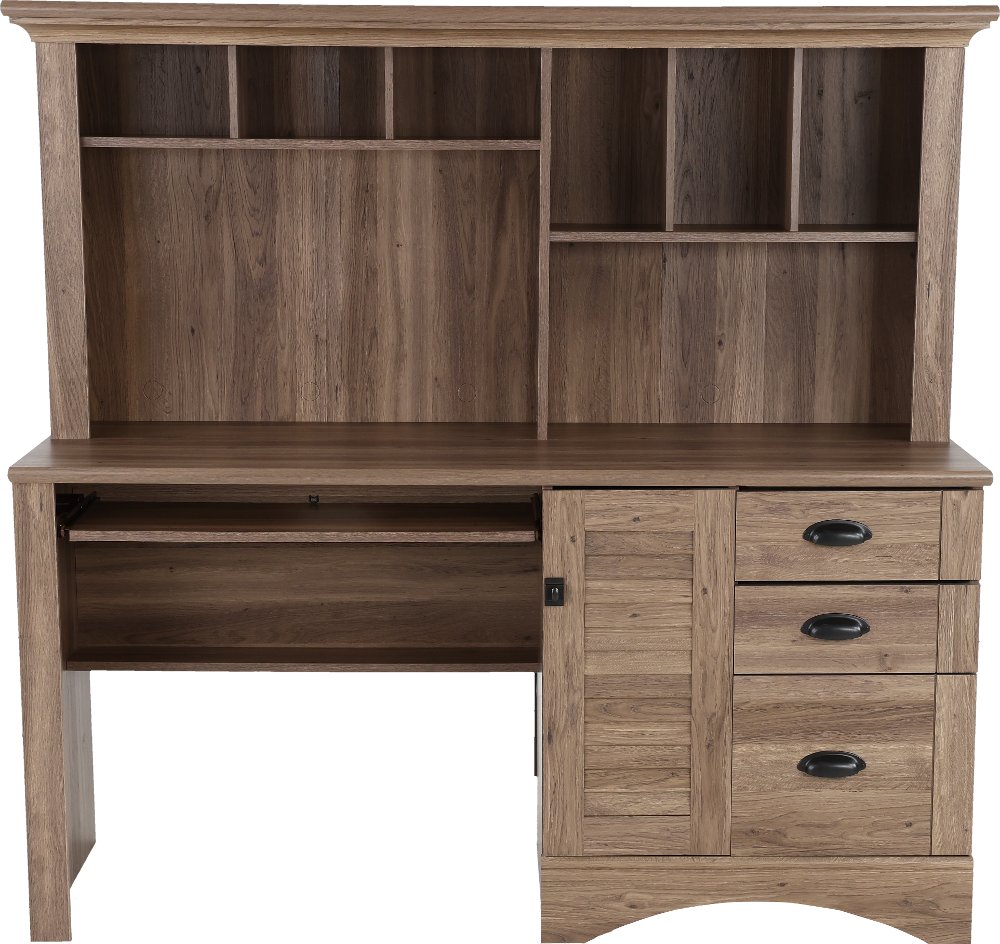
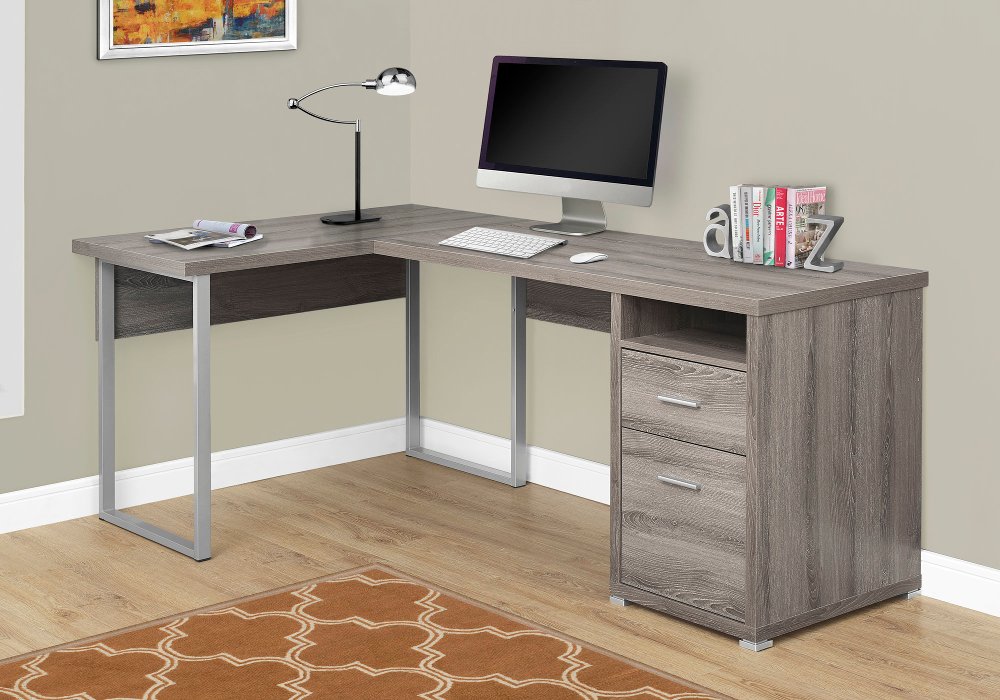
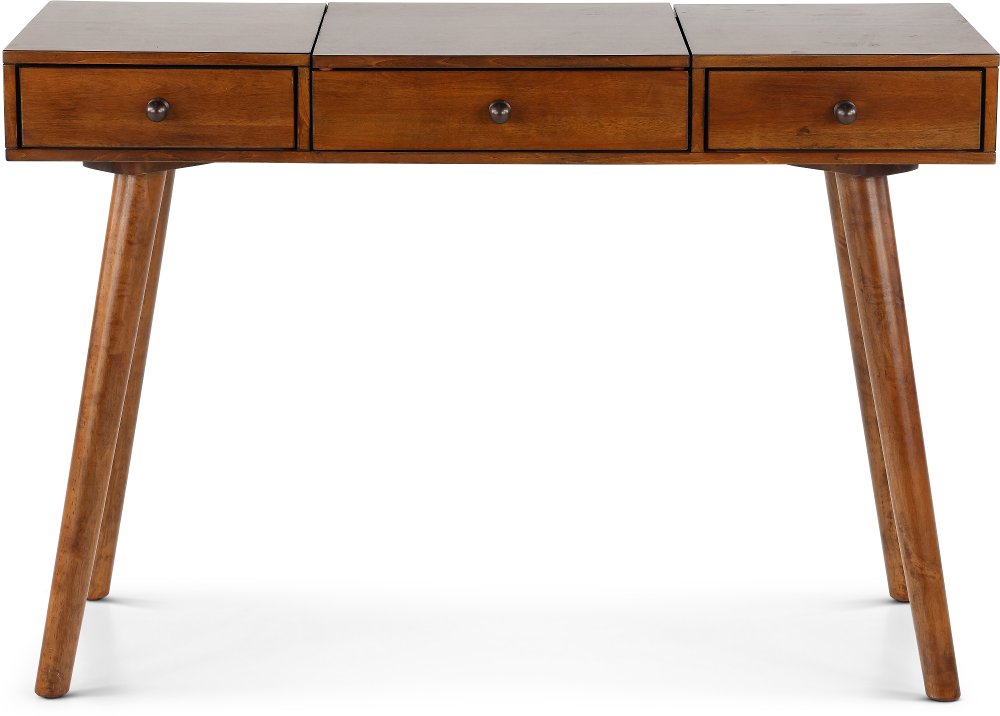
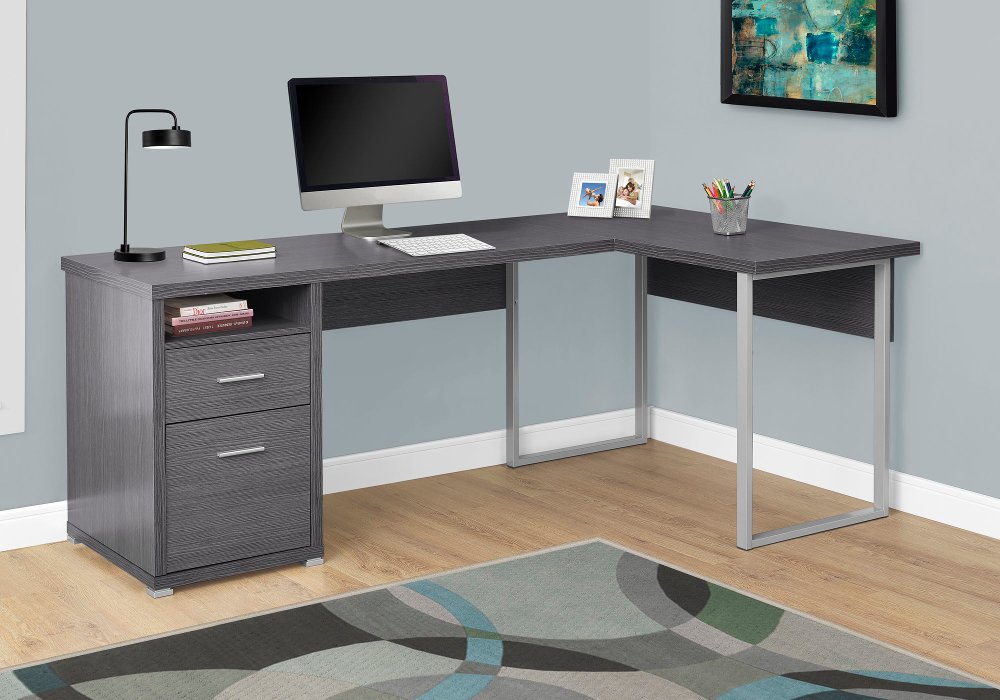
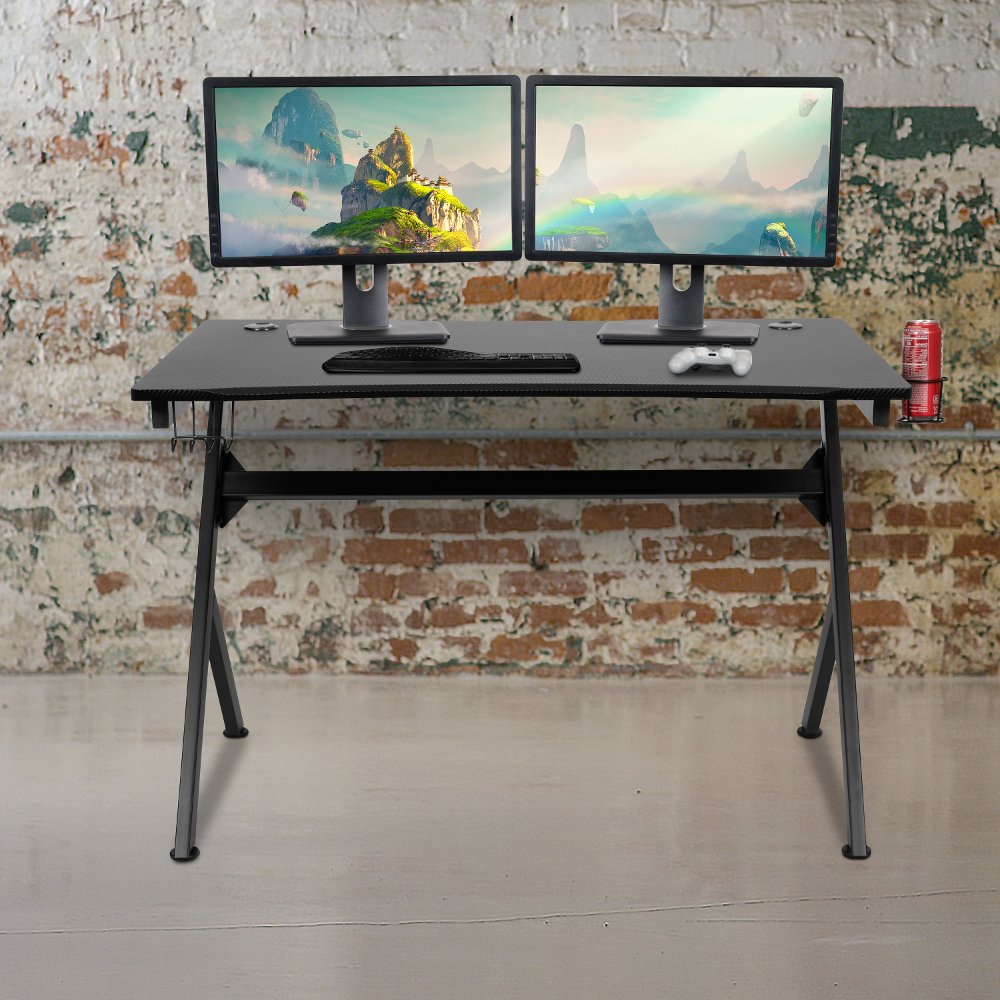
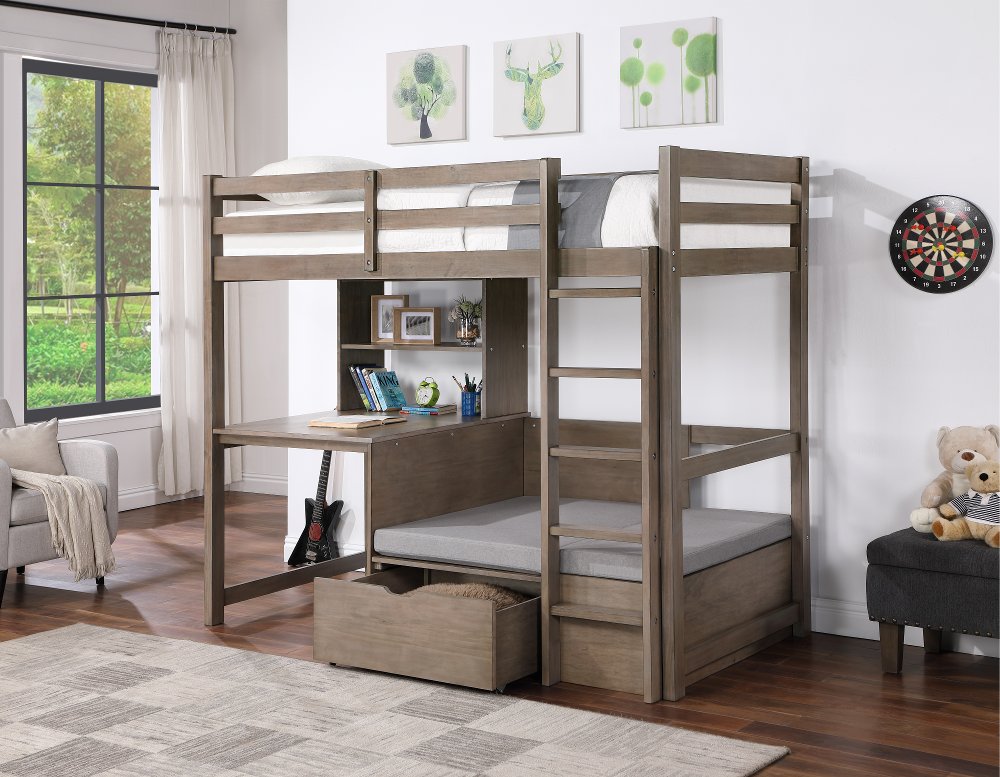
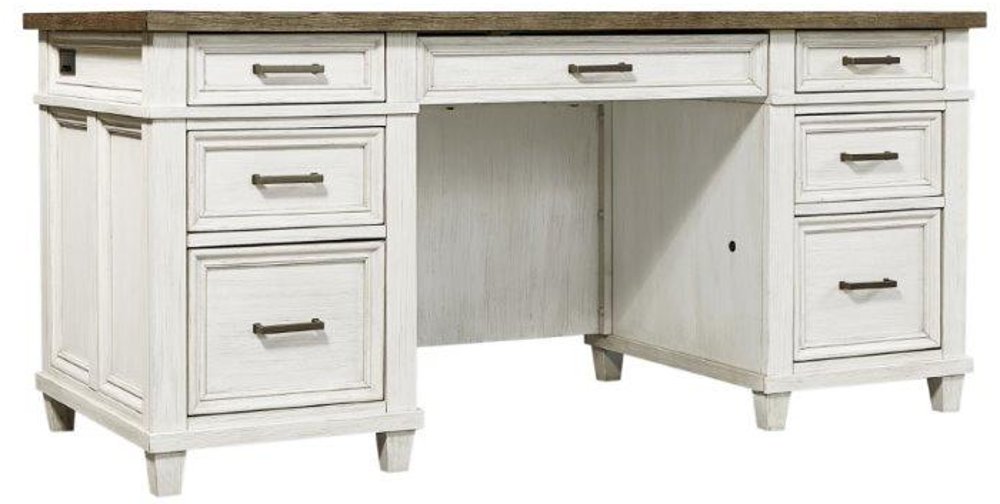
Desks for teens’ bedrooms in Boise give homework, creative projects, and computer time a place of their own without making the whole room feel like a classroom. The right desk fits both the bedroom and the teenager who uses it, whether that means a slim writing surface beside the bed or a larger workstation with room for a monitor, notebooks, and drawing supplies. Rectangular writing desks suit straightforward setups, with an open surface for a laptop and enough space alongside it to work through a math assignment on paper. Compact desks can fit smaller bedrooms, though depth matters just as much as width: a shallow top may hold a laptop comfortably but leave little room for an open textbook. L-shaped desks offer separate areas for screen time and hands-on work, making it easier to leave a project in progress without covering the keyboard. Corner desks can put an underused part of the room to work, provided their footprint leaves comfortable access to the bed, closet, and dresser. Computer and gaming desks emphasize equipment space; depending on the design, they may include cable openings, monitor shelves, or connections for charging devices. Those features are useful only when they match the equipment a teen actually uses. A student working mostly from a school laptop has different needs than a teen editing videos with two monitors or sketching on a drawing tablet. For Boise families furnishing a shared bedroom, two smaller desks may give siblings clearer personal boundaries than one large surface. In any layout, the desk’s listed dimensions tell only part of the story. The chair needs room to pull out, drawers need clearance to open, and a backpack shouldn’t block the walkway. Measuring those everyday movements helps turn a desk that fits on paper into a workspace that feels comfortable in real life, including when a parent pulls up a chair to help with an assignment.
Materials and construction influence how a teen bedroom desk looks, feels, and handles daily use. Solid wood brings natural grain and character, while its resistance to scratches and moisture depends on the wood species and protective finish. Wood veneer provides a real wood surface over a supporting core, often creating a consistent appearance across larger panels; care matters because that thin surface isn’t suited to aggressive sanding. Laminate surfaces can be practical for frequent homework sessions and everyday cleanup, although their edges and seams still need protection from standing moisture. Engineered wood varies in density and construction, so the quality of the assembled desk matters more than a material name alone. Metal frames can give a desk an airy profile and sturdy support, with stability depending on sound joints, bracing, and proper assembly. Glass tops offer a visually light look but tend to show fingerprints, and their edges deserve consideration in a busy bedroom. Across materials, a steady work surface, securely attached legs, and smoothly operating drawers make daily use more comfortable. A teenager shouldn’t have to steady a wobbling desk while typing or wrestle with a drawer to find a calculator. Equipment also adds weight quickly, especially with multiple monitors, speakers, or a desktop computer, so manufacturer weight limits deserve attention. For monitor arms that clamp to the desk, the surface thickness, edge shape, and manufacturer’s guidance determine compatibility. Care is usually simplest when spills get wiped up promptly and a soft cloth handles routine dusting. Cleaning products should match the finish instructions rather than whatever happens to be nearby. A coaster beneath a water bottle and a protective mat beneath paint, glue, or model-making supplies help preserve the surface without limiting how the desk gets used. Checking fasteners periodically and following any anchoring instructions can also help keep the setup secure as it becomes part of a teen’s daily routine.
Comfort, storage, and personal style help a desk stay useful as schoolwork and interests change. A good seated fit allows relaxed shoulders, comfortably bent elbows, and enough room beneath the desk to move the knees without hitting a drawer or shelf. Desk height works together with chair height, so a fixed-height desk may need an adjustable chair and, when feet don’t rest comfortably on the floor, a footrest. Under-desk storage can be helpful, but a drawer pedestal that fills the leg opening may feel cramped during longer assignments. Shallow drawers keep pencils, charging cords, and small supplies close at hand, while deeper compartments can accommodate bulkier materials when their interior dimensions allow. Open shelves make frequently used books easy to reach; closed storage keeps visual clutter out of sight. For a teen who tends to leave everything on the desktop, a simple tray for school papers and a dedicated charging spot may prove more useful than several extra drawers. Cable openings and accessible outlets also help keep cords away from feet and chair wheels, although built-in power features vary by desk design. Lighting deserves space in the arrangement, too. A task lamp should illuminate written work without crowding the main surface, and screen placement should account for glare from nearby windows. Style can support a teen’s sense of ownership without requiring every piece of bedroom furniture to match. Light wood tones can soften a setup filled with electronics, painted finishes can coordinate with an existing bed, and darker surfaces can give a workspace a more defined presence. Simple shapes often adapt well as tastes change, leaving color and personality to desk accessories, artwork, and a favorite chair. For older teens considering a workstation that could later move into an apartment or a separate study, Best Desks for Home Office in Boise offers another relevant category to explore. Whether chosen for a bedroom refresh or given as a practical graduation gift, a desk feels more personal when the teen helps choose its layout and look. The lasting value comes from a workspace that supports real routines, keeps essentials within reach, and leaves the bedroom feeling like their own space.
Read More