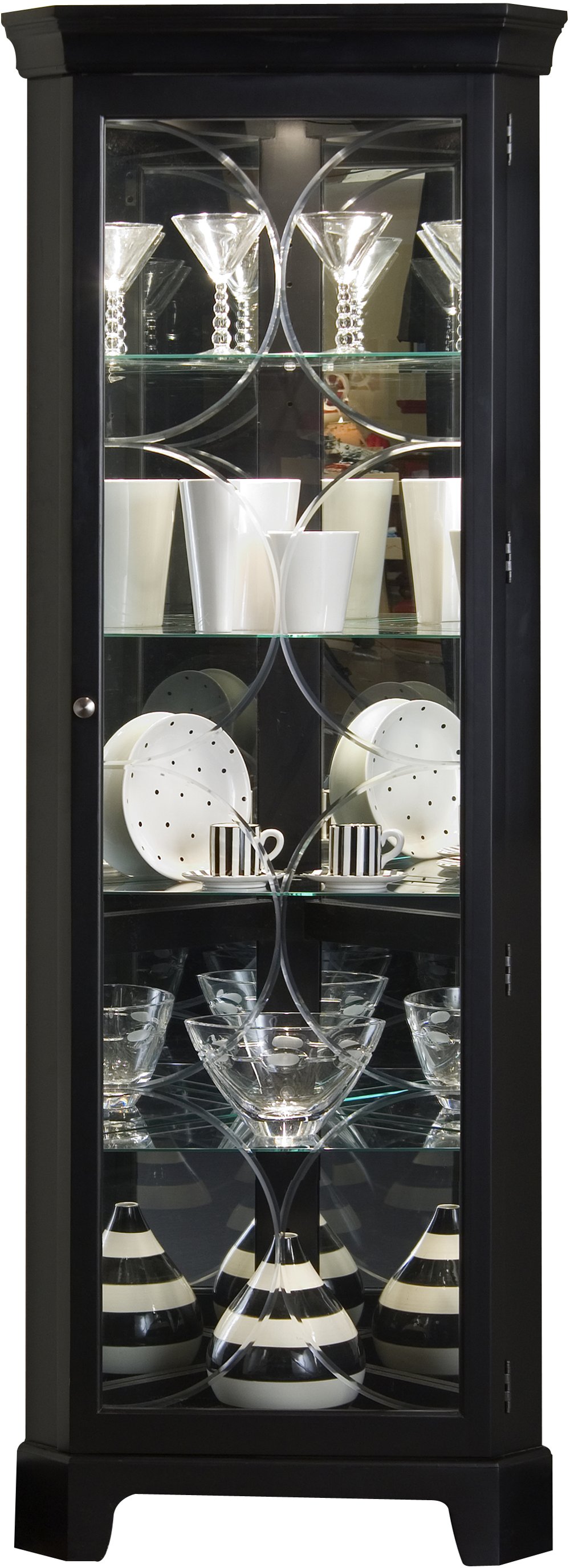
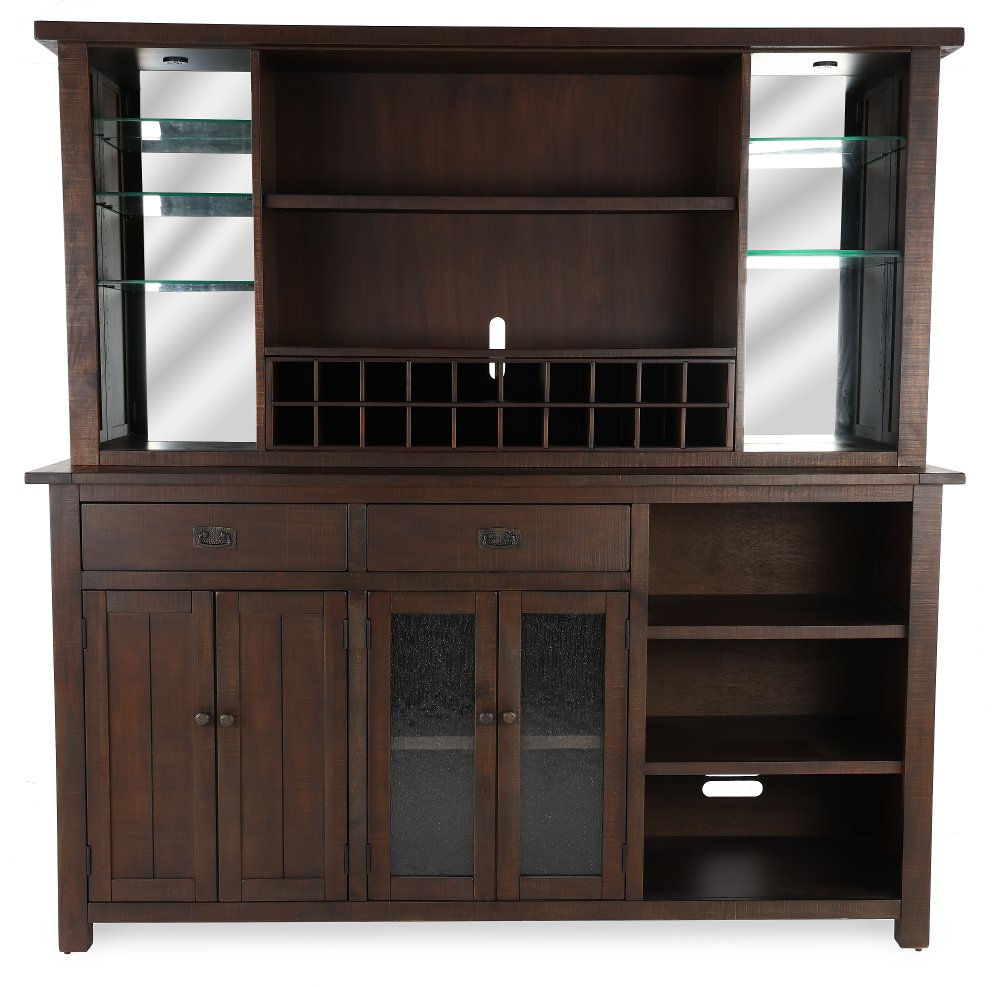
Dining room display cabinets give favorite dishes, glassware, and meaningful keepsakes a place to shine while keeping them organized behind closed doors. Unlike open shelving, a cabinet with glass doors helps limit dust buildup without hiding the pieces that make a dining space feel personal. A stack of cream-colored plates, a handmade pitcher, or a set of glasses passed down through the family can become part of the room rather than something tucked away between gatherings. These cabinets also support everyday routines: Serving bowls stay close to the table, extra drinkware has a dedicated shelf, and smaller accessories are easier to find. Some designs emphasize full-height glass display space, while others combine an upper display area with solid-door storage or drawers below. That mix works especially well when you want to showcase a few favorite pieces while keeping folded tablecloths, napkins, and less decorative serving supplies out of sight. A hutch generally pairs an upper cabinet with a lower storage piece, while a freestanding display cabinet may have a narrower footprint and a more continuous glass-front design. Dining room curio cabinets are a closely related option, often emphasizing the visibility of decorative objects through glass doors and, in some designs, glass side panels. The distinction matters less than how the interior serves your household. A frequent host may need room for platters and stemware, while a collector may prefer generous sightlines around pottery or art glass. For a family that uses the dining room daily, a combination of visible and concealed storage can keep the space inviting without making every shelf a display project. Even a modest collection can feel intentional when pieces have room around them. Grouping similar dishes together and leaving space above a tall vase creates an easy-to-read arrangement that looks comfortable rather than crowded. Keeping heavier serving pieces on lower shelves also makes them easier to reach when setting the table or clearing up after a meal.
Materials and construction shape both the appearance and the everyday performance of dining room display cabinets. Solid wood brings natural grain variation and can develop character with use, though it also responds to changes in indoor humidity. Wood veneer offers a real-wood surface over a supporting core, creating a consistent look across broad doors and panels. Engineered wood construction varies by material and design, so sturdy joints, securely attached backs, well-supported shelves, and smooth door operation deserve attention alongside the finish. Metal frames can create a lighter visual outline, especially around large glass panels, while painted finishes can give a cabinet a crisp, tailored presence. Glass shelves allow light to travel through the interior, helping lower shelves remain visible; wood shelves provide a more substantial backdrop for dishes and pottery. Tempered glass, when specified, breaks differently from standard glass, but any glass shelf or door still needs careful handling and respect for its weight limits. Adjustable shelving is particularly useful when your collection includes both low bowls and tall pitchers, although each shelf position and support system has its own requirements. Style matters, too, because a display cabinet occupies a large part of the room’s sightline. Framed doors, crown molding, and shaped feet suit more traditional dining spaces. Simple profiles, slim hardware, and restrained details work well with contemporary furnishings. A natural wood finish can soften the look of a room with metal chairs, while a dark cabinet can give pale dishes a striking backdrop. The cabinet doesn’t have to match the dining table exactly; repeating a wood tone, hardware finish, or design detail can create a cohesive feel. Built-in lighting, where included, adds another layer of definition by illuminating glassware and objects toward the back. Soft, evenly distributed light tends to keep attention on the display, while mirrored backs can add depth but may also reflect nearby windows, fixtures, and activity. Those reflections are worth considering when deciding how prominently the cabinet should feature in the room.
A good fit depends on more than finding enough wall space. A dining room display cabinet needs room for its doors and drawers to open without crowding the table, catching a chair back, or narrowing a frequently used walkway. Its depth can make a noticeable difference in a compact dining area, where a shallower cabinet may preserve useful floor space while still holding dinner plates. Interior dimensions matter just as much: An oversized platter needs adequate shelf depth, and tall stemware needs enough clearance to lift in and out comfortably. Overall height affects the room’s balance, especially beneath a sloped ceiling or near a low-hanging light fixture. Delivery also depends on clear doorways, hallway turns, and stair landings, not just the dimensions of the final placement. For a cabinet with integrated lighting, access to an outlet and a tidy cord path help maintain a finished look. Once in place, proper leveling supports smooth door alignment, and any manufacturer-specified wall restraints should be installed, particularly in homes with children or pets. Heavy pieces belong on lower shelves, and shelf weight ratings apply even when a display looks lightly filled. Daily care is usually straightforward, but the finish and materials determine the right method. A soft, clean cloth helps remove dust without scratching surfaces. Glass cleaner is best applied to a cloth rather than sprayed along wood edges, hardware, or lighting components, unless the care instructions specify otherwise. Spills should be wiped up promptly, and damp dishes should dry before going into enclosed storage. Direct sunlight may fade finishes and displayed textiles, while placement near a heating vent can expose wood to excessive dryness. Gentle handling of doors, routine checks of shelf supports, and prompt attention to loose hardware help preserve the cabinet’s usefulness. With the right proportions, storage layout, and care, a dining room display cabinet can serve as both a hardworking storage piece and a personal focal point, keeping the things you enjoy within view and ready for the next meal.
Read More