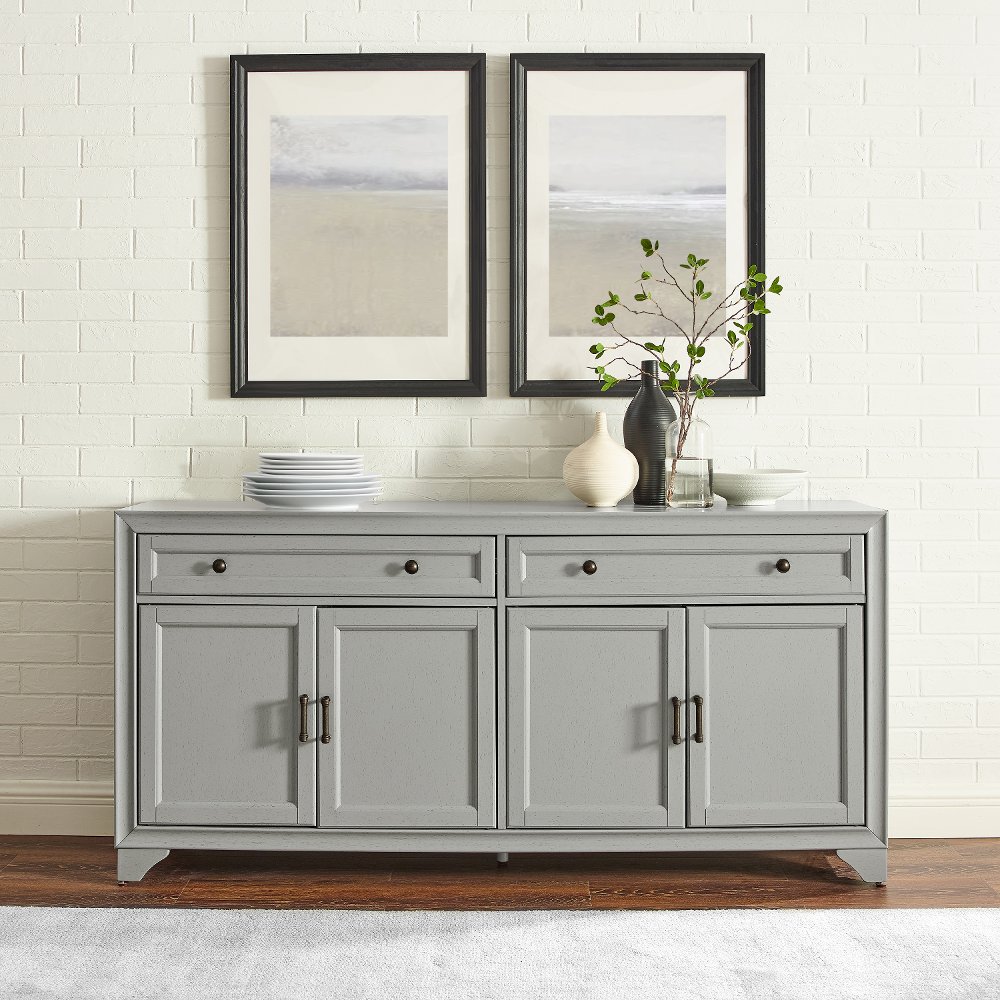
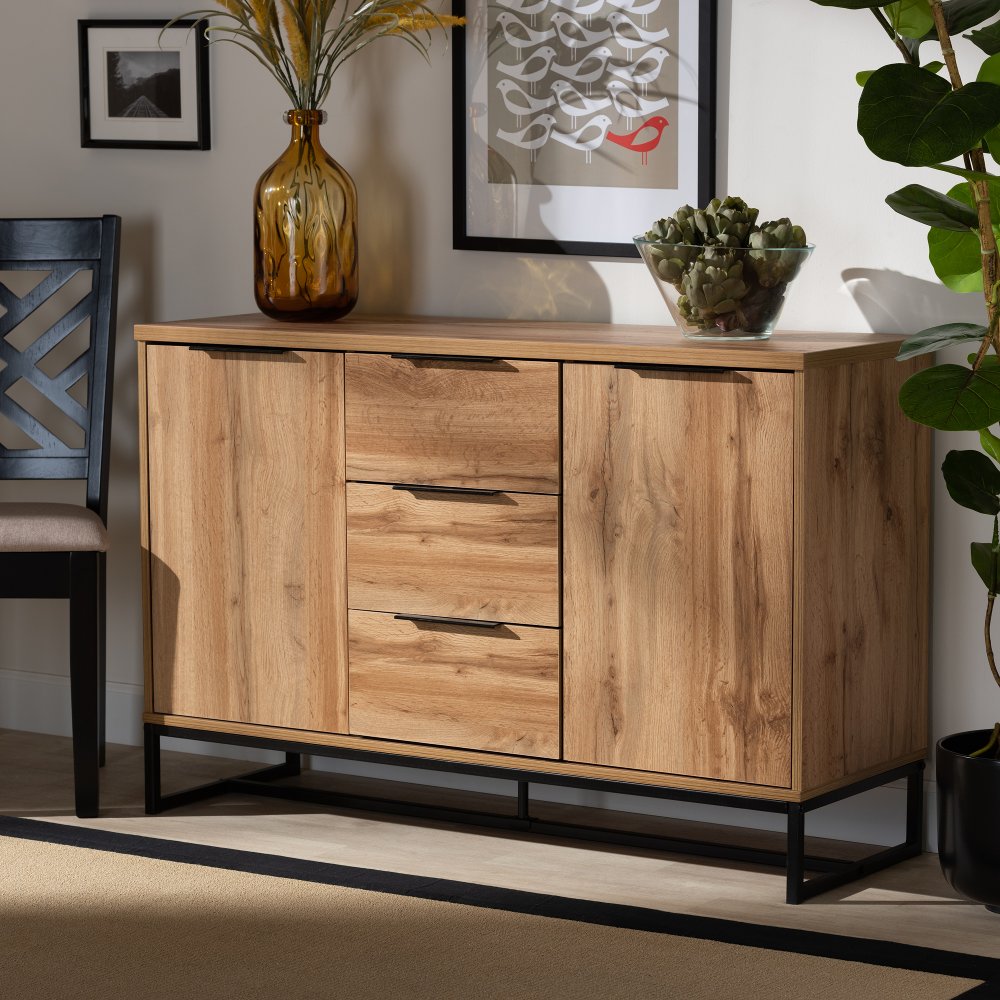
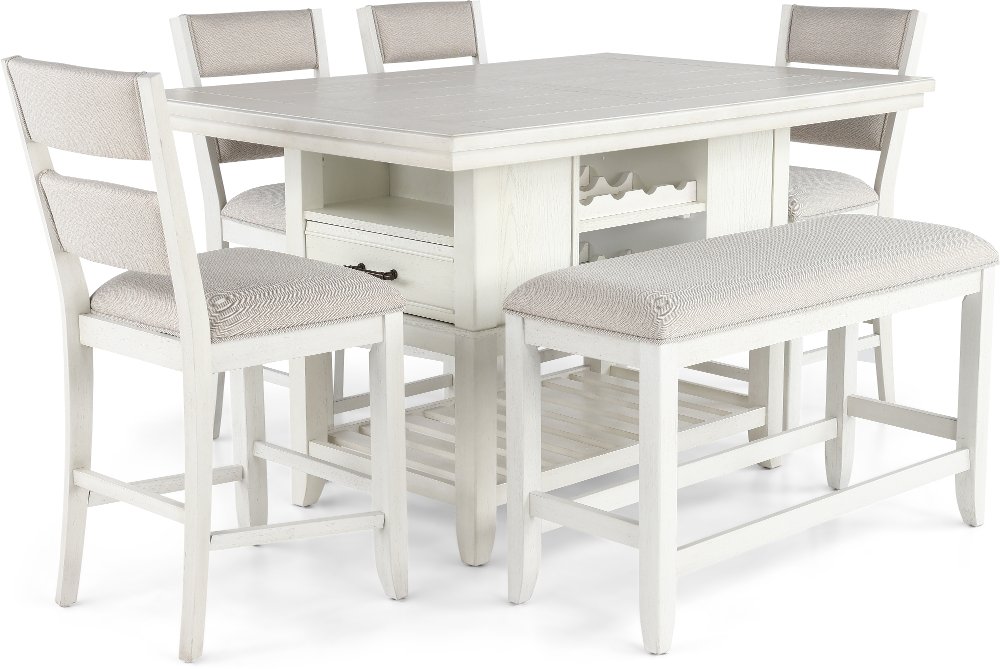
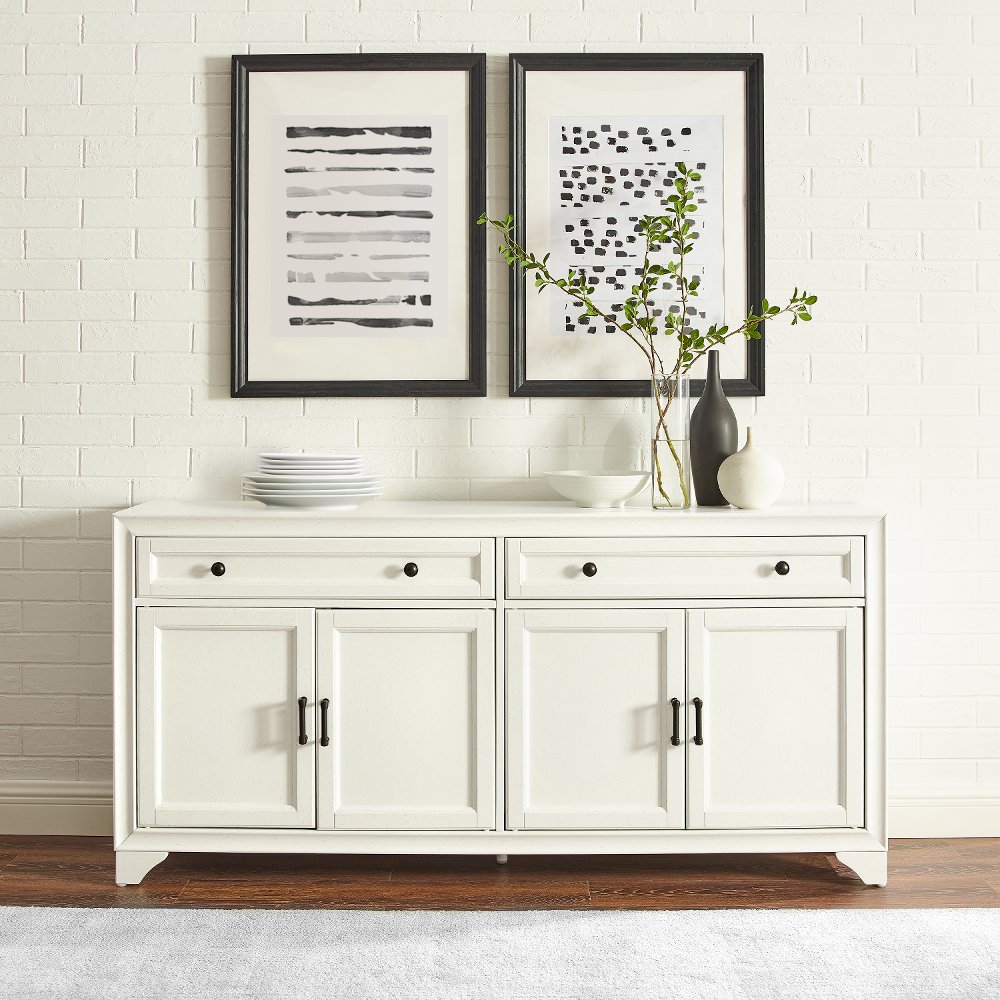
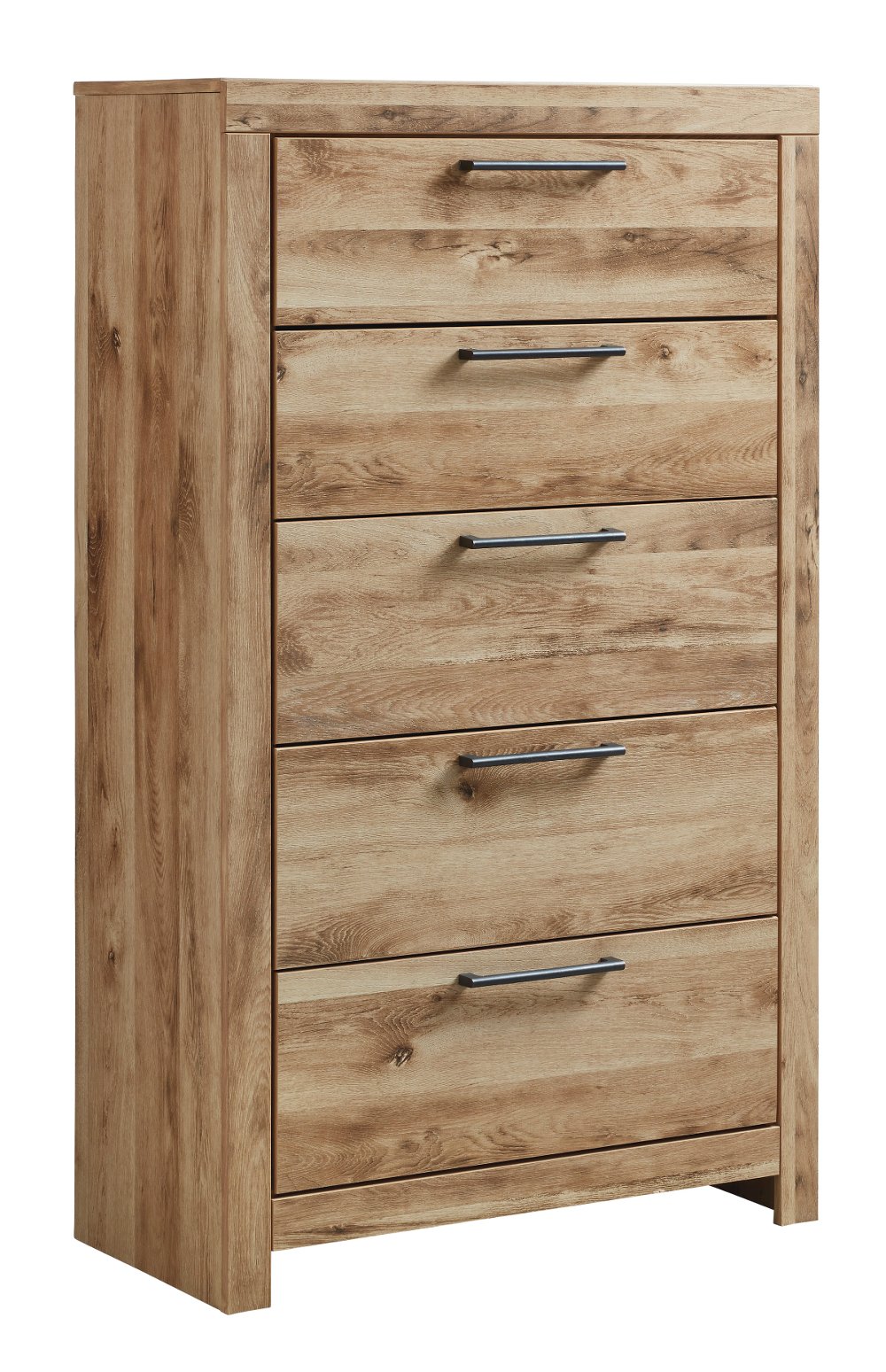
Dining room drawers give the little things a place to land, from the cloth napkins used for a quiet dinner to the serving utensils that come out when everyone gathers around the table. Built into sideboards, buffets, dining cabinets, and some tables, drawers keep everyday essentials close without leaving them on display. That combination of storage and a clear surface can make a dining space feel more settled, especially when it also serves as a homework spot or a place to sort the mail. Shallow drawers work well for flatware, place cards, and smaller accessories, while deeper compartments can accommodate folded table linens and bulkier serving pieces, depending on their dimensions and weight limits. A cabinet that pairs drawers with doors offers room for both small necessities and taller pieces such as pitchers or stacks of dinner plates. The right balance depends on how the room gets used. A household that hosts frequent dinners may appreciate several compartments for separating everyday utensils from serving tools. In a smaller apartment, one compact storage piece can hold placemats and napkins while providing a convenient surface for setting down a bowl before serving. For families, an easy-to-reach drawer can give children a designated place to find napkins and help set the table, with sharp utensils stored separately and securely. Even a dining nook used mostly for breakfast benefits from a spot for coasters, trivets, and the odds and ends that otherwise collect beside the salt and pepper. During the cooler months, when meals may linger a little longer, having those basics within reach means fewer trips away from the conversation. Drawer storage doesn’t need to hold everything in the house to earn its place. A few well-proportioned compartments can take care of the items used most often, leaving the tabletop ready for meals, projects, or an extra place setting. Furniture with a usable top adds another layer of function, offering a place for a lamp, a favorite bowl, or dishes waiting to be passed around.
Materials and construction shape both the look of dining room drawer furniture and how it stands up to daily use. Solid wood brings natural grain variation and can develop character over time, though it responds to changes in humidity and benefits from a stable indoor environment. Wood veneers offer the appearance of real wood over a supporting core, often creating consistent grain patterns across broad drawer fronts. Engineered wood varies in composition and performance, so the finish, edge treatment, and overall construction matter as much as the material name. Painted surfaces can give a dining space a softer, more casual feel, while stained finishes highlight grain and work comfortably with a range of table styles. Metal hardware introduces another detail: a simple pull may feel understated, while a rounded knob or wider handle changes both the appearance and the grip. For drawers opened several times a day, smooth operation matters. Look for drawer boxes that feel secure, bottoms suited to the intended contents, and glides that support the stated load. Full-extension glides, when included, make it easier to reach a napkin ring or serving spoon at the back; soft-close mechanisms help ease the drawer shut rather than letting it slam. Neither feature replaces the need to follow weight limits, especially when storing heavy flatware or ceramic pieces. Dovetail joints are one familiar construction detail, but overall durability also depends on the quality of the materials, assembly, and hardware. Interior surfaces deserve attention, too. A smooth drawer interior is gentler on folded linens, and properly fitted dividers can keep utensils from shifting each time the drawer opens. Removable liners may help protect the bottom, provided they’re compatible with the finish and don’t trap moisture. For a dining area that sees school projects between meals, an easy-care surface can be especially useful. The goal is furniture that feels comfortable in the room and dependable in use, whether the drawers hold a neatly arranged flatware tray or a practical mix of napkins, coasters, and spare placemats.
Fit involves more than finding an empty stretch of wall. Dining room storage needs enough clearance for drawers to open while people move comfortably around the table, including when chairs are pulled out. A shallow cabinet may suit a narrow dining area better than a deeper piece, even if the larger option holds more. Exterior measurements tell only part of the story: interior drawer width, depth, and height determine whether a flatware organizer fits or a set of placemats can lie flat. Check those dimensions against the things the drawers will actually hold, along with nearby door swings, floor vents, and projecting hardware. Height matters when the top serves as a buffet surface, and a piece should feel proportionate to the table and surrounding walls rather than crowding them. In an open floor plan, related wood tones, finishes, or hardware can connect the dining area with nearby seating without requiring every piece to match. Coordinating living room drawers can extend that sense of order into the next space while keeping each room’s everyday supplies where they belong. Once dining storage is in place, straightforward care helps preserve its appearance and function. Dust with a soft cloth, wipe spills promptly, and use the manufacturer’s recommended cleaning method rather than assuming every finish tolerates the same spray. Coasters, trivets, and protective pads help shield the top from moisture, heat, and scratches, particularly when it becomes a serving station. Put away linens only when they’re fully dry, avoid forcing an overfilled drawer closed, and address loose handles before they begin to wobble against the finish. Follow assembly and anchoring instructions, including any anti-tip requirements, and keep children from climbing or hanging on open drawers. Thoughtfully chosen drawer furniture suits many stages of home life, from setting up a first dining area to making a longtime gathering space easier to use. With practical proportions, suitable materials, and storage arranged around familiar routines, it becomes a quiet part of what makes the room welcoming: clean surfaces, useful pieces close at hand, and a table ready for whoever sits down next.
Read More