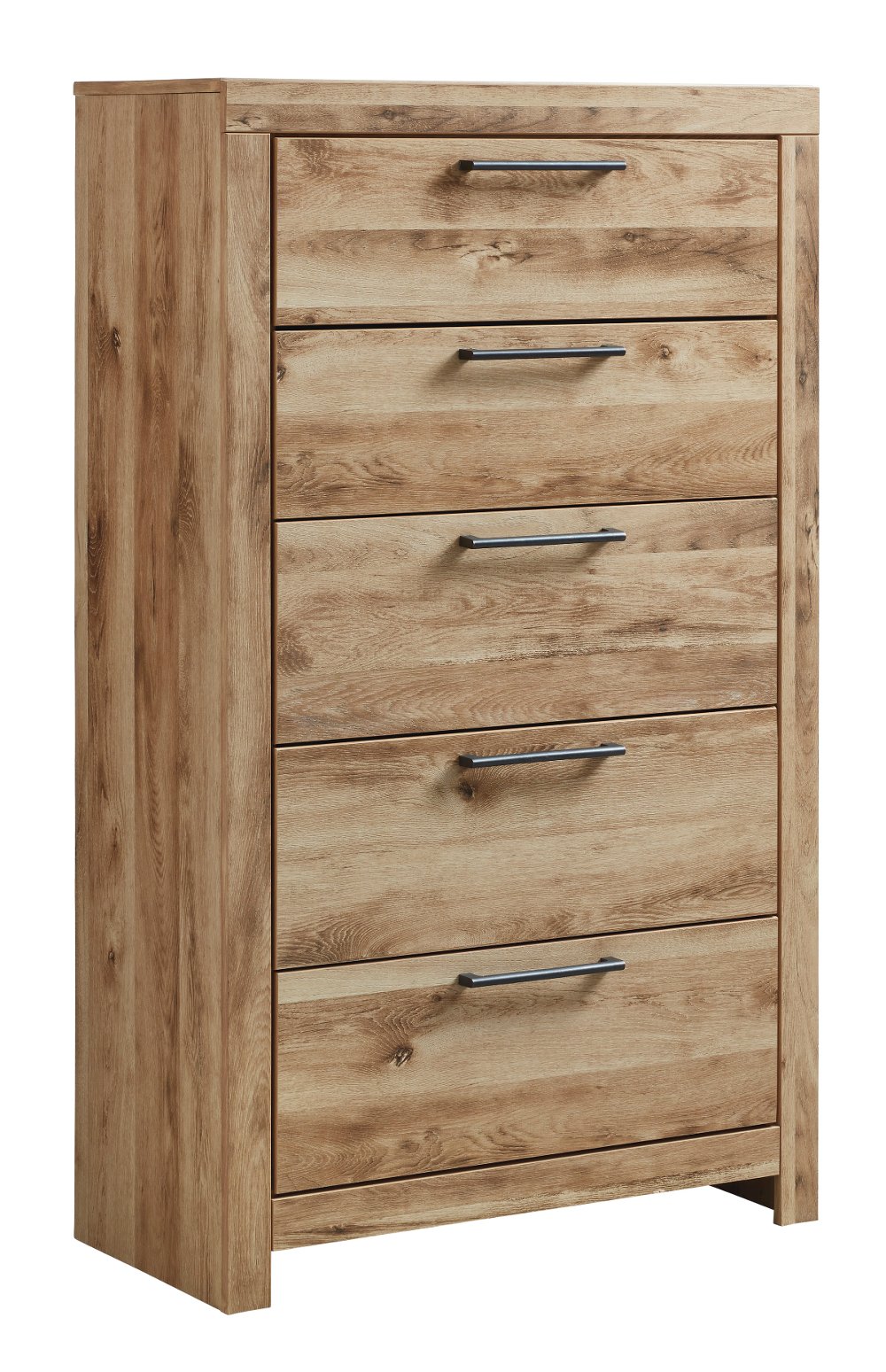
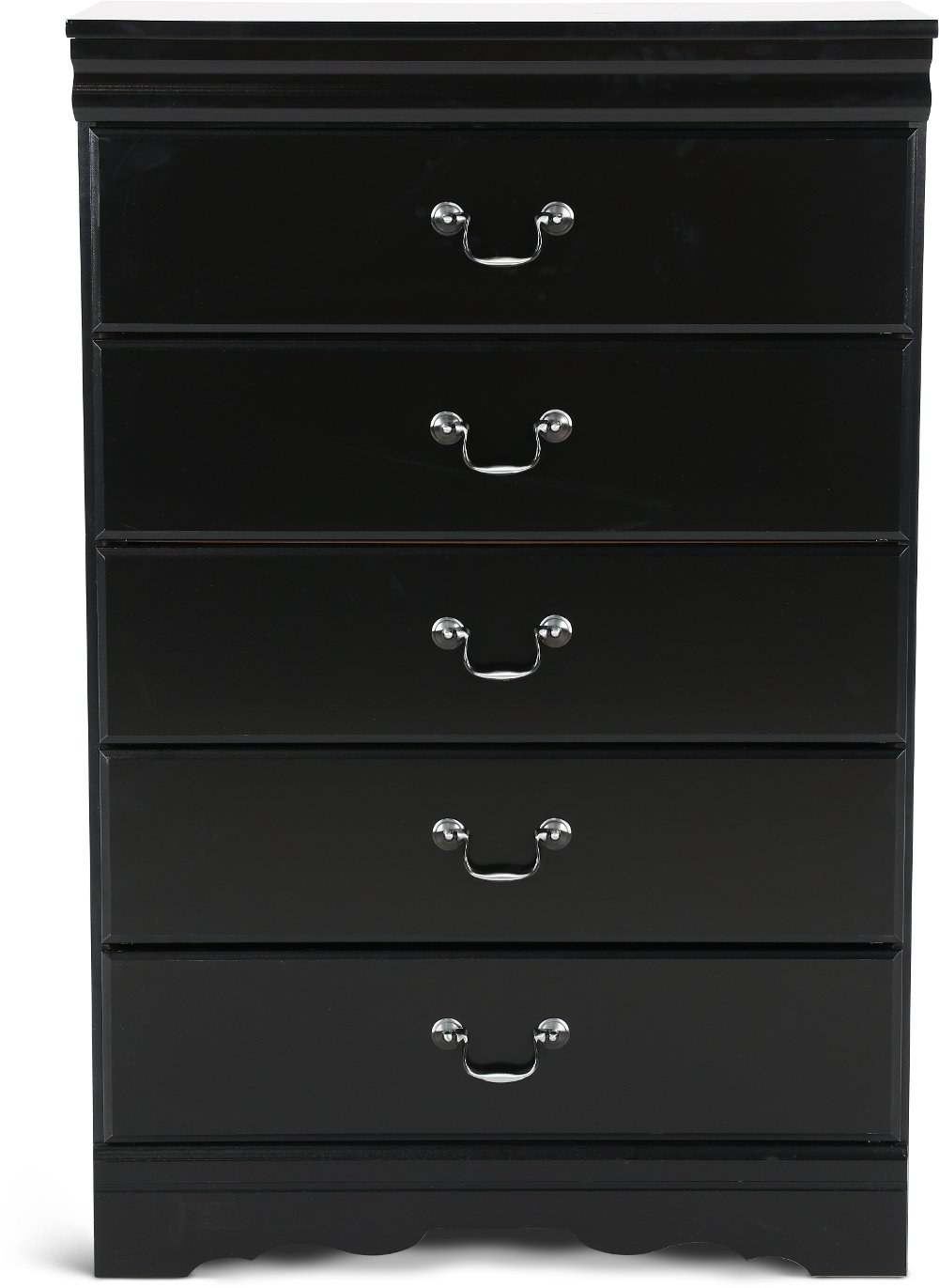
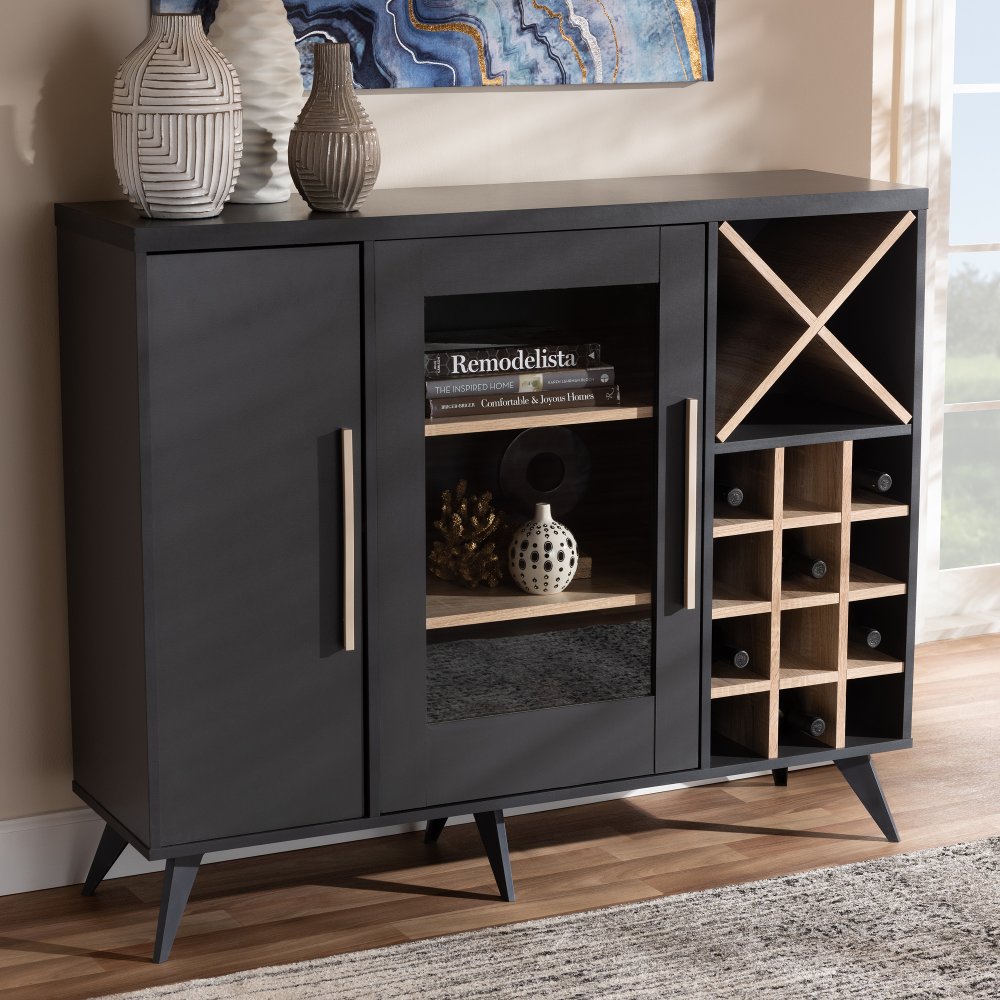
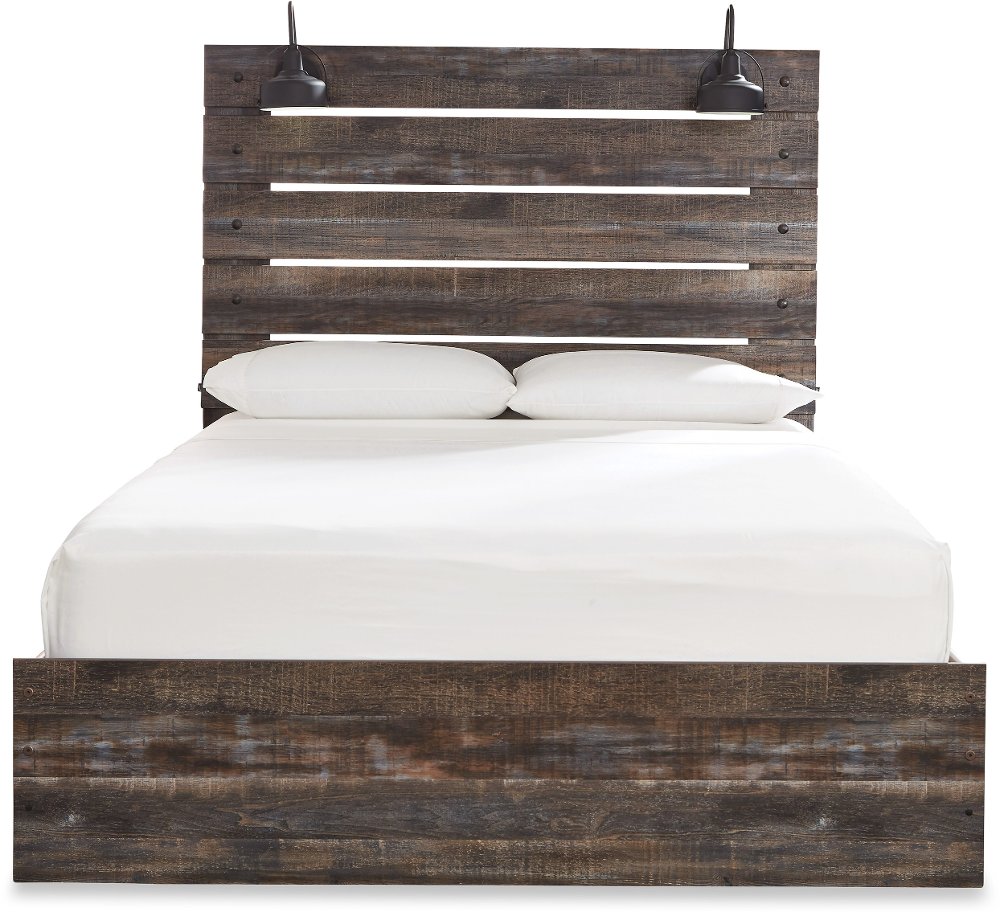
Engineered wood furniture is made from wood fibers, particles, or thin layers bonded together with adhesives under pressure, often with heat, to create panels used in desks, dressers, bookcases, cabinets, and other home furnishings. Rather than describing a single material, engineered wood covers several types of construction, including medium-density fiberboard, plywood, and particleboard. Medium-density fiberboard, commonly called MDF, consists of fine wood fibers pressed into dense, smooth panels. Its even surface works well beneath painted finishes and decorative coverings, making it a familiar choice for furniture with clean lines and a consistent appearance. Plywood uses thin layers of wood veneer, usually arranged with the grain running in alternating directions, to help improve strength and dimensional stability. Particleboard combines wood particles with a binder to form panels often covered with laminate, melamine, or wood veneer. Each material has different strengths, and the core alone doesn’t tell the whole story: panel thickness, edge protection, joinery, hardware, and support all influence how furniture performs. The outer finish matters just as much to the look and feel of a room. Wood veneer is a thin layer of real wood that brings natural grain variation to an engineered core. Laminate and melamine provide manufactured surfaces that can resemble wood or create a smooth, solid-color finish. These coverings aren’t interchangeable, and their resistance to scratches, stains, and wear varies by construction. Engineered wood also isn’t the same as solid wood, although a single piece of furniture may combine both materials. Some engineered panels incorporate recovered wood fibers or manufacturing byproducts, but recycled content and environmental certifications should be verified rather than assumed. For your home, the practical appeal is the range of shapes, finishes, and functions these materials support, from a streamlined workspace to bedroom storage that keeps clothing neatly tucked away. Understanding what’s beneath the finish helps you choose furniture for the way you’ll actually use it.
The best fit starts with the job your furniture needs to do and the space it needs to occupy. A desk used for occasional paperwork has different demands than a workstation holding multiple monitors, reference books, and equipment throughout the day. Look at the usable surface, legroom, drawer placement, and stated weight capacity rather than judging by overall width alone. For dressers and storage cabinets, measure both the footprint and the clearance needed to open doors or drawers without blocking a walkway. A deep cabinet can hold plenty but still feel awkward beside a bed if you have to squeeze past it every morning. In a living room, a media console should accommodate the television’s supporting base, meet its weight requirements, and provide the ventilation specified for electronics. Bookcases and shelving deserve particular attention because a row of hardcovers puts a very different load on a shelf than a few framed photos. Shelf span, panel thickness, reinforcement, and the quality of the supports help determine whether a surface stays level under its intended load. For storage that mixes books, baskets, and display space, Engineered Wood Shelves can help organize everyday belongings while giving decorative pieces room to stand out. Check the load limit for each shelf, not just the unit as a whole, and distribute weight according to the manufacturer’s directions. Engineered wood furniture can suit apartments, shared living spaces, home offices, and bedrooms, but durability depends on choosing construction appropriate to the task. Well-supported panels and secure connections matter more than a surface that simply looks substantial. Wide, unsupported spans may sag under sustained weight, and exposed edges can be vulnerable to impact. For households with children or pets, consider accessible corners, secure doors, and finishes suited to frequent wiping. Anchor dressers, bookcases, and other furniture as directed to help reduce tip-over risk; a sturdy appearance doesn’t replace proper anchoring. Matching these details to your routine makes storage easier to use and helps the room feel comfortable rather than crowded.
Everyday care plays a big part in how well engineered wood furniture holds up. Many finished surfaces need only regular dusting with a soft cloth and, when the manufacturer permits it, a lightly dampened cloth followed by prompt drying. Avoid soaking panels, leaving wet cleaning cloths on top, or allowing liquid to collect around seams, hardware openings, and edges. Moisture that reaches an absorbent core can cause swelling or separation, and that damage may be permanent even after the surface dries. A coaster beneath a drinking glass, a protective pad beneath a planter, and quick attention to spills are simple ways to protect furniture used throughout the day. Follow the finish-specific care instructions before applying polish, disinfectant, solvent, or abrasive cleaner. A product intended for unfinished solid wood may not be suitable for laminate or a painted surface. Desk mats and felt pads can help reduce scuffs, while lifting accessories instead of sliding them protects the finish from trapped grit. Assembly and moving habits also affect longevity. Follow the specified sequence, use the recommended tools, and avoid overtightening fasteners, which can damage the panel around a connection. Repeated disassembly may weaken some screw holes or fittings, so furniture intended for frequent moves deserves extra attention to its connection system and handling instructions. Lift furniture with enough help rather than dragging it across the floor, and never use shelves or open drawers as lifting points. Refinishing options are more limited than with solid wood: laminate cannot be sanded and stained like bare wood, and thin veneer can be sanded through. Manufacturer-approved touch-up methods may address small surface marks, but swollen cores and damaged joints often require more substantial repair or replacement. Choose furniture with a finish you’ll enjoy as it is, construction suited to its daily workload, and care requirements that fit your habits. That combination helps engineered wood furniture provide useful storage, comfortable workspaces, and a cohesive look without asking your home to function like a showroom.
Read More