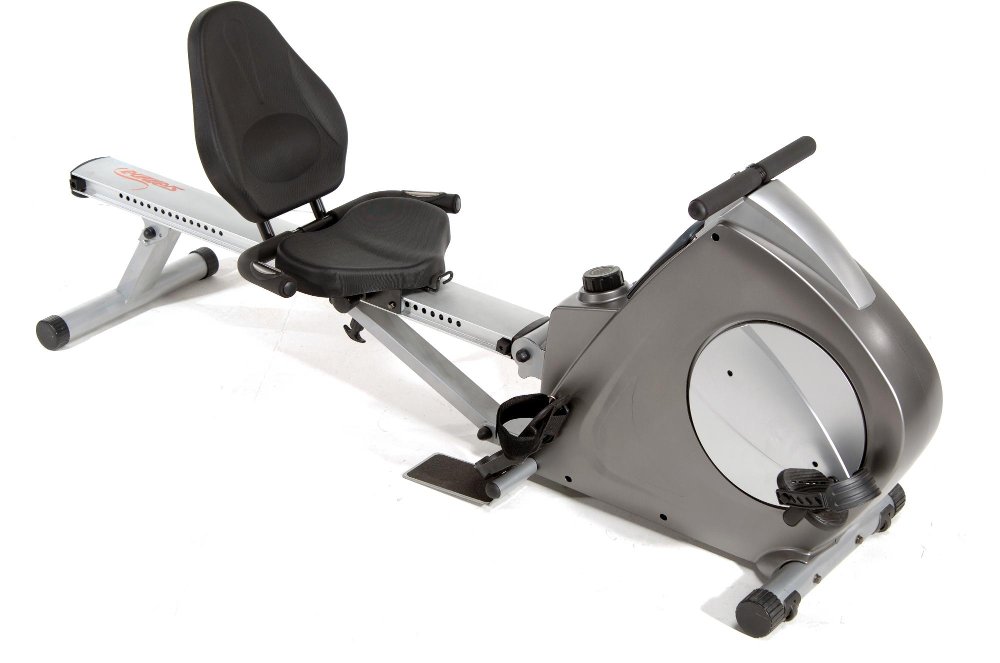
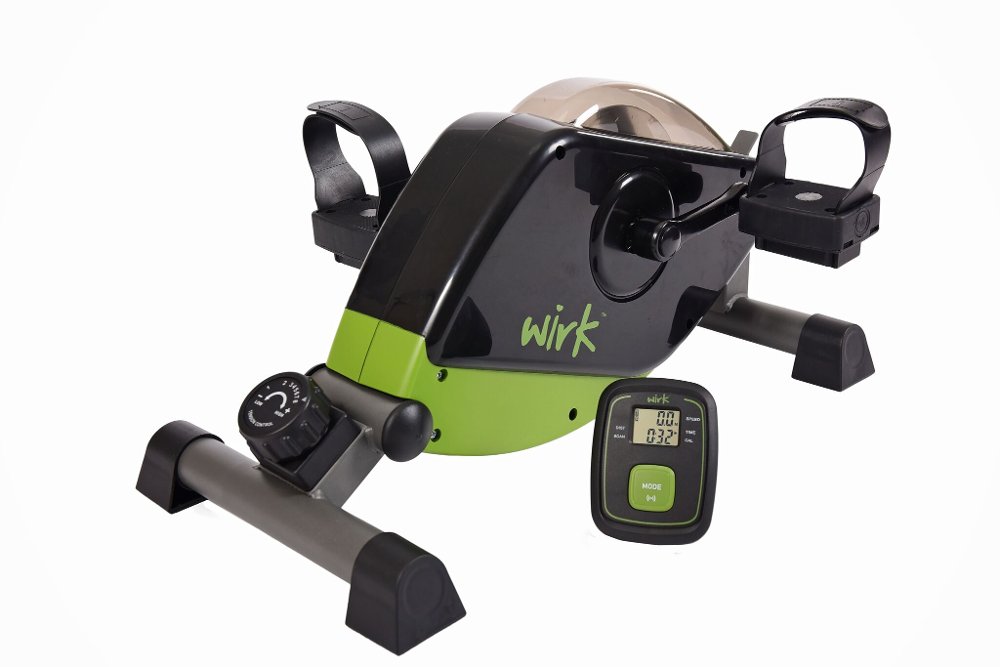
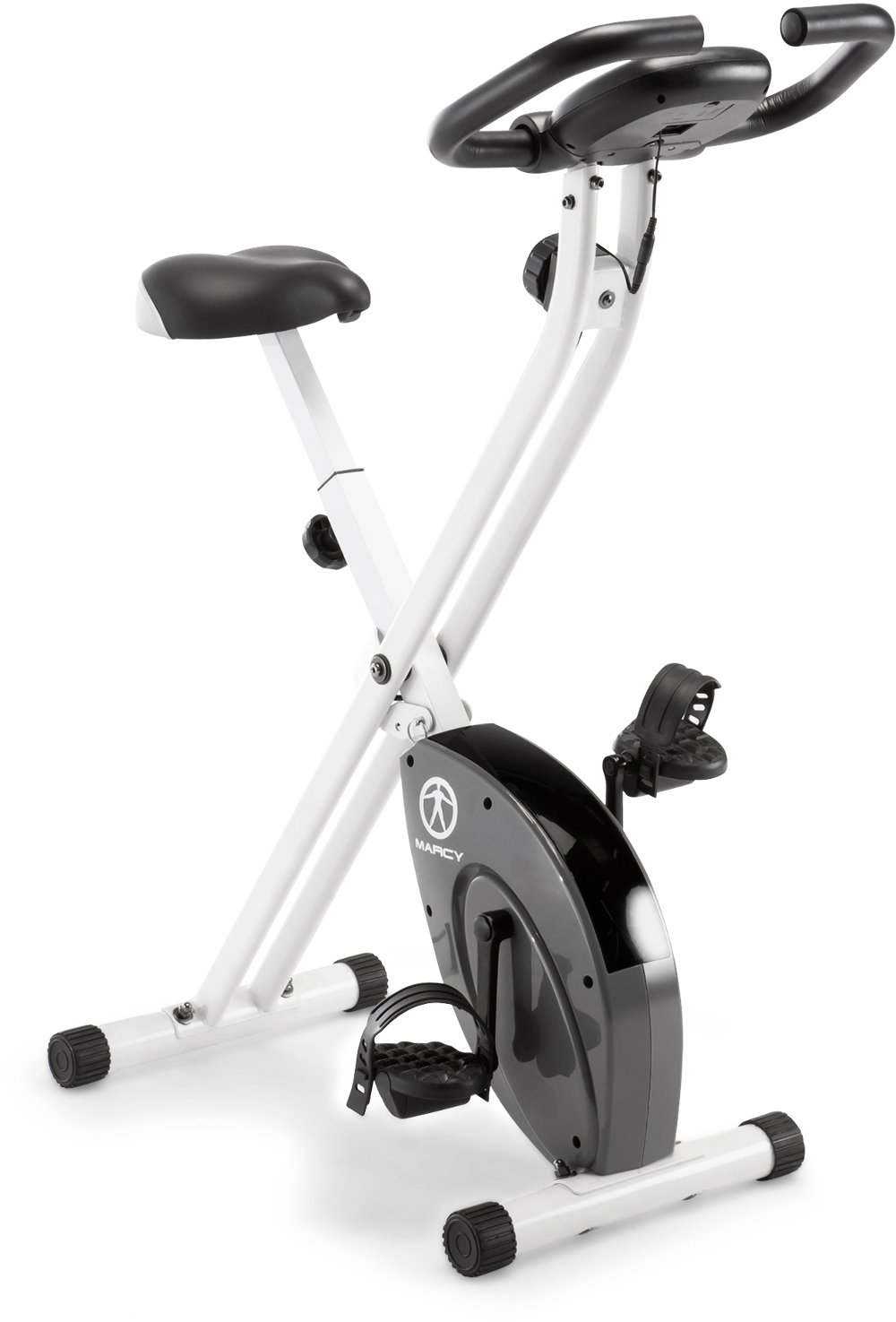
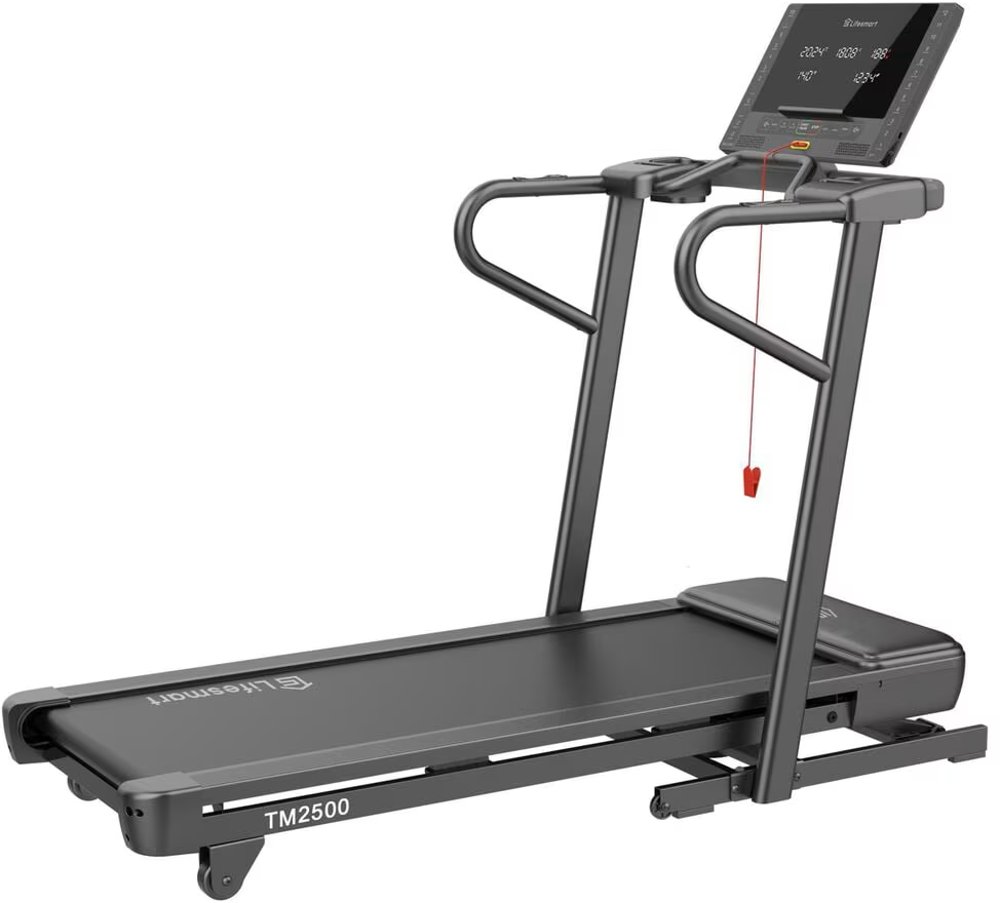
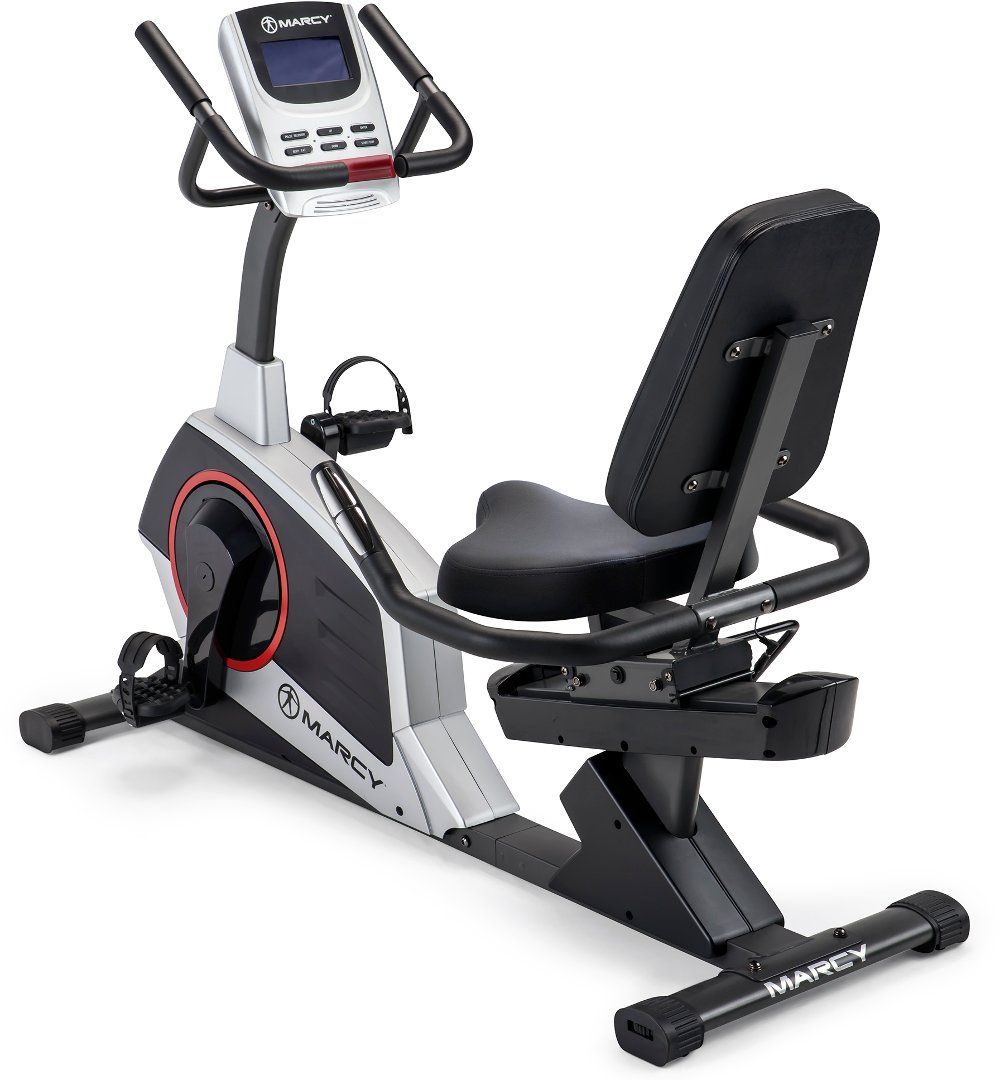
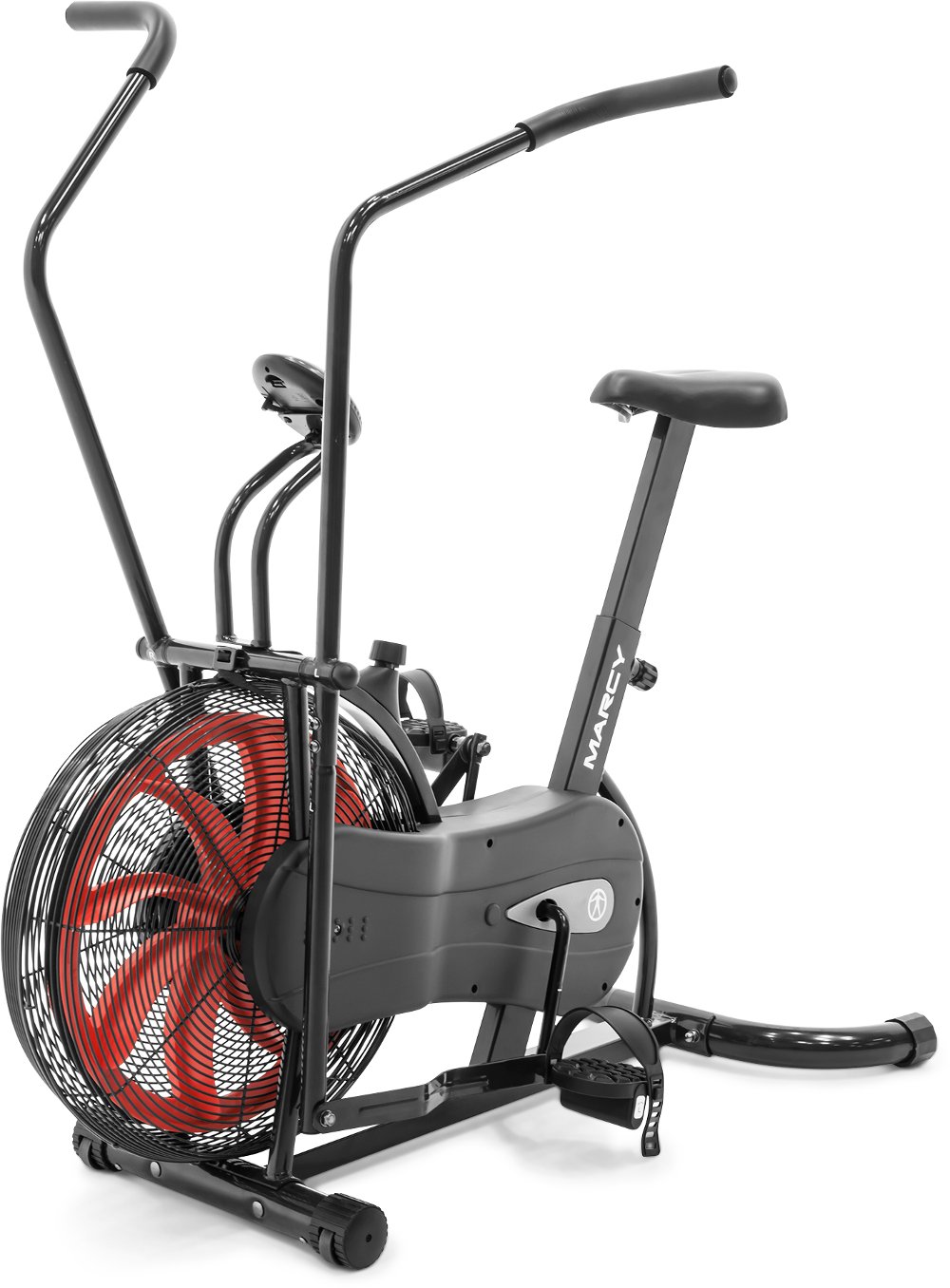
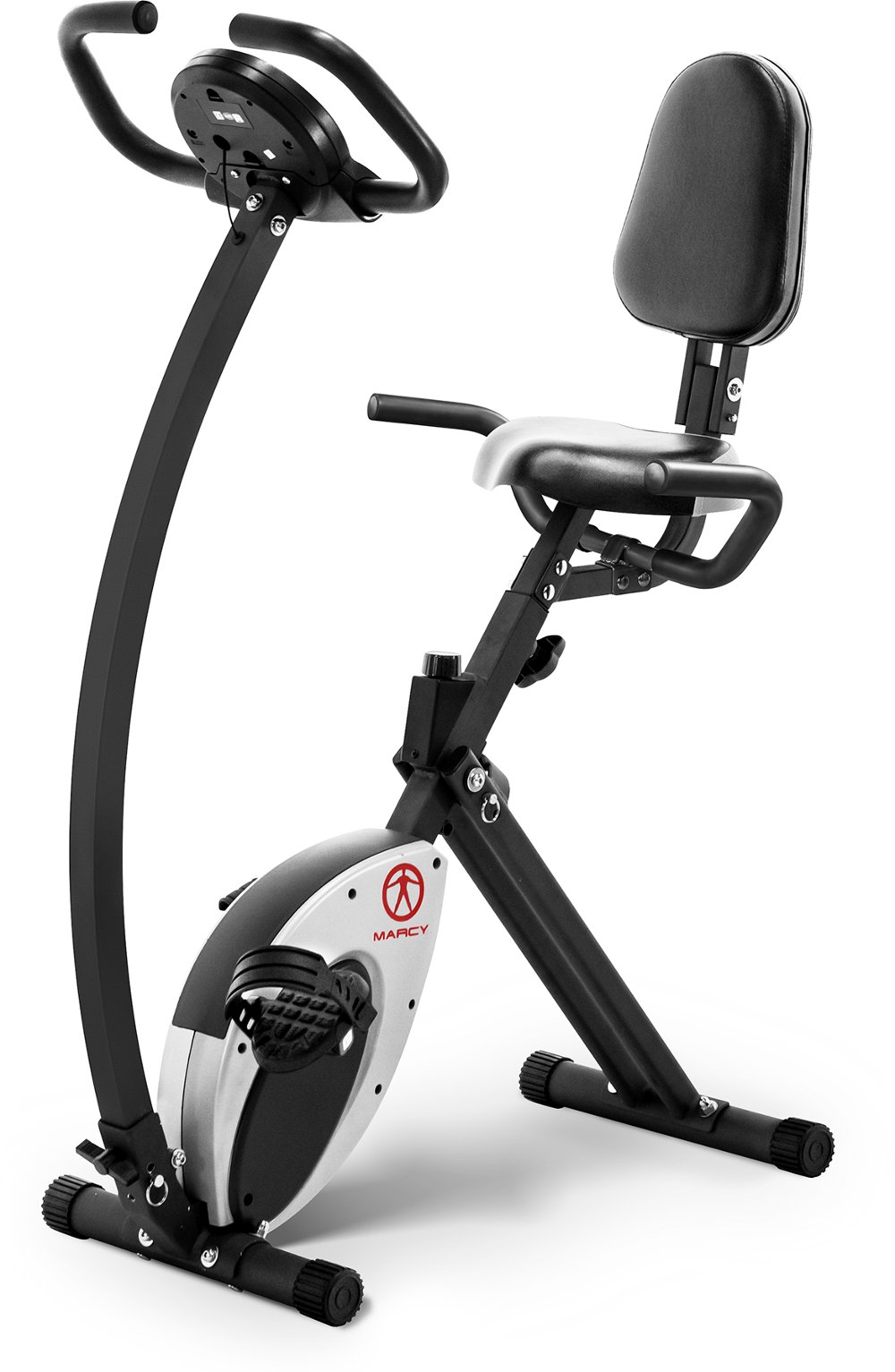
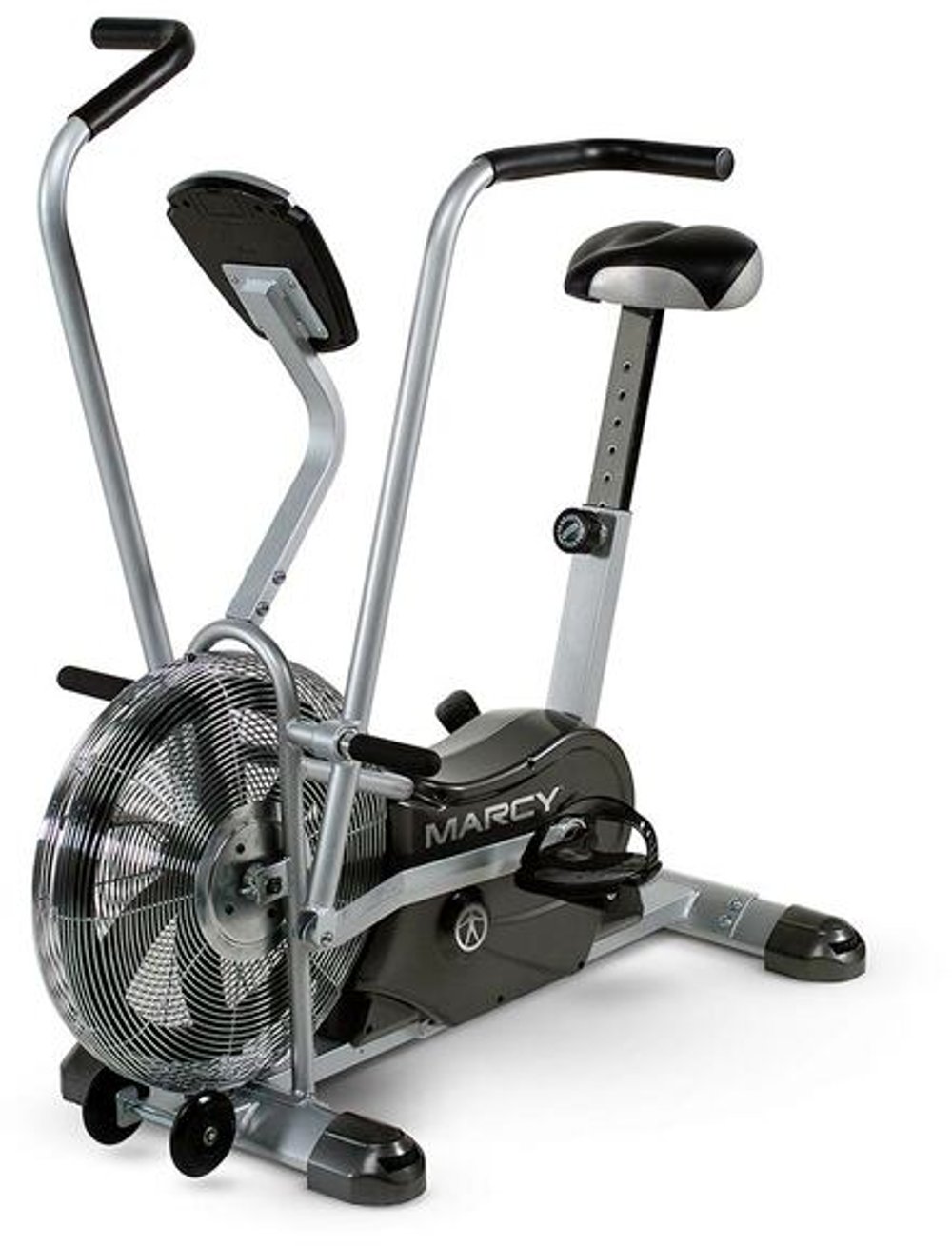
Equipment for weight loss at home can make it easier to build movement into the parts of the day you already have, whether that means a brisk walk before breakfast, a short strength session after work, or a few minutes of activity while dinner cooks. The best choice depends on your available space, preferred activities, fitness level, budget, and any considerations such as joint comfort or balance. Cardio equipment raises your heart rate and supports calorie-burning activity, while strength equipment helps you challenge your muscles and build a more well-rounded routine. Treadmills are a familiar option for walking or running indoors, and folding models can be helpful when floor space is limited. Compact walking platforms may suit someone who prefers steady walking while watching television or listening to a podcast. Exercise bikes offer seated, low-impact cycling that can be comfortable for many people who want to reduce pounding on their knees, ankles, or hips. Ellipticals combine upper- and lower-body movement with a smooth stride, making them a practical choice for shoppers looking for a full-body cardio workout. Stair climbers and step machines deliver an efficient stepping motion that challenges the lower body and quickly increases workout intensity. Browse Home Cardio Equipment to compare options for creating a convenient place to move at home. As the weather turns cooler, indoor equipment can also provide a dependable alternative when outdoor walks feel less appealing, helping you keep your routine close at hand.
Strength equipment adds variety to home workouts and can complement cardio sessions without requiring a dedicated fitness room. Adjustable dumbbells are especially useful when you want several resistance levels without filling a closet with separate weights. They can support movements such as squats, lunges, rows, presses, and curls, allowing beginners to start comfortably and more experienced users to increase resistance as their training develops. Resistance bands take up very little room and can add tension to exercises for the arms, shoulders, back, chest, hips, and legs. Their light weight makes them convenient for apartments, guest rooms, travel, or a quick session beside the sofa. Kettlebells and other free weights can help add load to swings, deadlifts, carries, and lower-body exercises, although shoppers should choose a weight they can control with steady form. Vibration platforms offer a compact format for short sessions and may appeal to people seeking another way to add movement to their day, but they work best as one part of an active routine rather than a replacement for walking, cycling, or strength training. When comparing equipment for weight loss at home, look at resistance ranges, display features, noise levels, footprint, storage, weight capacity, and the effort required to move or fold each item. A machine that fits easily beside a bed or in a corner is more likely to be used than one that makes the room feel crowded. Consider the surface beneath it, nearby outlets, ceiling height, ventilation, and enough clearance for safe movement. If more than one person will use the equipment, choose settings and adjustments that can accommodate everyone comfortably.
Home fitness equipment can be a thoughtful gift for someone settling into a new routine, preparing a more comfortable workout space, or looking for practical ways to stay active during the cooler months. A compact set of resistance tools may suit a college student, apartment dweller, or frequent traveler, while an exercise bike or treadmill can be a meaningful choice for a household that enjoys walking or cycling but wants an indoor option. For a family member who is new to exercise, simple equipment with clear adjustments may feel more welcoming than an advanced machine with a steep learning curve. Shoppers buying for someone else should consider the recipient’s interests and living space instead of choosing based on appearance alone; a person who loves long walks may enjoy a treadmill, while someone who prefers seated exercise may use a bike more consistently. Before beginning a new workout, users should read the equipment instructions, set up a stable area, wear supportive footwear, and begin at a manageable pace. Anyone with an injury, chronic health condition, or uncertainty about safe exercise intensity should seek guidance from a qualified health professional. Sustainable progress comes from regular activity, balanced nutrition, rest, and an approach that feels realistic enough to repeat. Whether your goal involves more daily steps, improved strength, or a dedicated place for cardio, the right equipment can turn an unused corner into an inviting space where small efforts build over time.
Read More