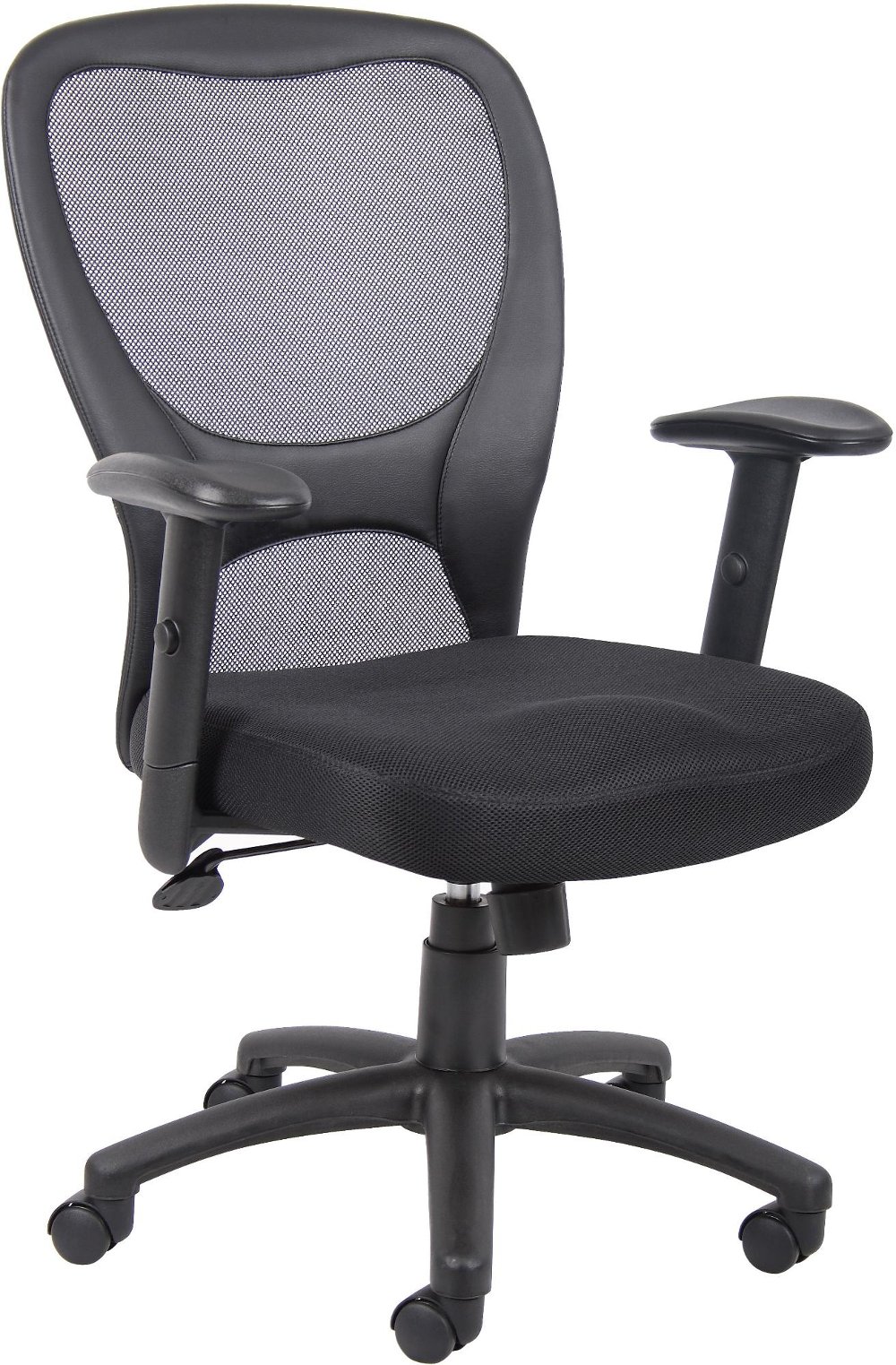
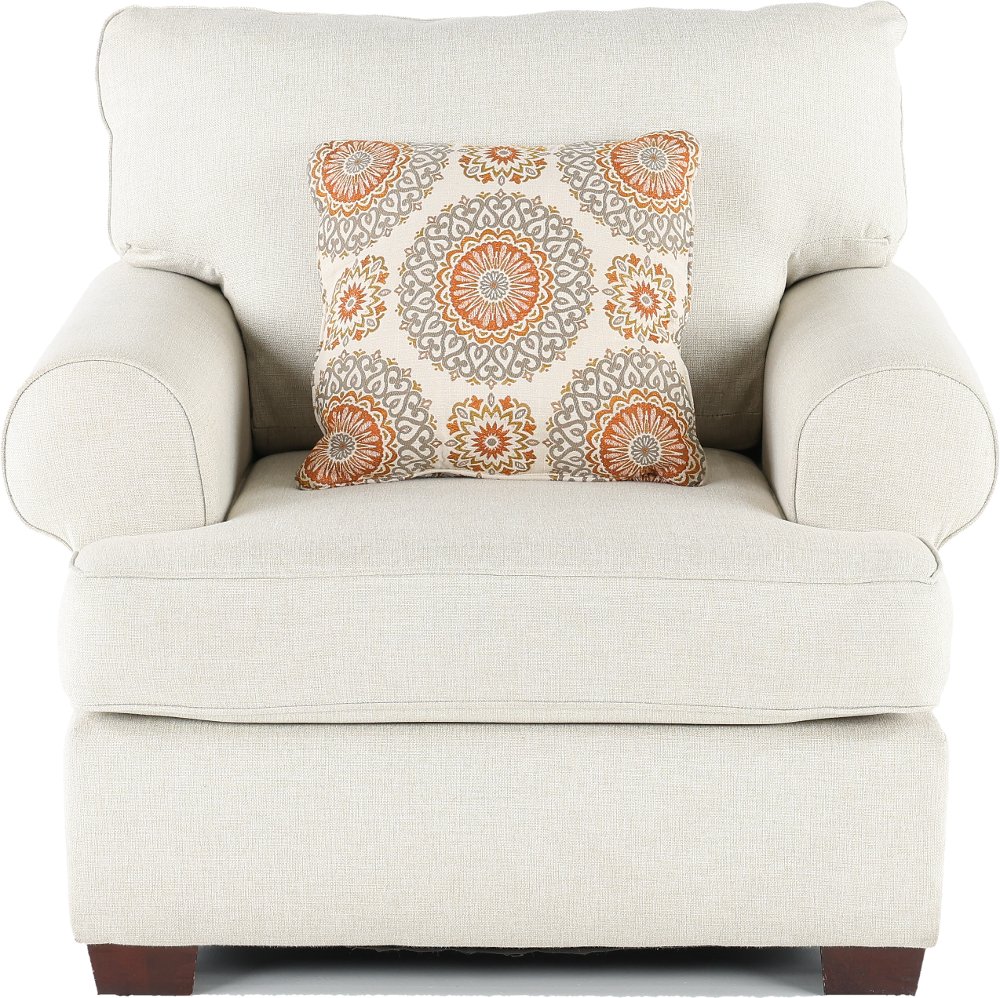
Fabric office chairs bring a softer, more residential feel to a workspace without losing sight of what the chair needs to do: support you through everyday tasks. Upholstery can help a desk feel at home in a bedroom, living room, or shared family space, especially when the work area stays visible after the laptop closes. A tightly woven gray fabric can blend into a streamlined setup, while a textured oatmeal or muted blue can add character beside a wood desk. Color is only part of the picture. The weave, fiber content, cushioning, and shape all influence how a chair feels and how well it suits your routine. Polyester and polyester-blend upholstery often offer practical durability, although performance depends on the specific fabric and construction. Cotton-containing blends can have a soft, familiar feel, while textured weaves add visual depth and may help disguise small variations from everyday use. Fabric can also feel less slick against clothing than a smooth upholstery surface, though breathability varies with the weave, backing, and padding beneath it. For someone moving between emails, household paperwork, and a little creative work, those small tactile differences can make a desk more inviting. In a busy household, a close weave may be easier to live with than a loose texture that can catch on pet claws or clothing hardware. Stain-resistant treatments, when specified, can add a helpful layer of protection, but they don't make upholstery spillproof. Midtone colors and subtle patterns may make lint or minor marks less noticeable; very light or very dark fabrics can highlight different kinds of everyday debris. The right combination depends on who uses the chair, where it sits, and how much use it gets. A dedicated home office may call for a supportive, adjustable design, while a compact writing nook might feel more balanced with a lighter silhouette and a back that doesn't dominate the room.
Comfort depends as much on proportions and adjustment as it does on a plush seat. A fabric office chair should work with your body and desk together, rather than asking you to perch forward or reach up to type. An adjustable seat height can help you find a position with your feet supported and your shoulders relaxed; a footrest may be useful when the desk height requires a higher sitting position. Seat depth matters, too. There should be enough room to support your thighs without the front edge pressing firmly behind your knees, and the usable seat width should allow comfortable movement between the arms. Thick padding can feel welcoming at first, but cushioning also needs to hold its shape and provide steady support over time. A contoured back or adjustable lumbar feature may help support a comfortable seated posture, though no single shape fits everyone equally well. For longer stretches of computer work, features such as adjustable arms, seat depth, and tilt tension can be more useful than decorative details alone. Someone who spends most of the day typing may value armrests that support the forearms without pushing the shoulders upward. Someone who alternates between sketching, sorting papers, and using a keyboard may prefer arms that move out of the way. Desk clearance deserves attention, particularly with fixed arms: the chair needs room to tuck in without catching on an apron or drawer. A swivel base makes it easier to turn toward a file cabinet or nearby work surface, while casters support movement around a desk. The caster type should suit the floor, and a compatible chair mat can help protect the surface and make rolling easier. A stationary base can be a practical choice for a writing desk or occasional-use workspace where rolling isn't necessary. Overall chair dimensions, weight capacity, base construction, and the manufacturer's intended use all matter, especially for shared workstations or full workdays. Even a well-fitted chair works best alongside regular opportunities to stand, stretch, and change position.
Fabric office chairs can serve everyone from remote professionals and students to hobbyists who need a comfortable place for planning, sewing preparation, or detailed paperwork. The best fit reflects the task as well as the room. A student working at a smaller desk may need compact dimensions and easy height adjustment, while someone managing a home business may place more value on a supportive back and controls that adapt throughout the day. In a multipurpose room, upholstery can connect the work area to the rest of the furnishings through a shared color or texture. Nearby fabric upholstered chairs can carry that comfortable look into a reading or conversation area, while the desk chair provides the movement and adjustments needed for work. Keeping upholstery looking good starts with care that matches the fabric, not a one-size-fits-all cleaning method. Regular vacuuming with an appropriate upholstery attachment helps lift dust and crumbs from seams before they settle deeper into the weave. Spills are best blotted promptly with a clean, absorbent cloth rather than rubbed across the surface. Always check the care label before applying water, solvent-based cleaners, or any upholstery treatment, and test an approved cleaner in a hidden spot first. Too much moisture can leave marks or reach the cushioning, so a light touch matters. Strong sunlight may fade upholstery over time, and sharp desk edges or repeated contact with nearby furniture can wear fabric at the same spot. Durability also depends on what sits beneath the upholstery: a stable base, secure connections, reliable adjustment mechanisms, and resilient cushioning all contribute to everyday performance. Following the manufacturer's assembly and maintenance directions, including any guidance for checking fasteners or clearing debris from casters, helps keep the chair working as intended. As a gift for someone setting up a study or home office, a fabric desk chair is most thoughtful when their measurements, preferred features, and room style are already known. That personal fit turns an attractive piece of furniture into a useful part of the day.
Read More