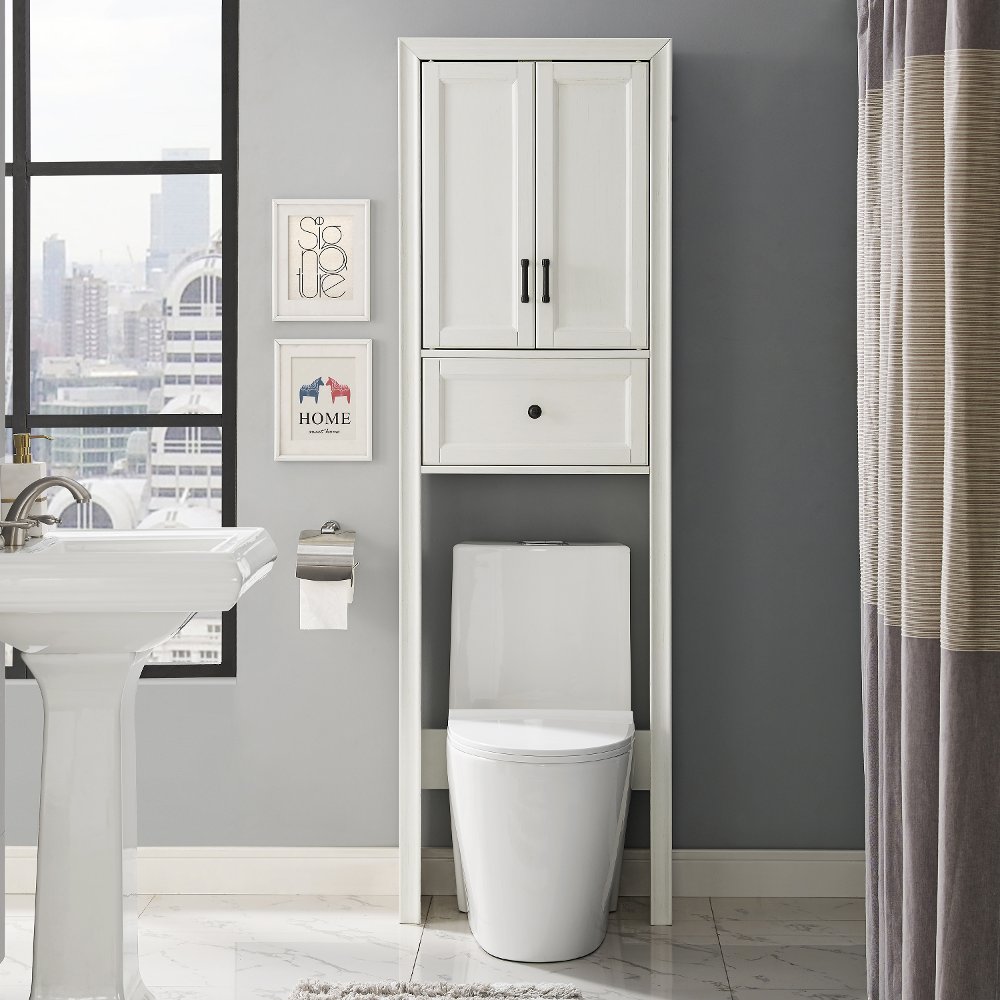
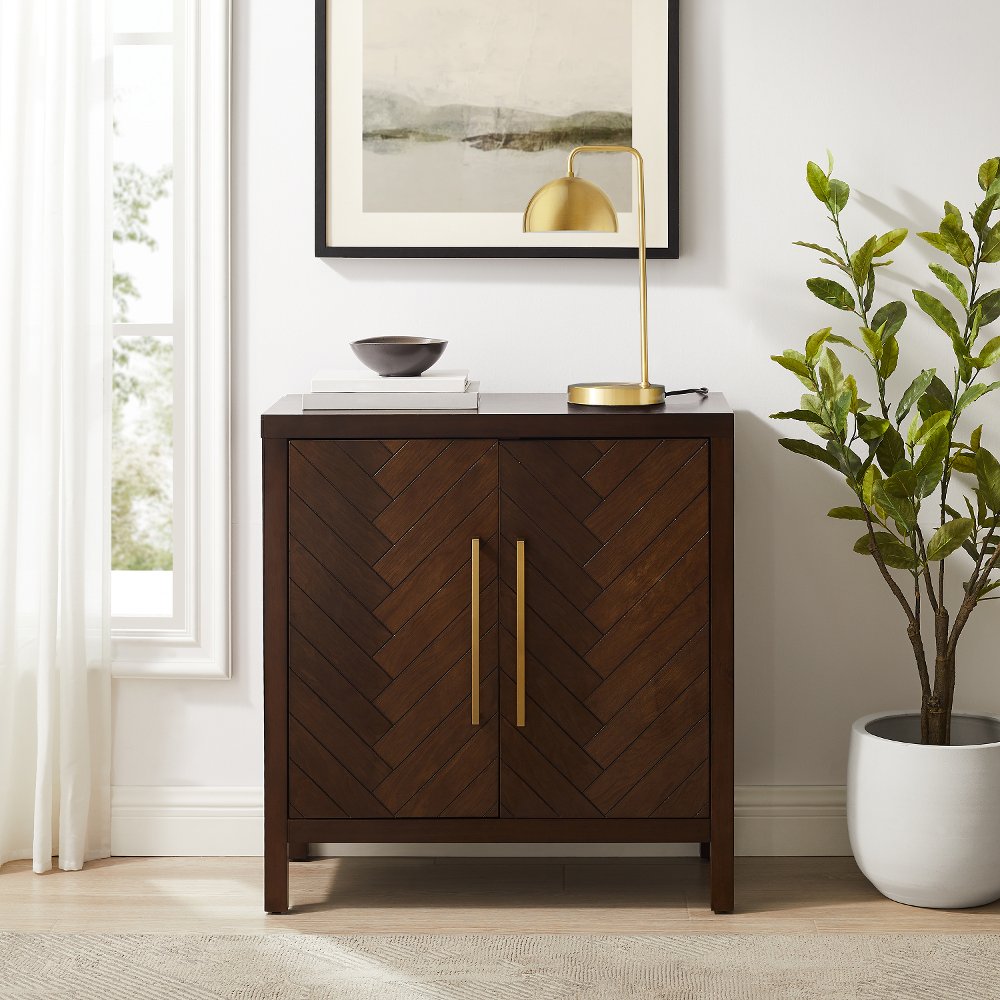
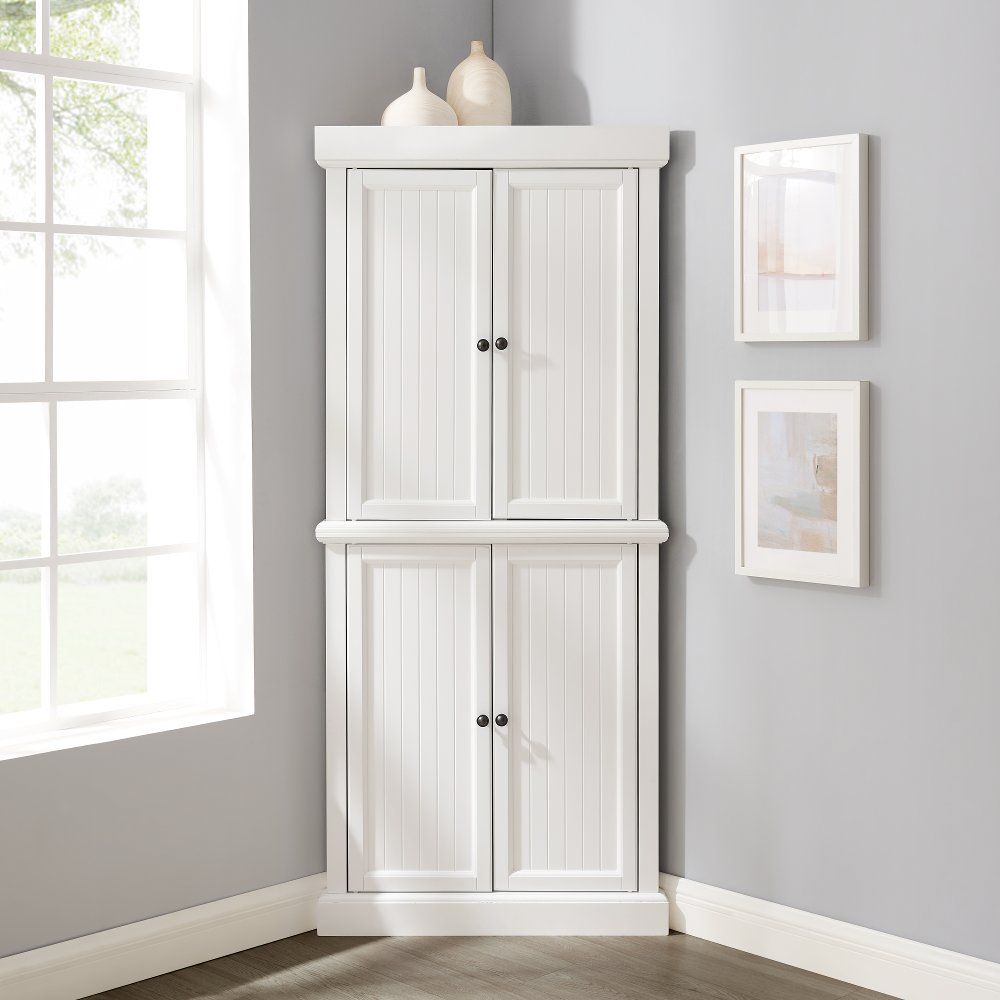
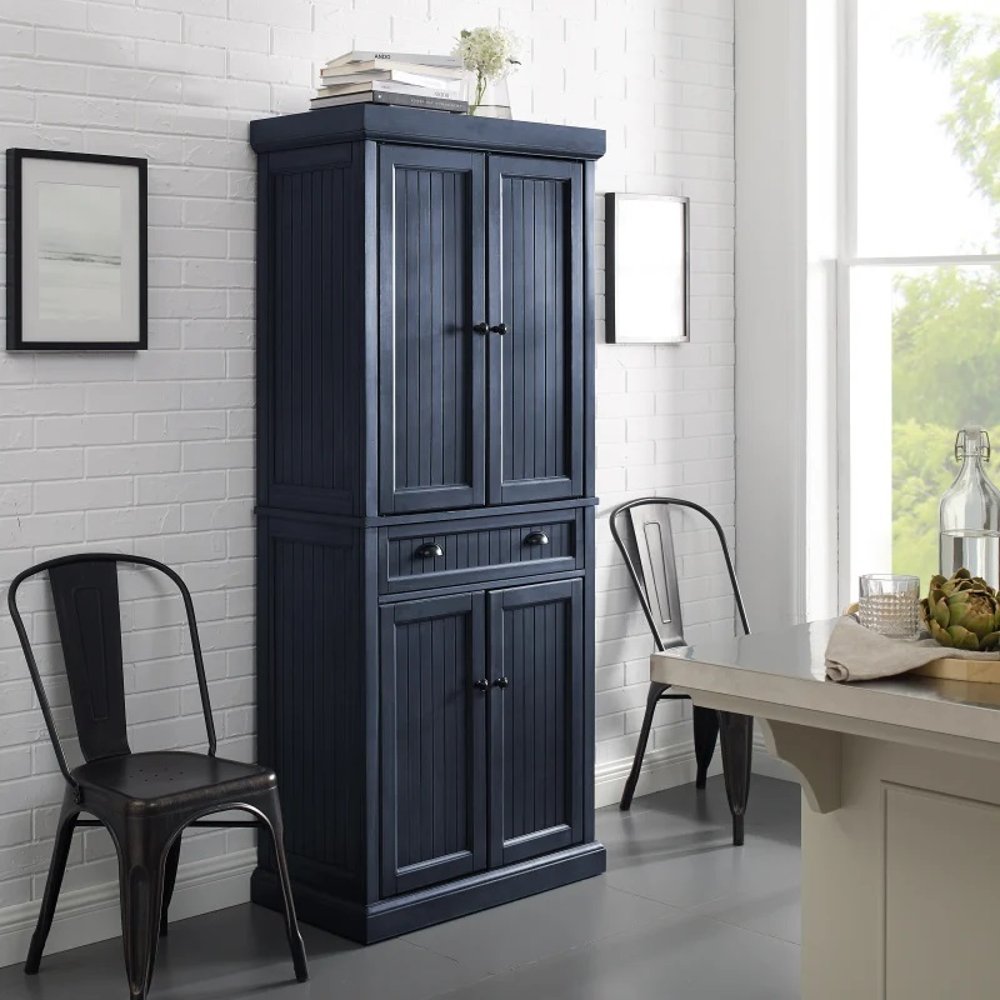
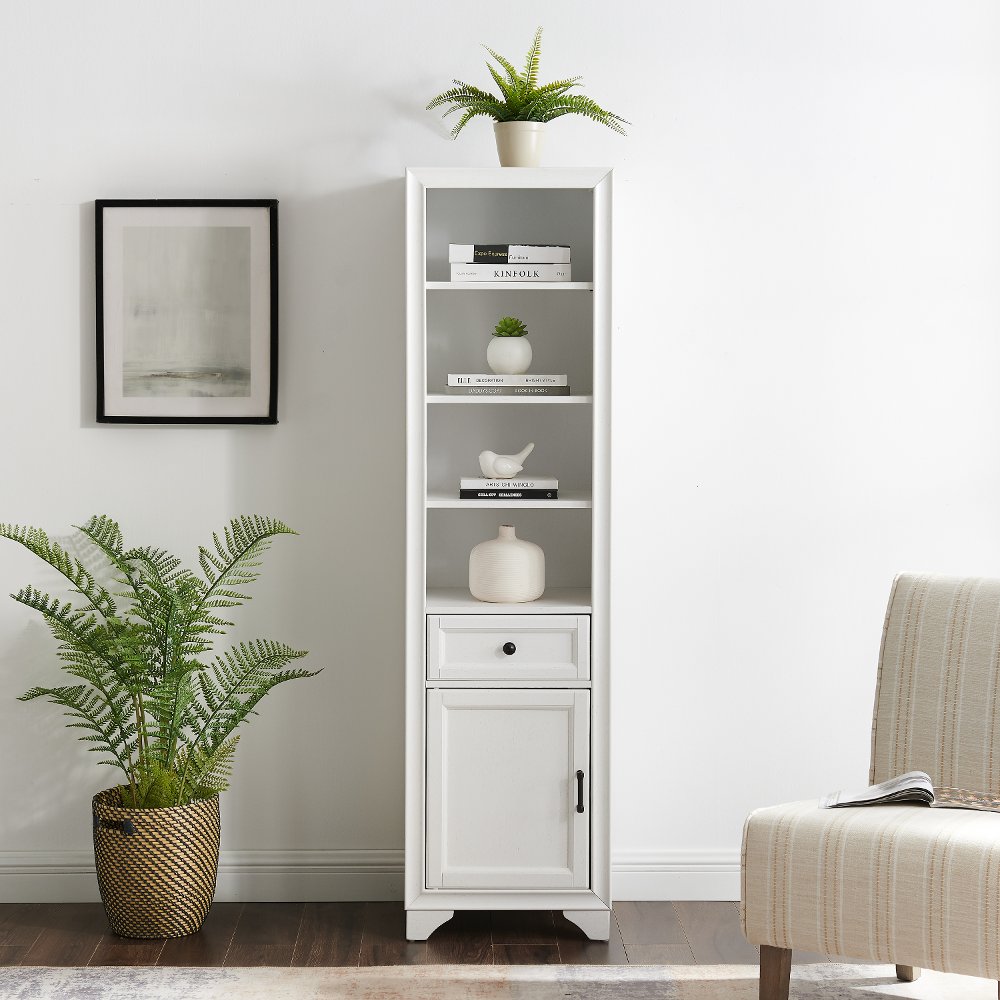
A freestanding cabinet is a floor-standing storage unit that isn’t built into a wall or surrounding cabinetry. It provides enclosed or open storage as a separate piece of furniture, making it useful wherever everyday belongings need a home. Unlike built-in cabinets, freestanding cabinets can usually move with you when a room changes or a household relocates, though many designs still require anti-tip anchoring for safe use. Their appeal is practical: a cabinet can turn an empty stretch of wall into a place for dishes, keep office supplies out of sight, or give board games and craft materials a spot beyond the dining table. In an entryway, shelves behind closed doors can hold bags and small accessories without leaving everything on display. In a living room, a low storage cabinet can keep throws and entertainment essentials close to the sofa while leaving room above for artwork. Taller designs make use of vertical space, while wider, lower cabinets can provide a surface for a lamp or decorative bowl, within the manufacturer’s weight limits. The interior matters just as much as the silhouette. Adjustable shelves accommodate belongings of different heights, drawers separate smaller essentials, and fixed shelves create dependable zones for regularly used items. Solid doors help quiet the visual clutter of busy rooms; glass doors let dishes, books, or collections remain visible while adding a barrier against dust. Open compartments suit baskets and objects reached for several times a day. For a household sharing one room for work, hobbies, and relaxation, a combination of open and closed storage can make the space feel less crowded without hiding everything away. The right freestanding storage cabinet supports the way a room already works, whether that means an easier morning routine, a clearer workspace, or fewer stacks collecting on nearby surfaces.
A comfortable fit starts with the cabinet’s full dimensions, not just the width of the wall where it will stand. Depth affects how far the piece projects into a room, and doors and drawers need enough clearance to open without catching on nearby furniture or blocking a walkway. In a compact dining area, a shallow cabinet may preserve space around chairs better than a deeper unit with the same width. Beside a desk, a lower cabinet can keep supplies within reach without overwhelming the work area. Baseboards, floor vents, outlets, and light switches can also influence placement, especially when a cabinet needs to sit close to a wall. Interior measurements deserve the same attention: a shelf that holds folded linens comfortably may not accommodate a tall pitcher or a countertop appliance. For food and dish storage, freestanding kitchen pantry cabinets offer a dedicated way to organize dry goods, serving pieces, and other kitchen essentials outside existing cabinetry. Shelf spacing can make the difference between neat rows of cereal boxes and awkward stacks that need rearranging every time someone reaches for a snack. Adjustable interiors are especially useful when storage needs change, while clearly stated shelf capacities help determine whether a cabinet suits lightweight packages or heavier cookware. Store heavier belongings low, follow all load limits, and use the anti-tip hardware and anchoring method specified by the manufacturer. Freestanding describes the cabinet’s independent construction, not an exemption from securing it safely. That distinction matters in homes with children or pets, but safe placement benefits any household. Assembly requirements, doorway widths, and the route into the room are worth checking, too. A large cabinet needs more than a suitable final location; it also needs a clear path through halls and around corners. If electronics will sit inside, a design intended for that use should provide appropriate cord access and ventilation. Keeping these details in view helps storage feel like part of the room rather than an obstacle to everyday movement.
Materials and construction influence how a freestanding cabinet looks, feels, and holds up to daily use. Solid wood brings natural grain and variation, and its appearance may develop character over time. Wood veneer offers a real wood surface over a supporting core, while engineered wood can provide a consistent foundation for painted, laminated, or veneered finishes. Performance depends on the complete construction, including panel thickness, edge protection, shelf support, hardware, and assembly—not simply the material name. Metal cabinets can lend a clean, practical feel to work areas and utility spaces, though their finish still needs protection from scratches and prolonged moisture. Glass panels add visibility and a lighter appearance, with a little more attention needed to fingerprints and smudges. For frequently used storage, sturdy hinges, smoothly operating drawers, and shelves suited to the intended load are details that matter long after the room is arranged. A cabinet for towels or toiletries should have a finish appropriate for its setting; ordinary indoor cabinetry shouldn’t be assumed to tolerate damp conditions or direct splashes. Everyday care is generally straightforward when it follows the manufacturer’s instructions. Dust with a soft cloth, wipe up spills promptly, and avoid abrasive cleaners or excess water that could damage a finish or seep into seams. Protective pads beneath decorative objects can help reduce surface scratches, while periodically checking hardware keeps doors and drawers working as intended. Style can be equally practical. A finish that relates to nearby furniture helps a cabinet settle naturally into the space without requiring every piece to match. Warm wood tones can soften a room with lots of hard surfaces, painted finishes can create a quieter backdrop, and textured doors can add interest to an otherwise simple wall. For renters, homeowners, busy families, and anyone making better use of a room, a thoughtfully chosen cabinet offers something lasting: storage that suits the belongings inside and feels at home in the space around it.
Read More