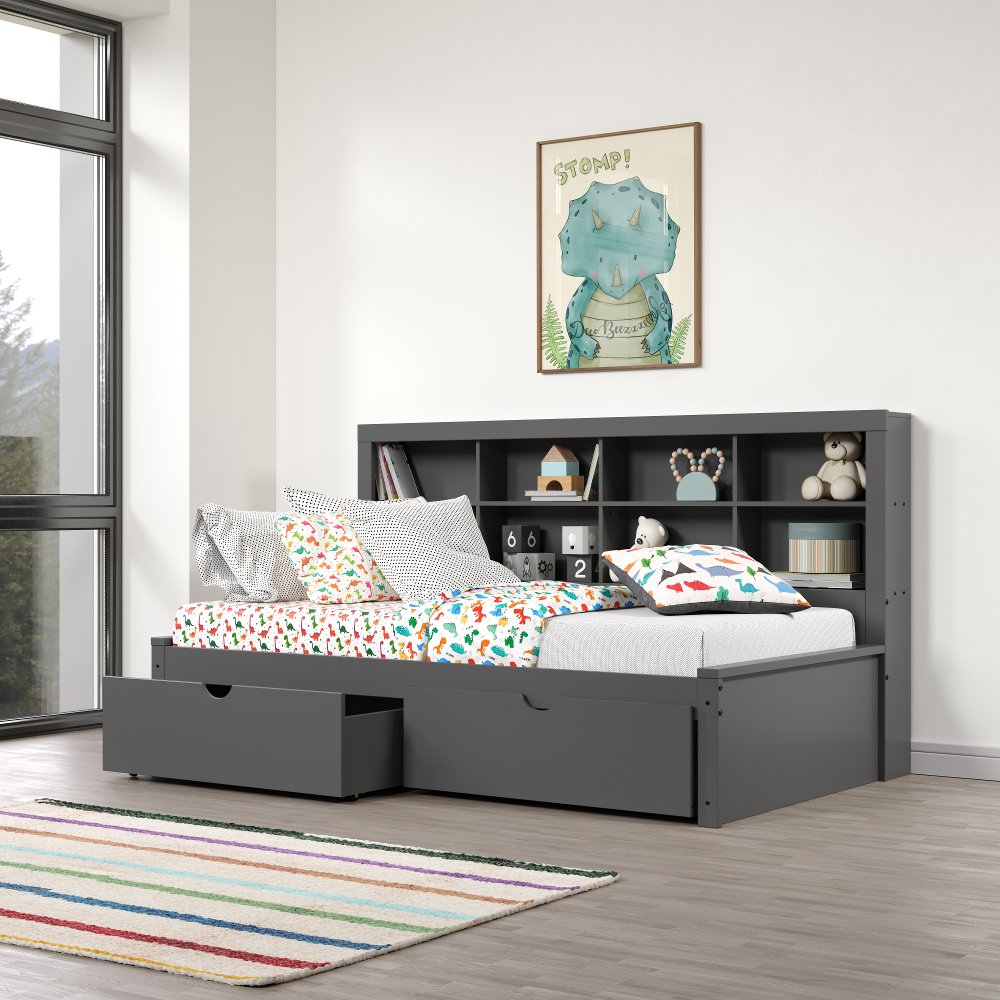
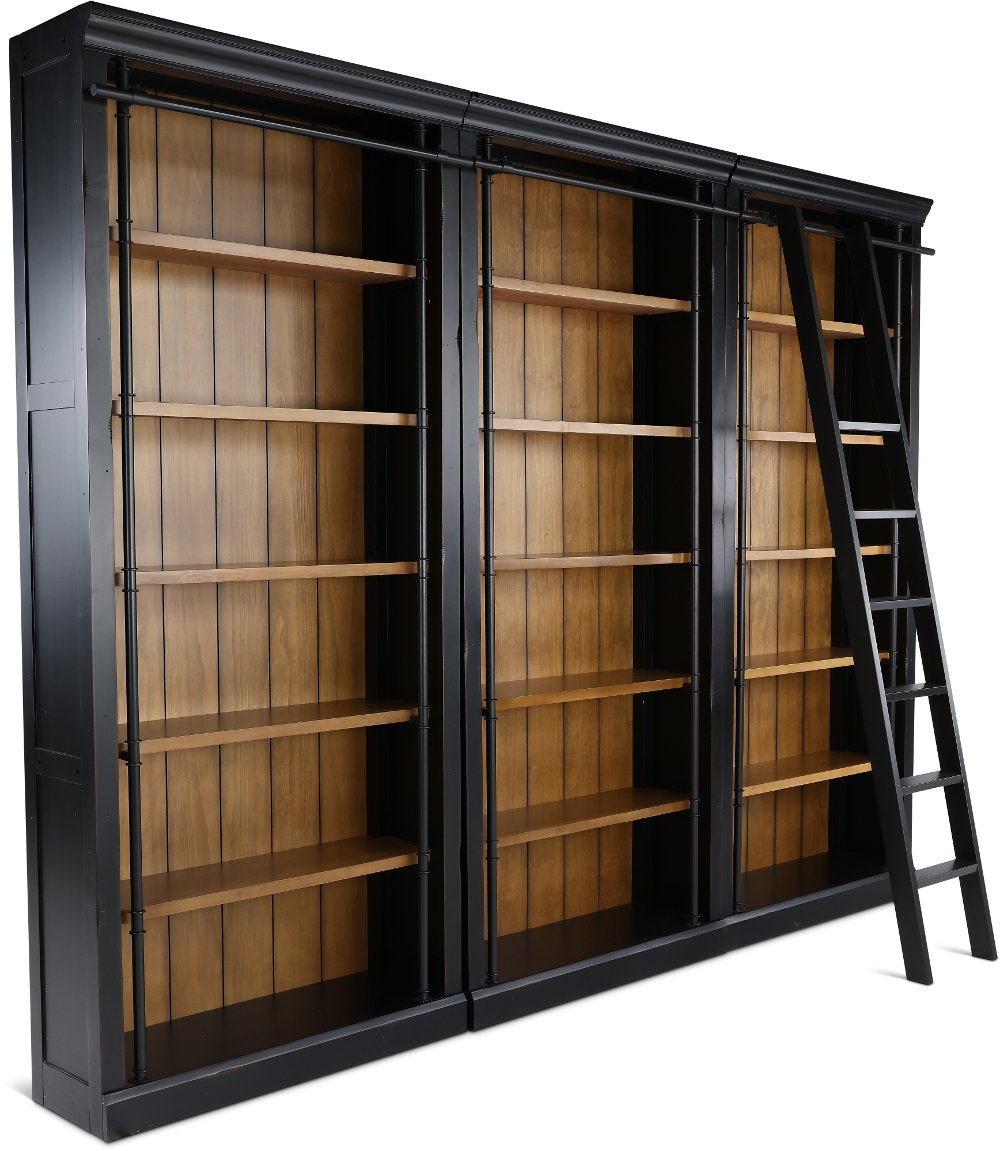
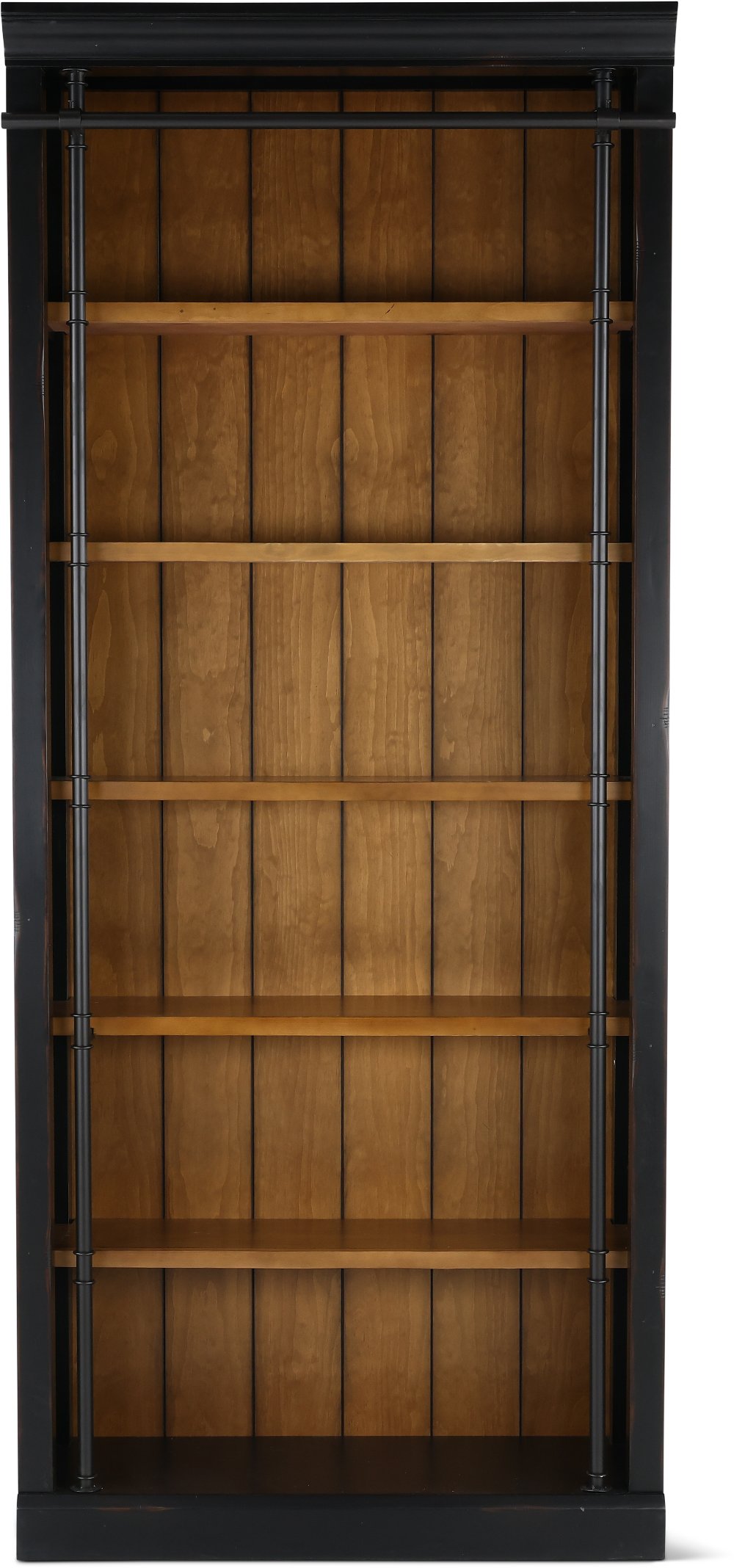
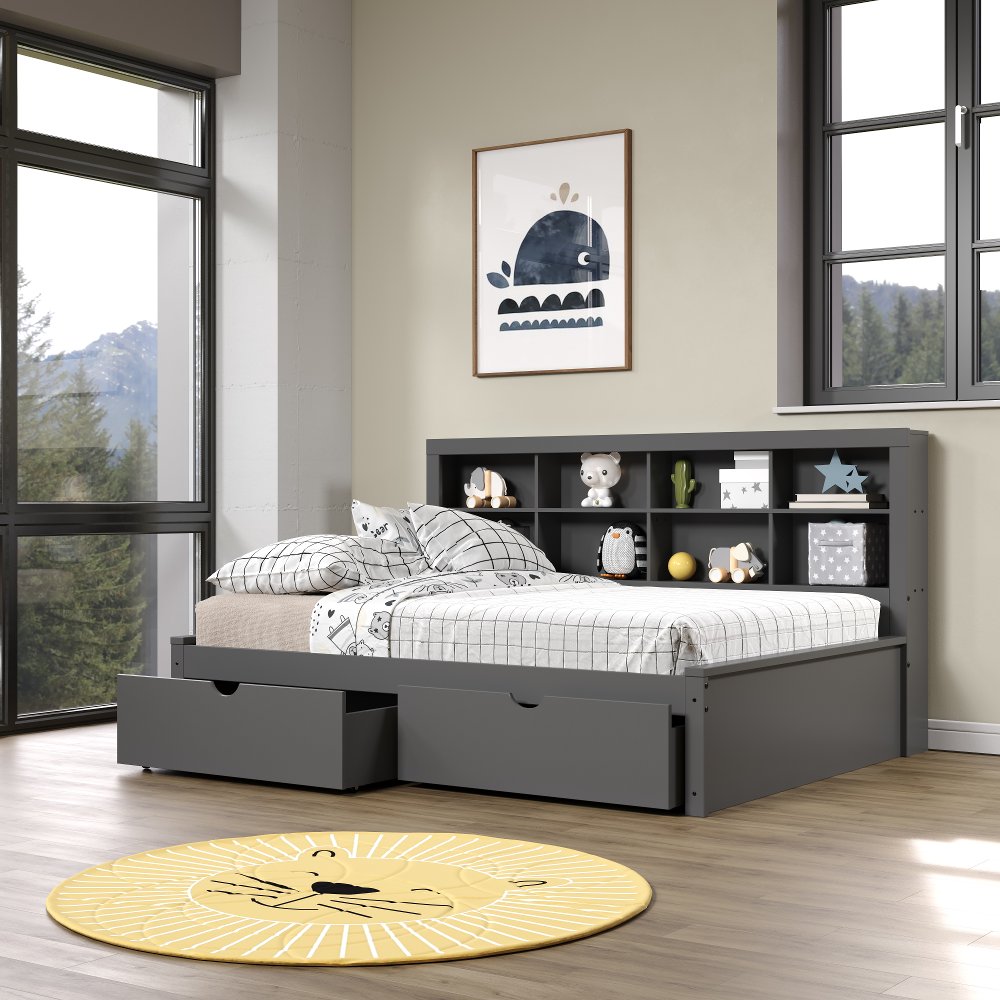
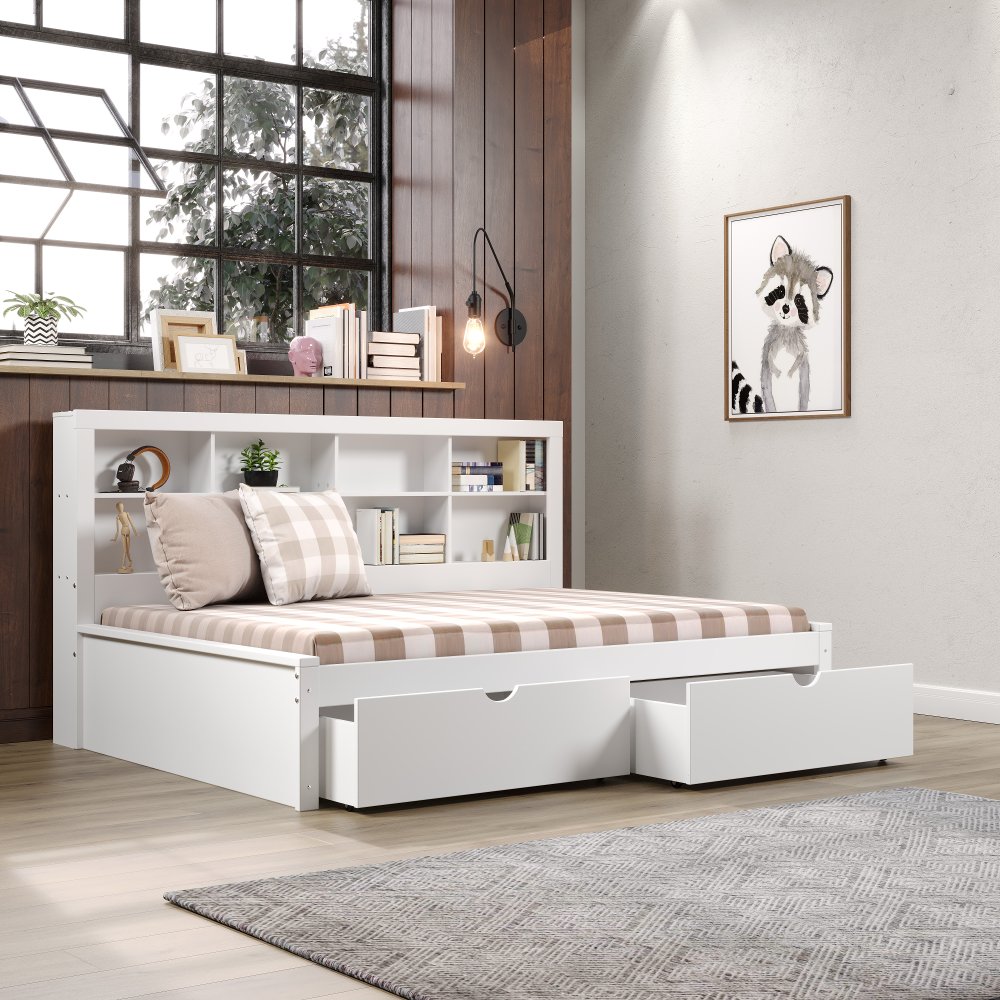
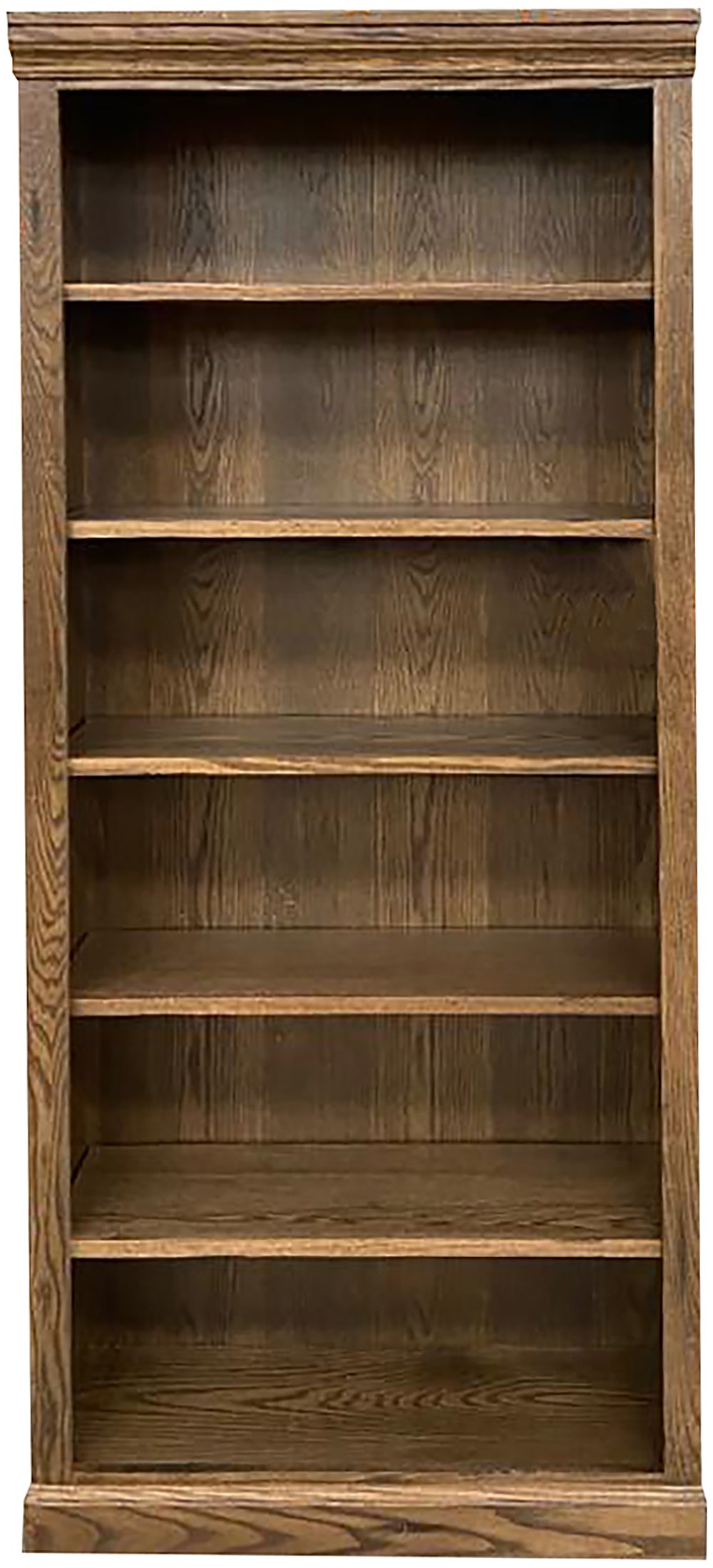
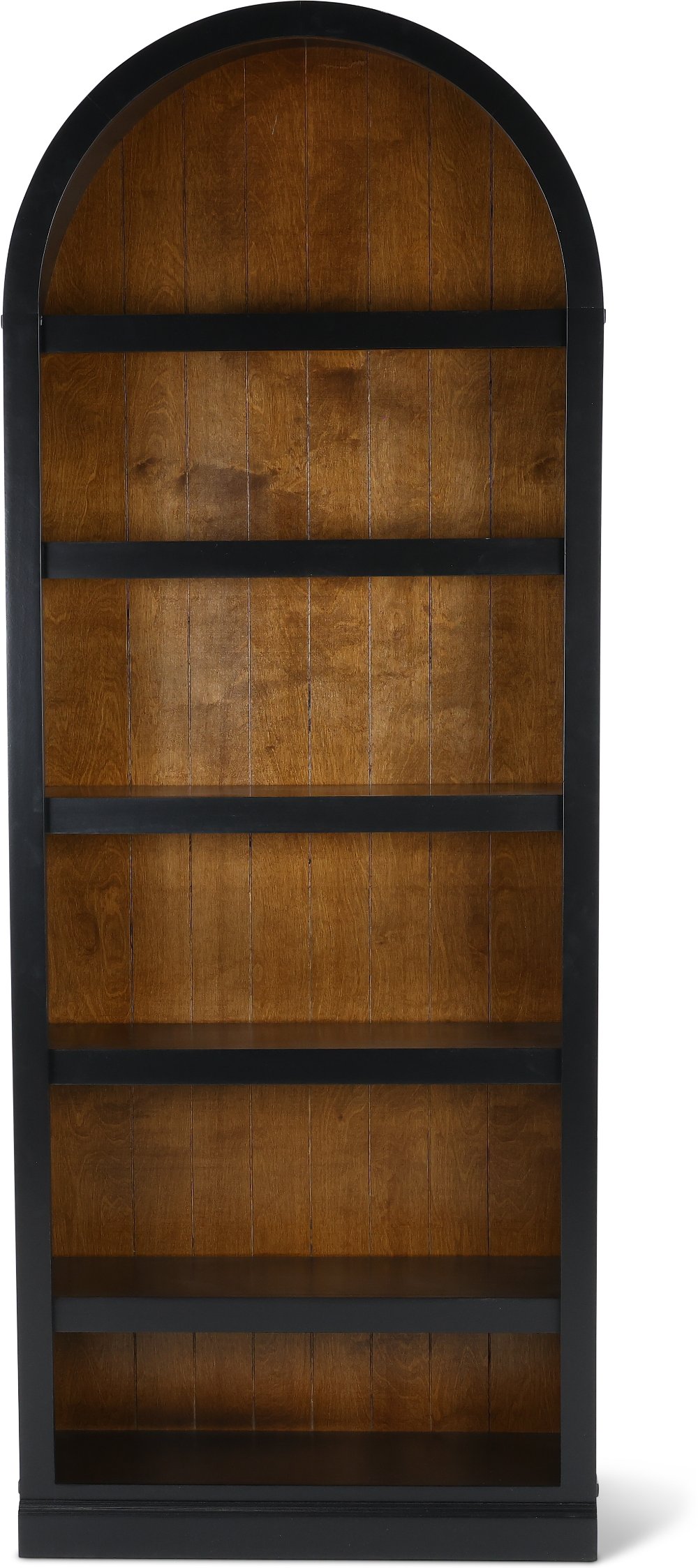
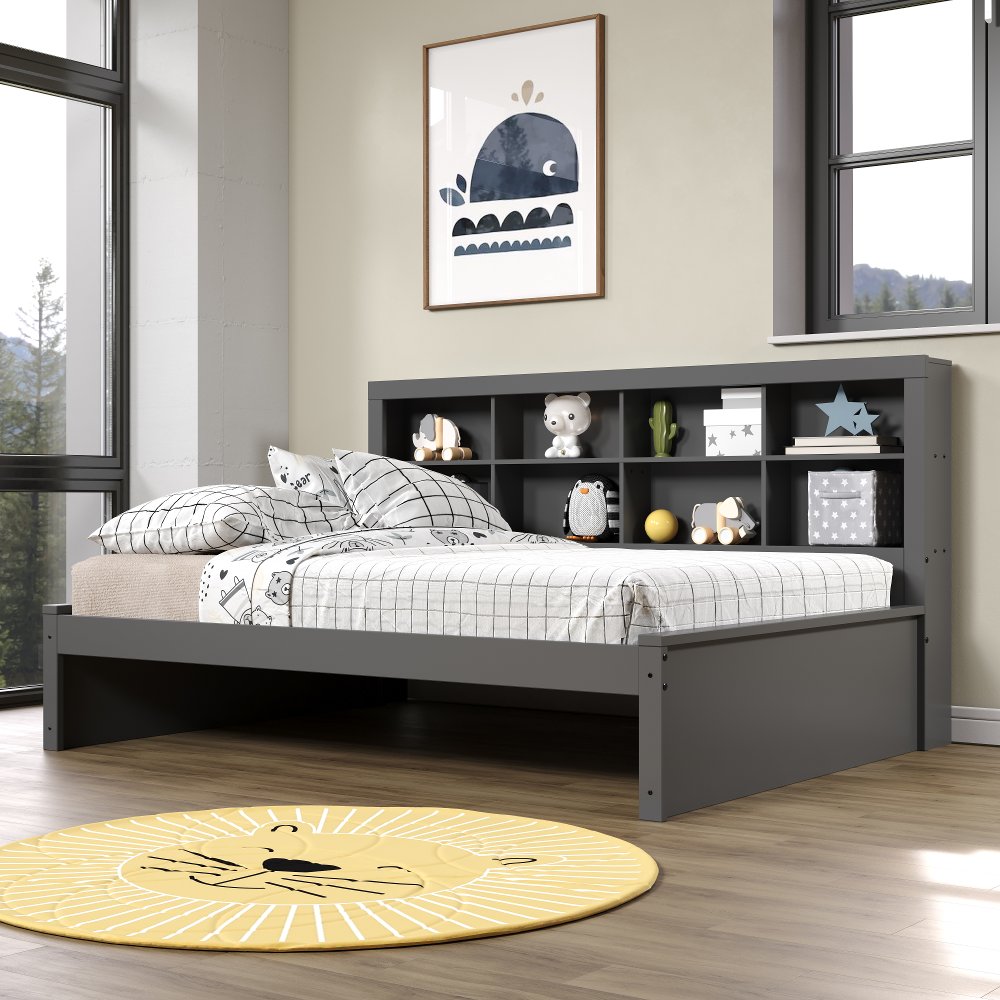
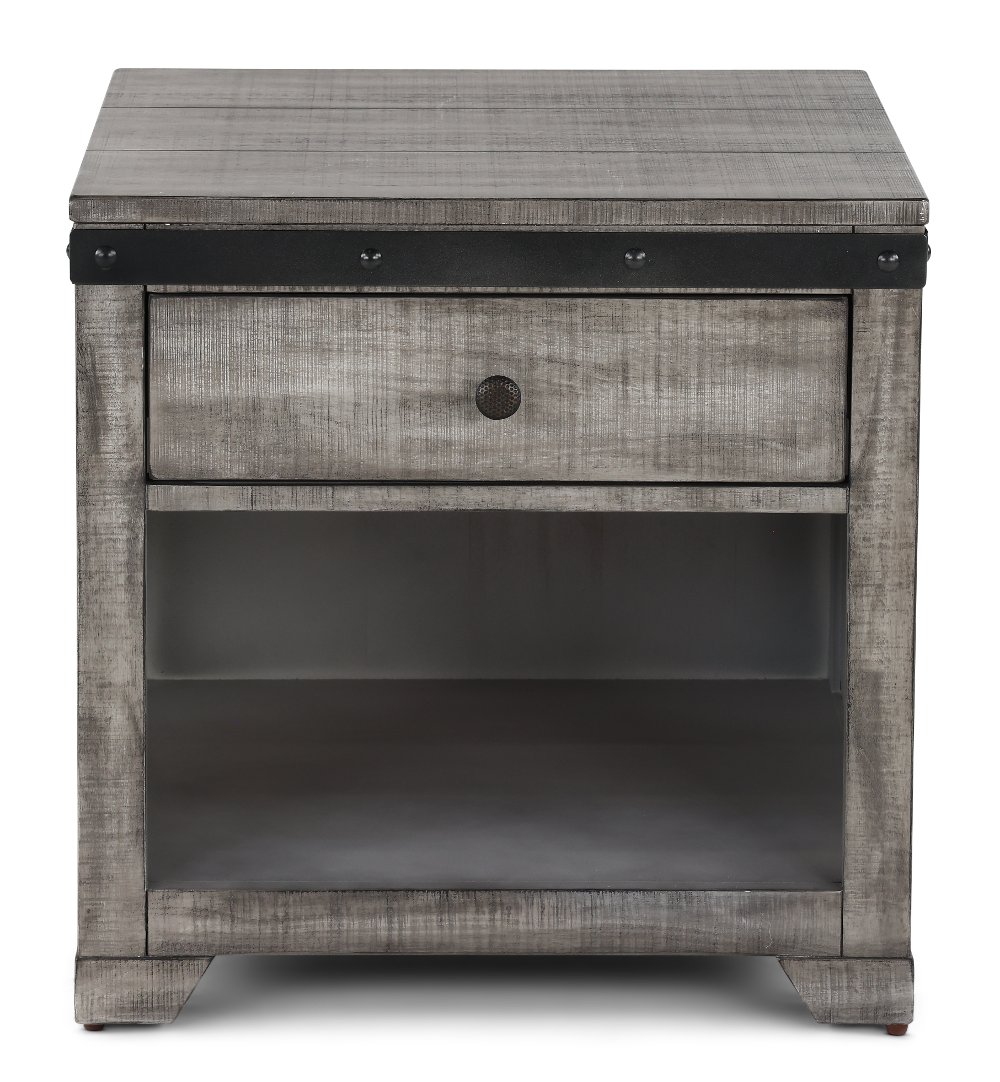
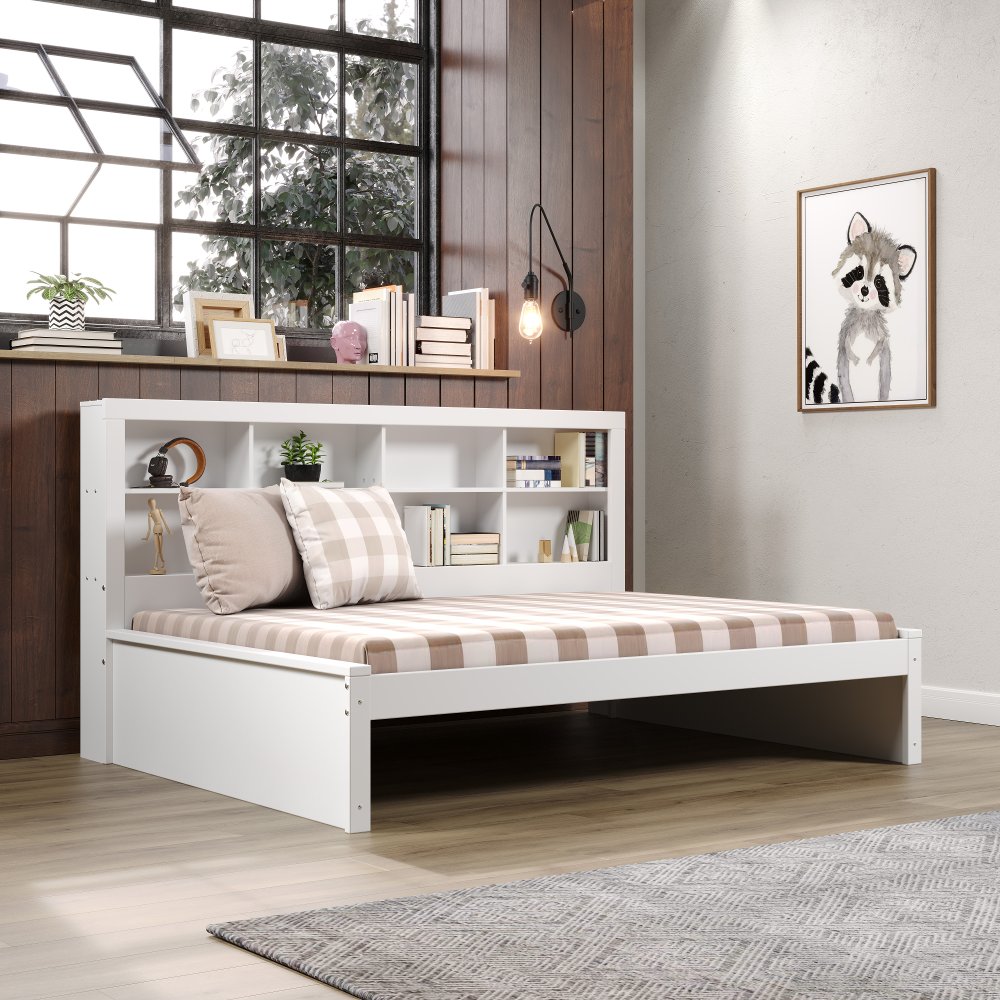
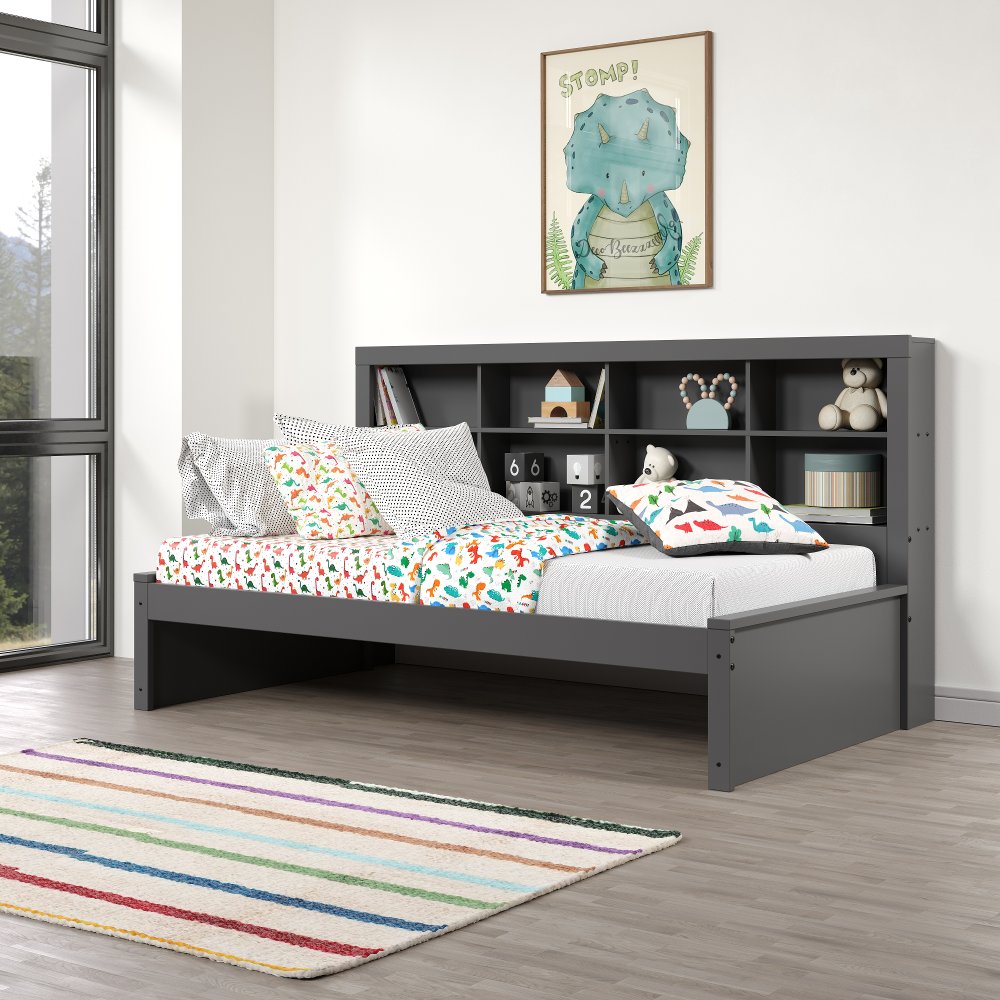
Furniture for book lovers brings book storage, comfortable seating, and convenient surfaces together in a space that feels good to spend time in. A reading corner might hold an armchair, an ottoman, and a small table for a mug, while a larger living room or home office can accommodate bookcases filled with novels, biographies, and well-worn favorites. The best fit depends as much on your reading habits as on the size of your collection. Someone who reads a few chapters before bed may appreciate a nightstand with a lower shelf, while a household of enthusiastic readers may need several shelving units with room for new discoveries. Bookcases give those collections a home without hiding the covers and spines that make a room personal. Adjustable shelves accommodate everything from compact paperbacks to oversized art books, and a combination of open shelving and enclosed storage keeps favorite reads visible while giving loose papers and reading accessories a place to land. Tall, narrow designs make use of vertical space in smaller rooms, while low, wide bookcases can sit beneath wall art and keep everyday reads within easy reach. Open-backed shelving allows more of the wall to show through, creating a lighter visual effect than a solid-backed cabinet. For a sculptural approach to book storage, unique modern bookcases can bring interesting shapes and varied shelf arrangements into a reading space. Clean-lined frames suit contemporary rooms, warm wood tones soften a quiet corner, and mixed wood-and-metal designs work comfortably alongside casual or industrial furnishings. A useful shelf layout leaves space for the books you actually own rather than requiring every volume to fit the same opening. A few upright rows, supported horizontal stacks, and a favorite framed photograph can make a collection feel settled without turning it into a display that’s difficult to use. The goal is furniture that makes choosing your next read as pleasant as putting the last one away.
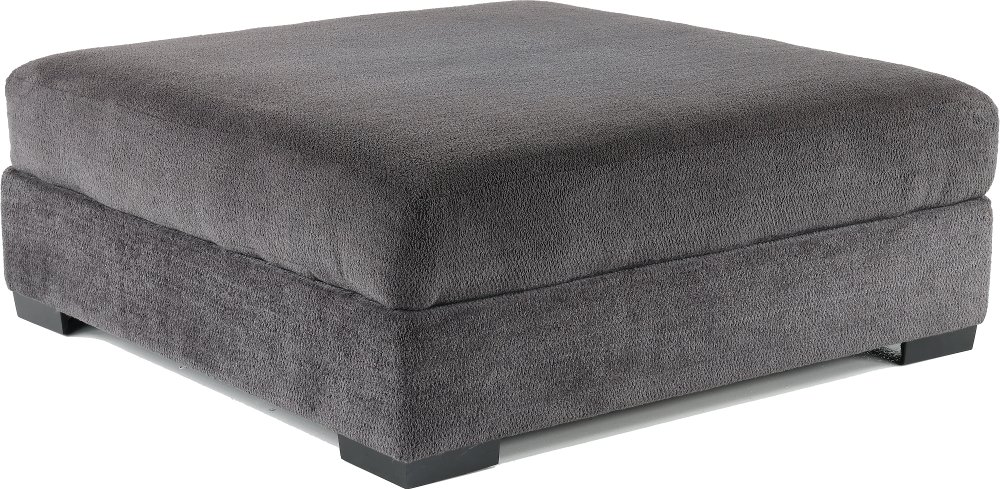
Reading chairs and other upholstered seating shape how that space feels once you settle in. A chair with a supportive back, comfortable arms, and a seat height that lets your feet rest on the floor can work well for an upright reader. Deeper seating offers more room to curl up, though a shorter reader may prefer a cushion behind the back rather than sitting unsupported at the front edge. Seat width matters, too: a snug armchair creates a personal retreat, while a wider chair or small sofa leaves room for a child listening to a bedtime story. Arm height can affect comfort when holding a hardcover, and an ottoman gives you somewhere to rest your feet without balancing them on a coffee table. Reclining seating provides another option for stretching out, provided the room has enough clearance for the back and footrest to move as intended. In a shared family room, a storage ottoman can hold a reading blanket when it’s not in use, helping the corner transition easily from quiet reading to everyday gathering. Upholstery influences both the look and the upkeep of these spaces. Textured woven fabric brings softness and visual warmth, while tightly woven surfaces may be more practical than loose, snag-prone textures in homes with pets. Performance upholstery varies, so its stated stain resistance and care requirements matter more than the label alone. Leather offers a different feel and can develop character with use, but it still needs appropriate cleaning and protection from prolonged sunlight and drying heat. Side tables complete the setup with a stable place for reading glasses, a drink, and the book you’re halfway through. A tabletop near the height of the chair arm is generally easier to reach than one that requires leaning far forward. In a compact bedroom or apartment, a nesting table or a narrow end table can provide that convenience without crowding the path around the chair. A surface that accommodates a reading lamp also helps keep light close to the page.
Materials, construction, and proportions determine how well furniture for book lovers handles everyday life. Books are heavy, especially when shelves hold large hardcovers or reference volumes, so shelf weight limits and support deserve attention. A thick-looking shelf isn’t automatically a stronger one; its material, span, joinery, and underlying construction all contribute to durability. Solid wood brings natural grain variation, while wood veneers can offer a real wood surface over an engineered core. Engineered wood and metal each have their own construction and care considerations, making the furniture’s stated specifications more useful than appearance alone. Long shelves may need additional support, and distributing books within the manufacturer’s load limits helps protect the structure over time. Tall furniture should be anchored according to its instructions, especially in homes with children or pets, and heavier volumes generally belong on lower shelves. Fit includes more than the space against the wall. Doorways, baseboards, outlets, nearby vents, and room for cabinet doors to open can all affect placement. A bookcase beside a desk needs enough clearance for the desk chair, just as a reading chair near a window needs a comfortable route around it. Direct sunlight can fade book spines and furniture finishes, while damp locations can be hard on both books and shelving. Routine care is usually straightforward: dust shelves with a soft cloth, use coasters on tables, and follow the specified cleaning method for each finish or fabric. Spraying cleaner onto a cloth rather than toward a filled bookcase helps keep moisture away from pages, when that cleaning method is approved for the surface. These practical details support spaces for many kinds of readers, from students keeping coursework close at hand to collectors organizing favorite authors and families sharing picture books. Reading furniture can also make a thoughtful gift when the recipient’s room dimensions, style, and comfort preferences are known. Whether it’s a dedicated home library or a modest corner that catches the afternoon light, a welcoming arrangement gives books a lasting place in daily life. During the cooler months, that familiar chair and a shelf of good stories can feel especially inviting.
Read More