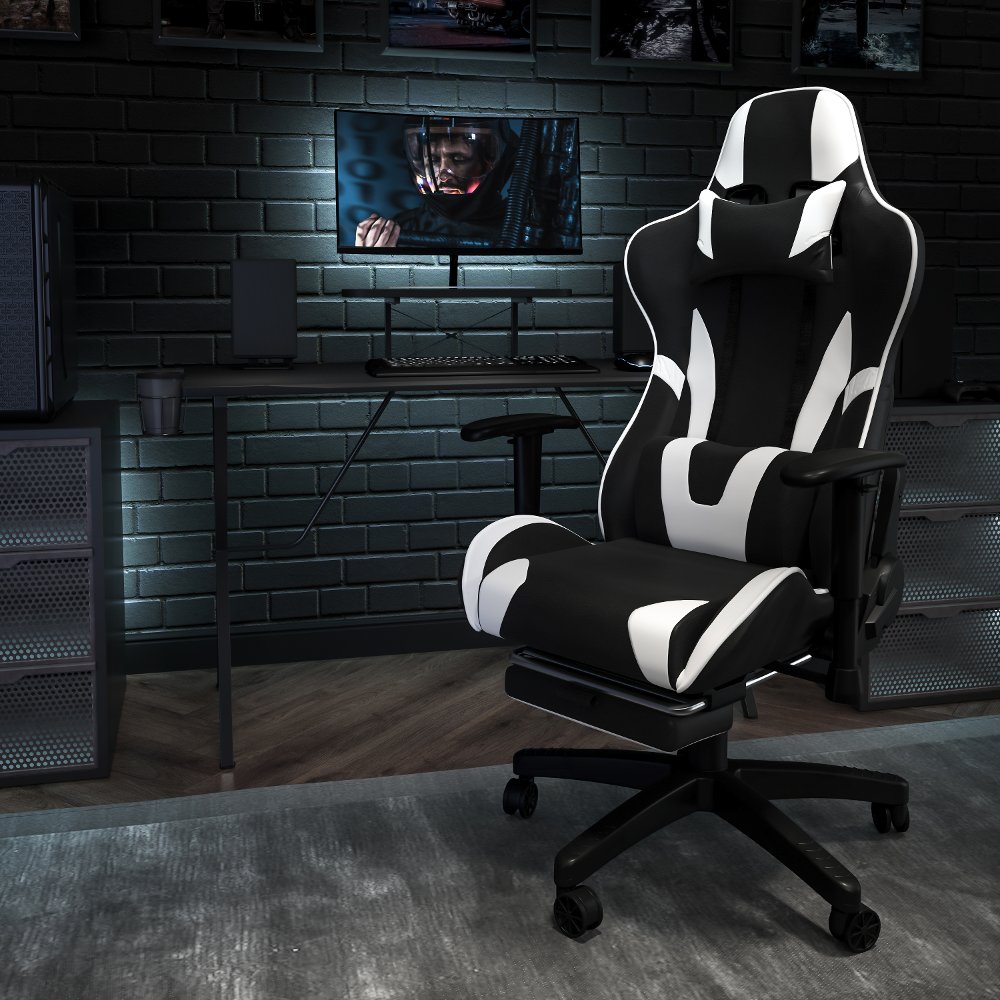
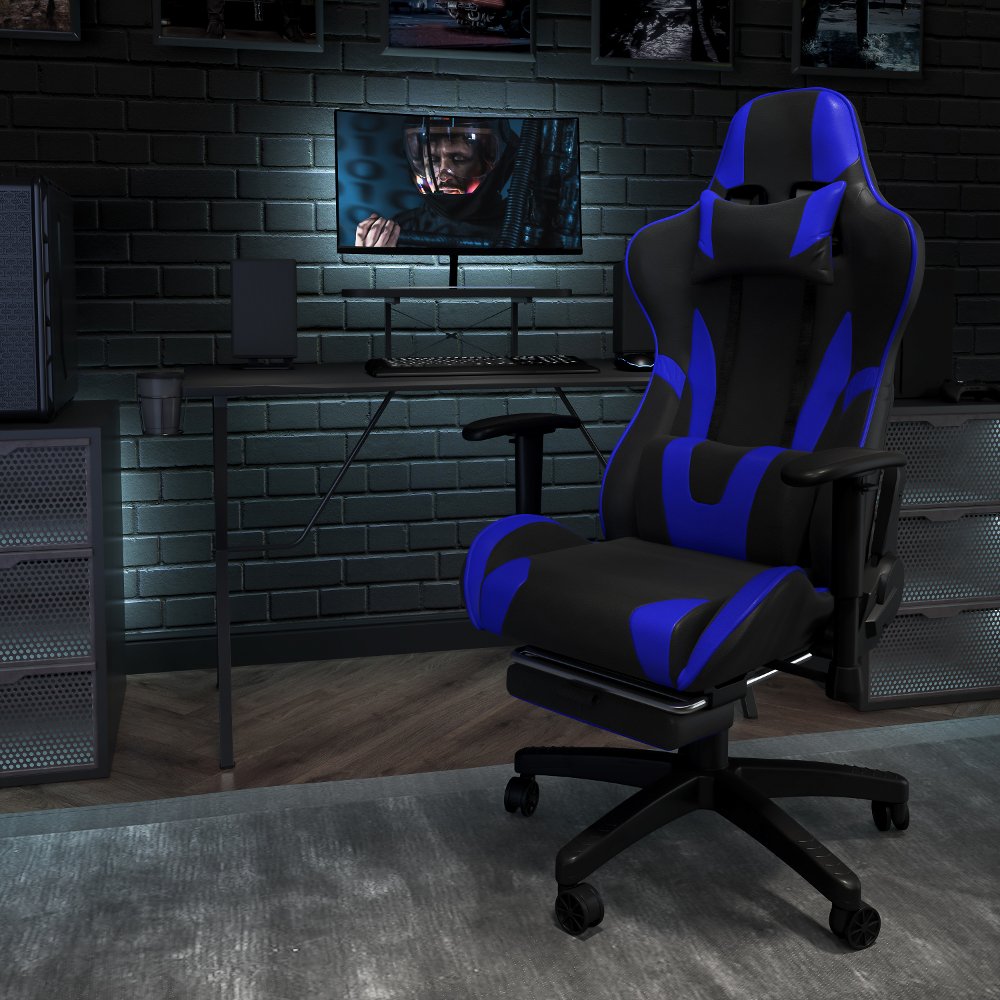
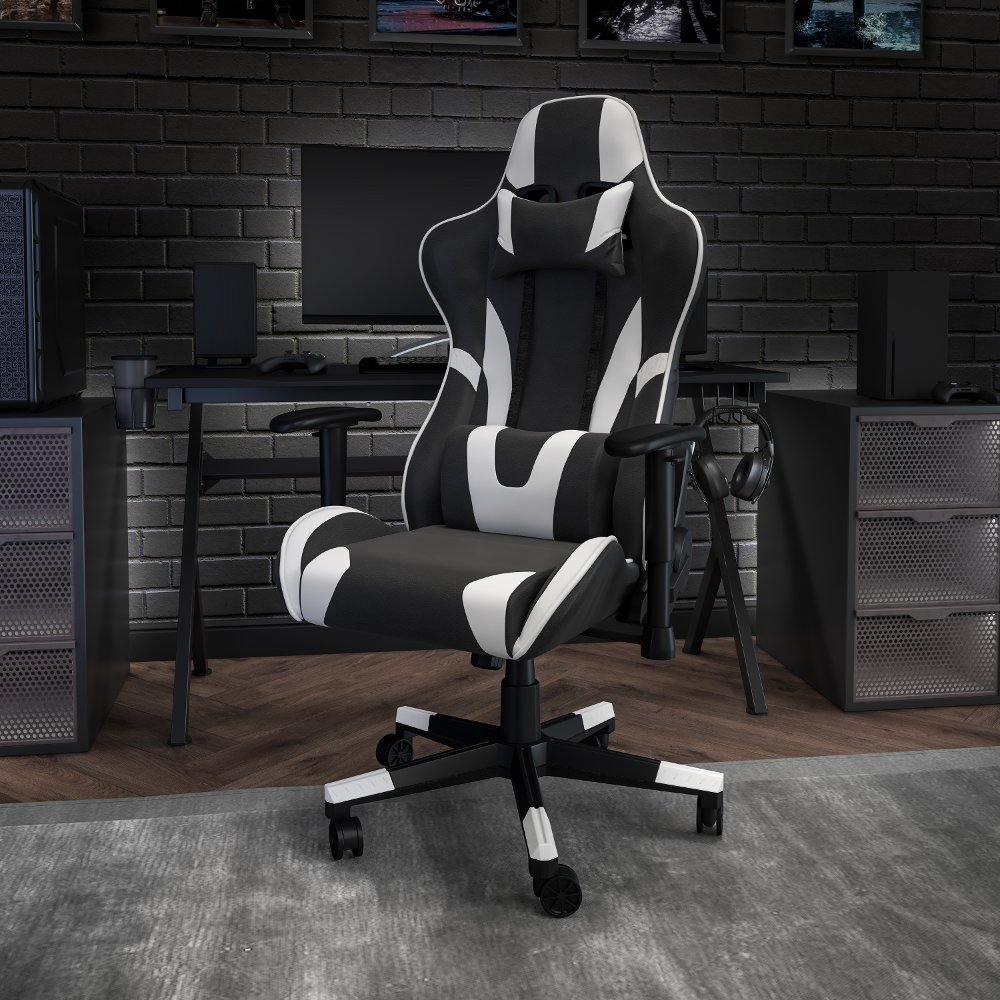
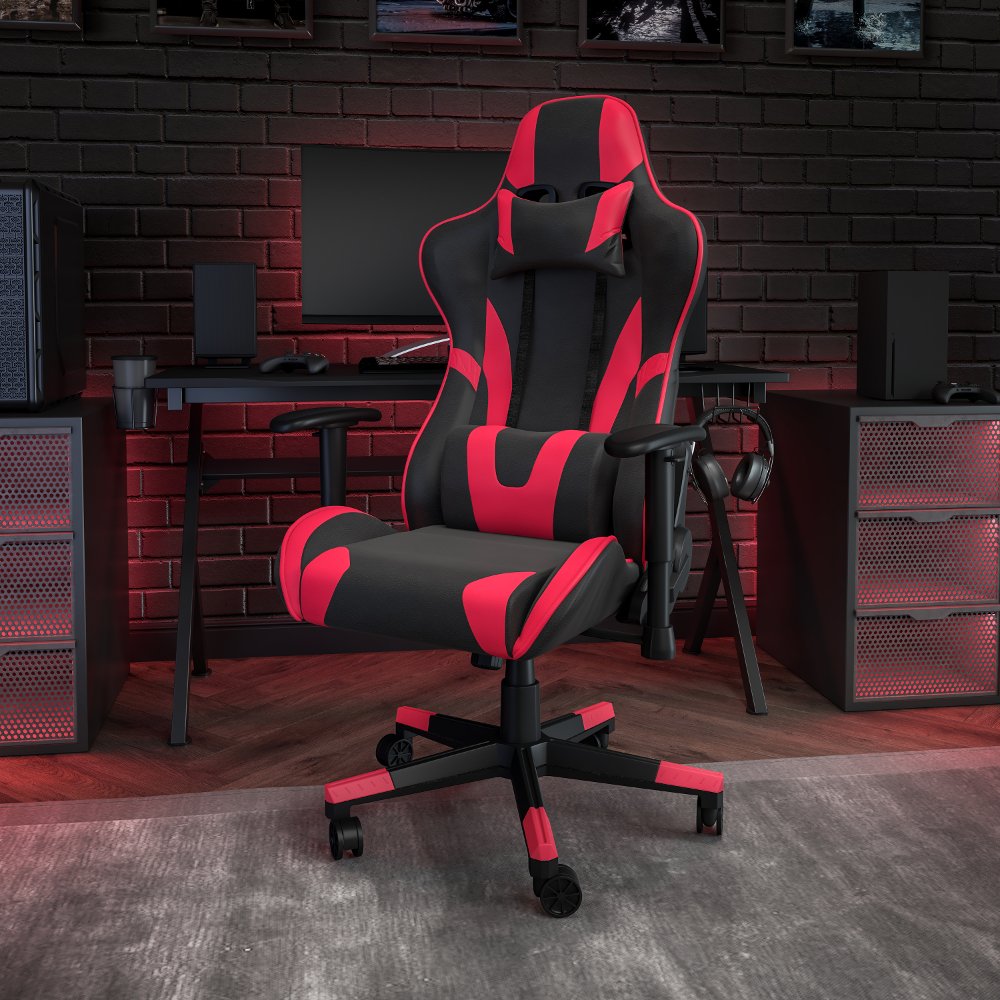
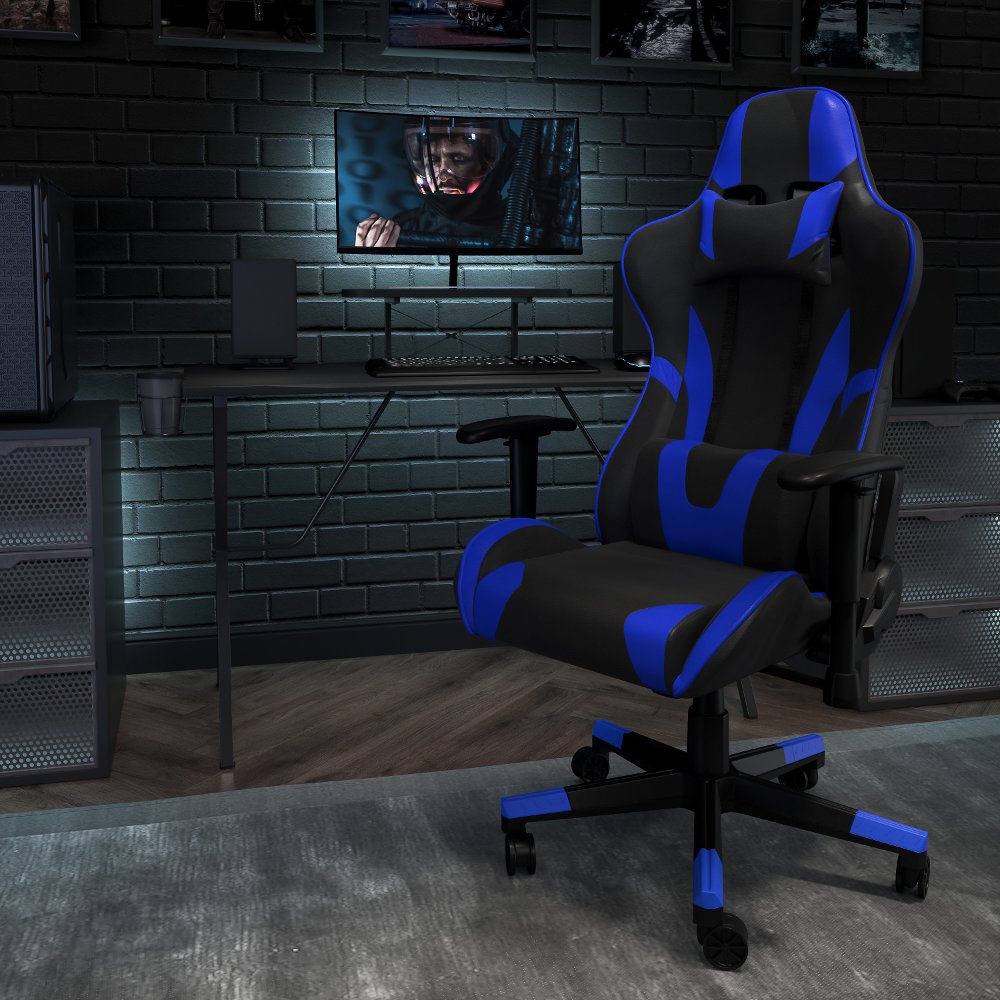
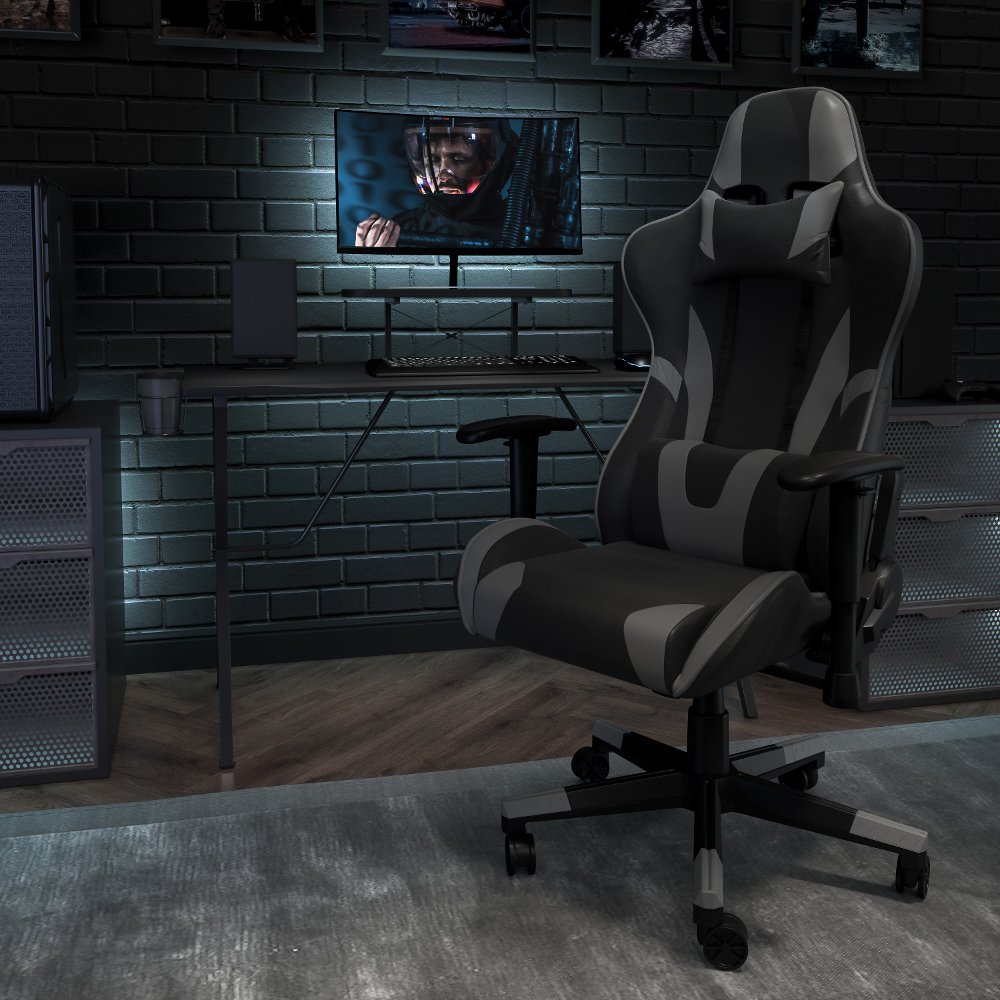
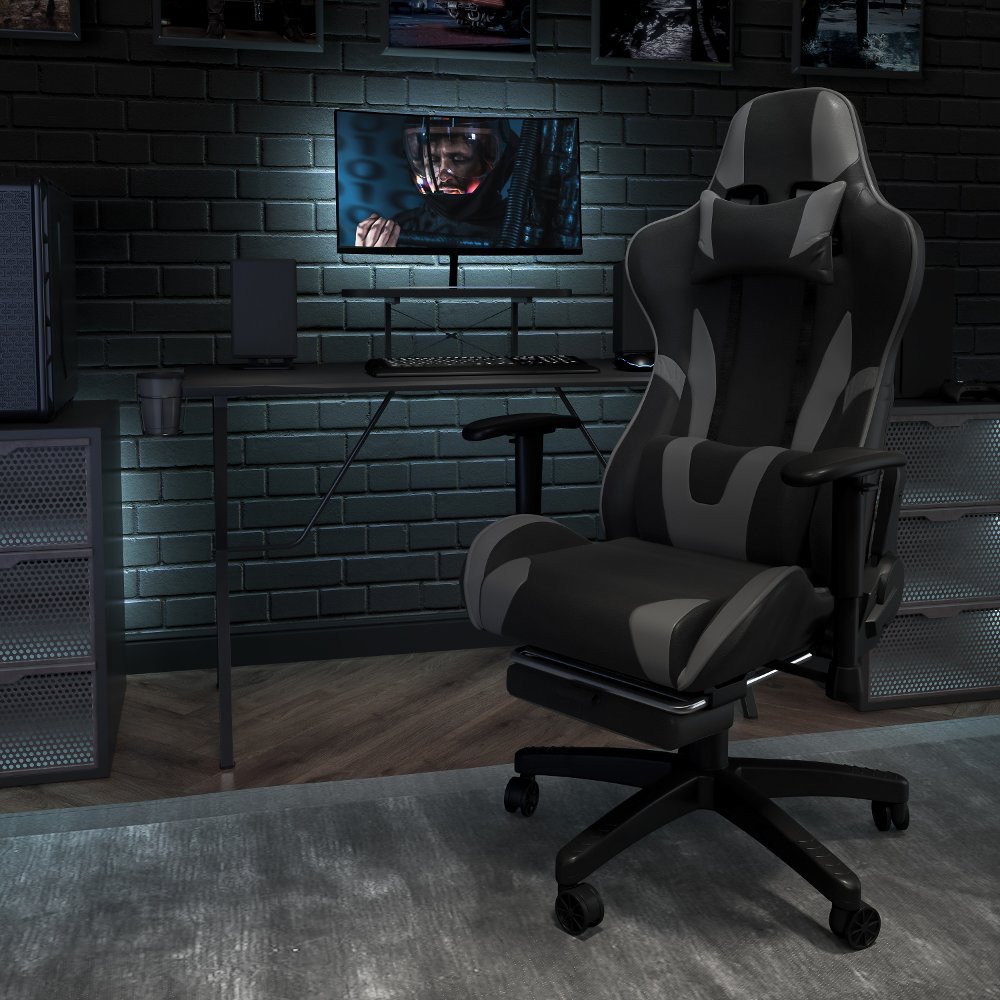
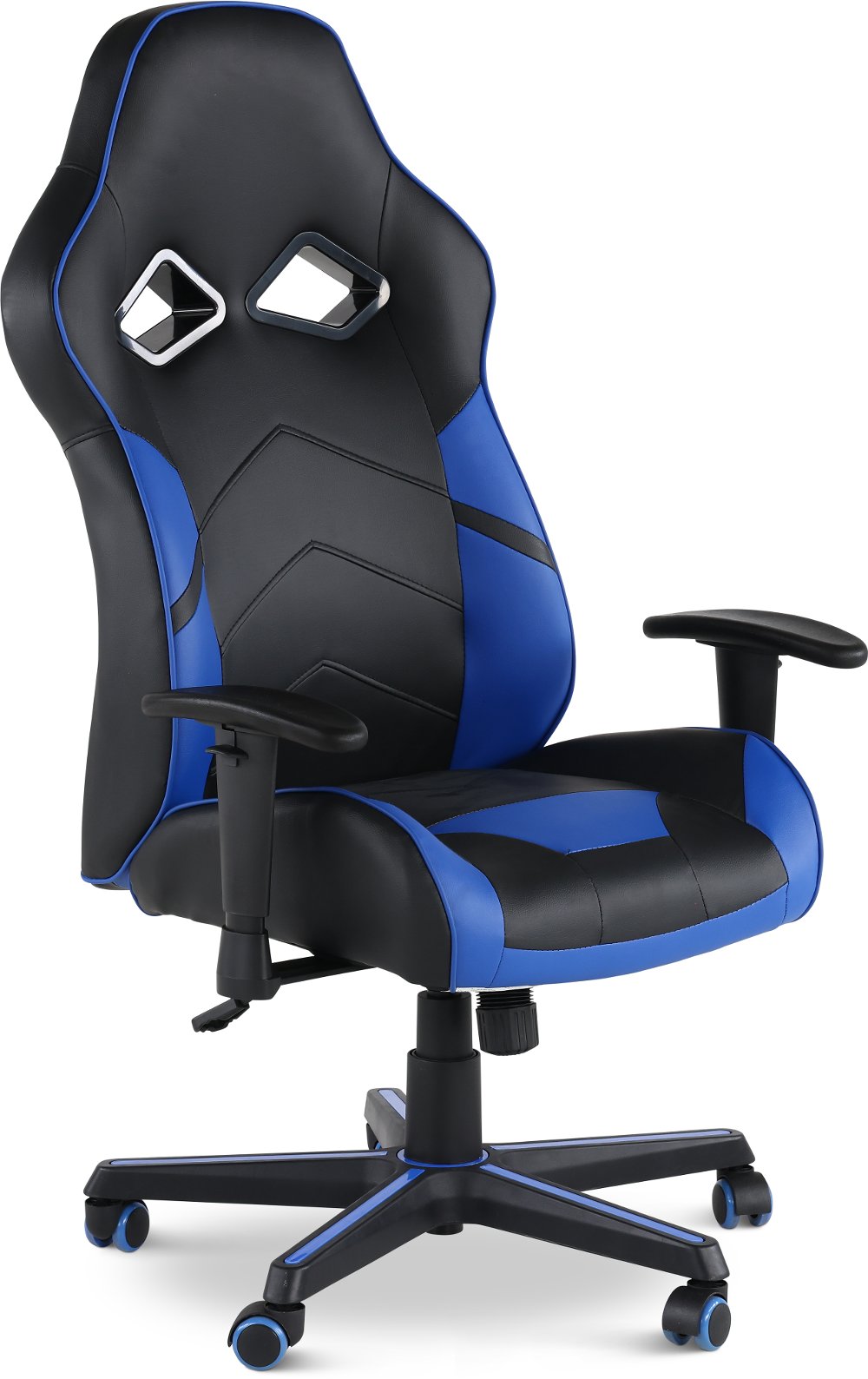
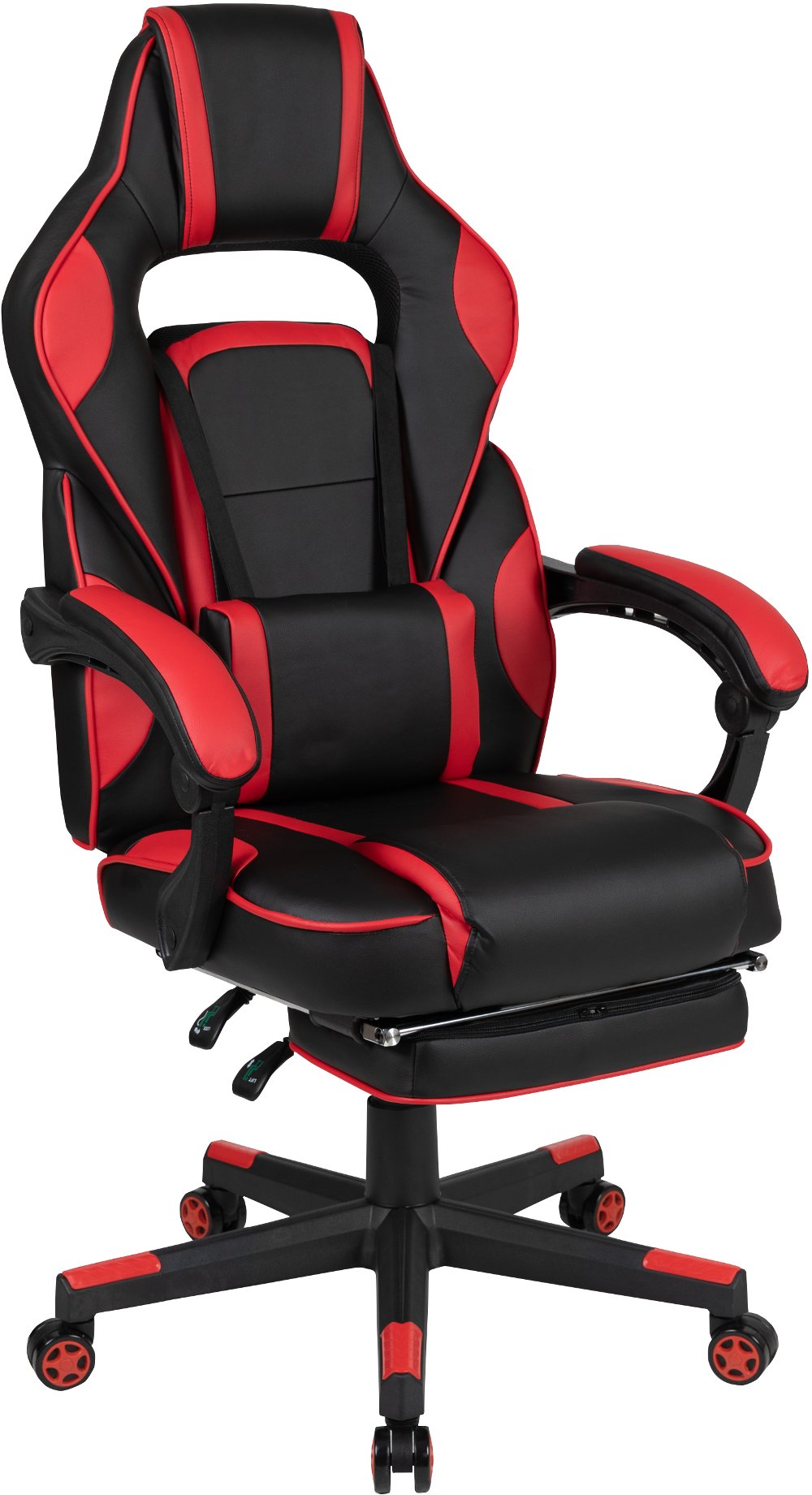
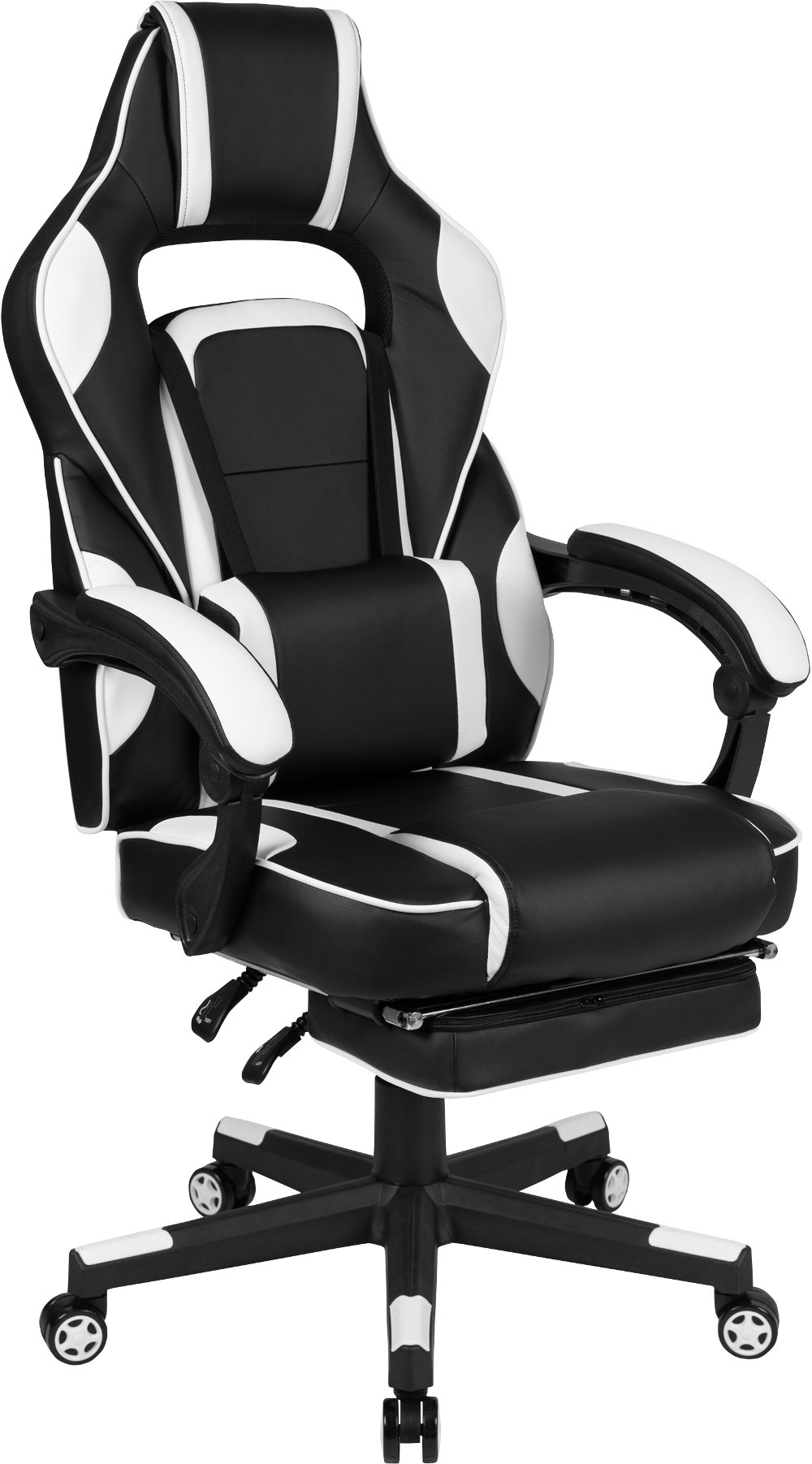
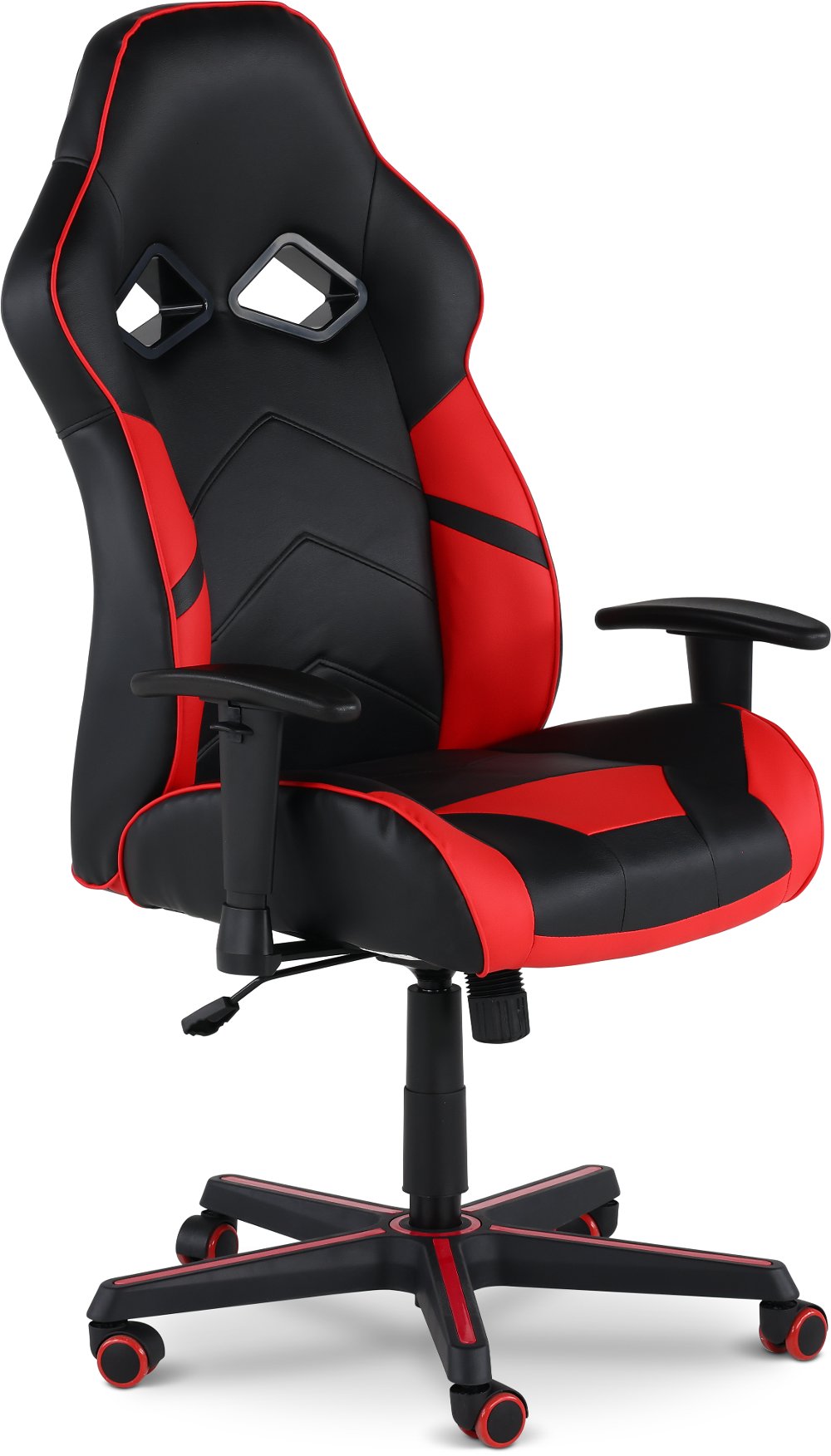
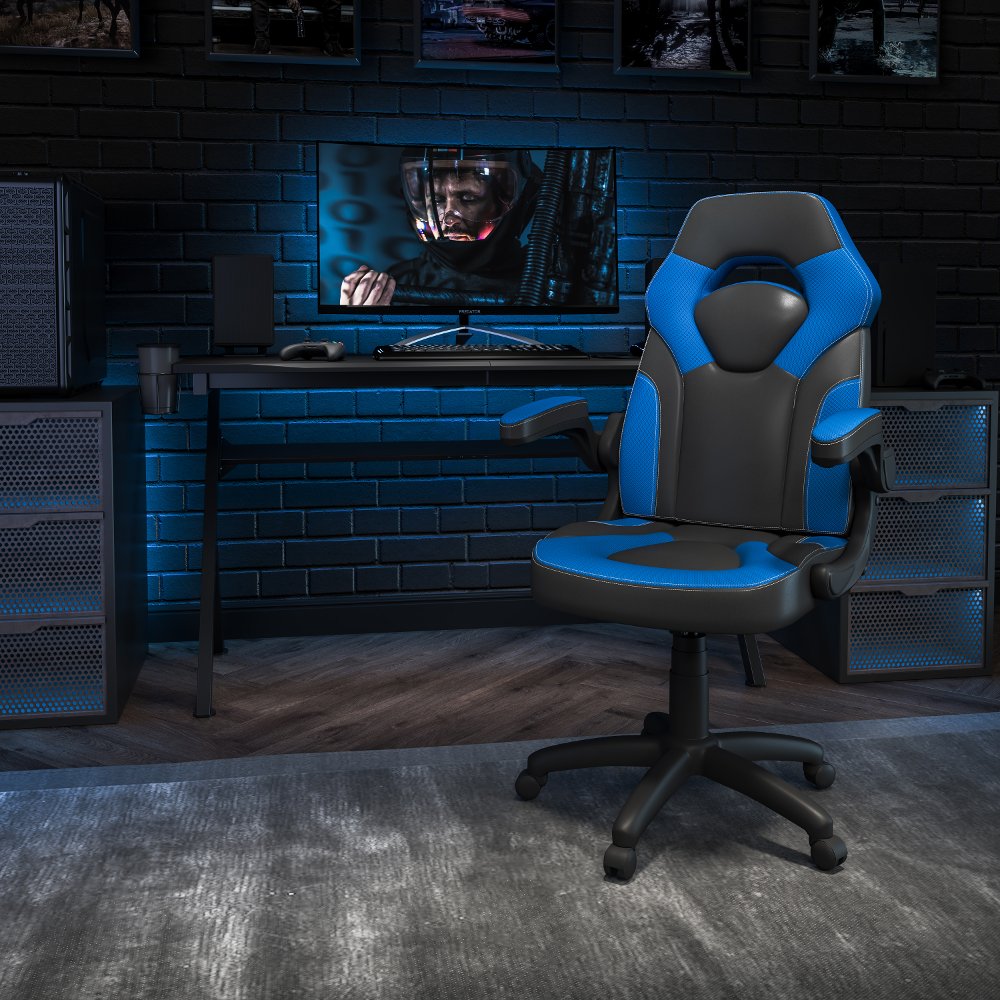
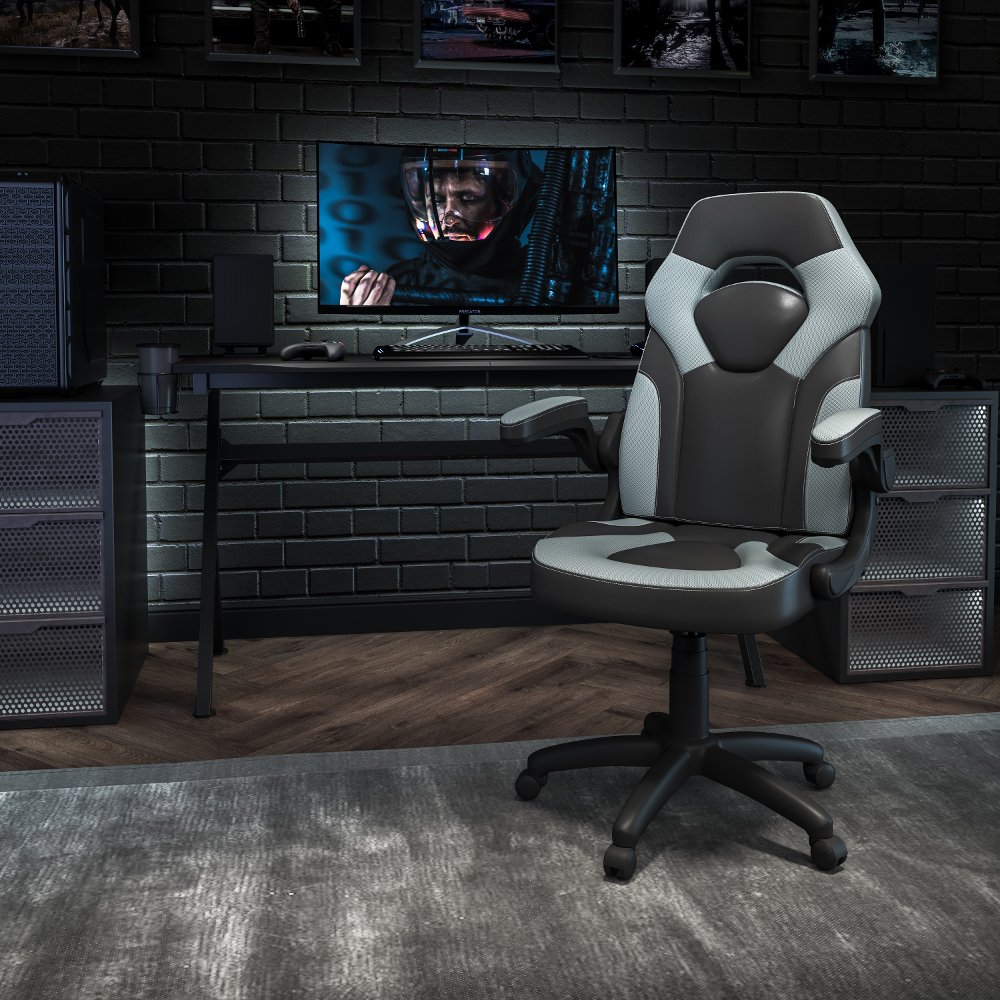
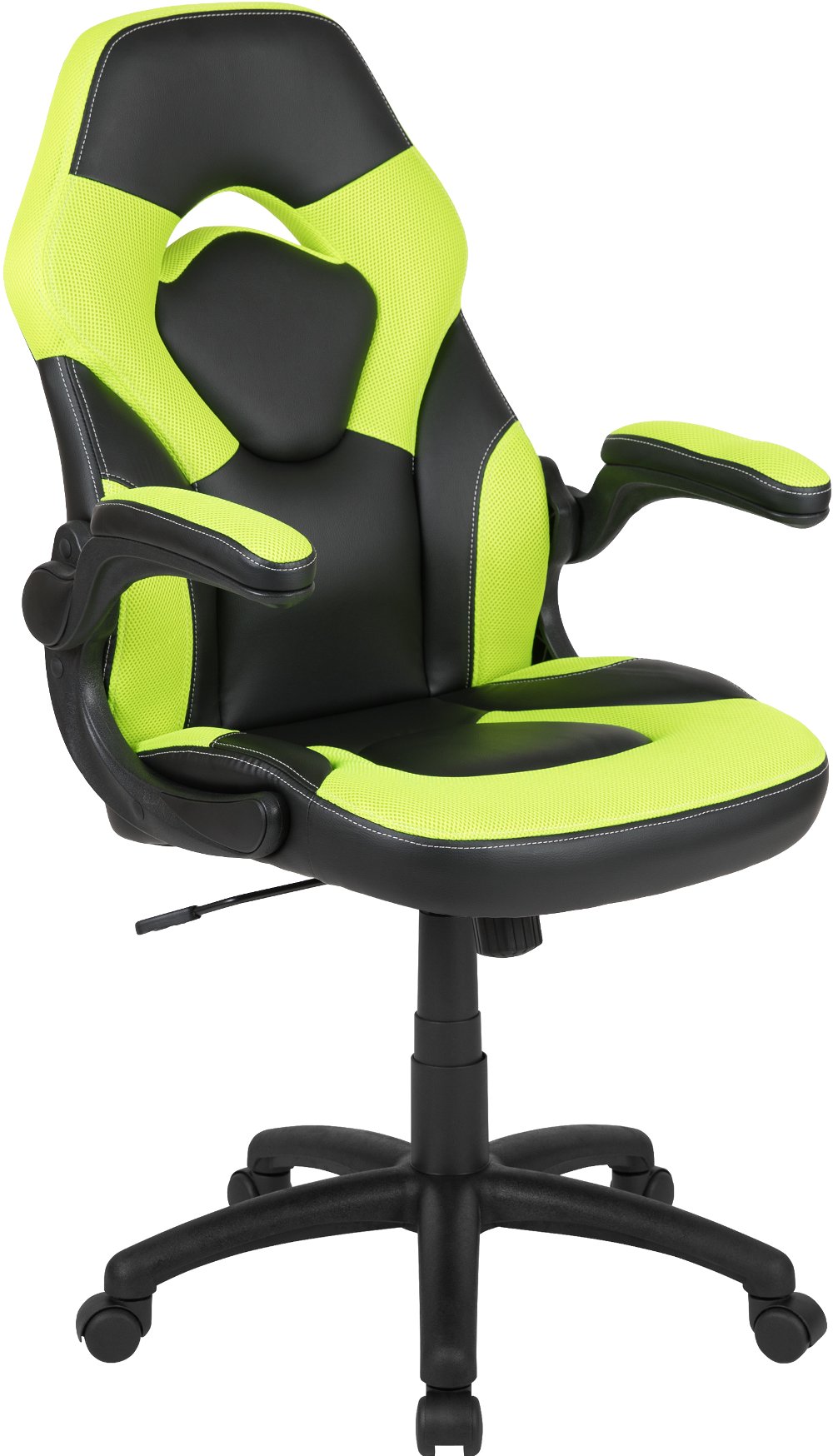
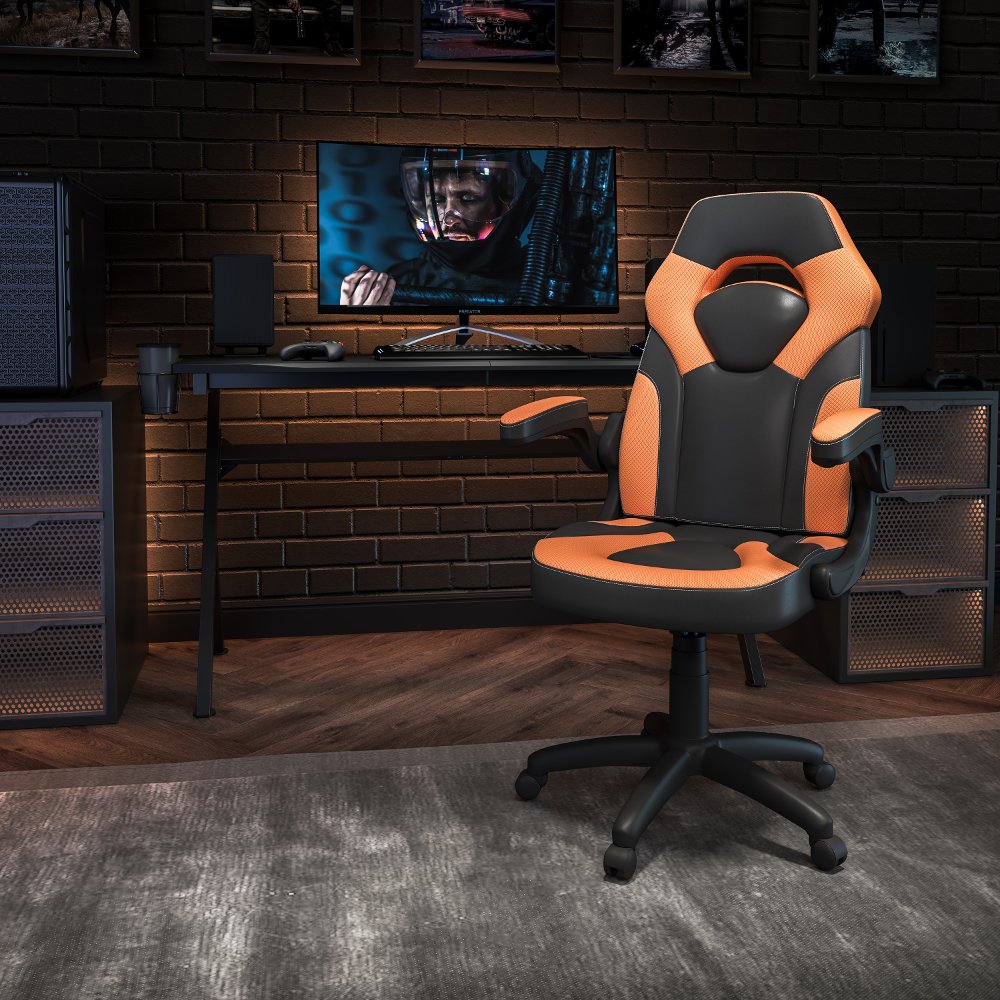
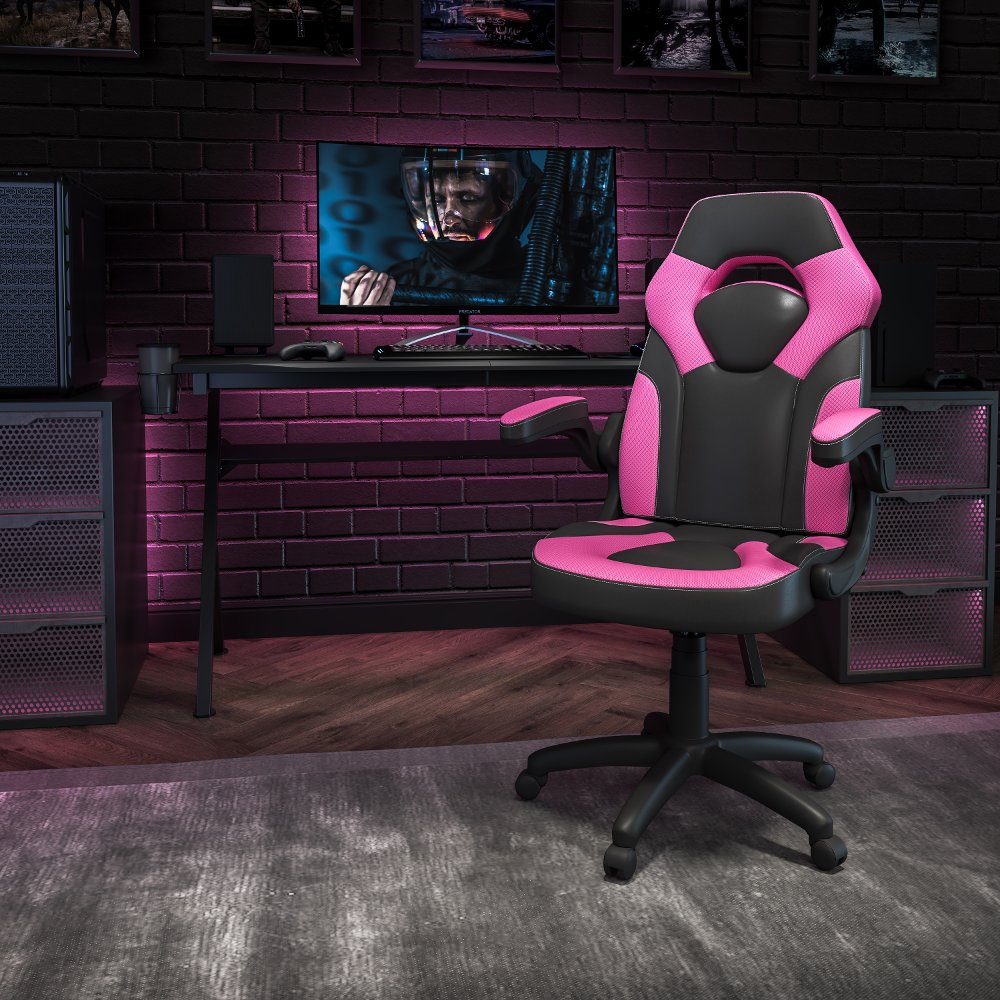
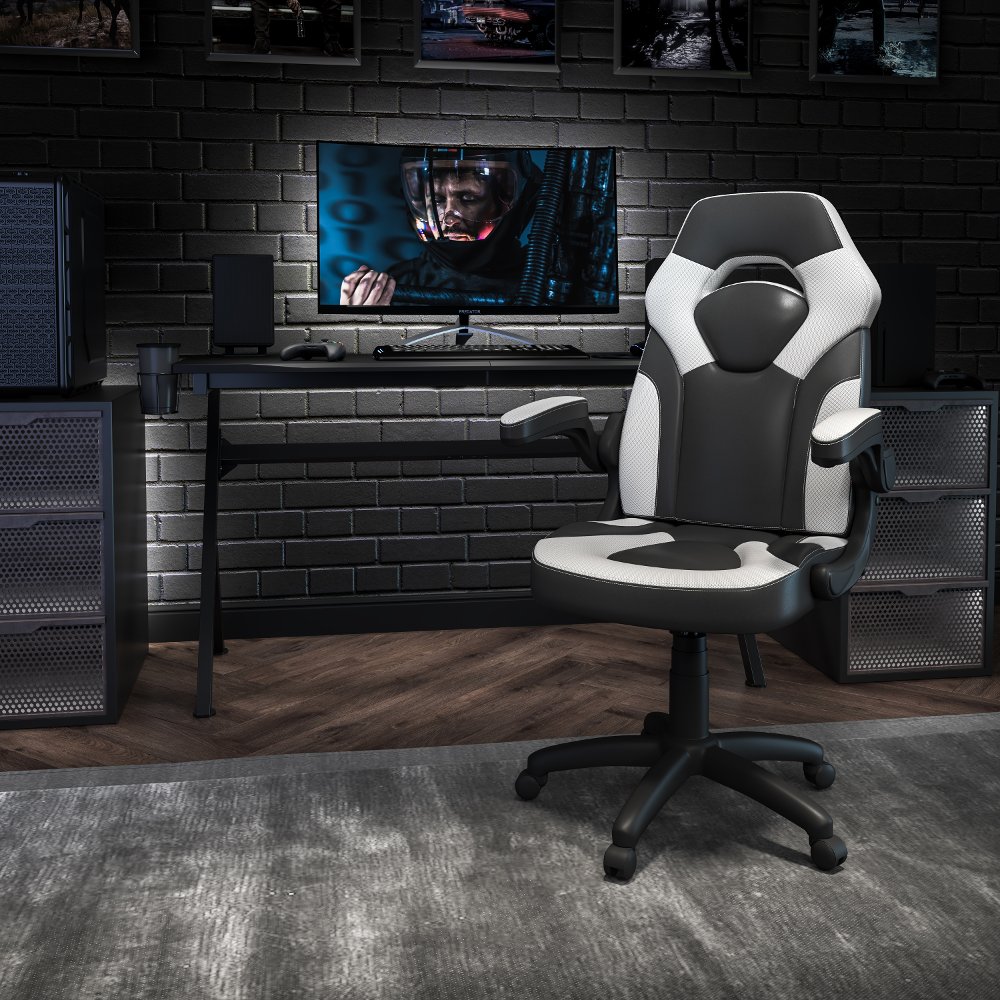
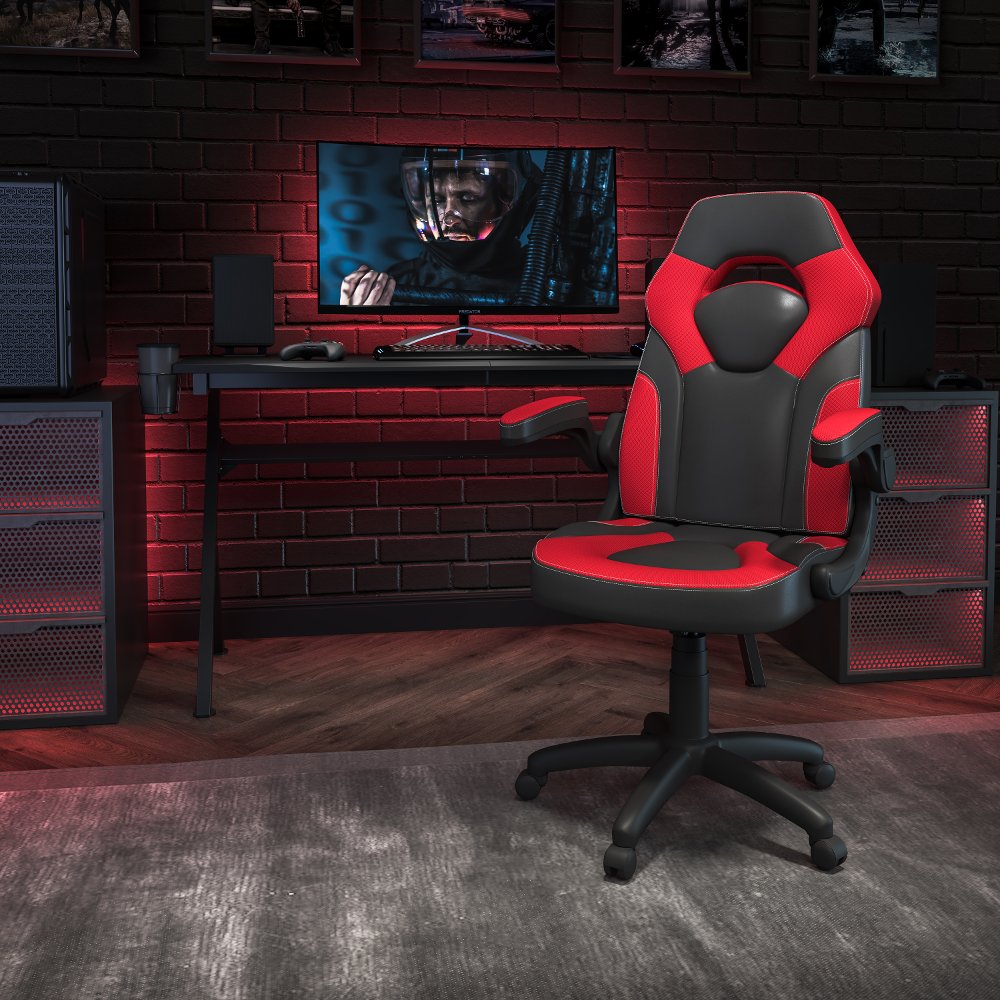
Gaming chairs for teens bring supportive seating and personal style to a space that often does double duty for homework and play. A chair that feels comfortable during an online match should also work when a teen switches to a research assignment, a drawing tablet, or a video call with classmates. The best fit depends on the teen’s proportions, the height of the work surface, and whether gaming happens at a desk or in front of a television. A tall backrest and bold shape may catch the eye, but seat dimensions matter more than an oversized silhouette. Smaller teens can feel lost in a deep adult-sized seat, especially if reaching the backrest leaves their feet hanging above the floor. A well-fitting desk chair allows feet to rest on the floor or a stable footrest, with enough clearance behind the knees to sit comfortably against the backrest. Adjustable seat height helps bring the chair into alignment with the desk, while armrests that move up or down can support relaxed shoulders without getting in the way of the keyboard. Armrest width and padding also deserve attention, particularly for a teen who uses a mouse frequently or rests their forearms while holding a controller. Lumbar support should meet the lower back comfortably rather than push the body forward; adjustable support or a movable cushion can make that fit easier to fine-tune. Published seat measurements, height ranges, and weight limits provide a more useful starting point than an age label alone. A chair with room for adjustment may accommodate growth, but buying something much too large can make everyday use awkward. For a shared bedroom or family gaming area, easy-to-reach controls make it simpler for different users to change the fit. Even a comfortable chair works best alongside regular movement breaks and a screen positioned so the teen can look ahead without hunching over or craning their neck.
Different gaming chair styles suit different ways of playing, and the room’s layout often makes the choice clearer. An adjustable desk gaming chair fits a computer setup where the keyboard, mouse, and monitor stay on a work surface. A floor gaming chair or rocker offers a lower, more relaxed position for console games viewed on a television, provided the screen height and viewing distance feel comfortable. Low seating generally isn’t a substitute for a desk chair when typing or writing at a standard-height desk. Swiveling seats can make it easier to turn between a monitor and a nearby shelf, while reclining backrests offer another sitting position when there’s enough space behind the chair. Reclining mechanisms and footrests need clearance, so their usefulness depends as much on the room as on the feature itself. Materials affect the everyday experience, too. Fabric upholstery can feel soft and inviting, although crumbs and dust may settle into its weave. Mesh sections allow airflow, while smooth synthetic upholstery is often easier to wipe after a small spill when cleaned according to the manufacturer’s directions. Genuine leather, when used, has its own care requirements and benefits from products intended for that finish. Padding should feel supportive without forcing the sitter into a fixed position, and raised side bolsters should leave enough room through the hips and shoulders. Durability comes from the whole construction: a stable base, securely attached armrests, dependable adjustment mechanisms, and upholstery suited to frequent use. Casters should be appropriate for the flooring, and a compatible chair mat can help protect the surface beneath a rolling chair. Style still matters in a teen’s room. A streamlined shape in a neutral color can blend with a study area, while contrasting panels or a brighter accent can give a gaming corner more personality. The most satisfying choice balances that visual appeal with a fit the teen will enjoy using every day.
A teen gaming chair needs to fit into real life, including backpacks beside the desk, charging cables along the wall, and the occasional friend pulling up a seat. Overall width matters in a compact bedroom, particularly when armrests need to slide beneath a desk or the chair shares space with a bed and dresser. There should be enough room to roll back, stand up, and reach storage without bumping furniture. A floor rocker needs its own clear area, and its size, weight, and any folding design affect how easily it can be moved when the space becomes a hangout or needs tidying. Built-in audio or lighting, where included, introduces another consideration: connection requirements. Compatibility with the gaming system, required cables or adapters, access to power, and the location of controls all affect how practical those features will be. They’re extras to evaluate after fit and intended use, rather than substitutes for comfortable seating. A coordinated setup can pair the chair with pieces that support studying, organization, and play; Gaming Equipment for Teens offers a related place to explore the wider setup. Keeping the chair in good condition is usually a matter of consistent, simple care. Removing crumbs with a suitable vacuum attachment, addressing spills promptly, and following upholstery-specific cleaning instructions helps preserve the finish without unnecessary scrubbing or soaking. Hardware and moving parts should be checked as directed by the manufacturer, especially on a chair that gets daily use. For parents, grandparents, or other gift givers, a gaming chair can be a thoughtful birthday or special-achievement gift because it becomes part of the teen’s everyday space. Knowing the recipient’s desk measurements, preferred colors, and typical way of playing makes the gift more personal and more useful. A teenager who splits time between assignments and computer games may value adjustable armrests most, while a console player may prefer low seating near the television. Comfort, manageable care, and a design that feels like their own make the chair more than a finishing touch.
Read More