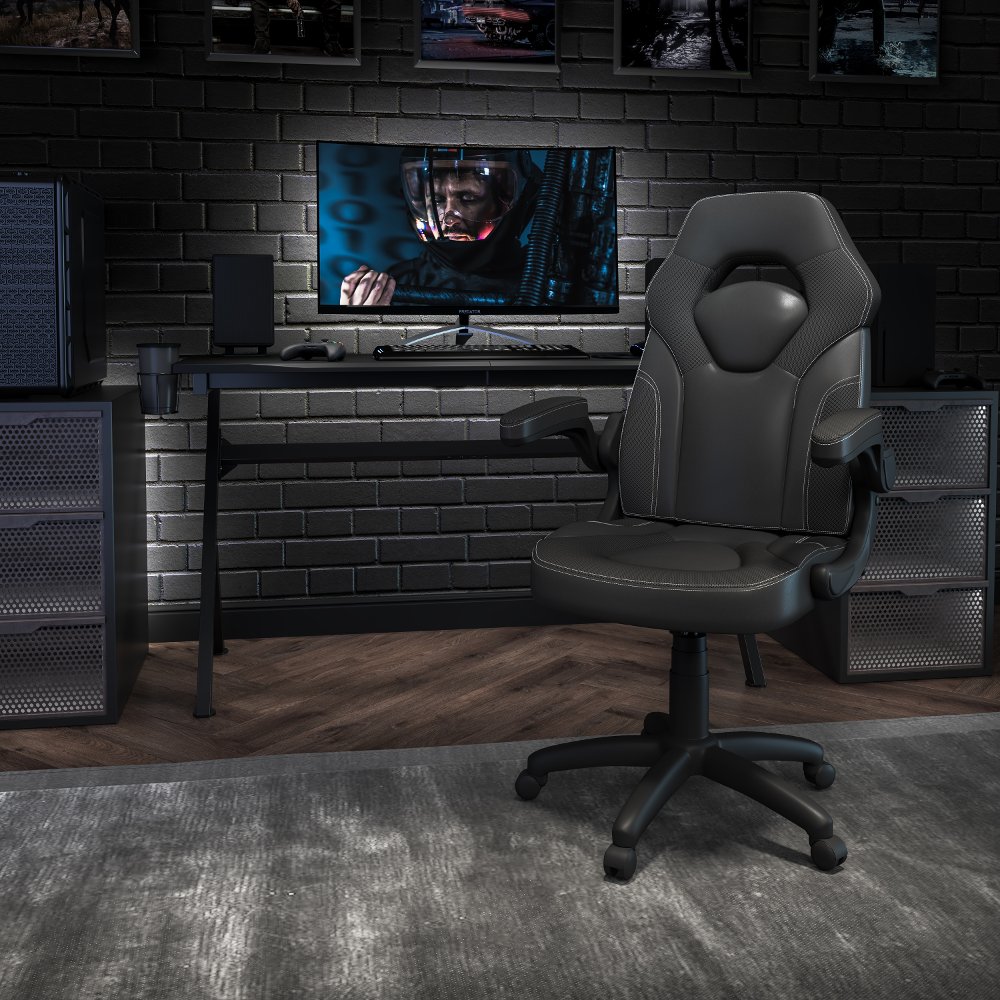
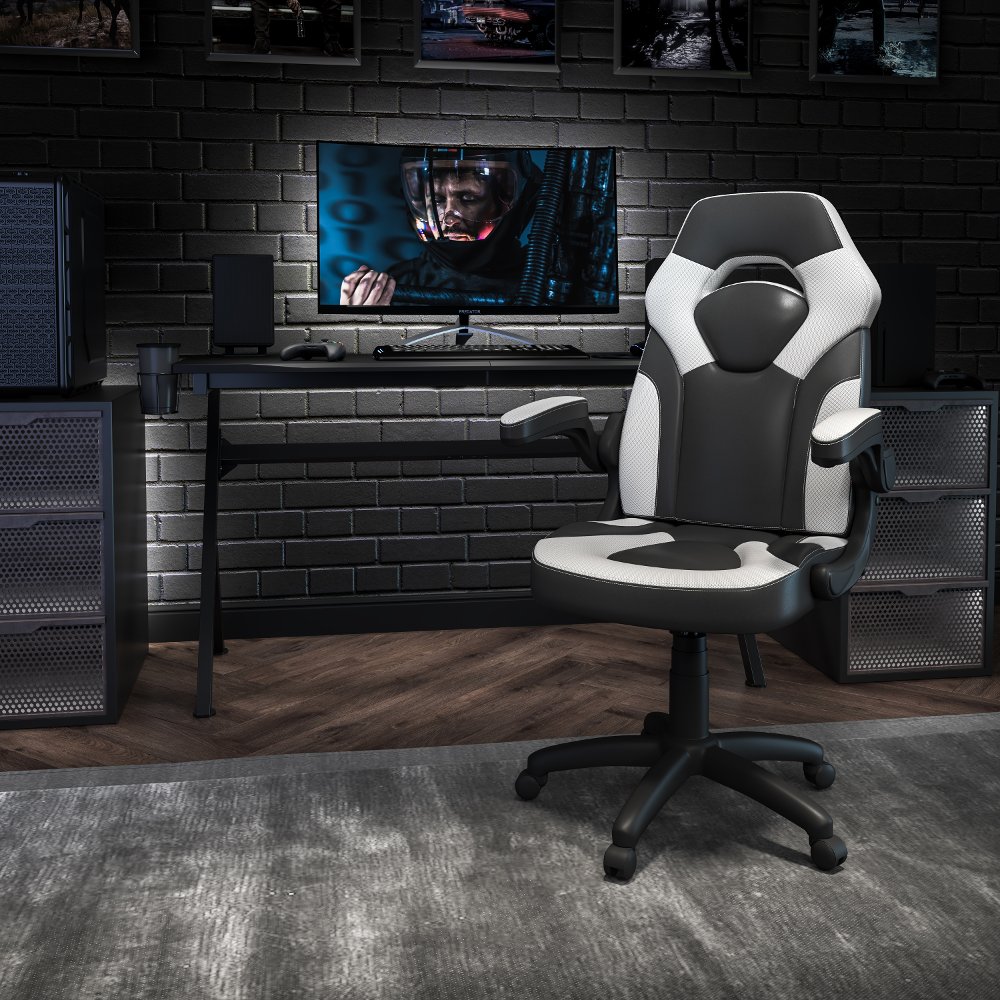
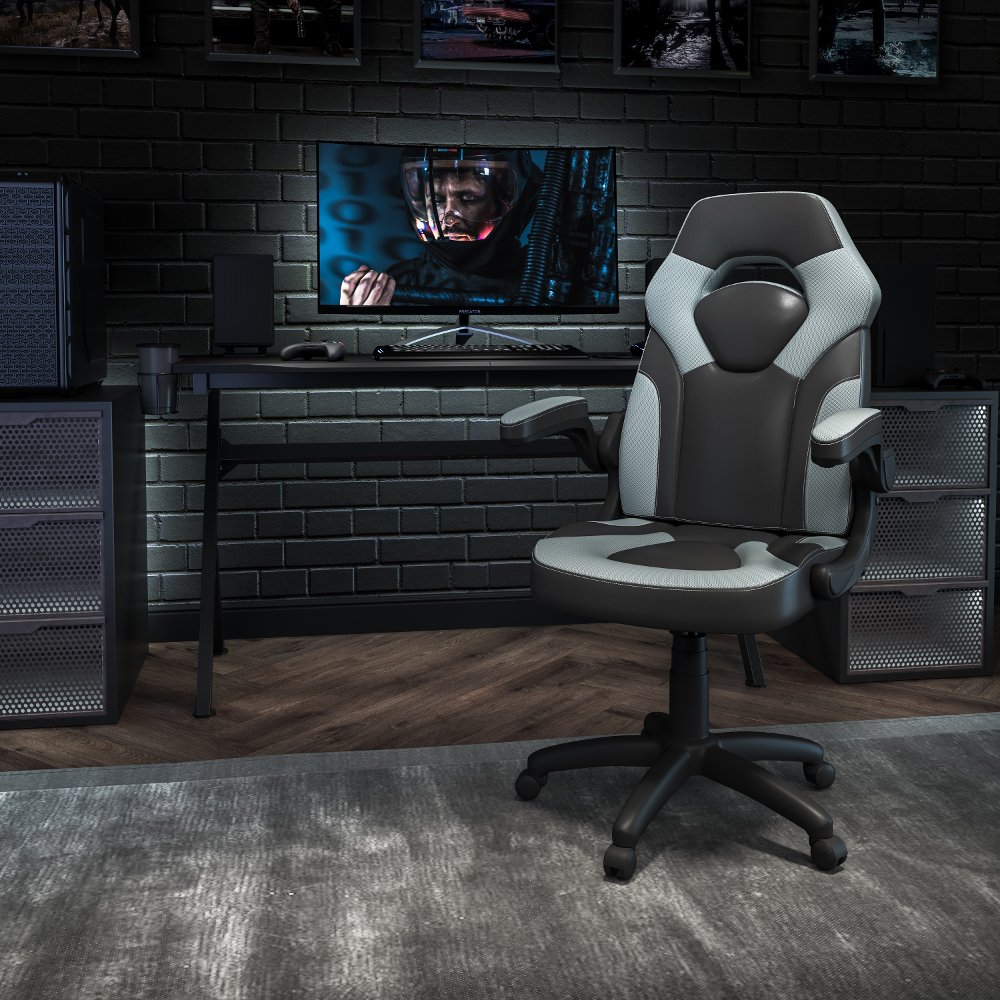
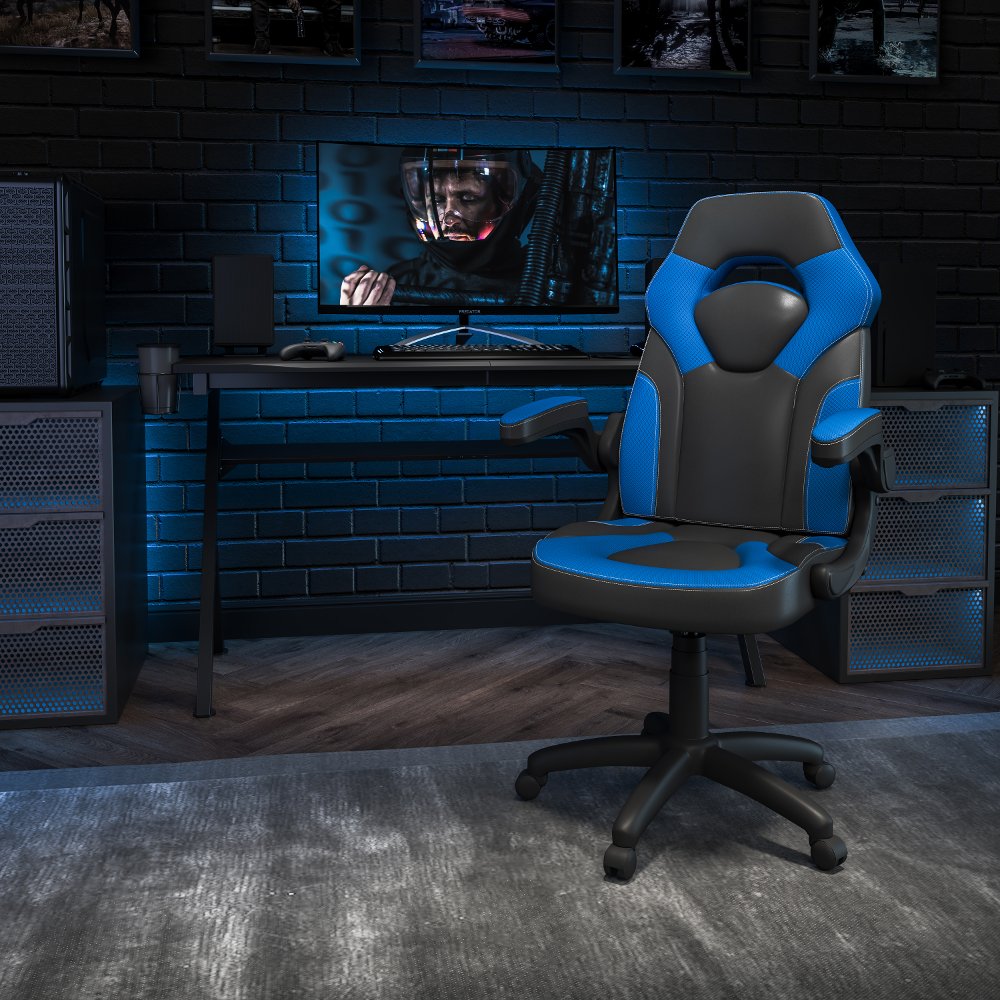
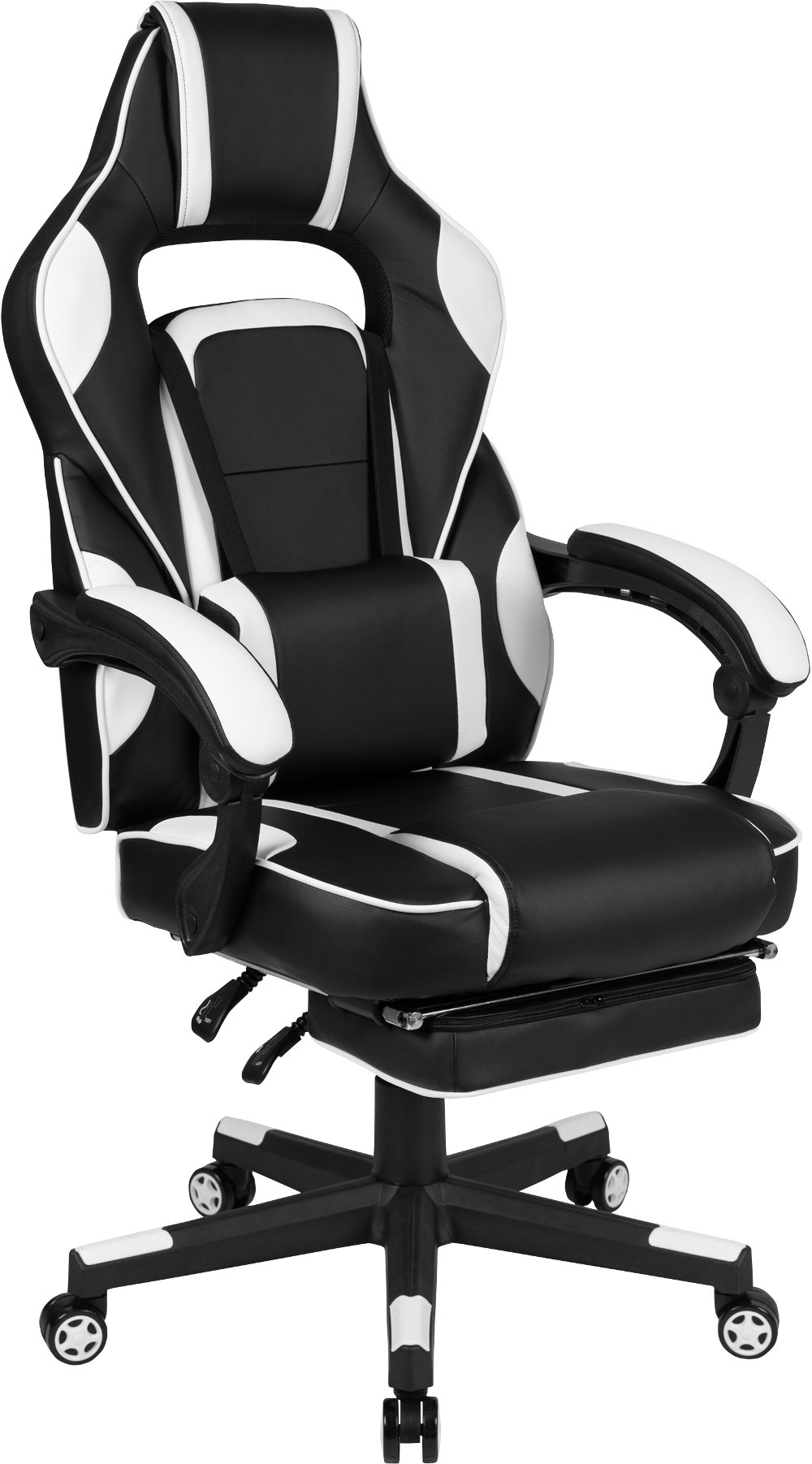
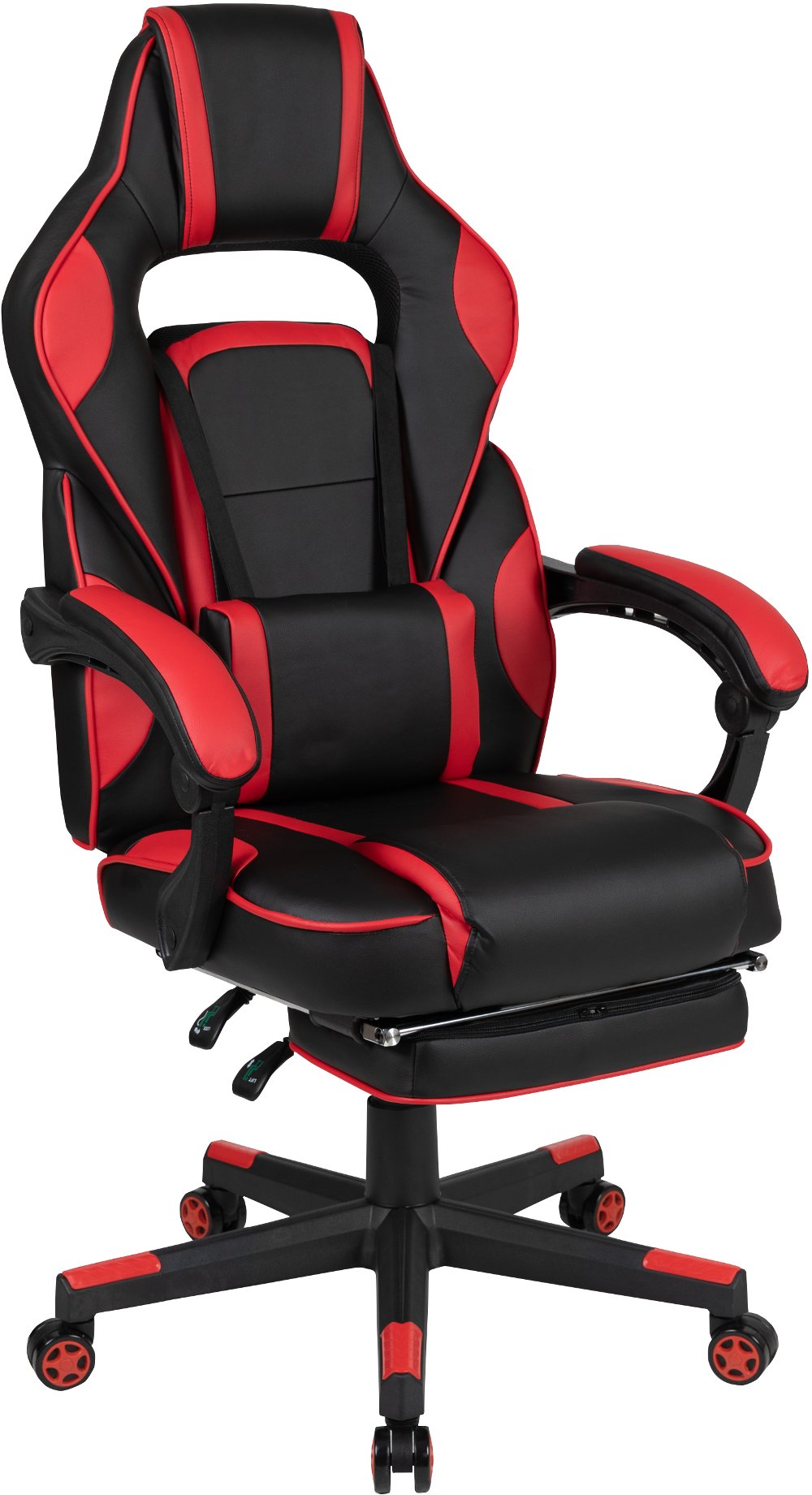
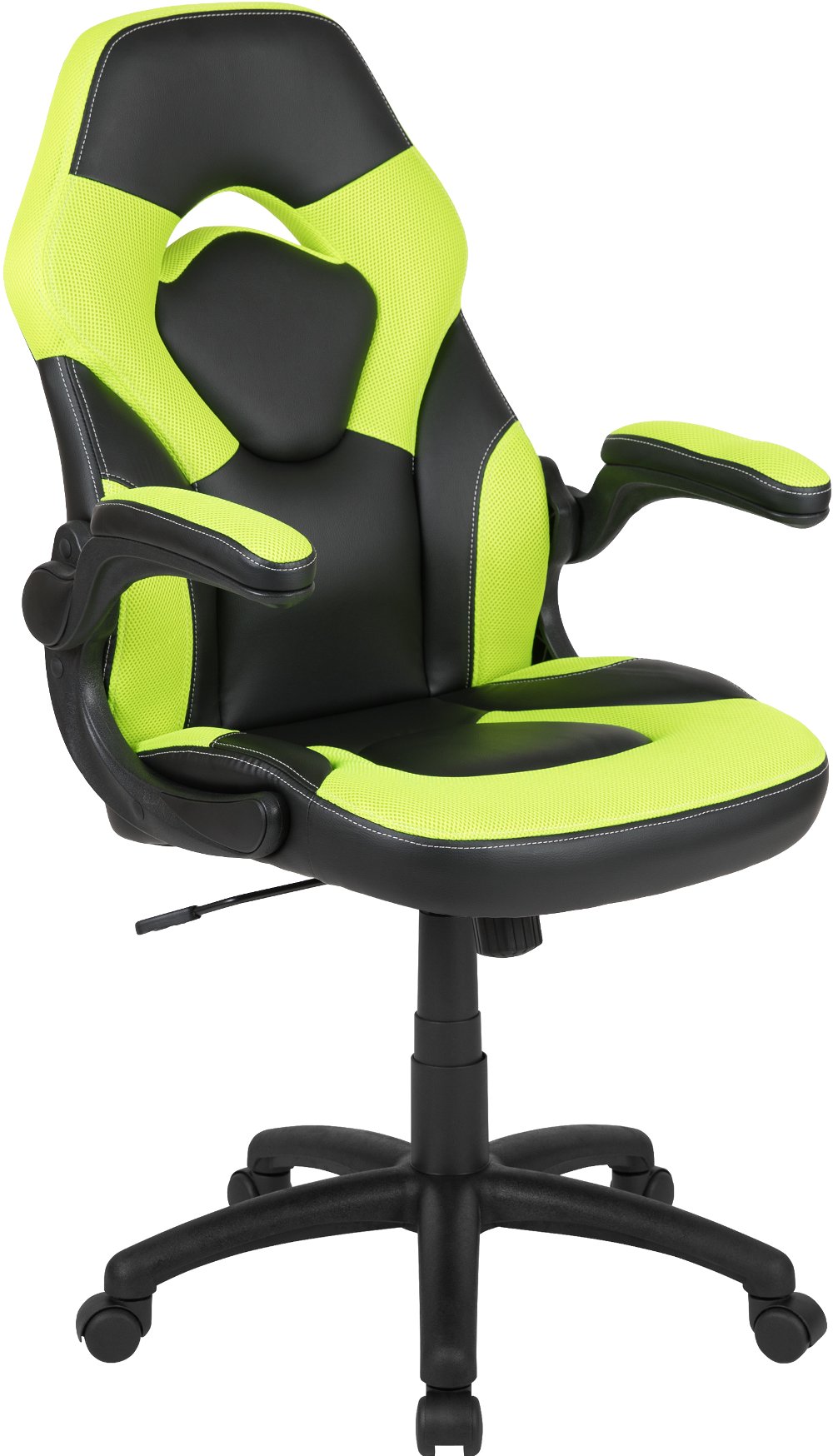
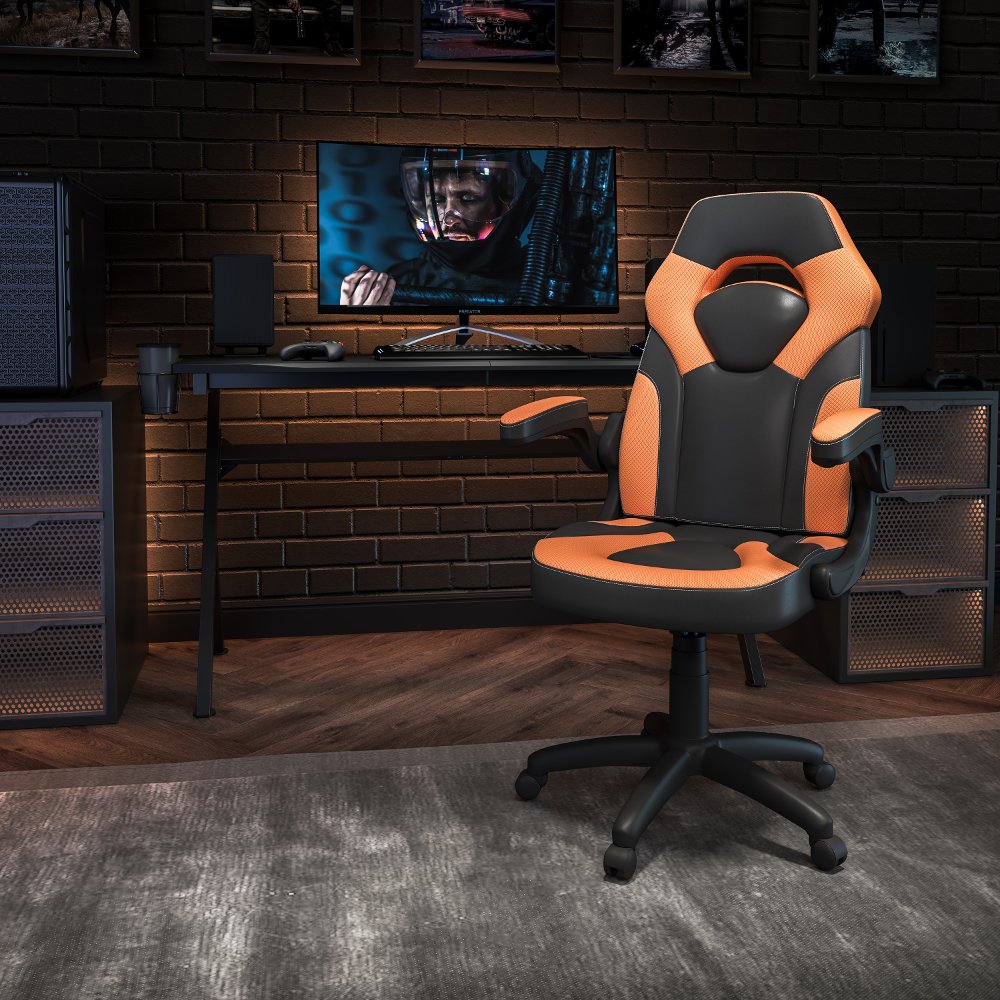
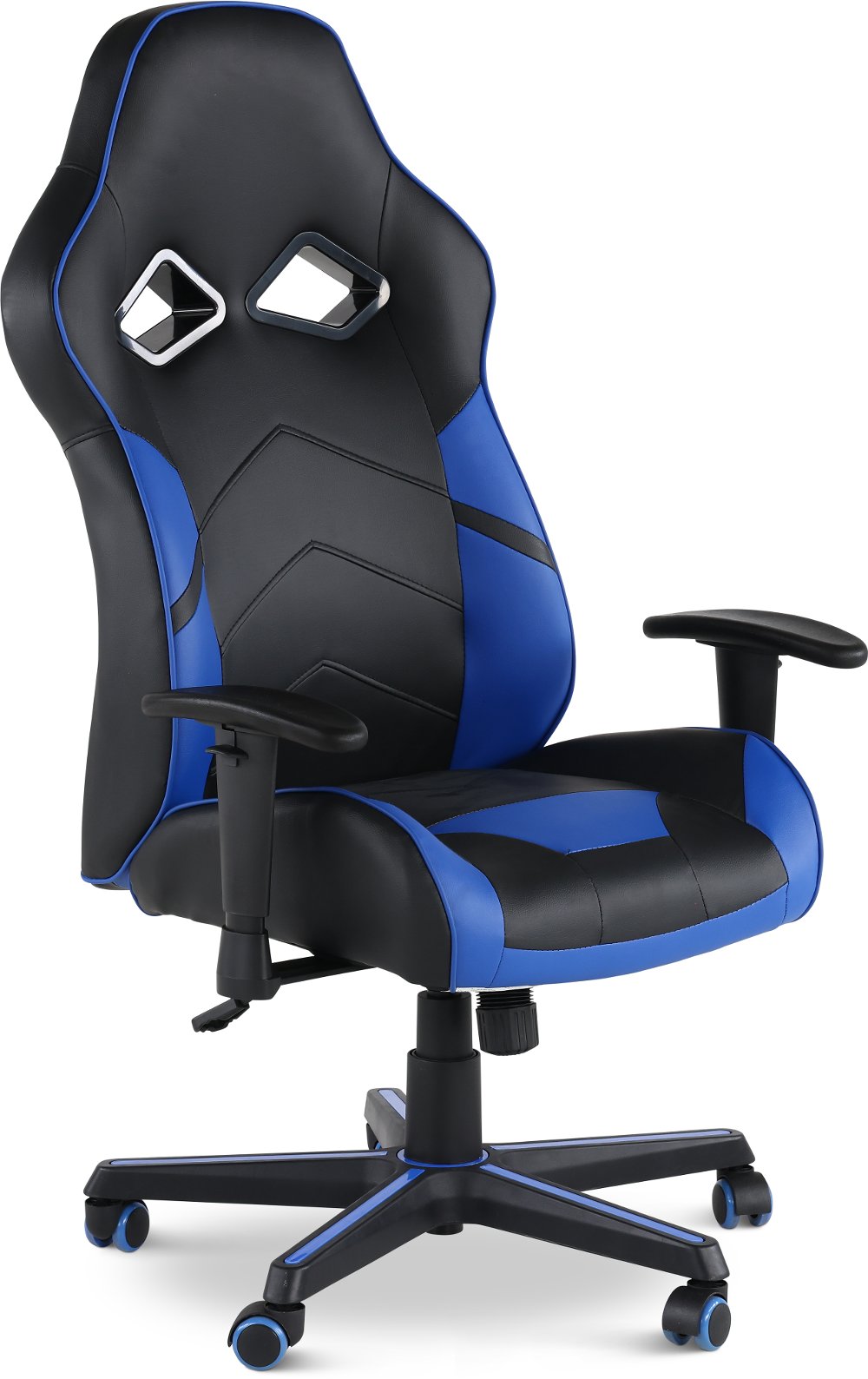
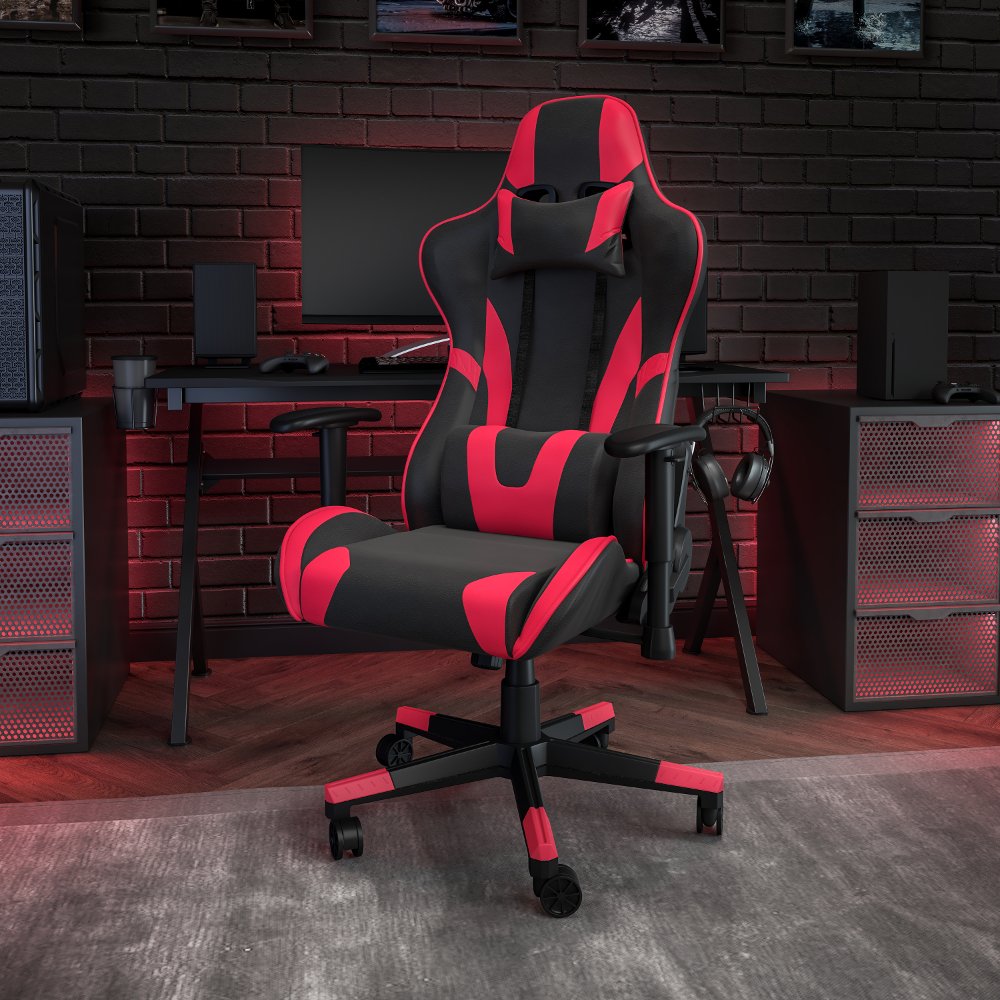
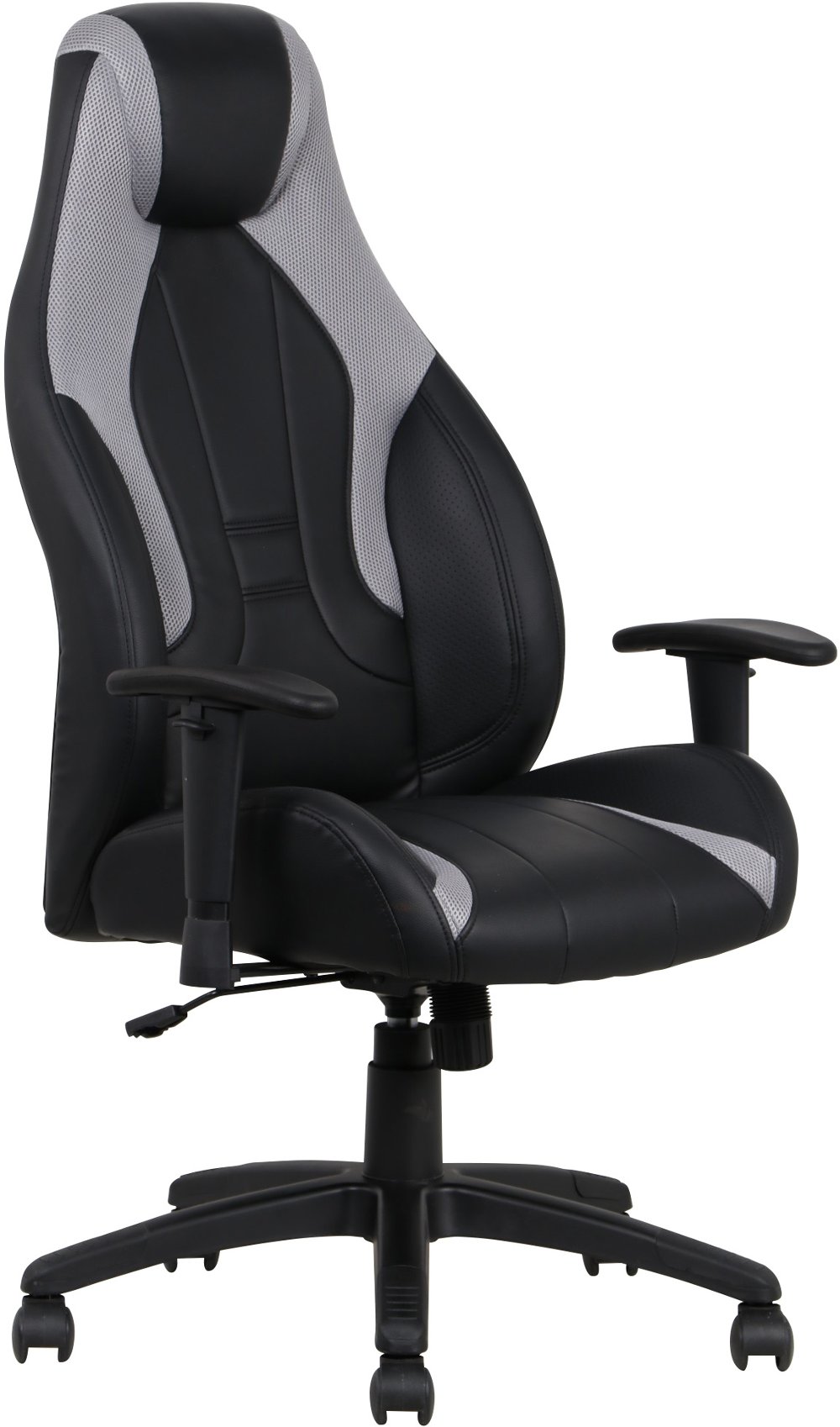
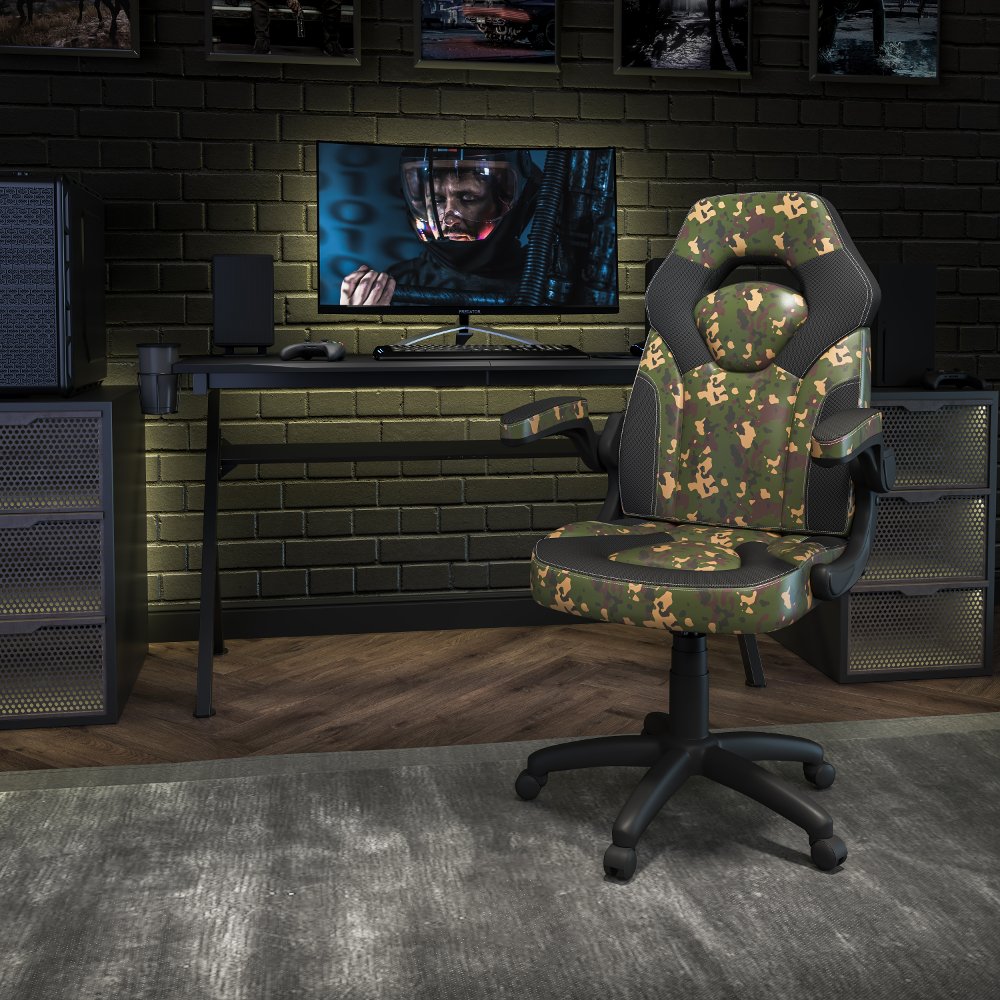
Gaming swivel chairs combine a rotating seat with features designed for playing at a desk, relaxing with a controller, or moving between screens. Many offer 360-degree rotation, letting you turn toward a teammate, reach a nearby shelf, or shift from a monitor to a television without dragging the chair across the floor. The main styles include rolling desk chairs, low-profile swivel rockers, and pedestal gaming recliners. Desk-style gaming chairs typically have a caster base, adjustable seat height, and a supportive backrest, making them a practical fit for PC gaming and spaces that double as home offices. Low-profile swivel chairs sit closer to the floor and suit console setups where the television is positioned at a comfortable viewing height. Some combine rotation with a rocking motion, while others use a stationary pedestal that swivels without rolling. Gaming recliners offer more of an armchair feel, sometimes with padded arms and an integrated footrest for controller-based play. These differences matter more than a racing-inspired silhouette: a low lounge chair can feel comfortable in front of a television but leave you reaching upward at a standard desk. For desk use, a suitable seat height lets your feet rest flat on the floor or a footrest while your forearms meet the desktop without raised shoulders. Seat width and depth also shape the fit. There should be room to settle back comfortably without the front edge pressing behind your knees, and pronounced side bolsters shouldn’t crowd your hips or thighs. An adjustable backrest, lumbar support, and movable armrests can help tailor the chair to your proportions, though the range of adjustment varies. A tall back alone doesn’t guarantee a comfortable fit; the placement of the headrest and lower-back support matters, too. For a shared gaming station, adjustable features make it easier for different players to find a position that works. Even a well-fitted chair works best alongside regular breaks and changes in posture.
Materials give swivel gaming chairs much of their character, from the smooth finish of leather-look upholstery to the softer texture of woven fabric. Genuine leather can develop creasing and character with use, while synthetic leather offers a similar visual effect with its own care requirements. Terms such as polyurethane and vinyl describe different synthetic coverings, so the upholstery description is worth checking rather than assuming all leather-look surfaces behave alike. Fabric upholstery offers a broad range of textures and can feel less slick against clothing, although crumbs, dust, and pet hair may settle into the weave. Mesh panels allow airflow where they’re used, but a mesh back won’t necessarily change the feel of a heavily padded seat. Cushioning matters just as much as the cover. Thick padding can feel inviting at first, yet thickness alone doesn’t show how well a seat will hold its shape; foam quality, underlying support, and construction all contribute to lasting comfort. A slightly firmer seat may feel more consistent during a session that moves from keyboard work to controller play. Durability also depends on the parts you use repeatedly: the swivel mechanism, height adjustment, recline controls, armrest mounts, and base all handle movement throughout the day. Published weight capacities and dimensions provide a more reliable starting point than labels such as “oversized” or “heavy-duty,” and the chair’s stated limits should suit its intended user. Care is usually straightforward when it follows the upholstery instructions. Vacuum fabric seams with a suitable attachment, blot spills promptly, and use only cleaners approved for the covering. Harsh solvents and abrasive scrubbing can damage finishes, while leather may require a compatible conditioner if the manufacturer recommends it. Hair and debris can collect around casters and interfere with rolling, so keeping those areas clear helps preserve smooth movement. Checking fasteners periodically, as directed in the assembly instructions, can also help keep the chair steady. Armrests aren’t steps or lifting handles unless they’re specifically designed for that purpose.
The right gaming swivel chair also needs to work with the room around it. A rolling base makes sense when you move between a keyboard, a second monitor, and a storage drawer, while a pedestal base keeps the seating position more contained in a console corner. Neither style eliminates the need for clearance. The backrest needs space to recline, a footrest needs room to extend, and the seat should rotate without the arms hitting a desk or side table. Measure the chair’s overall width rather than relying on seat width alone, especially when it needs to tuck beneath a desktop. Armrest height can determine whether that last few inches of floor space stays open. Casters should suit the flooring, and a compatible chair mat may help protect the surface or improve rolling on carpet. In a multipurpose room, upholstery and shape can help gaming furniture sit comfortably alongside a sofa, bookcase, or work desk. For a neutral look, black gaming chairs pair easily with wood finishes, metal desk frames, and colorful accessories without making the chair the room’s main focal point. Details such as contrast stitching, sculpted cushions, and a broad headrest can give similar colors very different personalities. Optional features add another layer of choice. A retractable footrest supports a more relaxed position, but it isn’t a step and should be used within its stated limits. Built-in speakers may bring sound closer to the seat, though connection types, power requirements, and compatibility with a console or computer deserve attention. Cords also need enough slack and a safe route around moving parts; repeated rotation can twist connected cables. For a student, a remote worker who games after hours, or someone setting up a dedicated console space, fit and intended use usually matter more than the number of extras. A gaming chair can make a thoughtful gift when the recipient’s measurements, desk height, and preferred playing position are known. Those practical details help turn an appealing chair into a comfortable part of everyday life.
Read More