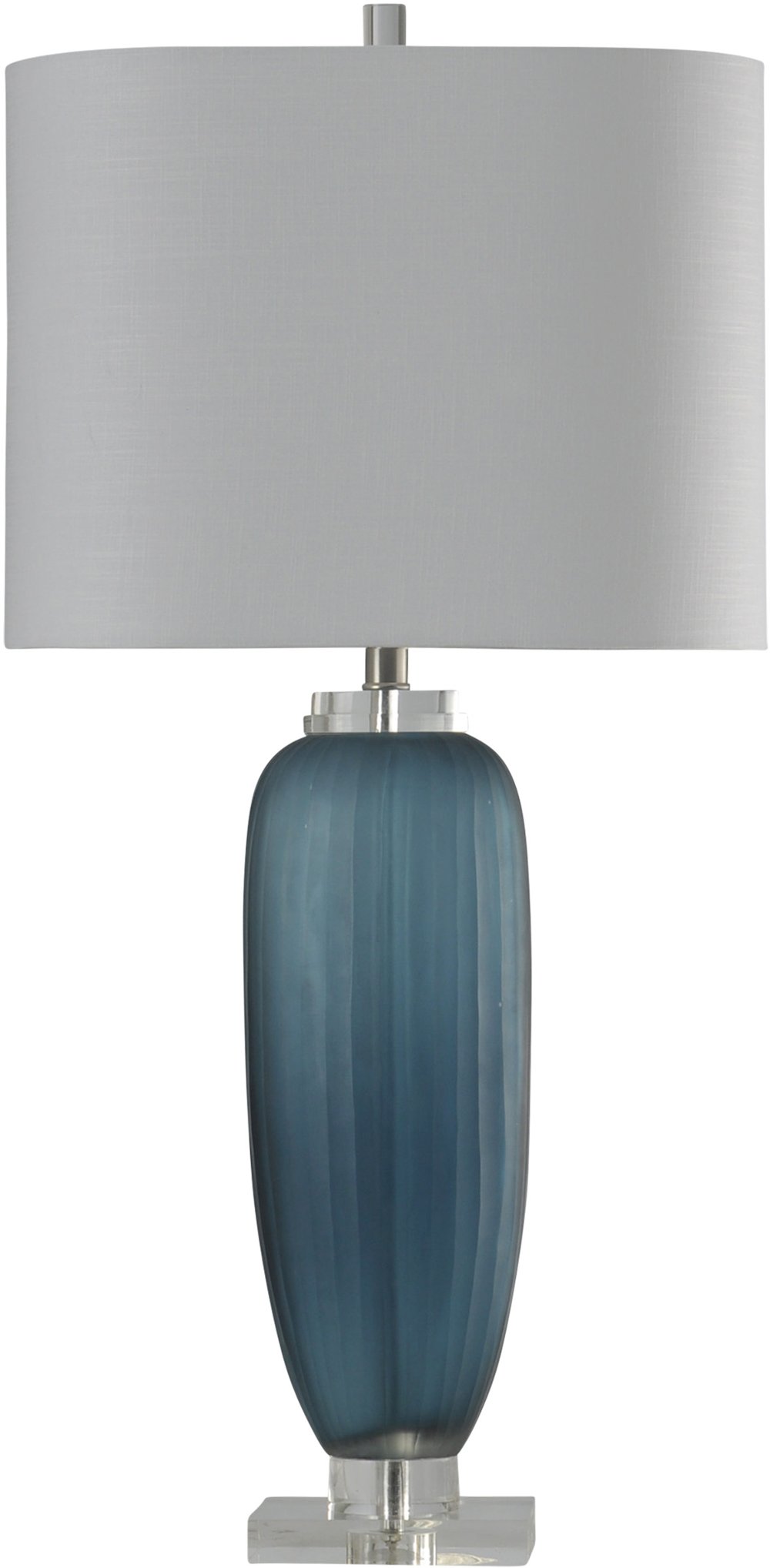
Glass home accessories include decorative and functional accents such as vases, bowls, candle holders, sculptures, and glass lamp bases. Their appeal comes from the way glass interacts with light: a clear vessel lets a tabletop show through, a tinted bowl adds color without a heavy visual footprint, and a textured surface gives a simple shape extra depth. These qualities make glass a natural fit for living rooms, dining areas, entryways, and bedrooms, whether your space feels relaxed, traditional, or contemporary. Clear glass works especially well when you want flowers, greenery, or an interesting silhouette to take center stage. Colored glass can echo a rug, a piece of artwork, or an accent pillow, helping separate elements feel connected. Frosted and opaque finishes soften the appearance of glass and make the accessory itself more prominent, while ribbed, etched, or faceted surfaces create patterns of highlights and shadows. Shape matters just as much as color. Rounded forms can soften the straight lines of a bookcase or console, while tall cylinders and angular accents complement furniture with clean profiles. Glass also pairs comfortably with wood, metal, ceramic, and woven materials. A transparent accent on a richly grained wood surface leaves that texture visible; a colored piece beside a matte ceramic vessel creates an appealing contrast. Manufacturing methods contribute to the finished look, too. Blown glass may have subtle variations in shape, thickness, or color, while molded glass often has a more consistent profile or repeated pattern. Those differences help define the character of an accessory, but they don’t automatically establish its strength or suitability for a particular use. Construction, finish, and the maker’s care instructions remain important. Choosing glass home decor is ultimately about finding the right balance of presence and lightness: a piece that gives your room personality while leaving enough visual space for the furnishings and everyday belongings around it.
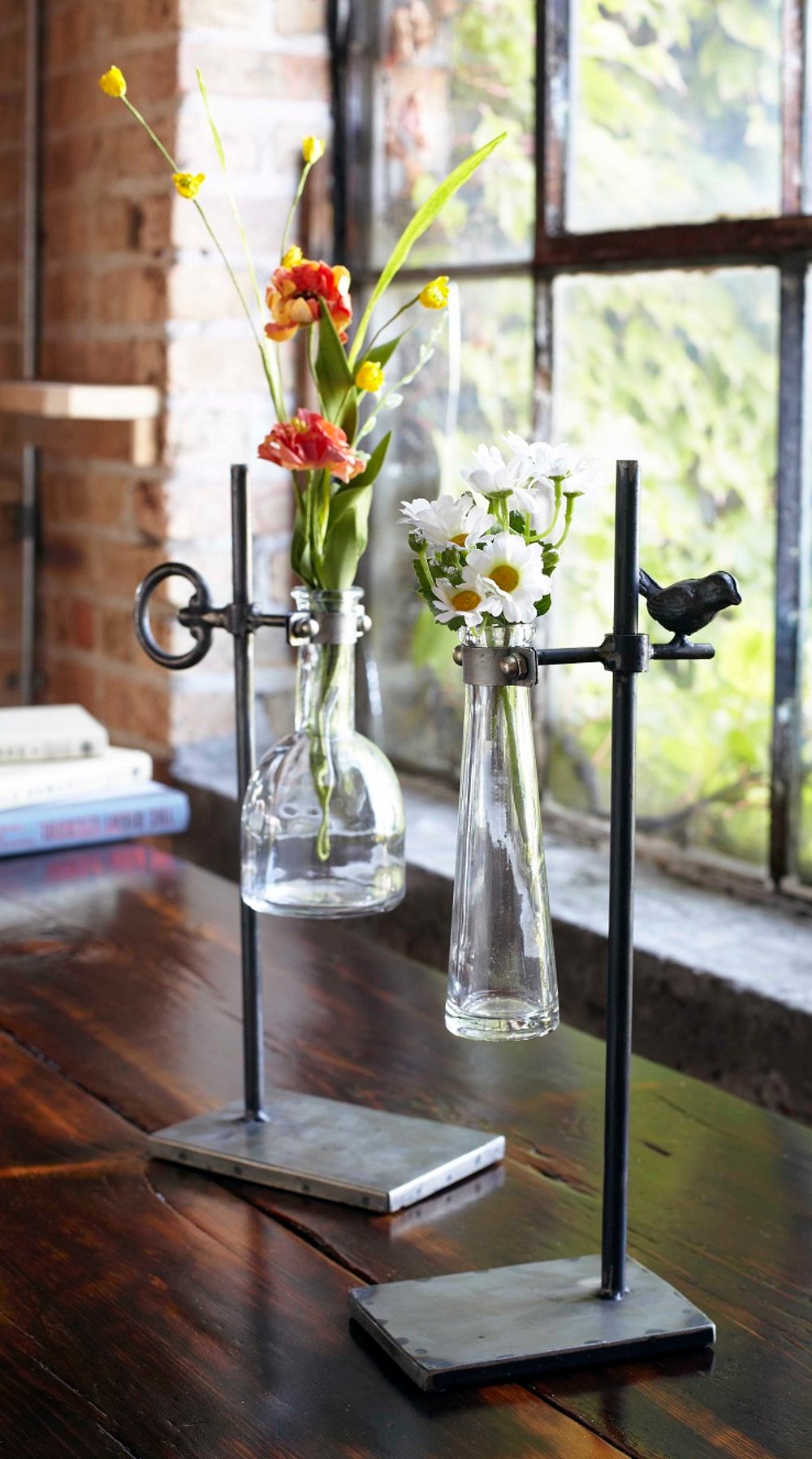
The best fit depends on where an accessory will sit and what you expect it to do. On an entryway console, a compact glass accent can add a welcoming detail without crowding the space needed for keys or mail. A low decorative bowl on a coffee table keeps conversation and sightlines open, while a taller vase may feel more at home on a sideboard with open wall space above it. Check the full height, width, and base dimensions rather than judging size from a photo alone. An accessory needs enough clearance beneath a shelf, beside a lamp, and around the edge of its supporting surface. On a dining table, leave room for place settings and serving dishes; a centerpiece should complement the meal rather than require constant rearranging. For flower arrangements, the opening and overall proportions affect how stems sit. A narrow neck supports a few stems neatly, while a wider opening accommodates a fuller arrangement. Any vessel intended for fresh flowers should be suitable for holding water, since decorative glass isn’t always watertight. Likewise, a decorative bowl should only hold unpackaged food if it’s identified as food-safe. Glass candle holders need to be designed for the candle type you plan to use, with the correct fit and clearance specified by the manufacturer. Keep flames away from curtains, shelving, and other nearby materials, and place holders on stable surfaces. Flameless candles can offer a similar decorative effect where an open flame isn’t suitable. Glass lamp bases bring another layer of texture to a room, but the complete lamp’s height, shade size, cord placement, and lighting function still need to suit the space. Throughout your home, stability deserves attention. A broad, balanced base is helpful on frequently used surfaces, and substantial pieces need furniture or shelving that can support their weight. In homes with young children or active pets, placing breakable accents beyond easy reach helps preserve both the display and the comfort of the room. Glass can be durable in everyday use, but it remains vulnerable to impacts, chips, and cracks.
Care requirements vary by finish and construction, so the instructions supplied with each accessory are the best starting point. Routine dusting with a soft cloth helps preserve the clarity that makes glass appealing. For washable pieces, mild soap, water, and a nonabrasive cloth are often appropriate when the manufacturer allows them. Abrasive pads and harsh cleaners can scratch surfaces or damage painted, metallic, or other decorative finishes. Dishwasher use should be limited to pieces specifically labeled dishwasher-safe, and glass with electrical components requires separate care that keeps moisture away from wiring and connections. Sudden changes in temperature can stress glass, so use only vessels designed for hot liquids or other heat-related purposes. With flower vases, regular cleaning helps keep residue from collecting around the waterline; a narrow opening may require a suitable soft bottle brush to reach the interior. Drying carefully can reduce visible water spots, especially on clear glass. Lift accessories when moving them rather than dragging them across furniture, and use a suitable protective pad where the base might scratch a finished surface. If a piece develops a chip or crack, retire it from use, particularly if it holds water, food, or a candle. These practical details also matter when choosing glass accessories as gifts. A vase, decorative bowl, or sculptural accent can make a thoughtful housewarming or wedding gift when its size and style suit the recipient’s home. A compact piece is often easier to place in an apartment, while a larger accent needs a setting with enough display space. Neutral glass can blend with an established room, and a favorite color makes the choice feel more personal. For a home with connected indoor and patio spaces, glass accents can echo the airy appearance of glass outdoor tables, with each piece chosen for its intended setting. Whether you’re finishing a bookshelf, adding a centerpiece, or selecting a meaningful gift, thoughtful proportions and appropriate care help glass accessories become a lasting part of the home.
Read More