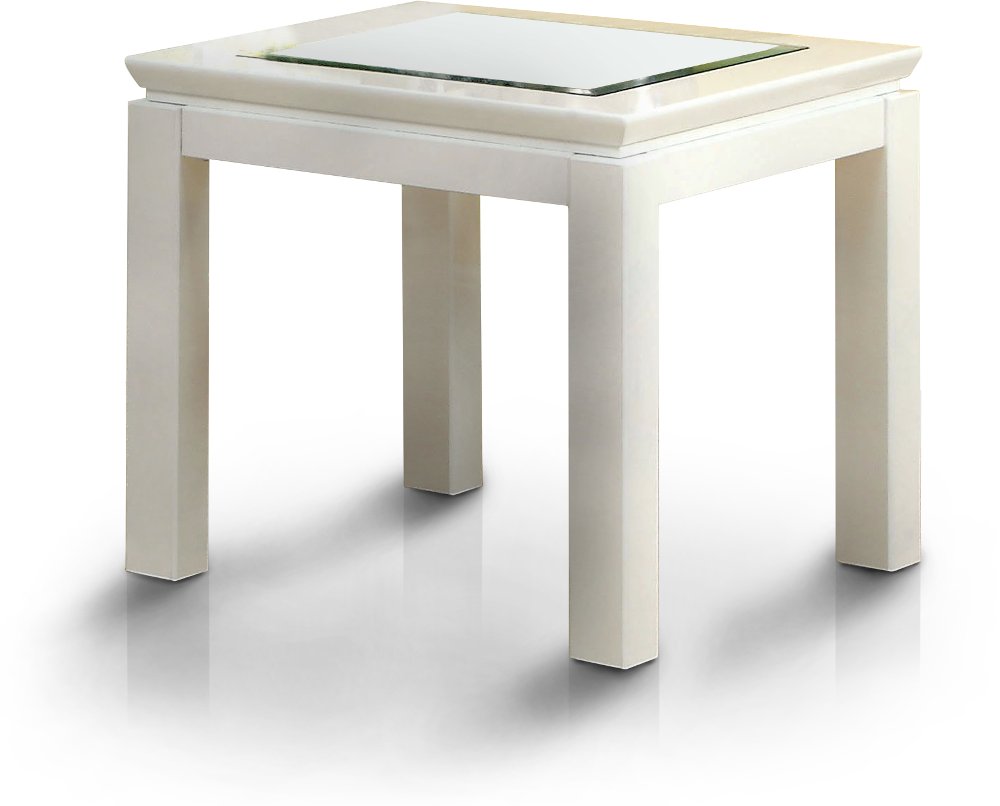
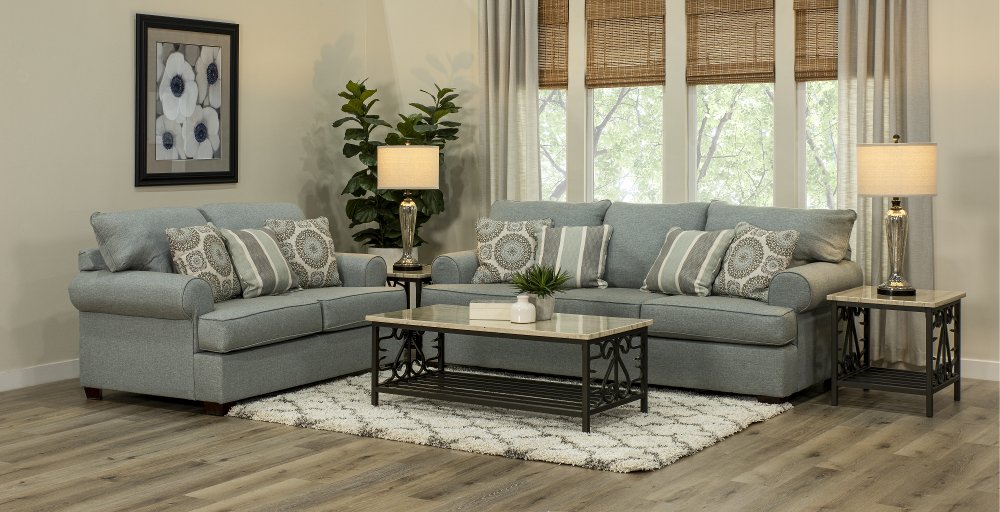
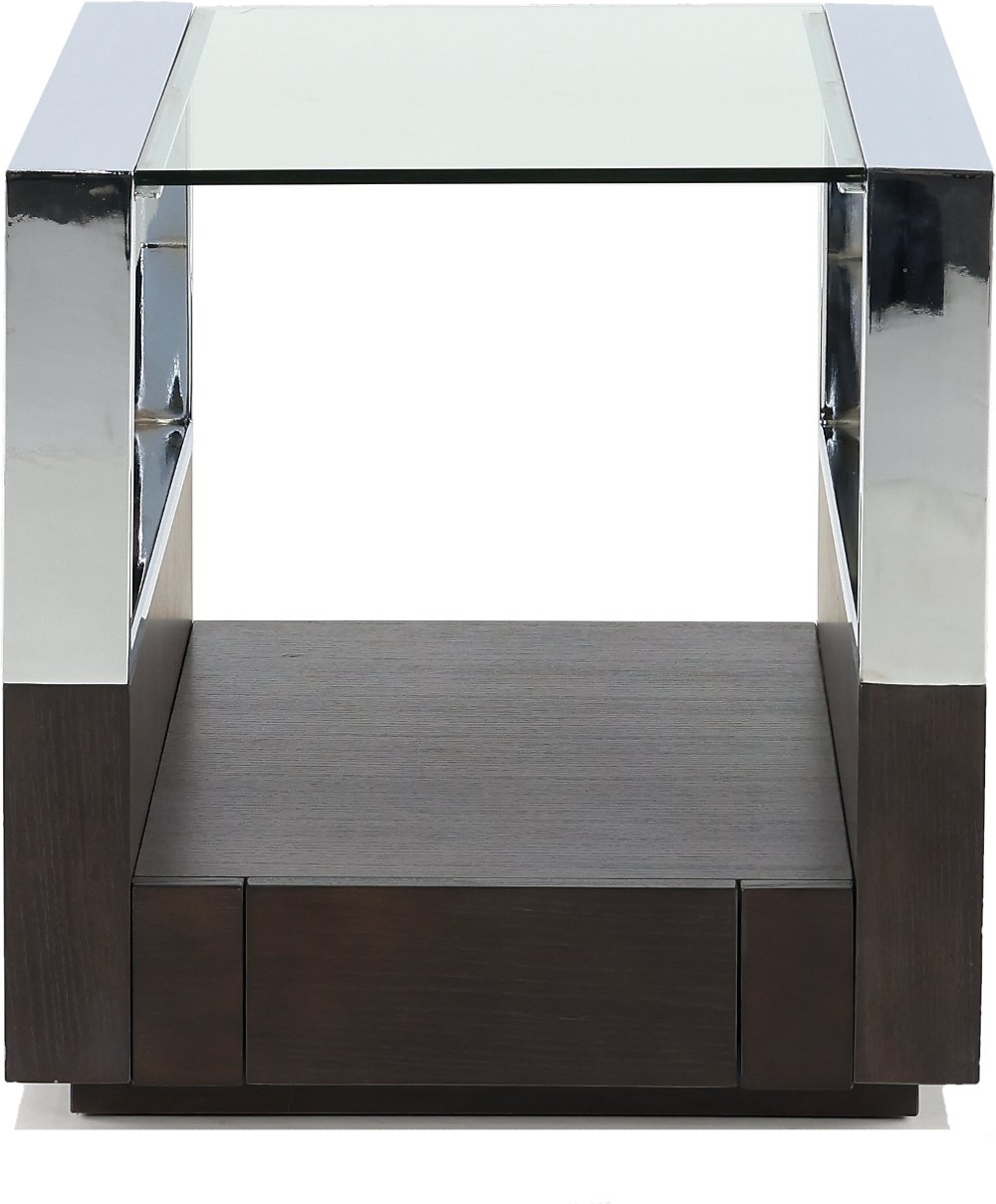
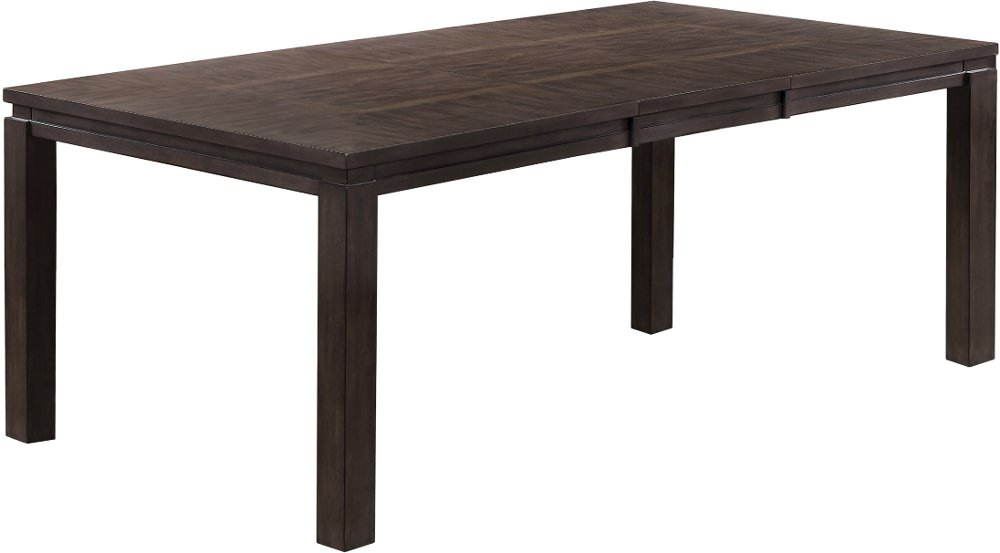
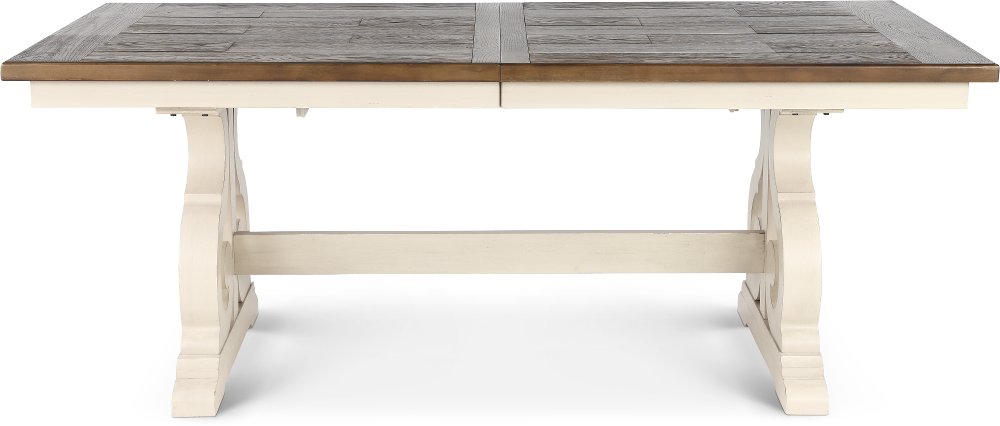
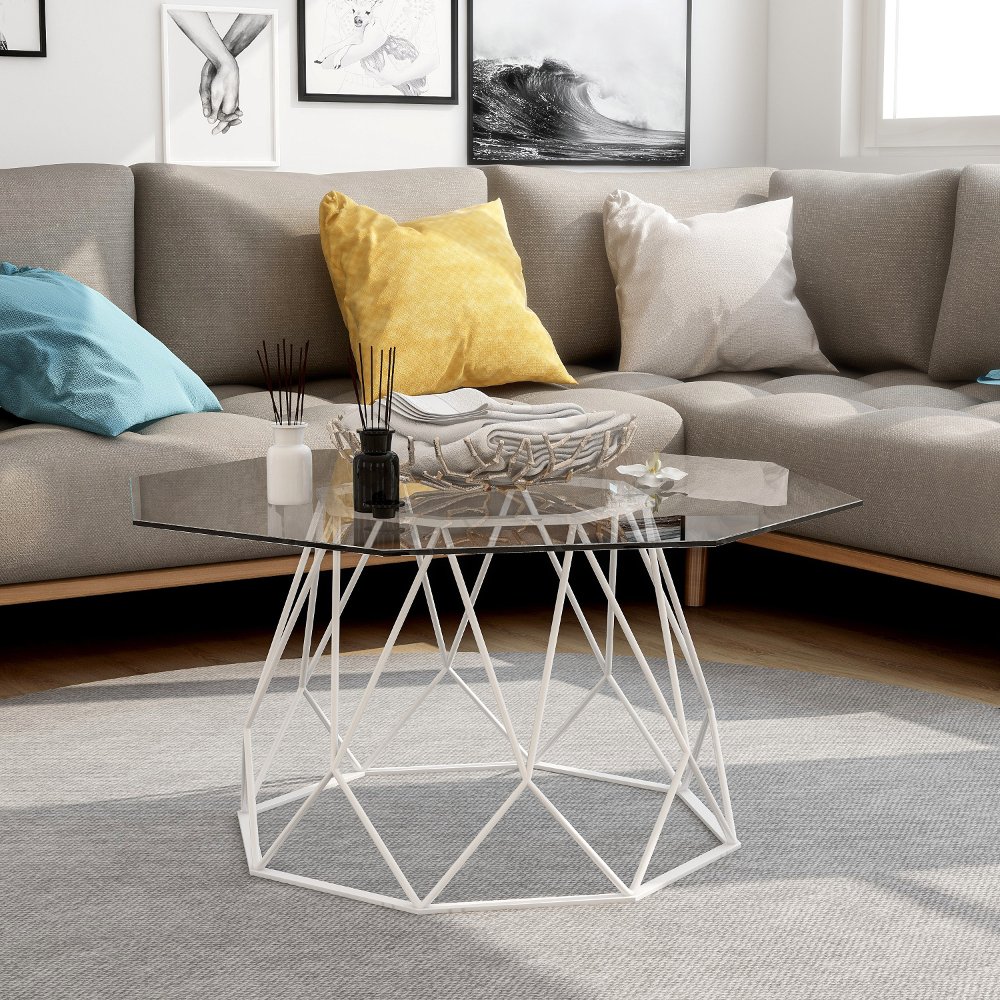
Glass and wood tables pair the transparency of glass with the warmth and texture of wood, creating a surface that feels useful without looking bulky. Many designs feature a glass top resting on a wooden base, while others place a glass insert within a wood frame or above a lower shelf. The combination works across coffee tables, end tables, console tables, and dining tables, with each shape serving a different purpose in your home. Clear glass keeps the base visible, making details such as angled legs, curved supports, and distinctive grain part of the overall design. It can also help a compact room feel less visually crowded, although the table still needs the same floor space as a similarly sized solid-top piece. A rug’s pattern remains visible beneath a clear coffee table, and a sculptural wood base can become a focal point without adding another decorative object. Wood tone plays a big role in the effect: pale finishes tend to feel light and relaxed, medium brown tones add warmth, and deep finishes create stronger contrast against the glass. The shape of the base matters just as much. Straight legs and simple frames fit easily into understated rooms, while substantial pedestals and intersecting supports give the table a more architectural presence. Smoked or tinted glass changes that balance, adding depth while revealing less of what sits underneath. For seating areas, Glass and Wood Living Room Tables bring these material combinations to the surfaces you use for lamps, drinks, books, and conversation. Matching every wood finish in the room isn’t necessary. Repeating a similar undertone or leg shape can connect the table to nearby furniture without making everything look identical. A warm wood base beside a fabric sofa, for example, can soften the crisp appearance of the glass and make the arrangement feel comfortable rather than formal.
The best fit starts with how you’ll use the table and how people move around it. For a coffee table, a length around one-half to two-thirds of the sofa’s length is a useful starting point, with the top roughly level with the seat cushions or slightly lower. Leaving about 14 to 18 inches between the sofa and table usually provides room to reach a drink and move your legs, though deeper seating, mobility needs, and nearby walkways may call for a different arrangement. Measure the full footprint, including any base or glass overhang, rather than judging size by how light the table looks. A rectangular top often follows the lines of a long sofa, while a round or oval top can make it easier to move through a seating group without navigating projecting corners. Rounded edges still need care, especially in a busy household with young children or pets. An end table works comfortably when its surface sits close to the height of the chair or sofa arm; leave enough usable space for a lamp base and the things you reach for every day. A glass console can provide a landing spot behind a sofa or along an entry wall, provided its depth leaves the walkway clear. For dining tables, allow about 24 inches of table edge per person as an initial planning measure and roughly 36 inches between the table and a wall or other furniture for pulling out chairs. More clearance helps where people regularly walk behind occupied seats. Check the base position, too: a beautiful wood support shouldn’t compete with knees, chair legs, or armrests. Glass makes everything below a dining surface more noticeable, so chair frames and seat placement become part of the room’s appearance. A lower shelf on a living room table offers room for reading material or a basket, but its contents remain visible through a clear top. That openness suits someone who enjoys a few thoughtfully placed objects; a household that needs to tuck away chargers, remotes, and paperwork may appreciate enclosed storage elsewhere in the room.
Materials and construction determine how well a glass and wood table handles daily life. Solid wood brings natural grain variation and can develop character with use, but it also responds to changes in indoor humidity. Wood veneer places a thin layer of real wood over a supporting core, giving the surface natural wood detail with different repair limitations than solid wood. Neither description alone tells the whole durability story; secure joinery, a well-supported top, a suitable finish, and proper assembly all matter. When comparing glass tops, check whether the specifications identify tempered glass. Tempered glass is stronger than ordinary annealed glass and is designed to break into small pieces rather than long, sharp shards, but it isn’t unbreakable or scratchproof. Hard impacts, particularly along exposed edges, can cause damage. Follow the table’s stated weight limit, keep heavy objects from concentrating pressure in one spot, and never treat a tabletop as a seat or step. For routine cleaning, use a clean, soft microfiber cloth and a cleaner approved for the glass and any surface treatment. Applying cleaner to the cloth rather than spraying it across the table helps keep overspray off wood finishes, joints, and attachment points. Dust the base gently and wipe spills promptly, using wood-care products only as directed by the manufacturer. Abrasive pads and gritty cloths can scratch glass, while harsh chemicals or excess moisture can harm the wood finish. Coasters and placemats help reduce marks and everyday contact; hot serving dishes need suitable heat protection according to the care instructions. Fingerprints, dust, and streaks tend to show on clear glass, especially where light falls across the surface, so frequent light cleaning is part of ownership. When moving the table, follow the assembly instructions for handling or removing the top instead of lifting the entire piece by the glass. With the right proportions and a manageable care routine, a glass and wood table can serve comfortably as a place for shared meals, a favorite lamp, or the book you’re settling in to read.
Read More