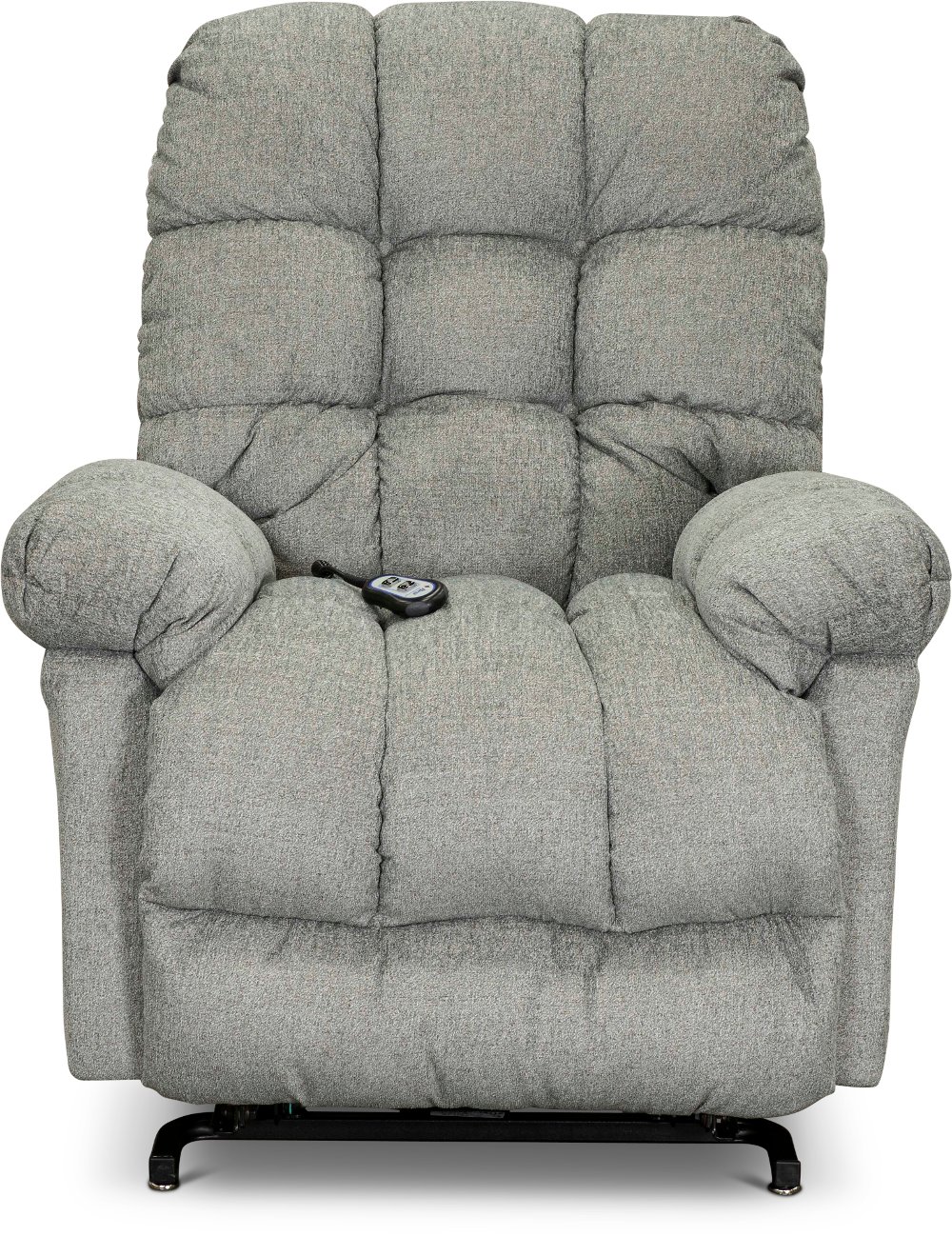
Gray lift chairs pair the familiar comfort of a recliner with a powered mechanism that raises and tilts the seat forward to help someone move toward a standing position. They’re designed for people who want extra support when getting into or out of a favorite chair, including older adults and people with limited mobility. The gray upholstery gives this practical seating a versatile look that fits naturally into living rooms, bedrooms, and quiet reading corners. Unlike a standard power recliner, which adjusts the backrest and footrest, a power lift recliner also moves the seating platform to assist with the transition between sitting and standing. Exact functions depend on the chair’s design. Some mechanisms coordinate the backrest and footrest, while others use separate motors so those sections can adjust independently. That distinction matters when someone prefers an upright back with elevated feet or wants more flexibility for watching television, reading, and relaxing. Reclining range also varies; a lift chair doesn’t automatically offer a fully flat position. Features such as adjustable headrests, lumbar support, heat, or massage may be included on certain designs, but they’re separate from the basic lift function. Simple, clearly marked controls can make everyday adjustments easier, especially when the buttons are comfortable to press and the remote stays within reach. A side pocket offers a convenient home for the control, reading glasses, or a paperback. Cushioned arms and a supportive back help create an inviting place to settle in without making the chair look out of place beside a sofa or accent table. For someone who finds a low couch difficult to leave, a properly fitted gray lift recliner can become a comfortable everyday seat with a useful purpose. The best match balances lift assistance, seating comfort, and easy operation rather than relying on the longest list of extras.
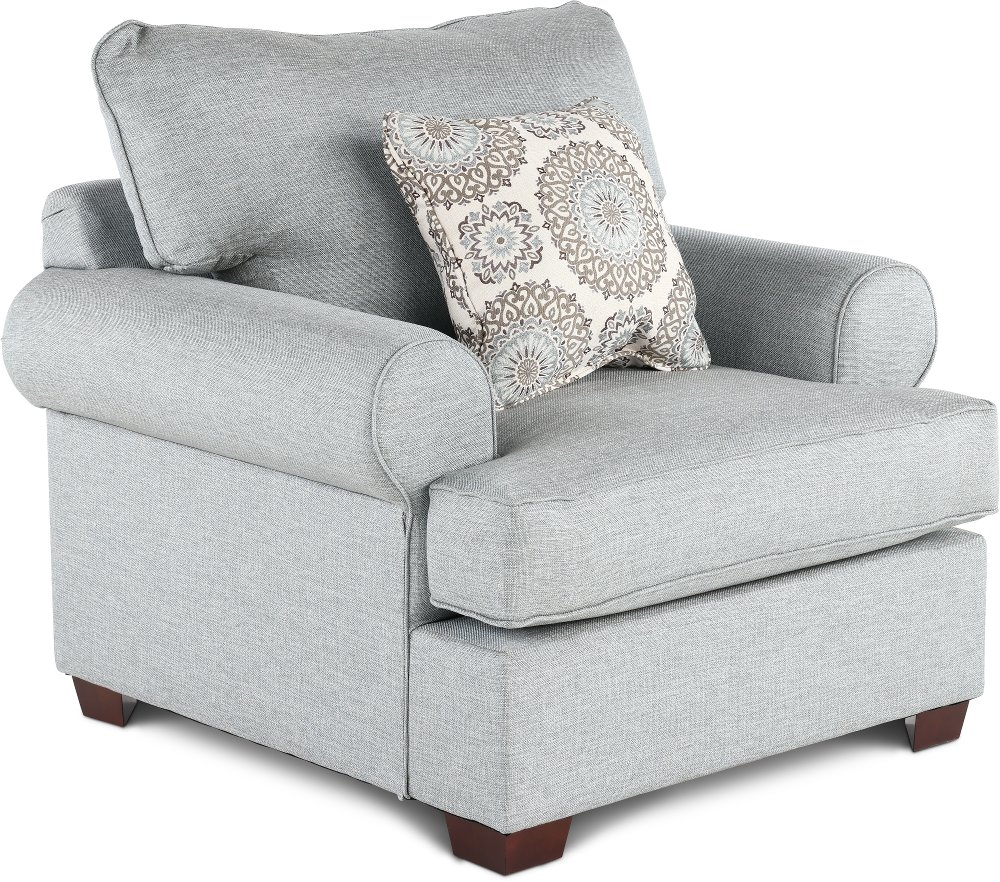
Fit makes a meaningful difference in how a gray lift chair feels and functions. Overall chair width tells only part of the story; seat width, seat depth, seat height, and the manufacturer’s recommended user measurements deserve equal attention. A deep seat may suit a taller person but leave a shorter person without comfortable back support when their feet reach the floor. A seat that’s too narrow can feel restrictive, while one that’s excessively wide may put the armrests farther away than feels natural. With the chair upright, comfortable support generally means the user can sit back without the front edge pressing firmly behind the knees. Weight capacity is another model-specific detail, not something to estimate from the chair’s appearance. Room measurements matter, too. The chair needs enough clearance for its backrest to recline, its footrest to extend, and its lift mechanism to complete its movement without contacting nearby furniture. A clear path in front helps preserve space for standing and moving away from the seat. Wall clearance varies by mechanism, so even a design described as space-saving needs its stated operating room. Upholstery adds another layer of comfort and practicality. Textured woven fabric can soften the look of a substantial recliner, while microfiber can offer a smooth, close-textured surface. Leather and leather-look upholstery have different care needs, making the actual material description more useful than appearance alone. Light gray can create a soft contrast against dark furniture, charcoal can give a seating area a grounded look, and a gray with beige undertones often pairs comfortably with oak, cream, and earth-toned accents. Blue-toned gray works well with crisp white and navy. If lift assistance isn’t needed, gray fabric recliners offer another way to bring a similar color and upholstered feel into a seating area. Choosing between the two starts with how the chair will be used, then moves to the fabric, proportions, and details that make it feel at home.
For a chair that may be used throughout the day, durability includes more than the upholstery. Frame construction, cushion support, the lift mechanism, and the controls all contribute to long-term usefulness. A supportive cushion should feel comfortable without allowing the user to sink so deeply that repositioning becomes difficult. Upholstery seams and high-contact areas, especially the arms and front edge of the seat, are worth examining because they receive frequent handling. Gray can be forgiving visually, but it doesn’t make every fabric stain-resistant or suitable for every cleaning method. The upholstery care label should determine whether a water-based cleaner, a solvent-based product, or professional cleaning is appropriate. Regular vacuuming with a suitable upholstery attachment helps remove crumbs and grit from fabric, and prompt blotting gives spills less time to settle. Leather and coated materials need products approved for their specific finish. Keep liquids away from controls and powered components, and follow the manufacturer’s instructions before cleaning around moving parts. Power planning belongs in the room setup as well: the cord should reach an appropriate outlet without crossing a walkway or getting caught beneath the mechanism. Some chairs include a backup feature, but its operation and requirements should be confirmed rather than assumed. Children, pets, blankets, and other objects need to stay clear of the moving base and footrest. For someone choosing a lift chair for a parent, partner, or other loved one, involving the intended user helps ensure the seat feels right and the controls are manageable. A familiar gray fabric and comfortable armrests can matter just as much as a technical feature. When mobility needs are complex, a healthcare professional can help identify suitable seating requirements. A lift chair provides assistance, not a guarantee of independent transfers or a substitute for help someone still needs. Thoughtful sizing, clear operating instructions, and a practical placement make this hardworking piece of furniture easier to enjoy as part of everyday life.
Read More