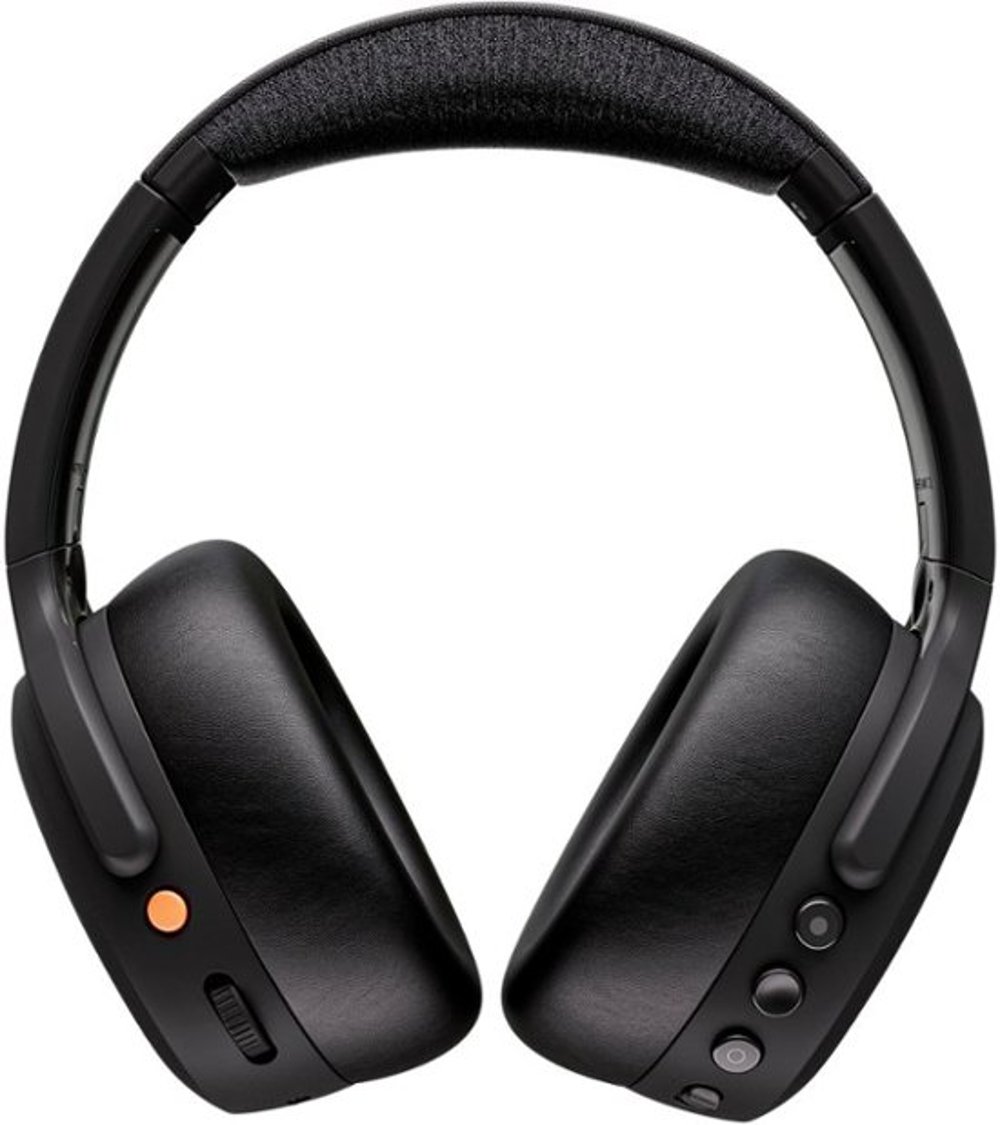
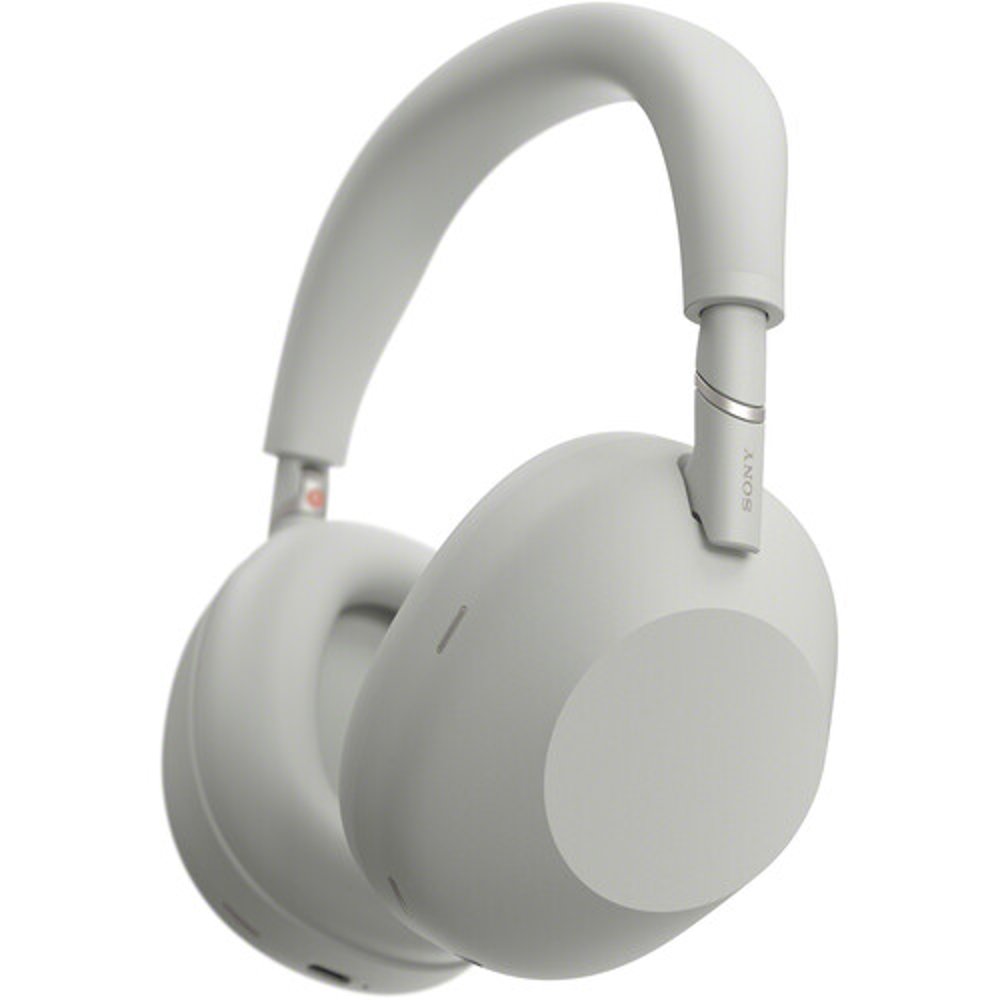
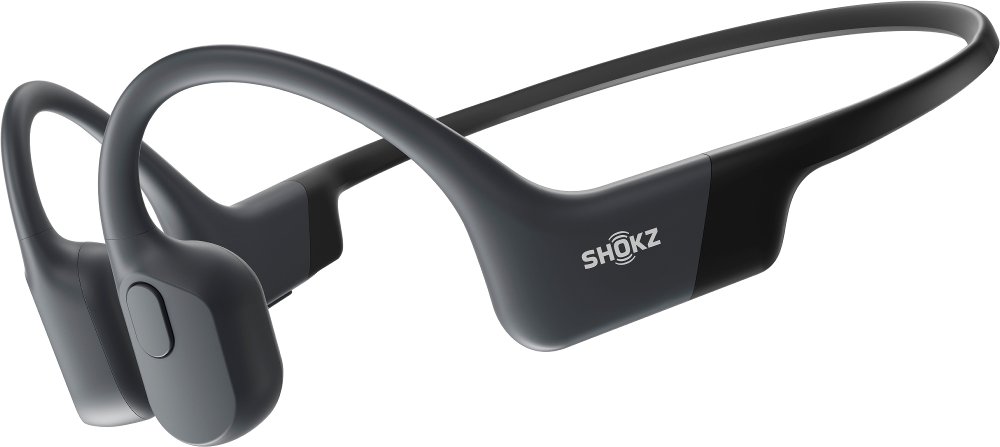
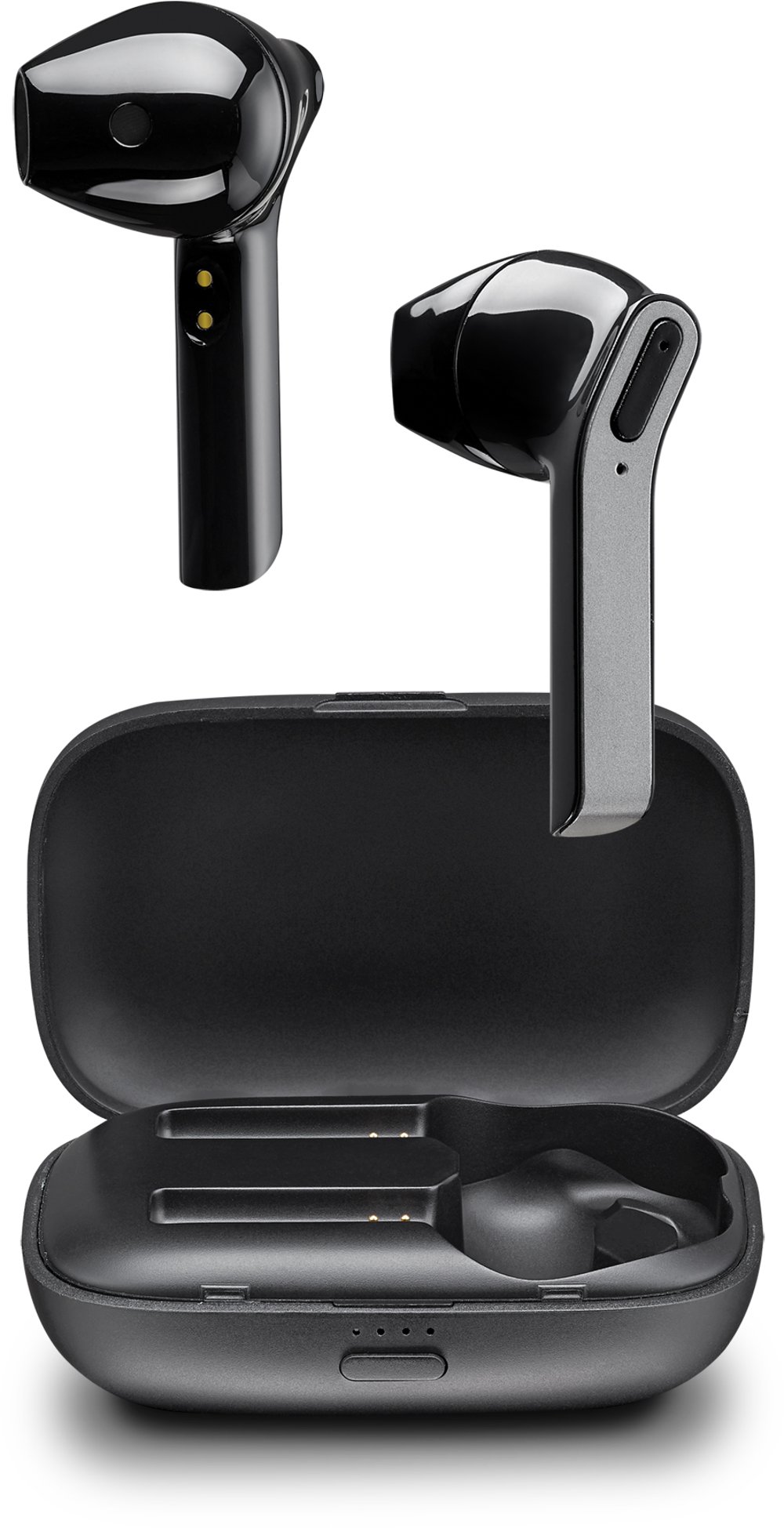
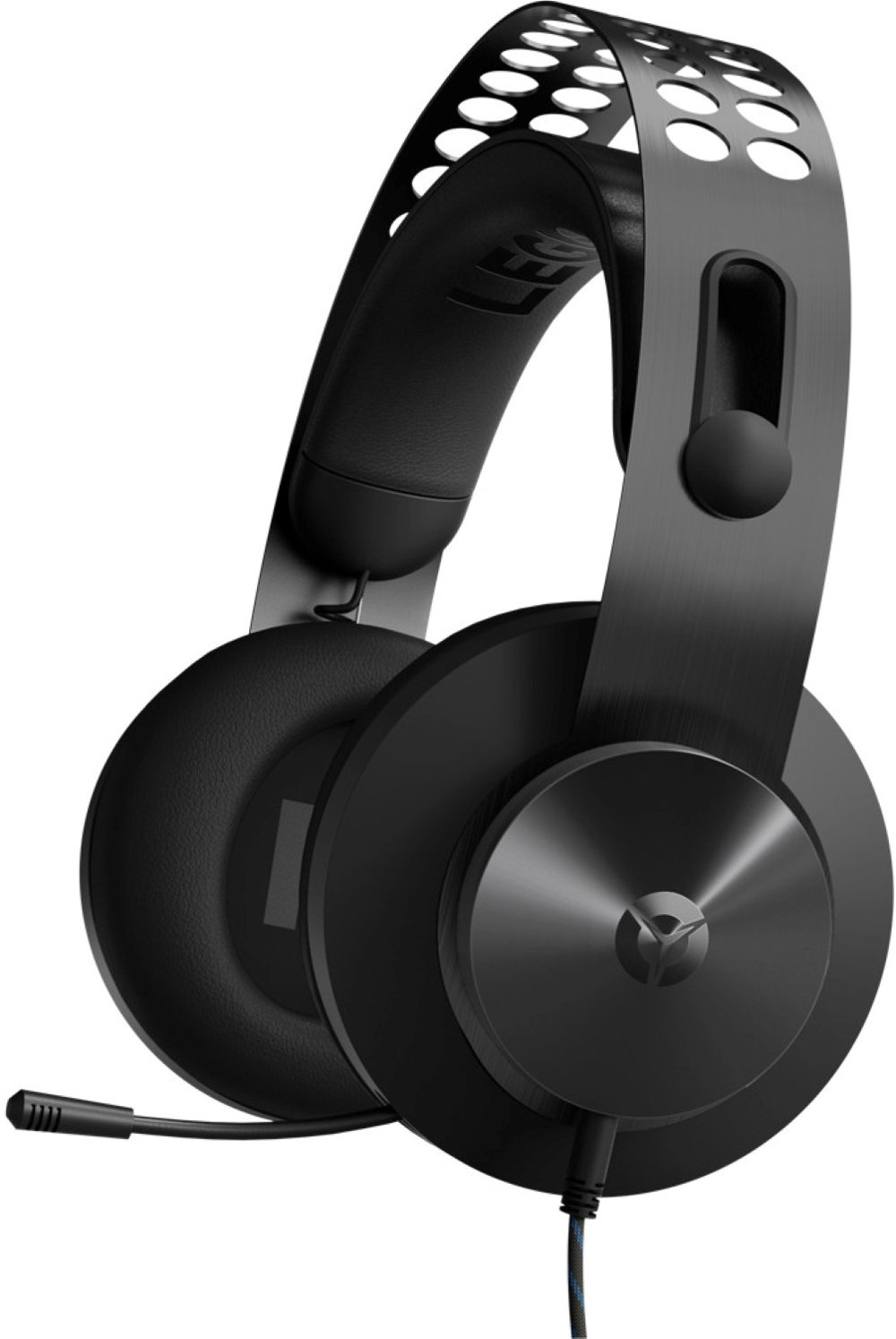
Finding headphones that work comfortably with hearing aids can make everyday listening feel much easier. The right pair can help you enjoy music while cooking dinner, follow a favorite show during a quiet evening, listen to podcasts on a walk, or share an audiobook with someone you love. Because hearing aids come in different shapes and sizes, comfort depends on how the headphones and hearing aids fit together. Behind-the-ear hearing aids, receiver-in-canal devices, and in-the-ear hearing aids each occupy space differently, so a style that feels natural for one person may feel crowded for another. Many people begin with spacious over-ear headphones, also called circumaural headphones, because their deep ear cups surround the outer ear instead of pressing directly on the hearing aid. Look for soft, generous padding and enough room for the hearing aid to sit without being pushed against the side of the head. A lightweight frame can make a noticeable difference during a long movie or remote work session, while a smoothly adjustable headband helps the headphones rest securely without creating extra pressure. If the ear cups are shallow, narrow, or stiff, they may press against behind-the-ear components, shift the device out of place, or make your ears feel warm and tired. Bone-conduction headphones offer another option for some listeners. These headphones rest near the cheekbones and leave the ear canals open, allowing many hearing aid wearers to keep their devices unobstructed. They send sound through vibrations rather than covering the ears, which can be useful for walks, household tasks, or staying aware of nearby conversations and traffic. Open-ear designs can also feel more comfortable for people who dislike a sealed sensation. Sound quality and volume may feel different from traditional headphones, however, and hearing results vary based on the type and severity of hearing loss. Anyone comparing headphones for people with hearing aids should consider where the headphones sit, how firmly they fit, and whether the design leaves room for glasses, hair, or other accessories. A comfortable fit is more than a small convenience; it can determine whether headphones become a welcome part of your routine or spend most of their time in a drawer. For a broader selection of listening styles, explore Headphones for Audio.
Audio connection features deserve just as much attention as the physical design. Wireless headphones can reduce the clutter of cords and make it easier to move from a desk to a comfortable chair, while wired headphones can provide a dependable connection without charging. Check that the headphones use a connection your television, phone, tablet, computer, or other audio source supports. Some hearing aids stream audio directly from compatible devices, and others work with a dedicated accessory or app. Direct streaming may allow sound to travel to the hearing aids without covering the ears, though compatibility can depend on the hearing aid manufacturer, operating system, and wireless standard. A hearing care professional can help confirm which features are available with your devices. If you notice whistling, squealing, muffled sound, or an uncomfortable echo, the issue may come from contact between the headphones and hearing aids, an overly tight fit, sound escaping around the ear cups, or the settings on the hearing aids themselves. Moving the headphones slightly, loosening the headband, choosing deeper ear cups, or selecting a hearing aid program designed for headphone use may help. Some wearers prefer to lower microphone sensitivity, reduce certain high frequencies, or mute their hearing aids while using over-ear headphones, but settings should feel comfortable and should follow advice from an audiologist or hearing professional. Avoid turning the volume up to overcome a poor fit, since louder sound can contribute to listening fatigue and may affect hearing health. Features such as volume controls, clear left-and-right markings, long battery life, a comfortable charging routine, and easy-to-use buttons can be especially valuable for anyone who wants simple, reliable operation. These headphones can also make a thoughtful gift for a parent, grandparent, partner, student, or friend who wears hearing aids and enjoys music, television, gaming, travel, or hands-free calls. A roomy pair of over-ear headphones may suit someone who listens from a favorite armchair during the cooler months, while an open-ear style may appeal to an active listener who wants to hear surroundings while walking or completing projects at home. Before gifting, discreetly check the person’s hearing aid style, preferred connection, and comfort needs when possible. A little attention to those details can turn a practical gift into something they reach for every day. During busy gatherings and changing routines, comfortable headphones can give listeners more control over their audio experience while still supporting the moments, people, and activities that matter most.
Read More