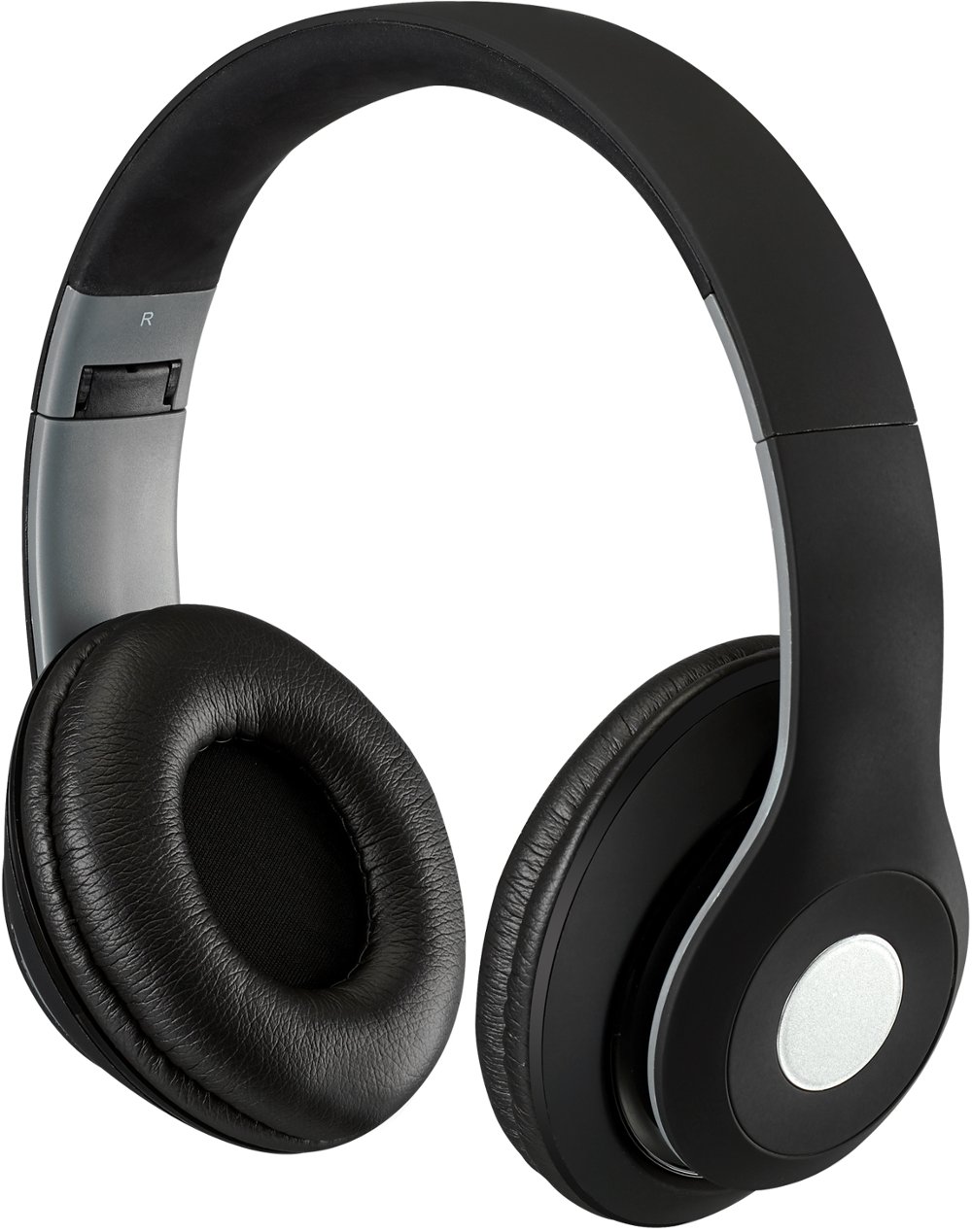
Headphones for students can make schoolwork, travel, and everyday downtime a little easier to manage. The right pair depends on where it will be used, who will use it, and how much activity it needs to handle. For elementary and middle school classrooms, simple wired on-ear headphones remain a practical choice. A standard 3.5mm plug works with many laptops, tablets, desktop computers, and testing devices, while a cord means there’s no battery to charge before a spelling exercise or online lesson. Look for flexible, chew-resistant cords, easy-to-clean surfaces, and a comfortable headband that can adjust as a child grows. An in-line volume control gives students a convenient way to make small adjustments, while built-in volume limiting can help keep listening at a more comfortable level when supported by the device. Headphones used by several children benefit from materials that wipe clean easily and storage that keeps each pair protected between uses. Some classroom-focused designs include labeled storage bags or anti-lice storage solutions, which can be especially useful when many students share equipment. A flexible boom microphone can also help with speech and language lessons, recorded assignments, video calls, and interactive learning activities. For a young student, durability often matters more than extra features: a pair that survives a backpack, a desk drawer, and the occasional enthusiastic tug can provide better value than a delicate model with capabilities they may never use. Affordable wired student headphones commonly fall in the $8–$15 range, making them useful for classroom sets, siblings, spare pairs, or a teacher-approved supply list. Before choosing, check the device connection, cord length, earcup size, and school requirements. A short cord may be easier to manage at a desk, while a longer one can offer more flexibility with a desktop computer. If a student wears glasses, has a smaller head, or prefers headphones over earbuds, a lightweight on-ear design with gentle padding can make longer listening sessions more comfortable.
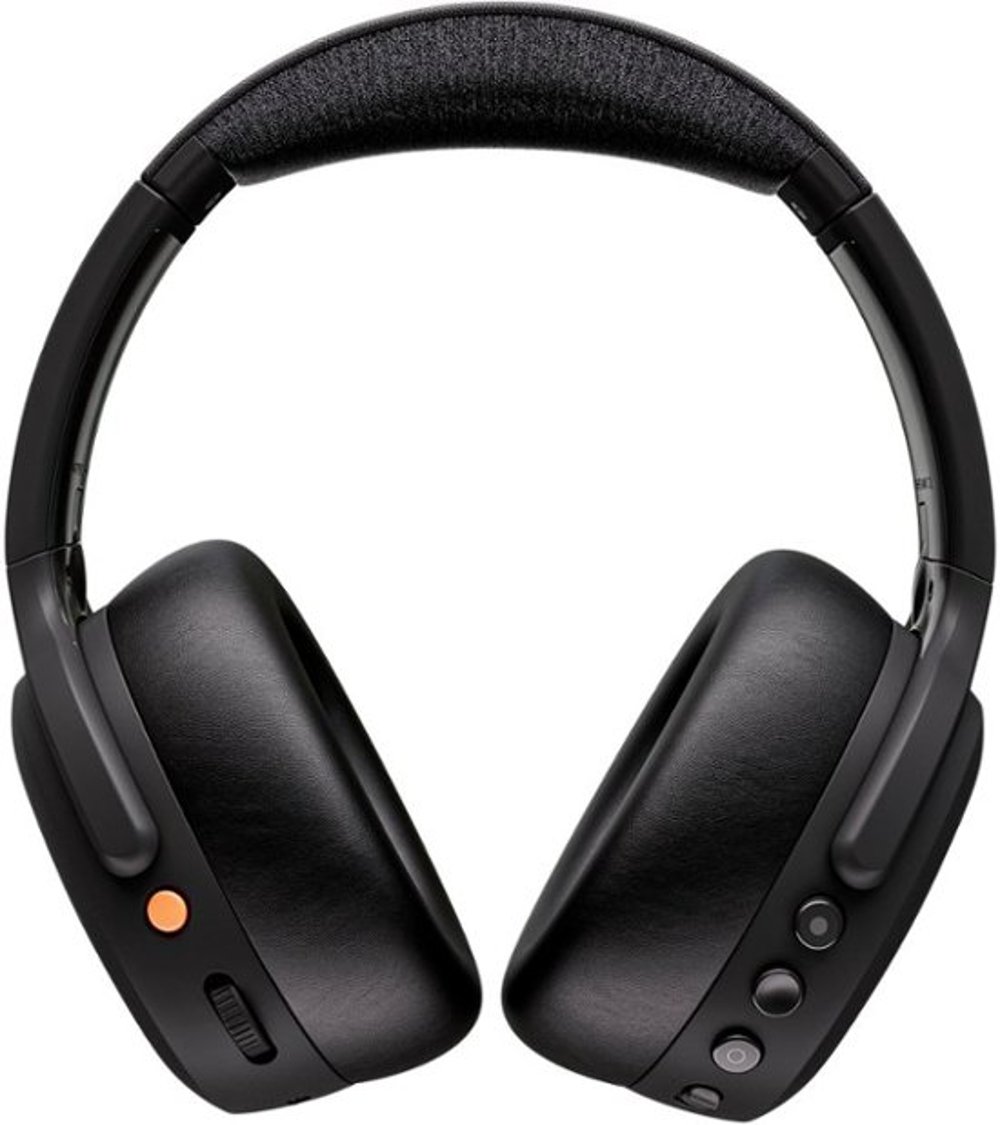
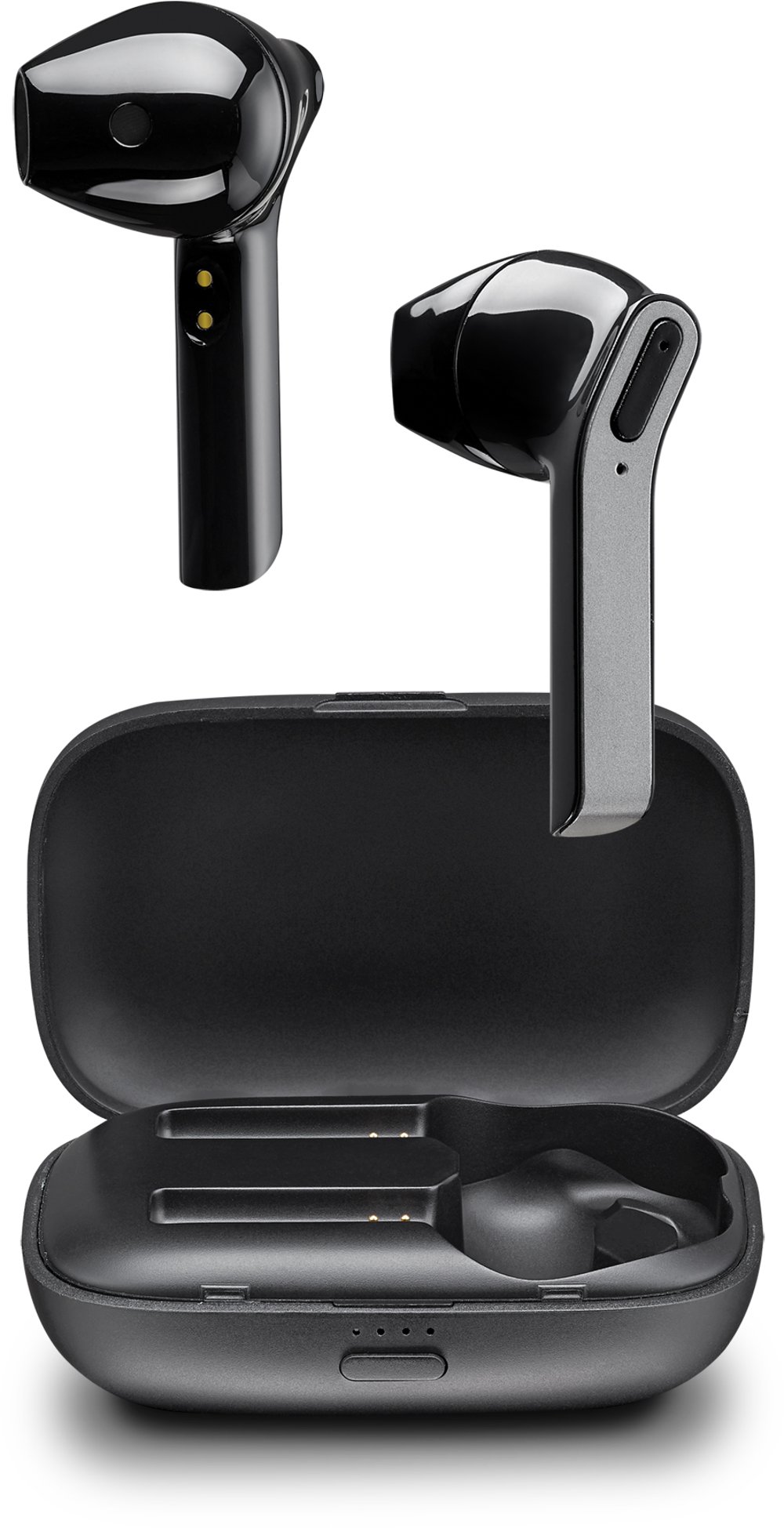
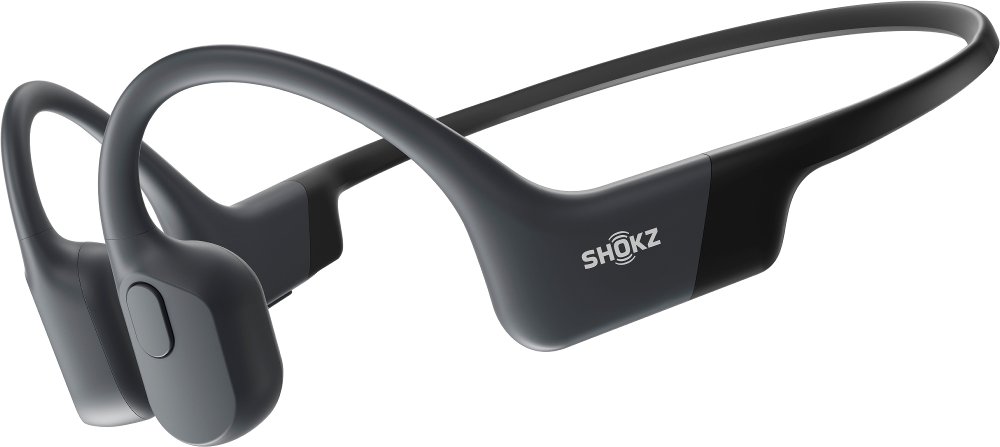
Older students and college students may want a more versatile pair for lectures, study sessions, commuting, gaming, video calls, and relaxing between classes. Wireless headphones can reduce cord clutter in a crowded backpack and make it easier to listen while moving around a dorm room or campus, but they do need regular charging and device pairing. Check the expected battery life, charging connection, controls, microphone quality, and whether the headphones can also work with a cord when the battery runs low. Noise-canceling headphones can be helpful in a library, residence hall, airport, or busy shared space by reducing background sounds that compete with a lecture or study playlist. They don’t replace attentive listening, and students should still stay aware of surroundings when walking, biking, or crossing busy areas. For video meetings and group projects, clear microphone pickup may matter just as much as sound quality. Comfort deserves close attention, especially for students who spend hours reading, editing audio, attending online classes, or studying in a quiet corner of the library. Soft ear cushions, a balanced fit, breathable materials, and controls that are easy to find without looking can turn a frustrating study session into a more focused one. Students who prefer to hear their surroundings may enjoy open or less-sealing designs, while those who need a more private listening experience may prefer cushioned over-ear earcups. A parent, grandparent, roommate, or family member can give headphones as a useful gift for a student heading into a new school year, moving into a dorm, or preparing for a long commute. When comparing options, consider the student’s routine instead of choosing by appearance alone: a child completing tablet lessons at the kitchen table may need sturdy wired headphones, while a college student balancing lectures and late-night study may value wireless convenience and noise reduction. Browse related listening options in Headphones for Audio, then choose the features that fit the student’s devices, habits, comfort preferences, and daily surroundings. During the cooler months, headphones can become a dependable companion for indoor study, bus rides, homework at the dining table, and quiet moments between activities, provided they fit comfortably and are cared for with simple habits such as wiping the earcups, storing the cord loosely, and charging wireless models before a full day away from home.
Read More