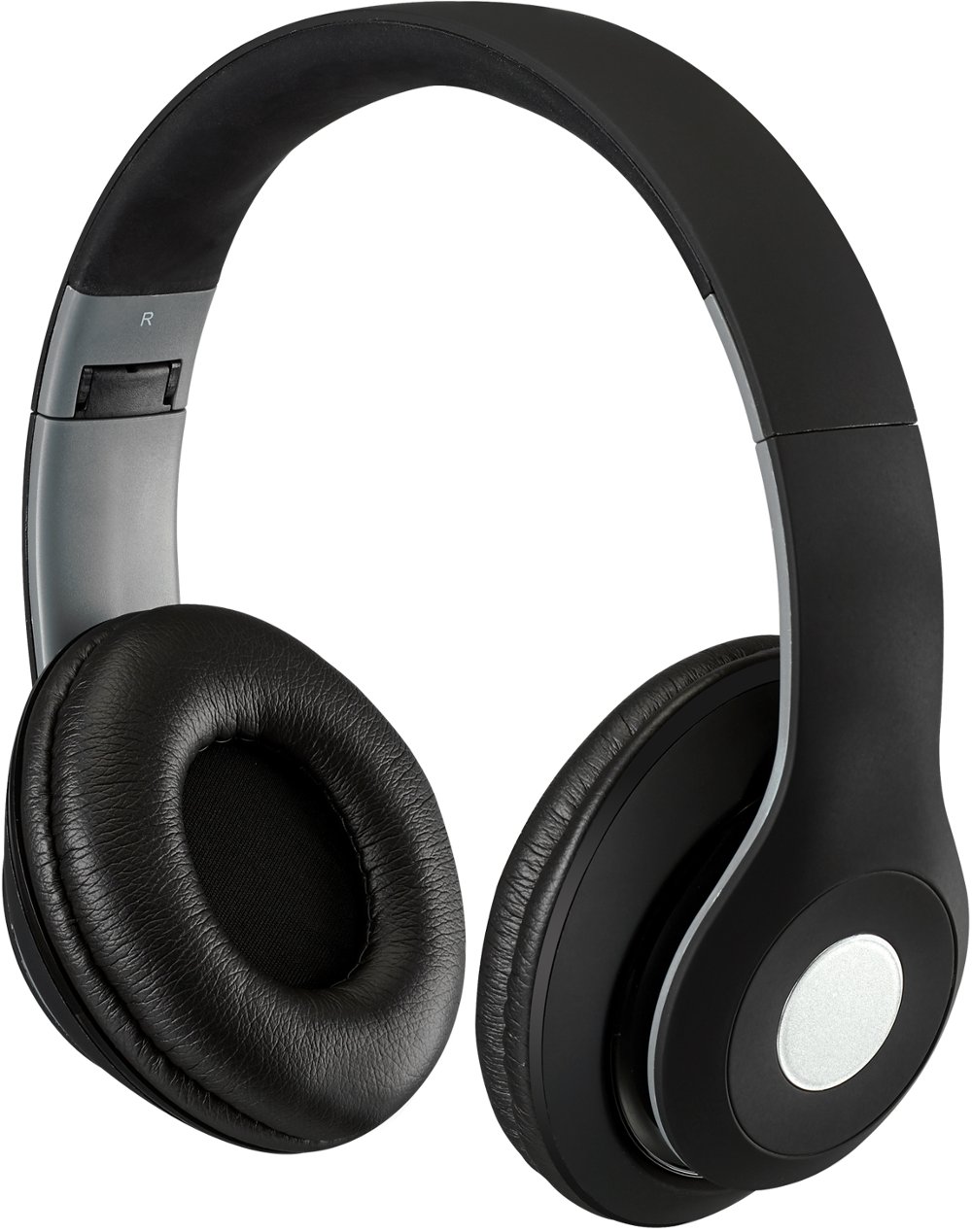
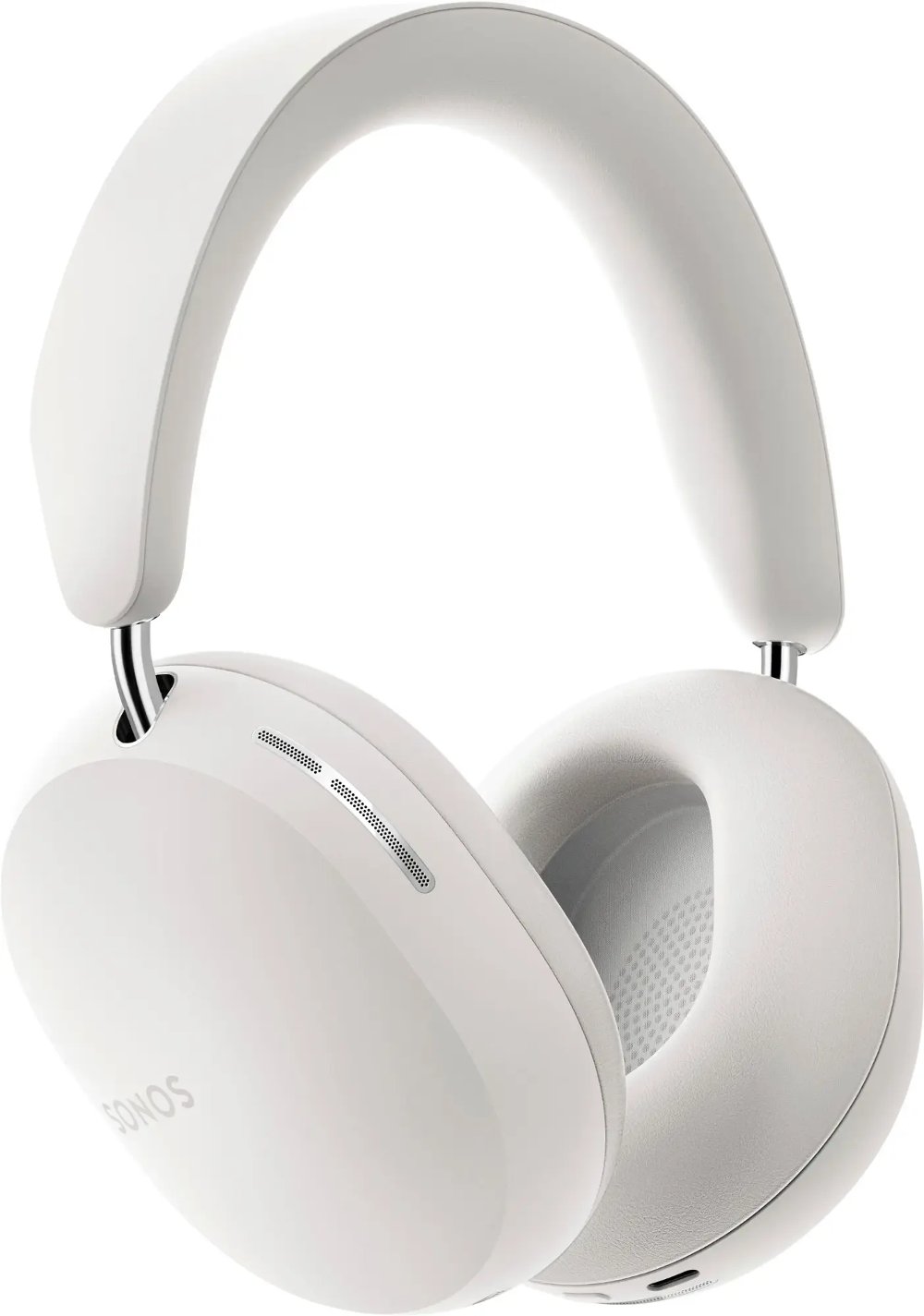
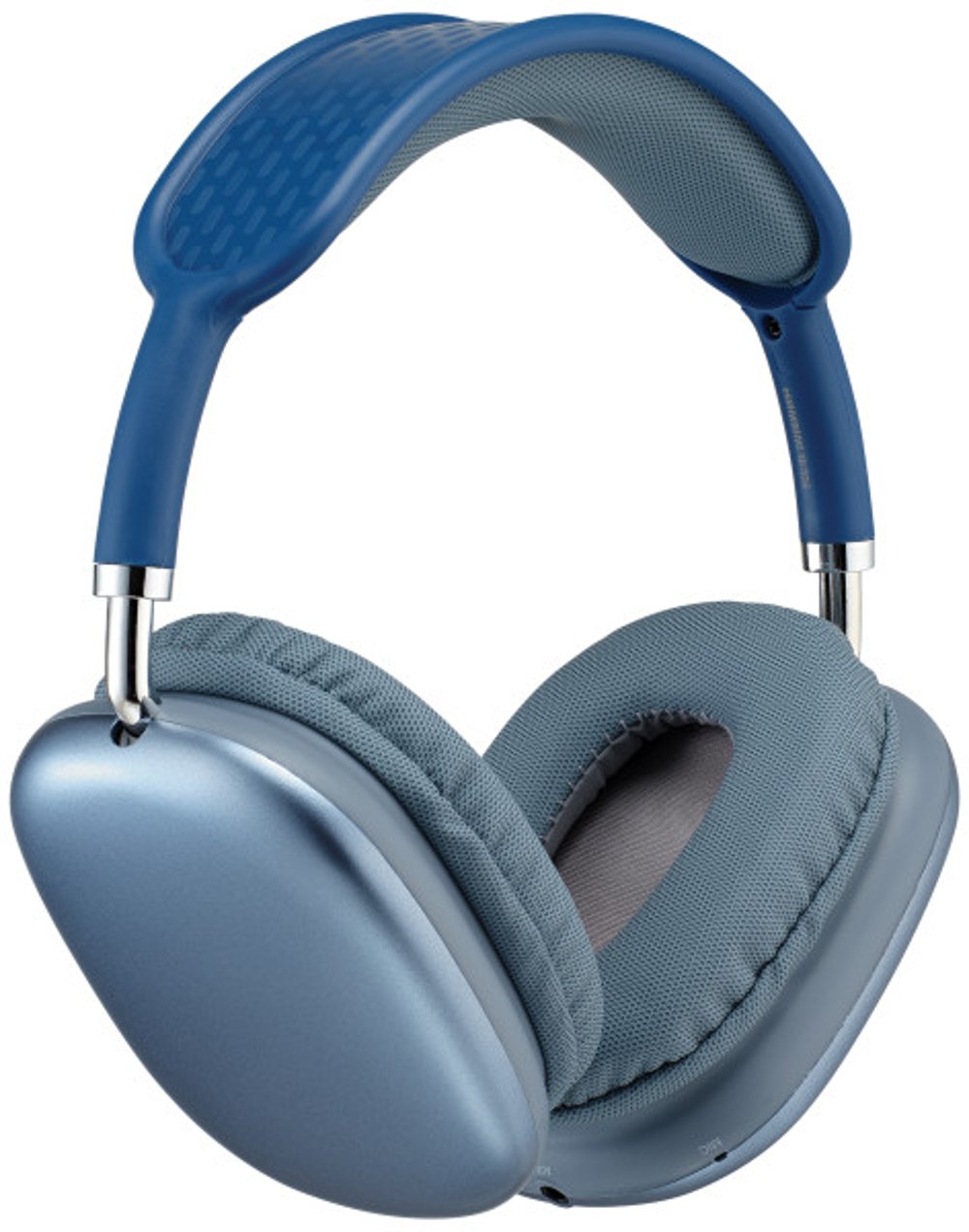
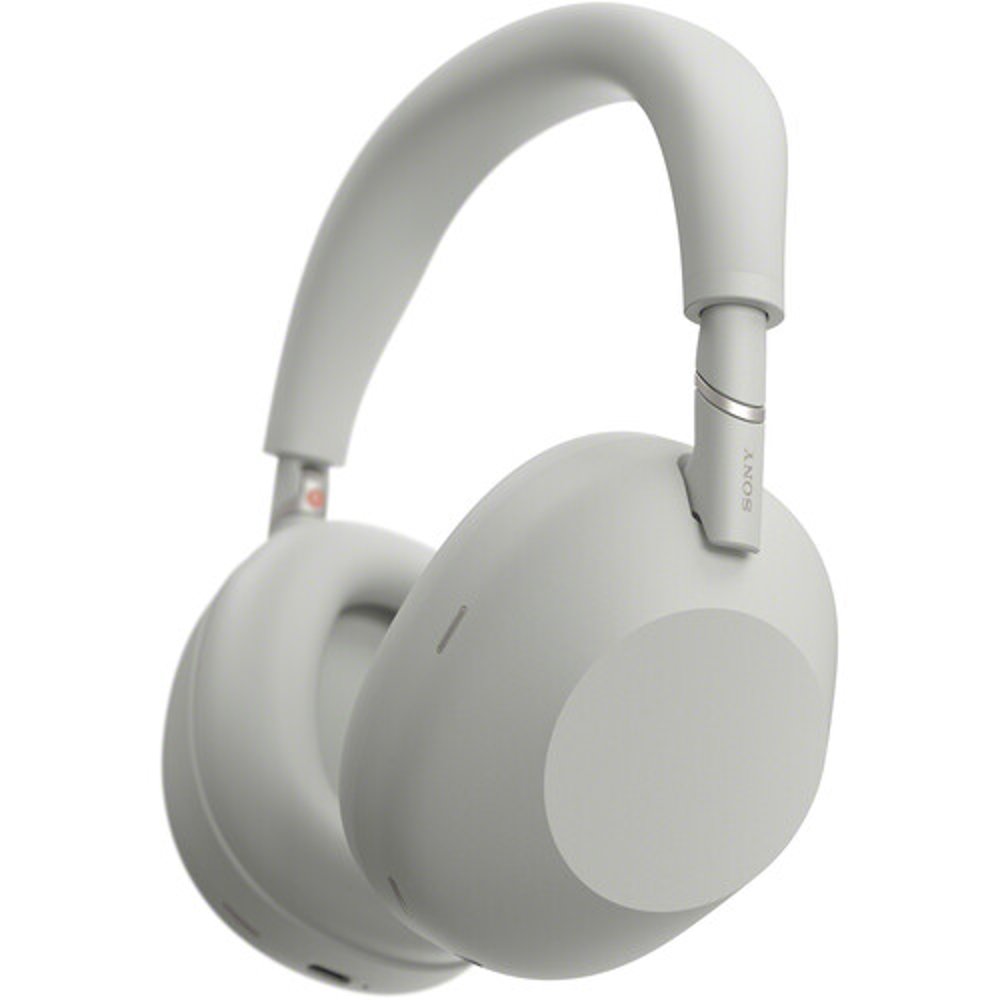
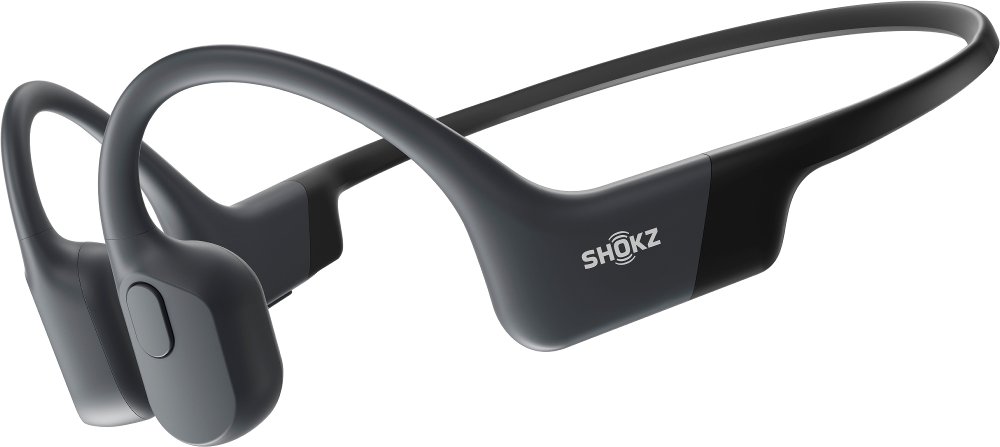
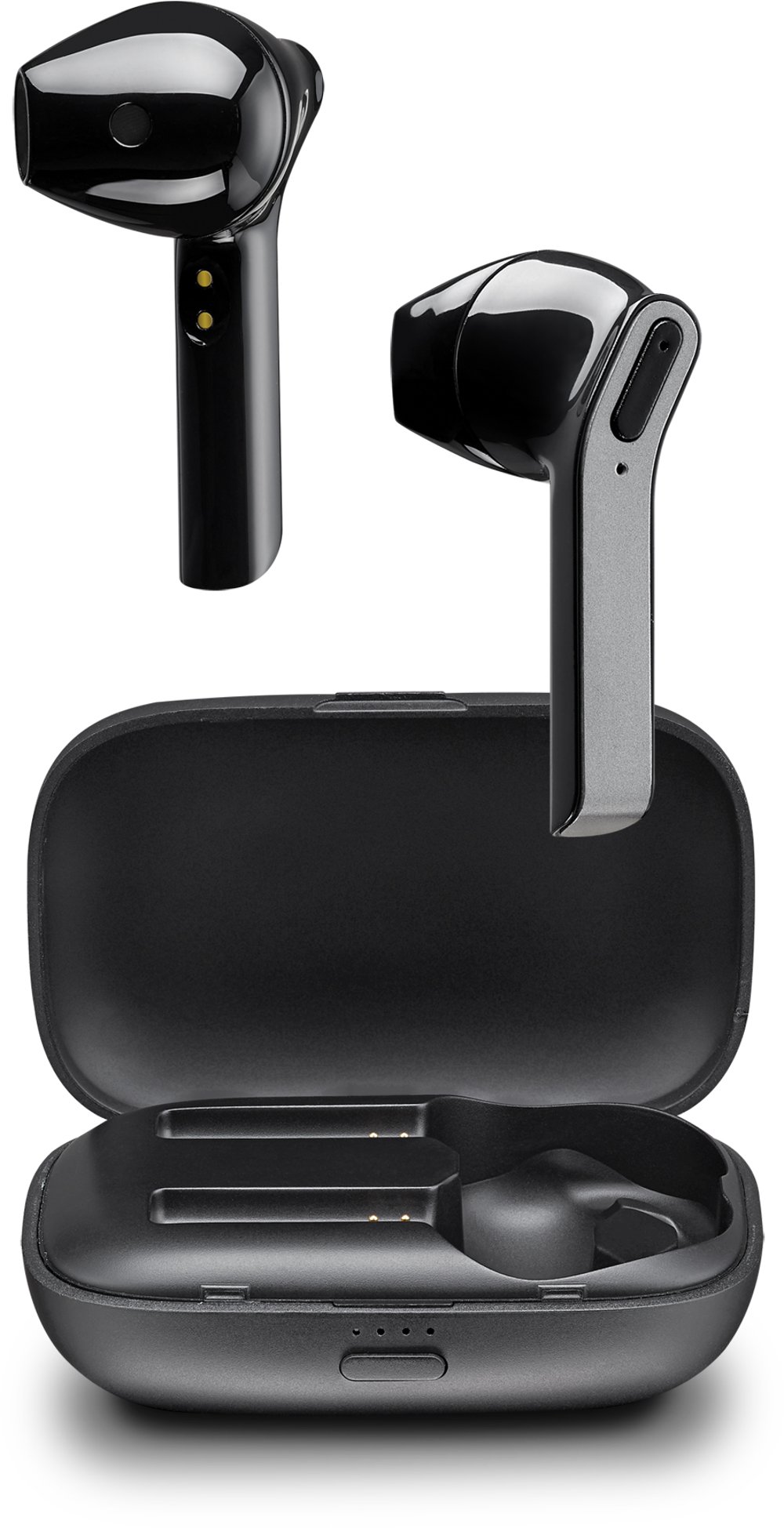
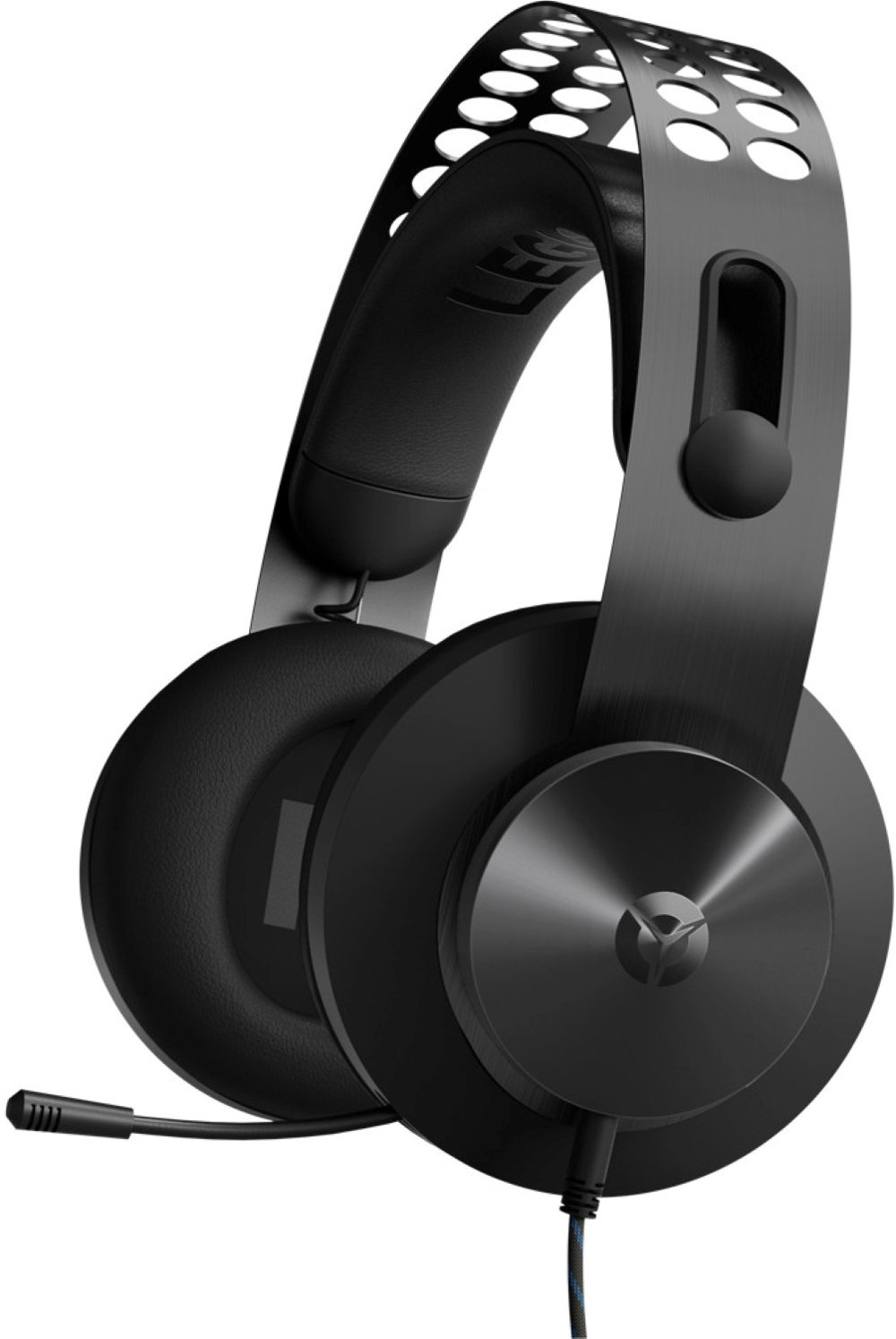
Headsets for smartphones bring listening and conversation together, pairing speakers with a microphone so you can take calls, join video chats, and enjoy audio without holding your phone to your ear. The best match depends on how you spend your day: lightweight earbuds suit compact carrying, over-ear headsets offer a more enclosed listening experience, and single-ear designs support call-focused routines while leaving one ear uncovered. Wired smartphone headsets connect through a compatible audio port or adapter and generally need no separate charging for basic listening and calling. Wireless headsets use Bluetooth to give you more freedom of movement, whether your phone is on a desk or tucked into a bag. Truly wireless earbuds remove the cable between earpieces, while neckband designs keep both sides connected and give them a place to rest between calls. Compatibility matters as much as style. A USB-C connector or a 3.5 mm plug needs to work with your phone’s audio connection, and an adapter must support microphone input if you plan to take calls. Wireless features can also vary by phone and operating system, including voice assistant access, app controls, and how much battery information appears on the screen. For conversation-heavy days, microphone placement deserves particular attention. A boom microphone positions the pickup closer to your mouth, while microphones built into an earbud or earcup create a less noticeable profile. Some headsets use microphone processing to reduce background sound sent to the person on the other end, which can help when a dishwasher is running nearby or conversations carry across a shared room. Accessible mute and volume controls make everyday use easier, especially when a call arrives while your hands are occupied. Clear controls, dependable phone compatibility, and a comfortable design often matter more in daily use than a long list of features you rarely touch.
Comfort shapes how much you’ll enjoy a smartphone headset, whether you wear it for a ten-minute catch-up or an afternoon of meetings. In-ear styles commonly use soft silicone tips to create a secure seal, and interchangeable tip sizes help accommodate different ears. A well-fitting tip should feel stable without needing to be pushed deeply or adjusted every few minutes. Foam tips, when supported by the headset, offer another fit option but may need replacement as they wear. Ear hooks and stabilizing wings can add security for movement, while open-fit earbuds rest without the same sealed feeling. On-ear headsets sit against the ears, and over-ear designs surround them with cushions; padding, clamping pressure, headband adjustment, and overall weight all influence long-session comfort. Glasses wearers may appreciate cushions that distribute pressure gently around the frames rather than pressing them against the head. Materials play a practical role, too. Molded plastic can keep weight down, metal reinforcements can strengthen high-stress areas, and padded earcups may use fabric or smooth synthetic coverings with different cleaning needs. For exercise, a documented sweat-resistance rating is more useful than a sporty appearance, and water resistance should never be treated as permission to submerge a headset unless its rating specifically allows it. Sound features also serve different purposes. A snug ear tip or closed earcup can reduce outside sound through passive isolation. Active noise cancellation uses microphones and electronic processing to reduce certain surrounding sounds, often making steady background noise less noticeable. Neither feature is the same as microphone noise reduction for calls. Transparency or ambient-listening modes, where included, let some external sound through, but they don’t replace paying attention to your surroundings. Spoken-word listeners may prefer clear dialogue, while music listeners may enjoy a fuller sound; either way, a comfortable fit and moderate listening volume help keep audio enjoyable without relying on excessive loudness.
Smartphone headsets fit naturally into a wide range of routines, from keeping a conversation going while folding laundry to reviewing a recorded lecture between classes. For someone who moves between a phone and a computer, multipoint Bluetooth can simplify switching between connected devices, although supported device combinations and switching behavior vary. A dedicated mute control, an easy-to-position microphone, and reliable comfort are especially helpful when personal calls and work meetings share the same day. For a more desk-centered setup, Headsets for Office offer a related category to explore, particularly when computer connectivity and longer conversations are priorities. Battery details deserve attention for wireless use: a headset’s listening time may differ from its talk time, and a charging case’s total capacity isn’t the same as how long the earbuds run on a single charge. Charging speed, connector type, and the ability to use one earbud independently can make a difference during a busy schedule. Portability matters just as much for someone who carries a headset daily. A protective case helps keep ear tips clean, prevents loose cables from tangling, and shields hinges or microphone arms from pressure inside a backpack. For wired designs, reinforced connection points and careful storage help reduce strain where the cable meets the plug or earpieces. Routine care is straightforward when it follows the manufacturer’s directions: remove surface debris gently, keep liquids away from openings, and let sweat or moisture dry before storage or charging. Replaceable ear tips and cushions can help maintain fit and cleanliness over time. As a gift, a smartphone headset suits students, frequent callers, podcast fans, and anyone who values a more comfortable way to stay connected. Matching the recipient’s phone connection, preferred wearing style, and everyday habits makes the choice feel personal, with benefits that carry through ordinary conversations, focused listening, and time spent on the move.
Read More