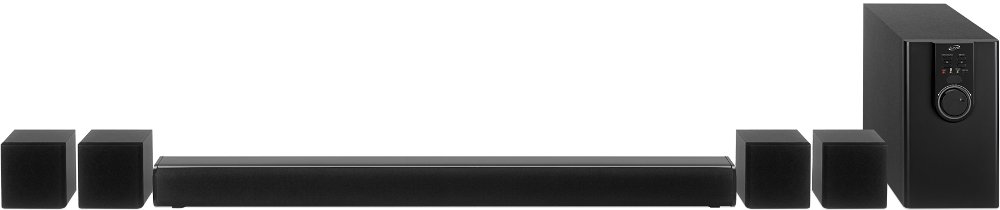
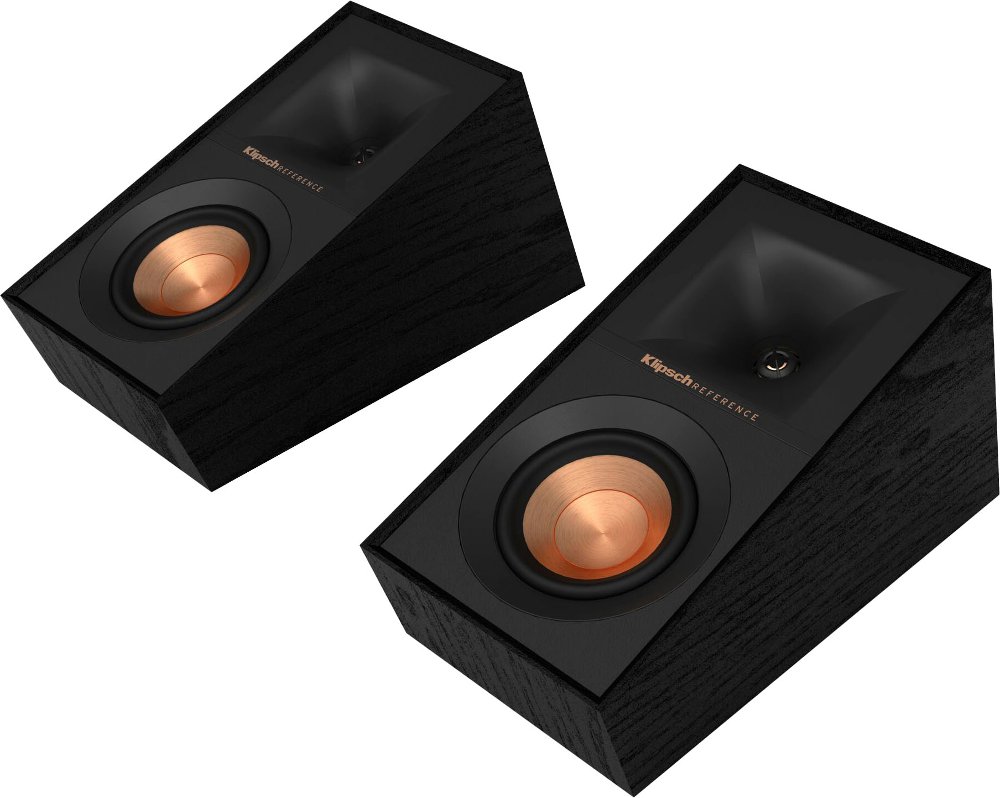
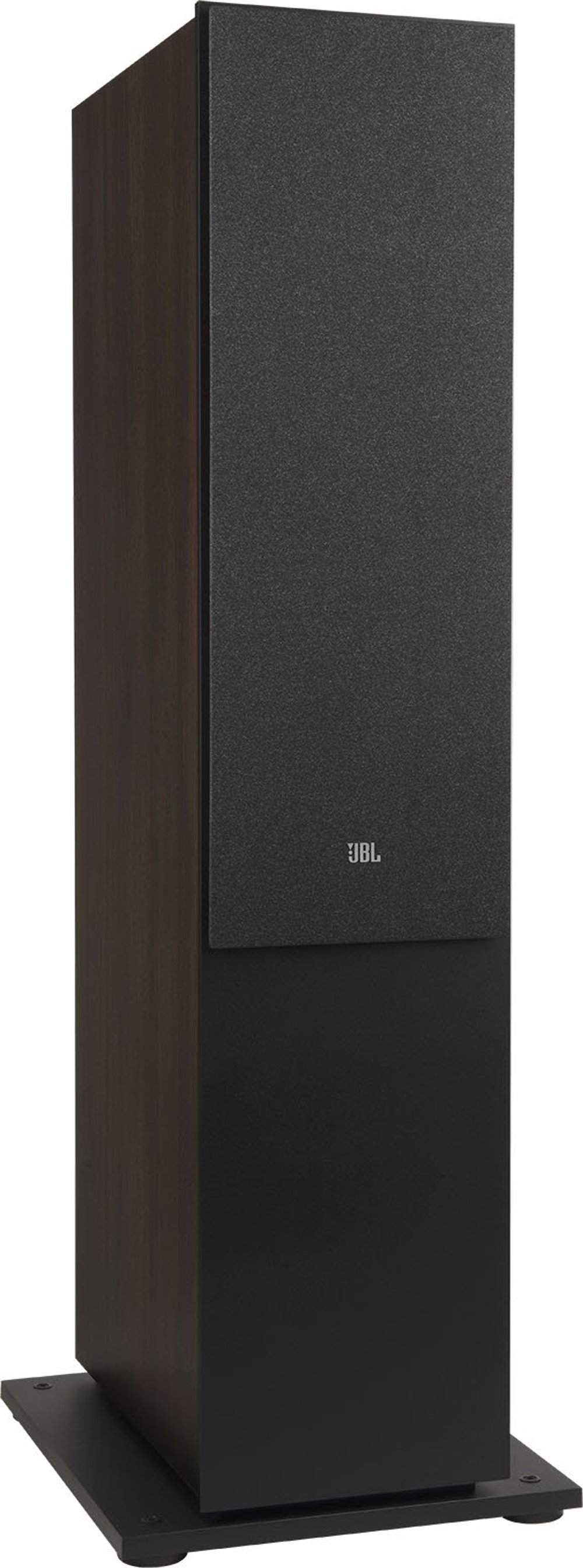
Home audio solutions bring music, movies, television, and games into clearer focus, whether you’re furnishing a first apartment or making a longtime family room more comfortable. The category includes compact TV audio systems, stereo speakers, home theater components, and connected speakers that share music across rooms. The best fit starts with how you like to listen, not with the biggest system or longest feature list. If your evening usually involves catching up on a favorite show, clear dialogue and simple volume control may matter more than room-shaking bass. If music follows you from breakfast to dinner cleanup, convenient streaming and consistent coverage deserve more attention. For movie lovers and gamers, surround sound can give effects a sense of direction, making a passing car or approaching footsteps feel connected to the action onscreen. A familiar song offers another useful reference: vocals should sound natural, instruments should remain distinct, and bass should support the music rather than overwhelm it. Think about the room, too. An enclosed den and an open living area with vaulted ceilings place different demands on an audio system. Listening distance, seating arrangements, and adjoining spaces all affect how much output and coverage you need. Bigger isn’t automatically better, especially when your couch sits close to the TV or you share walls with neighbors. Adjustable bass, dialogue enhancement, and night listening modes can be practical features for everyday use, although their availability varies by system. During the cooler months, when more evenings happen indoors, those everyday details become especially noticeable. You can hear a quiet conversation in a movie without reaching for the remote, or keep a dinner playlist low enough that everyone at the table can talk comfortably. Good home audio earns its place through that kind of ease: sound that suits your routines, feels balanced at your preferred volume, and makes the room more enjoyable without demanding your attention.
Before buying home audio equipment, take stock of what you already own and how everything will connect. For TV sound, check the television’s audio outputs and the audio system’s inputs rather than assuming any two components will work together. An HDMI ARC or eARC connection can simplify the setup and may let you control volume with your TV remote when compatible control settings are enabled. Optical connections remain useful for many systems, but they don’t carry every surround sound format supported by newer HDMI connections. Bluetooth makes it convenient to play audio from a nearby phone, while Wi-Fi-based systems may support listening across multiple rooms, depending on their software and compatibility. Wireless audio also doesn’t necessarily mean cord-free: powered speakers still need electricity, and some setups require cables between components. If you’re considering separate speakers and an amplifier or receiver, confirm the speaker impedance and recommended amplification requirements before pairing them. Powered speakers have amplification built in; passive speakers need a suitable external amplifier. For home theater, channel numbers describe the speaker arrangement: a 5.1 setup typically uses five main channels and one subwoofer channel, while an added third number identifies height channels. A higher channel count isn’t a guarantee of better sound. Placement, room acoustics, and the quality of the components matter just as much. Measure the available space around your screen, inside your media console, and beside your seating. Leave the ventilation clearance specified for amplifiers and receivers, and make sure a speaker placed below the TV won’t block the screen or remote sensor. Hard floors and large windows can make sound more reflective; rugs, upholstered seating, and curtains often help soften those reflections. Room correction features can help account for certain acoustic issues, but they don’t replace thoughtful placement. Set a budget that includes any necessary stands, mounts, cables, or installation work. A well-matched system that fits your room and daily habits is usually a more satisfying purchase than extra features you rarely use.
For homes where music belongs in more than one room, whole-home audio can make the transition from cooking to relaxing feel seamless. Compatible connected speakers may play the same music together or let different listeners choose different content, depending on the system. Before committing, check supported streaming services, account requirements, app controls, and whether additional speakers must belong to the same compatible platform. Reliable Wi-Fi coverage matters, particularly in larger homes or rooms far from the router. Built-in audio offers another approach when you prefer to keep shelves and floors open. Home Audio Ceiling Speakers can provide discreet sound for everyday listening while leaving more room for furniture, artwork, and the things you love to display. Their placement takes planning, including ceiling depth, wiring access, insulation, and the amplification they require. In-ceiling speakers used for background music also serve a different purpose from height speakers in a surround sound layout, so choose and position them for the job you want them to do. Professional installation can be worthwhile when wiring must run through finished walls or ceilings. For a smaller space or a home you rent, a setup that moves easily and requires fewer permanent changes may be the better choice. Home audio can also make a thoughtful gift for someone settling into a new place, building a movie room, or rediscovering a favorite music collection. Compatibility is especially important when giving audio equipment: knowing the recipient’s TV connections, existing components, and preferred way to stream helps you choose something they can actually enjoy. Ease of use deserves equal weight. A household with several listeners benefits from straightforward controls, reliable volume adjustment, and a setup that doesn’t depend on one person’s phone. If you expect your needs to grow, look for clearly documented expansion options rather than assuming you can add any speaker later. Whether you’re creating a dedicated listening space or simply making family movie nights easier to hear, the right home audio solution balances sound quality, room fit, and everyday convenience. Start with the listening experience you want, and choose equipment that makes it feel natural at home.
Read More