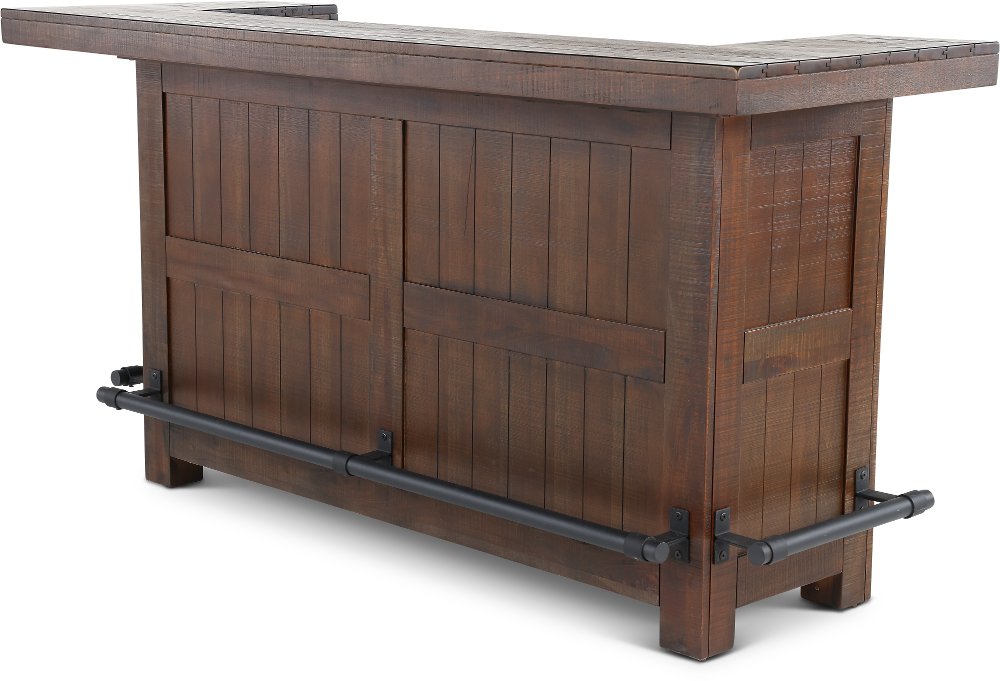
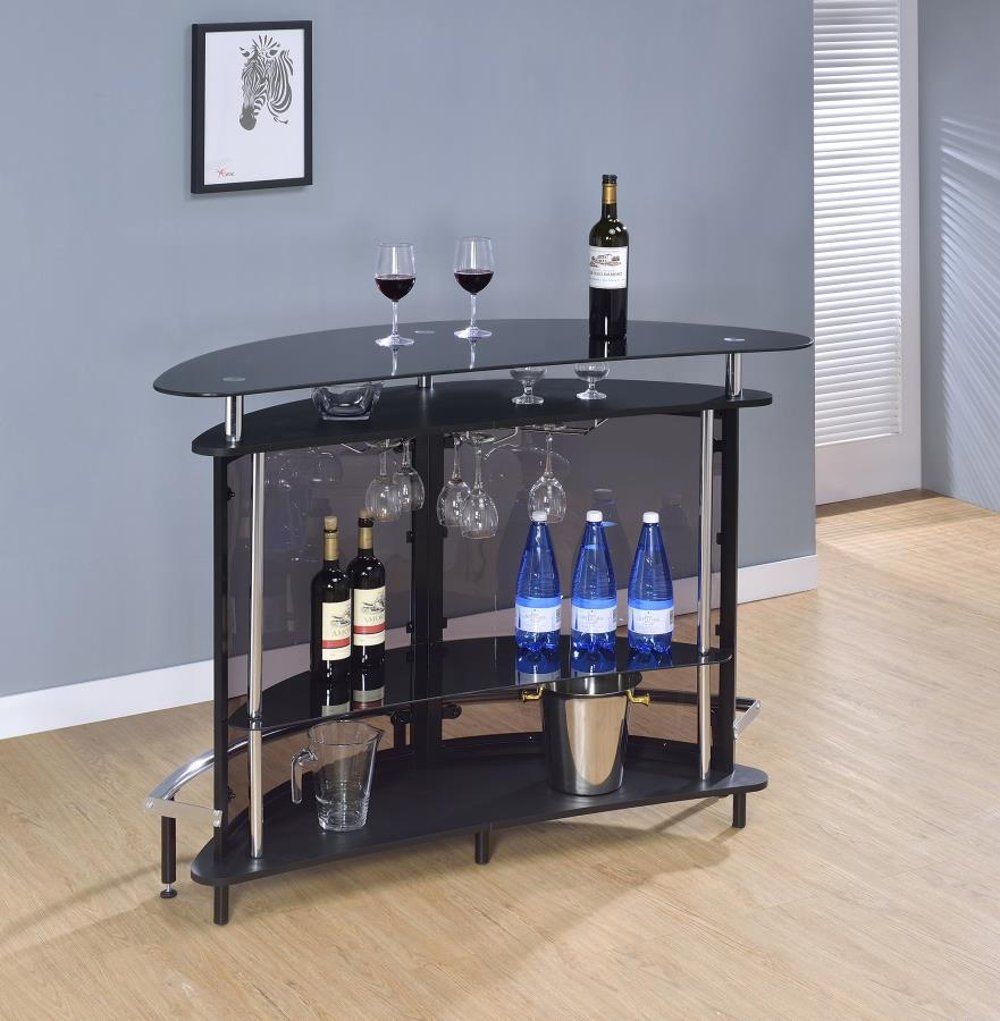
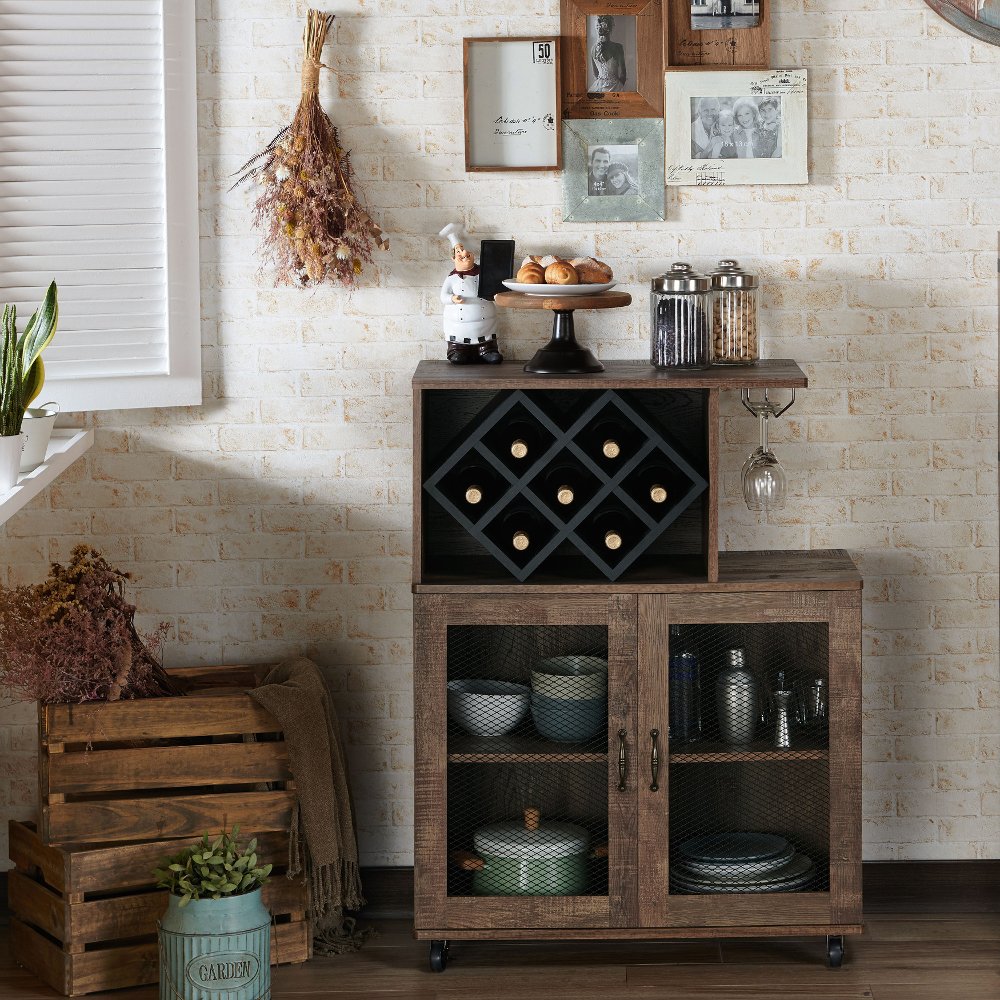
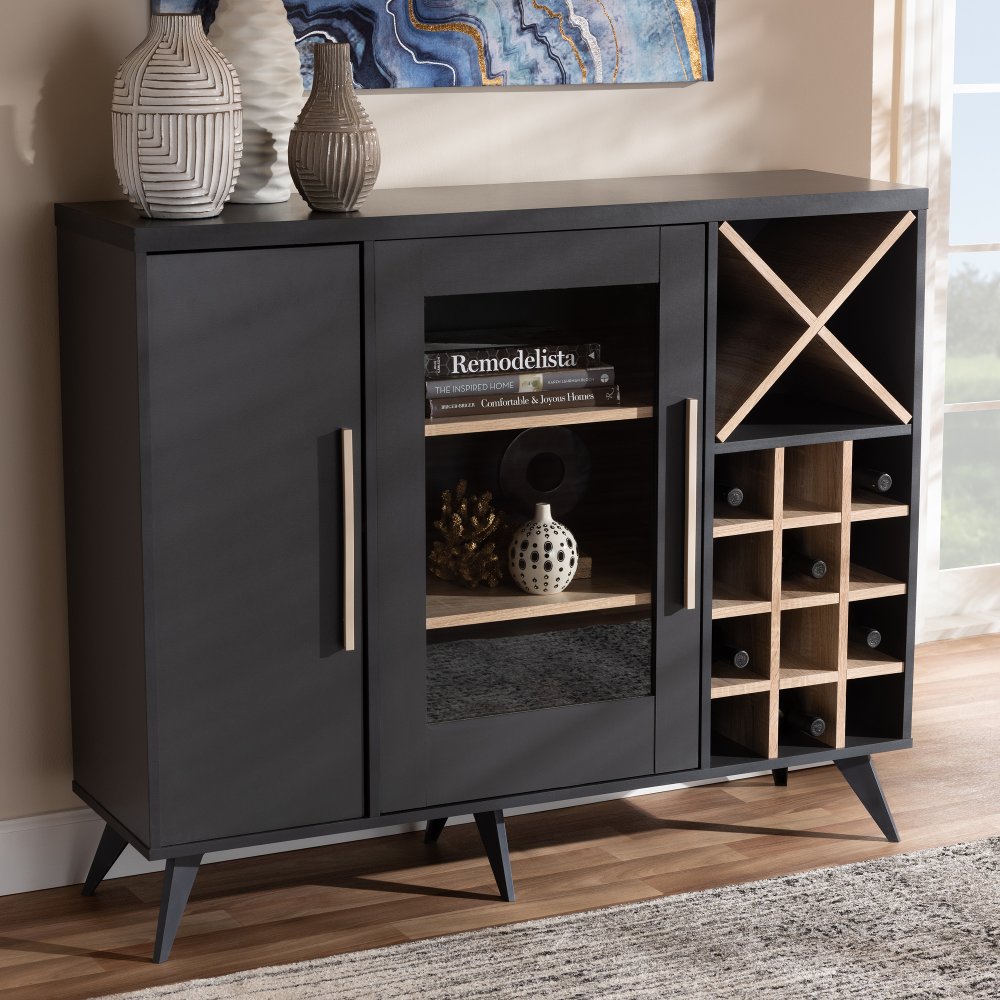
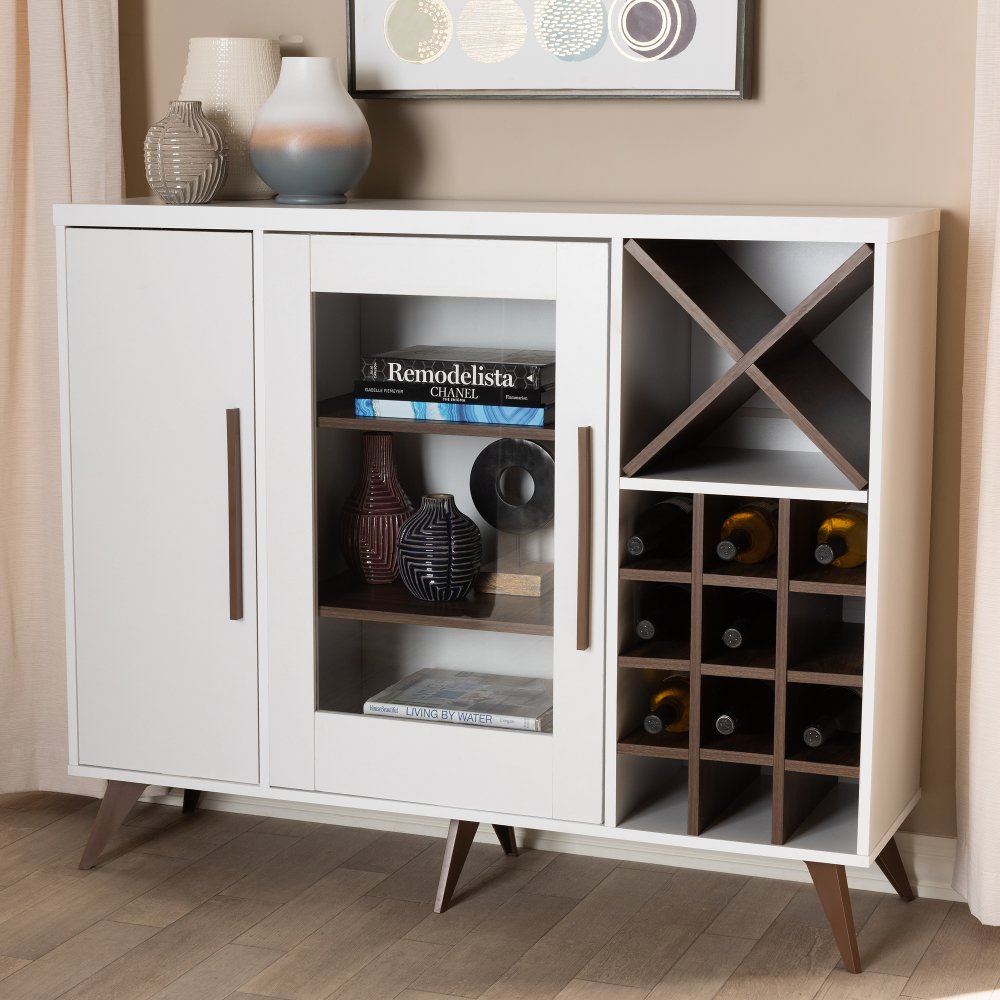
Home bar storage brings bottles, glassware, and serving essentials together in furniture that fits the way you live and entertain. The most useful setups balance easy access with a tidy appearance: open shelves give favorite glasses a place to shine, while cabinets and drawers keep extra napkins, mixers, and small tools out of sight. Bar carts, bar cabinets, credenzas, and hutches each offer a different mix of display space, enclosed storage, and room for preparing drinks. A compact bar cart suits an apartment dining nook or a living room where an occasional drink station is all you need. Its open shelves make contents easy to see, and models with rolling casters can move between serving areas when their size and weight allow. A freestanding bar cabinet creates a more permanent home for taller bottles, hanging stemware, and accessories without requiring built-in cabinetry. Wider credenzas can double as dining room storage, holding serving dishes alongside beverage essentials, while hutches add vertical storage above a lower cabinet. The right balance depends on what happens in your home. Someone who enjoys mixing cocktails may appreciate a drawer for a jigger, strainer, and bottle opener directly beneath a clear work surface. A household that serves sparkling water, juice, and alcohol-free drinks might use the same furniture for tumblers, pitchers, and unopened mixers. Wine enthusiasts may prefer dedicated bottle compartments and space for glasses with generous bowls. For frequent hosts, keeping the everyday essentials within reach makes it easier to spend time with guests instead of searching kitchen drawers. Even without a separate entertaining room, a well-proportioned cabinet can give an unused wall a purpose and keep beverage supplies from spreading across the kitchen counter. Home bar furniture can also make a thoughtful housewarming or wedding gift when the recipients’ room dimensions, storage needs, and style preferences are already known.
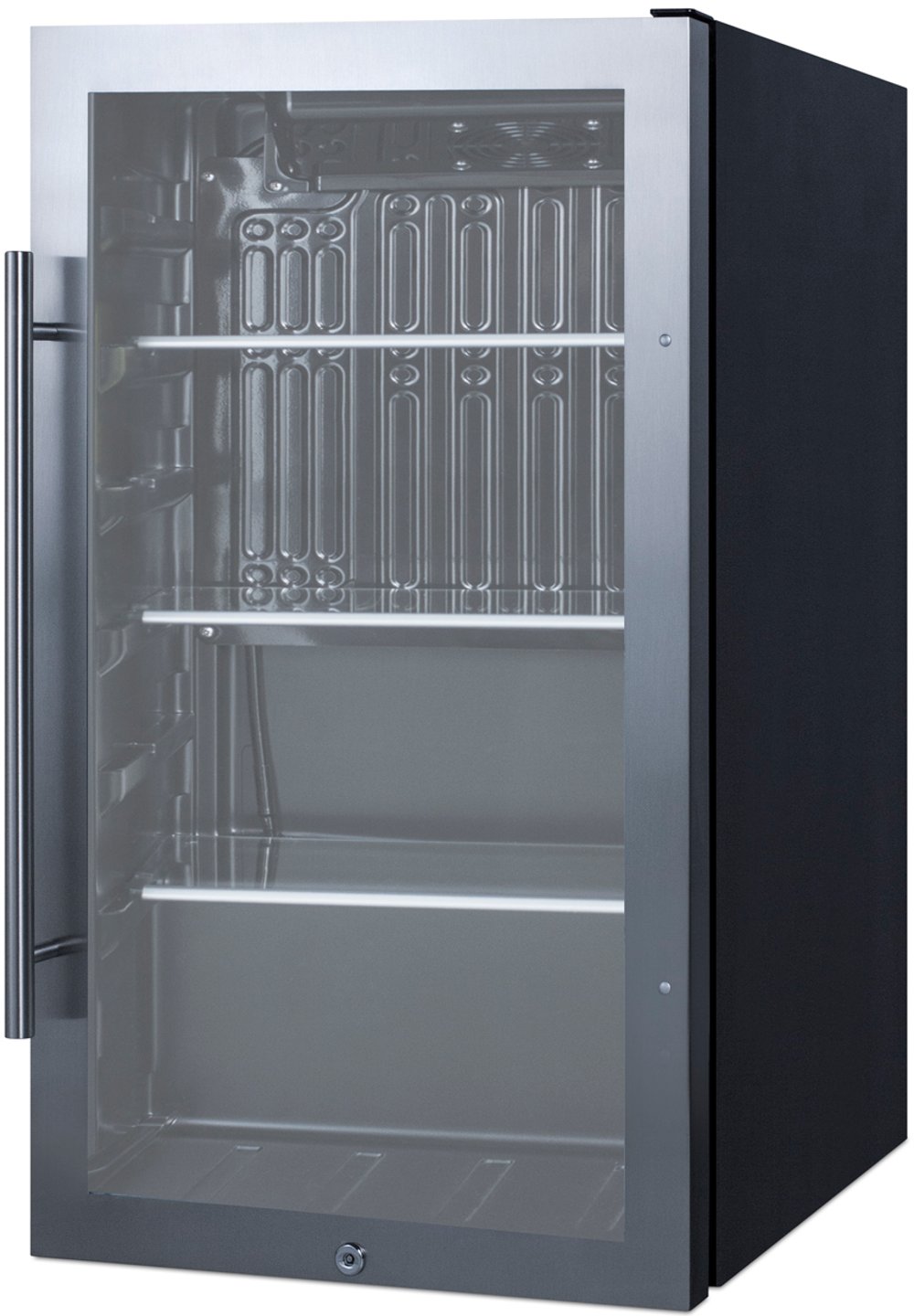
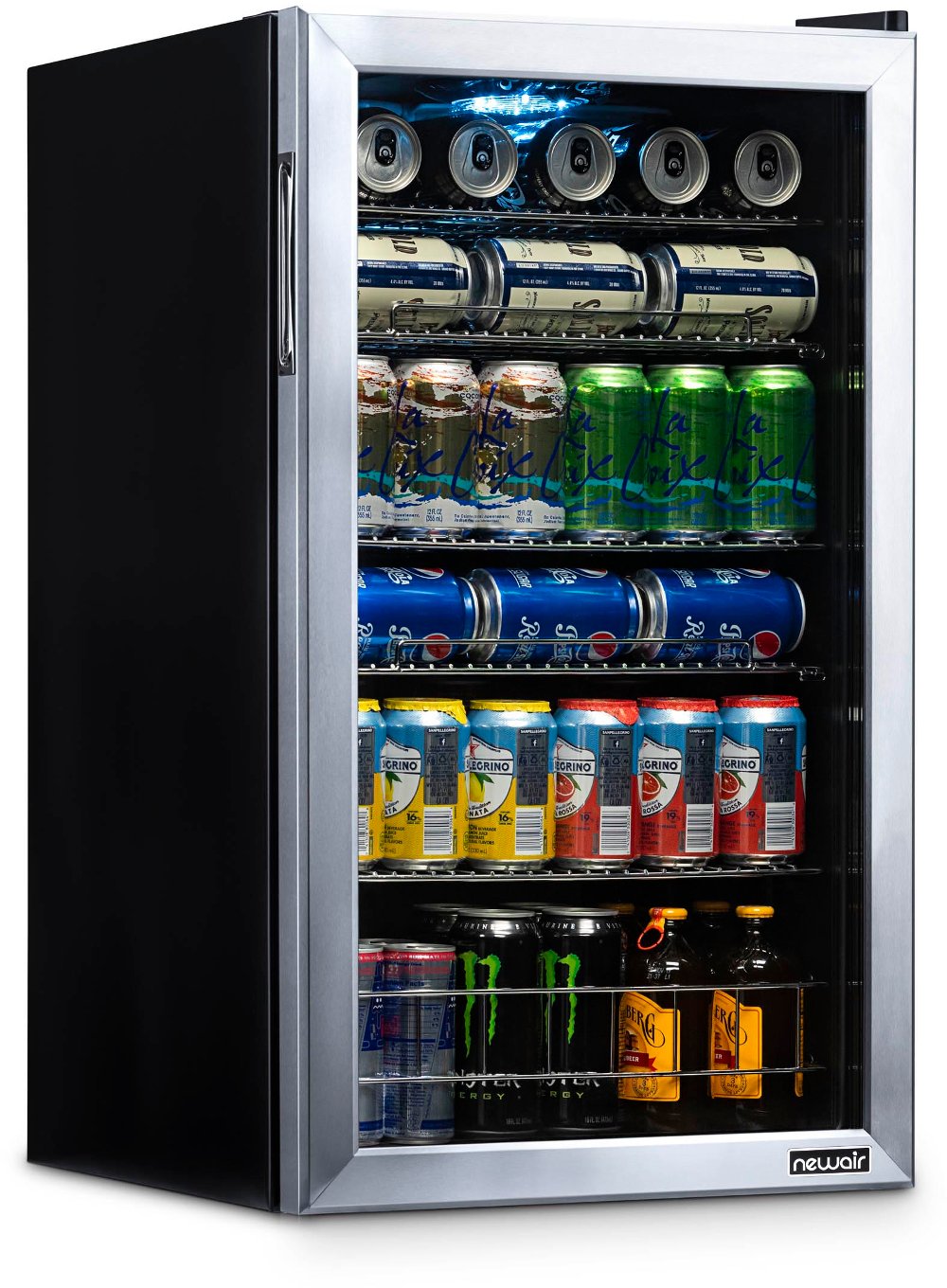
Good fit starts with the furniture’s full footprint, not just the width of the wall behind it. A home bar cabinet needs enough clearance for doors to open and drawers to extend without bumping dining chairs or interrupting a walkway. A bar cart needs a practical route between rooms, including space to turn and roll past furniture. In a smaller room, a shallow cabinet can preserve walking space, while a taller hutch uses wall height without stretching across the floor. Interior measurements matter just as much. Tall bottles, wide decanters, and long-stemmed glasses don’t all fit the same compartments, so shelf spacing and rack dimensions deserve a close look. Adjustable shelves offer flexibility as your collection changes; fixed bottle racks create orderly storage but may limit the shapes and sizes they accommodate. Stemware racks should suit both the glass base and the overall hanging height, with enough separation to prevent glasses from knocking together. Drawers with dividers or removable organizers can keep small tools from becoming a tangled pile. For heavier collections, check the stated shelf and overall weight limits, since a row of full bottles adds substantial weight. Store heavy pieces low when practical, follow loading instructions, and secure furniture with the manufacturer’s recommended anti-tip hardware. Lockable enclosed storage adds an important barrier when children live in or visit the home, though a lock doesn’t replace safe placement and adult supervision. Open shelving is better suited to contents that can remain accessible. If refrigerated storage is part of the plan, choose cabinetry specifically designed to accommodate the intended appliance and follow its ventilation, clearance, and electrical requirements. An ordinary enclosed cabinet isn’t automatically a safe housing for a beverage refrigerator. A dedicated wine cooler also serves a different purpose from a decorative bottle rack: furniture organizes bottles, but it doesn’t regulate storage conditions. For ways to connect these practical choices with the rest of your room, explore Home Bar Ideas.
Materials and construction shape both the appearance of home bar storage and the attention it needs over time. Solid wood adds natural grain and character, while wood veneers offer a real-wood surface over a supporting core. Engineered wood can provide a smooth, consistent foundation for painted, laminated, or veneered finishes; its performance depends on the construction, surface treatment, and protection from moisture. Metal frames give open bar shelving and carts a lighter visual outline, and powder-coated finishes can simplify routine cleanup when maintained as directed. Glass doors let you see what’s inside while helping shield glassware from dust, though they’ll show fingerprints more readily than an opaque front. For durability, look beyond the finish to shelf supports, drawer operation, door alignment, and the stability of the assembled furniture. On a mobile cart, sturdy handles and appropriate casters matter as much as the shelves, and locking wheels help hold it in place during use. A serving surface should accommodate the way you prepare drinks, with room for a tray and a stable spot to set down glasses. Coasters, washable trays, and protective mats help contain condensation and drips; even a durable-looking top may stain or develop marks if spills sit too long. Wipe spills promptly with a soft cloth and follow the care instructions for the specific finish rather than reaching for abrasive pads or strong household cleaners. Wood and veneer surfaces especially benefit from keeping standing water away from seams and edges. Bottle placement deserves similar care. Keep spirits upright, away from direct sunlight and heat, and store cork-finished wine bottles horizontally when appropriate for longer storage. Decorative bar storage shouldn’t be mistaken for a controlled environment for aging wine. Visually, the furniture can blend with existing dining pieces or introduce a complementary finish that gives the beverage area its own identity. A warm wood cabinet feels comfortable beside upholstered chairs, while a slim metal-and-glass cart can leave a small corner feeling open. With storage matched to your habits and materials matched to everyday use, your home bar becomes a practical part of the room rather than another surface to keep clearing.
Read More