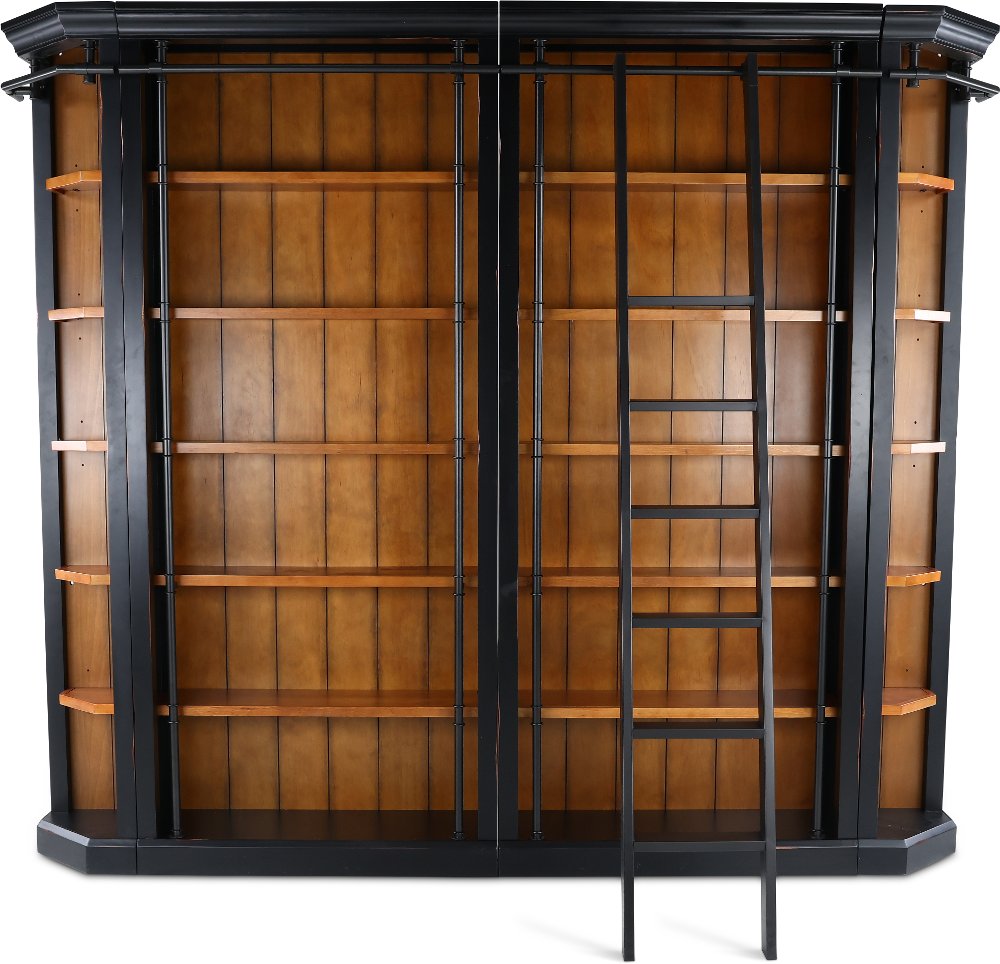
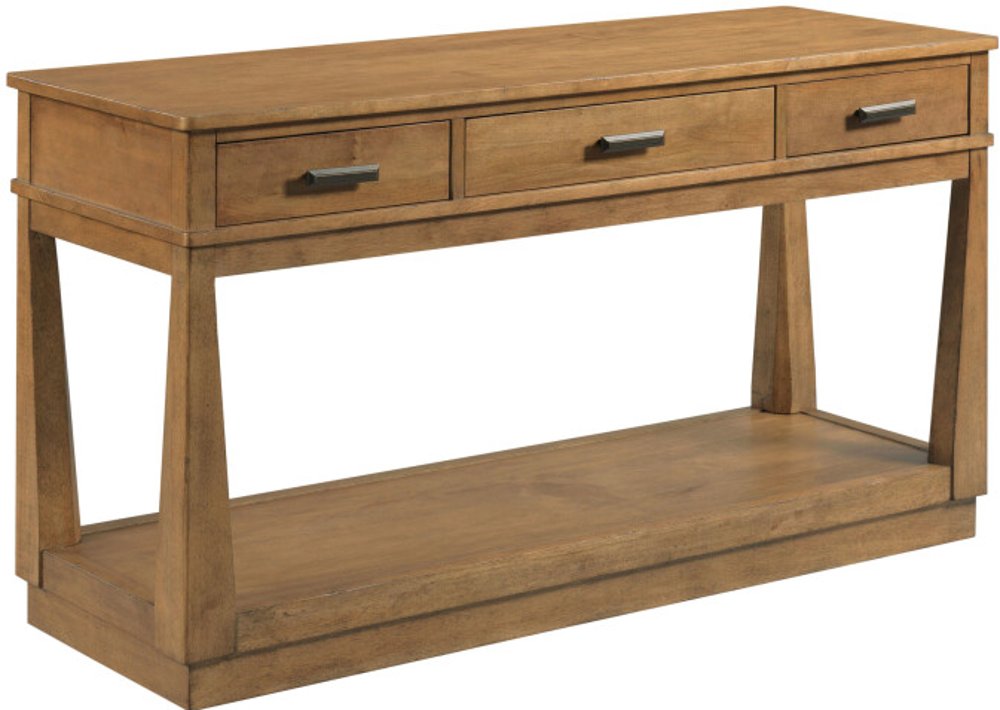
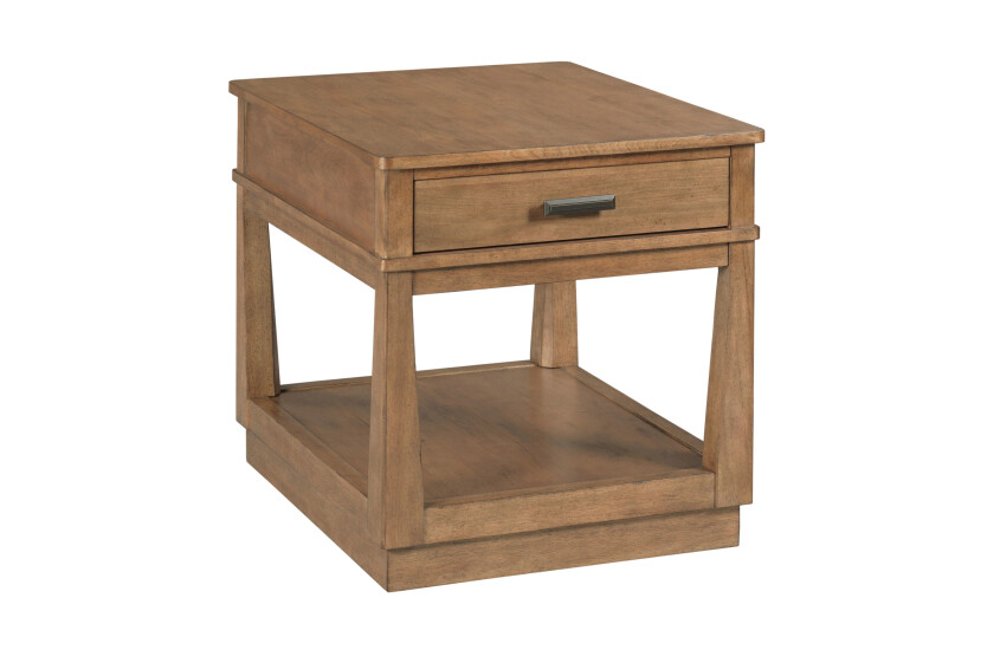
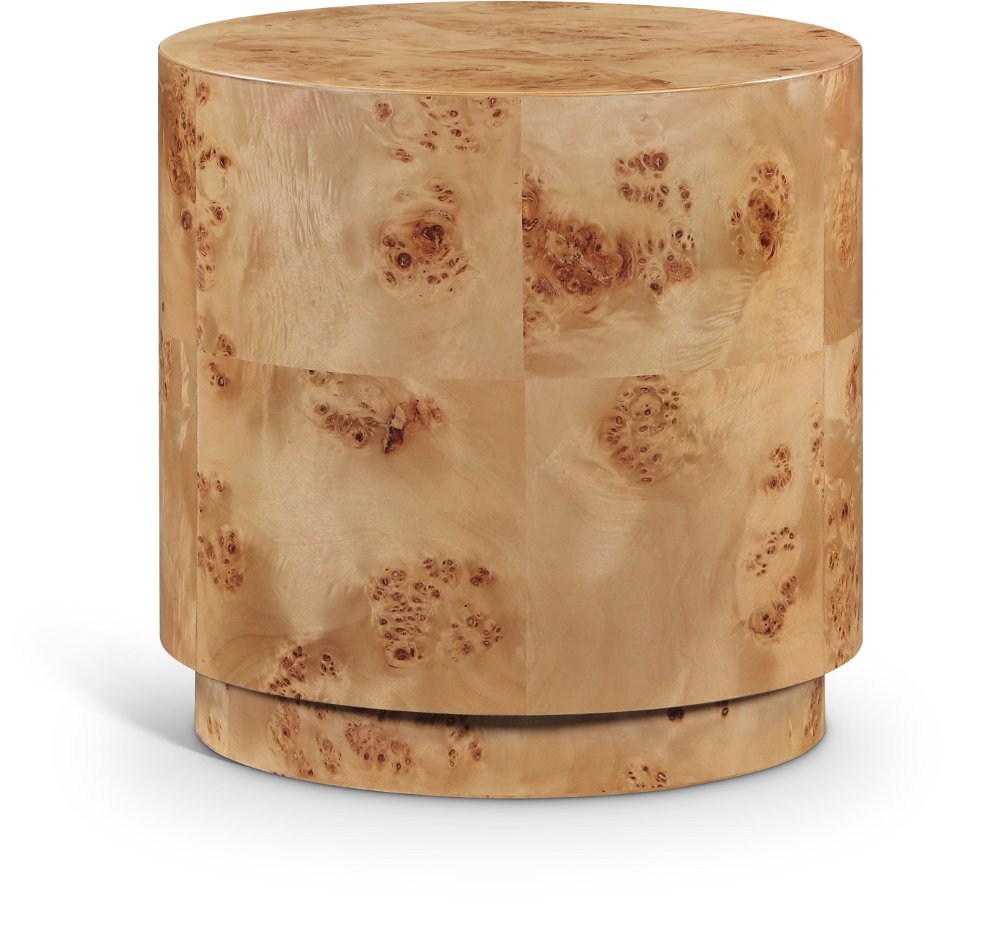
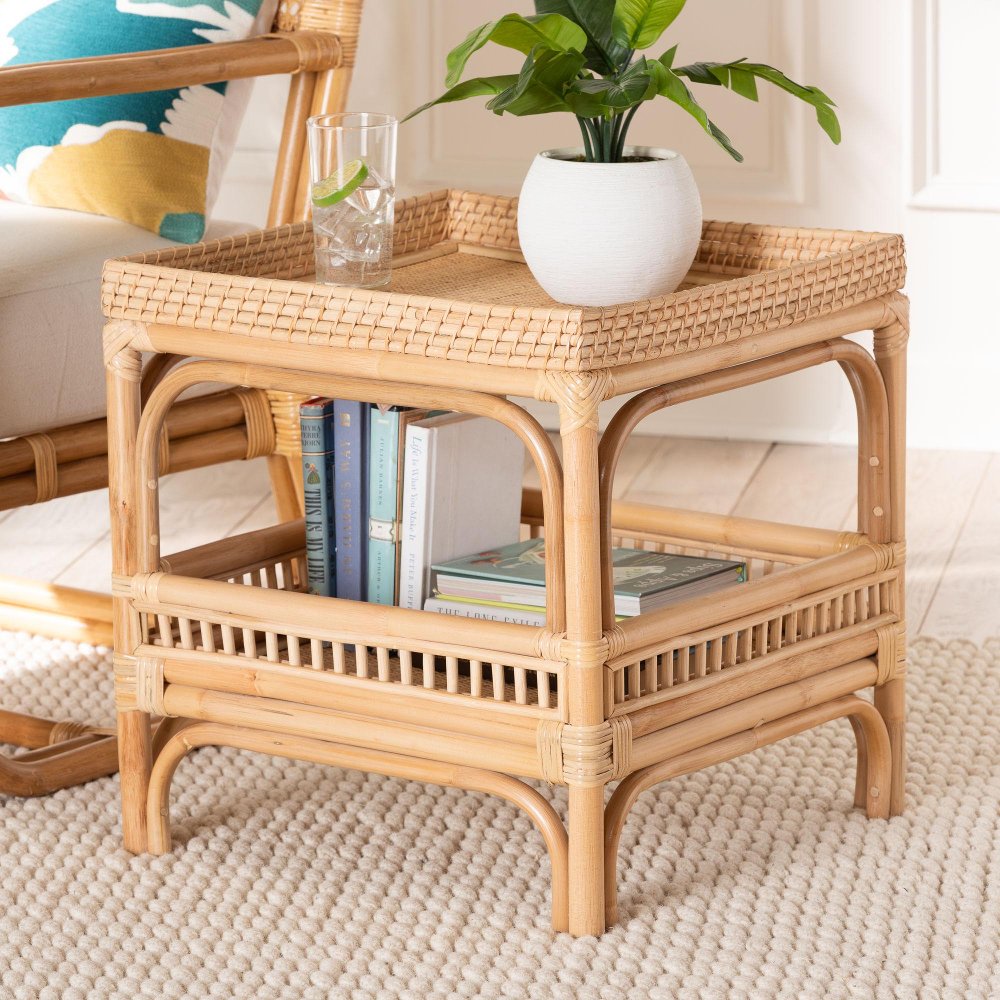
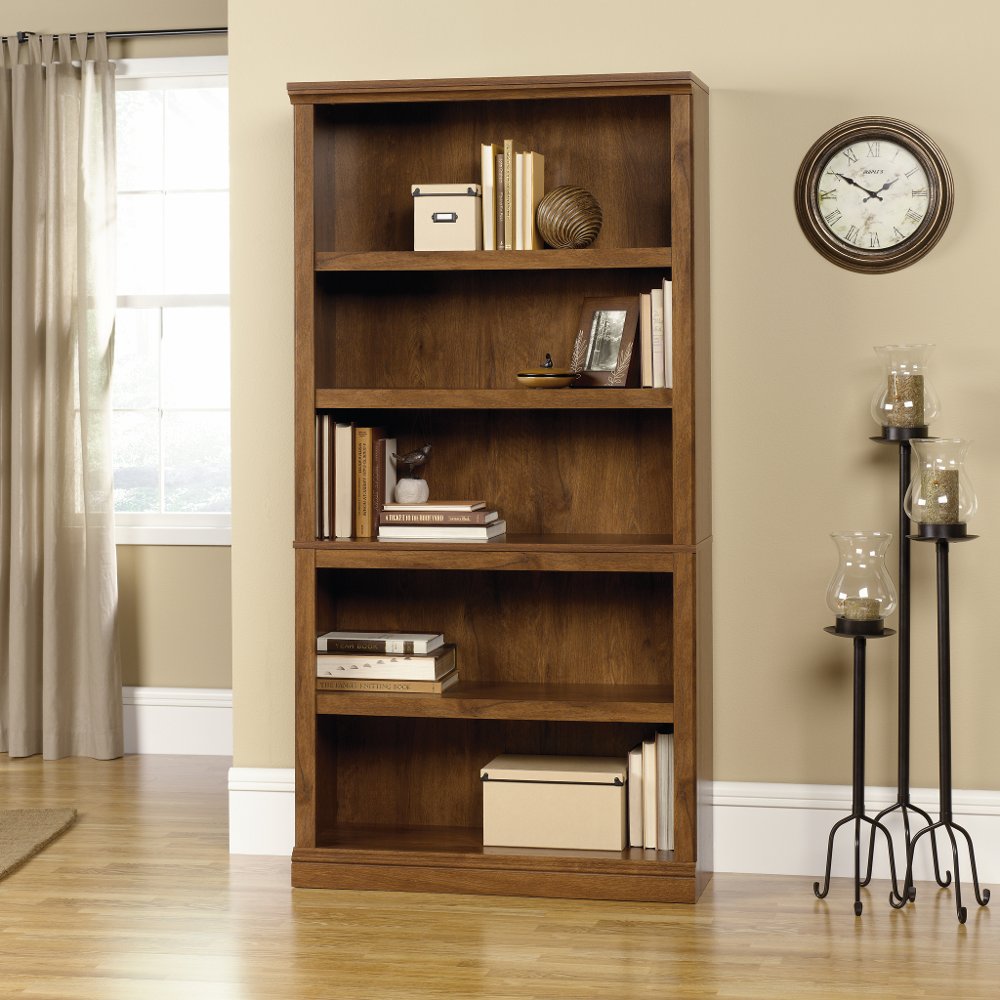
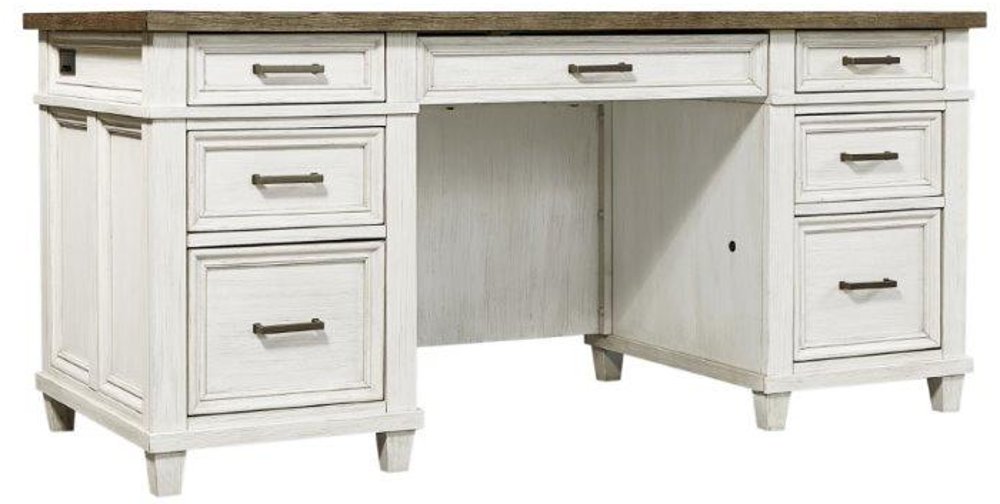
Honey furniture describes furnishings with a warm golden-yellow to amber color, usually created by a wood stain or finish rather than a particular wood species. The name refers to a color family, not a standardized shade, so one honey finish may look pale and buttery while another has richer orange or brown undertones. That range gives honey-colored furniture an easy place in living rooms, dining spaces, bedrooms, and home offices. It brings out the character of visible wood grain and adds warmth without necessarily making a room feel dark or heavy. Against cream walls and a textured ivory rug, a honey finish can feel relaxed and understated. Paired with navy upholstery, olive accents, or charcoal metal, the same golden wood tones take on more definition. Shape matters just as much as color: straight lines and slim legs suit a clean, contemporary room, while turned details and substantial proportions lean more traditional. Honey wood furniture also works well in spaces that mix older furnishings with newer designs. A shared warm undertone can connect different silhouettes without making every piece match. For a quieter combination, pair honey tones with linen-look fabrics, woven textures, and softly patterned rugs. For more contrast, balance the golden color with a deeper wood finish or dark hardware. Nearby floors deserve attention, too. Honey furniture can complement wood flooring, but a slight difference in depth or grain often creates a more layered look than an almost-exact match. If a richer brown direction suits the room better, caramel furniture offers a related color family to consider, with the exact undertones depending on the finish. Photos provide a useful starting point, but lighting and screens can change how golden, orange, or brown a surface appears. Comparing finish samples with the room’s flooring, paint, and upholstery helps keep the overall combination comfortable and cohesive.
The material beneath a honey finish affects texture, weight, care, and long-term use. Oak often shows a pronounced grain that remains noticeable through the stain, while maple generally has a finer, more restrained grain pattern. Pine may feature visible knots and a casual appearance, though its softer surface can collect dents more readily than many hardwoods. Species alone doesn’t determine durability; construction, finish quality, and everyday handling all play a part. Solid wood can offer repair and refinishing possibilities, depending on the design and surface treatment. Wood veneer places a thin layer of real wood over a supporting core, allowing natural grain to appear across broad surfaces. A well-made veneered piece can serve a household well, although its thin wood layer limits how much sanding it can tolerate. Printed wood-look surfaces create a similar visual effect through a different construction, so material descriptions matter more than the color name alone. For furniture that sees frequent use, look beyond the finish to the details that carry the load: secure joints, stable legs, smooth drawer movement, and hardware that feels firmly attached. A dining surface used for homework and daily meals has different demands than an accent surface holding a lamp and a few books. Protective finishes can help with ordinary wear, but honey-colored wood still benefits from simple habits. Soft coasters, placemats, and felt pads beneath decorative objects help protect against rings and scratches. Blot spills promptly, and clean with a soft cloth and products approved for the furniture’s finish. Excess moisture can affect wood and damage vulnerable edges or seams, especially where a protective coating has worn. Direct sunlight may also change the color over time, so even exposure and thoughtful placement help preserve a balanced appearance. Follow the manufacturer’s care directions before applying polish, oil, or a cleaner; a product intended for one finish may leave buildup or an uneven sheen on another.
Good proportions make honey furniture feel at home rather than simply filling an empty spot. In a compact room, open bases and visible legs can keep golden wood tones from feeling too substantial. Larger rooms can support broader silhouettes, especially when upholstery, rugs, and lighting help define separate areas. Measure the furniture’s full footprint alongside the space it needs to function. Dining chairs need room to pull away from the table, drawers need clearance to open, and cabinet doors should swing without interrupting a main walkway. About 36 inches of clearance around a dining table is a useful planning target, with additional space wherever people regularly pass behind seated guests. In a living room, leave comfortable access between seating and nearby surfaces so someone carrying a drink doesn’t have to turn sideways to get through. Bedroom storage should fit the amount and type of clothing it will hold, not just the width of an available wall. Deep drawers may suit folded sweaters, while shallower compartments can make smaller belongings easier to organize. Secure dressers and other furniture that requires anchoring according to the manufacturer’s instructions, particularly in homes with children. For a home office, a honey finish can soften the look of work equipment, but usable surface area, legroom, and cable access still determine daily comfort. Households furnishing a first apartment may appreciate the color’s flexibility as fabrics and accessories change. Established rooms can benefit from that same adaptability when a single addition needs to sit comfortably beside familiar belongings. There’s no need for every wood surface to share an identical stain; repeating a warm undertone in a few places often provides enough connection. A honey-toned frame, a woven basket, and a small brass detail can help the room feel intentional without turning it into a matching set. The most satisfying choice balances that welcoming color with the right dimensions, practical storage, and a surface suited to everyday routines, from setting down morning coffee to gathering for dinner.
Read More