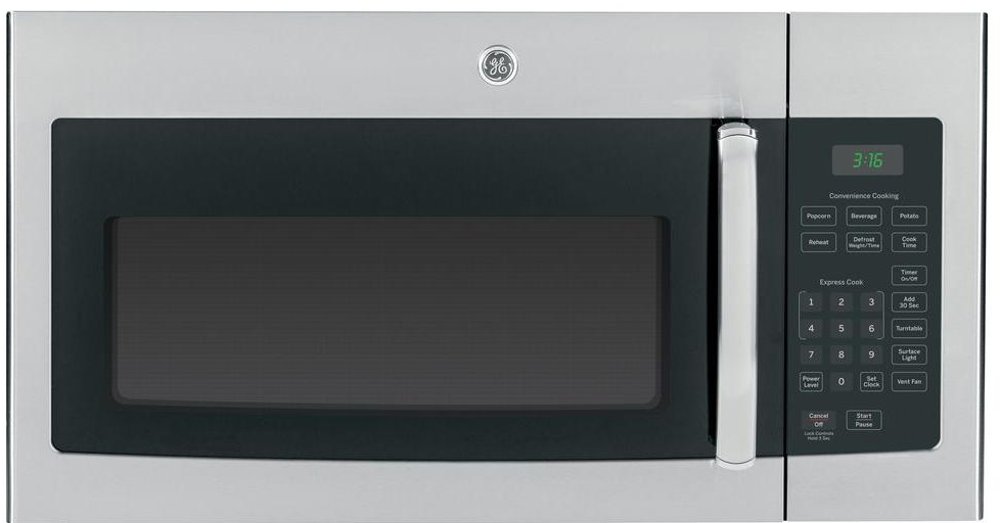
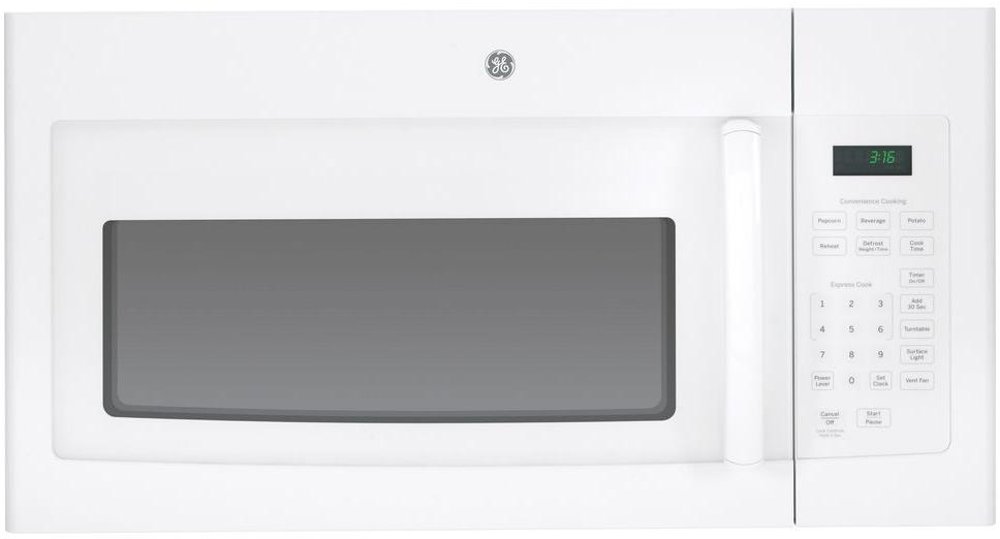
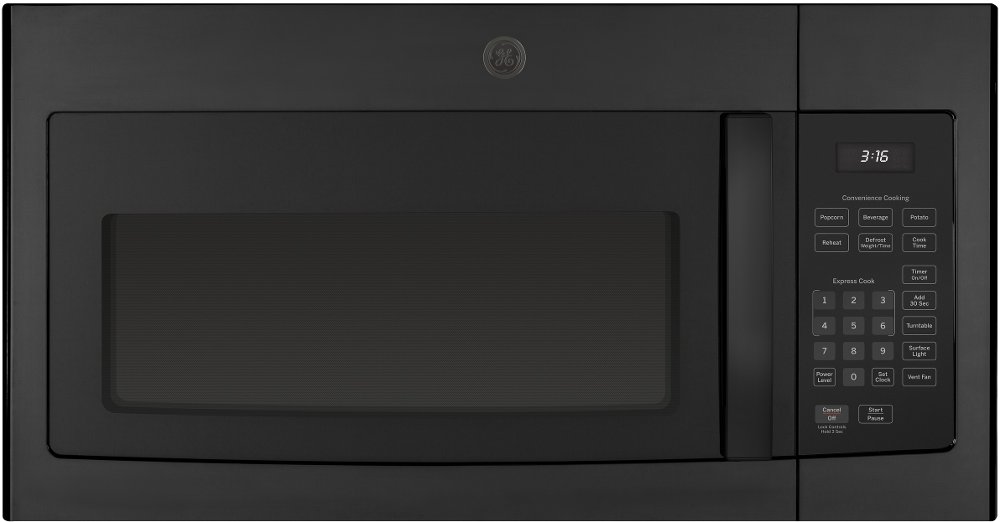
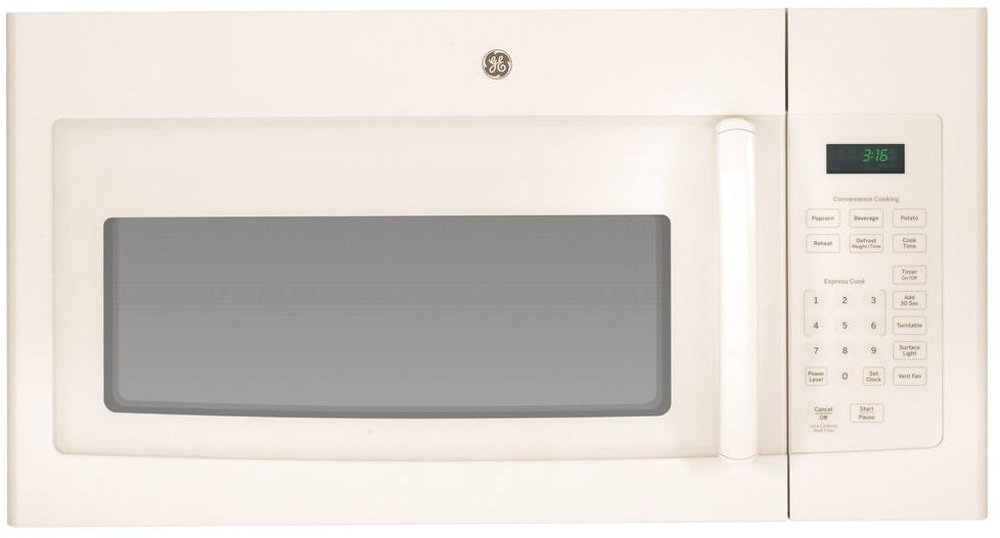
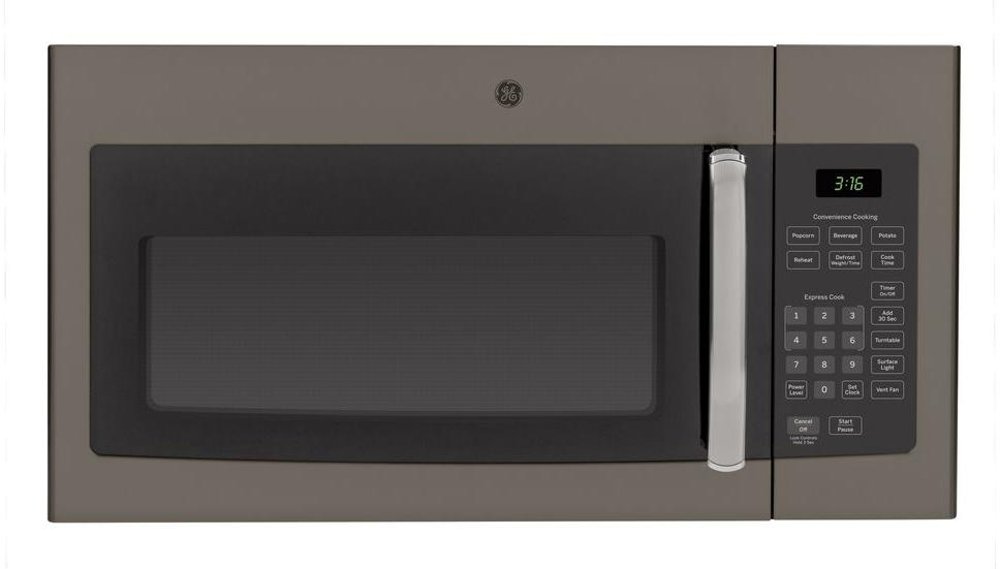
Hood microwaves bring two hardworking kitchen tools together in one streamlined appliance. Designed to sit above the range or cooktop, they provide a convenient place to warm leftovers, prepare quick meals, soften ingredients, and reheat a mug of coffee while also helping manage steam, smoke, and cooking odors. This combination can open up valuable counter space, which makes a noticeable difference in smaller kitchens, apartments, busy family homes, and spaces where every inch matters. Instead of reaching across the counter or searching for a place to set a standalone microwave, you can keep everyday cooking tasks centered around the range. During the cooler months, when simmering soups, baking casseroles, and preparing family-sized meals can make the kitchen feel especially active, a hood microwave helps keep the room more comfortable and organized. It can also be a thoughtful housewarming or move-in upgrade for someone settling into a new home, especially when their kitchen needs practical improvements that look polished without taking up additional floor or counter space. As you compare hood microwaves, start with the space they’ll occupy. Measure the width of the range, the available height above it, and the depth from the wall to the front of nearby cabinets. Check the manufacturer’s installation requirements and the clearance needed above the cooktop so the appliance fits safely and comfortably. It’s also wise to consider how the door opens in relation to cabinets, walls, and the main walkway. A model that fits neatly on paper should also leave enough room for you to lift out a hot bowl without bumping into surrounding surfaces.
Ventilation is one of the most important features to review because hood microwaves can handle kitchen air in different ways. Some connect to existing ductwork and send air outdoors, while others use a recirculating setup that passes air through filters before returning it to the room. If your kitchen already has a vent opening, confirm that the microwave is compatible with the existing configuration. If you’re remodeling or replacing an older appliance, installation may involve electrical work, cabinet adjustments, duct changes, or professional help, so reviewing those details before purchase can save time and frustration. Pay attention to ventilation power, filter access, and the type of cooking you do most often. A household that frequently sears meat, fries foods, or cooks with high heat may appreciate strong airflow, while lighter cooking routines may place more emphasis on quiet operation and simple maintenance. Grease and steam naturally collect around the cooking area, so removable filters and smooth, easy-to-wipe surfaces can make cleanup feel much less like a chore. Interior capacity matters, too. Think about the dishes you regularly heat, from a small breakfast plate to a large serving bowl of chili or a casserole prepared for a crowd. Turntable size, interior height, and rack placement can affect whether your favorite cookware fits comfortably. Wattage influences cooking speed, while sensor cooking can help adjust heating time based on moisture and steam. Preset buttons may be handy for popcorn, baked potatoes, beverages, or reheating, but clear manual controls are just as valuable when you prefer to set the time and power level yourself. Features such as interior lighting, cooktop lighting, a bright display, a quiet-close door, and an easy-to-read control panel can make a busy kitchen feel more manageable from morning through evening.
A hood microwave should support the way your household actually lives, not add another layer of complication. For a couple preparing quick breakfasts before work, compact capacity and straightforward controls may be the best fit. A family with school-age children may value one-touch settings, a visible display, and enough room for several portions of leftovers. If you often host friends or gather with relatives during the cooler season, a larger interior and dependable ventilation can help you move from stovetop preparation to serving without crowding the counters. It’s also worth thinking about who will use the appliance most. Controls positioned within easy reach, readable labels, and a door handle or button that operates smoothly can be helpful for cooks of different heights and abilities. Families replacing an older over-the-range microwave may want to compare installation dimensions carefully rather than assuming every replacement will fit the same opening. Renters and homeowners planning a future kitchen update should also review whether the ventilation style and electrical requirements match the space they have today. For shoppers focused on everyday value, energy use, cooking efficiency, and durable construction can matter just as much as appearance. You may also want to explore Efficient Microwaves when comparing ways to make regular reheating and meal preparation fit comfortably into your household routine. Whether you’re warming a bowl of oatmeal on a brisk morning, reheating dinner after a long day, or clearing steam from the kitchen while a sauce simmers below, the right hood microwave can help the room work more smoothly. Look for a balance of useful capacity, dependable ventilation, accessible controls, and a finish that complements your range and cabinetry. With those details in place, you can choose an appliance that feels natural to use and keeps up with real life, from quick weekday meals to relaxed gatherings around the kitchen table.
Read More